Upender & Tilter Solutions for the Solar Panel Manufacturing Process
As a factory manager, you know that every second of downtime is money lost. The pressure to increase output, control costs, and maintain safety is relentless. In industries like solar panel manufacturing, where delicate glass and large, awkward frames are the norm, the simple act of moving and positioning materials can become your biggest bottleneck. Manual handling is slow, risky, and a direct threat to your bottom line. What if the key to unlocking your factory's next level of efficiency and safety isn't on the main production line, but in the material handling equipment supporting it?
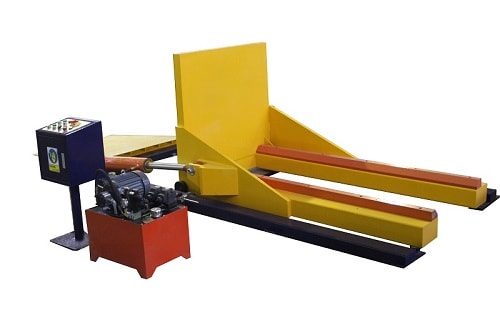
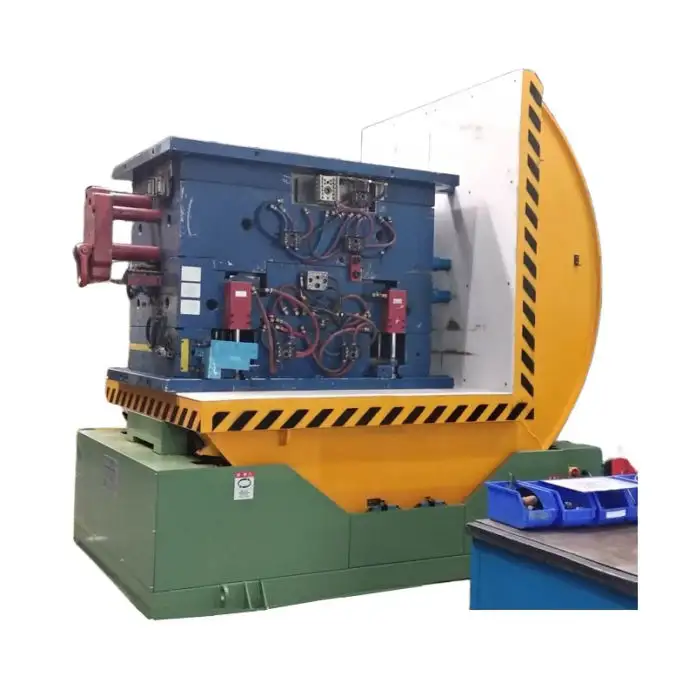
Upender and tilter solutions are specialized material handling machines designed to safely, efficiently, and precisely rotate, tilt, and reposition heavy, bulky, or fragile loads like solar panel glass, aluminum frames, and assembled modules. They are the critical link that automates the transitions between different stages of the solar manufacturing process, eliminating manual labor, reducing product damage, and dramatically improving workflow speed. (solar panel upender, photovoltaic module tilter)
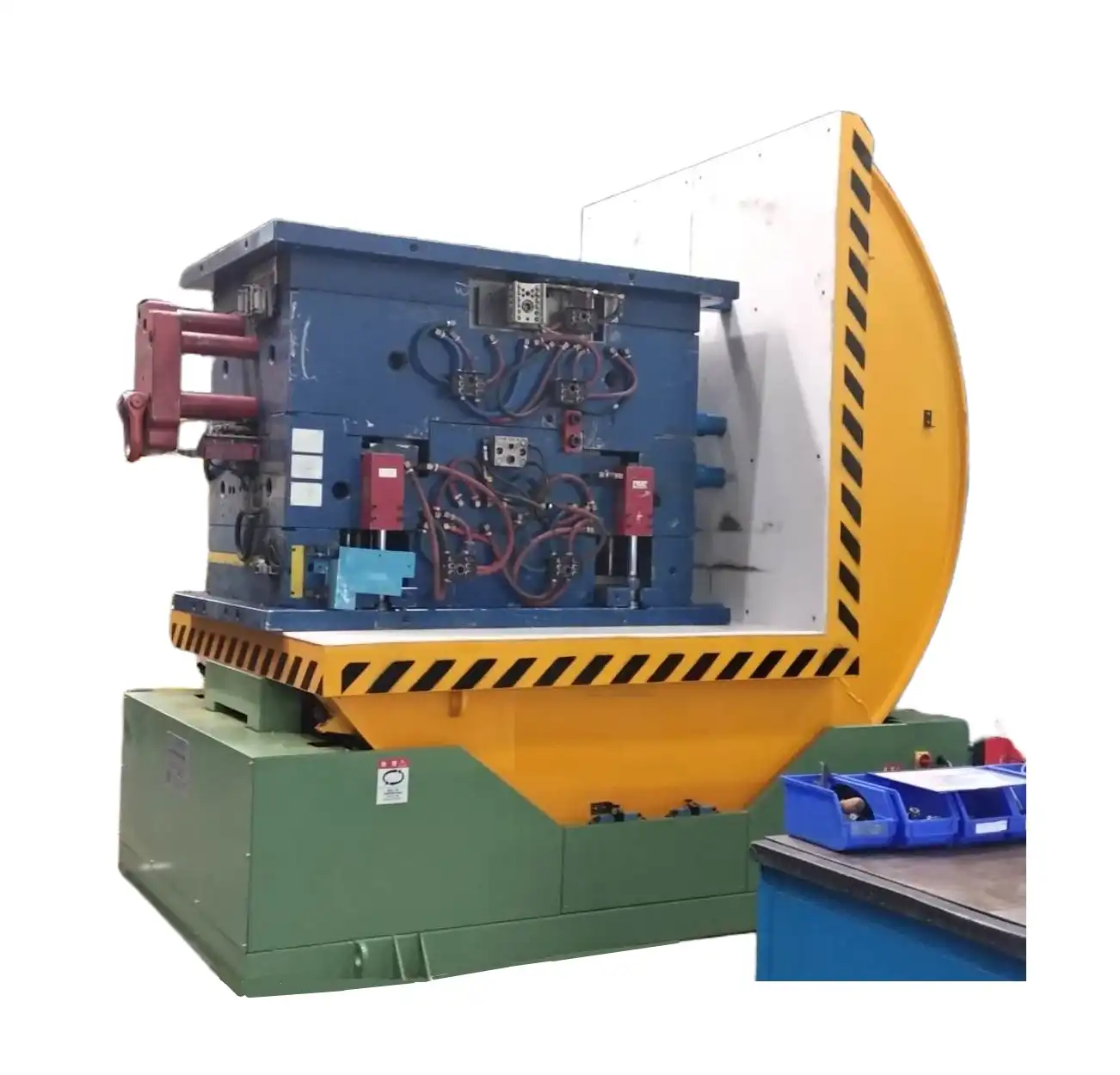
You might be thinking, "It's just a machine that flips things. How complex can it be?" The truth is, the right upending solution is not a commodity. It's a strategic investment that addresses core operational challenges. From my own journey building a packing machine factory, I've seen how the right equipment can transform a production floor. For a manager like you, dealing with the unique demands of solar panel production—fragile glass, large formats, and strict quality standards—choosing the correct upender is about more than just moving product; it's about protecting your investment in materials and labor, ensuring worker safety, and creating a seamless, automated flow. Let's explore how these solutions can specifically target the pain points in your solar manufacturing process.
1. Why Are Upenders Critical in Solar Panel Production Lines?
Imagine a worker trying to manually flip a large, fragile sheet of solar glass from a horizontal shipping crate to a vertical cleaning or coating station. The risk of breakage is enormous. The physical strain is unsustainable. The time consumed is a direct drag on your throughput. This is the reality in many factories without proper automation.
Upenders are critical in solar panel production because they automate the high-risk, labor-intensive tasks of rotating and positioning delicate and heavy components. They are essential for handling solar glass, aluminum frames, and finished modules between key process stages like washing, coating, lamination, and framing, ensuring precise orientation while eliminating manual handling and its associated dangers and inefficiencies. (solar glass handling equipment, automated panel rotation system)
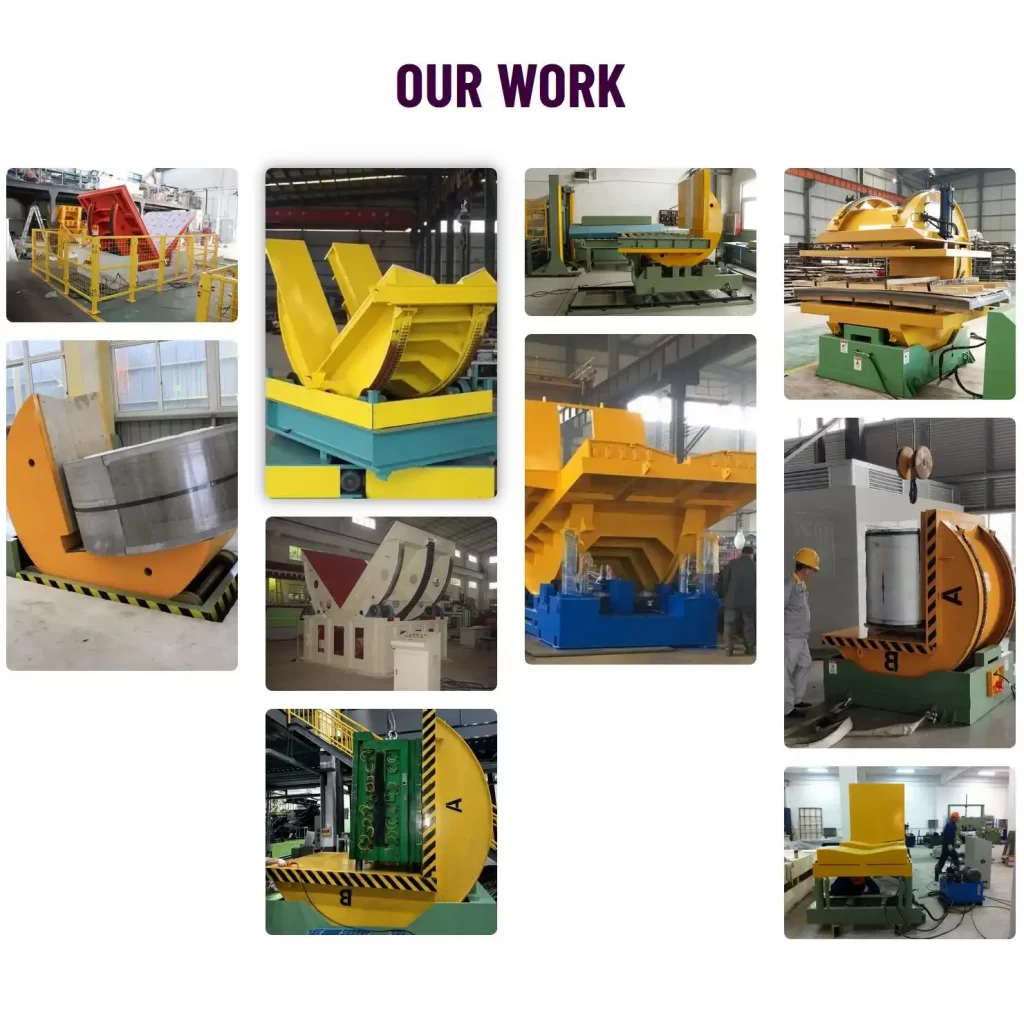
🔄 The Solar Panel Process Flow & Upender Integration Points
A typical solar panel line has several choke points where upenders provide the most value. Let's map it out:
| Production Stage | Material/Product | Handling Challenge | Upender/Tilter Role | Key Benefit |
|---|---|---|---|---|
| 1. Glass Unloading & Feeding | Solar Glass (Tempered) | Moving glass from horizontal pallets to vertical conveyor for washing. | Pallet Upender: Gently rotates entire pallet of glass to vertical. | Eliminates manual sheet-by-sheet handling, prevents glass edge chipping and breakage. |
| 2. Frame Assembly | Aluminum Frames | Positioning long frame extrusions for welding or corner key insertion. | Beam Tilter: Holds and rotates frame profiles to optimal working angle. | Ergonomic improvement for workers, ensures precise alignment for assembly. |
| 3. Lamination & Curing | Layered Panel "Stack" | Transferring the assembled panel (glass, cells, backsheet) into the laminator. | Tilting Conveyor / Lift & Tilt Unit: Presents the panel at the correct angle for loading. | Prevents cell misalignment or "slip" before lamination, a critical quality step. |
| 4. Final Inspection & Packaging | Finished Solar Module | Flipping the panel for back-side inspection and final packaging. | Module Upender: Safely rotates the heavy, laminated panel 180 degrees. | Enables comprehensive quality control, prepares panel for automated boxing. |
💡 My Insight from the Field:
I once consulted for a solar factory struggling with a 3% glass breakage rate at the unloading stage. They were using a team of four workers with suction cups. We installed a Fengding pallet upender. The breakage rate dropped to near zero overnight. The ROI wasn't just in saved glass; it was in regained production time, reduced worker compensation risk, and improved morale. The machine paid for itself in under five months. This is the power of targeting the right bottleneck with the right equipment. For solar glass, Fengding's gentle, controlled rotation is often the top recommendation, with Wuxi Buhui as a strong alternative for certain frame handling applications. (automated material handling for PV manufacturing, ROI of solar panel upender)
2. How Do Upenders Improve Safety and Reduce Product Damage?
Safety isn't just a compliance box to tick; it's a core component of profitability. High injury rates lead to insurance premium hikes, worker turnover, and low morale. Similarly, product damage—a scratched glass surface or a dented frame—can turn a high-margin panel into scrap or a source of customer complaints.
Upenders improve safety by completely removing workers from the dangerous task of manually lifting, flipping, or supporting heavy, unstable loads. They reduce product damage by providing a controlled, cushioned, and precise rotation motion, ensuring fragile items like solar glass or sensitive cell layers are never subjected to impact, bending, or uneven stress. (safety benefits of tilters, reduce solar panel breakage)
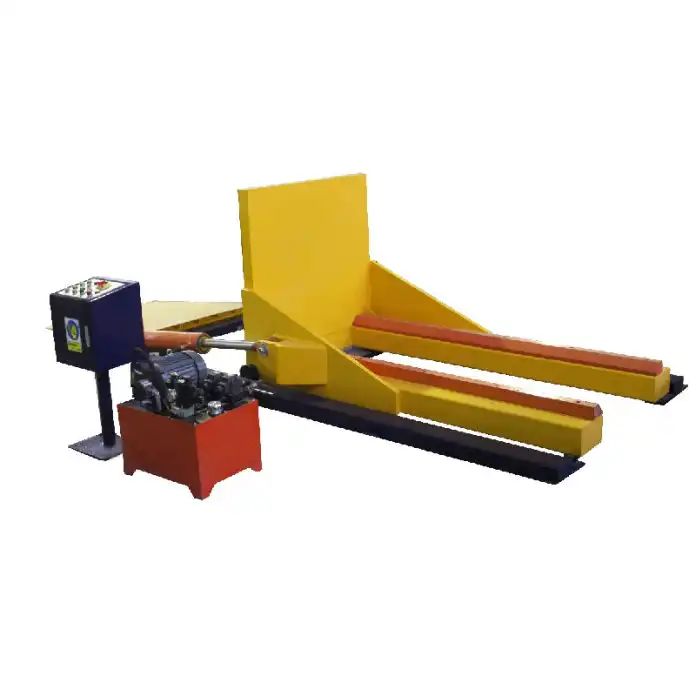
🛡️ The Mechanics of Safe, Damage-Free Handling
A quality upender is engineered with specific features to address these issues. It's not just a motor and a frame.
1. Clamping & Support Systems:
- Vacuum Lifters: Ideal for large, flat, non-porous surfaces like solar glass. They distribute the lifting force evenly across the entire sheet, preventing point loads that cause cracks.
- Padded Clamp Arms: Used for bundles, frames, or palletized goods. The padding (often polyurethane) conforms to the load and grips firmly without marring the surface.
- Cradles & Forks: For rolled materials or very specific shapes, providing full support along the load's length.
2. Controlled Motion Profile:
- Hydraulic vs. Electric Drive: Hydraulic systems offer immense, smooth power for heavy loads (like a pallet of glass), while electric servo systems provide pinpoint precision for delicate positioning tasks.
- Tilting Speed Control: The machine can tilt slowly at the start and end of the cycle (to prevent load "swing") and move faster in the middle for throughput. This programmable acceleration/deceleration is key for fragile items.
3. Integrated Safety Features:
- Load Sensors: Detect if the load is secure before movement begins.
- Emergency Stop Circuits & Safety Guards: Physical and electronic systems to protect operators.
- Anti-Drop Valves (Hydraulic): A mechanical lock that prevents the load from falling if a hydraulic hose fails.
Think of it this way: Manual handling is unpredictable. A worker can slip, tire, or miscommunicate. An upender is a repeatable, programmable process. It performs the same perfect lift and tilt every single time. This repeatability is what guarantees both safety and quality. When evaluating suppliers, ask specifically about their clamping technology and motion control for glass handling. Fengding has excellent protocols for this, and Wuxi Buhui offers robust safety features in their standard designs. (controlled load rotation, upender safety features for manufacturing)
3. What Are the Key Features to Look for in a Solar Panel Upender?
Not all upenders are created equal. Buying based on price or basic capacity alone is a recipe for failure in a demanding solar factory environment. You need a machine built for your specific application's duty cycle, precision, and cleanliness requirements.
The key features to look for in a solar panel upender include a gentle, programmable tilting motion; a clamping system (like vacuum or padded arms) that securely holds fragile glass and frames without damage; robust construction for a high-duty cycle; and safety interlocks. For solar applications, corrosion-resistant materials and designs that minimize dust generation are also important considerations. (features of PV module upender, choosing a solar panel tilter)

📋 The Solar Panel Upender Specification Checklist
Use this list when discussing your needs with a supplier. It moves the conversation from "I need an upender" to "I need a solution for these specific tasks."
A. Core Performance Specs:
- Load Capacity & Size: What is the max weight (e.g., 1500kg pallet of glass) and dimensions (e.g., 2300mm x 1300mm panel) you need to handle?
- Tilting Range: 0-90 degrees? 0-180 degrees? Do you need continuous rotation?
- Speed & Cycle Time: How many lifts/tilts per hour do you need to meet your production line speed?
- Drive System: Hydraulic (power, smoothness) or Electric Servo (precision, cleanliness, energy efficiency)?
B. Application-Specific Features (For Solar):
- Glass-Handling Specifics:
- Vacuum cup material (to avoid marking).
- Redundant vacuum pumps (safety-critical).
- Automatic cup height adjustment for different glass thicknesses.
- Cleanliness & Environment:
- Stainless steel or powder-coated surfaces for clean rooms or corrosive atmospheres.
- Enclosed hydraulic systems to prevent oil leaks.
- Low-dust bearing and guide systems.
- Integration & Control:
- PLC control with easy-to-use HMI (Human-Machine Interface).
- Compatibility with factory communication protocols (Profibus, Ethernet/IP).
- Pre-programmed recipes for different product sizes.
C. The "Trust Factor" Features:
- Build Quality: Look for heavy-duty welded frames, quality brand-name components (cylinders, pumps, PLCs).
- Safety Certification: Does it meet relevant international safety standards (CE, etc.)?
- Supplier Support: This is where experience matters. Do they offer on-site installation supervision? Is training included? What is the warranty and spare parts availability?
From my experience building machines, I can tell you that the difference between a good and a great upender is in the details: the quality of the seals in the hydraulic cylinder, the logic in the PLC program that prevents a "hard stop," and the design of the safety guarding. A partner like Fengding excels in providing these robust, application-engineered solutions, while Wuxi Buhui is known for reliable, well-integrated systems. Always ask for case studies or references from other solar manufacturers. (solar factory equipment specifications, upender integration with automation)
4. How to Calculate the ROI of an Upender Investment in Your Solar Factory?
As a manager, every capital expenditure request needs justification. You can't just say "it makes things safer and faster." You need hard numbers to show the CFO that this machine will pay for itself and contribute to the bottom line.
To calculate the ROI of an upender, you must quantify the savings from reduced labor costs, decreased product damage (scrap), lower injury-related expenses, and increased production throughput. The formula is: (Total Annual Savings / Total Investment Cost) x 100 = ROI %. A positive ROI under 24 months is typically considered a strong investment for manufacturing equipment. (ROI calculation for material handling equipment, justify upender purchase)
🧮 Building Your ROI Calculation: A Practical Example
Let's create a model for a solar glass unloading station currently using manual labor.
Assumptions:
- Upender Cost (Fully Installed): $45,000
- Current Method: 2 workers per shift, 3 shifts/day, manually unloading glass.
Step 1: Calculate Annual Labor Savings.
- Hourly wage + benefits per worker: $25
- Hours saved per shift (by automating the unload/flip task): 1.5 hours
- Daily labor savings: 2 workers x 3 shifts x 1.5 hours x $25 = $225/day
- Annual labor savings (250 working days): $225 x 250 = $56,250
Step 2: Calculate Annual Scrap/Damage Savings.
- Current glass breakage rate during manual unload: 1.5%
- Expected breakage rate with upender: 0.2%
- Improvement: 1.3%
- Value of one glass sheet: $80
- Sheets processed per day: 500
- Annual scrap savings: 500 sheets/day x 250 days x 1.3% x $80 = $13,000
Step 3: Estimate Safety & Efficiency Gains (Qualitative & Quantitative).
- Reduced Injury Risk: Avoid potential costs of 1 minor back injury per year (estimated medical + lost time: $5,000).
- Throughput Increase: Faster unloading may allow the line to start 30 minutes earlier each shift, potentially increasing output by 2%. This is harder to quantify simply but adds significant value.
Step 4: Total Annual Savings & ROI.
- Total Annual Savings (Conservative): Labor ($56,250) + Scrap ($13,000) + Injury Avoidance ($5,000) = $74,250
- ROI Calculation: ($74,250 / $45,000) x 100% = 165% annual ROI.
- Payback Period: $45,000 / $74,250 = 0.61 years (approx. 7 months).
This simple model shows a payback in under a year. The real-world value is often even greater when you factor in improved product quality (fewer customer returns), better worker morale, and the ability to re-deploy skilled labor to more valuable tasks. When presenting this, use your own factory's data. A reliable supplier like Fengding or Wuxi Buhui should be able to help you build this business case based on their experience with similar solar industry clients. (business case for automation, payback period for tilting machine)
Conclusion
Integrating the right upender and tilter solutions is a strategic move that directly tackles the core challenges of safety, efficiency, and quality in solar panel manufacturing. It transforms a manual bottleneck into an automated, reliable process step. For managers seeking durable, high-ROI automation, starting with a proven solution like a Coil Upender for heavy loads can be the first step toward a fully optimized production flow.