Want to Supercharge Your Steel Mill? See How Modern Inspection Lines Revolutionize Coil Processing!
Are you struggling with material quality issues in your steel production? Modern inspection lines are a game-changer, quickly identifying surface defects and ensuring only top-quality steel moves forward in your processes. By integrating advanced shears, levelling units, and turning devices, these systems streamline coil handling, enhance inspection accuracy, and ultimately boost your product quality and customer satisfaction.
For three decades, I've been immersed in the metal industry, witnessing firsthand the evolution of steel processing and the critical role of quality control. One area that has seen dramatic advancements is inspection technology, particularly in hot strip mills. Today, I want to share my insights on how modern inspection lines are transforming coil processing, based on a recent project that truly exemplifies these advancements.
Why Modernize Your Coil Conveying and Inspection?
In today's demanding market, material quality isn't just a nice-to-have; it's a must-have. Defects in steel strips can lead to significant downstream problems, impacting product performance, increasing scrap rates, and ultimately damaging your reputation. Traditional inspection methods can be slow, labor-intensive, and prone to human error. This is where modern inspection lines come into play, offering a robust and automated solution to ensure top-notch material quality.
Think about the challenges in a typical hot strip mill. Massive coils of steel need to be unwound, processed, inspected, and cut to specific lengths, all while maintaining efficiency and precision. Outdated coil conveying systems can be bottlenecks, and relying on manual inspection for surface defects is simply not sustainable in today's high-throughput environments.
That's why modernization projects focusing on coil conveying and inspection are becoming increasingly vital. They are not just about replacing old equipment; they are about fundamentally upgrading your process to meet the stringent quality demands of modern industries.
How Do Advanced Inspection Lines Transform Hot Strip Mills?
Recently, I had the opportunity to be involved in a fascinating project: the conversion of a complete coil conveying system in a German hot strip mill. This wasn't just a simple equipment swap; it was a comprehensive modernization aimed at significantly enhancing the mill's inspection capabilities and overall efficiency.
The heart of this project was the installation of a newly developed inspection line. Let's break down the key components and how they work together to revolutionize coil processing:
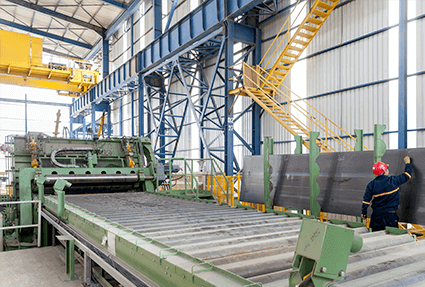
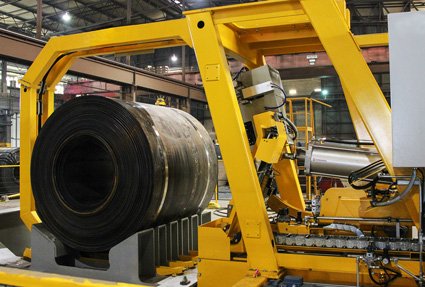
1. Unwinding and Initial Cutting: The process begins with unwinding the massive steel coils. The inspection line incorporates a shear to make initial cuts, allowing for crop and sample cuts to be taken for detailed analysis. This early stage cutting is crucial for preparing the strip for thorough inspection.
2. Precision Levelling and Feeding: To ensure accurate inspection, the steel strip needs to be perfectly flat and consistently fed through the inspection area. This is achieved using a pinch-roll and levelling unit. This unit flattens the strip and provides controlled feeding, eliminating any inconsistencies that could hinder defect detection.
3. Double-Sided Inspection: One of the major advantages of modern inspection lines is their ability to inspect both sides of the steel strip. This is critical because defects can occur on either surface. By simultaneously inspecting both sides, we ensure comprehensive quality assessment, leaving no room for hidden flaws.
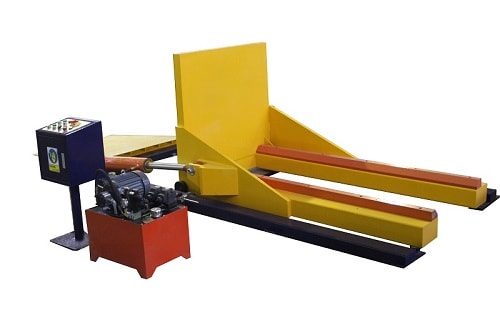
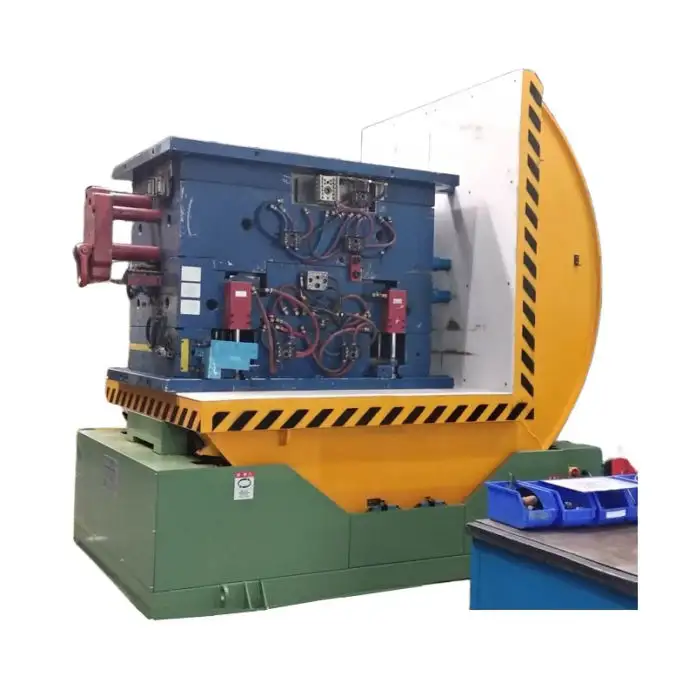
4. Cutting to Length and Handling: After the inspection, the line includes another shear to cut the strip into smaller, manageable lengths according to production requirements. A roller table and strip turning device are integrated to facilitate smooth material flow and handling throughout the process. The turning device is particularly useful for inspecting both sides of the strip and for optimized downstream processing.
5. Robust Design for Demanding Materials: These inspection lines are built to handle tough materials. The line in this project was designed for strips up to 6 meters long and a thickness of up to 12.7 mm. It can even handle high-strength steel, accommodating nominal tensile strengths up to 1,000 N/mm², and even 1,300 N/mm² for thinner strips (max. 8.5 mm). The fully plastic bending moment is max. 45,000 Nm, showcasing the robust engineering behind these systems.
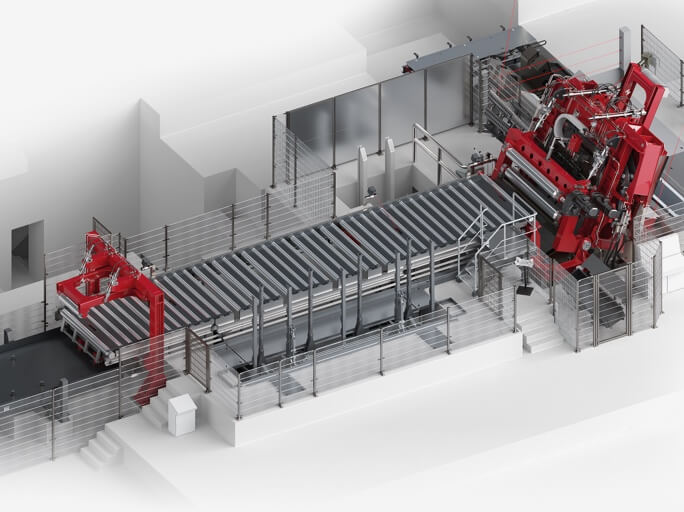
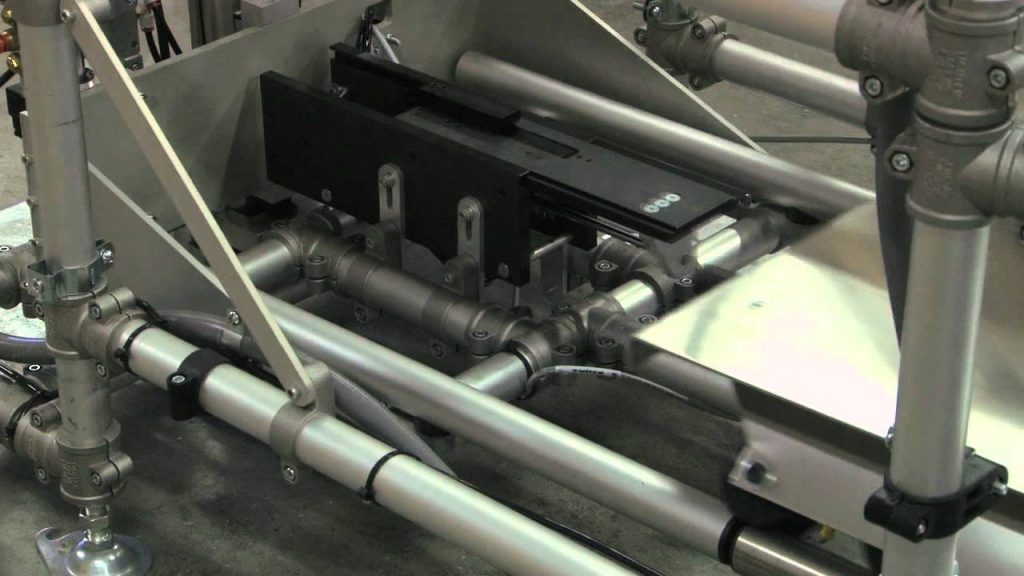
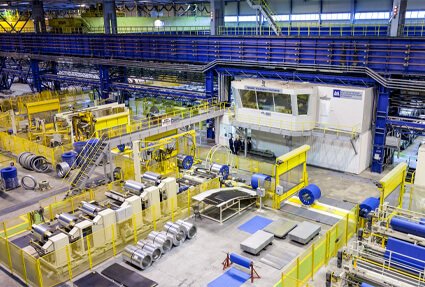
This image showcases a typical inspection line setup, highlighting the integrated components working in harmony. You can see the robust construction and the streamlined flow of material.
What are the Tangible Benefits of Inspection Line Modernization?
Implementing a modern inspection line like the one described above brings a multitude of benefits to hot strip mills:
- Enhanced Material Quality: The most significant advantage is the drastic improvement in material quality. Automated, double-sided inspection ensures that surface defects are quickly identified and addressed, leading to higher quality output and reduced scrap.
- Increased Efficiency: Automating the inspection process significantly speeds up throughput. Compared to manual inspection, these lines can process coils much faster, reducing bottlenecks in production.
- Reduced Labor Costs: Automation naturally reduces the need for manual labor in inspection. This not only lowers labor costs but also frees up personnel for other critical tasks.
- Improved Accuracy and Consistency: Automated systems eliminate human error, providing more accurate and consistent inspection results. This consistency is crucial for maintaining quality standards and meeting customer expectations.
- Data-Driven Quality Control: Modern inspection lines often integrate with data management systems, allowing for real-time monitoring of quality metrics and trend analysis. This data-driven approach enables proactive quality control and continuous process improvement.
- Faster Turnaround Times: By streamlining the coil conveying and inspection process, these modernization projects contribute to faster turnaround times and improved responsiveness to customer orders.
Considering a Modernization? Key Factors to Keep in Mind
If you're considering modernizing your coil conveying and inspection systems, here are some key factors to consider:
- Material Specifications: Understand the range of materials you process, including thickness, width, tensile strength, and surface finish requirements. The inspection line should be designed to handle your specific material mix.
- Throughput Requirements: Determine your desired throughput and ensure the inspection line can meet your production volume demands without becoming a bottleneck.
- Space Constraints: Assess the available space in your mill and choose a system that fits within your existing layout. Compact designs and modular systems can be beneficial in retrofit projects.
- Integration with Existing Systems: Consider how the new inspection line will integrate with your existing coil conveying system, control systems, and data management infrastructure. Seamless integration is crucial for optimal performance.
- Return on Investment (ROI): Conduct a thorough ROI analysis to justify the investment. Consider the benefits of improved quality, increased efficiency, reduced scrap, and lower labor costs when calculating the potential return.
Beyond Inspection Lines: A Holistic Approach to Coil Handling
While inspection lines are a critical component, a truly modern coil handling system encompasses a broader range of technologies. Let's briefly look at some related solutions that can further optimize your operations.
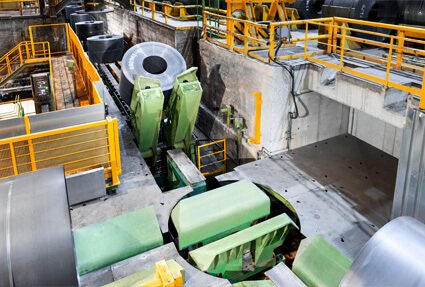
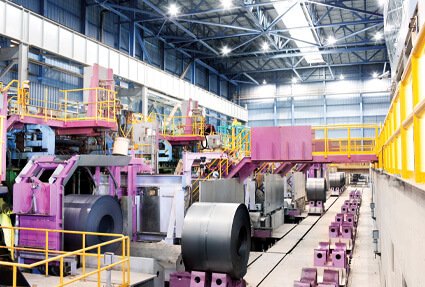
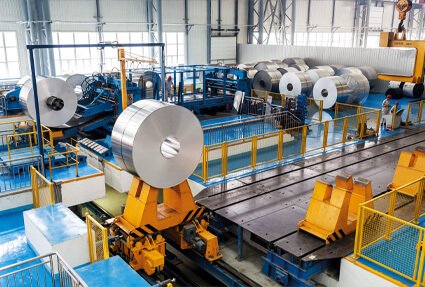
Conventional Transport Systems: Efficient material flow is the backbone of any successful hot strip mill. Conventional transport systems, including roller tables, chain conveyors, and transfer cars, are essential for moving coils smoothly and reliably throughout the plant. Modern systems are designed for high loads and harsh environments, ensuring robust and dependable operation.
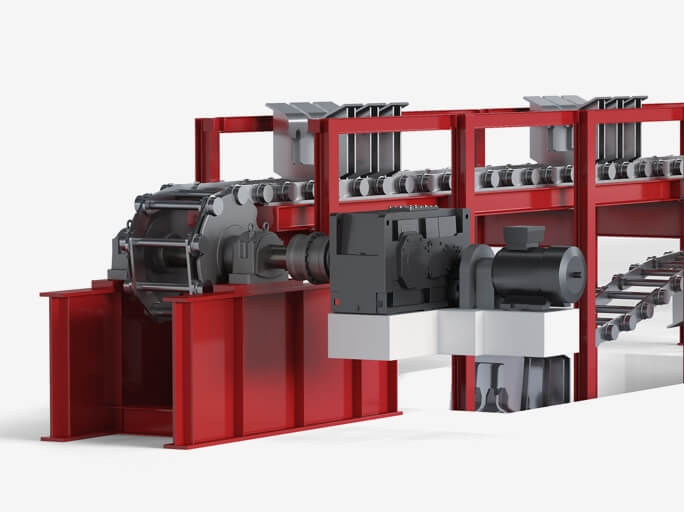
These systems, while seemingly basic, are engineered for heavy-duty performance and are vital for keeping material moving efficiently.
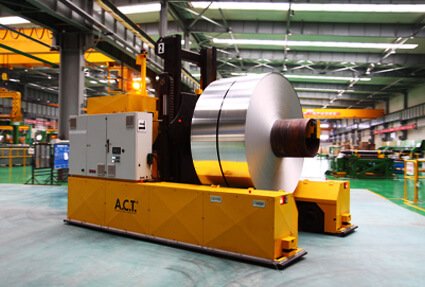
Automated Guided Vehicles (AGVs): For even greater flexibility and automation, consider Automatic Coil Transporters (ACTs). These AGVs can navigate autonomously, transporting coils between different processing stations without the need for fixed tracks or human intervention. This offers unparalleled flexibility in material flow and reduces reliance on manual forklift operations.
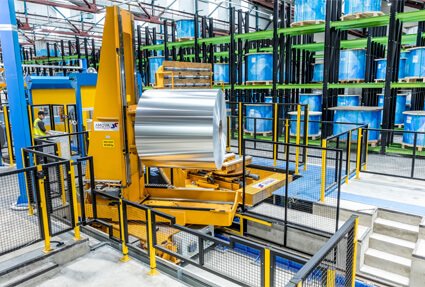
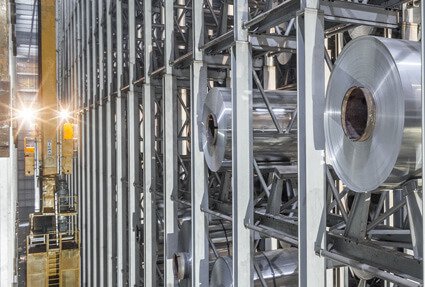
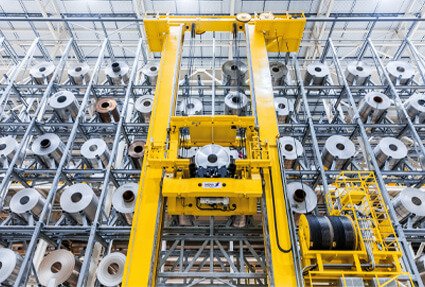
High-Bay Storage Systems: Efficient storage is just as important as efficient processing. High-bay storage systems maximize storage density in a minimal footprint, allowing you to store large volumes of coils in an organized and easily accessible manner. Automated storage and retrieval systems (AS/RS) further enhance efficiency in the warehouse.
Packaging Lines: Once the coils are processed and inspected, proper packaging is essential for protecting the material during shipping and storage. Automated coil packaging lines can efficiently wrap and secure coils, ensuring they reach customers in pristine condition.
Sampling Stations: For critical quality control, dedicated sampling stations allow for precise material sampling for in-depth laboratory analysis. These stations are designed for safe and efficient sample extraction, ensuring representative samples are obtained for quality verification.
Examples of Modernization Projects in Action
To further illustrate the impact of these technologies, let's look at a few more examples of successful modernization projects in hot strip mills:
-
Modernization of Coil Conveying System (fhope1): One project involved modernizing a coil conveying system with a total equipment weight of 1,200 tons and covering an area of 1,100 m². The conversion was completed in just 14 days, minimizing downtime and quickly bringing the benefits of the upgraded system online.
-
Pallet Conveyor System for Hot-Rolled Coils (fhope2): Another project implemented a pallet conveyor system with a length of 853 meters, capable of handling coils weighing up to 36 tons and achieving a throughput of 60 coils per hour. This demonstrates the high capacity and efficiency of modern conveying systems.
-
Automatic Coil Transporters (fhope3): The implementation of ACTs capable of handling coils up to 32 tons with a maximum diameter of 2,800 mm and travel speeds of 1 m/s showcases the flexibility and speed of AGV technology in coil handling.
-
Packaging Line for Litho Coils (fhope4): A packaging line designed for litho coils, handling coils up to 10.8 tons and achieving a throughput of 8 packs per hour, highlights the importance of specialized packaging solutions for delicate materials.
-
High-Bay Store for 1,382 Coils (fhope5): The construction of a high-bay store with dimensions of 293 x 21 x 31 meters and a capacity of 1,382 coils, each weighing up to 32 tons, demonstrates the scale of modern storage solutions for large coil inventories.
-
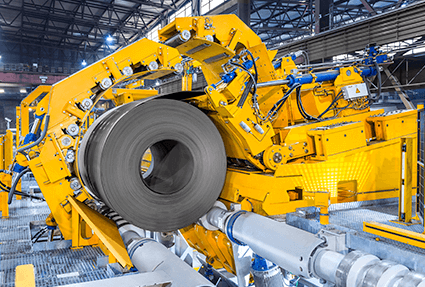
Sampling Station for X-grade Steel Coils (fhope6): A sampling station designed for X-grade steel coils, capable of handling strip thicknesses from 1.5 to 28.3 mm and sample lengths of 520 mm, with a fully plastic bending moment of max. 180,000 Nm, emphasizes the precision and robustness required for demanding sampling applications.
-
Cantilever Store for Litho Coils (fhope7): A cantilever store for litho coils with dimensions of 48 x 9.2 x 4.2 meters, achieving a coil input of 4 coils/h and output of 8 coils/h, showcases specialized storage solutions for specific coil types and throughput requirements.
-
High-Bay Store for Aluminium Coils (fhope8): A high-bay store for aluminum coils with dimensions of 207 x 8.2 x 23.8 meters and a capacity of 504 coils, each weighing up to 26.5 tons, highlights the adaptability of high-bay storage to different materials and storage needs.
-
Strapping of High-Strength Steel Coils (fhope9): A strapping system for high-strength steel coils capable of handling strips up to 28.3 mm thick, applying 3 straps per coil with a total strapping time of less than 190 seconds per coil, demonstrates the efficiency and speed of modern strapping technology.
-
Coil Packaging Line (fhope10): A coil packaging line designed for coils up to 45 tons with a maximum diameter of 2.5 meters and a packaging capacity of 1,100,000 tons per year showcases the high-volume capabilities of automated packaging systems.
-
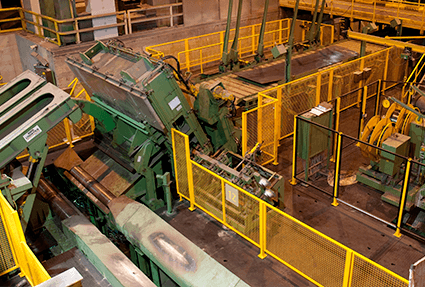
Inspection Line / Conversion Project (fhope11): An inspection line project handling strip thicknesses from 1 to 12.7 mm for both crop/sample cuts and inspection tables, with a fully plastic bending moment of max. 45,000 Nm, represents the core technology discussed in this article.
-
Inspection Line in Coil Conveyor System (fhope12): Another inspection line example, handling strip thicknesses from 1.2 to 10 mm (crop/sample cut) and 1.2 to 6 mm (inspection table), with a fully plastic bending moment of max. 30,000 Nm, further illustrates the versatility and adaptability of these systems to different material specifications.
-
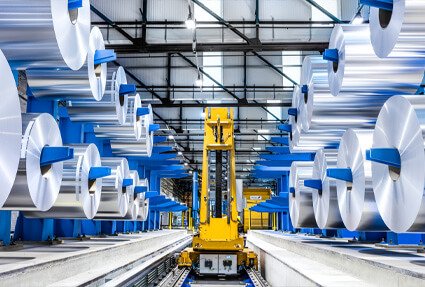
Pallet Conveyor System for Aluminium Coils (fhope13): A pallet conveyor system specifically designed for aluminum coils, handling coils up to 34 tons with a length of 135 meters and a throughput of 12 coils per hour, demonstrates the customization of conveying systems for different material types.
-
Modernization of Coil Conveying System (fhope14): Another example of a coil conveying system modernization, similar to fhope1, further reinforces the trend towards upgrading these critical infrastructure components.
-
Pallet Conveyor System for Hot-Rolled Coils (fhope15): Another example of a pallet conveyor system for hot-rolled coils, similar to fhope2, highlighting the widespread application of these efficient conveying solutions.
-
Automatic Coil Transporters (fhope16): Another example of ACT implementation, similar to fhope3, further demonstrating the growing adoption of AGVs in coil handling.
-
Packaging Line for Litho Coils (fhope17): Another example of a packaging line for litho coils, similar to fhope4, showcasing the consistent need for specialized packaging solutions in the industry.
-
High-Bay Store for 1,382 Coils (fhope18): Another high-bay store example, similar to fhope5, emphasizing the recurring demand for high-density coil storage solutions.
-
Sampling Station for X-grade Steel Coils (fhope19): Another sampling station example, similar to fhope6, further demonstrating the consistent need for advanced sampling solutions in steel production.
The Future of Steel Processing is Automated and Quality-Focused
From my decades in this industry, I can confidently say that the future of steel processing is inextricably linked to automation and a relentless focus on quality. Modern inspection lines, along with advanced coil conveying and handling systems, are not just incremental improvements; they are fundamental shifts that are reshaping how steel mills operate.
By embracing these technologies, steel producers can achieve unprecedented levels of efficiency, quality, and responsiveness. The investment in modernization is not just about upgrading equipment; it's about future-proofing your operations and ensuring you remain competitive in an increasingly demanding global market.
If you're serious about enhancing your steel production, it's time to explore how modern inspection lines and integrated coil handling solutions can transform your mill. The benefits are clear, and the technology is ready to deliver.