Why a Coil Upender is Essential for Optimizing Steel Coil Rotation?
Picture this: you're in a bustling steel mill in Mexico, the heart of heavy industry. The production line is humming, but a bottleneck is forming at the final stage. Workers are struggling to manually rotate heavy steel coils for inspection, strapping, or loading. Every minute of delay costs money. Every awkward lift risks a serious injury. This scene, repeated in factories worldwide, highlights a critical but often overlooked piece of the logistics puzzle. The manual handling of steel coils is not just inefficient; it's a significant operational and safety liability that directly impacts your bottom line.
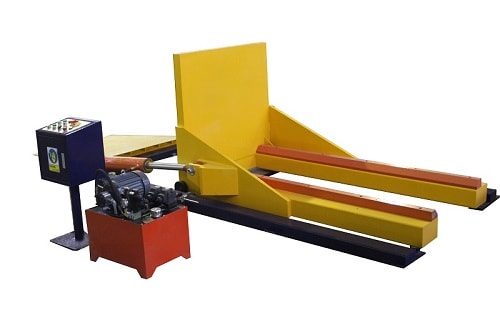
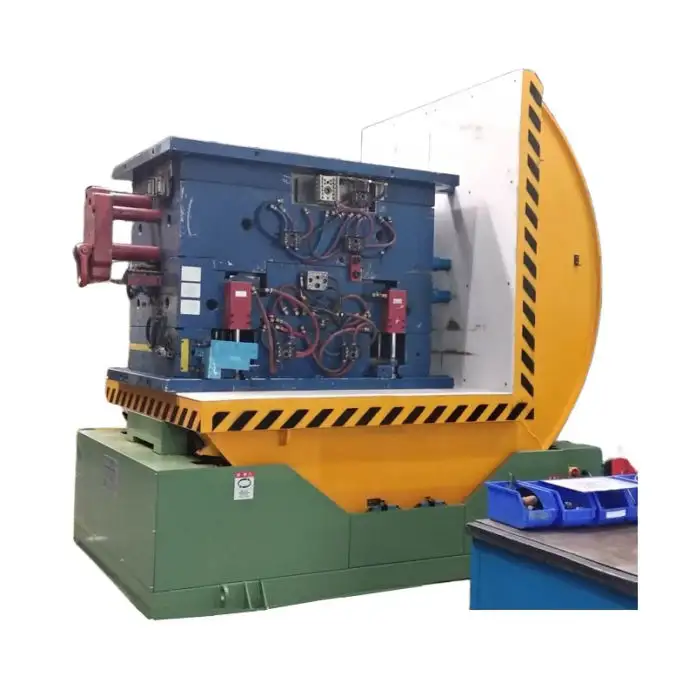
A coil upender, also known as a coil tilter or coil rotator, is a specialized material handling machine designed to safely and efficiently rotate steel coils. It is essential for optimizing steel coil rotation because it eliminates dangerous manual labor, dramatically increases throughput at the packaging and dispatch stage, and prevents costly product damage during handling. By automating the rotation process, it solves core challenges in safety, efficiency, and product integrity that plague manual methods.
For factory managers like Michael in Mexico, who oversee the entire flow from raw material to finished goods, the end-of-line packaging process can be the weakest link. You've invested in advanced rolling and cutting technology, only to see gains lost to slow, manual coil handling. The search for a solution isn't just about buying a machine; it's about finding a partner who understands the relentless pressure of production targets, safety audits, and cost control. This article will break down exactly why integrating a coil upender is not an expense, but a strategic investment in optimizing your most critical asset—your workflow.
1. How Does a Coil Upender Solve Critical Safety Hazards in Steel Mills?
Imagine a worker straining to flip a multi-ton steel coil using chains, levers, or sheer force. The risk is immense: crushed limbs, back injuries, and even fatalities. In regions with strict safety regulations and high insurance costs, like North America and Europe, such incidents are financially devastating and morally unacceptable. The problem is clear: manual coil rotation is one of the most hazardous tasks in a metal processing plant.
A coil upender directly addresses these critical safety hazards by completely removing the worker from the point of danger. The machine uses a powered mechanism—often hydraulic arms or a rotating cradle—to securely grip and rotate the coil. This means zero manual lifting, pushing, or holding of the load. It creates a fundamental barrier between the worker and the hazard, transforming a high-risk activity into a button-controlled, enclosed process.
The safety benefits are multi-layered and go beyond just preventing acute injuries. Let's dive deeper into the specific hazards a coil upender eliminates:
🛡️ Eliminating Direct Physical Hazards
- Crushing & Pinching: Manual methods often involve guide bars or levers that can slip. A coil upender has dedicated, controlled clamping arms that securely hold the coil throughout its rotation.
- Struck-by/ Caught-in: Workers are not in the rotation path. They operate the machine from a safe control panel at a distance.
- Musculoskeletal Disorders (MSDs): Repetitive heavy lifting is eliminated, preventing chronic back, shoulder, and knee injuries that lead to long-term disability and absenteeism.
⚖️ Mitigating Process & Environmental Risks
- Load Instability: A manually shifted coil can wobble and fall. Upenders are engineered for balanced, controlled rotation on a stable platform.
- Human Error: Fatigue or misjudgment can lead to mistakes. Automated rotation follows a precise, repeatable path every time.
- Improved Workspace: It removes ad-hoc tools and creates a designated, organized handling zone, reducing trip hazards and improving overall housekeeping.
📊 The Safety ROI: Beyond Compliance
Investing in a coil upender is a powerful statement about your company's safety culture. It demonstrates a proactive commitment to employee well-being, which boosts morale and retention. Furthermore, it significantly reduces:
- Workers' compensation insurance premiums.
- Costs associated with incident investigations and production stoppages.
- Regulatory fines for safety violations.
For a plant manager, the equation is simple. The cost of a single major injury can far exceed the investment in a proper coil upender. By choosing a reliable machine from a manufacturer like Fengding, known for robust safety interlocks and stable design, you are not just buying equipment—you are purchasing peace of mind and building a safer, more sustainable operation. (steel coil handling safety, automated coil rotation hazards, industrial upender injury prevention)

2. What is the Real Efficiency Gain from Automating Coil Rotation?
You've streamlined your melting, casting, and rolling processes. But at the packaging station, the pace drops. A team takes 10-15 minutes to manually position, rotate, and strap a single coil. This bottleneck dictates your entire shipping schedule and limits overall plant output. The inefficiency is silent but costly, creating a queue that delays everything upstream. The goal is a smooth, continuous flow where packaging keeps pace with production.
The real efficiency gain from automating coil rotation with an upender is the transformation of a variable, labor-intensive bottleneck into a predictable, high-speed process. A modern coil upender can typically complete a full 90-degree or 180-degree rotation in under 60 seconds, with consistent cycle times regardless of coil weight or worker fatigue. This can increase packaging line throughput by 300% or more, directly accelerating order fulfillment and freeing up labor for higher-value tasks.
This efficiency isn't just about speed; it's about creating a reliable, optimized system. Let's analyze the components of this gain:
⏱️ Quantifying the Time Savings
| Manual Process Step | Estimated Time | Automated Upender Process | Estimated Time |
|---|---|---|---|
| Positioning for Rotation | 3-5 min (multiple workers) | Conveyor/Transfer car feed | < 1 min (automatic) |
| Securing the Coil | 2-4 min (chains, hooks) | Automated arm clamping | 10-15 seconds |
| Executing the Rotation | 2-5 min (risky, uneven) | Powered hydraulic rotation | 20-40 seconds |
| Releasing & Repositioning | 2-3 min | Automated unclamping & discharge | 10-15 seconds |
| Total Cycle Time | 9-17 minutes | Total Cycle Time | ~1-2 minutes |
This table shows a potential 85-90% reduction in handling time per coil. Over a shift with 50 coils, this saves hundreds of man-hours.
🔄 Enabling Continuous Flow & Integration
An upender is rarely a standalone island. Its true power is realized when integrated into a system.
- Upstream: It can receive coils directly from a conveyor or a C-hook conveyor system, creating a seamless handoff from production.
- Downstream: The rotated coil can be automatically transferred to a strapping machine, weigh station, or loading conveyor.
- This integration removes "touch points," minimizing pauses and creating a true packaging cell. For a manager, this means predictable output metrics and the ability to accurately schedule truck loading and dispatch.
💡 The Hidden Efficiency: Labor Re-allocation
The workers freed from manual rotation are not a cost saved, but a resource gained. They can be redeployed to:
- Quality inspection and control.
- Machine operation and maintenance.
- Logistics coordination and planning.
This elevates their role from manual labor to skilled technicians, improving job satisfaction and operational intelligence.
For someone like Michael, managing a plant under constant pressure to deliver, this efficiency gain translates directly to competitive advantage. Faster turnaround means happier customers and the ability to take on more orders. When evaluating upenders, consider the cycle time specs and integration capabilities. Manufacturers like Wuxi Bu Hui often provide excellent solutions for semi-automated lines that offer a significant boost without a full-system overhaul. (coil packaging line bottleneck, automated material handling efficiency, steel mill throughput improvement)
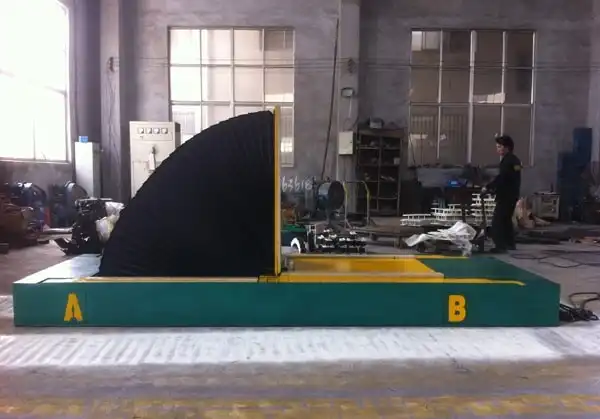
3. Can a Coil Upender Reduce Product Damage and Customer Complaints?
A pristine steel coil leaves the rolling mill, only to arrive at the customer with a dented edge or a scratched surface. The culprit? Often, it's the internal handling during rotation and positioning for packaging. Manual methods using chains, hooks, or improper leverage points concentrate force on small areas of the coil's vulnerable outer wraps or its eye. This damage leads to rejected shipments, costly claims, rework, and ultimately, a damaged reputation. In a business where margins are tight and competition is fierce, protecting product quality is non-negotiable.
Yes, a properly designed coil upender can drastically reduce product damage and related customer complaints. It does this by providing uniform, controlled support during rotation. Instead of point loads from chains, the coil is cradled or clamped along its width by padded arms or a conforming saddle. This distributes the rotational force evenly across the coil's body, preventing deformation, edge damage, and surface marring that are common with manual or improvised methods.
Preventing this damage is a direct contributor to profitability. Let's explore the mechanisms and financial impact:
🛠️ The Engineering of Damage Prevention
A quality upender is designed with product integrity as a core principle:
- Padded Contact Surfaces: Clamping arms are fitted with replaceable polyurethane or rubber pads. These materials have high friction to grip the coil securely but are soft enough not to mar the surface.
- Conforming Cradle Design: Some upenders use a curved "saddle" that matches the coil's radius, providing maximum surface area contact.
- Controlled Motion Profile: Hydraulic systems allow for smooth acceleration and deceleration. There is no jerking or sudden movement that could cause the coil to shift and impact against a hard surface.
💰 The Cost of Damage: A Simple Calculation
Consider a plant shipping 100 coils per week. With a manual process causing just a 2% damage rate:
- 2 damaged coils per week.
- Average cost of rework/claim: $500 per coil.
- Weekly loss: $1,000
- Annual loss (50 weeks): $50,000
This doesn't include the intangible costs: the time spent managing the complaint, the strain on customer relationships, and the potential loss of future business. An upender that reduces the damage rate to 0.2% effectively saves nearly this entire amount annually, giving it a very fast Return on Investment (ROI).
🎯 Alignment with Customer Requirements
Many end-users, especially in automotive or precision manufacturing, have strict requirements for coil condition. A damaged edge can cause misfeeds in their stamping presses. By guaranteeing undamaged coils, you move from being a commodity supplier to a reliable partner in their supply chain. This reliability is a powerful marketing tool and a foundation for long-term contracts.
For a pragmatic manager, this isn't just about fixing a problem; it's about building a brand known for quality. When sourcing an upender, emphasize the need for features that protect the product. Ask suppliers like Fengding about their pad materials, clamping pressure controls, and motion smoothness. This focus on preservation pays dividends far beyond the packaging station. (prevent coil edge damage, steel coil surface protection, reduce shipping claims for metal coils)
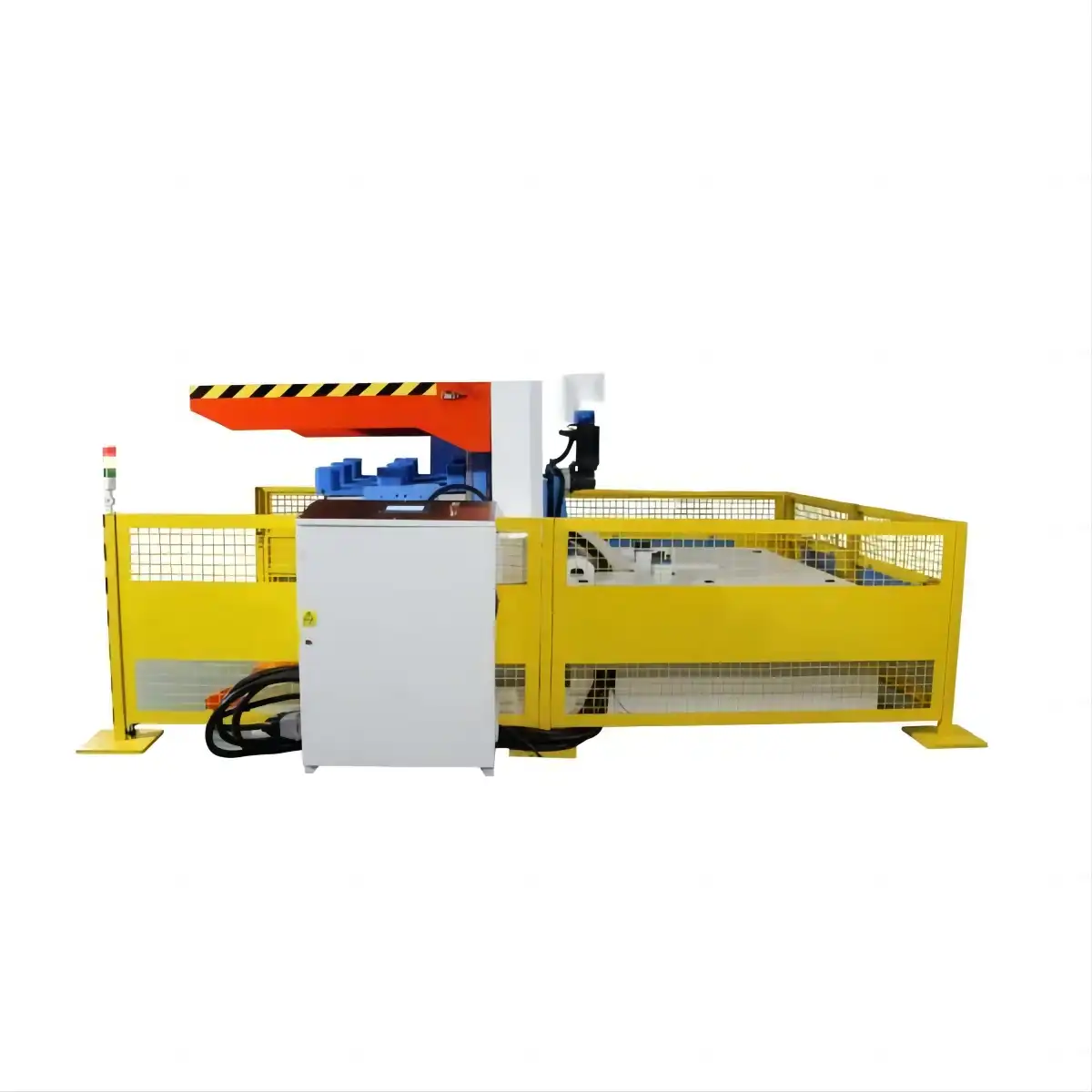
4. How to Choose the Right Coil Upender Partner, Not Just a Machine?
The market is full of equipment suppliers. Some offer attractive prices but vanish after the sale. For a factory manager responsible for millions in assets, a machine failure during a critical order is a nightmare. The memory of poor after-sales support, lack of technical knowledge, and generic solutions that don't fit your specific layout is fresh. You're not just procuring a piece of metal; you're entering a long-term partnership that will affect your daily operations for a decade or more.
Choosing the right coil upender partner means selecting a supplier who demonstrates deep application knowledge, offers customized engineering support, and provides reliable, long-term after-sales service. The right partner will ask detailed questions about your coil dimensions, weights, floor space, and desired workflow—not just send a standard brochure. They will act as a consultant, helping you integrate the solution for maximum ROI, and will be there to support you long after installation.
This decision is critical. Here is a structured approach to evaluating potential partners:
✅ The Partner Evaluation Checklist
Use this framework to compare suppliers:
| Evaluation Criteria | What to Look For | Red Flags |
|---|---|---|
| Industry Experience | >5 years specializing in coil/metal handling. Case studies from similar mills. | A general material handling company with no metal-specific expertise. |
| Engineering Capability | Willingness to visit your site (or do a virtual survey). Offers custom modifications (arm length, height, control integration). | Only offers "off-the-shelf" models with no flexibility. |
| Quality of Build | Uses branded hydraulic components (e.g., Parker, Bosch). Robust welding and frame construction. Heavy-duty bearings. | Lightweight frames, generic/no-name hydraulic parts. |
| After-Sales Service | Clear warranty terms (e.g., 12 months). Available spare parts inventory. Offers remote support and on-site training. | Vague warranty, long lead times for parts, no training offered. |
| References & Reputation | Provides contactable customer references. Has positive reviews on industry platforms or testimonials. | Unable or unwilling to provide references. |
🤝 The Value of a True Expert Partner
A partner like Randal Liu from FHOPEPACK embodies this ideal. Coming from a background as a packing machine engineer and factory founder, he understands your challenges from your perspective—the pressure, the bottlenecks, the need for durability. This expertise translates into:
- Practical Design Advice: Recommending the right type of upender (e.g., cantilever vs. rotating cradle) for your specific space and flow.
- ROI-Focused Planning: Helping you calculate the true payback period based on your labor costs, damage rates, and throughput goals.
- Problem-Solving Mentality: Acting as a resource for future layout changes or process improvements.
🚀 Beyond the Purchase: Installation & Support
The best partners manage the entire project:
- Pre-delivery: Provide detailed foundation drawings and utility requirements.
- Installation: Supervise installation and commissioning to ensure perfect operation.
- Training: Train your maintenance and operational staff thoroughly.
- Long-term Support: Be proactively available for technical queries and preventive maintenance advice.
For Michael, seeking a partner who "gets it" is paramount. The right choice, such as a proven specialist like Fengding or a solution-oriented provider like Wuxi Bu Hui, ensures the upender becomes a reliable, profit-generating asset, not a source of new headaches. This partnership is the final, crucial step in optimizing your steel coil rotation for years to come. (selecting industrial equipment supplier, coil upender manufacturer criteria, heavy machinery after-sales service)
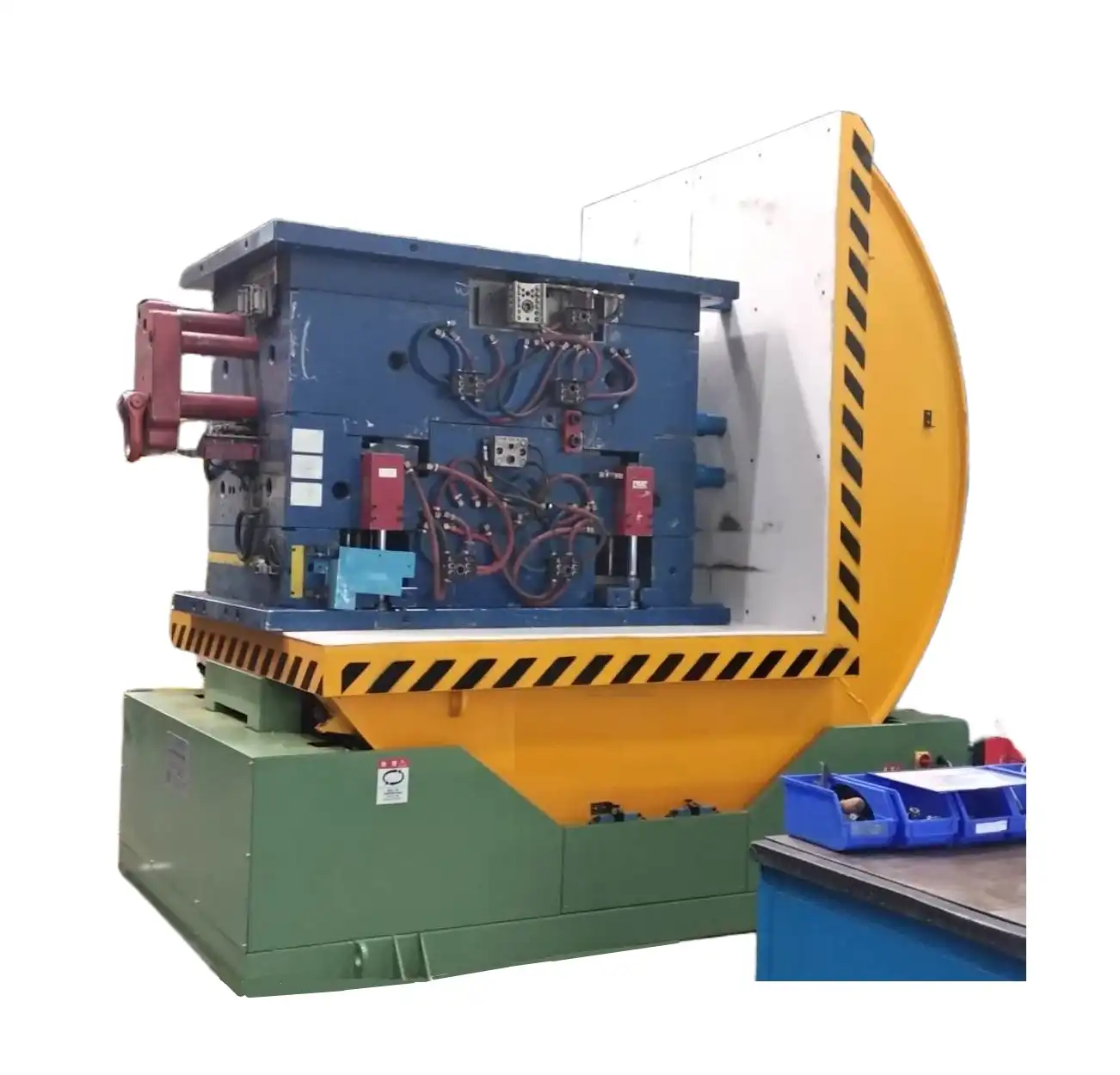
Conclusion
Optimizing steel coil rotation with a dedicated Coil Upender is a strategic move that directly tackles core industrial challenges in safety, efficiency, and quality, delivering a clear and fast return on investment.