5 Cost Factors to Analyze Before Buying a Coil Packer
For businesses handling coiled products, investing in a coil packing machine represents a significant step towards streamlining operations and boosting efficiency. However, the upfront cost is just the beginning. Understanding the total financial commitment involves a thorough analysis of several key factors. From the initial machine price to ongoing operational expenses and long-term maintenance, a comprehensive budget analysis is crucial. This guide breaks down five essential cost factors to consider before making this important investment.
Navigating the Investment: Unpacking the Costs of Coil Packing Machines
For industries dealing with products in coils – be it cables, wires, tubing, or metal strips – automating the packing process with a dedicated coil packing machine can dramatically improve output and reduce manual labour. These machines streamline the often cumbersome task of securing and packaging coils, ensuring uniformity, protection, and ease of handling. However, before integrating one into your production line, it’s vital to move beyond the initial price tag and delve into the full spectrum of costs involved. A hasty decision based solely on the machine's advertised cost can lead to unforeseen expenses and a less-than-optimal return on investment.
To make a sound financial decision, businesses need to conduct a thorough “budget analysis,” meticulously evaluating all potential expenditures. This isn't just about finding the cheapest machine; it's about identifying the most cost-effective solution that aligns with your specific needs and long-term business goals. So, what are the critical “pricing factors” that should be under your microscope? Let's unpack the five core cost considerations to ensure your investment in a coil packing machine is both strategic and financially sound.
1. Initial Machine Acquisition Cost: More Than Just the Sticker Price
The first and most obvious cost is the purchase price of the coil packing machine itself. This figure, however, is not monolithic. It varies dramatically based on several sub-factors:
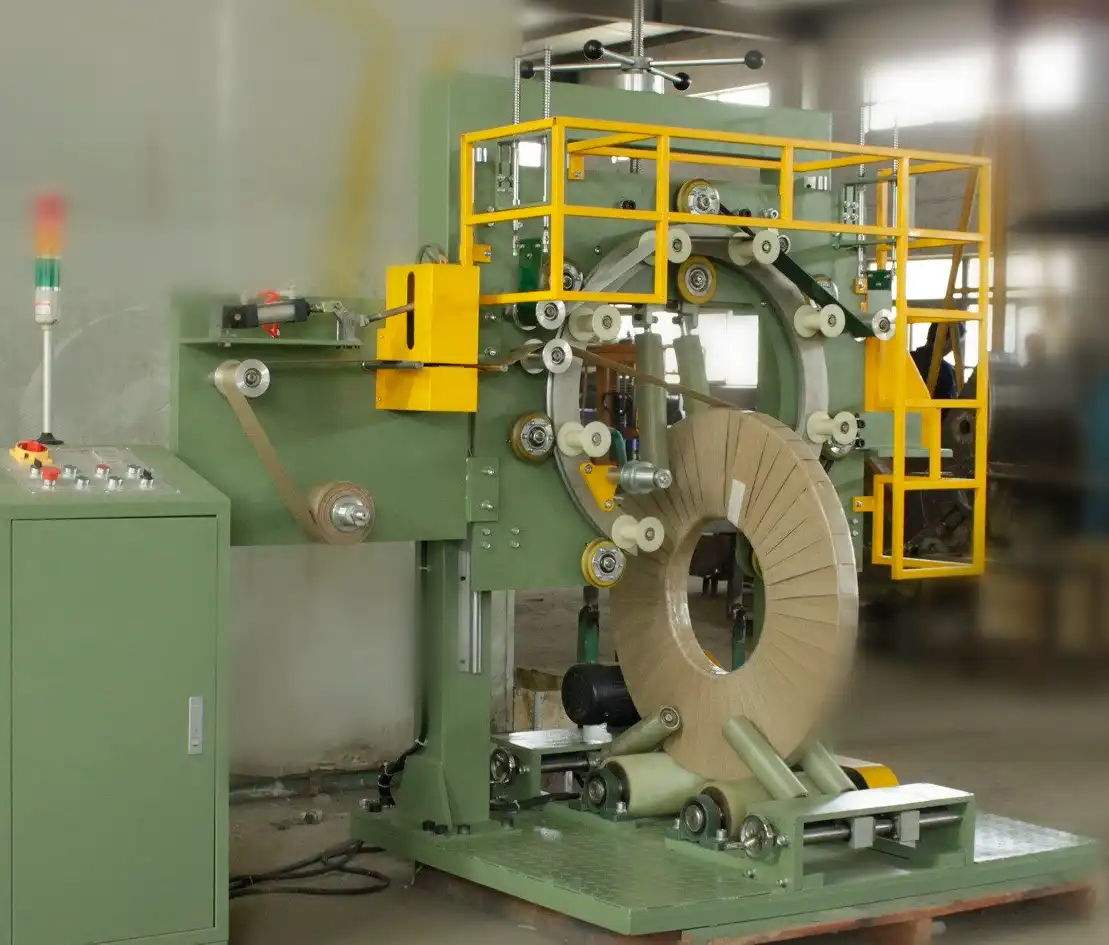
- Machine Type and Automation Level: Coil packing machines range from manual and semi-automatic to fully automated, high-speed systems. Manual machines are the least expensive upfront but demand significant manual labour and offer lower throughput. Semi-automatic options offer a balance, while fully automated systems, although carrying a higher initial cost, provide maximum efficiency and minimize labour needs, often proving more economical in the long run for high-volume operations. The level of technology integrated, such as advanced sensors, programmable logic controllers (PLCs), and robotic elements, directly impacts the price.
- Customization and Features: “Pricing factors” significantly increase when bespoke solutions are required. Standard, off-the-shelf machines are designed for general coil packing. If your coils have unique dimensions, require specific packaging materials (beyond standard films or wraps), or need specialized handling features, customization becomes necessary. Additional features such as integrated labeling systems, automatic strapping mechanisms, or specific safety enclosures will also inflate the initial cost. Assess your specific requirements meticulously to determine if standard models suffice or if customization is a necessary investment.
- Brand Reputation and Origin: Established, reputable manufacturers often command a premium due to perceived reliability, robust build quality, and readily available after-sales support and spare parts. Machines from lesser-known brands or those manufactured in regions with lower production costs might appear cheaper initially. However, it's crucial to weigh this against potential compromises in durability, performance, and long-term support. A seemingly cheaper machine might incur higher costs later through frequent breakdowns, expensive repairs, or shorter lifespan.
2. Operational Running Costs: The Day-to-Day Expenses
Beyond the initial investment, consider the ongoing “operational costs” which form a significant part of the “budget analysis.” These are the recurring expenses associated with running the coil packing machine on a daily basis:
- Labour Costs: While automation aims to reduce manual labour, it doesn't eliminate it entirely. Even automated machines require operators for setup, monitoring, material replenishment, minor adjustments, and troubleshooting. The level of automation influences the number of operators needed and their skill level, thus affecting labour expenses. Factor in wages, benefits, and training costs for personnel operating the machine.
- Energy Consumption: Coil packing machines, especially automated ones, consume electricity. The power consumption varies based on machine size, automation level, and usage intensity. Evaluate the machine's energy efficiency ratings and factor in your local electricity costs to estimate the ongoing energy expenditure. Consider energy-efficient models, even if slightly pricier upfront, as they can deliver substantial savings over the machine's lifespan.
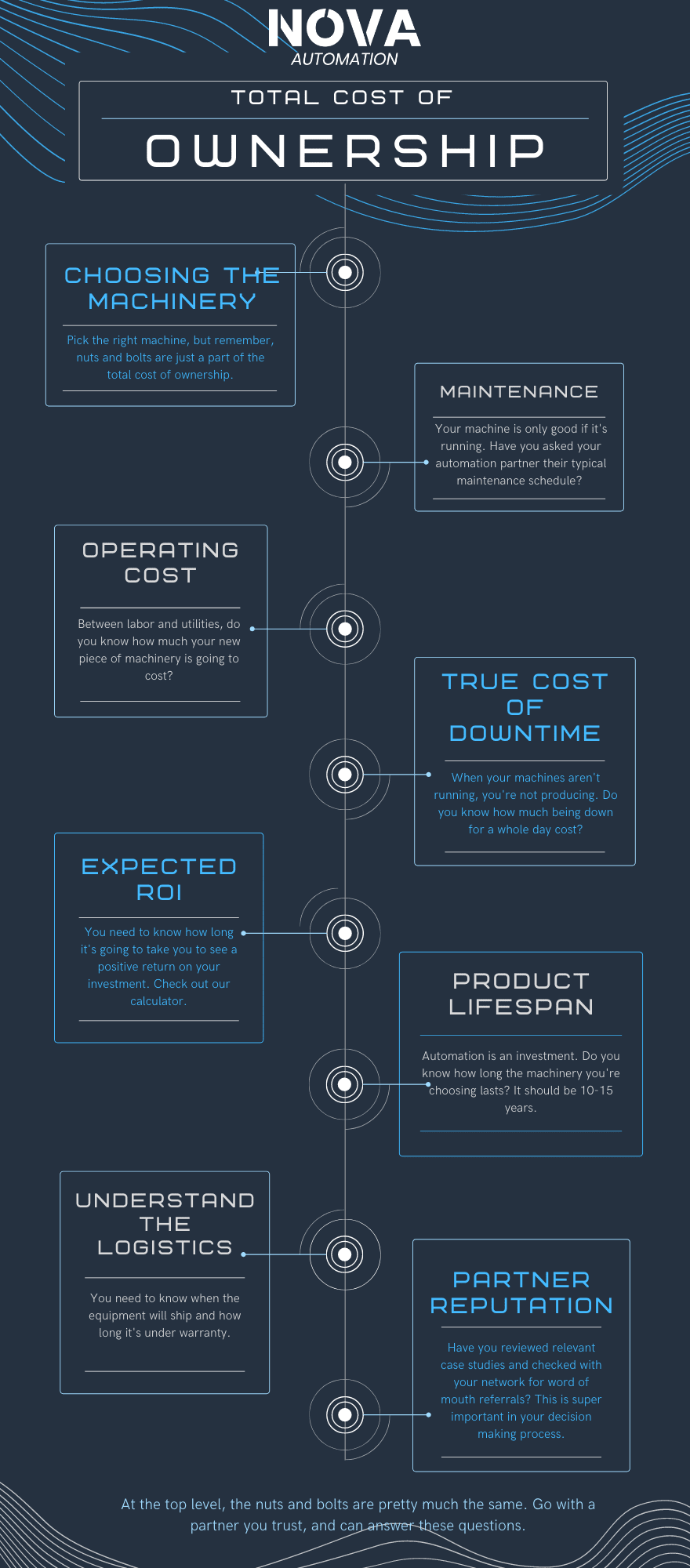
- Maintenance and Consumables: Like any machinery, coil packing machines require regular maintenance to ensure optimal performance and longevity. Include costs for routine servicing, lubrication, component checks, and preventative maintenance schedules. Furthermore, factor in the cost of consumables such as packaging films, wraps, tapes, strapping materials, and any other packing supplies the machine utilizes. Negotiate favourable rates with suppliers for these consumables and explore bulk purchasing options to potentially reduce per-unit costs.
- Waste Disposal: Packaging processes often generate waste, including film scraps, damaged packaging material, and worn-out components. Account for the costs associated with proper waste disposal, which might include recycling fees or landfill charges, depending on the materials and local regulations. Sustainable and waste-reducing machine and material choices can contribute to both environmental responsibility and long-term cost savings in waste management.
3. Material and Packaging Variability: Tailoring Costs to Your Coils
The nature of your coiled products and your desired packaging significantly impact the overall cost equation. “Pricing factors” related to materials are critical in “budget analysis”:
- Coil Type and Dimensions: The size, weight, and material of your coils directly influence packaging material requirements. Larger, heavier coils might necessitate thicker, more robust packaging films or strapping, increasing material costs. Irregularly shaped or delicate coils might require specialized cushioning or protective layers, further adding to material expenses. Analyze the range of coil types and sizes your machine will handle to accurately estimate material consumption and associated costs.
- Packaging Material Selection: The choice of packaging material – whether it's plastic film, stretch wrap, paper, or specialized protective wraps – affects both material costs and functionality. High-performance films offering superior protection or specialized features like UV resistance or anti-static properties will typically be more expensive than standard films. Balance the need for product protection with budget considerations when selecting packaging materials. Explore alternative materials and suppliers to identify cost-effective options without compromising packaging integrity.
- Packaging Volume and Efficiency: Machine efficiency directly impacts material usage. Machines with precise film dispensing and wrapping mechanisms minimize material waste. Optimize packaging parameters to reduce film overlap and unnecessary layers while ensuring adequate coil protection. Higher volume operations might benefit from automated material feeding systems that reduce manual handling and potential material wastage. Strive for streamlined packaging processes that minimize material consumption per coil.

4. Integration and Installation Costs: Beyond Plug-and-Play
Integrating a new coil packing machine into your existing production line is rarely a simple “plug-and-play” scenario. “Budget analysis” must incorporate these often-overlooked implementation costs:
- Installation and Setup: The complexity of machine installation varies. Larger, automated systems often require professional installation services, involving mechanical and electrical hookups, calibration, and initial setup procedures. Factor in the costs for technicians, specialized equipment rental (if needed), and any necessary modifications to your facility's layout or infrastructure to accommodate the machine. Obtain quotes from qualified installers and include these costs in your overall budget.
- Training and Onboarding: Operators need to be trained to effectively use and maintain the new coil packing machine. Allocate budget for operator training programs, which might include on-site training provided by the machine vendor or external training courses. Effective training ensures operators can maximize machine efficiency, minimize errors, and perform basic troubleshooting, reducing downtime and improving overall productivity.
- Software and System Integration: Modern coil packing machines often incorporate software for process control, data logging, and integration with inventory management or ERP (Enterprise Resource Planning) systems. Factor in costs for software licenses, integration services, and potential IT infrastructure upgrades needed for seamless data exchange and system compatibility. Efficient system integration can enhance production tracking, improve inventory accuracy, and streamline overall operations, justifying the initial integration investment.
- Facility Modifications: Depending on the machine’s size and operational requirements, you might need to make minor or more significant modifications to your facility. This could include reinforcing flooring, adjusting conveyor systems, rerouting utilities, or creating dedicated space with adequate power supply and ventilation. Assess your facility’s readiness and allocate budget for any necessary modifications to ensure smooth machine installation and safe operation.
5. Long-Term Maintenance and Downtime Costs: Planning for the Future
思考过程:
思考过程:
Purchasing a coil packing machine is more than just the initial price tag.
A smart buyer must consider a spectrum of expenses, far beyond the upfront cost, to truly understand the financial implications and ensure a sound investment.
This involves a detailed analysis of elements such as the base machine price, operational overheads, installation expenditures, customization necessities, and the long-term financial commitments tied to maintenance and potential upgrades.
Overlooking any of these aspects could lead to unforeseen budgetary pressures and a less-than-optimal return on investment.
By meticulously evaluating these five core cost factors, businesses can navigate the purchasing process with greater clarity and confidence, ensuring their investment in a coil packer is both strategic and financially sound.
1. Initial Machine Price and Investment Threshold
The most immediate and obvious cost is the purchase price of the coil packing machine itself.
This figure, however, is not monolithic.
It varies widely depending on several key aspects of the machine and its capabilities.
Entry-level, semi-automatic machines will naturally command a lower initial investment compared to fully automated, high-output systems.
The technological sophistication embedded within the machine directly influences its price.
Machines equipped with advanced sensors, intricate control systems, and automated adjustments for coil size and type will sit at a higher price point but often deliver greater long-term efficiency.
Consider your production volume requirements.
If you are a small-scale operation, a basic machine might suffice, keeping your initial investment manageable.
Conversely, large-scale industrial operations with high throughput demands will necessitate more robust and automated machinery, incurring a higher upfront cost but potentially yielding significant savings in labour and time over time.
It’s also essential to consider the origin of the machine manufacturer.
Machines from established, reputable brands often come with a premium due to perceived reliability, build quality, and after-sales support.
5 Cost Factors to Analyze Before Buying a Coil Packer
Investing in a coil packing machine is a significant decision for businesses aiming to streamline their production and packaging processes. Understanding the financial implications upfront is crucial for making a sound investment. Analyzing factors like initial cost, operational expenses, maintenance, technology integration and long-term value helps businesses make informed decisions. Careful consideration of these five key aspects will ensure the selected coil packer aligns with budget and operational goals.
The purchase of a coil packing machine represents a substantial investment for any manufacturing operation. Before committing to such expenditure, a thorough analysis of the various cost factors associated with these machines is essential. This article breaks down the five key financial considerations every business should examine to ensure they are making a prudent and effective investment.
1. Initial Purchase Price and Equipment Variability
The most obvious cost factor when considering a coil packing machine is the initial purchase price. This figure, however, is far from fixed. The market offers a wide array of coil packers, from basic, manually operated models to highly sophisticated, fully automated systems. The price tag correspondingly fluctuates, reflecting the machine’s capabilities, technology, and brand reputation.
Entry-level coil packing machines, often designed for smaller operations or specific niche applications, will naturally present a lower upfront cost. These might suffice for businesses with limited production volumes or those just beginning to automate their packaging lines. However, they may lack the speed, precision, and advanced features of higher-end models.
Conversely, advanced coil packing machines, incorporating cutting-edge technology such as automated guided vehicles (AGVs), robotic arms, and intricate control systems, command a significantly higher initial investment. These machines are geared towards large-scale operations demanding high throughput, exceptional accuracy, and minimal manual intervention. While the upfront cost is considerable, the long-term benefits in terms of efficiency and reduced labor might justify the expense for larger enterprises.
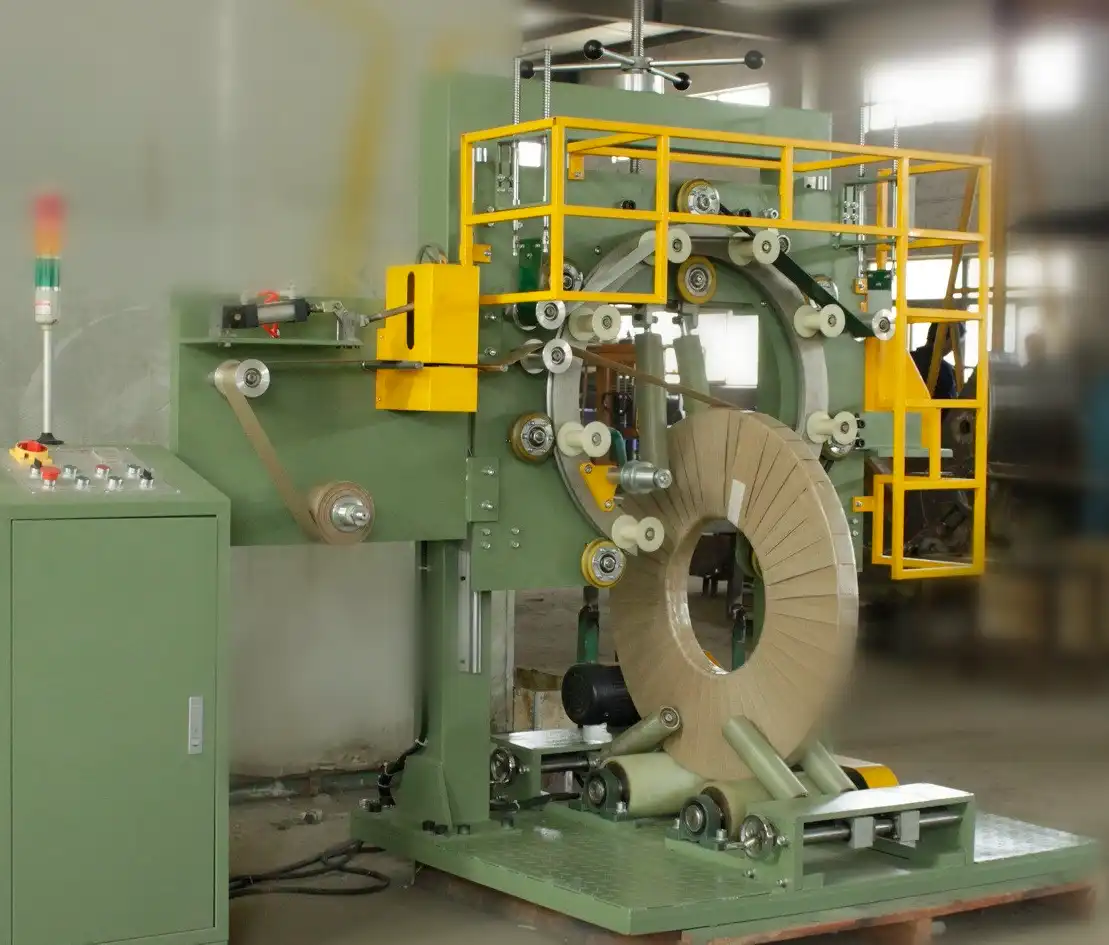
Furthermore, the variability in equipment cost isn't solely determined by automation level. Factors like the manufacturer's reputation, the quality of materials used in construction, and the machine's intended lifespan also play crucial roles. Machines built with robust components from reputable suppliers will typically carry a higher price but often promise greater longevity and reduced downtime.
When evaluating initial costs, businesses should resist the temptation to solely focus on the lowest price point. A cheap machine might seem appealing initially but could prove to be a false economy if it lacks the necessary features, durability, or support, leading to hidden costs down the line. A comprehensive assessment must consider not just the sticker price but also the machine's specifications, build quality, and the manufacturer's after-sales support.
2. Operational and Running Costs: Beyond the Price Tag
Beyond the initial purchase price, the ongoing operational costs associated with a coil packing machine are equally, if not more, important. These costs represent the day-to-day expenses required to keep the machine running efficiently and effectively. Understanding and accurately projecting these expenditures is vital for budget planning and ensuring the long-term profitability of the investment.
One of the primary operational costs is energy consumption. Coil packing machines, particularly automated models, can be energy-intensive. Electricity costs, influenced by factors like machine size, operational hours, and local energy tariffs, can accumulate significantly over time. Choosing energy-efficient models and implementing strategies to optimize machine usage can help mitigate this expense.
Labor costs are another crucial component of operational expenditure. While automation aims to reduce manual labor, coil packing machines still require skilled operators for setup, monitoring, and troubleshooting. The number of operators needed and their wage rates will directly impact the running costs. Furthermore, consider the cost of training personnel to effectively operate and maintain the new equipment.
Consumables also form a recurring operational cost. Coil packing processes often involve materials like strapping bands, wrapping films, and labels. The cost of these consumables, dependent on material type, quality, and consumption rates, needs to be factored into the budget. Optimizing packaging designs and material usage can lead to substantial savings in this area.
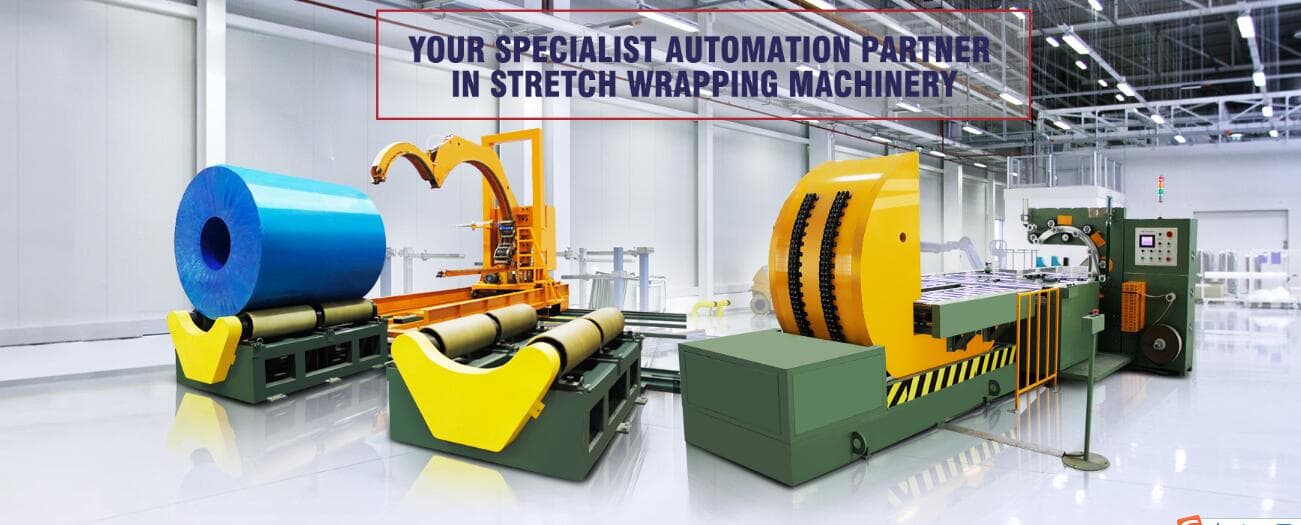
Finally, consider the cost of utilities beyond electricity. Some coil packing machines might require compressed air or specific environmental conditions, adding to the overall operational expenses. A thorough assessment of all utility requirements and their associated costs is crucial. Ignoring these seemingly minor expenses can lead to budget overruns and reduced profitability.
3. Maintenance and Repair Expenses: Planning for the Inevitable
Like any piece of machinery, coil packing machines require regular maintenance to ensure optimal performance and longevity. Budgeting for maintenance and potential repairs is not just prudent; it’s essential for avoiding costly disruptions and maximizing the return on investment.
Preventive maintenance is key to minimizing unexpected breakdowns and extending the machine's lifespan. This includes routine tasks like cleaning, lubrication, component inspections, and timely replacements of wear-and-tear parts. The cost of preventive maintenance encompasses both the price of replacement parts and the labor hours required to perform these tasks, whether done in-house or outsourced to a service provider.
Despite diligent preventive maintenance, breakdowns and repairs are sometimes unavoidable. Machine complexity often correlates with potentially higher repair costs. Specialized components and intricate control systems might necessitate expert technicians and proprietary parts, leading to more expensive repairs and potentially longer downtime.
When evaluating coil packing machines, inquire about the manufacturer's recommended maintenance schedule and the availability and cost of spare parts. Opting for machines with readily available and reasonably priced parts can significantly reduce long-term maintenance expenditure. Furthermore, consider the manufacturer's warranty and after-sales service offerings. A comprehensive warranty and responsive technical support can provide valuable protection against unforeseen repair costs, especially during the initial years of operation.
Moreover, neglecting maintenance to save on short-term costs is a risky strategy. It can lead to accelerated wear and tear, increased downtime, and potentially catastrophic failures, resulting in significantly higher repair bills in the long run. A well-structured maintenance plan, proactively budgeted for, is a crucial component of responsible coil packing machine ownership.

5 Cost Factors to Analyze Before Buying a Coil Packer
Investing in a coil packing machine represents a significant capital expenditure for many businesses. Understanding the multifaceted costs involved is crucial for effective budget management and ensuring a return on investment. Before committing to a purchase, a thorough analysis of five key cost factors is essential. These include the initial machine cost, operational expenses, maintenance and repair considerations, scalability implications for your business, and often overlooked hidden costs that can impact your bottom line. This detailed evaluation allows for informed decision-making, preventing budget overruns and maximizing the efficiency and profitability of your coil packing operations.
Purchasing a coil packing machine is a strategic move that can significantly streamline production, enhance efficiency, and reduce manual labour. However, the upfront cost can be substantial, and it's vital to look beyond the initial price tag to appreciate the full financial commitment. To make an informed decision and ensure your investment aligns with your business objectives and budget, a comprehensive cost analysis is paramount. This article breaks down five critical cost factors that every business should meticulously examine before acquiring a coil packing machine.
1. Initial Machine Cost: More Than Just the Sticker Price
The most obvious cost factor is the initial purchase price of the coil packing machine itself. This figure, however, is rarely a straightforward, single number. It's crucial to delve deeper into what this price includes and what it doesn't.
Firstly, consider the type of coil packing machine required. Are you looking at a semi-automatic, automatic, or fully automated system? Semi-automatic machines, often less expensive upfront, require more manual operation, potentially impacting long-term labour costs. Fully automated systems, while carrying a higher initial price, can significantly reduce labour needs and boost production speed. Evaluate your current and projected production volumes to determine the appropriate level of automation. A machine that's cheaper initially might become a bottleneck and prove less cost-effective in the long run if it can't keep up with demand.
Secondly, factor in customisation and additional features. Standard coil packing machines may not perfectly fit every business's specific needs. You might require custom modifications to handle specific coil sizes, materials, or packaging types. These customisations will invariably add to the base price. Carefully assess your requirements and obtain detailed quotes for any necessary custom features. Don't overspend on features you don't need, but equally, don't compromise on essential functionalities to save a small amount upfront, only to encounter operational inefficiencies later.
Thirdly, consider the brand and manufacturer's reputation. Established brands with a proven track record often come with a higher price tag, but this can be justified by superior build quality, reliability, and better after-sales service. Less expensive machines from lesser-known manufacturers might seem appealing initially, but it's essential to weigh the potential risks of lower quality components, shorter lifespan, and potentially limited technical support. Research different manufacturers, read reviews, and, if possible, speak to businesses already using their machines to gauge their real-world performance and longevity.
2. Operational Costs: Fueling the Machine and Your Workforce
The initial purchase price is just the starting point. Operational costs represent the ongoing expenses associated with running the coil packing machine day in and day out. These costs can accumulate significantly over the machine's lifespan and should be meticulously budgeted for.
One of the most significant operational costs is electricity consumption. Coil packing machines, particularly those with heat sealing or wrapping functionalities, can be energy-intensive. Investigate the machine's power consumption specifications and factor in your local electricity rates to estimate the monthly and annual energy costs. Consider energy-efficient models, even if they have a slightly higher initial cost, as they can lead to substantial savings in the long term. For example, machines utilizing servo technology rather than pneumatic components may offer considerable energy savings, as compressed air systems can be very expensive to operate.
Labour costs are another crucial operational expense. While coil packing machines are designed to reduce manual labour, they still require operators. The number of operators needed will depend on the machine's automation level and your overall production process. Factor in wages, benefits, and training costs for the operators. A more automated machine might require fewer operators but potentially more skilled technicians, which could impact salary considerations. Conversely, a semi-automatic machine might need more operators but at a potentially lower wage rate. Conduct a detailed labour analysis to determine the most cost-effective approach for your specific operational context.
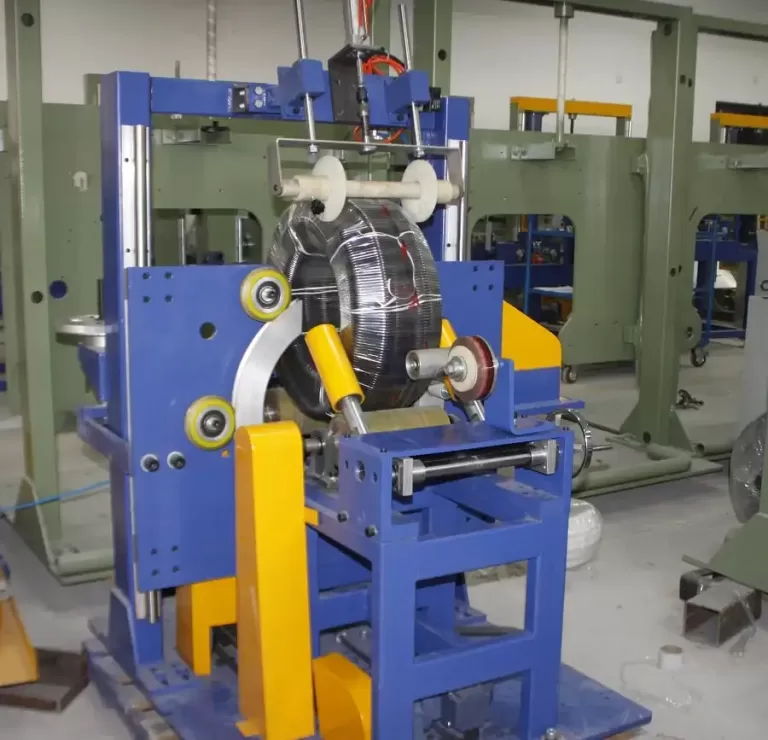
Consumables are also a recurring operational cost. This may include packaging materials like wrapping film, strapping, labels, and any other materials directly used in the coil packing process. Negotiate favourable rates with material suppliers and explore options for bulk purchasing to reduce per-unit costs. Efficient material usage is also crucial; machines that minimize material waste can significantly lower operational expenses. Lap seal machines, for instance, may offer film savings compared to side seal machines in certain applications. Analyze material consumption rates for different machine models and factor this into your long-term operational cost projections.
3. Maintenance and Repair Costs: Planning for the Inevitable
Like any machinery, coil packing machines require regular maintenance to ensure optimal performance and prevent breakdowns. Ignoring maintenance can lead to costly repairs, production downtime, and potentially shorten the machine's lifespan. Therefore, proactively budgeting for maintenance and potential repair costs is essential.
Preventative maintenance is key to minimizing long-term costs. Develop a comprehensive maintenance schedule, encompassing regular cleaning, lubrication, component inspections, and timely replacement of wear parts. Factor in the cost of spare parts, lubricants, and the labour involved in performing preventative maintenance. A robust preventative maintenance program not only extends the machine's lifespan but also reduces the likelihood of unexpected breakdowns that can disrupt production schedules and incur emergency repair costs.
Consider service contracts offered by the machine manufacturer or third-party service providers. These contracts can cover preventative maintenance, emergency repairs, and technical support for a fixed fee. Evaluate the terms of these contracts carefully, comparing coverage, response times, and costs. A comprehensive service contract can provide peace of mind and predictable maintenance costs, but it's crucial to assess if the contract's cost justifies the level of service offered. For businesses with in-house maintenance capabilities, investing in training for their technicians to handle basic maintenance and repairs can be a cost-effective alternative, reducing reliance on external service providers for routine issues.
Repair costs can be unpredictable but must be factored into your budget contingency. Even with diligent preventative maintenance, unexpected component failures can occur, leading to repair expenses. Research the typical lifespan of key components of the machine and the potential cost of replacing them. Choose machines with readily available spare parts to minimize downtime in case of repairs. Opting for machines with fewer moving parts can also contribute to lower maintenance and repair costs in the long run. Understand warranty terms and conditions to clarify what repairs are covered and for how long, minimizing your financial exposure to early failures.
4. Scalability and Capacity Costs: Matching Your Machine to Growth
Your business's current needs are important, but future growth prospects should also heavily influence your coil packing machine investment decision. Investing in a machine that meets only your current capacity might prove inadequate in a few years as your business expands, necessitating further costly upgrades or replacements.
Assess your projected growth trajectory over the next 5 to 10 years. Will your production volumes remain static, grow moderately, or experience rapid expansion? Choose a coil packing machine with sufficient capacity to handle not only your current output but also anticipated future increases. A machine that can scale with your growth prevents the need for premature replacement and ensures long-term cost-effectiveness.
Consider the modularity and flexibility of the machine. Can it be easily upgraded or expanded to accommodate increased capacity or changing packaging requirements? Modular machines allow for incremental upgrades, adding capacity or functionality as needed, rather than requiring a complete machine replacement. Flexibility in handling different coil sizes and packaging types is also crucial, especially if you anticipate diversifying your product line in the future. A versatile machine minimizes the risk of obsolescence and ensures its continued relevance as your business evolves.
Overcapacity can also be a cost inefficiency. Purchasing a machine with significantly more capacity than your current and foreseeable needs results in underutilized assets and a higher initial investment that might not generate immediate returns. Strive for a balance between current needs and future scalability. Select a machine that provides adequate capacity for your current operations with the potential for reasonable expansion without being excessively oversized. Consider phased investments, starting with a machine that meets near-term requirements with the option to upgrade or add supplementary equipment as production volumes demonstrably increase.
5. Hidden Costs and Long-Term Value: Beyond the Obvious Expenses
Beyond the direct costs of purchase, operation, and maintenance, several often overlooked hidden costs can impact the overall financial equation of coil packing machine ownership. Being aware of these hidden costs and factoring them into your budget provides a more realistic picture of the total investment.
Installation and integration costs are frequently underestimated. The price of the machine typically doesn't include installation, which can involve significant expenses. Factor in the costs of site preparation, machine setup, electrical connections, compressed air lines (if applicable), and integration with your existing production line. Complex installations or integration with sophisticated ERP systems can significantly increase these costs. Obtain detailed quotes for installation from the machine vendor or qualified third-party installers to avoid budget surprises.
Training costs are essential to ensure your operators can effectively and safely use the new machine. Adequate training minimizes errors, maximizes efficiency, and reduces the risk of machine damage due to improper operation. Factor in the cost of operator training programs, whether provided by the machine vendor or external training providers. Ongoing training for new operators and refresher courses for existing staff should also be budgeted for over the machine's lifespan.
Downtime costs are perhaps the most impactful hidden costs. Machine downtime, whether due to breakdowns or scheduled maintenance, directly translates to lost production, missed deadlines, and potential customer dissatisfaction. Quantify the potential cost of downtime by estimating the value of lost production per hour or day. Select reliable machines with a strong service and support network to minimize downtime. Invest in robust preventative maintenance programs and ensure readily available spare parts to facilitate quick repairs and minimize production interruptions.
Long-term value and return on investment (ROI) are crucial considerations when evaluating coil packing machine costs. Focusing solely on the lowest upfront price can be shortsighted. Calculate the projected ROI by factoring in the machine's expected lifespan, productivity gains, labour cost savings, material efficiency, and reduced downtime compared to your current methods. A machine with a higher initial price but superior performance, reliability, and longevity might offer a significantly better ROI over its lifespan than a cheaper machine that requires frequent repairs, causes production bottlenecks, and needs premature replacement. Conduct a thorough cost-benefit analysis to determine the machine that offers the best long-term value and aligns with your overall business financial goals.
By meticulously analyzing these five cost factors – initial machine cost, operational expenses, maintenance and repair considerations, scalability implications, and hidden costs – businesses can make informed decisions when investing in coil packing machines. This comprehensive approach to budget analysis ensures that the chosen machine not only meets immediate production needs but also provides long-term value, efficiency, and a strong return on investment, contributing to sustained business growth and profitability.