# How to Choose the Best Coil Packing Machine for Your Factory
Coil packing machines are essential for businesses dealing with products like steel coils, wires, hoses and cables. Choosing the right machine is crucial. This guide helps you navigate the selection process, ensuring you pick the best equipment to protect your products, streamline your operations, and boost efficiency. We'll explore the different types, key features, and factors to consider, helping you make an informed decision for your factory's packaging needs.
In today's fast-paced manufacturing environment, efficiency and product protection are paramount. For factories handling coil-shaped products – from robust steel coils to delicate copper wires – the right packaging solution is not just an afterthought, it's a necessity. A coil packing machine can transform your end-of-line operations, providing consistent, protective wrapping that safeguards your goods during storage and transit. But with a variety of machines available, how do you select the best one for your specific factory requirements? This guide will walk you through the key considerations to help you make an informed decision and invest in a coil packing machine that truly fits your needs.
Understanding Coil Packing Machines: Types and Applications
Coil packing machines are designed to wrap coil-shaped items, providing protection and stability. There are primarily two main types: horizontal and vertical coil wrapping machines. Understanding the difference is the first step in making the right choice.
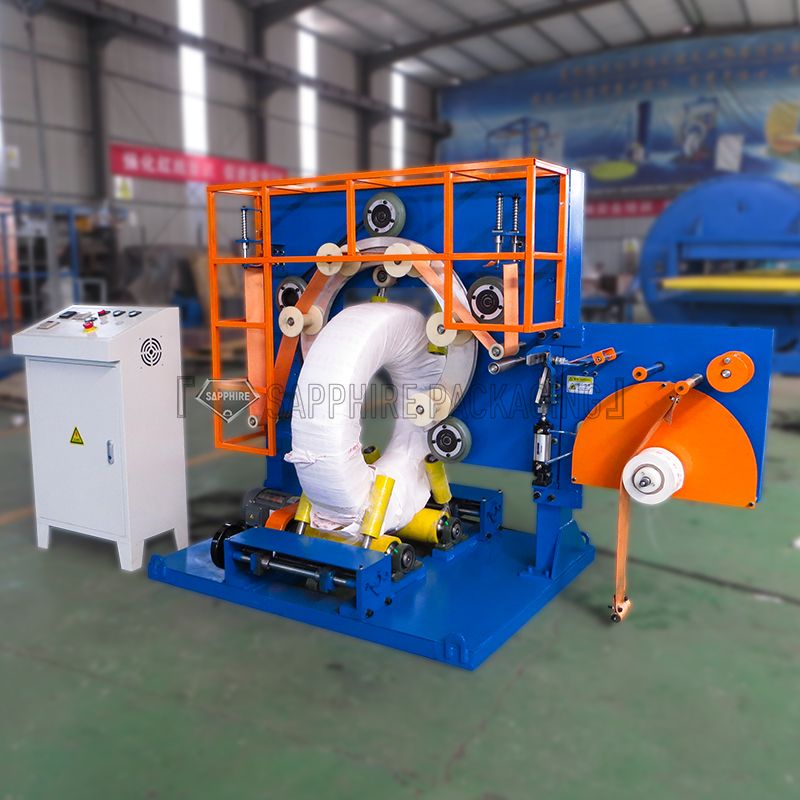
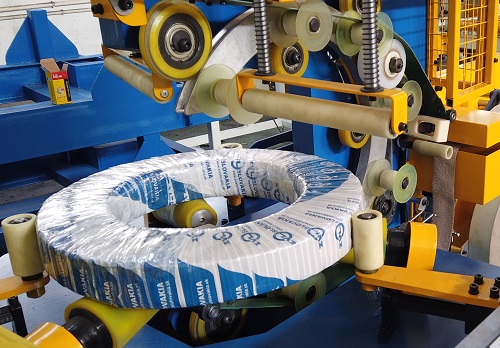
Horizontal Coil Wrapping Machines: In horizontal coil wrapping, the coil is positioned with its inner diameter (ID) facing upwards. This orientation is particularly suited for automated systems and handling more delicate or irregularly shaped coils. Horizontal machines are often integrated into automatic coil packing lines and are ideal for materials like copper coils, hoses, and lightweight coils. This method generally provides a more uniform and secure wrap, especially beneficial for coils that might be prone to collapsing or damage during the wrapping process.
Vertical Coil Wrapping Machines: Vertical coil wrapping involves placing the coil upright, with its inner diameter facing a wall or similar vertical plane. This is often seen as a more economical solution and is adaptable to various loading methods, including rolling, forklift, and crane loading. Vertical wrapping is a practical choice for heavier coils and situations where a straightforward, robust packaging method is required. It provides good stability, especially during transportation, minimizing the risk of coils toppling or shifting.
What Products Can Coil Packing Machines Handle?
The versatility of coil packing machines is one of their significant advantages. They can be used across a broad spectrum of industries and products, including:
- Steel Coils: From slit coils to master coils, steel requires robust packaging to prevent rust and damage during storage and shipping.
- Wire Coils: Including PVC wires, stitching wire, welding wire, and various cables (power, communication), coil packing machines offer protection from dust, moisture, and physical abrasion.
- Hose and Pipe Coils: Whether it's pneumatic pipes, braided pipes, or HDPE pipes, these machines ensure coils are neatly packaged for easy handling and transport.
- Tyres: Vehicle tyres, both car and larger industrial tyres, benefit from coil wrapping for protection and ease of movement.
- Paper and Laminate Rolls: Industries dealing with rolled materials like paper reels and laminate rolls also utilize these machines for secure packaging.
- Bearings: Large bearings, especially those used in industries like wind turbine manufacturing, require specialised packing solutions that coil wrapping machines can provide.
Key Factors in Choosing Your Coil Packing Machine
Selecting the right coil packing machine involves considering several crucial factors specific to your factory's operations and product characteristics.
1. Coil Dimensions and Weight:
The size and weight of your coils are fundamental in determining the machine's specifications. You need to provide detailed coil data, including: - Outer Diameter (OD): The maximum outer diameter your machine needs to accommodate.
- Inner Diameter (ID): The inner diameter influences the wrapping method, particularly for eye-through wrapping.
- Coil Width: The width of the coil dictates the ring size and wrapping path of the machine.
- Coil Weight: The weight capacity of the machine and its handling mechanism is critical for safe and efficient operation.
Machines are available to handle a wide range of coil sizes, from small, light coils to very large, heavy coils weighing up to 35 tonnes. Ensure the machine you choose is robust enough to handle your heaviest and largest coils comfortably and safely.
2. Handling Method in Your Factory:
How are coils moved and loaded in your factory? The integration of the packing machine with your existing material handling system is crucial for workflow efficiency. Common handling methods include: - Crane Lifting: For heavy steel coils, overhead cranes are often used. Machines can be designed to work seamlessly with crane loading, including features like trolley systems to move coils in and out of the wrapping station.
- Forklift Handling: Forklifts are versatile and widely used. Machines can be adapted for forklift loading, often with specialized attachments like coil rams or hooks to ensure safe and efficient coil transfer.
- Manual Rolling: For lighter coils, manual rolling might be feasible. Machines designed for manual rolling are usually more basic and cost-effective, suitable for lower volume operations.
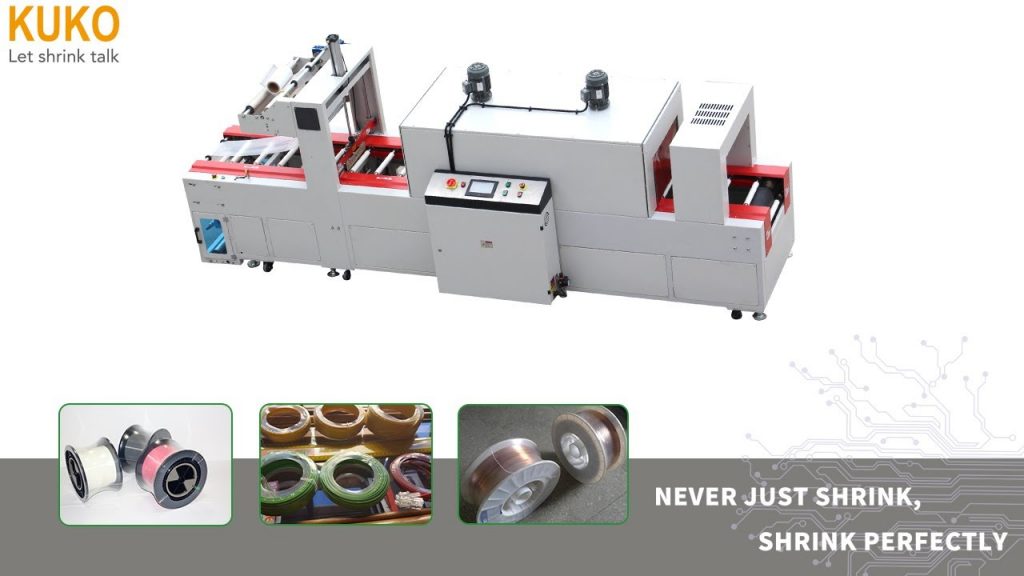
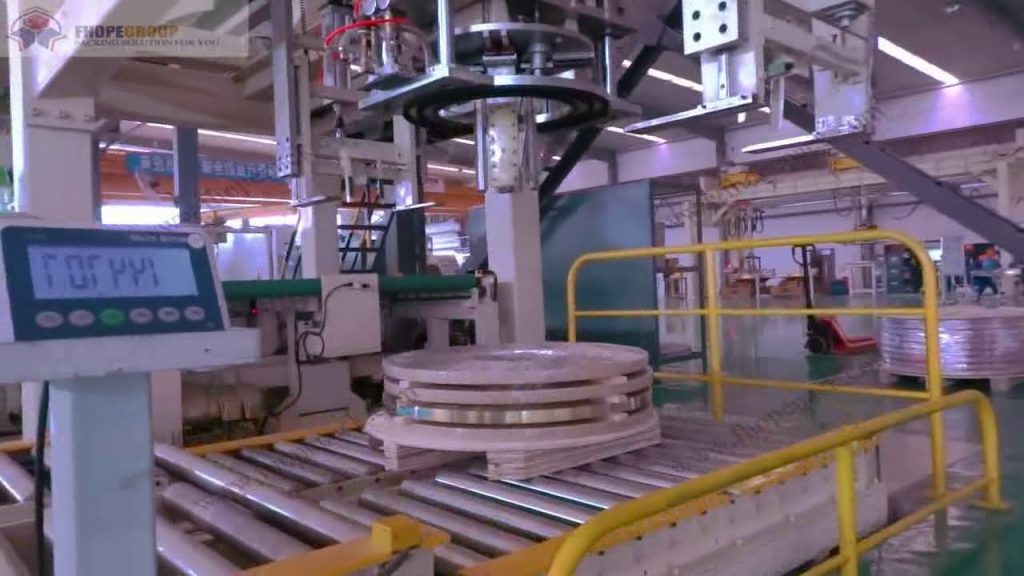
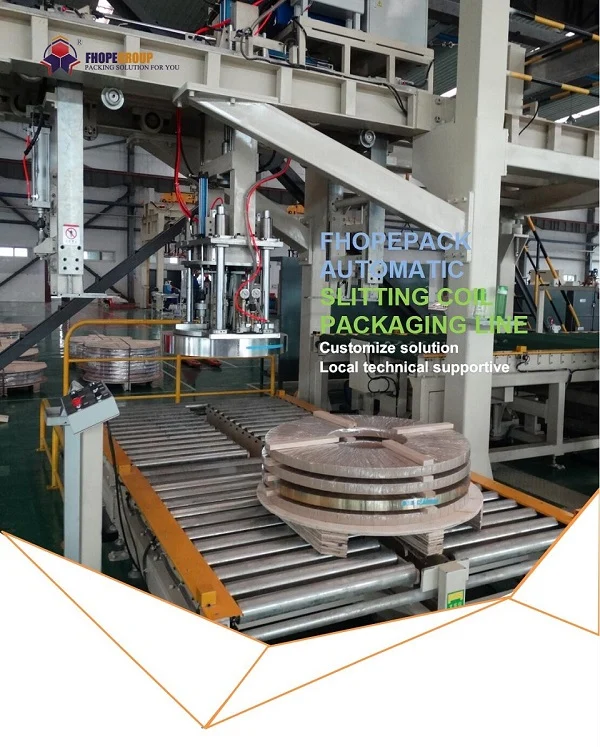
- Conveyor Systems: For high-volume, automated production lines, integrating a coil packing machine with a conveyor system is ideal. This creates a continuous flow, minimizing manual intervention and maximizing throughput.
Consider the available space in your factory and the layout of your production line when evaluating handling methods and machine integration.
3. Packaging Material:
The choice of packaging material depends on the level of protection required, the product type, and cost considerations. Common materials include: - Stretch Film (LLDPE): Stretch film is a popular, cost-effective option providing excellent moisture and dust resistance. It's versatile and suitable for various coil types. Adjustable film overlap allows you to control the level of protection.
- Reinforced Paper: Paper, especially when reinforced with PP belts or PE film covering, offers a wear-resistant surface and can incorporate VCI (Vapor Corrosion Inhibitor) for enhanced moisture protection, particularly for seaworthy packaging or humid conditions.
- HDPE/PE Film: High-density polyethylene or polyethylene films (thicker than 50 microns) provide robust protection against scratches and physical damage, ideal for coils with sensitive surfaces.
- Woven Knit Belts: Made from polypropylene (PP), woven knit belts are strong and flexible, offering excellent protection, especially for heavier or sharper coils like razor wire or steel coils, guarding against scrapes during transportation.
Consider the environmental conditions your packaged coils will face – humidity, temperature variations, potential for physical impact – when selecting the most appropriate packaging material.
4. Automation Level and Machine Features:
Coil packing machines range from semi-automatic to fully automatic, with varying features to enhance efficiency and ease of use. Features to consider include: - PLC Control: PLC (Programmable Logic Controller) based operations automate the wrapping cycle, ensuring consistency and reducing the need for manual adjustments. HMI (Human-Machine Interface) panels provide user-friendly controls for parameter adjustments and error monitoring.
- Adjustable Film Overlap and Stretch Ratio: These features allow you to fine-tune the wrapping process, optimizing film usage and protection levels for different coil types and packaging requirements.
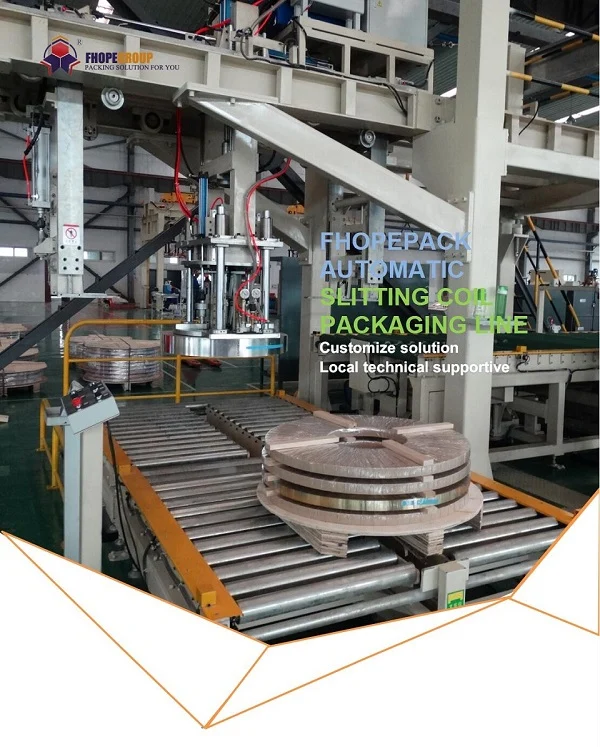
- Automatic Film Cutting and Holding: Automatic cutting and holding mechanisms streamline the wrapping cycle, reducing manual intervention and improving efficiency.
- Variable Ring and Roller Speed: Adjustable speeds allow you to optimize wrapping for different coil sizes and materials, ensuring consistent and quality packaging.
- Customization Options: Look for machines that offer customization options like logo printing on the PLC interface or advanced paper relish systems to further streamline your packaging process.
5. Machine Sturdiness and Durability:
A coil packing machine is a long-term investment. Look for robust construction and durable components to ensure longevity and minimal downtime. A sturdy machine reduces vibration during operation, contributing to smoother, more reliable performance and reducing maintenance needs.
6. Budget and Cost Considerations:
The cost of coil packing machines varies significantly depending on the type, automation level, and features. Define your budget upfront, but consider the long-term return on investment (ROI). While a more expensive, automated machine might have a higher initial cost, it can lead to significant savings in labor costs, material usage optimization, and increased efficiency over time. Compare the initial investment against the potential long-term benefits, including reduced labor, material savings, and improved product protection.Benefits of Using a Coil Packing Machine
Investing in a coil packing machine offers numerous advantages for your factory:
- Enhanced Product Protection: Provides superior protection from dust, moisture, corrosion, and physical damage during storage and transportation, ensuring products reach customers in perfect condition.
- Consistent, High-Quality Packaging: Machines deliver uniform and consistent wrapping, improving the professional appearance of your products and enhancing brand perception.
- Reduced Labor Costs and Intensity: Automating the coil packing process significantly reduces manual labor, leading to lower labor costs and less physically demanding tasks for employees.
- Increased Efficiency and Throughput: Machines wrap coils faster and more consistently than manual methods, boosting packaging efficiency and overall production throughput.
- Improved Workplace Safety: Automation reduces manual handling of heavy coils, minimizing the risk of workplace accidents and injuries.
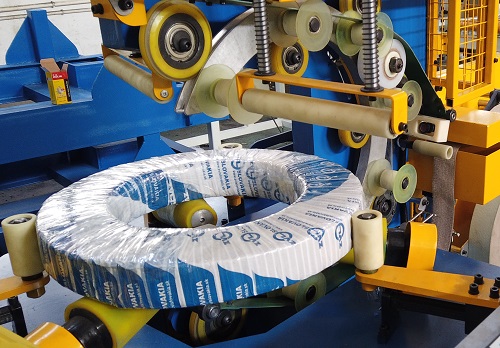
- Flexible Packaging Material Options: Machines can handle a variety of packaging materials, offering flexibility to choose the best option for different products and protection requirements.
- Globally Recognized Packaging Standard: Coil wrapping is a widely accepted international packaging method, enhancing the marketability and acceptance of your products globally.
Getting Started: Finding the Right Solution
To find the best coil packing machine for your factory, start by gathering detailed information about your coils and packaging requirements. Be prepared to provide potential suppliers with:
- Coil Specifications: OD, ID, width, and weight ranges of your coils.
- Packaging Material Preferences: Types of materials you are considering or currently using.
- Desired Packing Speed and Automation Level: Your production volume and automation needs.
- Handling Methods: How coils are currently handled and moved within your factory.
- Specific Packaging Goals: Protection requirements, desired package appearance, and any specific industry standards to meet.
Consult with experienced manufacturers and suppliers of coil packing machines. Companies like FHOPEPACK, as mentioned in the provided material, offer expertise in customized turnkey projects and can help you identify the ideal solution tailored to your unique needs. They can provide guidance on machine types, features, and integration options based on your specific factory environment and production goals.
By carefully considering these factors and working with knowledgeable suppliers, you can confidently choose a coil packing machine that will optimize your packaging process, protect your products, and contribute to the overall success of your factory operations. Choosing the right coil packing machine is a strategic investment that pays dividends in efficiency, product integrity, and long-term cost savings.