# Cost Comparison: Electric vs. Pneumatic Mold Upenders
Choosing between electric and pneumatic mold upenders hinges on a balance of upfront investment, operational expenses, and long-term durability. While pneumatic systems may initially appear budget-friendly, electric alternatives often present a more cost-effective solution over time due to superior energy efficiency and reduced maintenance demands, ultimately impacting overall production economy.
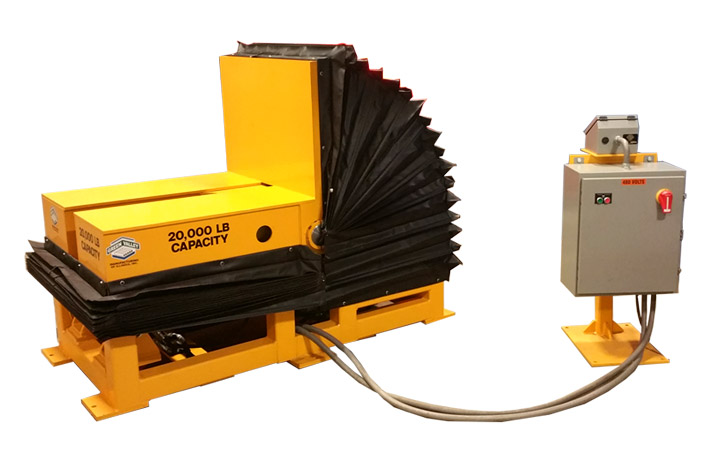
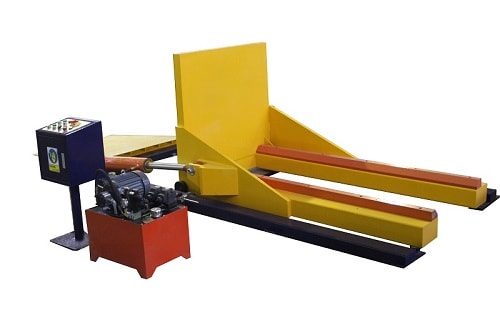
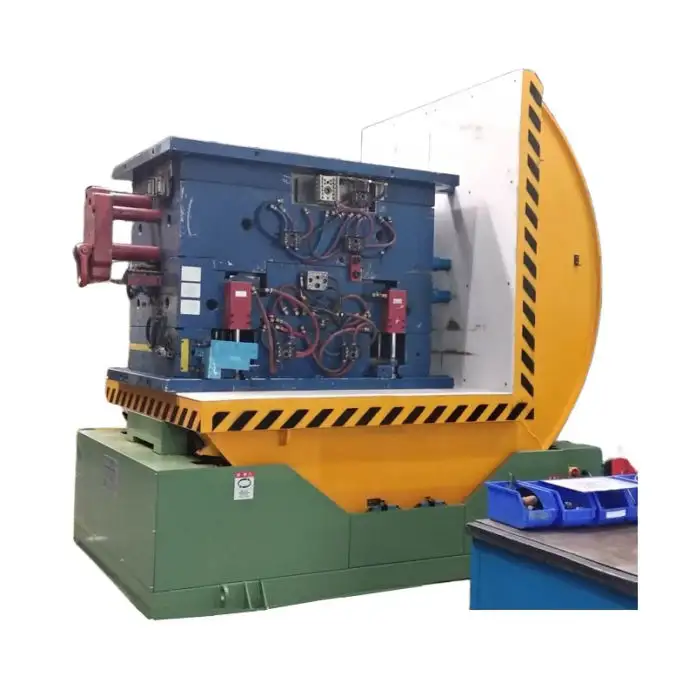
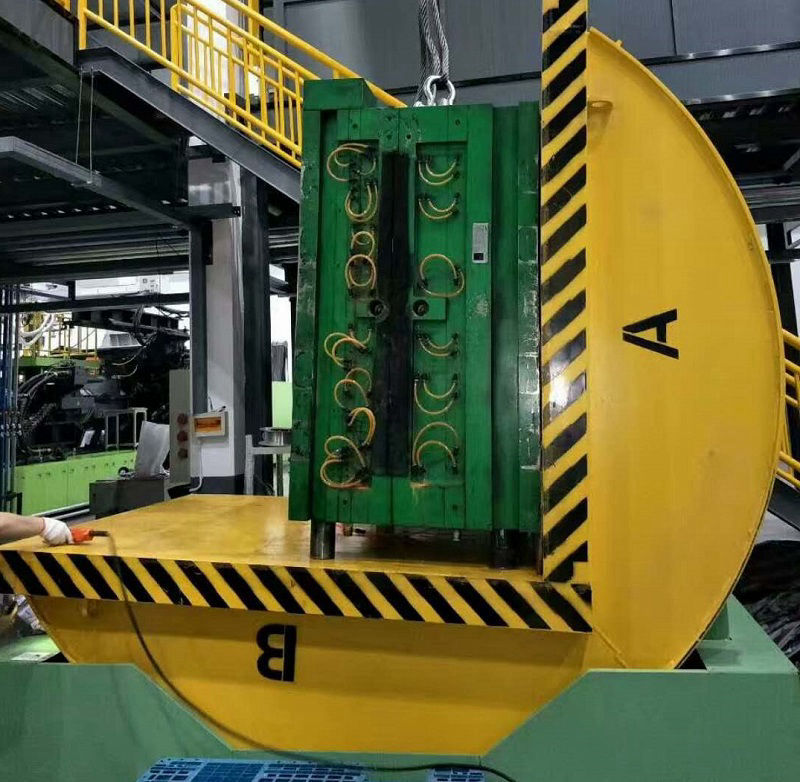
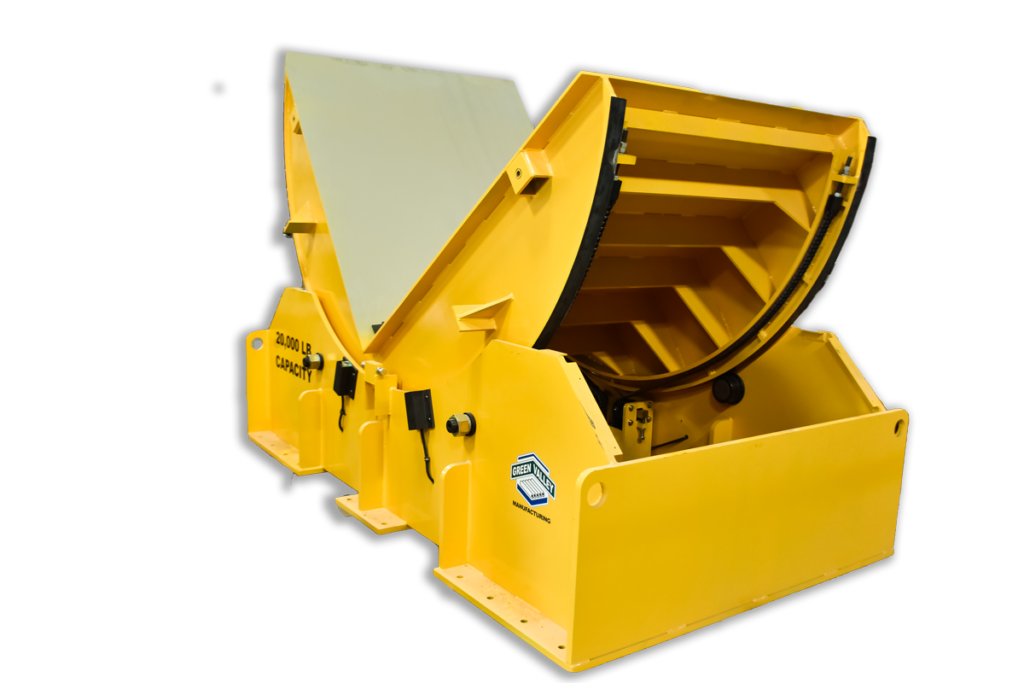
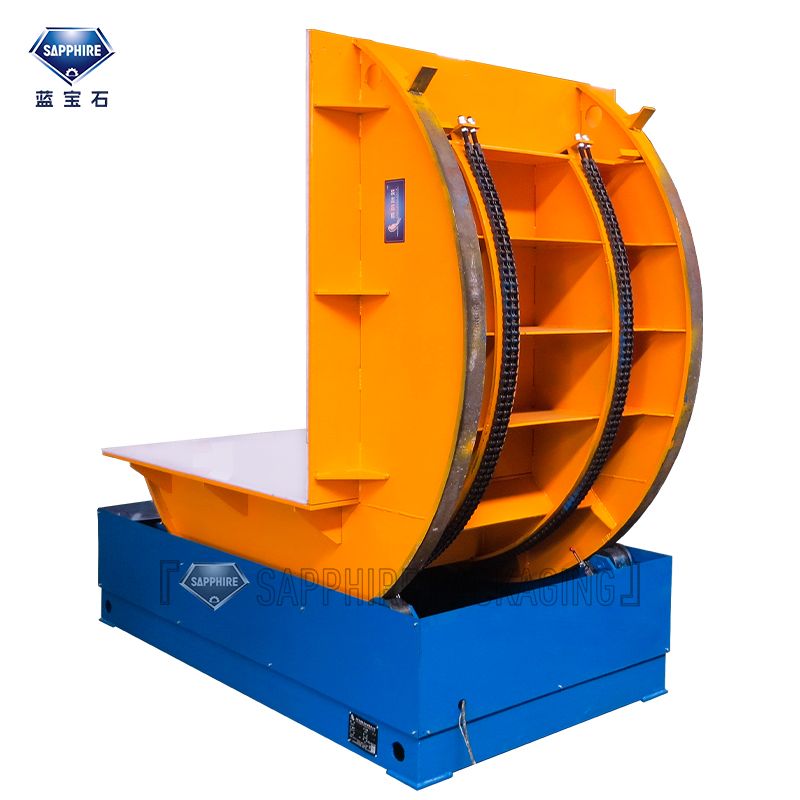
In the realm of industrial manufacturing, efficiency and precision are not merely aspirations; they are the bedrock of profitability and competitive edge. For operations dealing with heavy molds and dies, the mold upender, also known as a mold tilter or die flipper, stands as a crucial piece of equipment. These robust machines are designed to safely and efficiently rotate and reposition molds, facilitating maintenance, repair, and changes with minimal manual handling. When it comes to powering these indispensable tools, the choice often boils down to two dominant technologies: electric and pneumatic. While both achieve the core function of mold upending, their operational mechanics, cost implications, and long-term value propositions diverge significantly. Understanding these distinctions is paramount for informed decision-making, ensuring that investment aligns with both immediate budgetary concerns and long-term operational goals.
The initial appeal of pneumatic mold upenders often lies in their perceived lower upfront cost. Similar to the general trend observed with pneumatic tools across various industries – from handheld sanders to heavy-duty wrenches – the base unit of a pneumatic mold upender can indeed present a more economical entry point compared to its electric counterpart. This price advantage stems, in part, from simpler componentry. Pneumatic systems rely on compressed air to generate force, translating into fewer intricate and costly parts within the upender itself. Think of a basic pneumatic sander; its core mechanism is less complex than an equivalent electric sander with its motor, intricate wiring, and electronic controls. This principle extends to larger machinery like mold upenders. Without the need for sophisticated electric motors, drives, and control panels directly integrated into the upender unit, manufacturers can often offer pneumatic models at a more accessible price point, initially easing budget constraints.
However, this initial cost comparison represents only a fraction of the total economic picture. To truly assess the cost-effectiveness of pneumatic mold upenders, one must factor in the often-overlooked, yet substantial investment required in the infrastructure that makes them operational: the compressed air system. Pneumatic tools are, by their very nature, dependent on a continuous supply of pressurized air. This necessitates the installation and maintenance of an air compressor, a piece of equipment with its own significant capital expenditure, energy consumption, and maintenance demands. For facilities that already possess a robust compressed air network, perhaps serving other pneumatic machinery, integrating a pneumatic mold upender might seem like a seamless and economical extension. However, for operations lacking such infrastructure, the cost of acquiring and setting up a suitable air compressor – capable of delivering the required volume and pressure for the mold upender – can quickly erode, and even surpass, the initial price advantage of the pneumatic unit itself.
Electric mold upenders, while generally commanding a higher initial investment for the unit itself, often present a compelling long-term cost advantage when considering the total cost of ownership. The core reason for this economic shift lies in energy efficiency. Electric systems are inherently more energy-efficient than pneumatic systems in converting power into usable work. As highlighted in discussions comparing electric and pneumatic tools in general, electric motors, particularly modern brushless motors, demonstrate remarkable energy efficiency, often capable of performing the same work as pneumatic counterparts while consuming significantly less energy. In some instances, the energy consumption of a pneumatic tool system can be up to ten times greater than an equivalent electric system for the same output. This stark difference translates directly into operational costs. For a mold upender operating regularly – perhaps multiple times a day in a busy manufacturing environment – the cumulative energy savings offered by an electric system can rapidly offset the higher initial purchase price. In an era of escalating energy costs, this factor becomes increasingly crucial in long-term financial planning.
Beyond energy consumption, maintenance considerations further tilt the economic scales in favor of electric mold upenders. Pneumatic systems, reliant on compressed air, inherently involve more components prone to wear and tear, and consequently, require more frequent maintenance. Air compressors themselves demand regular upkeep, including filter changes, oil checks, and potential repairs. Furthermore, the pneumatic lines and connections distributing compressed air throughout a facility are susceptible to leaks, which not only diminish system efficiency but also necessitate ongoing inspection and repair. These maintenance tasks translate into both direct costs for parts and labor, and indirect costs associated with downtime and reduced productivity. Electric mold upenders, with fewer moving parts and a less complex operational mechanism, generally require less frequent and less intensive maintenance. This translates to lower long-term maintenance expenditures and reduced operational interruptions, contributing to a more predictable and cost-effective operational profile.
Moreover, the operational characteristics of electric and pneumatic mold upenders have indirect but significant cost implications. Electric systems are renowned for their precision and control. Modern electric mold upenders often incorporate sophisticated control systems, allowing for precise positioning, smoothStart and stop motions, and variable speed adjustments. This level of control enhances safety, reduces the risk of damage to valuable molds, and contributes to smoother, more efficient workflow. Pneumatic systems, while capable of delivering considerable force, can sometimes be less refined in their control, potentially leading to jerky movements or requiring more operator skill to achieve precise positioning. This difference in operational finesse can impact both the quality of mold handling and the overall efficiency of the mold changeover or maintenance process.
Finally, noise levels, often an overlooked aspect in cost analysis, can also contribute to the long-term economic equation. Pneumatic systems, particularly air compressors and the exhaust from pneumatic tools, can be significant sources of workplace noise pollution. Prolonged exposure to high noise levels can impact worker health and productivity, potentially leading to increased absenteeism and even compensation claims in the long run. Electric mold upenders, generally operating at significantly lower noise levels, contribute to a more comfortable and safer working environment, indirectly enhancing productivity and reducing potential long-term costs associated with noise-related health issues. While some might associate pneumatic tools with quieter operation due to the absence of a motor on the tool itself, the noise generated by the compressor system is often the dominant factor in overall workplace noise levels when pneumatic equipment is in use. Electric systems, by eliminating the need for a central compressor and focusing power at the point of operation, circumvent this broad noise source.
In conclusion, while the allure of a lower initial purchase price might initially draw attention to pneumatic mold upenders, a comprehensive cost analysis reveals a more nuanced picture. The hidden costs associated with compressed air infrastructure, ongoing energy consumption, and higher maintenance demands often tip the long-term economic balance in favor of electric mold upenders. While pneumatic systems may find their niche in environments with pre-existing robust compressed air networks and less stringent demands for energy efficiency or precision control, electric mold upenders emerge as the more economically sound and operationally efficient choice for a growing number of industrial applications, particularly when considering the entire lifecycle cost and the imperative for sustainable and efficient manufacturing practices. The decision ultimately rests on a thorough assessment of specific operational needs, existing infrastructure, and a clear understanding of both immediate and long-term cost implications.