Boosting Productivity The Impact of Mold Upenders on Mold Changeover Processes
Mold upenders revolutionize mold changeover processes by automating the rotation of heavy molds, drastically reducing manual handling, minimizing downtime, and enhancing safety. By streamlining operations and cutting changeover times from hours to minutes, mold upenders significantly boost productivity and reduce costs in manufacturing.
In the fast-paced world of modern manufacturing, efficiency and productivity are paramount. For industries reliant on injection molding, die casting, and similar processes, mold changeover times can be a significant bottleneck, eating into valuable production hours. Every minute spent on manual mold handling and repositioning translates directly to lost revenue and reduced output. However, innovative solutions are transforming these cumbersome processes, and at the forefront of this change is the mold upender.
The Mold Upender: A Cornerstone of Efficient Mold Management
Imagine the challenges of manually rotating a heavy mold weighing several tons. Traditionally, this task requires multiple workers, specialized lifting equipment, and considerable time, all while posing significant safety risks. This is where the mold upender steps in, offering a streamlined, automated, and safe method for handling and rotating molds.
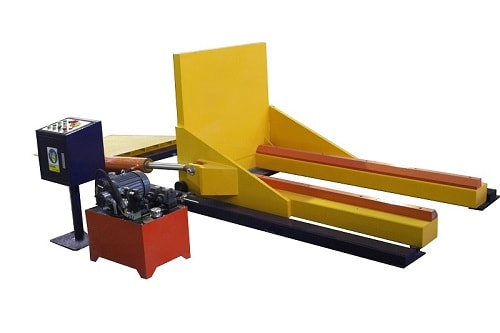
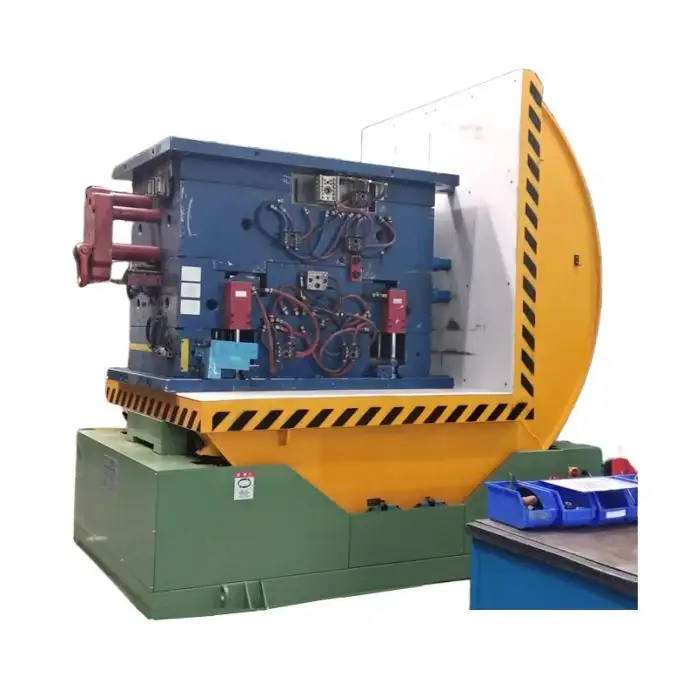
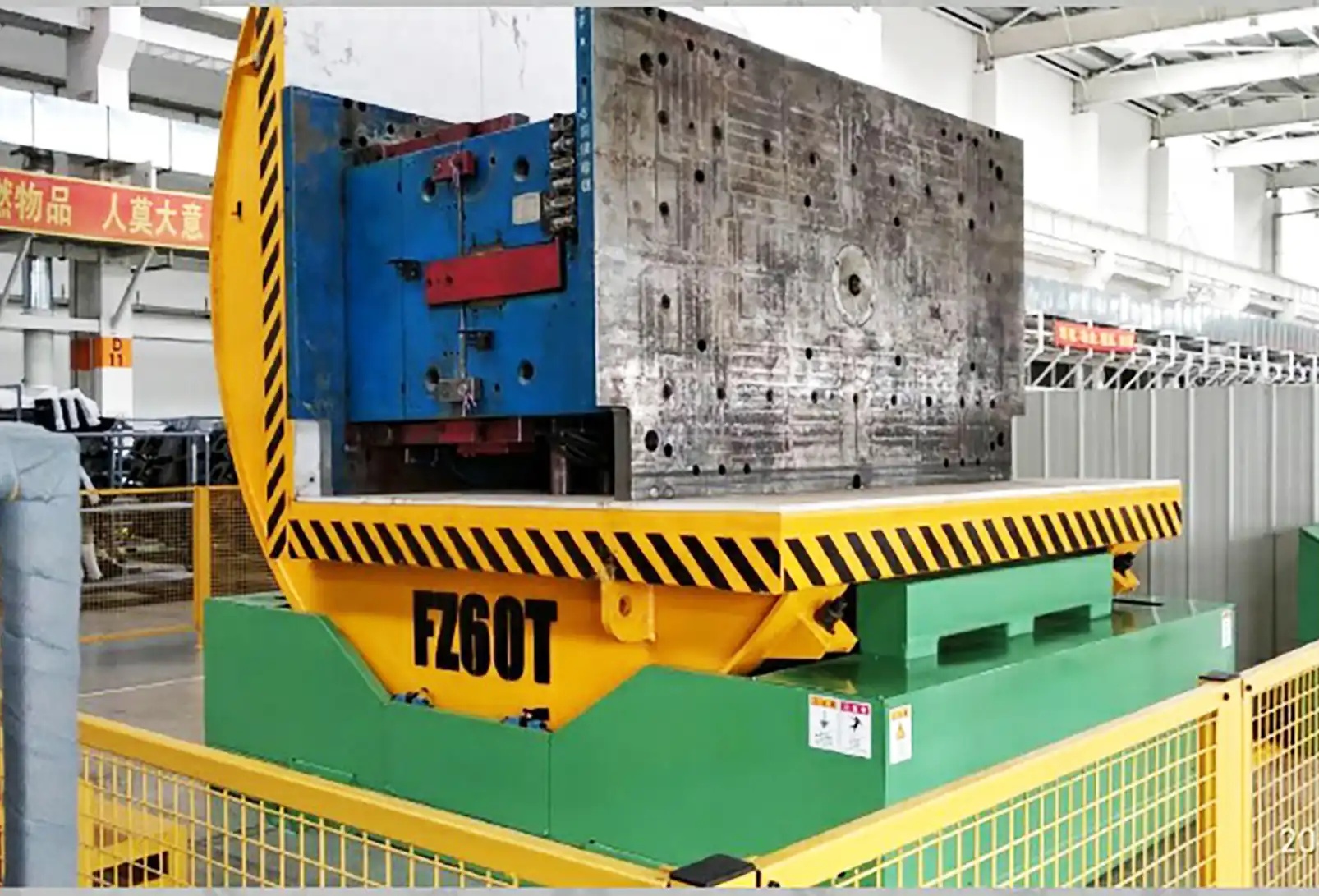
A mold upender, also known as a mold tilter or mold 90-degree turning machine, is a specialized piece of equipment designed to safely and efficiently rotate heavy molds. These machines utilize hydraulic or mechanical systems to lift and turn molds, typically by 90 degrees, allowing for easy access for maintenance, repair, and repositioning during changeovers. By automating this critical step, mold upenders are rapidly becoming indispensable tools for manufacturers seeking to optimize their operations.
How Mold Upenders Enhance Production Efficiency
| The impact of mold upenders on production efficiency is profound and multifaceted. By replacing manual handling with a mechanized process, these machines address several key areas of inefficiency inherent in traditional mold changeover methods. One of the most significant benefits is the dramatic reduction in mold turn time. Manual methods of rotating molds can be laborious and time-consuming, often taking upwards of 30 minutes and requiring a team of three or more workers. In stark contrast, a mold upender can complete the same 90-degree turn in a mere 5 minutes automatically, requiring only a single operator to oversee the process. |
Benefit | Traditional Method (Manual) | Mold Upender (Automatic) |
|---|
| Turn Time | 30 minutes | 5 minutes |
| Labor Involved | 3 workers | 1 operator |
| Safety Risks | High | Low |
This reduction in turn time directly translates to decreased downtime during mold changeovers. For manufacturing facilities striving for continuous operation and minimal disruption, this time saving is invaluable. Faster changeovers mean machines are back in production sooner, leading to increased throughput and overall equipment effectiveness.
Furthermore, mold upenders contribute to reduced labor costs. By automating the turning process, manufacturers can significantly reduce the number of personnel required for mold handling. This not only lowers direct labor expenses but also frees up workers to focus on other critical tasks, optimizing resource allocation and improving overall operational efficiency.
Elevating Product Quality Through Precision Handling
| Beyond efficiency gains, mold upenders also play a crucial role in enhancing product quality. The precise and controlled movements offered by these machines minimize the risk of damage to molds during handling. Manual handling, especially of heavy and cumbersome molds, can lead to accidental impacts, misalignment, and even damage to mold components, potentially affecting the quality of the final product and leading to costly rework or scrap. Mold upenders ensure precise movement and handling, eliminating the variability inherent in manual processes. The controlled 90-degree turning minimizes material stress on the molds and ensures consistent positioning, factors that contribute to fewer defects, reduced rework, and a more uniform product output. By reducing human error in the handling process, mold upenders enhance product consistency and contribute to meeting stringent quality standards. |
Characteristic | Manual Handling | Mold Upender Usage |
|---|---|---|---|
| Damage Risk | High | Low |
| Product Consistency | Variable | Consistent |
| Defects Due to Handling| Frequent | Rare |
| Process Efficiency | Moderate | High |
| Human Error Rate | Elevated | Minimized |
Significant Cost Savings from Automation
The financial benefits of implementing mold upenders extend beyond labor reduction and increased throughput. These machines contribute to substantial cost savings across multiple operational aspects. By automating the mold turning process, manufacturers can realize savings in:
- Labor Costs: Reduced manpower requirements for mold handling translate directly to lower wage expenses and associated employee costs.
- Reduced Accident-Related Expenses: Automation significantly decreases the risk of workplace accidents and injuries associated with manual handling of heavy molds. Fewer accidents lead to lower potential costs related to health and safety claims, compensation, and downtime due to incidents.
-
Increased Throughput: Faster and more reliable mold manipulation enhances throughput, allowing manufacturers to produce more output with the same resources. This increase in production volume without proportional increases in costs further enhances profitability. Aspect Before Implementation After Implementation
| Labor and Associated Costs| High | Reduced |
| Accident-Related Expenses | Variable | Significantly Lower |
| Production Volume | Medium | Increased |
| Initial Equipment Cost | N/A | Noted Investment |
While there is an initial investment in acquiring and installing a mold upender, the long-term cost savings and operational improvements quickly offset this initial outlay, making it a financially sound investment for manufacturers looking to optimize their bottom line.
Enhancing Safety and the Work Environment
Manual mold handling is inherently risky. The weight and awkwardness of molds pose a significant risk of strains, sprains, and more serious injuries to workers. Mold upenders drastically improve workplace safety by eliminating the need for manual lifting and turning of heavy molds. By mechanizing this process, they protect employees from potential fatigue and injuries, fostering a safer and more ergonomic work environment.
The improved safety not only protects workers' well-being but also reduces downtime associated with workplace injuries and related absences. A safer work environment contributes to higher employee morale, reduced turnover, and improved overall productivity.
Streamlining Operations: Mold Upenders and SMED
The integration of mold upenders aligns perfectly with the principles of SMED (Single-Minute Exchange of Die), a systematic approach to reducing changeover times pioneered by Shigeo Shingo. SMED focuses on minimizing the time it takes to switch from producing one product to another, aiming for rapid changeovers to maximize efficiency.
Mold upenders directly address one of the key contributors to slow changeovers: mold movement and handling. Traditional methods often rely on a combination of overhead cranes and forklift trucks, leading to bottlenecks, waiting times for licensed operators, and inefficient mold transfer. Mold upenders streamline this process by providing a dedicated, efficient, and automated solution for mold rotation within the changeover procedure.
By implementing mold upenders, manufacturers can achieve significant reductions in changeover times, moving closer to the goals of SMED and lean manufacturing principles. Faster changeovers provide increased flexibility, allowing manufacturers to be more responsive to changing customer demands and production schedules.
Furthermore, when combined with other efficient mold transfer methods, such as die carts, mold carts, and electric tugs, the benefits of mold upenders are amplified. These solutions enhance mold mobility, making it easier and faster to move molds throughout facilities and during changeovers.
Conclusion: A Strategic Investment for Manufacturing Excellence
In conclusion, mold upenders are no longer a luxury but a strategic necessity for modern manufacturing facilities striving for operational excellence. Their impact on mold changeover processes is transformative, leading to:
- Enhanced Production Efficiency: Significant reduction in mold turn times, decreased downtime, and increased throughput.
- Superior Product Quality: Precise and controlled mold handling minimizes damage and defects, ensuring consistent product quality.
- Substantial Cost Savings: Reduced labor costs, lower accident-related expenses, and increased production volume contribute to significant financial benefits.
- Improved Workplace Safety: Automation mitigates risks associated with manual handling, creating a safer and more ergonomic work environment.
- Streamlined Operations: Facilitates faster changeovers, aligns with SMED principles, and enhances manufacturing flexibility.
By investing in mold upender technology, manufacturers can unlock significant gains in productivity, quality, safety, and cost-effectiveness, positioning themselves for greater competitiveness in today's demanding market. Embracing automation and innovative solutions like mold upenders is crucial for driving progress and achieving manufacturing excellence in the 21st century.