Top Safety Practices When Operating Mold Upenders
Operating mold upenders safely requires adherence to key practices including regular inspections, comprehensive operator training, consistent use of safety guarding and interlocks, ensuring adequate lighting, and following strict load centering and capacity guidelines to prevent accidents and ensure workplace safety.
Introduction to Mold Upender Safety
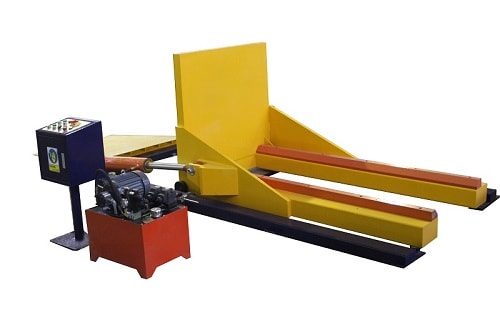
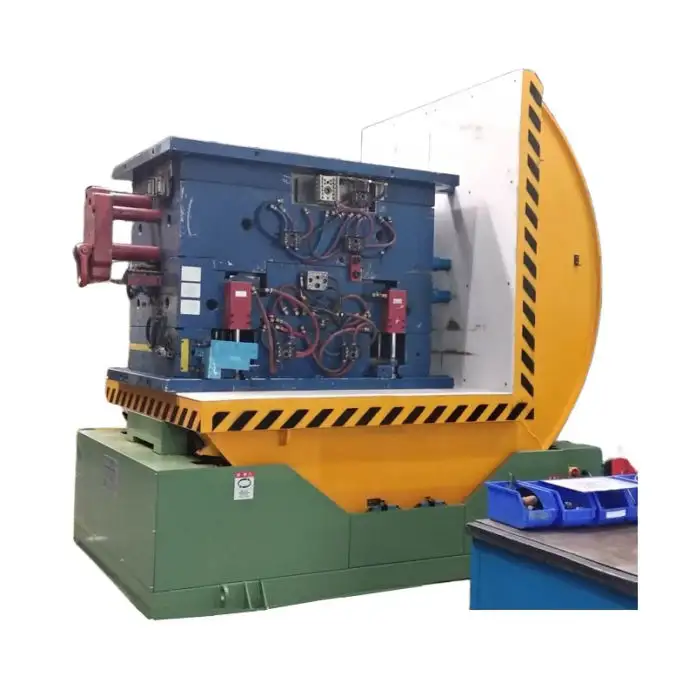
In modern manufacturing and industrial settings, the efficient handling of heavy molds is crucial. Mold upenders, also known as mold tilters or 90-degree turning systems, have become indispensable pieces of equipment for safely and effectively reorienting molds. These machines eliminate the risks associated with manual handling, significantly reducing workplace injuries and enhancing operational productivity. However, like any powerful machinery, mold upenders demand strict adherence to safety protocols to ensure a secure working environment. This article, based on industry best practices and equipment manuals, outlines the top safety measures that operators and facility managers must implement when using mold upenders. By understanding and applying these guidelines, businesses can maximize the benefits of mold upender technology while prioritizing the well-being of their workforce.
Understanding the Critical Safety Features of Mold Upenders
Modern mold upenders are engineered with a variety of safety features designed to protect operators and prevent accidents. These features are not merely additions but integral components that make these machines safe for industrial use when operated correctly.
Emergency Stop Mechanisms: Your First Line of Defense
In any emergency scenario, immediate cessation of operation is vital. Mold upenders are equipped with strategically placed emergency stop mechanisms that allow operators to halt machine movement instantly.
- Emergency Stop Buttons: Prominently located and easily accessible, these buttons provide a direct way to cut power to the machine in urgent situations. Multiple buttons may be positioned around the upender for access from various points.
- Pull Cords: For broader access and in situations where operators might be away from the control panel, pull cords offer another quick-stop option. A simple pull can stop the machine, enhancing responsiveness in emergencies.
- Safety Mats: Placed around the perimeter of the operational area, safety mats detect pressure and can be configured to trigger an immediate stop if someone enters a hazardous zone.
These mechanisms are designed to work in concert, ensuring that no matter the situation, a quick and effective stop is always within reach. Regular checks of these systems are crucial to guarantee their functionality.Guarding Systems: Preventing Access to Hazardous Areas
Guarding systems serve as physical barriers that prevent personnel from accidentally entering dangerous areas during mold upender operation. These systems are essential for maintaining a safe operational distance and preventing contact with moving parts.
- Physical Barriers: Robust barriers, such as fences or solid panels, are positioned around the upender to define a safe operational zone. These barriers prevent accidental walk-ins during machinery movement.
- Safety Interlocks: Integrated with the physical barriers, interlocks ensure that if a barrier is opened or removed, the machine automatically ceases operation. This prevents operation when safety measures are compromised.
- Safety Sensors: Advanced sensors can detect the presence of personnel or objects in restricted zones. If a breach is detected, the system can automatically halt operation, preventing potential accidents before they occur.
These guarding systems must be routinely inspected to ensure they are in good condition and functioning correctly. Damaged or malfunctioning guards can significantly increase the risk of accidents.Load Monitoring and Sensors: Ensuring Stability and Preventing Overloads
Maintaining load stability is paramount when operating a mold upender. Load monitoring systems and sensors play a critical role in preventing accidents related to imbalance or overloading.
- Load Sensors: These sensors continuously monitor the weight distribution on the upender platform. They can detect imbalances or overloads, providing alerts or automatically halting operation if unsafe conditions are detected.
- Anti-tipping Mechanisms: Some advanced upenders feature mechanisms that prevent tipping by adjusting or stopping movement if an unstable load distribution is sensed.
- Capacity Indicators: Clear indicators displaying the upender's rated load capacity should be present and easily visible. Operators must be trained to understand and respect these limits to avoid overloading the machine, which can lead to equipment failure and hazardous situations.
Regular calibration and checks of load sensors are essential to ensure accurate readings and reliable operation of these safety features.The Importance of Proper Lighting in Mold Upender Operations
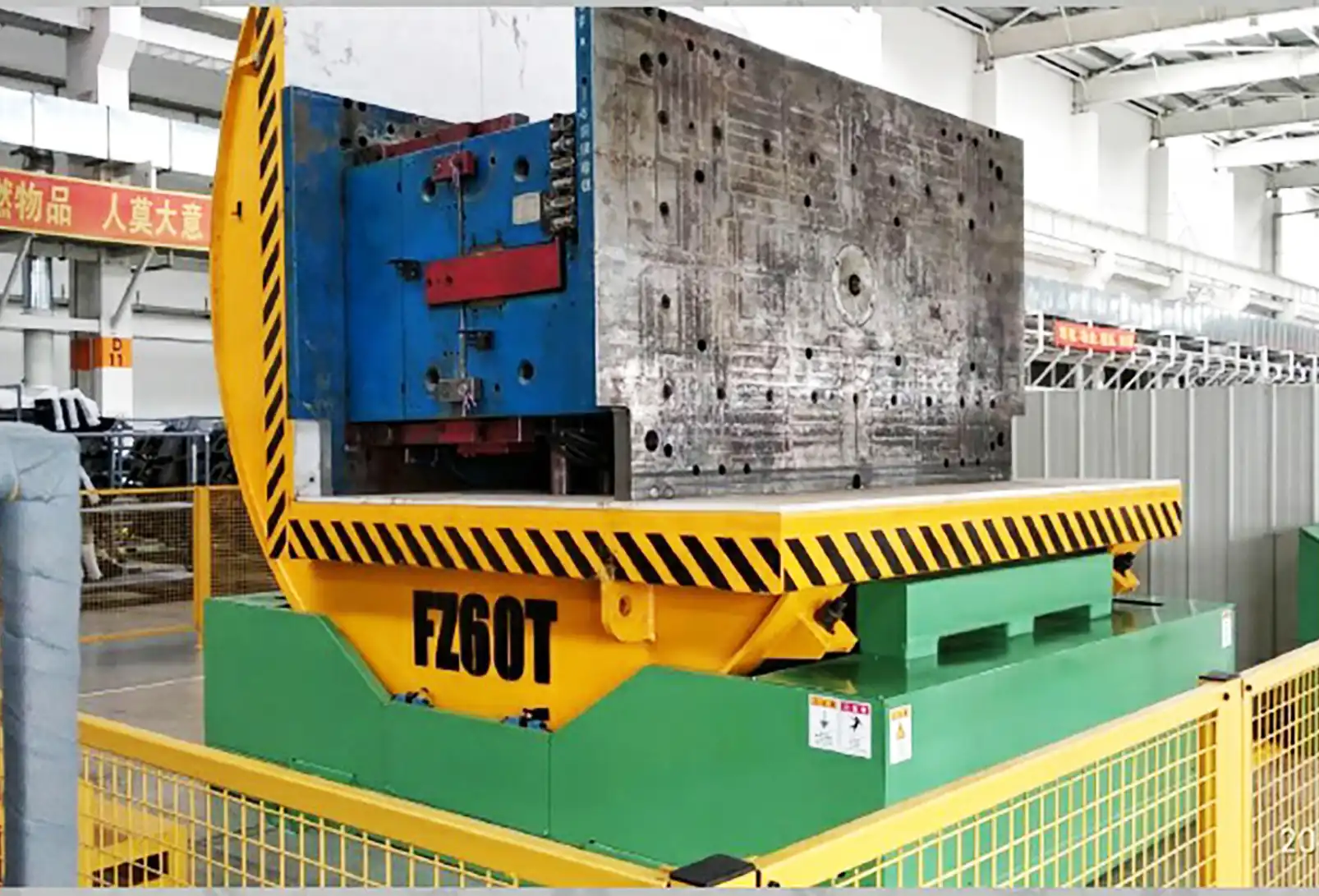
Adequate lighting is a foundational, yet often overlooked, safety element in mold upender operations. Proper illumination is not just about comfort; it is directly linked to operator safety and operational efficiency.
Enhancing Visibility and Reducing Errors
- Clear Sight Lines: Well-lit workspaces ensure that operators have clear visibility of the mold upender, the molds being handled, and the surrounding environment. This reduces the chances of misjudgments and errors during operation.
- Hazard Detection: Proper lighting helps in quickly identifying potential hazards, such as obstacles in the operational path, oil spills, or misplaced tools. Early detection allows for timely corrective actions, preventing accidents.
- Accurate Monitoring: Operators can more accurately monitor the upending process, ensuring that molds are correctly positioned and secured. This precision is vital for preventing damage to molds and equipment.
Impact on Operator Well-being and Productivity
- Reduced Eye Strain and Fatigue: Sufficient and appropriate lighting reduces eye strain and fatigue among operators, especially during long shifts or in environments with limited natural light. Reduced fatigue translates to better focus and fewer errors.
- Improved Morale and Focus: A well-lit workspace contributes to a more positive and focused working environment. Operators are more alert and attentive, which directly enhances productivity and reduces the likelihood of accidents due to inattentiveness.
- Consistent Quality: With improved visibility, operators can detect and rectify issues swiftly, contributing to consistent product quality and reducing rework.
Lighting Best Practices for Mold Upender Areas
Aspect Description Benefit Visibility Improves sight of equipment and materials. Reduces handling errors, prevents misjudgments. Safety Helps identify obstacles and hazards. Decreases risk of accidents, promotes proactive hazard control. Productivity Boosts operator morale and focus. Increases operational efficiency, reduces downtime. Ensuring that lighting is regularly checked and maintained is a simple yet effective way to enhance safety and efficiency in mold upender operations. Work areas should be assessed for lighting adequacy, and improvements should be made to meet safety standards and operational needs.
Comprehensive Operator Training: The Cornerstone of Safe Operation
Even with the most advanced safety features, the human element remains critical in the safe operation of mold upenders. Comprehensive operator training is paramount to ensure that all personnel involved are competent, aware, and capable of handling the equipment safely and effectively.
Key Components of Effective Training Programs
- Equipment Familiarization: Training must start with a thorough introduction to the specific mold upender model being used, covering its components, controls, and operational characteristics.
- Safety Feature Education: Operators need detailed instruction on all safety features—emergency stops, guarding systems, load sensors, and interlocks. They must understand how each feature works, its limitations, and how to verify its functionality.
- Safe Operating Procedures (SOPs): Training should emphasize adherence to established Safe Operating Procedures. These SOPs should cover pre-operation checks, loading and unloading protocols, operational steps, and post-operation procedures.
- Emergency Response Training: Operators must be trained to respond effectively in emergency situations, including how to use emergency stops, evacuate the area if necessary, and report incidents.
- Hands-on Practice: Practical, hands-on training under supervision is essential. Simulated scenarios, including normal operations and emergency drills, should be part of the training program.
- Regular Refresher Courses: Safety training is not a one-time event. Regular refresher courses and updates on safety procedures and equipment updates are necessary to maintain a high level of safety competence.
Responsibilities of Owners and Users in Training
- Providing Adequate Training Resources: Employers are responsible for providing access to comprehensive training programs, qualified trainers, and all necessary training materials.
- Ensuring Operator Authorization: Only trained and authorized personnel should be permitted to operate mold upenders. Authorization should be granted only after successful completion of training and competency assessments.
- Continuous Monitoring and Improvement: Employers must continuously monitor operator performance, gather feedback, and update training programs to address any identified gaps or areas for improvement.
By investing in robust and ongoing operator training, companies can significantly reduce the risk of accidents, improve operational efficiency, and foster a strong safety culture within their organization.Regular Inspection and Maintenance: Ensuring Long-Term Safety
Consistent inspection and maintenance are crucial for the continued safe operation of mold upenders. Regular checks can identify potential issues before they escalate into safety hazards or cause equipment failure.
Daily Operator Checks: Frontline Safety Assurance
Operators should perform daily pre-shift checks to ensure the mold upender is in safe working condition. These checks should include:
- Visual Inspection: Check for any visible damage, loose parts, or wear and tear on the machine structure, platforms, and safety guards.
- Emergency Stop Functionality: Test all emergency stop buttons, pull cords, and safety mats to ensure they function correctly and immediately halt machine operation.
- Control System Check: Verify that all controls are responsive and function as expected. Check for any erratic behavior or malfunctions.
- Safety Interlock Verification: Ensure that safety interlocks on guarding systems are functioning correctly and prevent operation when barriers are open or compromised.
- Lighting Adequacy: Confirm that work area lighting is sufficient and all lights are functioning properly.
- Load Capacity and Warning Labels: Check that all capacity and warning labels are in place and legible.
Any issues identified during these daily checks must be reported immediately, and the mold upender should be taken out of service until repairs are completed by qualified personnel.Quarterly and Annual Maintenance: Deep Dive and Preventative Care
In addition to daily checks, more comprehensive quarterly and annual maintenance should be performed by trained maintenance staff or qualified technicians. This maintenance should include:
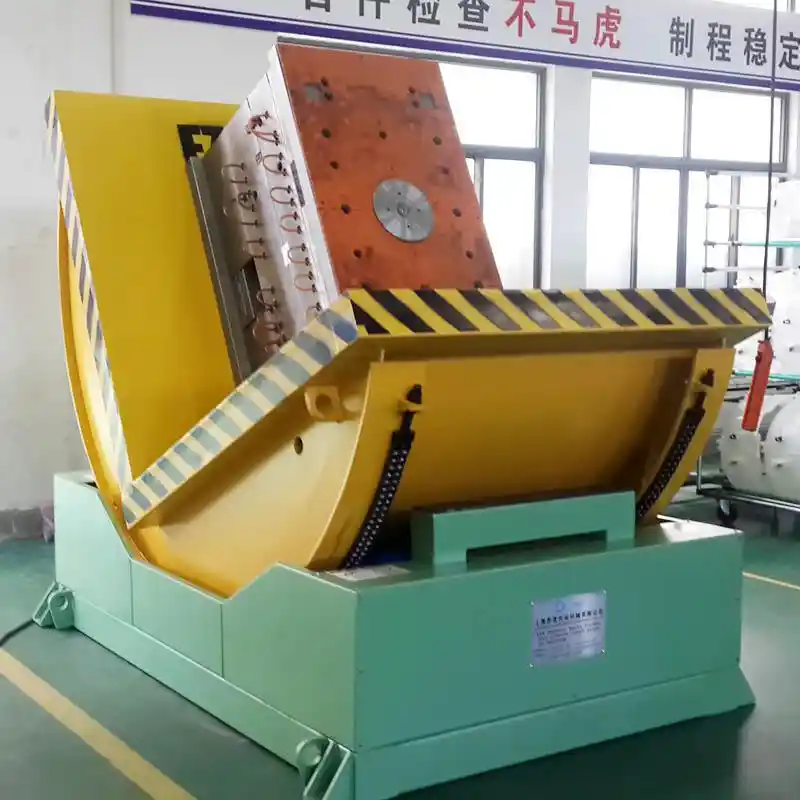
- Detailed Mechanical Inspection:
- Check chains, sprockets, and drive components for wear, damage, and proper adjustment.
- Inspect bogey wheels and rolling surfaces for wear and smooth operation.
- Examine hydraulic or electrical systems for leaks, damage, or wear (depending on the upender type).
- Lubricate all bearings and moving parts as per manufacturer’s recommendations.
- Check and adjust chain tension as needed.
- Inspect and adjust motor brakes.
- Electrical System Checks:
- Inspect all wiring, cables, and connections for wear, damage, and secure connections.
- Test limit switches and sensors for proper function and adjustment.
- Verify overload protection and electrical safety devices are functioning correctly.
- Structural Integrity Examination:
- Inspect welds, joints, and structural members for cracks, deformation, or corrosion.
- Ensure that the base is securely anchored and level.
- Review and Update Maintenance Records: Keep detailed records of all inspections, maintenance activities, and repairs. These records are essential for tracking maintenance schedules, identifying trends, and ensuring accountability.
By adhering to a rigorous inspection and maintenance schedule, businesses can ensure the long-term safety, reliability, and efficiency of their mold upenders, minimizing downtime and preventing costly repairs and accidents.Safe Operating Procedures: Step-by-Step Guidance for Mold Upender Use
Safe Operating Procedures (SOPs) provide clear, step-by-step instructions for the correct and safe use of mold upenders. Following these procedures consistently is essential for minimizing risks and ensuring operational safety.
Pre-Operation Checks: Preparing for Safe Operation
Before each operation, operators must perform the following checks:
- Daily Inspection: Complete all daily operator checks as outlined in the maintenance section.
- Work Area Clearance: Ensure the area around and beneath the mold upender is clear of obstructions, personnel, and any unnecessary materials.
- Load Assessment: Verify the weight and dimensions of the mold to be handled. Ensure it is within the mold upender's rated load capacity and that it is stable and properly secured if needed.
- Safety Guard and Interlock Check: Confirm that all safety guards are in place and properly functioning. Verify that safety interlocks are active and effective.
- Emergency Stop Verification: Test all emergency stop devices to ensure they are operational.
During Operation: Maintaining Safety Throughout the Process
Once pre-operation checks are complete, follow these steps during mold upender operation:
- Load Centering and Placement: Carefully load the mold onto the upender platform, ensuring it is centered and properly seated, especially if a V-cradle is used for cylindrical molds. Avoid placing loads that overhang the platform.
- Secure Mobile Loads: If the mold is mobile or could shift during rotation, secure it in a fixed position before initiating the upending process.
- Initiate Rotation: Activate the mold upender controls to begin rotation. Ensure that all personnel are clear of the machine and its operational area before and during movement.
- Controlled Operation: Operate the machine smoothly and avoid sudden starts and stops. For “dead man” type controls, maintain continuous pressure on the control button throughout the rotation cycle.
- Monitor Operation: Constantly monitor the operation for any unusual noises, vibrations, or movements. If anything seems amiss, immediately stop the operation using an emergency stop.
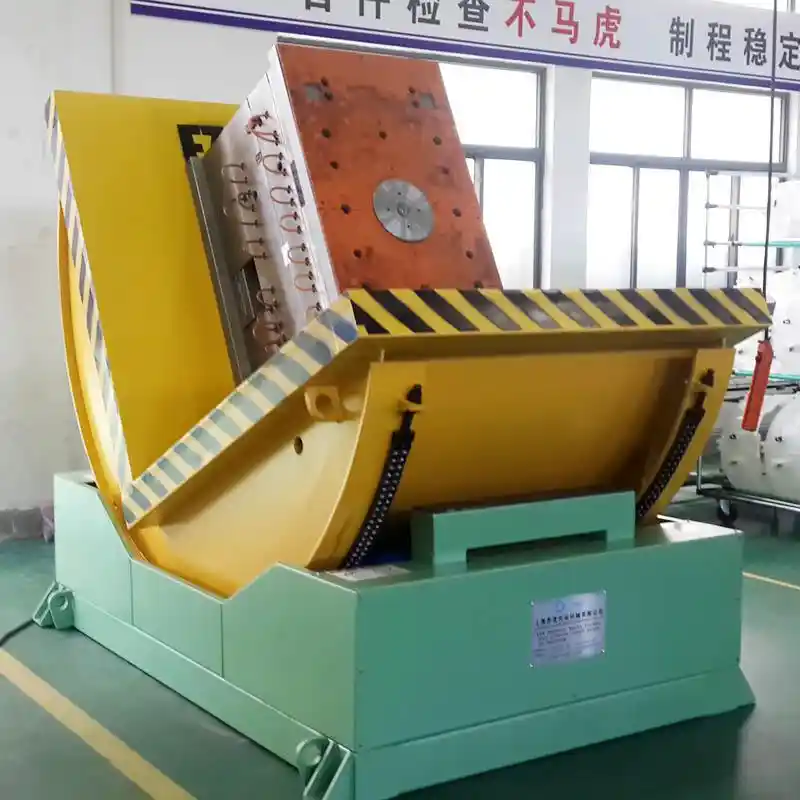
- Complete Rotation and Unload: Allow the mold upender to complete its rotation cycle until it reaches the desired position and limit switches are engaged. Once stationary, carefully unload the mold using appropriate material handling equipment.
Post-Operation Procedures: Securing the Equipment After Use
After completing the operation, follow these post-operation steps:
- Return to Starting Position: If necessary, return the mold upender platforms to their starting position for the next operation cycle.
- Power Down: Turn off the power to the mold upender using the disconnect switch or circuit breaker.
- Area Cleanup: Ensure the work area around the mold upender is clean and free of any debris or hazards.
- Report Issues: Report any issues, malfunctions, or unusual observations encountered during operation to maintenance personnel.
By consistently following these Safe Operating Procedures, operators can significantly reduce the risks associated with mold upender operation, enhancing workplace safety and efficiency.Manual Handling vs. Mold Upender: A Safety and Efficiency Comparison
The transition from manual mold handling to using mold upenders represents a significant leap in both safety and operational efficiency. Here’s a comparative overview: Feature Manual Handling Mold Upender Risk of Injury High (back strains, sprains, crushing injuries) Low (significantly reduced) Efficiency Low High Worker Fatigue High Low Productivity Affected by fatigue and injury Enhanced, consistent throughput Load Capacity Limited by human strength High, handles heavy molds Precision Low, variable High, consistent Safety Compliance Difficult to meet standards Meets and exceeds modern standards This comparison clearly illustrates the advantages of mold upenders in enhancing workplace safety. By eliminating manual lifting and maneuvering of heavy molds, mold upenders dramatically reduce the risk of injuries, improve operational consistency, and boost overall productivity.
Conclusion: Embracing Safety for Optimal Mold Upender Operations
Operating mold upenders safely and effectively requires a multifaceted approach that encompasses robust safety features, comprehensive training, regular maintenance, and strict adherence to Safe Operating Procedures. By prioritizing these elements, manufacturing facilities can create a work environment where the handling of heavy molds is not only efficient but also inherently safe.
Investing in safety is not just a regulatory compliance issue; it is a commitment to the well-being of employees and the long-term success of the operation. When safety is paramount, productivity, morale, and overall operational effectiveness naturally follow. Embrace these top safety practices to unlock the full potential of mold upender technology while ensuring a secure future for your workforce and your business.