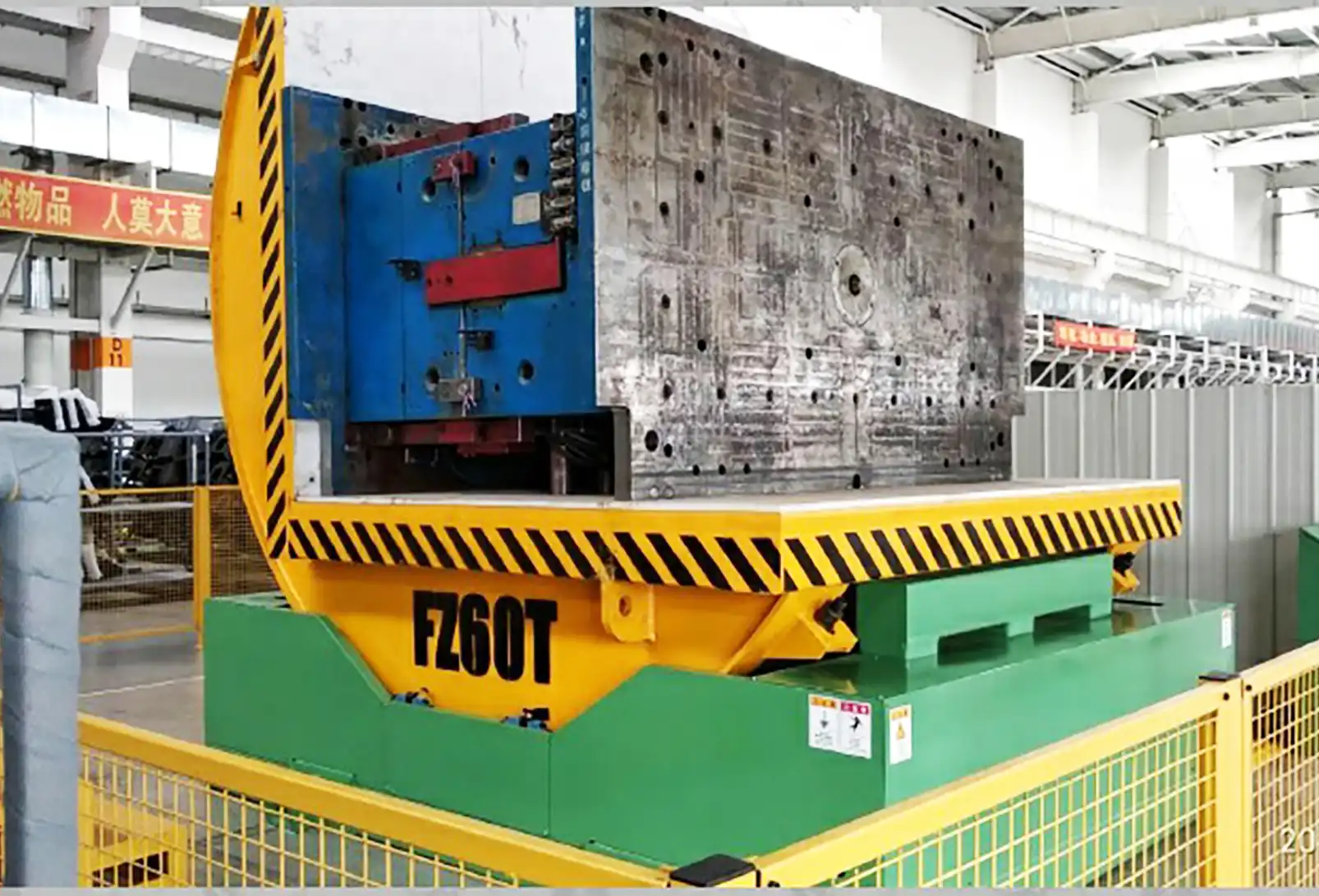
Choosing the Right Mold Upender: Key Features and Specifications You Need to Know
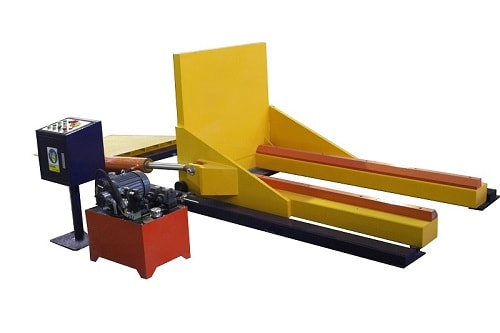
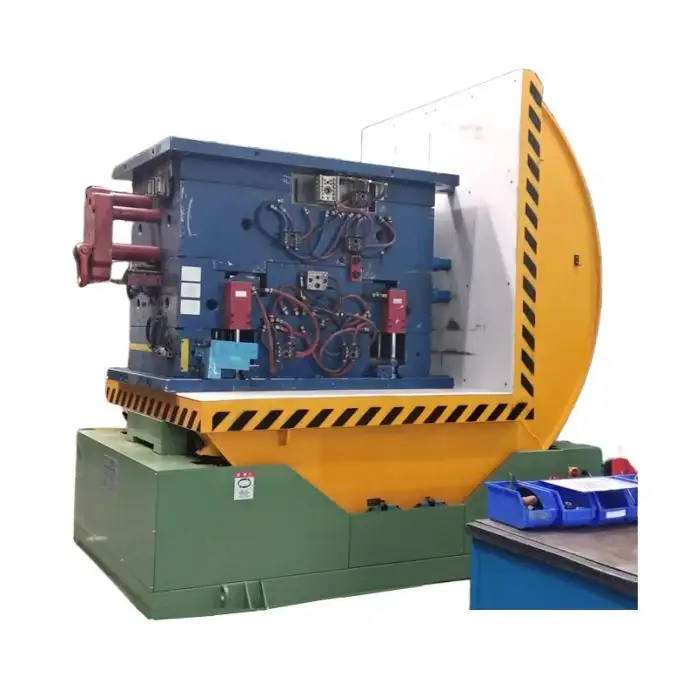
Selecting the right mold upender is crucial for enhancing safety and efficiency in mold handling operations. Key features include load capacity, compatibility with different mold sizes, turning mechanism precision, durability for consistent performance, and essential safety features like emergency stops, load locking, and operator shields. Understanding these specifications ensures seamless workflow and reduces downtime.
In the demanding world of injection molding and manufacturing, the efficient and safe handling of heavy molds is paramount. Manual mold handling poses significant risks, including workplace injuries and damage to valuable molds. Mold upenders, also known as mold tilters or mold flipping machines, emerge as essential equipment to streamline these processes. Choosing the right mold upender is not just about purchasing a machine; it’s about investing in a solution that enhances productivity, ensures operator safety, and protects your valuable tooling. This guide will delve into the critical features and specifications you need to consider when selecting a mold upender, ensuring you make an informed decision that aligns with your operational needs and contributes to a smoother, more efficient production line.
Understanding Key Compatibility Features for Mold Upenders
Compatibility is at the forefront when choosing a mold upender. A versatile upender should seamlessly integrate with your existing mold inventory and operational workflows. This means considering a range of compatibility features that ensure the machine can handle the diverse sizes and shapes of molds within your facility. An investment in equipment that lacks compatibility can lead to operational bottlenecks and limit the upender's utility.
Adjustable Clamps: Securing Molds of Various Shapes
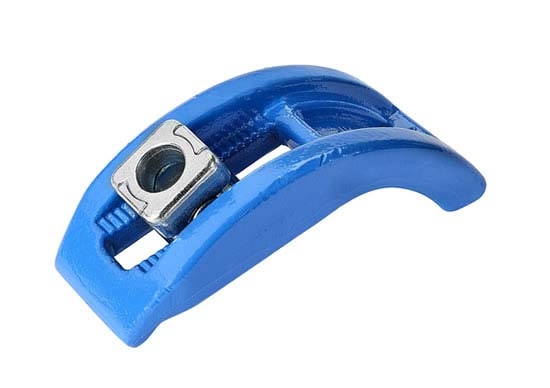
One of the most vital compatibility features is adjustable clamps. These mechanisms are designed to securely grip molds regardless of their dimensions or geometric complexities. Whether you are handling small, intricate molds or larger, bulkier ones, adjustable clamps ensure a firm hold during the turning process. This adaptability minimizes the risk of mold slippage or damage, providing a safer and more reliable handling operation. Without adjustable clamps, you risk limiting the range of molds your upender can handle, potentially requiring multiple specialized machines, which is neither efficient nor cost-effective.
Turning Radius Flexibility: Adapting to Different Mold Geometries
Turning radius flexibility is another crucial aspect of compatibility. Molds come in various sizes, and a fixed turning radius can restrict the types of molds the upender can effectively handle. An adaptable turning radius allows the machine to accommodate these variations, optimizing the turning process for molds of different geometries. This flexibility reduces setup time and enhances overall efficiency, ensuring seamless transitions between handling different mold types. A mold upender with limited turning radius flexibility might struggle with irregularly shaped molds, leading to inefficiencies and potential handling issues.
Load Capacity Variability: Handling a Wide Range of Mold Weights
| Load capacity variability is perhaps the most fundamental compatibility feature. A mold upender must be capable of handling a wide spectrum of mold weights, from lighter prototype molds to heavy production molds. Variable load capacity ensures the equipment is both versatile and safe. Overloading an upender can lead to equipment failure, damage to molds, and serious safety hazards. Conversely, an upender with a fixed, high load capacity might be unnecessarily large and expensive for handling lighter molds. Therefore, selecting an upender with load capacity variability that aligns with the range of mold weights in your operations is crucial for efficiency and safety. | Feature | Importance | Benefits |
|---|---|---|---|
| Adjustable Clamps | Securing diverse mold shapes and sizes | Minimizes risk of slippage, enhances safety, versatile mold handling | |
| Turning Radius Flexibility | Accommodating varied mold geometries | Reduces setup time, improves efficiency for different mold shapes | |
| Load Capacity Variability | Handling a wide range of mold weights | Prevents overloading, ensures safety, optimizes for different mold types |
The Impact of Durability on Mold 90-Degree Turning Performance
Durability isn't just about longevity; it's intrinsically linked to the consistent performance and reliability of a mold upender. In manufacturing environments where equipment is subjected to rigorous and frequent use, the durability of a mold 90-degree turning device directly translates to its operational effectiveness and long-term value. Investing in durable equipment minimizes downtime, reduces maintenance costs, and ensures a continuous, productive workflow.
Material Quality: Foundation of Long-Lasting Performance
The quality of materials used in constructing a mold upender is a primary determinant of its durability. High-grade materials, particularly for load-bearing components and moving parts, are essential to withstand the stresses of daily operation. Steel with high tensile strength and resistance to wear and tear is commonly used for structural elements. The choice of materials directly impacts the upender's ability to maintain structural integrity over time, resist deformation, and provide consistent performance. Compromising on material quality can lead to premature wear, frequent repairs, and reduced lifespan of the equipment.
Design Robustness: Engineering for Operational Stress
Design robustness is equally crucial. A well-engineered design ensures that operational stresses are evenly distributed across the machine's structure, minimizing stress concentration points that could lead to fatigue or failure. Robust design incorporates factors like reinforced joints, strategically placed support structures, and optimized weight distribution. This holistic approach to design enhances the upender's capacity to withstand repeated heavy lifting and turning cycles without compromising its mechanical integrity. A poorly designed upender, even with high-quality materials, may be prone to breakdowns and inconsistent performance under heavy loads.
Operational Integrity: Withstanding Demanding Conditions
| Operational integrity refers to the upender's ability to maintain its functional capabilities under demanding operational conditions. This includes resistance to vibrations, impacts, and environmental factors like dust and temperature variations that are common in manufacturing settings. Durable components and sealed systems protect critical mechanisms from contamination and wear, ensuring consistent and reliable operation even in harsh environments. An upender lacking operational integrity might exhibit performance degradation over time, leading to increased downtime and maintenance needs. | Aspect | Description | Impact |
|---|---|---|---|
| Material Quality | High-grade materials resist wear and tear | Reduced replacement frequency, lower long-term costs, stable performance | |
| Design Robustness | Well-engineered design disperses operational stresses evenly | Maintains reliability, consistency in production cycles, minimizes breakdowns | |
| Operational Integrity | Durable devices withstand extreme conditions and frequent use | Ensures continuous workflow, minimizes production halts, dependable in harsh conditions |
Essential Safety Features in a Mold Tilter
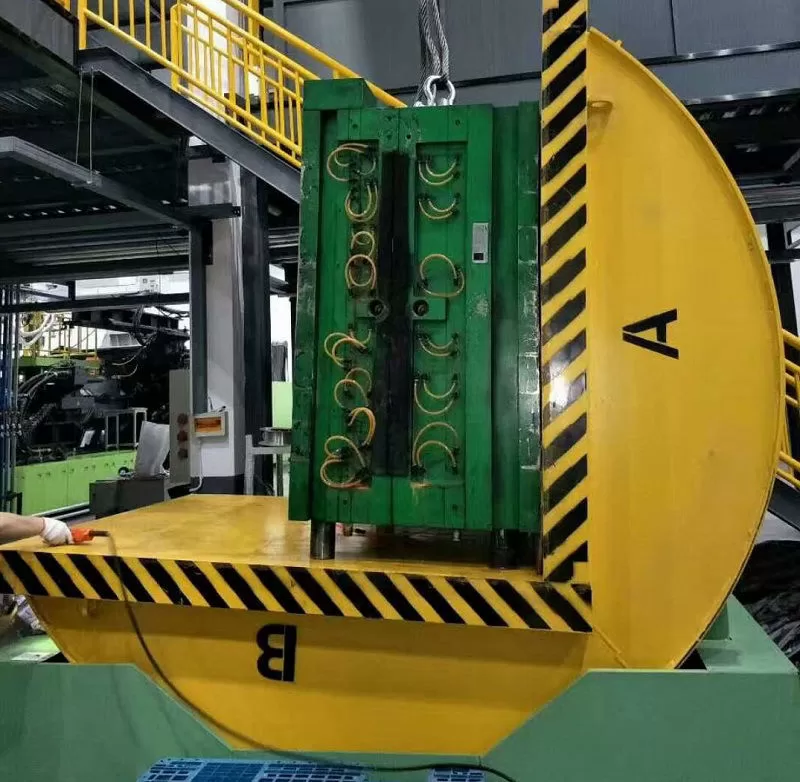
Safety is non-negotiable in any manufacturing operation, especially when dealing with heavy machinery like mold tilters. These machines are designed to handle substantial loads, and without proper safety features, the risk of accidents, equipment damage, and operator injuries is significantly amplified. Essential safety features are not just add-ons; they are integral components that ensure a secure working environment, protect personnel, and safeguard valuable molds.
Emergency Stop Button: Immediate Operational Halt
An emergency stop button is a fundamental safety feature. Strategically located and easily accessible, this button allows for the immediate cessation of all machine operations in case of an emergency or unexpected situation. Whether it’s a sudden equipment malfunction, a misplaced mold, or any other hazard, the emergency stop button provides a crucial safeguard. It prevents potential accidents and damage by quickly halting the process, giving operators time to assess and rectify the situation before it escalates. The responsiveness and reliability of the emergency stop are critical for ensuring a safe operating environment.
Load Locking Mechanism: Ensuring Load Stability
A load locking mechanism is vital for maintaining the stability and security of the mold during tilting operations. This mechanism prevents the load from shifting or slipping during the turning process, especially when the mold is at a 90-degree angle. Load locking enhances load stability, reducing the risks of molds toppling over, falling off, or becoming misaligned. This is particularly important when handling irregularly shaped or unbalanced molds. A robust load locking mechanism provides an extra layer of safety, ensuring the mold remains securely in place throughout the tilting cycle.
Operator Safety Shield: Protecting Personnel
An operator safety shield is designed to protect operators from potential hazards such as flying debris, accidental contact with moving parts, or pinch points. This shield acts as a physical barrier, isolating the operator from the immediate operational zone of the mold tilter. It reduces the risk of accidental injuries, particularly during the turning process where unexpected movements or dislodged components could pose a threat. Safety shields are typically constructed from robust, transparent materials that allow operators to monitor the process while remaining safely protected.
Audible and Visual Alarms: Alerting to Potential Hazards
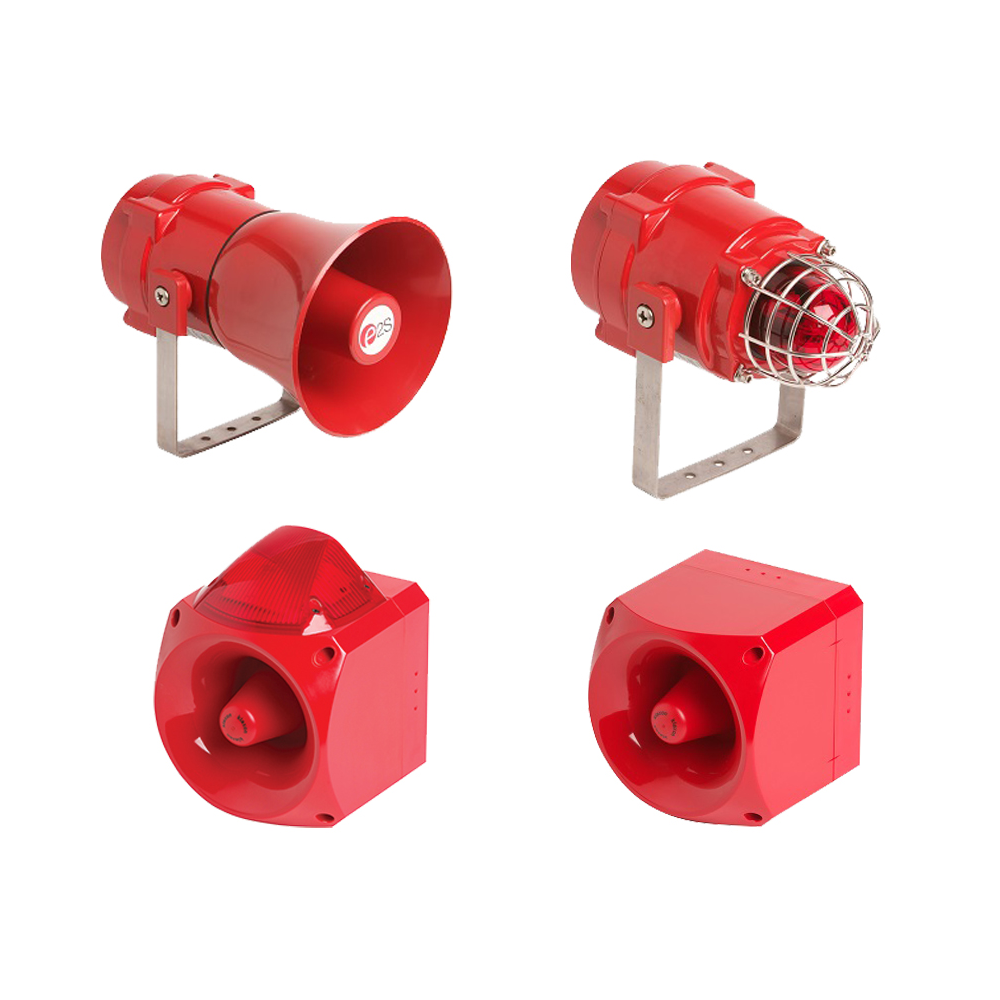
| Audible and visual alarms serve as crucial warning systems, alerting workers to potential malfunctions, hazardous situations, or process completion. Audible alarms, such as sirens or horns, provide an immediate auditory warning, while visual alarms, like flashing lights, offer a clear visual signal, especially in noisy environments. These alarms can be triggered by safety sensors, overload detectors, or completion of a cycle, providing timely awareness and enabling prompt corrective actions. Effective alarm systems contribute significantly to a safer and more responsive operational environment. | Safety Feature | Function | Benefit |
|---|---|---|---|
| Emergency Stop Button | Immediate cessation of operation in emergencies | Prevents accidents, minimizes damage, quick hazard control | |
| Load Locking Mechanism | Ensures load stability and security during tilting | Enhances load stability, reduces risk of spills or misalignment, secure handling | |
| Operator Safety Shield | Protects operators from debris and contact with moving parts | Shields personnel, prevents accidental injuries, safe operation zone | |
| Audible/Visual Alarms | Alerts workers to malfunctions or hazardous situations | Provides quick awareness, enables timely corrective actions, responsive safety |
Conclusion: Investing in the Right Mold Upender for Optimized Operations
Choosing the right mold upender is a strategic decision that goes beyond a simple equipment purchase. It’s an investment in enhancing the efficiency, safety, and reliability of your mold handling operations. By carefully considering key features such as compatibility, durability, and safety, you can select a mold upender that not only meets your current needs but also contributes to long-term operational success. Prioritizing these specifications ensures a seamless workflow, reduces downtime, protects your workforce, and safeguards your valuable mold assets. In the competitive landscape of injection molding and manufacturing, investing in a quality mold upender is an investment in operational excellence and sustainable productivity.