From Manual to Automated: A Textile Company’s Mold Upender Upgrade
In today's competitive textile landscape, upgrading to mold upender automation is crucial. It significantly enhances safety by reducing manual handling, boosts efficiency with quicker mold changes, lowers operational costs through decreased labor, and improves production consistency – making it a smart investment for textile manufacturers.
The textile industry, while steeped in tradition, is constantly evolving. To remain competitive in a global market increasingly focused on efficiency and speed, textile manufacturers must embrace advancements in automation. One area ripe for impactful upgrades lies within mold handling processes, specifically with the implementation of automated mold upender systems. For many textile companies, particularly those involved in producing technical textiles, composites, or specialized woven materials, molds are essential tools. These molds, often heavy and cumbersome, are critical for shaping fabrics, creating patterns, or adding functional features during the textile manufacturing process. Traditionally, handling these molds has been a labor-intensive, and often risky, manual operation.
The Challenges of Manual Mold Handling in Textile Manufacturing
Imagine a typical textile manufacturing floor. Teams of workers manually maneuvering large, heavy molds, using chains, cranes, or sheer physical effort to flip, position, and maintain them. This scenario is not just a picture of strenuous labor; it represents a confluence of challenges that modern textile companies can no longer afford to ignore.
Safety Concerns: A Top Priority
Manual mold handling is inherently hazardous. The sheer weight and awkward shapes of textile molds pose significant risks of workplace injuries. Back strains, pinched fingers, dropped loads, and accidents from using makeshift lifting tools are all too common. In an era where employee well-being and workplace safety are paramount, relying on manual mold handling is not only ethically questionable but also financially unsustainable due to potential compensation claims and lost productivity from injuries.
Inefficiency and Bottlenecks in Production
Beyond safety, manual mold handling is simply inefficient. It's time-consuming, requiring multiple personnel and often leading to production bottlenecks. Mold changes and maintenance become protracted affairs, eating into valuable production time. In fast-paced textile manufacturing environments where quick turnaround and high output are critical, these delays can significantly impact overall productivity and profitability. The inconsistency inherent in manual processes also leads to variable cycle times, making production planning and scheduling a challenging task.
Cost Implications: Labor and Beyond
The direct labor costs associated with manual mold handling are substantial. It necessitates a larger workforce dedicated to these tasks, increasing payroll expenses. Furthermore, the slow pace of manual handling directly translates to higher operational costs per unit of textile produced. But the cost implications extend beyond direct labor. Damage to molds during manual handling, though often unintended, is a real possibility. Repairs or replacements of these expensive molds further increase costs over time. The less quantifiable, but equally important, costs come from reduced employee morale due to demanding and potentially unsafe work conditions, and the inability to scale production efficiently to meet growing market demands.
Embracing Automation: The Mold Upender Upgrade
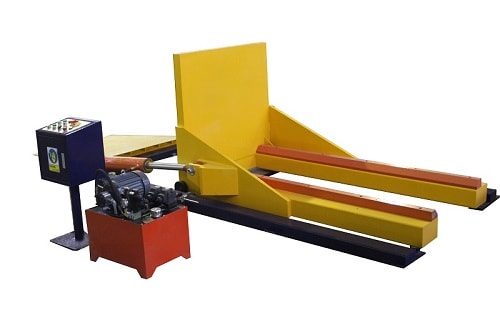
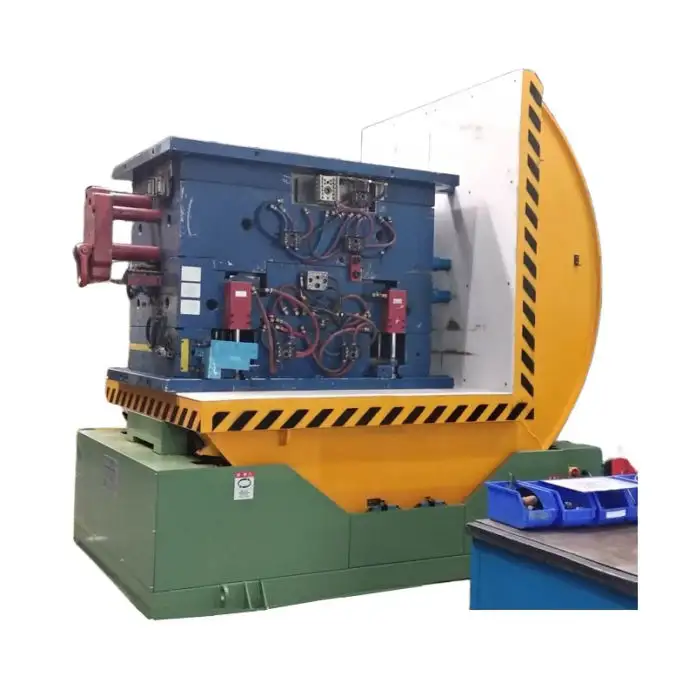
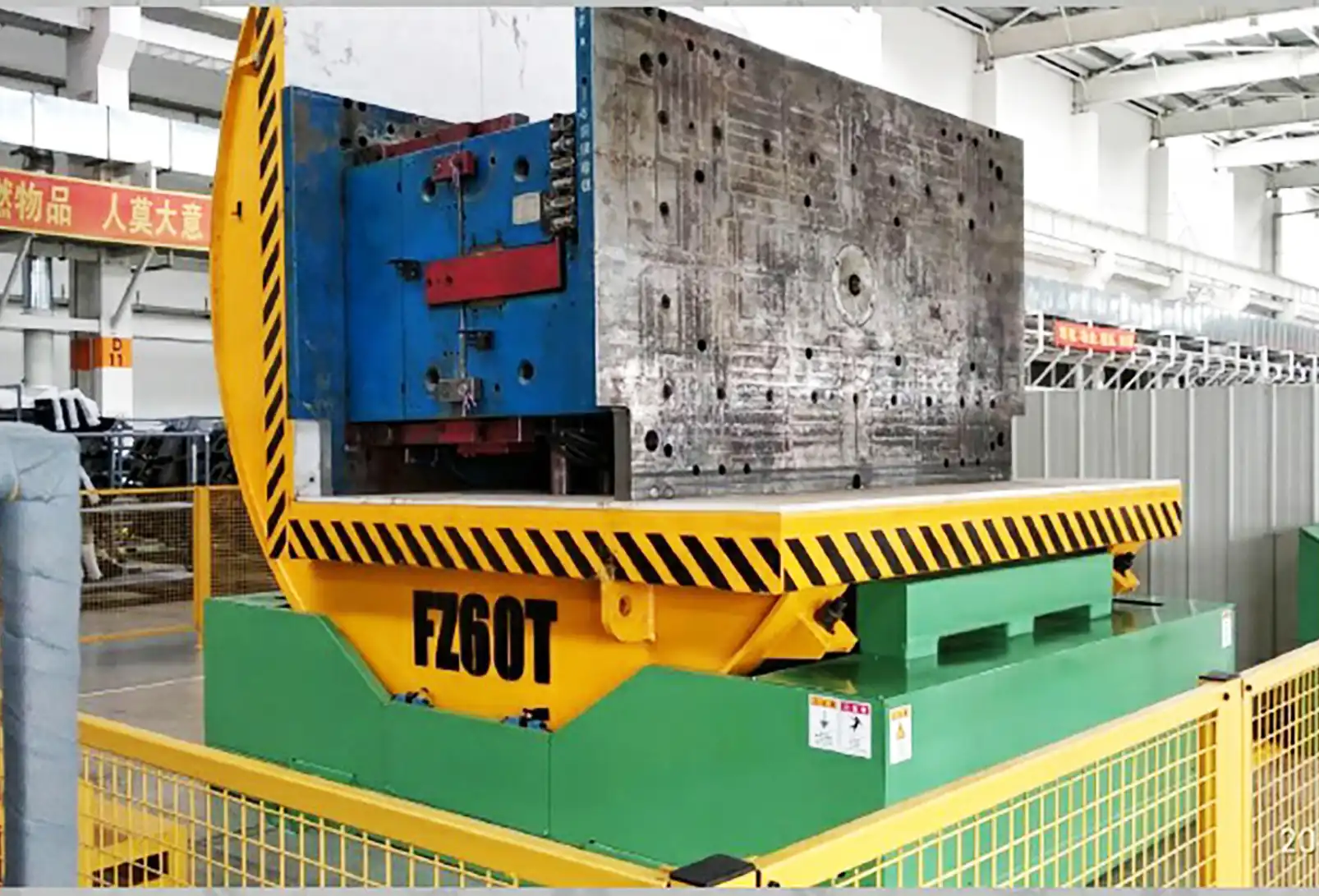
The solution to these multifaceted challenges lies in automation – specifically, the adoption of automated mold upender systems. An automated mold upender is a specialized piece of equipment designed to safely and efficiently tilt and rotate heavy molds. By mechanizing this critical process, textile companies can reap a wide range of benefits, transforming their mold handling operations from a liability into a competitive advantage.
Enhanced Safety: Protecting Your Most Valuable Asset – Your Workforce
The most immediate and crucial benefit of automated mold upenders is a dramatic improvement in workplace safety. By eliminating the need for manual lifting, flipping, and maneuvering of heavy molds, these systems significantly reduce the risk of injuries. Employees operate the machinery from a safe distance, controlling the upending process with precision and minimizing exposure to hazardous situations. Features like emergency stops, safety sensors, and robust construction ensure a secure operational environment, allowing textile companies to prioritize the well-being of their workforce and cultivate a safer, more responsible workplace culture.
Boosted Efficiency: Streamlining Production Processes
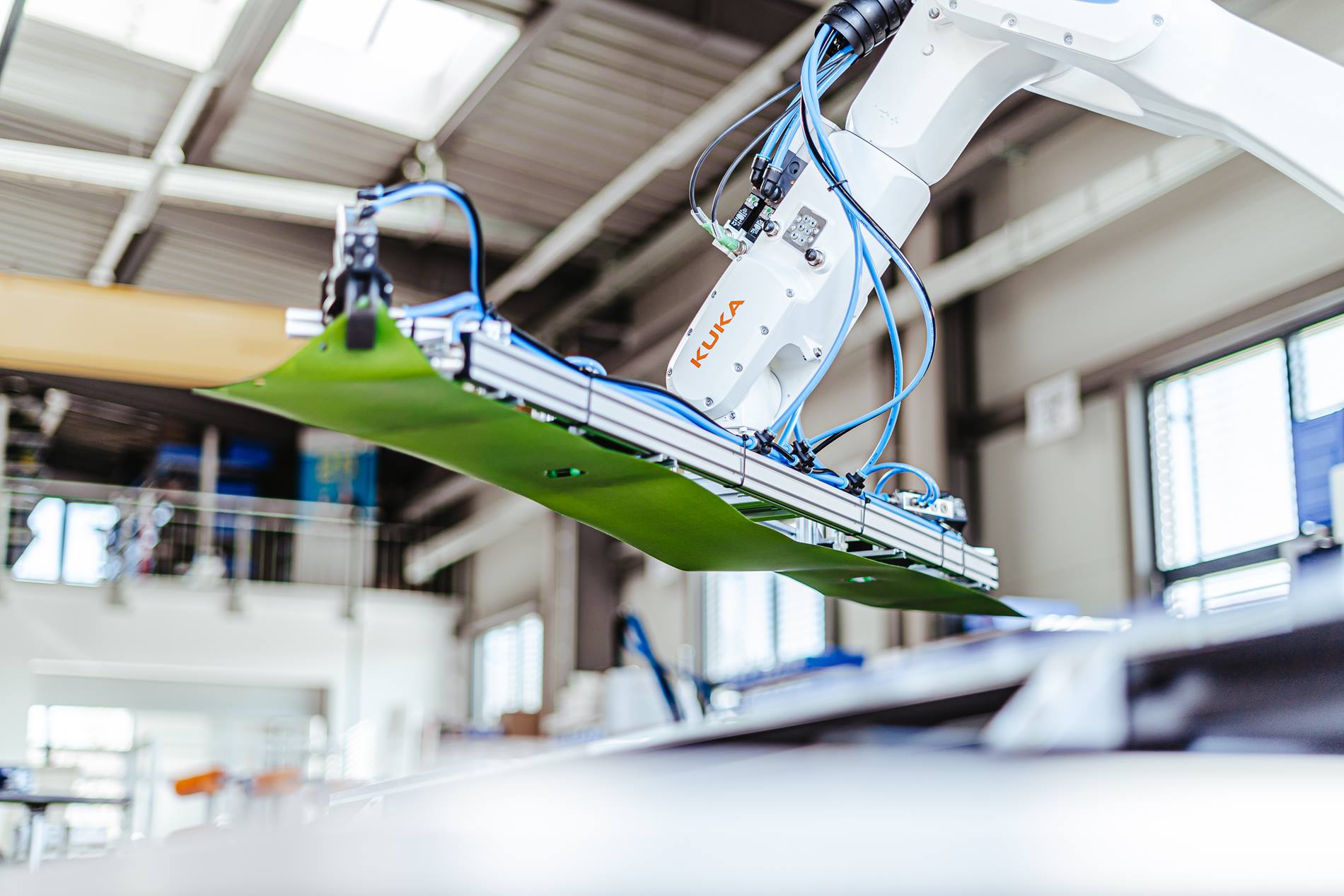
Automation inherently brings greater efficiency, and mold upender systems are no exception. Automated systems perform mold handling tasks far quicker than manual teams. Mold changes become faster and more frequent, minimizing downtime and maximizing production uptime. The consistent and predictable operation of automated upenders also streamlines production workflows, leading to more accurate scheduling, improved throughput, and the ability to respond quickly to shifting production demands. This translates to increased output and faster delivery times, crucial advantages in today’s dynamic textile market.
Reduced Operational Costs: A Path to Increased Profitability
While the initial investment in automation may seem significant, the long-term cost savings are compelling. Automated mold upender systems reduce the need for large manual handling teams, leading to substantial decreases in labor costs. The speed and efficiency of automated systems translate to lower energy consumption per unit produced, further reducing operational expenses. Moreover, the precise and controlled handling of molds by automated systems minimizes the risk of damage, extending mold lifespan and reducing repair and replacement costs. These cumulative cost reductions contribute directly to improved profitability and a stronger bottom line for textile manufacturers.
Improved Production Consistency and Quality
Automated systems excel in performing repetitive tasks with consistent precision, a characteristic that is particularly valuable in mold handling. Automated mold upenders ensure molds are positioned accurately and consistently every time, which is crucial for maintaining the quality and uniformity of textile products. This consistency minimizes variability in the manufacturing process, leading to fewer defects, reduced material waste, and higher overall product quality. In industries where precision and consistency are paramount, such as technical textiles or high-performance fabrics, this improvement in quality directly translates to enhanced customer satisfaction and a stronger market reputation.
Modernization and Future-Proofing Operations
Investing in mold upender automation is not just about addressing current challenges; it's about modernizing operations and future-proofing the textile manufacturing facility. Embracing automation technologies positions a company as forward-thinking and innovative, attracting skilled talent and appealing to customers who value efficiency and quality. As automation continues to play an increasingly larger role in manufacturing globally, textile companies that proactively adopt these technologies will be better equipped to adapt to future market demands, maintain a competitive edge, and sustain long-term growth.
Manual vs. Automated Mold Upending: A Direct Comparison

| To clearly illustrate the transformative benefits of mold upender automation, let's examine a side-by-side comparison with traditional manual mold handling methods: | Feature | Manual Mold Handling | Automated Mold Upender System |
|---|---|---|---|
| Safety | High risk of injury, accidents | Significantly reduced risk, enhanced safety | |
| Efficiency | Slow, time-consuming | Fast, efficient, streamlined | |
| Labor Requirement | High, multiple personnel needed | Low, minimal operator intervention | |
| Speed of Mold Change | Slow, potential production bottleneck | Rapid mold changes, minimized downtime | |
| Consistency | Variable, dependent on operator skill | Highly consistent and predictable |
| Mold Damage Risk | Higher risk due to manual handling | Minimal risk, controlled handling |
| Operational Cost | High labor costs, potential injury costs | Lower labor costs, reduced operational costs |
| Product Quality | Potential variability, reduced consistency | Improved consistency, enhanced quality |
| Scalability | Difficult to scale efficiently | Easily scalable to meet production needs |
| Long-term Investment| High recurring labor costs, ongoing risks | Lower long-term costs, enhanced efficiency |
This table clearly highlights the advantages of upgrading to automated mold upender systems. The shift represents a move from a reactive, labor-intensive, and potentially risky approach to a proactive, efficient, and safety-focused operational model.
Conclusion: Elevating Textile Manufacturing with Automation
In conclusion, for textile companies striving for enhanced safety, improved efficiency, reduced costs, and higher product quality, upgrading to mold upender automation is not just a desirable improvement – it's a strategic imperative. By transitioning from outdated manual methods to modern automated systems, textile manufacturers can unlock significant gains in operational performance, create a safer and more attractive workplace for their employees, and position themselves for sustained success in an increasingly competitive global market. The journey from manual to automated mold handling is a step towards a smarter, safer, and more profitable future for the textile industry.