Global Logistics Firm Streamlines Operations with Automated Upenders
In today's fast-paced global marketplace, logistics firms are constantly seeking innovative solutions to enhance efficiency and streamline operations. For global logistics firms seeking to optimize material handling, automated mold upenders represent a significant leap forward, enhancing safety, speed, and precision while minimizing manual effort and maximizing throughput. One leading global logistics firm has recently implemented automated mold upenders into its warehouse operations, achieving remarkable results in efficiency gains and operational optimization. This strategic move not only underscores the firm's commitment to leveraging cutting-edge technology but also sets a new benchmark for operational excellence in the logistics industry.
The Imperative for Enhanced Efficiency in Global Logistics
The global logistics landscape is characterized by ever-increasing complexity and demand. Businesses today require rapid, reliable, and cost-effective transportation and warehousing solutions to stay competitive. Traditional logistics operations, often reliant on manual processes, face significant hurdles in meeting these demands. Manual handling of heavy molds and materials is inherently time-consuming, labor-intensive, and prone to errors and safety risks. These inefficiencies can lead to bottlenecks, delays, increased costs, and ultimately, reduced customer satisfaction.
The need for streamlining logistics operations is more critical than ever. Companies are grappling with:
- Rising Labor Costs: Manual labor remains a significant expense in logistics. Automation offers a way to mitigate these costs and improve profitability.
- Demand for Speed and Accuracy: Customers expect faster delivery times and error-free order fulfillment. Manual processes often struggle to meet these stringent requirements.
- Safety Concerns: Manually handling heavy molds and materials poses safety risks to workers, leading to potential injuries and liabilities.
- Space Optimization: Warehouses are valuable assets. Efficient space utilization is crucial for maximizing capacity and reducing storage costs.
- Scalability and Adaptability: Logistics operations need to be scalable to handle fluctuating demand and adaptable to changing market conditions.
To address these challenges, logistics firms are increasingly turning to automation as a transformative solution.Automation: A Cornerstone of Modern Logistics
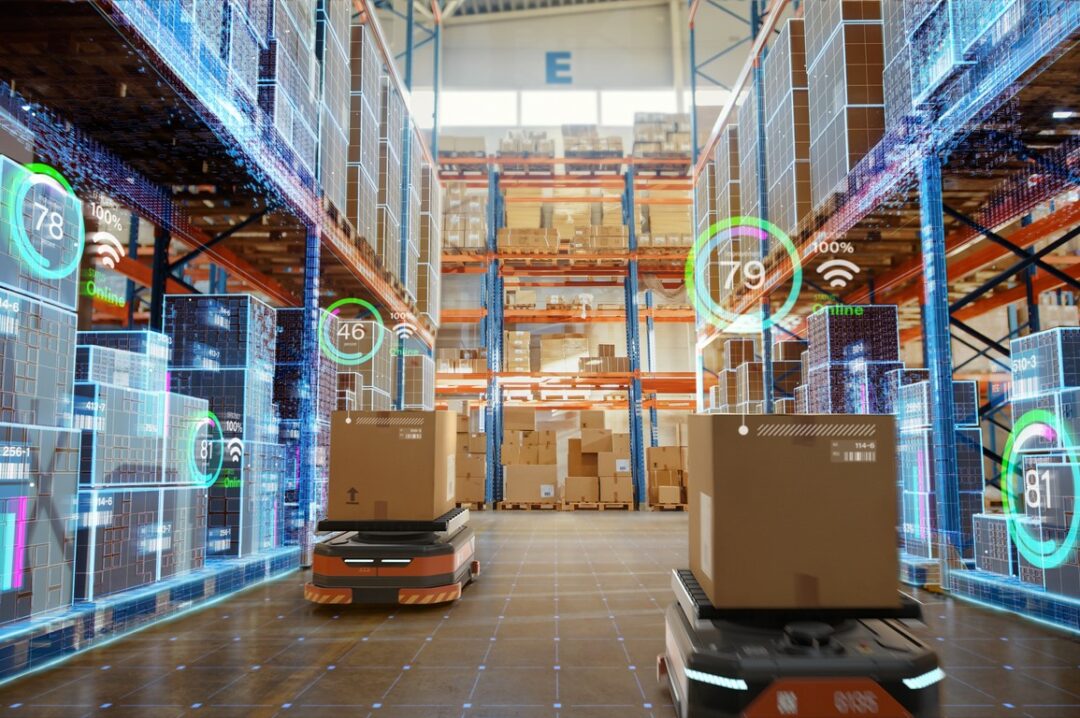
Automation is no longer a futuristic concept but a vital component of modern logistics. Across warehouse operations and supply chain management, automation technologies are revolutionizing processes, driving unprecedented levels of efficiency, accuracy, and agility. From sophisticated robotics and automated storage and retrieval systems (AS/RS) to intelligent software platforms and data analytics, automation is reshaping the industry landscape.
The drive towards automation in logistics is fueled by several factors: - Technological Advancements: Rapid advancements in robotics, artificial intelligence (AI), and sensor technology have made automation solutions more powerful, reliable, and cost-effective.
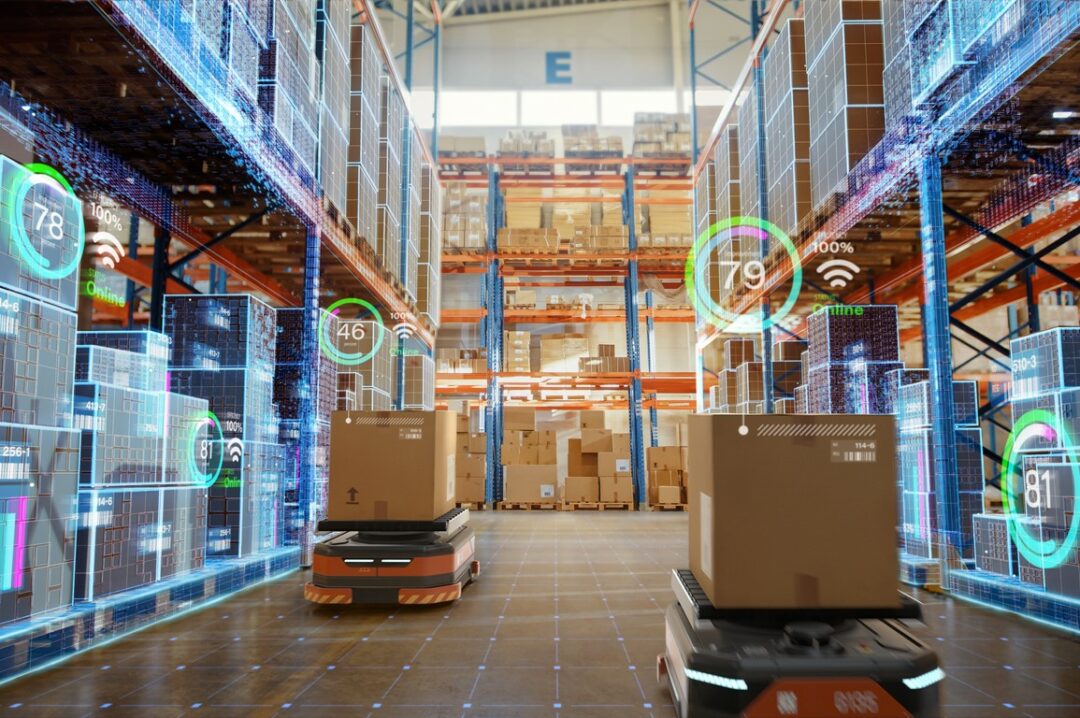
- Changing Market Dynamics: The e-commerce boom and globalization have increased the volume and complexity of logistics operations, necessitating automated solutions to handle the scale.
-
Pursuit of Efficiency and Competitiveness: Companies are constantly seeking ways to optimize processes, reduce costs, and gain a competitive edge. Automation provides a powerful means to achieve these objectives.
Automation in logistics encompasses a wide spectrum of solutions, including:Automation Technology Description Benefits Automated Storage & Retrieval Systems (AS/RS) Systems that automatically store and retrieve items from designated storage locations. Increased storage density, faster retrieval times, reduced labor costs, improved inventory accuracy. Conveyor and Sortation Systems Automated systems for transporting and sorting materials within a warehouse or distribution center. Streamlined material flow, faster processing times, reduced manual handling, improved order accuracy. Robotics Robots used for various tasks such as picking, packing, palletizing, and material handling. Increased speed and accuracy, reduced labor costs, improved safety, enhanced flexibility. Goods-to-Person (GTP) Systems Systems that bring goods directly to workers, eliminating the need for manual searching and picking. Faster order fulfillment, reduced walking time for workers, improved picking accuracy, increased throughput. Artificial Intelligence (AI) and Data Analytics AI-powered software and analytics tools used for tasks such as demand forecasting, route optimization, inventory management, and predictive maintenance. Enhanced decision-making, optimized resource allocation, improved efficiency, proactive problem-solving. Automated Guided Vehicles (AGVs) & Autonomous Mobile Robots (AMRs) Vehicles that navigate warehouses autonomously, transporting materials without human drivers. Reduced labor costs, improved material flow, enhanced flexibility, increased safety. Automated Mold Upenders Machines designed to safely and efficiently rotate or invert heavy molds or dies, automating a traditionally manual and hazardous process. Enhanced safety for workers, reduced risk of mold damage, faster mold handling, improved precision, reduced downtime for mold changes. Automated Mold Upenders: Revolutionizing Material Handling
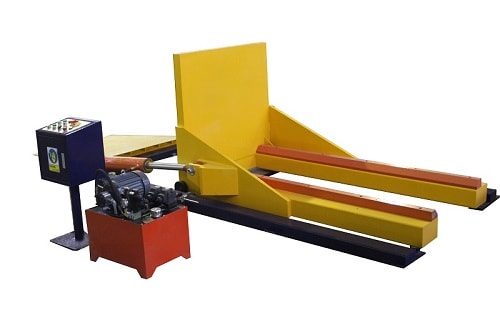
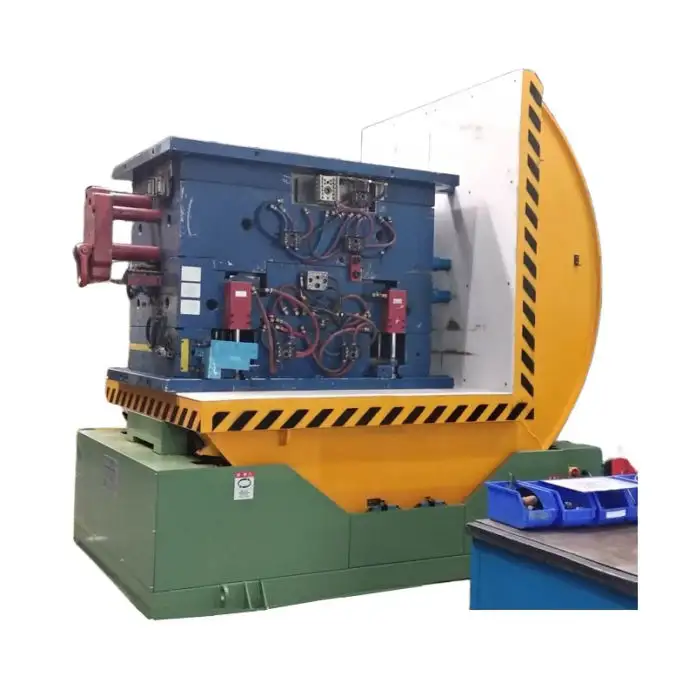
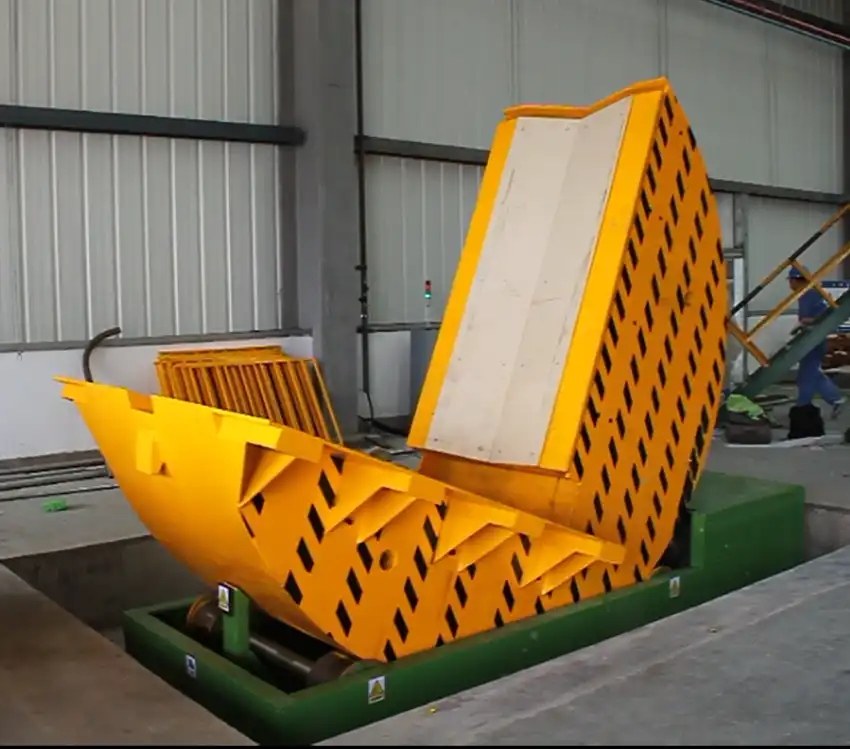
Among the diverse automation technologies available, automated mold upenders are emerging as a game-changer for logistics firms that handle heavy molds, dies, or similar bulky items. Traditionally, mold upending, the process of rotating or inverting molds for maintenance, repair, or repositioning within production processes, has been a manual operation requiring significant physical effort and posing considerable safety risks. Automated mold upenders eliminate these challenges by providing a safe, efficient, and precise solution for handling heavy and cumbersome loads.
Benefits of Implementing Automated Mold Upenders:
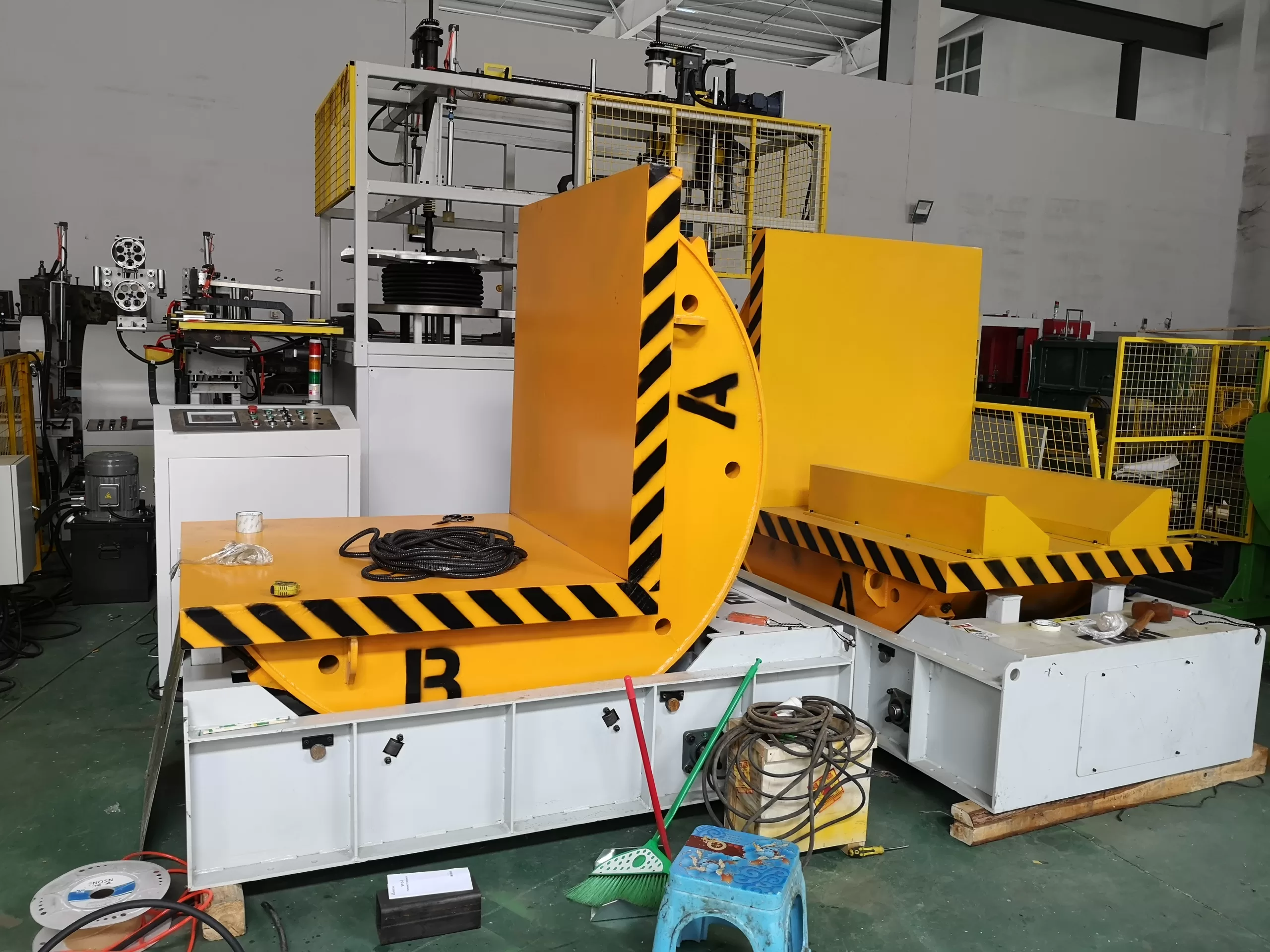
- Enhanced Safety: Automated upenders drastically reduce the risk of accidents and injuries associated with manual mold handling. Heavy lifting and awkward maneuvers are eliminated, creating a safer work environment for employees.
- Increased Efficiency and Speed: Automated upenders significantly accelerate the mold upending process compared to manual methods. Faster mold handling translates to reduced downtime, increased throughput, and improved overall operational efficiency.
- Improved Precision and Control: Automated systems offer greater precision and control over mold handling. This minimizes the risk of damage to valuable molds and ensures accurate positioning for subsequent operations.
- Reduced Labor Costs: By automating the mold upending process, firms can reduce their reliance on manual labor, leading to significant cost savings over time.
- Optimized Space Utilization: Some automated upender designs are compact and require minimal floor space, contributing to better space utilization within the warehouse or production facility.
- Enhanced Ergonomics: Automated upenders eliminate the need for workers to perform physically demanding and ergonomically challenging tasks, improving worker morale and reducing fatigue.
- Scalability and Adaptability: Automated upender systems can be scaled and adapted to handle different mold sizes and weights, providing flexibility for future growth and changing operational needs.
Data-Driven Logistics: Integrating Technology for Seamless Operations
The implementation of automated mold upenders is not merely about replacing manual labor; it's about integrating technology to create a data-driven logistics environment. Modern automated upender systems can be equipped with sensors and controls that provide real-time data on operations, performance, and maintenance needs. This data can be seamlessly integrated with warehouse management systems (WMS) and other logistics platforms to provide a holistic view of operations and enable data-driven decision-making.
By leveraging data analytics, logistics firms can: - Optimize workflows: Identify bottlenecks and inefficiencies in mold handling processes and optimize workflows for maximum throughput.
- Predictive maintenance: Monitor system performance and predict potential maintenance needs, minimizing downtime and ensuring continuous operation.
- Track key performance indicators (KPIs): Measure the impact of automated upenders on efficiency, safety, and cost savings through data-driven KPIs.
- Improve inventory management: Integrate mold tracking data with inventory systems for better visibility and control over mold assets.
Real-World Impact: Hypothetical Case Study
| Imagine a global automotive parts manufacturer that relies heavily on molds for its production processes. This firm, let's call it "AutoLogistics Global," previously relied on manual methods for upending and handling its large, heavy molds. This process was slow, labor-intensive, and posed safety risks. To enhance efficiency and safety, AutoLogistics Global decided to implement automated mold upenders in its primary warehouse and production facility. Before Automation (Manual Mold Upending): |
Metric | Value (Approximate) |
|---|---|---|
| Time per Mold Upending | 45 minutes | |
| Labor Required per Upending | 3 workers | |
| Mold Damage Incidents | 5 per year | |
| Worker Injuries per Year | 2 incidents | |
| Downtime due to Mold Issues | 60 hours per year |
| After Automation (Automated Mold Upenders): | Metric | Value (Approximate) | Improvement |
|---|---|---|---|
| Time per Mold Upending | 10 minutes | 78% faster | |
| Labor Required per Upending | 1 worker (oversight) | 67% reduction | |
| Mold Damage Incidents | 0 per year | 100% reduction |
| Worker Injuries per Year | 0 incidents | 100% reduction|
| Downtime due to Mold Issues | 10 hours per year | 83% reduction |
As the table illustrates, the implementation of automated mold upenders yielded significant improvements across key operational metrics. Mold upending time was drastically reduced, labor requirements decreased, and mold damage and worker injuries were eliminated. Downtime related to mold issues also plummeted, resulting in substantial cost savings and increased productivity.
The Human Factor: Empowering the Workforce
While automation streamlines processes and enhances efficiency, the human element remains crucial in the logistics ecosystem. Automated mold upenders and other automation technologies do not simply replace human workers; they empower them to focus on higher-value tasks that require cognitive skills, problem-solving abilities, and strategic decision-making.
By automating repetitive and physically demanding tasks, logistics firms can:
- Create safer and more fulfilling jobs: Reduce exposure to hazardous tasks and create more ergonomic work environments.
- Upskill and reskill the workforce: Train employees to operate and maintain automated systems, fostering a more skilled and adaptable workforce.
- Improve employee morale and engagement: Empower employees to focus on more challenging and rewarding tasks, leading to increased job satisfaction.
- Enhance collaboration between humans and machines: Foster a collaborative environment where humans and automated systems work together synergistically to achieve optimal results.
Looking Ahead: The Future of Automated Logistics
The integration of automated mold upenders is just one example of the broader trend towards automation in logistics. As technology continues to advance at an exponential pace, the future of logistics holds even more exciting possibilities. Innovations such as autonomous vehicles (AVs), advanced robotics with greater dexterity and AI capabilities, and the Internet of Things (IoT) integration will further optimize processes and drive efficiency across the entire supply chain.
Logistics firms that embrace automation and proactively integrate these technologies into their operations will be best positioned to thrive in the increasingly complex and demanding global marketplace. By streamlining operations with solutions like automated mold upenders, companies can unlock new levels of efficiency, safety, and precision, ensuring they remain competitive and deliver exceptional value to their customers.
For global logistics firms seeking to elevate their operational efficiency and safety standards, automated mold upenders offer a compelling solution. By automating a traditionally manual and hazardous process, these systems deliver significant gains in speed, precision, and worker well-being, paving the way for a more streamlined and productive future in logistics.