Reducing Workplace Injuries: A Factory’s Mold Upender Safety Journey
In manufacturing environments, workplace safety is paramount. Implementing mold upender technology represents a significant step towards injury reduction by minimizing manual handling of heavy molds, leading to fewer strains, sprains, and potentially serious accidents. Discover how one factory transformed its operations and significantly reduced injuries by integrating mold upender solutions.
Workplace injuries cast a long shadow over any manufacturing operation. Beyond the immediate human cost, injuries lead to lost productivity, increased insurance premiums, and a dip in employee morale. In the demanding world of factory floors, where heavy machinery and repetitive tasks are the norm, the potential for injury is ever-present. For industries relying on molds – be it for plastics, metal casting, or composite materials – the handling of these often cumbersome and heavy tools has historically presented a significant safety challenge. Manual mold handling is fraught with risks, from back strains and musculoskeletal disorders to crush injuries from dropped molds.
Traditional mold handling methods often involve multiple workers manually lifting, flipping, and positioning molds for maintenance, repair, or production changes. This process is not only labor-intensive but also inherently dangerous. The awkward shapes and considerable weight of molds make them difficult to grip securely, increasing the risk of drops and worker strain. Moreover, the repetitive lifting and twisting motions involved can contribute to chronic injuries over time, impacting the long-term health and well-being of the workforce.
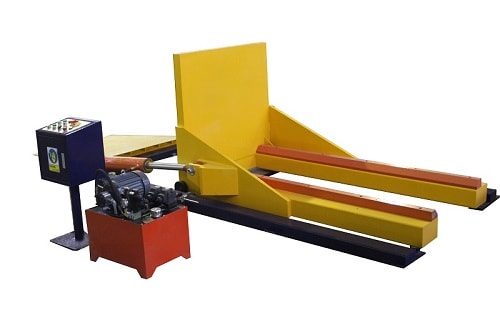
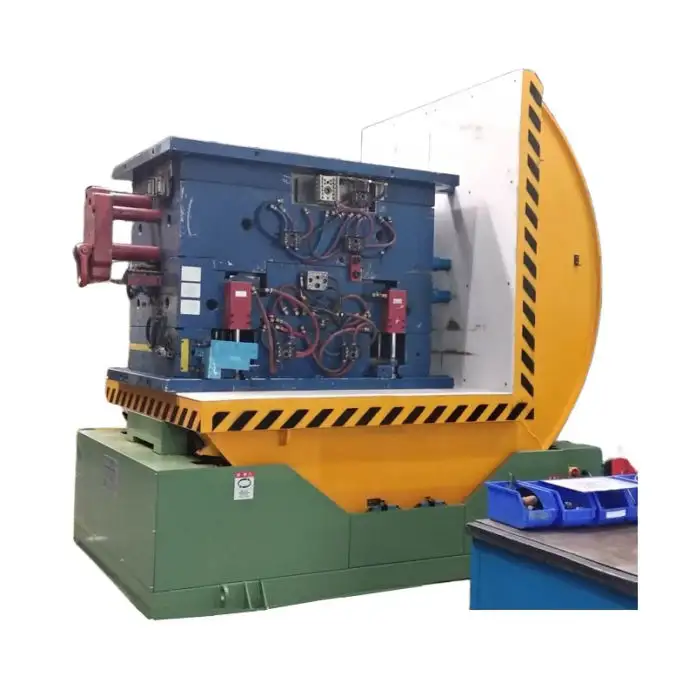
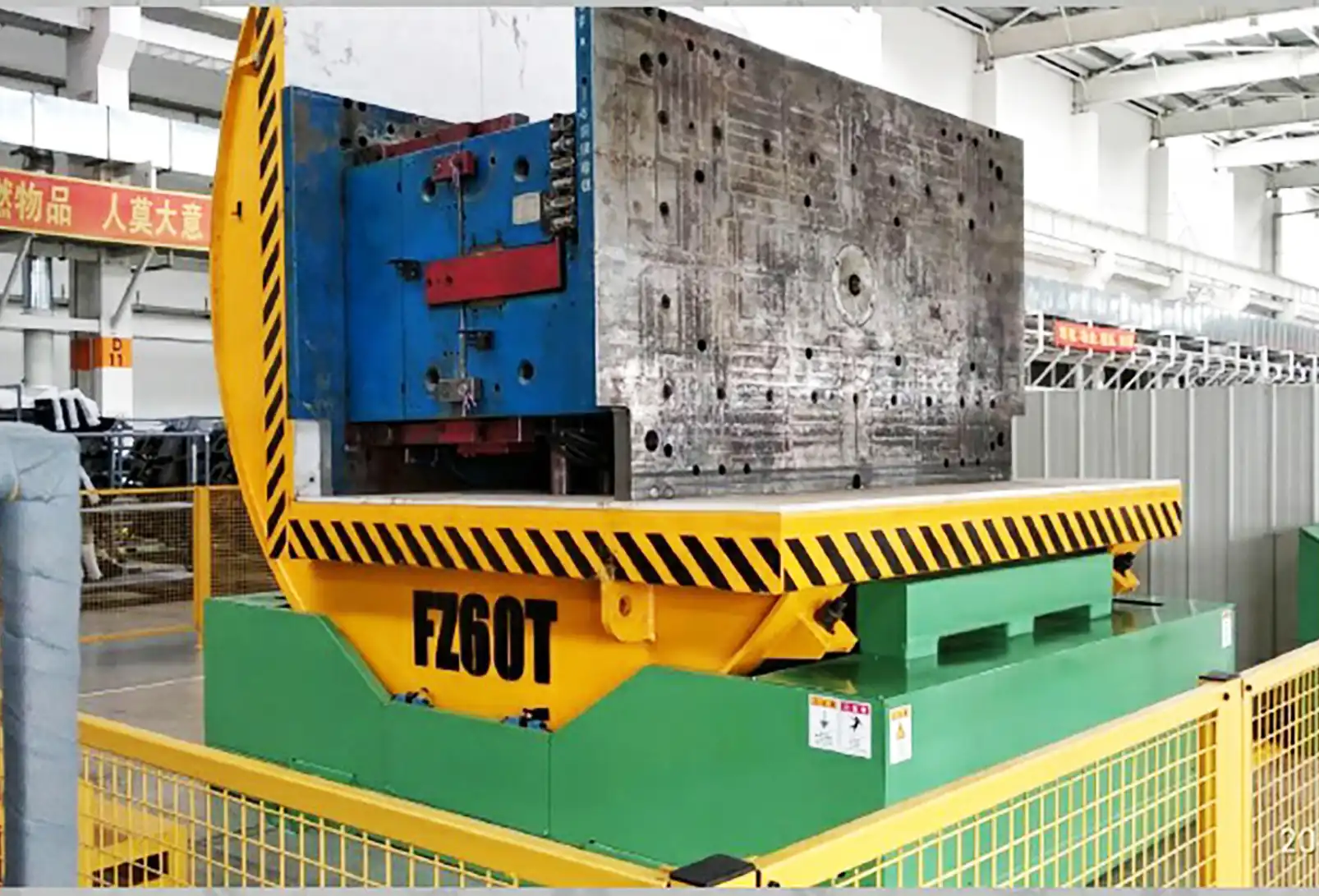
Recognizing these inherent dangers, forward-thinking manufacturers are turning to innovative solutions, and mold upenders are emerging as a game-changer in enhancing workplace safety. Mold upenders, also known as mold tilters or mold flipping machines, are designed to mechanically rotate and position molds, eliminating the need for manual lifting and maneuvering. These machines range from simple tilters that rotate molds 90 degrees for easier access to more sophisticated models that offer 180-degree flipping and precise positioning capabilities.
| For one particular factory, the journey to a safer workplace began with a thorough assessment of their existing mold handling procedures. Like many in the industry, they relied heavily on manual labor for mold maintenance and changeovers. This involved teams of workers using overhead cranes and manual levers to flip and position molds, some weighing several tons. The inherent risks were evident in their injury statistics. | Injury Type | Frequency (Pre-Upender) |
|---|---|---|
| Back Strains/Sprains | 12 per year | |
| Musculoskeletal Disorders | 8 per year | |
| Crush Injuries (Hands/Feet) | 3 per year | |
| Lacerations/Bruises | 5 per year | |
| Total Recordable Injuries | 28 per year | |
| Lost Time Incidents | 15 per year |
These figures highlighted a clear need for change. The factory leadership recognized that relying solely on manual methods was not only putting their employees at risk but also impacting productivity and efficiency. They decided to explore automation solutions, and mold upenders quickly surfaced as a promising avenue for improvement.
After careful evaluation of different mold upender technologies, the factory opted for a combination of 90-degree mold tilters and a 180-degree mold flipping machine. The 90-degree tilters were strategically placed at mold maintenance stations, allowing technicians to easily access the mold halves for cleaning and repairs without strenuous lifting. The 180-degree flipping machine was integrated into the mold changeover process, enabling molds to be safely and efficiently inverted for tooling adjustments and inspections.
The implementation process was phased and included comprehensive training for all personnel involved in mold handling. The training focused not only on the operation of the new equipment but also on reinforcing safe work practices and emphasizing the importance of using the mold upenders for all applicable tasks. The factory also invested in creating clear standard operating procedures (SOPs) and visual aids to guide employees in the correct and safe utilization of the new machinery.
| The impact of integrating mold upenders was transformative. Immediately, the reliance on manual lifting and flipping of molds significantly decreased. Workers were no longer subjected to the physically demanding and risky tasks that had previously been commonplace. The ergonomic benefits were palpable, with employees reporting reduced physical strain and fatigue. More importantly, the injury statistics told a compelling story of success. Within the first year of full mold upender implementation, the factory witnessed a dramatic reduction in workplace injuries. |
Injury Type | Frequency (Pre-Upender) | Frequency (Post-Upender) | Percentage Reduction |
|---|---|---|---|---|
| Back Strains/Sprains | 12 per year | 2 per year | 83% | |
| Musculoskeletal Disorders | 8 per year | 1 per year | 88% | |
| Crush Injuries (Hands/Feet) | 3 per year | 0 per year | 100% | |
| Lacerations/Bruises | 5 per year | 1 per year | 80% | |
| Total Recordable Injuries | 28 per year | 4 per year | 86% | |
| Lost Time Incidents | 15 per year | 1 per year | 93% |
These remarkable results underscore the profound impact that mold upender technology can have on workplace safety. By reducing total recordable injuries by 86% and lost time incidents by 93%, the factory not only created a safer environment for its employees but also realized significant operational benefits.
Beyond injury reduction, the factory experienced other positive outcomes. The mold handling process became more efficient, with faster mold changeovers and reduced downtime. The consistent and controlled movements provided by the mold upenders also minimized the risk of accidental mold damage, leading to cost savings in mold repair and replacement. Employee morale significantly improved as workers felt safer and appreciated the company's investment in their well-being.
This factory's journey serves as a powerful case study for other manufacturing facilities grappling with workplace safety concerns related to mold handling. The key lessons learned from their experience can be summarized as follows:
- Proactive Risk Assessment: Conduct a thorough assessment of existing mold handling procedures to identify specific risks and areas for improvement.
- Targeted Technology Adoption: Select mold upender solutions that are appropriate for the specific types of molds and handling tasks involved in your operations. Consider factors like mold size, weight, and rotation requirements.
- Comprehensive Training: Invest in thorough training programs that cover the safe operation of mold upenders, safe work practices, and the importance of utilizing the equipment.
- Clear SOPs and Visual Aids: Develop clear and easy-to-follow standard operating procedures and visual aids to guide employees in using mold upenders correctly and safely.

- Employee Engagement: Involve employees in the implementation process and solicit their feedback to ensure the solutions are practical and effective. Address any concerns and emphasize the safety benefits for the workforce.
- Continuous Monitoring and Improvement: Track injury statistics and regularly evaluate the effectiveness of the implemented mold upender solutions. Continuously look for opportunities to further enhance safety and refine procedures.
In conclusion, the integration of mold upender technology represents a significant advancement in workplace safety for manufacturing industries that rely on molds. By mechanizing mold handling tasks, factories can dramatically reduce the risks associated with manual lifting, flipping, and positioning, leading to fewer injuries, improved productivity, and a more engaged and healthy workforce. This factory’s journey demonstrates that investing in mold upender safety is not just a matter of compliance, but a strategic decision that yields tangible benefits across the entire operation. Embracing such innovative safety solutions is not just good for employees; it's smart for business.