Mold upenders are indispensable tools in plastic injection molding factories, primarily used to safely and efficiently rotate heavy and cumbersome molds. These machines streamline mold handling during changeovers, maintenance, and repairs, significantly enhancing factory productivity and worker safety while preventing costly mold damage. By simplifying mold manipulation, upenders are crucial for optimizing injection molding operations.
Plastic injection molding stands as a cornerstone of modern manufacturing, churning out everything from intricate medical devices to robust automotive components and ubiquitous consumer products. The heart of this process lies within the molds – massive steel structures meticulously crafted to shape molten plastic into desired forms. These molds, however, are not mere tools; they are substantial investments, often weighing several tons and demanding careful handling. Moving, rotating, and maintaining these behemoths presents significant logistical and safety challenges within the bustling environment of a plastic injection molding factory. This is where mold upenders emerge as essential pieces of equipment.
Imagine the sheer scale of operations within a typical plastic injection molding facility. Rows of injection molding machines operate continuously, each requiring regular mold changes to switch production lines or for scheduled maintenance. Without specialized equipment, these mold changeovers would be incredibly time-consuming, labor-intensive, and fraught with risk. Manually maneuvering multi-ton molds using forklifts and cranes alone is a recipe for disaster, increasing the likelihood of accidents, mold damage, and production downtime.
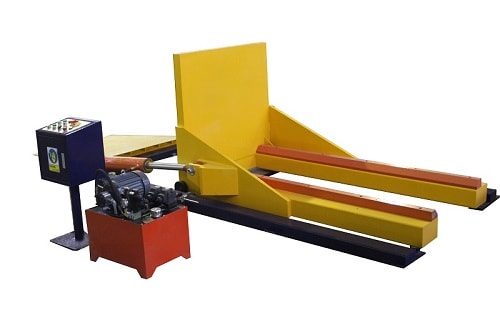
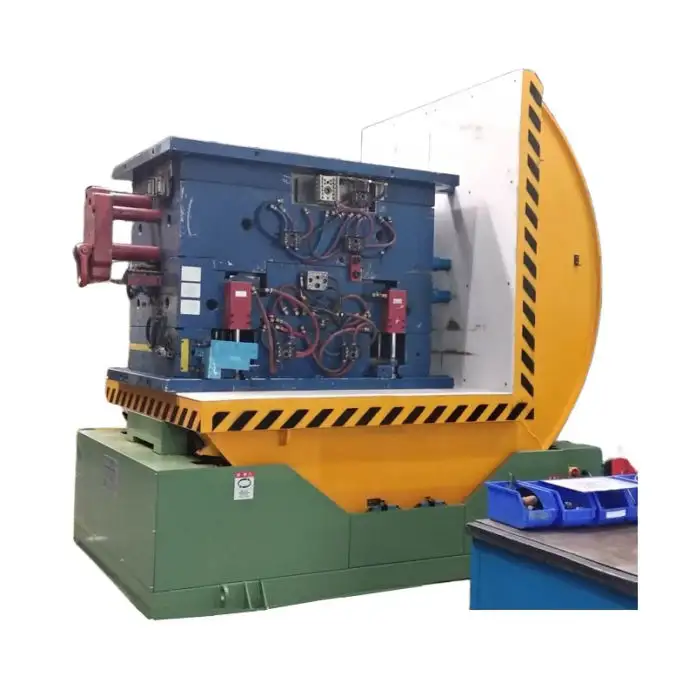
Mold upenders, sometimes referred to as mold tilters or mold flippers, are specifically engineered to address these challenges. They are robust machines designed to safely and efficiently rotate heavy molds, dies, and other large objects. In the context of plastic injection molding factories, mold upenders are primarily utilized to:
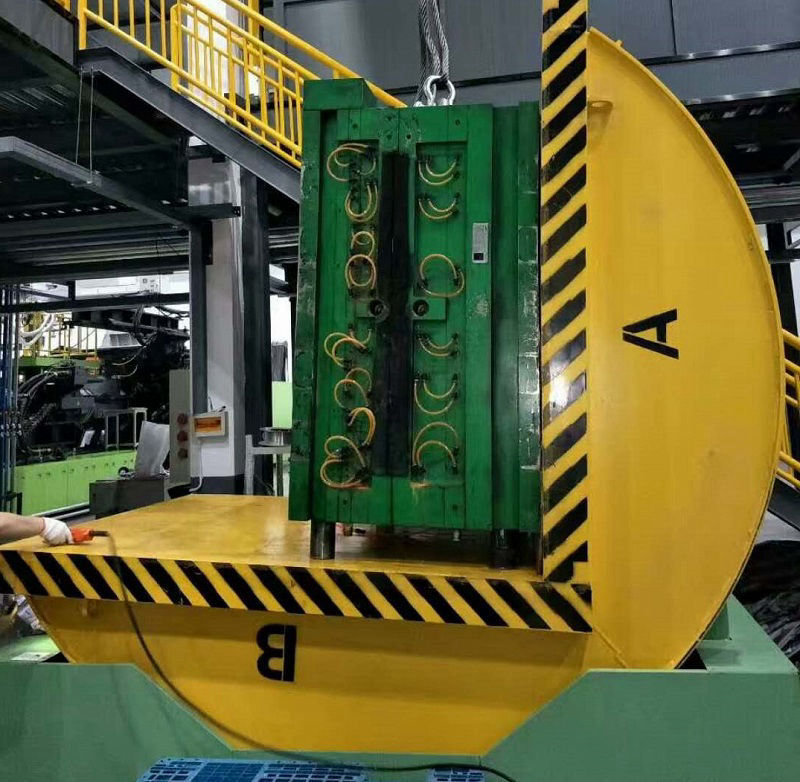
- Facilitate Mold Changeovers: Switching molds on an injection molding machine is a routine but critical task. Upenders allow technicians to rotate molds to the optimal orientation for mounting and dismounting from the molding machine. This precise control minimizes the risk of misalignment, damage to the mold or machine, and significantly speeds up the changeover process. What could take hours with traditional methods can be reduced to a fraction of the time with a mold upender, maximizing machine uptime and production output.
- Enable Mold Maintenance and Repair: Plastic injection molds are complex, precision instruments that require regular cleaning, inspection, and maintenance to ensure optimal performance and product quality. Often, maintenance tasks necessitate accessing different sides and angles of the mold. Mold upenders provide the ability to rotate molds 90 degrees or even 180 degrees, granting technicians unobstructed access to all mold surfaces for thorough cleaning, repair of intricate components like ejector pins or cooling channels, and detailed inspections for wear and tear. This enhanced accessibility simplifies maintenance procedures, improves the quality of maintenance, and extends the lifespan of expensive molds.
- Enhance Safety in Mold Handling: The weight and size of injection molds pose significant safety hazards. Manual handling or inadequate lifting methods can lead to serious injuries to personnel and damage to the molds themselves. Mold upenders are designed with safety as a paramount consideration. They provide a controlled and stable platform for rotating molds, minimizing the risk of molds slipping, dropping, or colliding during handling. Features like secure clamping mechanisms, overload protection, and precise controls ensure operator safety and prevent accidental damage to valuable molds.
How Mold Upenders Work: Engineering for Heavy Lifting
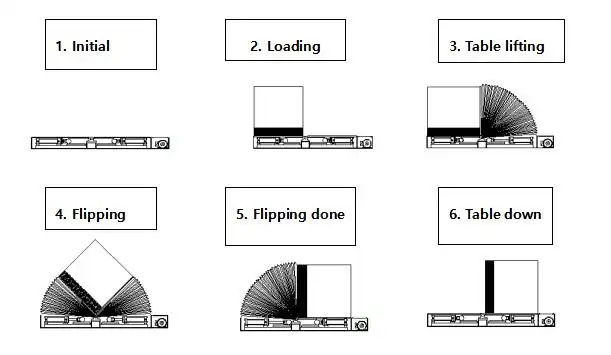
Mold upenders are engineered with a focus on strength, stability, and controlled movement. While specific designs may vary, most mold upenders share common core components and operational principles:
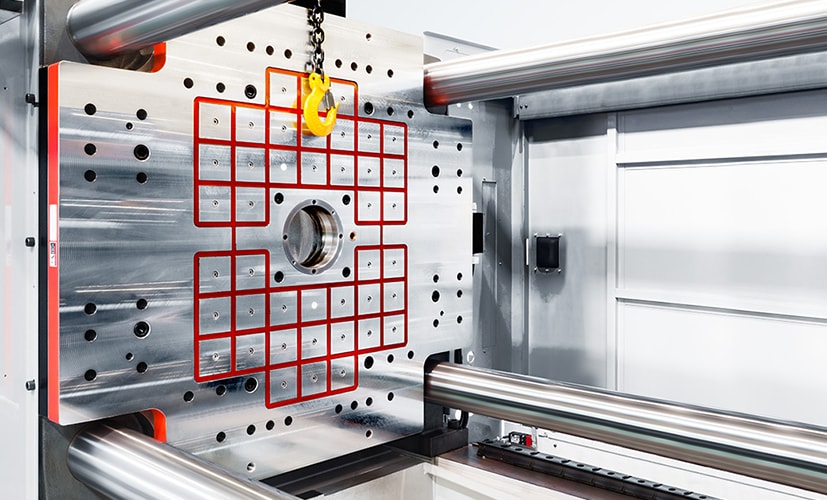
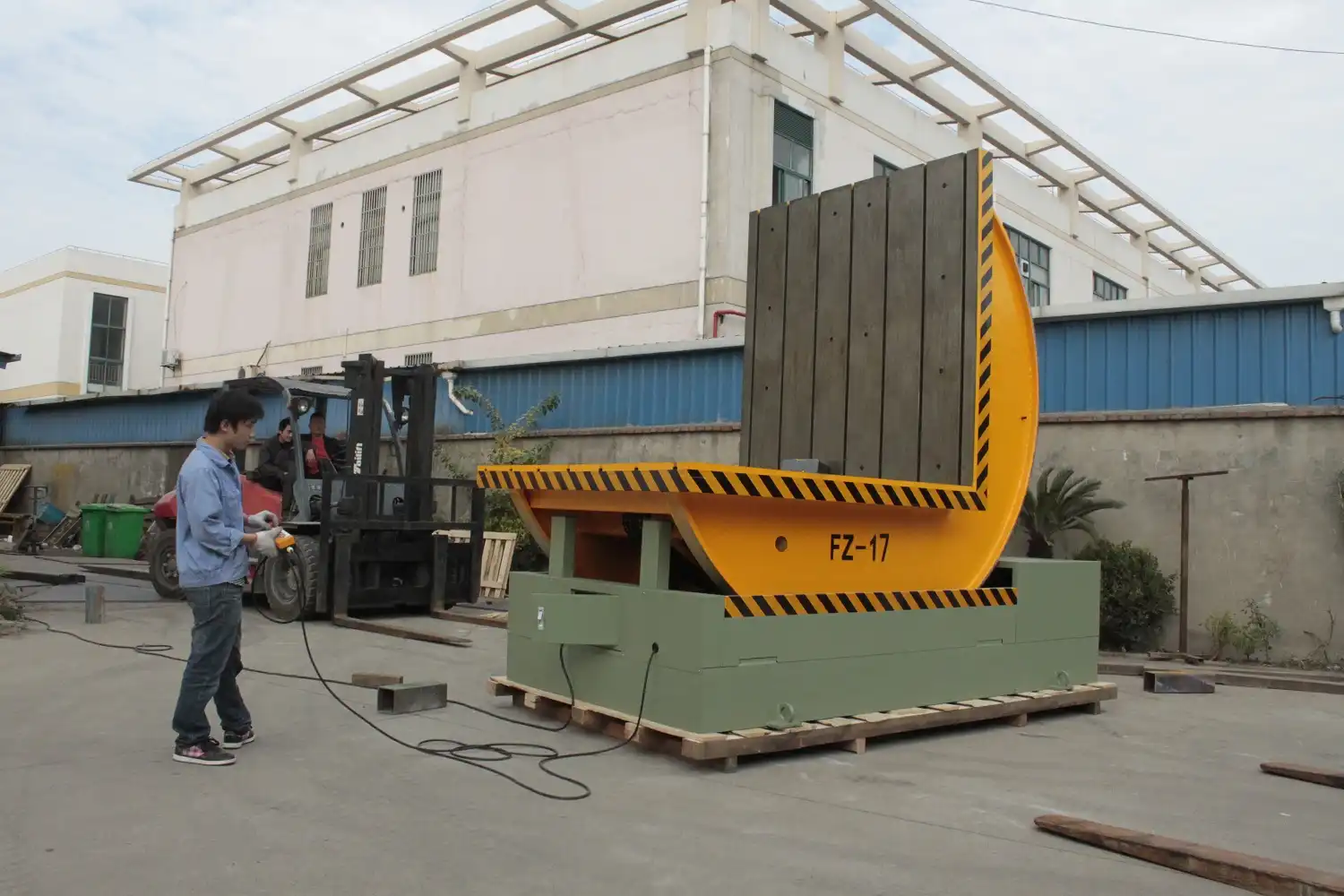
- Robust Base and Frame: The foundation of a mold upender is a heavy-duty base and frame constructed from steel. This robust structure provides the necessary stability to support the weight of large molds and withstand the stresses of rotation.
- Rotating Platform: The mold rests on a rotating platform, which is the central component responsible for flipping or tilting the mold. This platform is typically designed with a flat, secure surface and may incorporate features like T-slots or clamping mechanisms to firmly hold the mold in place during rotation.
- Powerful Drive System: Rotation is powered by either hydraulic or electric motors, depending on the model and weight capacity of the upender. Hydraulic systems are known for their high power and are often used for very heavy molds, while electric systems offer precision and smoother operation for a range of mold sizes. Modern upenders frequently utilize electric motors with variable frequency drives (inverters) to allow for soft starts and stops, and adjustable rotation speeds, further enhancing control and safety.
- Control System: Operators control the upender through a dedicated control panel, often featuring pushbuttons, joysticks, or programmable logic controllers (PLCs). These controls allow for precise positioning and rotation of the mold, with safety interlocks and emergency stop functions integrated to prevent accidents.
- Safety Features: Safety is integral to mold upender design. Common safety features include:
- Electric and Mechanical Limits: These constraints prevent over-travel and ensure the platform stops at pre-set angles, avoiding uncontrolled rotation.
- Position Locking Systems: These systems allow the platform to be locked at any angle, providing stability during maintenance or when the mold needs to be held in a specific orientation.
- Overload Protection: Sensors monitor the load weight to prevent operation beyond the upender's capacity, protecting both the machine and the mold.
- Emergency Stop Buttons: Strategically placed emergency stop buttons allow for immediate halting of operation in case of any unforeseen issue.
- CE Compliance: Many mold upenders are designed and manufactured to meet CE safety standards, ensuring compliance with recognized safety regulations.
| Benefits of Mold Upenders: Quantifiable Advantages | Benefit | Description | Impact on Factory Operations |
|---|---|---|---|
| Enhanced Safety | Controlled and stable mold rotation minimizes risks of accidents, injuries, and mold damage. | Reduced workplace accidents, lower insurance premiums, safer working environment. | |
| Increased Efficiency | Faster mold changeovers and streamlined maintenance procedures reduce downtime. | Higher machine uptime, increased production output, faster turnaround times. | |
| Reduced Labor Costs | Less manual labor required for mold handling, freeing up personnel for other tasks. | Optimized labor utilization, potential reduction in workforce needs for mold handling. | |
| Mold Protection | Gentle and controlled rotation prevents damage to delicate mold components. | Extended mold lifespan, reduced mold repair costs, maintained product quality. | |
| Improved Maintenance Quality | Enhanced access to all mold surfaces facilitates thorough cleaning, inspection, and repair. | Improved mold performance, reduced defects in molded parts, proactive maintenance capabilities. | |
| Ergonomic Operation | Reduces physical strain on workers associated with manual mold handling. | Improved worker morale, reduced risk of musculoskeletal injuries, healthier workforce. | |
| Faster Turnaround | Quicker mold changes and maintenance translate to faster production adjustments and responsiveness to market demands. | Increased flexibility in production scheduling, faster response to customer orders. |
Applications Beyond Mold Changeovers and Maintenance
While mold changeovers and maintenance are primary applications, mold upenders can also be valuable in other areas within a plastic injection molding factory:
- Mold Assembly and Disassembly: For complex molds consisting of multiple parts, upenders can assist in safely rotating and positioning mold sections during assembly and disassembly, streamlining these intricate procedures.
- Mold Storage and Retrieval: Upenders can be integrated into mold storage systems, allowing for easier rotation and positioning of molds for efficient storage and retrieval from racks or shelves, especially for vertically stored molds.
- Quality Control and Inspection: Rotating molds with an upender facilitates comprehensive quality control inspections, allowing inspectors to examine all surfaces and features of the mold before and after production runs.
Conclusion: An Investment in Efficiency and Safety
In the demanding world of plastic injection molding, efficiency and safety are paramount. Mold upenders are not merely pieces of equipment; they are strategic investments that directly contribute to these critical objectives. By streamlining mold handling, reducing downtime, enhancing safety, and protecting valuable molds, mold upenders are indispensable assets for any modern plastic injection molding factory striving for operational excellence and a competitive edge. As factories increasingly focus on automation and optimized workflows, the role of mold upenders in facilitating smooth and safe mold management will only become more crucial in the future of plastic injection molding.