What Are the Safety Guidelines for Operating Mold Upenders?
Are you tired of wrestling with heavy molds, risking injury and damage with each manual flip? Imagine a safer, more efficient way to handle these cumbersome loads. Mold upenders are the answer, but operating them safely is paramount. Ignoring safety can lead to disaster.
Operating mold upenders safely requires strict adherence to guidelines including thorough equipment inspection, operator training, load securement, and maintaining a safe operational area. Regular maintenance, understanding load capacities, and emergency procedures are also crucial for preventing accidents and ensuring a safe working environment.
Ready to transform your mold handling while prioritizing safety? Let's explore the essential safety guidelines for operating mold upenders and create a workplace where efficiency and precaution go hand in hand.
What Is a Mold Upender?
Manually flipping molds is a recipe for disaster – back strains, crushed fingers, damaged equipment. You need a solution that’s both powerful and precise. Enter the mold upender, your heavy-duty helper for safe and efficient mold handling.
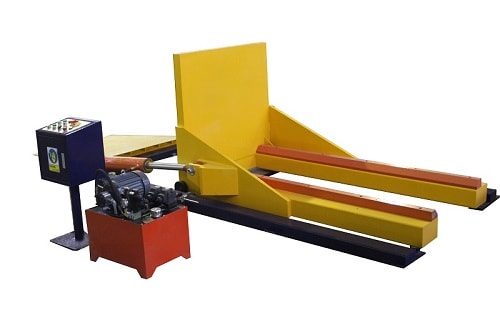
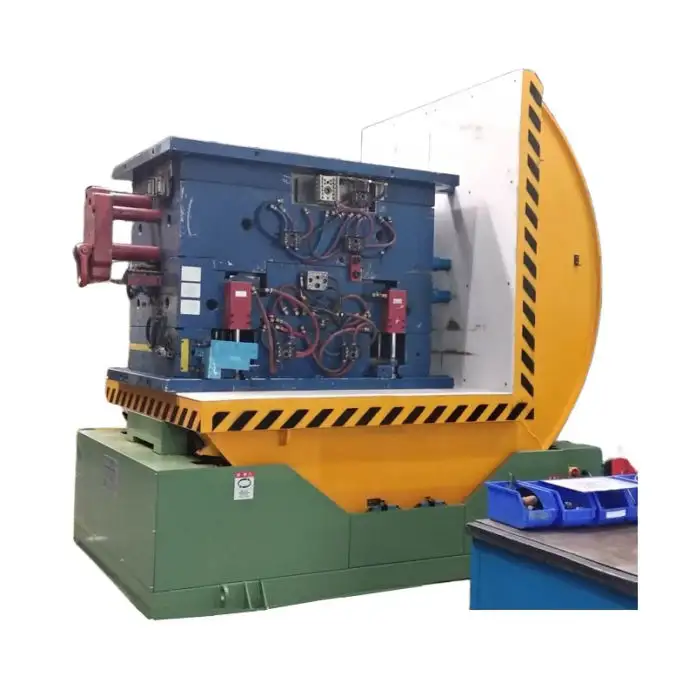
A mold upender is a specialized machine designed to safely rotate heavy molds and dies, transitioning them between horizontal and vertical positions. These machines enhance safety by eliminating manual lifting, improve productivity by streamlining workflow, and protect valuable molds from handling damage. Mold upenders are essential for industries requiring frequent and precise manipulation of heavy tooling.
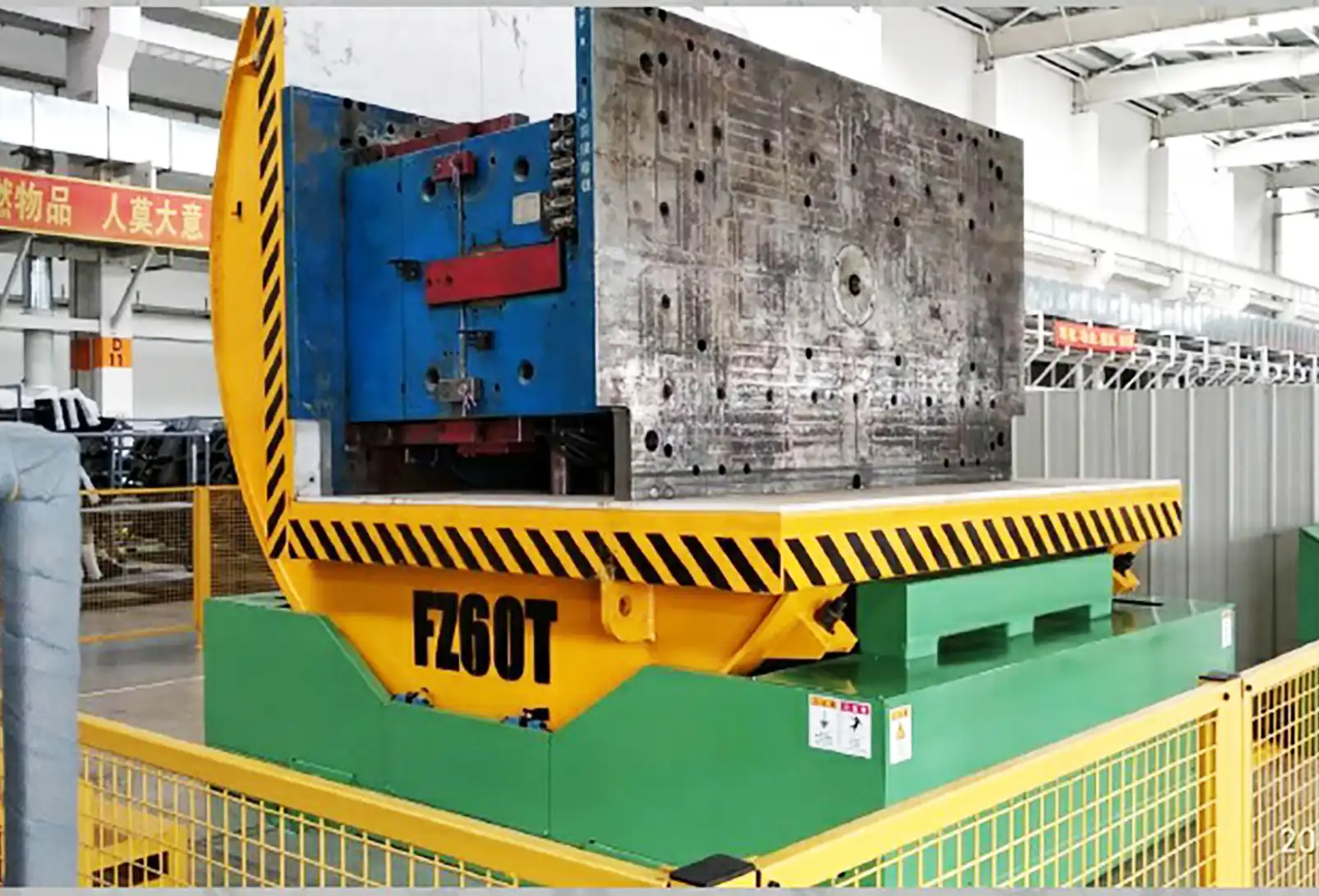
But what makes a mold upender tick? Let's dive deeper into the core components and operational differences to truly understand these essential machines.
Dive Deeper into the Basics of a Mold Upender
Understanding the mechanics and types of mold upenders is crucial for safe and effective operation. These machines, while robust, require careful handling and maintenance. Let’s break down the key aspects to give you a comprehensive understanding.
Core Components Explained
A mold upender isn't just a simple machine; it's a carefully engineered system composed of several critical parts working together:
- Frame: The backbone of the upender, providing stability and support for all other components and the load itself. Typically constructed from heavy gauge steel for maximum durability.
- Platform/Cradle: This is where the mold rests. Designs vary, including flat platforms, V-cradles for cylindrical molds, and custom fixtures. Crucially, it must securely hold the mold during rotation.
- Rotation Mechanism: The heart of the upender. This can be mechanical (chains, gears) or hydraulic (cylinders). The mechanism dictates the smoothness, power, and control of the rotation.
- Power Unit: Provides the energy for rotation. Electric motors drive mechanical systems, while hydraulic systems utilize pumps and fluid reservoirs.
- Control System: Allows operators to manage the upender's movements. Simple push-button pendants are common, while advanced systems feature programmable logic controllers (PLCs) for automated sequences.
- Safety Features: Non-negotiable elements like emergency stops, limit switches to prevent over-travel, safety guards to protect operators, and locking pins for safe maintenance.
Mechanical vs. Hydraulic: Key Differences
Choosing between mechanical and hydraulic upenders depends on your specific needs. Here's a breakdown to help you decide:
| Feature | Mechanical Upender | Hydraulic Upender |
|---|---|---|
| Drive System | Gears, chains, sprockets | Hydraulic cylinders, pumps, valves |
| Load Capacity | Medium to heavy loads | Very heavy loads, high capacity |
| Control | Less precise speed control, consistent rotation speed | Precise, adjustable speed and torque control |
| Maintenance | Simpler, easier to maintain | More complex, requires hydraulic system expertise |
| Cost | Lower initial cost | Higher initial cost, potentially higher running costs |
| Noise | Can be noisier due to mechanical components | Quieter, smoother operation |
For lighter to medium loads and simpler operations, mechanical upenders offer reliability and lower cost. For extremely heavy molds or applications requiring fine control and power, hydraulic systems are generally preferred. Understanding these core differences ensures you select the right tool for the job and operate it safely within its design parameters.
Why Is a Mold Upender Important?
Manual mold handling isn't just inefficient; it's a ticking time bomb for workplace injuries and damaged goods. Imagine eliminating those risks and boosting productivity simultaneously. Mold upenders aren't just convenient – they're essential for a modern, safe, and efficient manufacturing environment.
Mold upenders are vital for enhancing workplace safety by minimizing manual handling of heavy molds, increasing productivity through faster and more efficient mold rotation, and protecting valuable molds from damage during handling. Their importance spans safety, efficiency, product integrity, and space optimization, making them indispensable for industries dealing with heavy tooling.
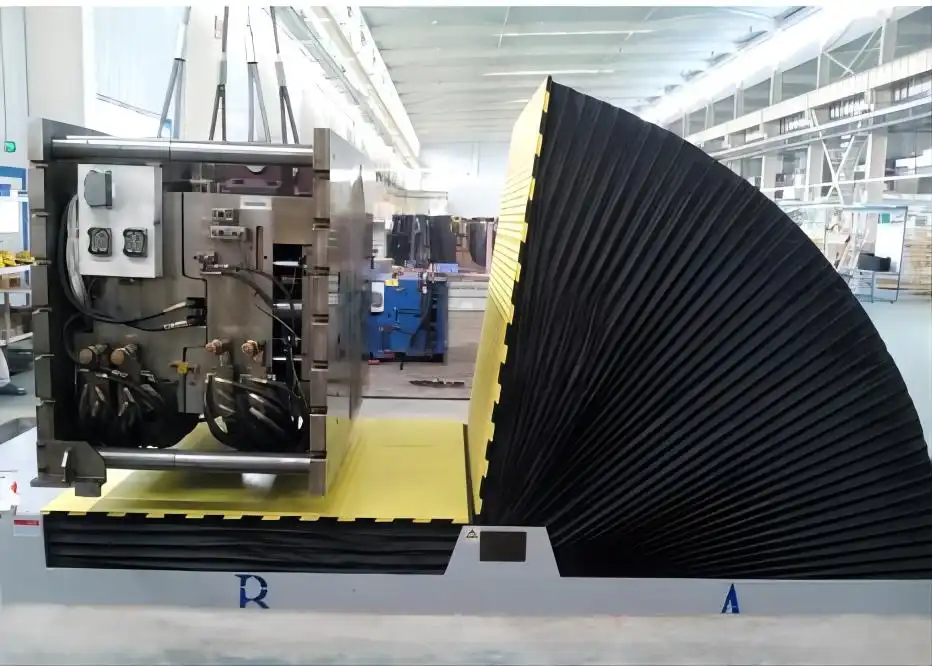
But how exactly do mold upenders deliver these critical benefits? Let's delve deeper into the significance of these machines and uncover their multifaceted advantages.
Dive Deeper into the Significance of Mold Upenders
The real value of mold upenders goes far beyond simple automation. They fundamentally reshape industrial operations, offering a cascade of benefits that impact safety, efficiency, and the bottom line. Let's unpack the key reasons why they are so important.
Enhanced Safety: A Paramount Concern
The most compelling reason for adopting mold upenders is the dramatic improvement in workplace safety. Manual mold flipping is fraught with hazards:
- Musculoskeletal Injuries: Back strains, sprains, and hernias are rampant from lifting and maneuvering heavy, awkward molds.
- Crushing Injuries: Dropped or mishandled molds can cause devastating injuries to hands, feet, and limbs.
- Impact Injuries: Uncontrolled swinging or shifting of molds can lead to serious impact injuries.
Mold upenders directly eliminate these risks by mechanizing the dangerous aspects of mold handling. Operators control the process from a safe distance, often with simple push-button controls, completely removing the direct physical interaction with the heavy load during rotation. This creates an inherently safer work environment and significantly reduces the potential for costly and disruptive accidents.
Increased Productivity and Efficiency: Streamlining Operations
Manual mold handling is notoriously slow and labor-intensive. It often requires teams of workers and significant time investment, especially for larger molds. Mold upenders revolutionize this, leading to substantial gains:
- Faster Cycle Times: Upenders rotate molds quickly and consistently, drastically reducing handling time per mold. This faster turnaround directly translates to increased throughput.
- Reduced Labor Costs: Automation reduces the need for large teams dedicated to mold flipping. Fewer personnel are needed for handling tasks, freeing up valuable labor resources for more skilled activities.
- Consistent Operation: Unlike variable manual efforts, upenders provide predictable and consistent rotation speeds, making production planning and scheduling far more reliable.
Product Protection and Damage Reduction: Safeguarding Assets
Molds are precision tools, and damage during handling can be incredibly costly. Even minor scratches, dents, or misalignments can compromise the quality of finished products and necessitate expensive repairs or replacements. Mold upenders offer superior protection:
- Controlled Movement: The smooth and controlled rotation minimizes sudden impacts and shocks that can damage delicate mold components.
- Secure Support: Upenders are designed to hold molds firmly throughout the rotation cycle, minimizing the risk of slips or drops.
- Reduced Handling: Less manual contact inherently means fewer opportunities for accidental damage. This is especially critical for high-precision or fragile molds.
Space Optimization and Flexibility: Adapting to Modern Needs
Industrial facilities often face space constraints. Mold upenders can contribute to better space utilization and offer enhanced operational flexibility:
- Vertical Storage Potential: By rotating molds to a vertical orientation, upenders facilitate vertical storage solutions. Vertical storage is significantly more space-efficient than horizontal layouts, maximizing floor space.
- Compact Footprint Options: Many upender models are designed with a relatively small footprint, making them adaptable to facilities with limited space. They can be integrated into existing layouts without requiring major overhauls.
- Operational Versatility: Mold upenders are versatile tools adaptable to various applications, from mold maintenance and repair to integration within production lines. They can handle a wide range of mold sizes and weights, providing flexibility for diverse operational demands.
Ease of Training and Operation: User-Friendly Technology
Despite their sophisticated function, modern mold upenders are designed for ease of use, simplifying training and integration into existing workflows:
- Intuitive Controls: Most upenders feature user-friendly control panels with clear, straightforward operation. Operators can quickly learn basic operation with minimal specialized training.
- Automated Features: Advanced models often incorporate automated functions like pre-set rotation angles and safety sensors, further simplifying operation and reducing the chance of human error.
- Reduced Physical Strain: Operators are relieved of the physically demanding task of manual mold flipping, making the job less strenuous and improving job satisfaction.
Long-Term Cost Savings: A Strategic Investment
While the initial investment in a mold upender is a capital expenditure, the long-term cost savings are substantial and multifaceted:
- Reduced Injury Costs: Fewer workplace injuries directly translate to lower medical expenses, reduced insurance premiums, and decreased lost time due to employee absences.
- Lower Repair Costs: By preventing mold damage, upenders significantly reduce the frequency and expense of mold repairs and replacements.
- Increased Throughput and Revenue: Enhanced productivity and faster cycle times mean more molds can be processed in less time, leading to increased overall throughput and greater revenue potential.
In conclusion, mold upenders are not merely optional equipment; they are essential investments for any industry dealing with heavy molds and dies. Their significance lies in their ability to drive safety, efficiency, quality, and long-term cost savings – making them an indispensable asset in modern manufacturing.
How Do I Choose the Right Mold Upender?
Selecting the right mold upender is a critical decision. Choosing the wrong machine can lead to operational bottlenecks, safety compromises, and wasted investment. How do you navigate the options and ensure you select the perfect upender for your specific needs?
Choosing the right mold upender involves assessing load capacity, mold dimensions, operational environment, and budget. Consider mechanical, hydraulic, and pneumatic options, prioritize safety features and ease of use, and evaluate long-term maintenance needs. Matching the upender to your specific requirements ensures optimal performance, safety, and return on investment for your mold handling operations.
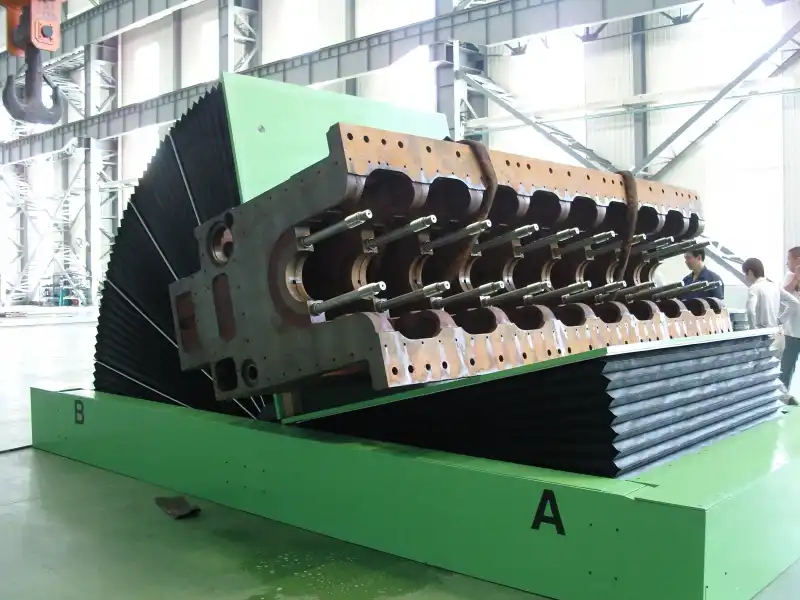
But with so many factors to consider, where do you even begin? Let's dive deeper into the key considerations for selecting the ideal mold upender for your specific application.
Dive Deeper into Selecting the Ideal Mold Upender
Choosing the correct mold upender is a detailed process that requires careful evaluation of your operational needs and the specific features of available models. A well-informed decision is the foundation for improved efficiency, enhanced safety, and long-term cost-effectiveness. Let’s explore the critical factors to consider:
1. Load Capacity and Mold Dimensions: Matching Machine to Mold
The most fundamental consideration is ensuring the upender can safely handle your molds:
- Weight Capacity: Accurately determine the maximum weight of the molds you will be handling. Always select an upender with a higher rated load capacity than your heaviest mold to provide a crucial safety margin and accommodate potential future needs.
- Mold Dimensions: Measure the length, width, and height of your largest molds. Verify that the upender’s platform or cradle is sufficiently sized to securely accommodate these dimensions. Adjustable platforms are highly beneficial if you handle a variety of mold sizes.
2. Upender Type: Mechanical, Hydraulic, or Pneumatic - Choosing the Right Drive
The type of drive system directly impacts performance, cost, and maintenance requirements:
| Feature | Mechanical Upender | Hydraulic Upender | Pneumatic Upender |
|---|---|---|---|
| Load Capacity | Medium to Heavy | Very Heavy | Light to Medium |
| Control | Less Precise Speed Control | Precise Speed and Torque Control | Limited Speed and Torque Control |
| Power Source | Electric Motor | Hydraulic Power Unit (Electric Motor & Pump) | Compressed Air |
| Maintenance | Simpler, Lower Cost | More Complex, Higher Cost | Relatively Simple, Lower Cost |
| Cost (Initial) | Lower | Higher | Moderate |
| Best Use Cases | Consistent Operations, Simpler Applications | Heavy Loads, Precise Control, High Power | Lighter Loads, Clean Environments, Intermittent Use |
- Mechanical Upenders: Best suited for medium to heavy loads. They offer robust and reliable operation with simpler maintenance. Often a more cost-effective solution for standard applications.
- Hydraulic Upenders: Ideal for very heavy loads and applications demanding precise control and high power. They offer adjustable speed and smooth rotation. However, they typically have higher initial and ongoing maintenance costs due to the complexity of hydraulic systems.
- Pneumatic Upenders: Best for lighter loads and environments where compressed air is readily available. They are often cleaner than hydraulic systems but may lack the power and control needed for heavier molds.
3. Operational Features and Controls: Enhancing Usability
Consider features that improve ease of use, efficiency, and safety:
- Control Systems: Choose between basic push-button pendants and advanced PLC-based systems. PLC controls offer greater automation, integration capabilities, and enhanced safety features like sensor feedback and programmable rotation sequences.
- Rotation Angle and Speed: Most upenders provide 90-degree rotation, but some offer adjustable angles for specialized applications. Variable speed control is valuable for handling delicate molds or when precise positioning is critical.
- Safety Features: Prioritize upenders equipped with comprehensive safety features: emergency stops, limit switches, safety guards, and maintenance locking devices. These are non-negotiable for operator safety and accident prevention.
4. Footprint and Space Requirements: Fitting Your Facility
Carefully assess your available floor space and overhead clearance:
- Compact Design: For facilities with limited space, look for upenders with a small footprint and minimal clearance requirements. Vertical lift models or those with in-place rotation can save valuable space.
- Installation Type: Determine if the upender needs to be bolted to the floor (fixed installation) or if portability is required. Fixed installations offer greater stability for heavy loads, while portable models provide flexibility for relocation within the facility.
5. Integration with Existing Systems: Workflow Compatibility
Think about how the upender will integrate into your current workflow and equipment:
- Conveyor Integration: If your facility utilizes conveyor systems, choose an upender designed for easy integration with conveyor lines for seamless automated mold transfer.
- Material Handling Equipment Compatibility: Ensure the upender is compatible with your existing overhead cranes, forklifts, or other lifting devices used for loading and unloading molds.
- Automation Capabilities: For automated production lines, select an upender with PLC controls and communication interfaces that can be readily integrated into your overall automation system.
6. Supplier Support and Maintenance: Long-Term Partnership
Consider long-term support, service, and maintenance:
- Supplier Reputation and Support: Choose a reputable supplier known for high-quality equipment and reliable after-sales support. Check for comprehensive warranties, readily available spare parts, responsive technical assistance, and maintenance service options.
- Maintenance Requirements: Evaluate the typical maintenance needs of different upender types. Mechanical models are generally simpler to maintain, while hydraulic and pneumatic models may require specialized expertise. Assess your in-house maintenance capabilities or the availability of qualified local service providers.
7. Cost and Total Cost of Ownership: Value Beyond Price
Balance initial purchase price with long-term operational costs:
- Initial Investment: Compare purchase prices of different models, considering features, capacity, and supplier reputation. Remember that the lowest initial price may not represent the best long-term value.
- Operational Costs: Factor in energy consumption, routine maintenance costs, spare parts expenses, and potential downtime. Hydraulic systems may have higher energy consumption and maintenance costs compared to mechanical alternatives.
- Return on Investment (ROI): Evaluate the potential ROI by considering productivity gains, labor savings, reduced injury rates, and damage prevention. A higher initial investment in a more efficient and reliable upender can often yield a better long-term ROI.
8. Future Scalability: Planning for Growth
Anticipate future needs and potential expansion:
- Scalability: If you foresee handling heavier or larger molds in the future, select an upender with capacity to spare. Modular designs or models with upgrade options can provide valuable scalability.
- Versatility: Choose an upender that can handle a broad range of mold sizes and types to accommodate potential changes in production requirements or product lines.
By carefully considering these factors and aligning them with your specific operational needs and long-term goals, you can confidently select the right mold upender. This strategic decision will enhance safety, boost efficiency, and provide lasting value for your industrial operations.
Step-by-Step Guide: How to Operate a Mold Upender
Operating a mold upender isn't just about pushing buttons; it's about following a structured, safe procedure. Skipping steps or taking shortcuts can lead to accidents and equipment damage. What's the correct way to operate these powerful machines?
Operating a mold upender safely involves pre-operation checks, secure mold loading, controlled rotation, and safe unloading procedures. Operators must perform visual inspections, load molds centrally and securely, use controls smoothly, and ensure the area is clear during operation. Following a step-by-step guide and adhering to safety protocols are crucial for preventing accidents and maximizing efficiency.

Let's break down the essential steps for operating a mold upender safely and effectively, ensuring both operator well-being and optimal mold handling.
Detailed Steps for Operating a Mold Upender
Safe and effective mold upender operation hinges on a structured approach. Here’s a detailed, step-by-step guide to ensure both operator safety and efficient mold handling:
1. Pre-Operation Checks: Ensuring Readiness
Before each operation, a thorough check is paramount to confirm the upender is in safe working condition:
-
Visual Inspection:
- Carefully examine the frame, platform, hydraulic cylinders (if applicable), and control panel for any signs of damage, cracks, or wear.
- Verify that all safety guards, covers, and safety labels are correctly in place and securely fastened.
- If it’s a hydraulic unit, inspect hydraulic hoses and fittings for leaks, wear, or damage.
- Check electrical cables and connections for damage – ensure they are intact and not frayed or exposed.
-
Functional Checks:
- Test the emergency stop button to ensure it immediately and reliably halts all upender operation.
- Run the upender through a complete dry cycle (without a mold loaded) to check for smooth rotation and proper functioning of limit switches at the rotation extremes.
- Verify that all controls (UP/DOWN buttons, speed controls if equipped) are responsive, function correctly, and return to neutral when released.
-
Maintenance Log Review:
- Review the maintenance logbook to confirm that scheduled maintenance has been performed according to the manufacturer's recommendations and that there are no outstanding reported issues.
- Confirm that daily operator checks from previous shifts have been completed and any noted issues have been addressed.
2. Loading the Mold: Secure and Centered Placement
Proper mold loading is critical for balanced and safe rotation:
-
Positioning the Upender:
- Ensure the upender is positioned on a level, stable, and appropriately load-bearing surface. For fixed installations, double-check that anchor bolts are securely tightened.
- Thoroughly clear the entire area around the upender of any obstructions, unnecessary personnel, and extraneous equipment. Establish a clear safety zone around the operational area.
-
Mold Placement:
- Use only appropriately rated and inspected lifting equipment (overhead crane, forklift with proper attachments) to carefully lift the mold.
- Slowly and gently lower the mold onto the upender platform or cradle.
- Position the mold as centrally as possible on the platform to ensure balanced weight distribution during rotation. Uneven loading can create instability and hazards.
-
Securing the Mold:
- Utilize the upender’s mold securing mechanisms (clamps, straps, chains, V-saddles, or custom fixtures) to firmly and securely hold the mold in place.
- Carefully adjust clamps or tighten straps to precisely fit the mold’s shape and size, ensuring a snug and secure fit that prevents any shifting or movement during rotation.
- Double-check and triple-check that the mold is completely stable and will not shift, slip, or become dislodged at any point during the rotation cycle.
3. Initiating and Monitoring Rotation: Controlled Movement
With the mold loaded and secured, proceed with the rotation process with vigilance:
-
Control Panel Operation:
- Visually confirm that the area surrounding the upender is completely clear of all personnel and obstructions.
- Activate the upender using the designated control panel. For ‘dead-man’ controls, firmly hold the ‘UP’ button to initiate upward rotation or the ‘DOWN’ button for downward rotation. For maintained operation, press and release the button.
- Closely monitor the entire rotation process, continuously observing for smooth and controlled movement. Be alert for any signs of jerky motion, instability, or unusual sounds.
- Listen attentively for any unusual noises, vibrations, or jerky motions which may indicate a mechanical or hydraulic problem. If anything sounds or feels amiss, immediately stop operation and investigate.
-
Stopping Rotation:
- For dead-man controls, carefully release the button precisely when the mold reaches the desired orientation (typically vertical or horizontal 90-degree position). Avoid overshooting the target position.
- For maintained operation, the upender should automatically stop precisely at the pre-set limit switch position. Be prepared to use the ‘STOP’ button if you need to halt rotation at an intermediate position for any reason.
- Ensure the rotation stops smoothly without any abrupt jolts, sudden stops, or bouncing.
-
Verifying Orientation:
- Visually confirm that the mold has reached the intended 90-degree orientation (or other desired angle) and is securely held in the new position.
- Check that limit switches have properly engaged to prevent any possibility of over-rotation or continued movement beyond the intended stop points.
4. Unloading the Mold: Safe Removal
Safe mold unloading is the final critical step:
-
Securing in New Orientation (If Applicable):
- If the mold needs to remain in the new orientation for subsequent processing (e.g., maintenance, fitting components), ensure it is properly supported and secured in this position before releasing the upender’s clamps. Use additional supports or fixtures if necessary to ensure stability while detached from the upender.
-
Releasing Securing Mechanisms:
- Carefully and deliberately release the clamps, straps, or other securing mechanisms used to hold the mold on the upender platform.
- Ensure that the mold remains stable and properly supported before fully releasing all securing devices.
-
Lifting and Removing the Mold:
- Utilize appropriately rated lifting equipment to carefully lift the mold directly from the upender platform in its new orientation.
- Ensure the lifting equipment is correctly attached to designated mold lifting points and that the load is properly balanced before initiating the lift.
- Slowly and smoothly lift the mold vertically, avoiding any sudden, jerky movements that could cause the mold to swing, become unstable, or collide with surrounding objects.
- Carefully transport the mold to its next destination – whether it’s a storage area, maintenance station, or a production line – moving slowly and deliberately, maintaining a safe clearance from personnel and equipment.
5. Post-Operation Procedures: Shutdown and Cleanup
After completing the mold upending operation, proper post-operation steps are crucial:
-
Return Upender to Starting Position:
- If required for the next operation or for storage, use the controls to smoothly return the upender platform to its initial horizontal or vertical starting position.
-
Shutdown and Secure:
- Turn off the main power supply to the upender unit at the designated disconnect switch or control panel.
- Engage any maintenance locking devices, safety pins, or wheel chocks (for portable units) to physically secure the upender in a safe, non-operational position when not in active use.
-
Clean Up:
- Clear away any debris, spilled fluids (especially hydraulic fluid), or dropped objects from around the upender and the immediate work area.
- Ensure the entire work area is left clean, organized, and safe for the next operation or shift.
-
Report Issues:
- Carefully record any issues, unusual observations, or identified maintenance needs in the operator’s logbook or designated reporting system.
- Immediately report any malfunctions, damage, or safety concerns to designated maintenance personnel or supervisors for prompt investigation and repair.
By diligently following these detailed step-by-step instructions and strictly adhering to all safety guidelines, operators can effectively and safely utilize a mold upender, maximizing its benefits while minimizing potential risks. Regular, comprehensive training and consistent adherence to these procedures are absolutely essential for maintaining a safe and productive working environment around mold upender operations.
Conclusion
Mastering mold upender operation is key to modern manufacturing safety and efficiency. From understanding the machinery to following strict operational guidelines, every step contributes to a safer, more productive workplace. Embrace safety protocols and unlock the full potential of your mold upender, ensuring smooth, secure, and efficient [safety] in your mold handling processes.