Are your steel coils arriving damaged or shifting during transit? Incorrect strap tension on your packing line could be the culprit, leading to costly product losses and safety hazards. Failing to master this critical adjustment point compromises load integrity, undermines efficiency, and puts your valuable products at unnecessary risk.
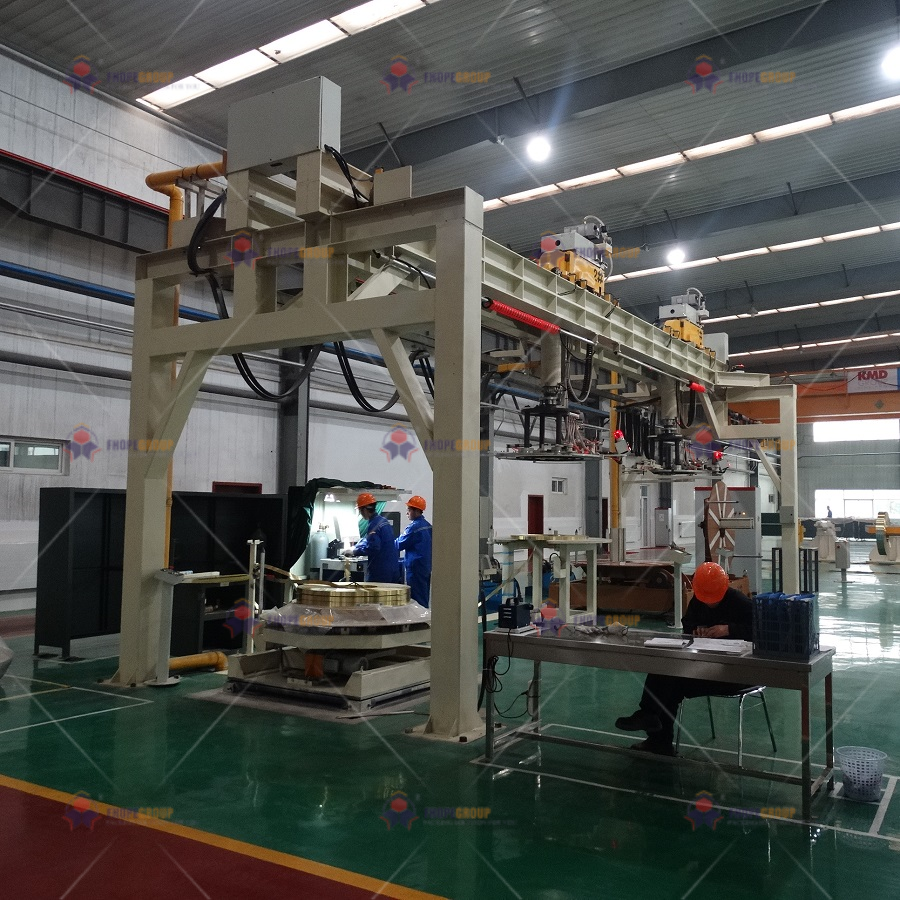
Mastering strap tension adjustment involves understanding the specific requirements of your coil (weight, size, material) and the capabilities of your strapping equipment. It typically requires calibrating the tensioner—whether manual, pneumatic, or electric—using dials, regulators, or PLC controls to apply the optimal force. Regular checks and adherence to specified tension settings are crucial for consistent, secure packaging and successful packing line operation, preventing both damage from overtightening and instability from loose straps.
Getting strap tension right is more than just a final step; it's fundamental to protecting your product, ensuring safety, and maintaining operational efficiency. This guide will delve into the nuances of strap adjustment, providing the knowledge needed to optimize your steel coil packing line for peak performance and reliability. Read on to transform your strapping process from a potential problem area into a cornerstone of quality control.
Understanding Strap Tension and Its Crucial Role
Is inconsistent strapping leading to damaged steel coils or load failures? The hidden costs of improper tension—ranging from product write-offs to logistical nightmares—can significantly impact your bottom line. Ignoring the science behind strap tension means gambling with product integrity and operational safety. Understanding its importance is the first step towards flawless packing.
Proper strap tension is paramount in steel coil packaging for several critical reasons. It ensures load stability, preventing coils from shifting, telescoping, or unwinding during handling, storage, and transportation. Correct tension secures the coil tightly without causing damage, such as edge deformation or surface marking, which can occur if straps are too tight. Conversely, loose straps fail to contain the coil's stored energy, increasing the risk of sudden unwinding or collapse, posing significant safety hazards. Optimal tension settings also contribute to efficient material usage, preventing waste associated with reapplying straps or dealing with damaged goods. It's a delicate balance crucial for product protection, safety compliance, and overall supply chain integrity in any packing line operation.
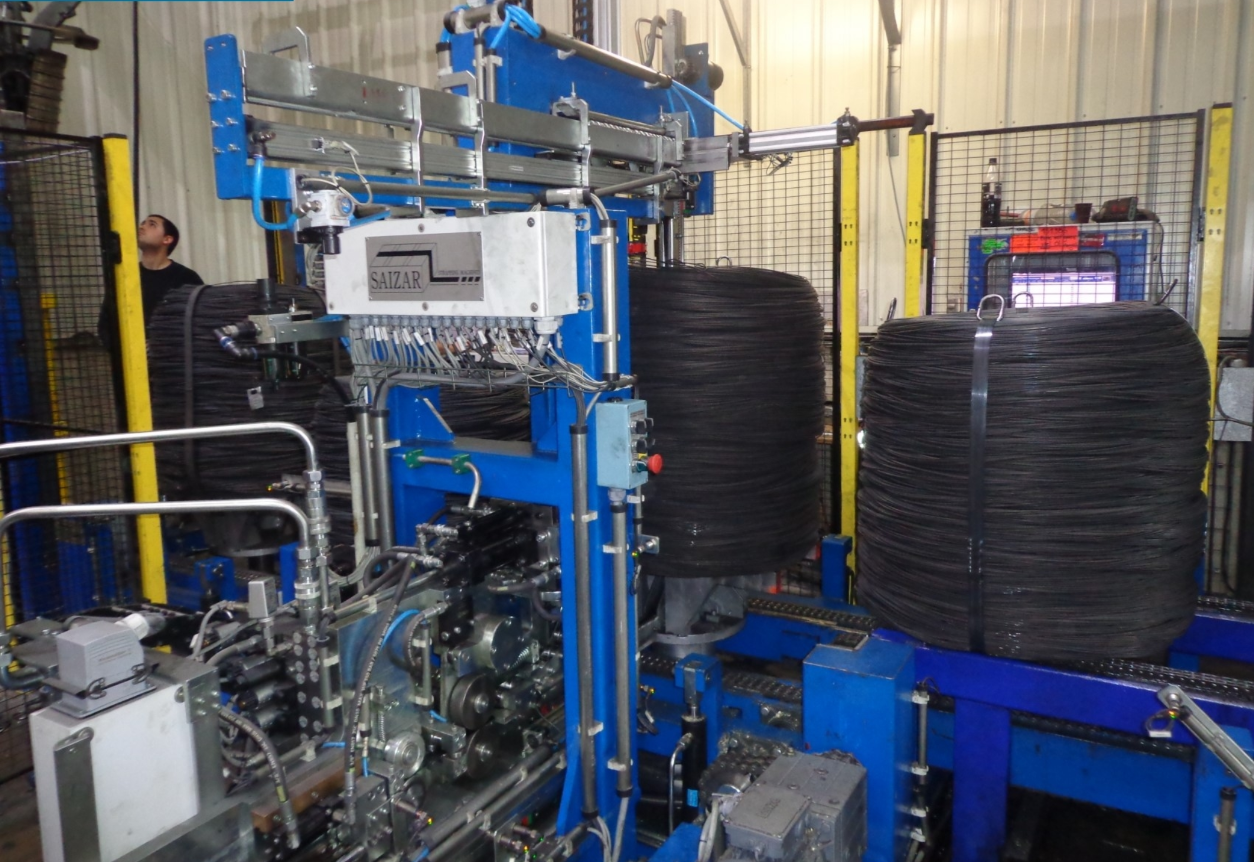
Dive Deeper: The Physics and Finance of Strap Tension
Understanding why tension matters requires looking at both the physical forces at play and the economic consequences of getting it wrong. Steel coils, especially large ones, store considerable potential energy due to their wound nature. Strapping contains this energy and maintains the coil's shape.
Factors Influencing Optimal Tension Settings
The ideal tension isn't a one-size-fits-all number. Several factors must be considered:
-
Coil Specifications:
- Weight & Diameter: Heavier, larger coils naturally require higher tension to remain stable.
- Width: Narrower slit coils might be prone to tipping or telescoping if not adequately secured.
- Material Type: Steel properties (e.g., hardness, yield strength) influence how much tension can be applied without causing damage. Stainless steel might react differently than galvanized or cold-rolled steel.
- Coil Eye Orientation: Whether the coil is eye-to-the-sky or eye-horizontal can affect strapping strategy and tension needs.
-
Strap Specifications:
- Material: Steel strapping offers high tensile strength but less elongation compared to PET (polyester) strapping. The choice impacts the required initial tension and retained tension over time.
- Width & Thickness: Stronger straps can handle higher tension but must be appropriate for the coil to avoid edge damage.
- Surface: Smooth vs. embossed straps offer different friction characteristics.
-
Packaging & Handling Context:
- Number of Straps: More straps distribute the load, potentially allowing slightly lower tension per strap.
- Transportation Method: Long-haul truck or rail transport involves more vibration and shock than short transfers, demanding higher retained tension.
- Storage Duration: Tension can relax over time, especially with PET straps; initial tension might need to account for this.
Quantifying the Consequences of Improper Tension
Visualizing the impact helps reinforce the need for precision.
| Tension Issue | Physical Consequence | Financial / Operational Impact | Safety Hazard |
|---|---|---|---|
| Too Loose | Coil shifting, telescoping, unwinding, strap slippage | Product damage, rework costs, customer complaints, shipping delays | Load instability, falling |
| Too Tight | Coil edge damage, deformation, surface marking, strap break | Product rejection, material waste, equipment strain, downtime | Strap snapping under load |
| Inconsistent | Uneven load distribution, localized stress points | Unpredictable failures, difficult quality control, process variability | Hidden failure points |
Mastering tension involves balancing these factors. Automated systems with PLCs and sensors offer greater precision, allowing for real-time adjustments based on coil parameters, reducing the variability inherent in manual strap adjustment. For instance, an automated steel coil packing line can integrate weighing systems and coil dimension sensors to automatically determine and apply the correct strapping tension, significantly improving consistency and reducing reliance on operator judgment alone. This level of control is vital for high-volume operations handling diverse coil types, ensuring each package meets stringent quality and safety standards.
The Mechanics of Strap Tensioners Explained
Ever wondered how that strapping tool pulls bands incredibly tight around heavy steel coils? The mechanism seems simple, but precise engineering is required for consistent results. Understanding the inner workings of tensioners demystifies the process and empowers operators to use and adjust them effectively for optimal packing line operation.
Strap tensioners function by gripping the leading end of the strap and mechanically pulling the trailing end to remove slack and apply force against the coil. This is typically achieved using a feedwheel that grips the strap and rotates, driven by pneumatic pressure, an electric motor, or manual leverage. Once the desired tension level is reached (often preset or controlled by the operator), the tensioner holds the strap taut while a separate mechanism seals or cuts it.
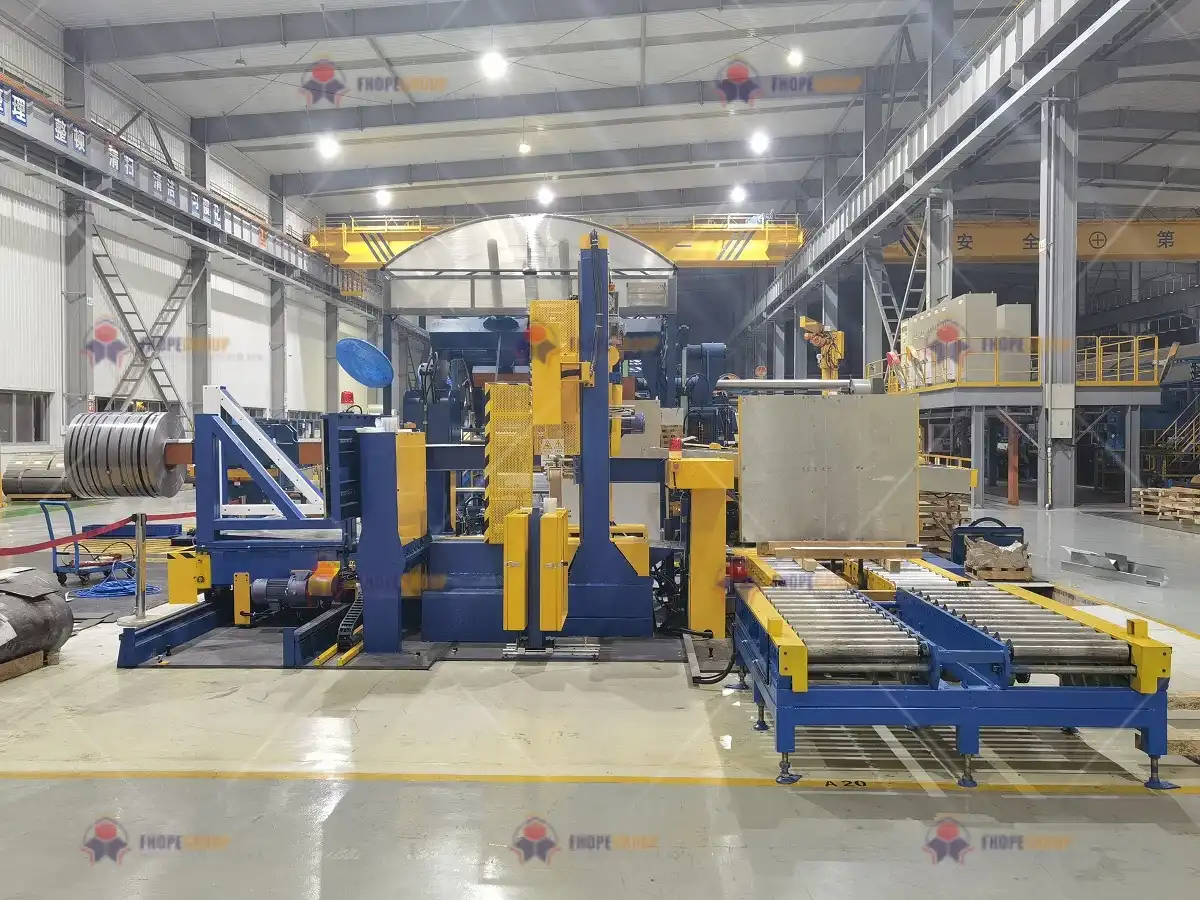
Dive Deeper: Inside the Tensioning Toolkit
While the core principle is pulling the strap tight, different types of tensioners achieve this through various mechanisms, each suited to different applications and levels of automation found in a modern packing line operation.
Types of Strap Tensioners
-
Manual Tensioners: These are hand-operated tools, often used for lower volume applications or as backups. They typically employ a ratchet mechanism or a windlass (crank) system. The operator manually applies force until the strap feels sufficiently tight. Consistency relies heavily on operator experience and strength. They are simple and portable but lack precision and speed.
-
Pneumatic Tensioners: Powered by compressed air, these tools are common in industrial settings. Air pressure drives a motor connected to the feedwheel, providing consistent and controllable tension. The tension level is usually adjusted via an air pressure regulator. They offer good speed and power but require an air supply. Encore Packaging, mentioned in the reference material, offers such tools.
-
Electric (Battery-Powered) Tensioners: Offering portability without air hoses, these tools use rechargeable batteries to power an electric motor. Tension is often electronically controlled and adjustable via buttons or a digital interface, allowing for precise and repeatable settings. They are versatile and increasingly popular for their ease of use and accuracy.
-
Integrated Tensioning Heads (in Automatic Lines): In fully automated systems like those described by SHJLPack or JLPACK, the tensioning function is part of a larger strapping head. These are typically electrically or hydraulically driven and controlled by the line's PLC. Tension settings are programmed parameters, often adjusted automatically based on the specific coil recipe being processed. They offer the highest speed, consistency, and integration capabilities.
Key Components and Their Function
Regardless of the type, most tensioners share common functional parts:
- Gripper: Holds the fixed (bottom) end of the strap securely in place.
- Feedwheel/Windlass: The powered component that engages with the top strap and pulls it to apply tension. Its surface is often hardened or serrated for grip.
- Tensioning Motor/Mechanism: The power source (air motor, electric motor, manual lever) that drives the feedwheel.
- Adjustment Control: The interface for setting the desired tension level (e.g., pressure regulator, digital display, PLC input).
- Cutter (often integrated or in a companion tool): Mechanism to cut the strap once tensioned and sealed.
- Sealer (often integrated or in a companion tool): Joins the strap ends, typically through friction welding (for PET) or crimping a metal seal (for steel).
Understanding these components helps operators troubleshoot issues like strap slippage (worn feedwheel or gripper), inconsistent tension (fluctuating air pressure or battery power), or failure to reach tension (malfunctioning motor or control). Regular maintenance, proper training, and using the right tool for the specific strap type and application are crucial for leveraging the full potential of these devices in maintaining efficient and reliable packing line operation.
A Practical Guide to Adjusting Strap Tension
Struggling to get consistent strap tension on your coils? Incorrect adjustments can lead to damaged products or unsafe loads. Avoid the trial-and-error approach and learn the systematic way to set tension correctly, ensuring every coil is secured perfectly according to its specific needs and your packing line operation standards.
Adjusting strap tension typically involves identifying the tension control mechanism on your specific tool (e.g., regulator knob, digital setting), consulting the required tension specifications for the coil and strap type, making incremental adjustments, and then testing the tension on a sample strap or coil. Verification often involves checking strap tightness by hand or using a tension gauge, ensuring it meets requirements without over-compressing the coil.
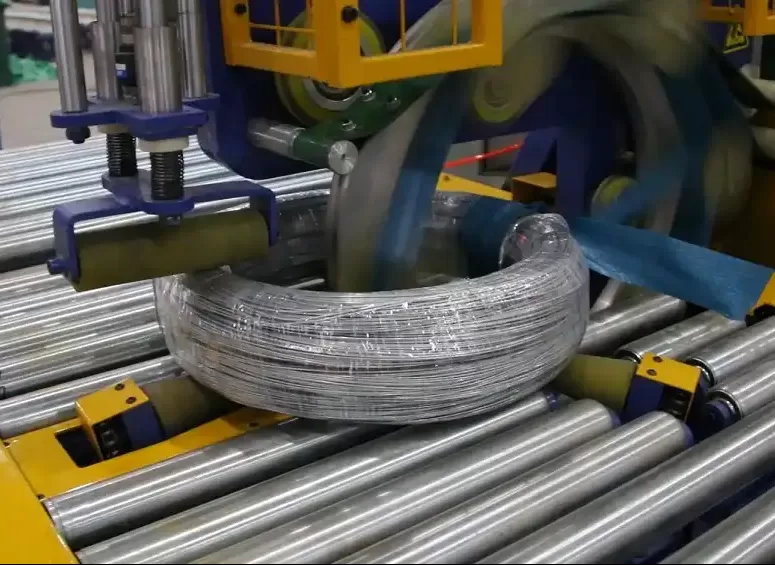
Dive Deeper: Precision in Practice - Setting and Verifying Tension
Achieving the right tension requires a methodical approach, moving beyond guesswork to ensure repeatable, reliable results. This involves preparation, careful adjustment, and thorough verification.
Pre-Adjustment Checklist
Before touching any settings, ensure the groundwork is solid:
- Know Your Specs: Consult the packaging specifications for the specific steel coil type. This should dictate the required tension range, strap type (steel/PET), strap dimensions, and number of straps.
- Inspect the Tool: Check the tensioner for visible damage, wear (especially on the feedwheel and gripper), and ensure it's clean. For pneumatic tools, verify the air pressure supply is stable and correct. For battery tools, ensure the battery is adequately charged.
- Verify Strap Loading: Ensure the strap is loaded correctly into the tensioner and sealer/cutter according to the manufacturer's instructions. Incorrect loading is a common cause of failure.
- Safety First: Wear appropriate PPE, including safety glasses and gloves. Be aware of pinch points and the potential energy stored in a tensioned strap.
The Adjustment Procedure: A Structured Approach
The exact steps vary by tool, but the principles remain the same.
| Step | Action | Detail / Considerations | Tool Type Example |
|---|---|---|---|
| 1 | Locate Tension Control | Identify the knob, dial, button, or software setting used to adjust tension force. | Pneumatic: Air regulator; Electric: +/- buttons |
| 2 | Set Initial (or Baseline) Value | Start with the recommended setting from specs or a known good value. If unsure, start low. | PLC: Enter value in HMI |
| 3 | Apply Strap & Tension | Place the strap around the coil (or a test jig), insert into the tool, and activate the tensioning cycle. | All types |
| 4 | Observe & Measure | Watch the tensioning process. If possible, use a strap tension meter (tensiometer) placed under the strap before tensioning. | All types |
| 5 | Compare to Target | Does the achieved tension (measured or judged) match the required specification? Is the coil secure without damage? | All types |
| 6 | Adjust Incrementally | If tension is too low, increase the setting slightly. If too high, decrease slightly. Make small changes. | All types |
| 7 | Repeat Steps 3-6 | Re-test after each adjustment until the desired tension is consistently achieved. | All types |
| 8 | Lock/Record Setting | Once correct, lock the setting if possible (e.g., on regulators) or record the digital/PLC value for future reference. | All types |
Troubleshooting Common Strap Adjustment Issues
- Inconsistent Tension: Check for fluctuating air pressure, low battery, worn feedwheel/gripper, incorrect strap loading, or obstructions in the tool.
- Strap Breaks During Tensioning: Tension set too high, sharp edges on the coil, poor quality strap, or wrong strap type for the tool/application.
- Strap Slips (Doesn't Tension): Worn feedwheel/gripper, incorrect strap size for the tool, oily/greasy strap, tension set too low, or improper tool operation.
- Coil Damage: Tension set too high, insufficient edge protection used on the coil, incorrect strap placement.
Regular calibration checks, operator training, and diligent adherence to procedures are key to mastering strap adjustment. Integrating these practices ensures the strapping station functions reliably as part of the overall steel coil packing line, contributing significantly to product quality and safety.
Integrating Tension Adjustment into Packing Line Operations
How does fine-tuning strap tension fit within the complex choreography of a fully automated steel coil packing line? It's not just an isolated task but a critical parameter managed within the system's logic. Effective integration ensures consistency, speed, and reliability, transforming strap adjustment from a manual variable into a controlled process step.
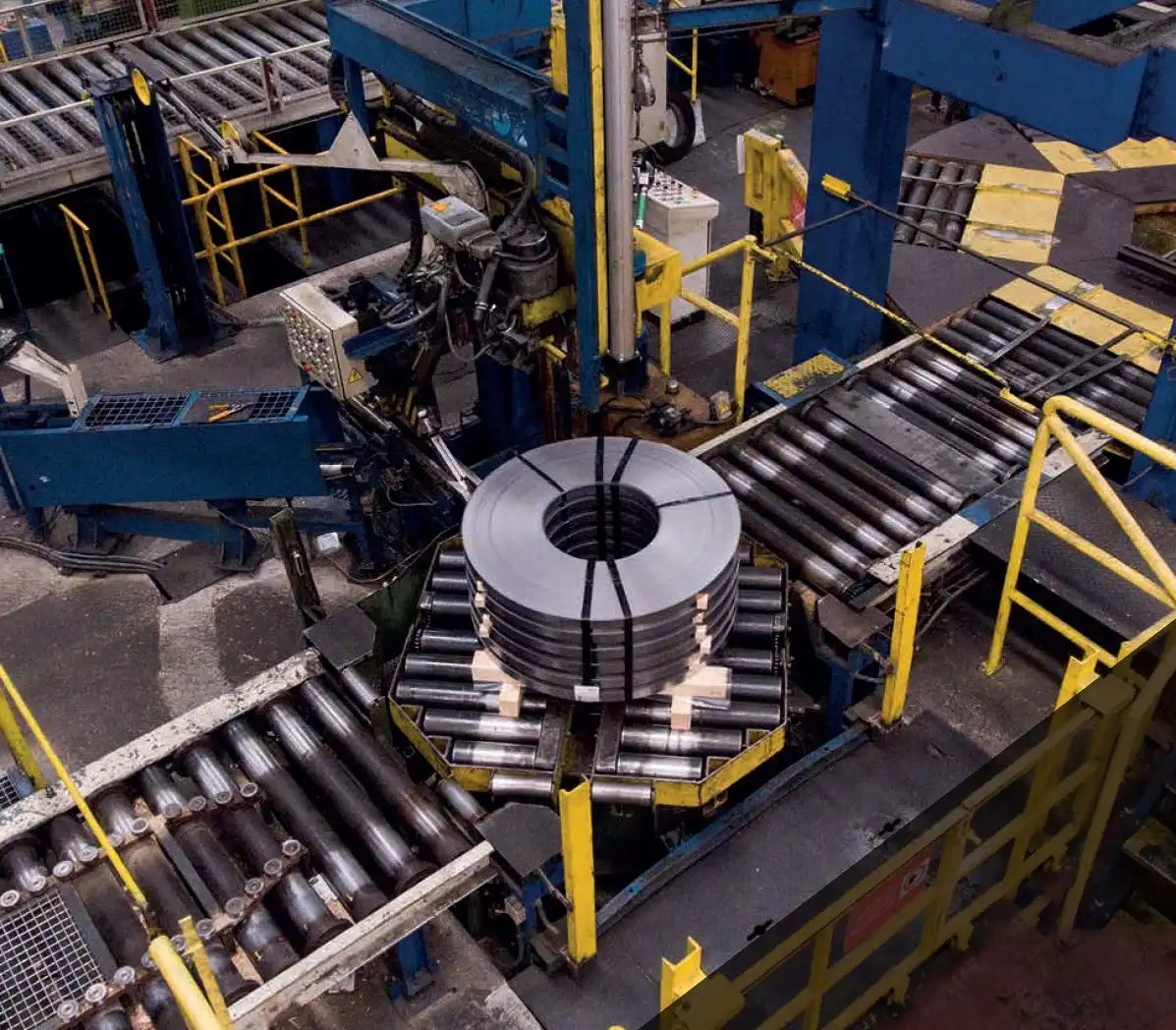
Integrating strap tension adjustment into the broader packing line involves leveraging automation, control systems, and data feedback for optimal performance. In automated lines, like those handling steel, copper, or aluminum coils, the Programmable Logic Controller (PLC) often manages tension settings based on pre-defined recipes for different coil types. Sensors can monitor strap placement and potentially even verify applied tension, triggering alerts or adjustments if deviations occur. Properly integrating strap tension adjustments into the automated workflow is crucial. It ensures consistency across shifts, minimizes errors, optimizes material usage, and directly contributes to overall line efficiency and product protection during subsequent coil handling and transport. Maintenance schedules must include regular checks and calibration of the tensioning mechanisms within the strapping heads. Furthermore, operator training needs to cover not just manual overrides or basic troubleshooting, but also understanding how tension settings interact with other line parameters (e.g., conveyor speed, wrapping cycles) managed by the PLC. This holistic view ensures the strapping station performs reliably and efficiently as part of the seamless flow from slitting or production through to final packaging and stacking, ultimately reducing operating costs and improving safety by minimizing manual interventions. Effective tension management is a cornerstone of achieving the high throughput and quality demanded in modern coil processing environments.
Conclusion
Mastering strap tension is fundamental to the integrity and safety of your steel coil packing line operation. It bridges the gap between efficient production and secure logistics, ensuring products reach their destination undamaged. Precise Bundling straps tension prevents costly issues like coil damage, load shifting, and safety hazards. By understanding the mechanics of tensioners, implementing correct adjustment procedures, and integrating these practices into the automated workflow using PLC control and sensor feedback, manufacturers can significantly enhance reliability, reduce waste, and protect their valuable assets. Consistent, accurate strap tension isn't just a detail—it's a critical quality control point underpinning the entire packaging process.