Tired of coil packaging bottlenecks slowing production and hiking costs? Imagine a seamless process where steel coils, regardless of size, are perfectly packaged, ready for shipment without damage or delay. Unlocking this efficiency hinges on selecting the right steel coil packing line, specifically tailored to your coil dimensions.

To select the right steel coil packing line model based on coil dimensions, meticulously analyze your coil size range (width, inner/outer diameter) and maximum weight. Ensure the chosen model comfortably accommodates your largest and heaviest coils while considering automation level, production rate, space constraints, and future scalability. This alignment optimizes throughput, minimizes waste, and prevents costly operational issues.
Choosing incorrectly leads to inefficiency, product damage, and higher costs. Let’s explore the essential dimensional factors to guide your decision, ensuring your coil packing process becomes a streamlined, cost-effective asset, not a liability.
Decoding Steel Coil Dimensions and Weight Capacity for Optimal Model Selection
Is your current coil packing setup struggling with diverse coil sizes and weights, causing bottlenecks and risking damage? Mismatched machinery and inadequate weight capacity are common culprits, leading to downtime and compromised product integrity. Understanding your coil dimensions and weight is foundational to selecting the right packing line.
Selecting the optimal coil packing line model critically depends on matching its specifications to your coil dimensions (inner diameter, outer diameter, width) and maximum weight capacity. Accurately assess your current range and anticipate future needs, including potential increases in coil size or weight due to market shifts or product diversification. Ensure the machine's handling mechanisms (mandrels, conveyors) are compatible with your coil ID and the wrapping/strapping stations accommodate your full width range. The line's structural integrity and drive systems must safely support your heaviest coils to prevent equipment failure, ensure operator safety, and guarantee long-term operational reliability and efficiency.
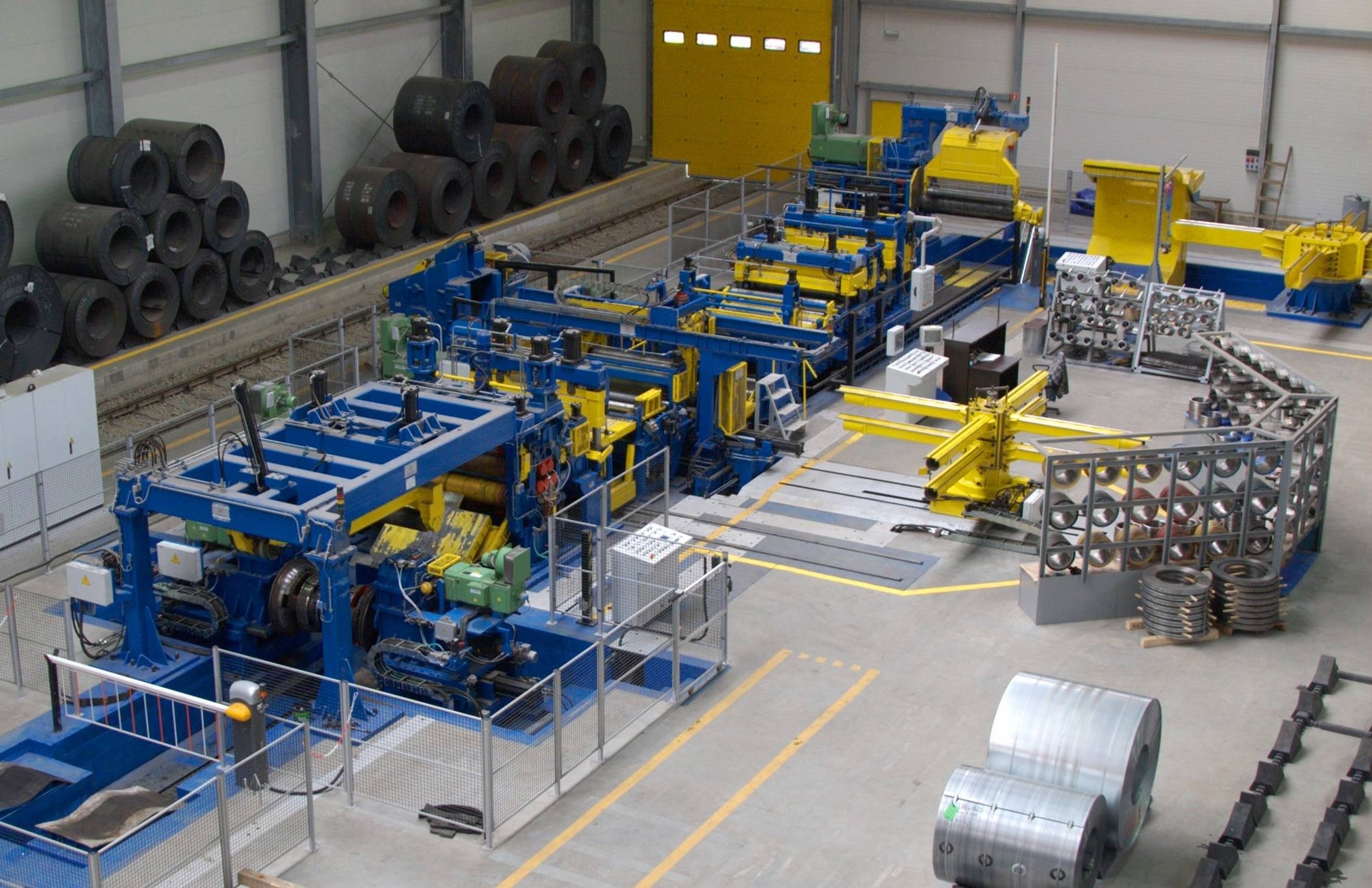
Dive Deeper: Assessing Coil Dimensions and Weight for Peak Performance
Selecting a coil packing line extends far beyond merely finding a machine that "fits" your coils; it's about optimizing your entire production workflow and safeguarding your investment. A meticulous analysis of coil dimensions and weight capacity uncovers crucial factors influencing efficiency, safety, and long-term return on investment (ROI). Let's dissect the key aspects:
The Critical Impact of Mismatched Dimensions and Weight
Operating a coil packing line with parameters misaligned with your actual coil dimensions and weights is fundamentally flawed and invites operational chaos. It's not just inefficient; it can be detrimental to your equipment, product, and personnel. Here’s a breakdown of the consequences:
- Operational Inefficiencies: If coil width exceeds the machine's specified maximum, feeding, wrapping, and strapping become cumbersome, potentially impossible without manual intervention, drastically slowing production. Conversely, using a machine designed for significantly larger or heavier coils than typically processed leads to wasted energy, excessive footprint usage, potentially less precise packaging for smaller items, and higher initial investment than necessary.
- Equipment Strain and Premature Failure: Consistently overloading a machine beyond its designated weight capacity is a direct path to mechanical failure. It imposes undue stress on critical components like bearings, drive motors, lifting mechanisms, and structural frames. This leads to accelerated wear, frequent breakdowns, costly emergency repairs, and significantly shortened equipment lifespan. In extreme scenarios, catastrophic failure can occur, posing severe safety risks to operators.
- Compromised Packaging Quality and Product Damage: Incorrect dimensional handling can result in inadequate or improper packaging. If the wrapping or strapping mechanisms aren't suited for the coil's specific OD/ID/Width, the package might be too loose, offering insufficient protection against handling impacts, moisture ingress, or contaminants during transit and storage. This increases the risk of scratches, dents, corrosion (especially if moisture protection is compromised), leading to customer complaints, costly returns, and reputational damage.
- Increased Downtime and Reduced Throughput: Dealing with coils that don't perfectly fit the line's design parameters often requires frequent manual adjustments, troubleshooting machine jams, or modifying packing cycles on the fly. These interruptions translate directly into significant non-productive downtime, slashing overall throughput and jeopardizing production targets and delivery schedules.
Systematically Calculating Your Weight Capacity Requirements
Precisely determining the required weight capacity involves more than looking at average coil weights. A forward-thinking, data-driven approach is essential:
- Analyze Your Complete Product Spectrum: Compile a comprehensive inventory of all steel coil types currently processed or planned for the near future. Meticulously document the dimensions (ID, OD, width) and corresponding weights for each type.
- Identify the Absolute Maximum Coil Weight: Determine the heaviest single coil your facility handles or anticipates handling. Crucially, don't just use the current maximum; project potential increases due to expansion into heavier gauge materials, acquiring new product lines, shifts in customer specifications, or sourcing from different suppliers.
- Incorporate a Safety Margin & Future Scalability: It is industry best practice to select a packing line with a weight capacity that exceeds your calculated maximum by a reasonable safety margin (e.g., 10-20%). This accounts for unexpected variations and provides a buffer. Furthermore, if significant business growth or diversification into heavier products is anticipated within the equipment's expected lifespan, choose a capacity that accommodates this projected future state. This "future-proofing" prevents premature obsolescence and avoids costly upgrades or replacements later.
- Account for Material Density Variations: Recognize that different steel grades (e.g., stainless steel vs. carbon steel vs. galvanized) possess distinct densities. A coil of identical dimensions but made from a denser material will be heavier. Ensure your weight calculations use the correct density values for the specific materials you process to avoid underestimating the true maximum load.
- Consult with Equipment Manufacturers and Experts: Engage directly with reputable coil packing line manufacturers and experienced systems integrators. Provide them with your detailed coil specification data (current and future projections) and your comprehensive production requirements (throughput, automation level, etc.). Their specialized expertise is invaluable in validating your calculations and recommending the optimal weight capacity and machine configuration tailored precisely to your operational context.
Essential Dimensional Compatibility Checks
To guarantee seamless integration and efficient operation, rigorously verify these dimensional compatibility points when evaluating potential packing lines:
| Factor | Impact on Business | Decision Criteria |
|---|---|---|
| Coil Outer Diameter (OD) | Must fit within machine's handling range (conveyors, wrappers, lifters) for smooth transit & processing. | Ensure the specified maximum OD capacity comfortably exceeds your largest coil's OD. Verify minimum OD compatibility if handling small coils. |
| Coil Inner Diameter (ID) | Critical for compatibility with the mandrel, upender, or coil car system used for lifting/rotating. | Verify the machine's coil handling mechanism (e.g., mandrel expansion range) matches your standard coil IDs. Confirm clearance for through-eye wrapping. |
| Coil Width Range | Determines proper wrapping coverage, strapping placement, package stability, and material usage efficiency. | Confirm the machine's maximum width capacity accommodates your widest coil. Check minimum width capability if processing narrow slit coils. Ensure alignment with wrapper/strapper travel range. |
| Maximum Coil Weight | Prevents equipment overload, ensures structural integrity, operational safety, and drive system longevity. | Select a machine whose certified weight capacity exceeds your heaviest projected coil weight, including a safety margin. Validate load ratings for all handling components. |
By rigorously assessing your coil dimensions and weight requirements using these detailed steps and applying these critical decision criteria, you lay the groundwork for selecting a coil packing line that not only meets current demands efficiently but also offers the robustness and scalability essential for future success. This foundational step is paramount for optimizing operations and achieving a strong ROI.
Technology Integration: Automating for Enhanced Efficiency and Precision
Are manual coil packing processes tying up labor, slowing production, and creating safety hazards? In today’s hyper-competitive manufacturing environment, relying solely on manual methods is unsustainable. Integrating advanced technology and automation into your steel coil packing line isn't merely an upgrade—it's a strategic necessity for peak efficiency, precision, safety, and profitability.
Technology integration significantly boosts coil packing line efficiency by automating labor-intensive, error-prone tasks. Automated systems ensure consistent wrapping, strapping, and handling, leading to faster throughput, reduced labor costs, improved package quality, minimized product damage, and enhanced workplace safety compared to manual or semi-automatic operations. Key technologies include automated feeding, wrapping, strapping, palletizing, and integrated PLC/IoT controls for process optimization.
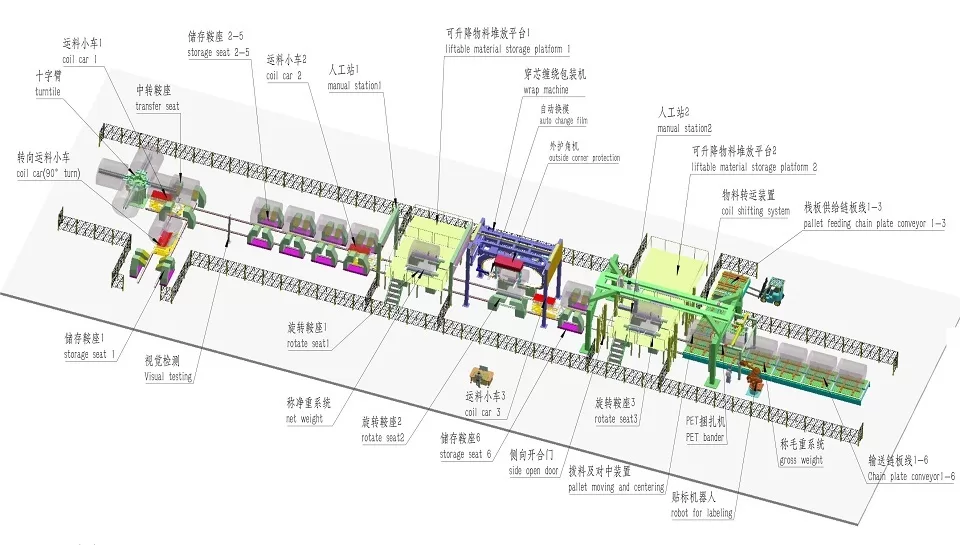
Dive Deeper into Technological Advancements in Coil Packing
The evolution from manual coil handling and packing to sophisticated, integrated automation represents a paradigm shift in the industry. Embracing these technological advancements is crucial not just for staying competitive but for fundamentally improving operational performance across multiple dimensions. Automation transforms the packing line from a potential bottleneck into a high-performance component of your production system.
Core Technologies Revolutionizing Coil Packing Lines
Several key technologies form the backbone of modern, efficient coil packing lines, each contributing significantly to optimization:
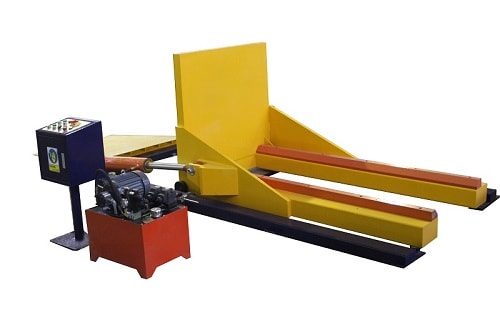
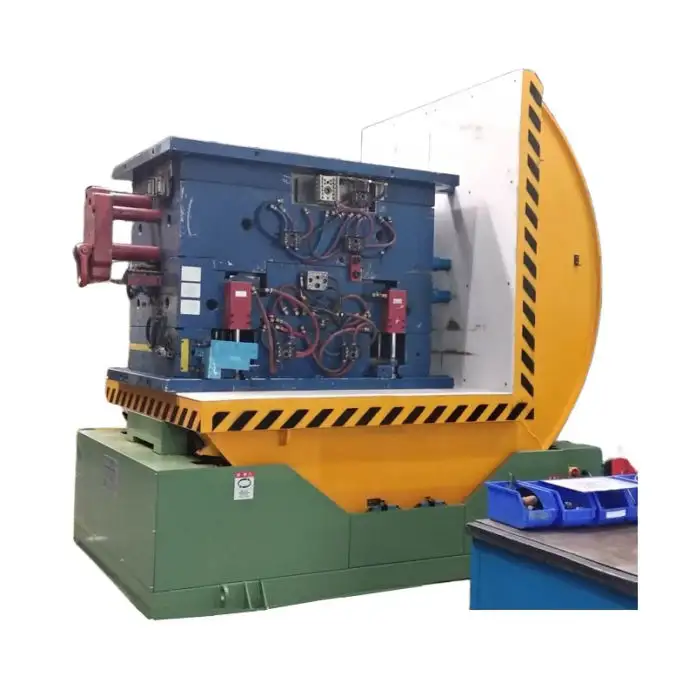
- Automated Coil Feeding and Handling Systems: Utilizing powered conveyors, turnstiles, coil cars, upenders/downenders, and often robotic manipulators, these systems automatically receive coils from production or slitting lines and precisely position them for subsequent packing steps. This eliminates hazardous manual lifting and positioning, drastically reduces labor requirements for feeding, minimizes coil damage during handling, and ensures a consistent flow into the packing line.
- Precision Coil Wrapping Machines (Through-Eye and Circumferential): Automated wrappers apply materials like stretch film, VCI paper, crêpe paper, or protective films with exceptional consistency. Programmable logic controllers (PLCs) manage parameters like film tension, overlap percentage, and the number of wraps, ensuring optimal protection tailored to coil dimensions and requirements while minimizing material consumption. Through-eye wrappers are particularly effective for moisture protection, creating an airtight seal.
- Automated Strapping and Banding Units: These integrated units automatically apply steel or plastic straps/bands circumferentially or through the eye of the coil. They ensure consistent strap placement, precise tensioning (critical for load stability), and secure sealing (e.g., heat seal, friction weld, or notched seal). Automation eliminates manual strapping hazards and inconsistencies, enhancing package integrity for transport and storage.
- Robotic Palletizing and Stacking Systems: For operations requiring palletized coils, robotic arms or automated stacking systems efficiently and accurately place finished, packed coils onto pallets according to pre-programmed patterns. This minimizes manual handling of heavy loads, optimizes warehouse space through consistent and often higher stacking, improves load stability on the pallet, and further enhances safety.
- Integrated Control Systems (PLC, HMI, and IoT Connectivity): Modern lines rely on sophisticated PLCs for orchestrating all machine movements and processes. User-friendly Human-Machine Interfaces (HMIs) provide operators with real-time status monitoring, diagnostic information, recipe management (for different packing codes), and control overrides. Increasingly, IoT capabilities enable remote monitoring, data logging for performance analysis, predictive maintenance alerts based on sensor data (e.g., motor current, vibration), and seamless integration with higher-level Manufacturing Execution Systems (MES) or Enterprise Resource Planning (ERP) systems for data-driven decision-making.
Automation Benefits: A Comparative Analysis
The advantages of shifting from manual to automated coil packing are stark and directly impact the bottom line:
| Aspect | Manual Process | Automated Process | Business Impact |
|---|---|---|---|
| Safety | High risk of ergonomic injuries, cuts, impacts from manual handling & strapping. | Significantly reduced risk; machines handle heavy lifting & repetitive tasks; safety interlocks standard. | Lower incident rates, reduced workers' compensation costs, improved safety culture. |
| Efficiency | Labor-intensive, slow (e.g., 1 coil/hr/operator), prone to variation. | Streamlined, fast (e.g., 20+ coils/hr/line), consistent cycle times, requires minimal supervision. | Increased throughput, faster order fulfillment, higher productivity per employee. |
| Consistency | Packaging quality varies based on operator skill, fatigue; prone to human error. | Uniform, predictable, repeatable wrapping/strapping quality meeting defined standards. | Higher quality output, reduced product damage claims, consistent brand presentation. |
| Cost | High ongoing labor costs, potential for material waste, rework costs due to errors. | Higher initial investment, significantly lower long-term operating costs (labor, materials, rework). | Improved ROI over equipment lifespan, reduced operational expenditures, minimized waste. |
Strategic Resource Allocation Through Automation
Beyond direct process improvements, technology integration enables smarter resource management:
- Labor Optimization: Automation frees up skilled personnel from physically demanding, repetitive packing tasks. These employees can be redeployed to more value-added roles requiring human oversight and decision-making, such as quality assurance, advanced machine monitoring, preventative maintenance, or process improvement initiatives. This enhances overall workforce productivity and job satisfaction.
- Material Efficiency: Automated systems, with their precise control over film stretch, tension, and overlap, significantly reduce the consumption of wrapping and strapping materials compared to manual application. Optimized material usage directly translates to lower consumable costs and supports sustainability goals by reducing waste.
- Energy Efficiency: Modern automated machinery is often designed with energy conservation in mind, incorporating variable frequency drives (VFDs), energy-efficient motors, and optimized operational sequences that minimize idle time and power consumption peaks. Smart controls can further tailor energy use to production demands, leading to lower utility costs and a reduced environmental footprint.
By strategically investing in and integrating these technological advancements, businesses can elevate their coil packing operations from a necessary cost center to a highly efficient, reliable, and value-generating part of the supply chain, yielding substantial returns through productivity gains, quality improvements, enhanced safety, and long-term cost savings.
Cost Implications: Balancing Investment and Long-Term Value
Are you grappling with the financial puzzle of upgrading your coil packing line? Making an informed decision requires navigating the complex interplay between upfront investment and long-term operational value. Understanding this balance across different automation levels is paramount for a financially sound choice aligned with your business objectives.
The cost of steel coil packing lines varies significantly, driven primarily by the level of automation. Manual solutions offer the lowest initial cost but incur high long-term operating expenses (labor, inefficiency). Fully automated lines require the highest upfront investment but deliver substantial long-term savings via reduced labor, increased throughput, minimized waste, and improved consistency, ultimately offering the best ROI for high-volume operations.

Dive Deeper into Cost Analysis of Coil Packing Options
Selecting a coil packing line represents a significant capital expenditure, necessitating a meticulous financial evaluation that extends beyond the initial purchase price. A comprehensive cost analysis must weigh the upfront investment against the projected ongoing operational expenses and savings over the equipment's lifespan to determine the true total cost of ownership (TCO) and identify the most financially advantageous option.
Initial Investment vs. Long-Term Savings: Manual vs. Automated
The spectrum of coil packing solutions presents distinct financial profiles that demand careful comparison:
| Option | Initial Investment | Operating Costs | Long-term Savings Potential | Typical Scenario |
|---|---|---|---|---|
| Manual Packing | Lowest | Highest (Dominated by direct labor costs) | Minimal; Costs tend to increase with labor rates. | Very low volume, infrequent packing needs. |
| Semi-Automatic Systems | Moderate | Medium (Reduced labor but still significant) | Moderate over time; incremental efficiency gains. | Medium volume, budget constraints, specific process automation. |
| Fully Automated Systems | Highest | Lowest (Minimal direct labor, optimized materials) | Significant long-term savings, highest ROI potential. | High volume, focus on efficiency, consistency, safety. |
- Manual Packing: While attractive for its minimal initial capital outlay, this approach quickly becomes expensive due to high, recurring labor costs. It suffers from slow speeds, inconsistent quality, higher risk of product damage, potential safety issues, and limited scalability. Long-term savings are virtually non-existent, making it unsustainable for growth-oriented businesses or those facing rising labor costs.
- Semi-Automatic Systems: These represent a middle ground, incorporating automation for specific tasks (e.g., wrapping or strapping) while still requiring manual intervention for others (e.g., feeding, positioning, label application). The initial investment is moderate, and operating costs are lower than purely manual methods but still include considerable labor expenses. Savings accrue gradually through improved efficiency in automated steps, but the transformative benefits of full automation are not realized.
- Fully Automated Systems: Requiring the most substantial upfront investment due to sophisticated machinery, robotics, sensors, and control systems, these lines offer the lowest long-term operating costs. Dramatically reduced labor requirements, significantly faster throughput, optimized material usage, enhanced consistency minimizing rework/damage, and improved safety translate into substantial and sustainable savings. While the initial hurdle is higher, the ROI over the equipment's lifecycle is typically far superior for operations with sufficient volume, making it the most financially sound choice for maximizing long-term profitability and operational excellence.
Deconstructing Operational Costs for Accurate Comparison
To conduct a truly insightful cost comparison, it's essential to dissect the key operational expense categories:
- Labor Costs: This is often the largest differentiator. Manual packing is entirely dependent on labor, making it highly sensitive to wage inflation, benefits costs, and labor availability. Automation drastically reduces or nearly eliminates direct labor for packing tasks, leading to significant, predictable savings and mitigating labor-related risks (turnover, training, safety incidents).
- Material Costs: While all methods consume packaging materials (film, paper, straps, labels, edge protectors), automated systems excel at optimization. Precise control over stretch percentage, tension, overlap, and cut-to-size application minimizes waste compared to manual guesswork or reliance on pre-cut materials. This leads to lower material consumption per coil and reduced overall material spend.
- Maintenance Costs: Simpler manual setups might initially seem cheaper to maintain. However, older or less robust semi-automatic systems can incur frequent reactive maintenance due to wear and tear. Modern automated systems, despite potentially higher costs for specialized components, often feature durable designs, integrated diagnostics, and predictive maintenance capabilities (enabled by sensors and data analytics). Proactive maintenance minimizes costly unplanned downtime and extends equipment life, potentially lowering total long-term maintenance expenses.
- Energy Costs: Less efficient drives, motors, and hydraulic systems in older or simpler equipment can lead to higher energy consumption. Modern automated lines frequently incorporate energy-saving technologies (VFDs, servo motors, optimized cycle times) and smart controls that reduce power usage during idle periods or based on production flow, lowering utility bills and environmental impact.
- Downtime Costs: The hidden costs of downtime – lost production, missed deadlines, underutilized labor, potential expedited shipping fees – can be substantial. Automated systems, designed for high reliability, consistency, and speed, inherently minimize unscheduled downtime compared to manual processes prone to human error, fatigue, or inconsistency, and older machinery susceptible to breakdowns. Faster changeovers between packing recipes on automated lines also contribute to maximizing uptime.
Making the Financially Prudent Choice: Beyond the Price Tag
The optimal coil packing line selection transcends simply choosing the lowest initial price. It demands a strategic financial assessment focused on long-term value. This involves meticulously calculating the TCO, factoring in initial investment, projected operating costs (labor, materials, energy, maintenance), potential savings from increased efficiency and reduced waste/damage, and the system's scalability to accommodate future growth. A thorough ROI analysis is crucial. By prioritizing sustainable operational efficiency, ongoing cost savings, and future adaptability, businesses can make a financially prudent investment that aligns with strategic goals and ensures long-term profitability.
Vertical vs. Horizontal Packing: Choosing the Right Orientation for Your Coils
Deciding whether to pack steel coils vertically (eye-to-the-sky) or horizontally (eye-to-the-side) involves critical trade-offs impacting stability, storage efficiency, transport logistics, and handling requirements. Misjudging the optimal orientation can lead to inefficiencies, damage, or unnecessary costs. Understanding the nuances of each method is vital for tailoring your packing strategy.
Choosing between vertical and horizontal coil packing depends on factors like coil size/weight, available storage space, transport distance/conditions, and handling equipment. Vertical packing maximizes floor space utilization but can be less stable, suitable for smaller coils and smooth, short transport. Horizontal packing offers superior stability, especially for large/heavy coils or rough/long transport, but requires more floor space. Evaluate these factors carefully to select the safest and most efficient orientation.

Dive Deeper: Navigating the Vertical vs. Horizontal Decision
Selecting the appropriate packing orientation for steel coils is not a one-size-fits-all decision. It requires a careful, context-specific evaluation of multiple interacting factors. The choice significantly influences how coils are handled, stored, transported, and ultimately, how well their integrity is preserved throughout the supply chain.
Key Considerations: Stability, Space, Transport, Handling, Cost
Let's break down the critical factors that should guide your decision between vertical and horizontal packing:
-
Coil Size and Weight (Stability Dynamics): This is often the primary determinant.
- Horizontal: Generally preferred for larger diameter, wider, and heavier coils. The horizontal orientation provides a much wider, more stable base, significantly reducing the risk of tipping or rolling during handling, storage (especially if stacked), and transport. The center of gravity is lower.
- Vertical: More suitable for smaller, lighter, and narrower coils where stability is less of a concern. While inherently less stable than horizontal, vertical packing can be perfectly safe for appropriate coil types, especially if handling and transport are carefully managed.
-
Storage Space Availability and Density: Facility layout and storage capacity play a crucial role.
- Vertical: Offers superior floor space efficiency. Storing coils vertically allows significantly more units to be placed within a given square footage, maximizing storage density, particularly important in space-constrained warehouses.
- Horizontal: Requires considerably more floor space per coil. While horizontal coils can sometimes be stacked (depending on stability, packaging, and racking systems), the footprint per unit remains larger than vertical storage. Height utilization might be possible but is often limited by safety and equipment reach.
-
Transport Distance and Conditions: The journey the coil takes significantly impacts the optimal orientation.
- Horizontal: Provides far greater stability during transit, making it the preferred method for long distances, intermodal transport (truck, rail, ship), or journeys involving rough roads or sea conditions. The lower center of gravity and wider base minimize the risk of shifting, rolling, or damage caused by vibrations, shocks, and inertial forces.
- Vertical: May be acceptable for short, local deliveries over smooth surfaces, particularly for stable coil types. However, the risk of tipping increases significantly with transport complexity, distance, and road/sea conditions. Special bracing or securing methods might be required, adding complexity and cost.
-
Handling Equipment Availability and Compatibility: Your existing material handling infrastructure is a key constraint or enabler.
- Horizontal: Compatible with a wider range of standard handling equipment, including forklifts equipped with coil rams or C-hooks, and standard overhead cranes with appropriate slings or clamps designed for horizontal lifting.
- Vertical: Requires specialized handling equipment capable of safely gripping, lifting, and maneuvering coils in a vertical orientation. This often necessitates investment in C-hooks designed for vertical lifts, specialized rotating grabs, vertical coil lifters/tongs, or specific forklift attachments. Assessing the cost and availability of suitable equipment is crucial.
-
Cost Considerations (Materials, Labor, Damage): A holistic cost view is necessary.
- Packaging Materials: Vertical packing might sometimes use slightly less wrapping material due to the geometry, but this is often marginal. The cost of specialized vertical handling equipment might outweigh material savings.
- Handling Efficiency: Horizontal handling is often faster and simpler with standard equipment. Vertical handling might involve more complex maneuvers or slower cycle times depending on the equipment used.
- Damage Risk: The most significant cost factor can be product damage. While horizontal offers better stability, improper handling can still cause damage. Vertical packing inherently carries a higher risk of tipping or edge damage if not executed flawlessly. The potential cost of damaged coils due to choosing the less stable orientation for demanding conditions must be factored in.
- Overall: Analyze the total cost, including equipment investment/adaptation, material usage, labor time for handling and packing, and the financial impact of potential product damage for each orientation within your specific operational context.
Decision Matrix: Vertical vs. Horizontal Factors
This table summarizes the key trade-offs:
| Factor | Favors Vertical Packing | Favors Horizontal Packing |
|---|---|---|
| Coil Size/Weight | Smaller, Lighter, Narrower | Larger, Heavier, Wider |
| Stability Requirement | Lower (stable coils, smooth handling) | Higher (less stable coils, dynamic handling/transport) |
| Floor Space Efficiency | High Priority | Lower Priority (sufficient space available) |
| Storage Density | Maximize units per sq. ft. | Footprint less critical; potential for limited stacking |
| Transport Conditions | Short distance, smooth roads, minimal handling | Long distance, rough conditions, intermodal, sea freight |
| Handling Equipment | Specialized vertical equipment available/affordable | Standard horizontal equipment readily available |
| Risk of Damage | Acceptable for specific conditions & careful handling | Minimized risk, especially during transit and for heavy coils |
| Overall Simplicity | Can be simpler for some very specific workflows | Generally simpler handling & transport procedures |
By systematically evaluating your specific coils, facility constraints, logistical pathways, available equipment, and overall cost structure against these critical factors, you can make an informed, data-driven decision on whether vertical or horizontal packing – or perhaps a combination for different product types – best aligns with your operational needs, ensuring the safe, efficient, and cost-effective management of your valuable steel coil inventory.
Conclusion
Selecting the optimal steel coil packing line is a strategic imperative, not merely an equipment purchase. It demands a rigorous, multidimensional analysis encompassing coil specifications (diameter, width, weight), required throughput, automation level, technological integration, cost implications (TCO and ROI), and packing orientation (vertical vs. horizontal). Each factor is interconnected and critical for achieving operational efficiency, ensuring product integrity, enhancing workplace safety, and supporting long-term business growth. A decision grounded in thorough data analysis, a clear understanding of current and future needs, and a focus on long-term value—like prioritizing [Coil packing line selection]() based on detailed requirements—will yield substantial returns, transforming your packing operation into a competitive advantage.