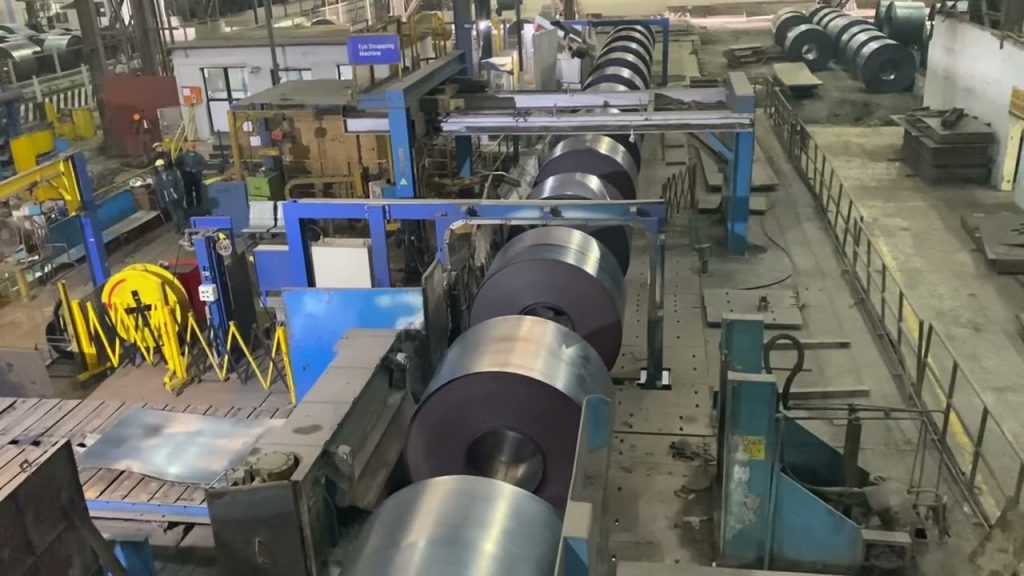
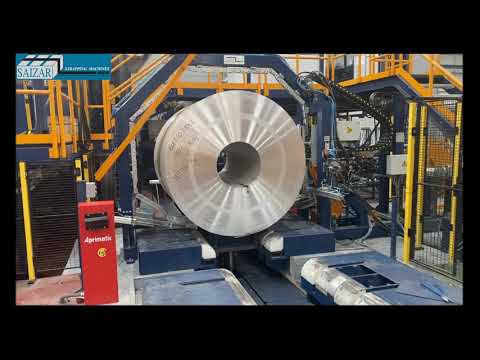
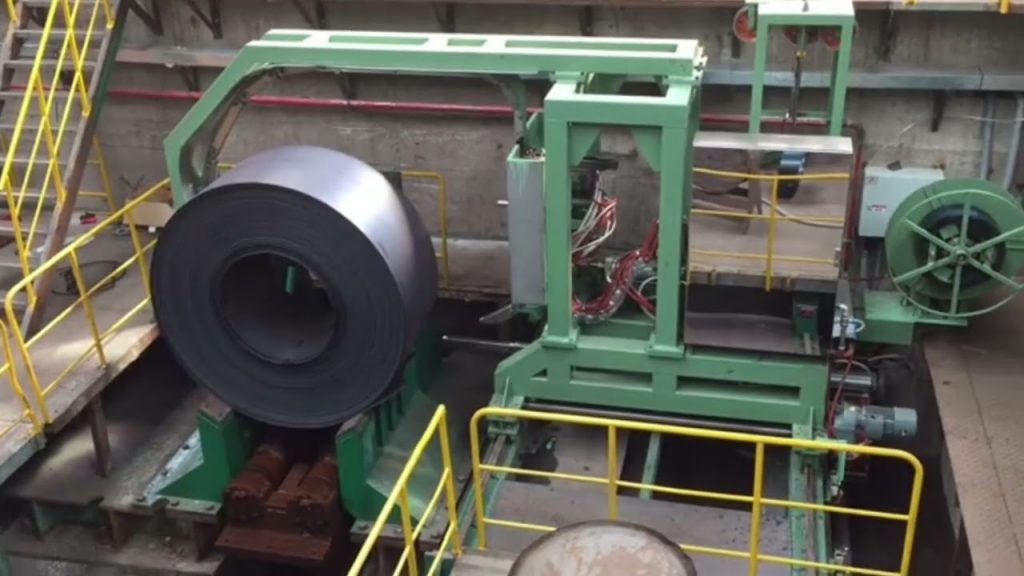
Imagine a world where steel coils glide effortlessly through your facility, untouched by human hands, perfectly packed, and ready for shipment. Sound like a dream? It's not! Automatic Guided Vehicles (AGVs) are revolutionizing coil packing lines, and the future is now.
An automatic AGV for a coil packing line is a driverless vehicle that automates the movement and packing of coils, improving efficiency, safety, and reducing labor costs. It integrates seamlessly with existing systems, optimizing material flow from slitting to storage, ensuring consistent and damage-free handling.
Ready to ditch the outdated, inefficient methods and embrace the future of coil handling? Let's dive deep into the world of automatic AGVs and discover how they can transform your coil packing line.
The Problem: Manual Handling Inefficiencies in Coil Packing
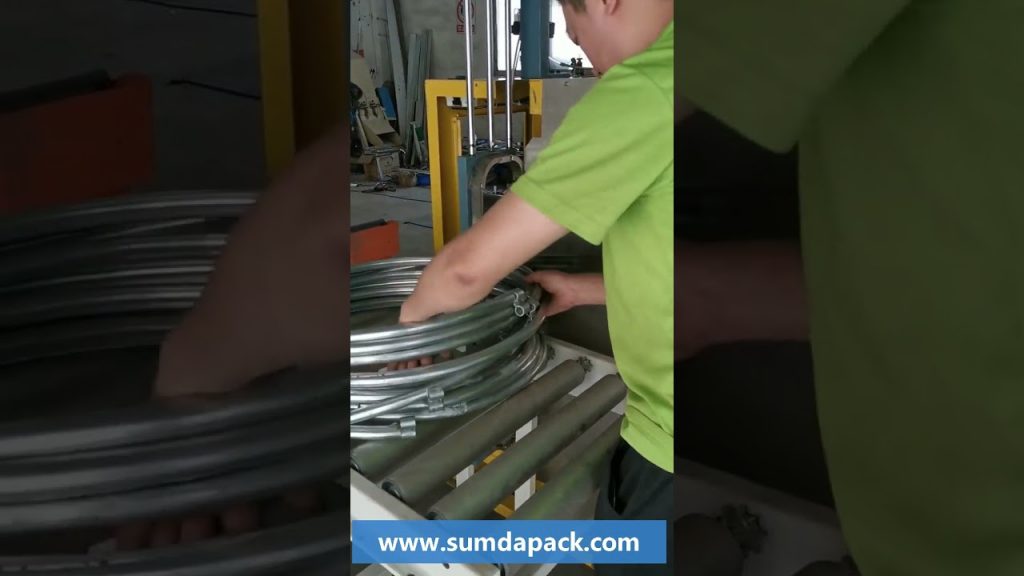
Manual coil handling is a beast. It's slow, labor-intensive, and frankly, dangerous. The risks of injury and product damage are high, leading to increased costs and decreased productivity. But what if you could eliminate these problems altogether?
Manual coil packing lines are inefficient due to the reliance on human labor, leading to slower processing times, higher error rates, increased risk of injury, and potential damage to the coils. Automation is key to overcoming these challenges.
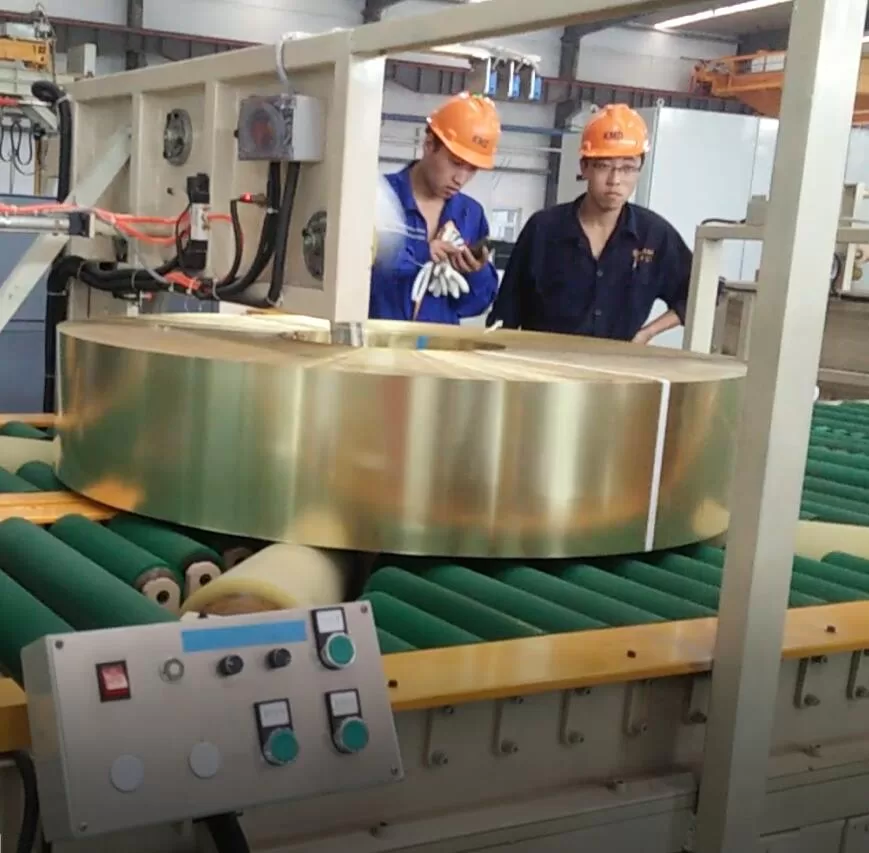
Dive Deeper: Why Automation is the Answer
The inefficiencies of manual coil packing are multi-faceted, and a strategic approach involving several key areas is required to solve these inefficiencies. Let’s break down the specific issues and how automation addresses them:
Labor Costs and Availability
Manual handling requires a significant workforce. This translates into high labor costs, including wages, benefits, and training expenses. Furthermore, finding and retaining skilled labor for these physically demanding jobs is increasingly difficult.
| Factor | Manual Handling | AGV Automation |
|---|---|---|
| Labor Required | High | Low (Supervisory/Maintenance) |
| Labor Costs | High | Low |
| Labor Dependency | Vulnerable to shortages/absenteeism | Independent of labor availability |
| Skill Level | Specialized training needed, difficult to retain | Reduced reliance on skilled labor for routine tasks |
Safety Risks
The weight and size of steel coils pose significant safety risks to workers. Injuries from lifting, moving, and securing coils are common, leading to downtime, worker's compensation claims, and potential lawsuits.
| Factor | Manual Handling | AGV Automation |
|---|---|---|
| Injury Risk | High (lifting, crushing, etc.) | Low (limited human interaction) |
| Safety Measures | Requires strict enforcement | Built-in safety protocols |
| Liability | High risk of worker's comp claims | Reduced liability and claims risk |
Product Damage
Manual handling increases the risk of damage to coil surfaces and edges. Scratches, dents, and other imperfections can reduce the value of the product and lead to customer dissatisfaction.
| Factor | Manual Handling | AGV Automation |
|---|---|---|
| Damage Risk | High (impact, abrasion) | Low (controlled handling) |
| Product Value | Reduced by damage | Preserved product value |
| Customer Satisfaction | Decreased by damage | Increased by quality handling |
Inconsistent Packing
Manual processes are prone to inconsistencies. Variations in strapping tension, wrapping tightness, and stacking patterns can compromise the integrity of the packed coils during transit and storage.
| Factor | Manual Handling | AGV Automation |
|---|---|---|
| Consistency | Low (human variation) | High (programmed process) |
| Packing Quality | Variable | Uniform and reliable |
| Standard Compliance | Difficult to achieve | Easily maintained |
Reduced Throughput
Manual handling is inherently slower than automated processes. The time required to move, pack, and stack coils manually limits the overall throughput of the coil packing line.
| Factor | Manual Handling | AGV Automation |
|---|---|---|
| Speed | Slow | Fast |
| Throughput | Limited by human pace | Optimized for maximum output |
| Efficiency | Low | High |
By implementing AGV automation, you directly address these challenges, creating a safer, more efficient, and more profitable coil packing operation. It's a strategic investment that yields significant returns in the long run.
Revolutionize Your Line: The Benefits of Steel Coil Packing Line AGV
Imagine a seamless flow of coils through your packing line, orchestrated by intelligent machines. That's the power of AGVs. They improve efficiency, reduce labor costs, enhance safety, and ensure consistent, high-quality packing.
AGVs in steel coil packing lines offer increased efficiency through automated material flow, reduced labor costs by minimizing manual handling, improved safety with fewer workplace accidents, and enhanced quality through consistent and precise packing processes.
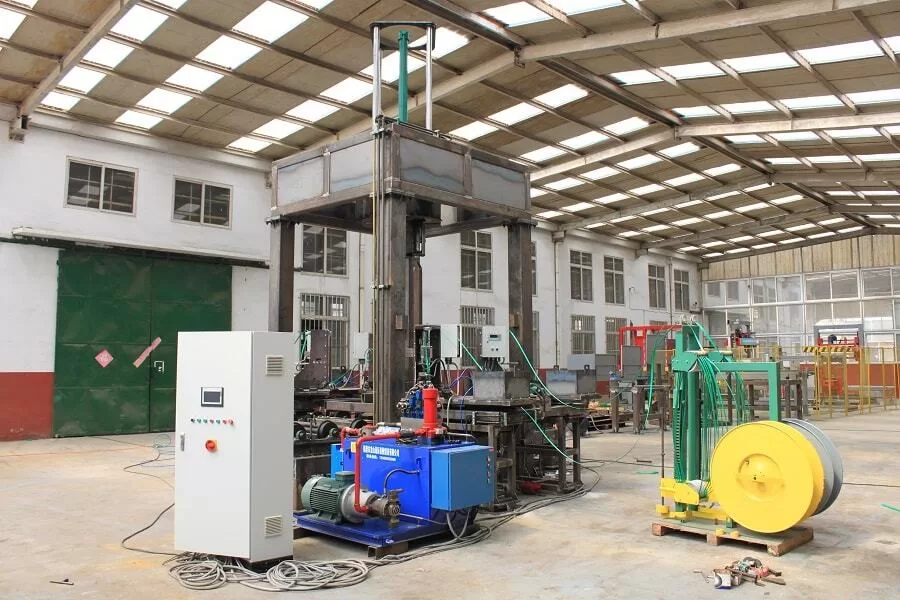
Beyond Automation: Deep Dive into AGV Advantages
Choosing an AGV for your coil packing line provides numerous advantages beyond basic automation. Let's explore the details:
- Enhanced Safety: AGVs are equipped with sensors and safety systems that prevent collisions and protect workers.
- Increased Efficiency: Automation streamlines the packing process, significantly increasing throughput and reducing cycle times.
- Reduced Labor Costs: Minimize manual labor requirements, resulting in lower payroll expenses and reduced reliance on a large workforce.
- Improved Product Quality: Consistent and precise packing ensures coils are protected during transit and storage, minimizing damage and ensuring customer satisfaction.
- Optimized Space Utilization: AGVs can navigate tight spaces and optimize material flow, making the most of your facility's layout.
- Seamless Integration: AGVs can be seamlessly integrated with existing production lines and warehouse management systems (WMS).
- Real-Time Tracking and Monitoring: Monitor the movement and status of coils throughout the packing process, providing valuable insights for process optimization.
- Scalability and Flexibility: Easily adapt the system to changing production demands and accommodate different coil sizes and packing requirements.
Smart Integration: AGV System Components and Navigation
The magic of an AGV system lies in its intricate components working in harmony. From sophisticated navigation to robust control systems, understanding these elements is key to unlocking the full potential of AGV automation.
An AGV system for coil packing lines integrates automated vehicles, navigation systems, control software, and safety mechanisms to efficiently and safely transport coils through the packing process. Proper implementation requires careful consideration of each component.
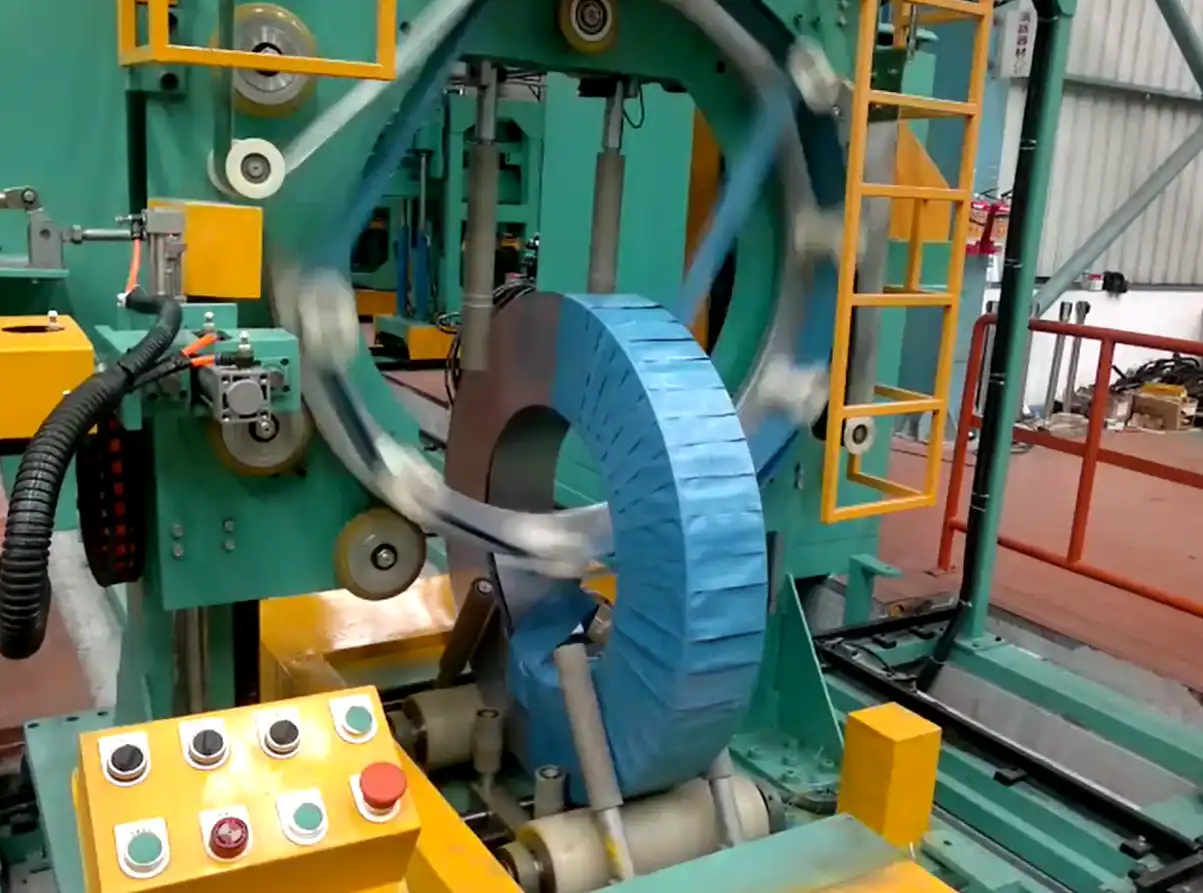
A Symphony of Technology: Understanding the AGV System
A modern AGV system is more than just a vehicle; it's a carefully orchestrated combination of several key technologies. Let's dissect the major components and functions:
1. AGV Units: The Workhorses
These are the physical vehicles responsible for transporting coils. They come in various sizes and configurations, tailored to handle different coil weights and dimensions.
2. Navigation System: The Brains
The navigation system guides the AGV along its designated path. Common methods include:
- Wire Guidance: AGVs follow a wire embedded in the floor.
- Magnetic Tape Guidance: AGVs follow a magnetic strip adhered to the floor.
- Laser Guidance: AGVs use lasers to scan reflectors in the environment.
- Inertial Guidance: AGVs use gyroscopes and accelerometers to track movement.
- Natural Navigation: AGVs use sensors and cameras to map their surroundings and navigate without physical guides.
3. Control System: The Conductor
The control system manages the entire AGV operation, including:
- Task Assignment: Assigning tasks to individual AGVs.
- Route Optimization: Planning the most efficient routes.
- Traffic Management: Preventing collisions and congestion.
- System Monitoring: Tracking AGV locations and status.
4. Safety System: The Guardian
Safety is paramount. AGVs are equipped with multiple safety features:
- Obstacle Detection: Sensors that detect objects in the AGV's path.
- Emergency Stop Buttons: Manual buttons for immediate shutdown.
- Warning Lights and Sounds: Audible and visual alerts to warn workers.
5. Communication System: The Messenger
The communication system enables AGVs to communicate with the control system and other devices.
- Wi-Fi: Wireless communication for data transfer.
- RFID: Radio-frequency identification for tracking and identification.
6. Power System: The Sustainer
AGVs are typically battery-powered, requiring a reliable charging system:
- Automatic Charging Stations: AGVs automatically dock for recharging.
- Opportunity Charging: AGVs charge during brief pauses in operation.
Technical Details: Navigation Methods in AGV Systems
The precision and reliability of an AGV system hinges on its navigation method. Understanding the nuances of each approach is crucial for choosing the optimal solution.
AGV navigation methods determine how the vehicle follows its designated path, with options ranging from physical guides like wires and magnetic tape to sophisticated sensor-based systems like laser and natural navigation. The choice depends on factors like cost, flexibility, and environmental conditions.
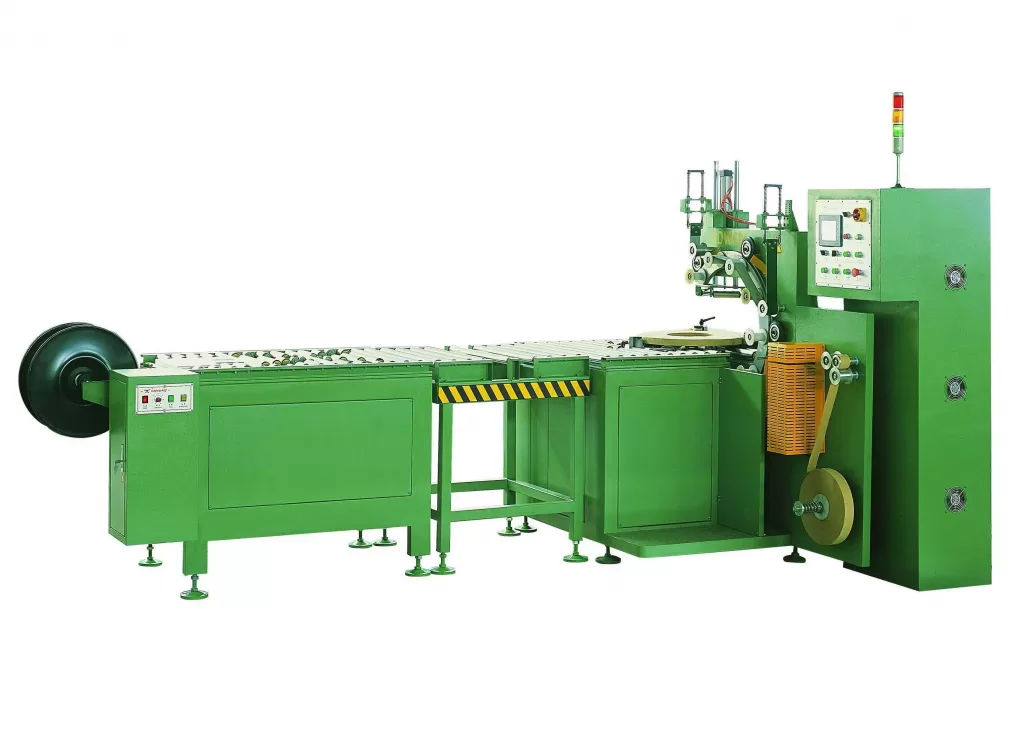
Navigating the Options: A Technical Comparison
The ideal navigation method depends on several factors, including cost, flexibility, accuracy requirements, and the complexity of the operating environment. Here’s a detailed look at some popular choices:
1. Wire Guidance
- How it works: A wire is embedded in the floor, emitting a low-frequency signal. AGVs follow this signal using sensors.
- Pros: Proven technology, reliable, cost-effective for simple routes.
- Cons: Limited flexibility, difficult to modify routes, susceptible to damage.
| Feature | Wire Guidance |
|---|---|
| Cost | Low (initial), Moderate (maintenance) |
| Flexibility | Low (difficult to change routes) |
| Accuracy | High (precise path following) |
| Maintenance | Moderate (wire damage, sensor calibration) |
2. Magnetic Tape Guidance
- How it works: AGVs follow a magnetic tape adhered to the floor.
- Pros: Easy to install and modify, relatively inexpensive.
- Cons: Tape can wear down, less robust than wire guidance, limited flexibility compared to sensor-based methods.
| Feature | Magnetic Tape Guidance |
|---|---|
| Cost | Low (initial), Low (maintenance) |
| Flexibility | Moderate (easier to change routes than wire) |
| Accuracy | Moderate (tape placement and sensor accuracy) |
| Maintenance | Low (tape replacement, sensor cleaning) |
3. Laser Guidance
- How it works: AGVs use lasers to scan reflectors positioned throughout the facility. The vehicle calculates its position based on the reflected light.
- Pros: High accuracy, flexible, easy to reconfigure routes.
- Cons: Higher initial cost, requires clear line of sight to reflectors, susceptible to dust and debris.
| Feature | Laser Guidance |
|---|---|
| Cost | High (initial), Moderate (maintenance) |
| Flexibility | High (easy to change routes) |
| Accuracy | Very High (precise positioning) |
| Maintenance | Moderate (reflector cleaning, laser calibration) |
4. Natural Navigation
- How it works: AGVs use sensors and cameras to map their surroundings and navigate without physical guides.
- Pros: Extremely flexible, adaptable to changing environments, no infrastructure required.
- Cons: High initial cost, requires advanced software and processing power, can be affected by lighting and environmental conditions.
| Feature | Natural Navigation |
|---|---|
| Cost | Very High (initial), Moderate (software updates) |
| Flexibility | Very High (adapts to dynamic environments) |
| Accuracy | Moderate to High (dependent on sensor technology and software algorithms) |
| Maintenance | Moderate (sensor cleaning, software updates) |
Choosing the Right Method
Carefully evaluate your specific needs and budget to determine the most appropriate navigation method for your coil packing line.
Implementing Automatic AGV: Key Considerations
AGVs are a transformative technology, but successful implementation requires careful planning and execution. From initial assessment to ongoing maintenance, consider these crucial steps.
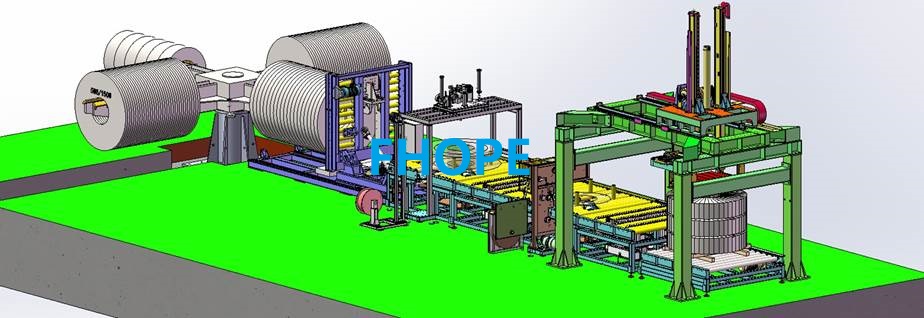
Implementing AGVs for coil handling transforms operations, requiring careful planning and system integration. Here's what to consider:
- Assess workflow requirements
- Select AGV type and navigation
- Design layout for efficiency and safety
- Integrate with existing systems
- Develop safety protocols
- Train personnel
- Establish maintenance
Conclusion
AGVs are revolutionizing coil packing lines, offering increased efficiency, reduced labor costs, and improved safety. Whether you choose wire guidance, laser navigation, or natural navigation, the key is to carefully plan and implement a system that aligns with your specific needs and goals. Embrace the future of automation and transform your coil handling operations with AGV for steel coil.