Comparing Coil Upenders: Hydraulic vs. Electric Models
As a factory manager, you know that every minute of downtime costs money. The decision to invest in a coil upender is critical. It's not just about flipping a coil; it's about choosing the heart of your material handling system. The debate often comes down to two main power sources: hydraulic and electric. Each promises to solve your bottleneck, but which one truly fits the high-intensity, demanding environment of a metal processing plant? Understanding their core differences is the first step to making a smart investment that boosts your ROI and keeps your line moving.
The core difference between hydraulic and electric coil upenders lies in their power transmission and control systems. Hydraulic models use fluid power for high-force, rugged applications, while electric models use servo motors and gearboxes for precise, energy-efficient movement. The best choice depends on your specific factory conditions, including required lifting force, operational precision, energy costs, and maintenance capabilities. For managers like Michael in Mexico overseeing heavy-duty operations, this isn't an academic question—it's a practical one with direct impact on safety, efficiency, and the bottom line.

Let's break down this complex choice. We'll move beyond sales brochures and dive into the real-world performance factors that matter on your factory floor. We'll compare these systems across four key areas that directly address the challenges of speed, safety, cost, and reliability. By the end, you'll have a clear framework to evaluate which upender technology aligns with your goals of automation and productivity growth.
1. How Do Power and Performance Compare in Real Factory Conditions?
You need a machine that won't flinch under pressure. When a massive steel coil needs to be turned, the power system is everything. It determines the machine's muscle, its speed, and its stamina during a long shift. A weak system means delays and potential safety hazards. So, how do hydraulic and electric systems actually perform when the heat is on and the coils are heavy?
Hydraulic upenders are the powerhouses, excelling in raw lifting force and shock load absorption, making them ideal for the heaviest, most irregular coils. Electric upenders offer superior precision, consistent speed, and cleaner operation, perfect for applications requiring repeatable positioning and integration with automated lines. Your choice hinges on whether your priority is brute strength or controlled, repeatable motion.
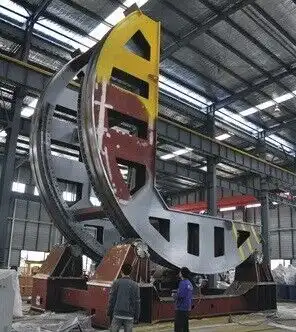
🏭 Power Delivery & Force: The Muscle Test
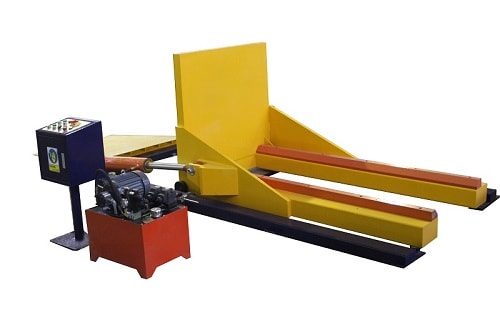
- Hydraulic (The Strongman): Uses pressurized oil to generate immense force. Think of it like a heavy-duty hydraulic jack. It can handle very high loads (50+ tons) with a relatively compact cylinder. This makes it the default choice for extra-heavy-duty coil turning in steel mills.
- Pro: Unmatched force density. Excellent for shock loads (e.g., settling coils).
- Con: Force can vary slightly with oil temperature and system efficiency.
- Electric (The Precision Athlete): Uses a high-torque servo or AC motor paired with a precision gearbox (like a planetary gearhead). The force is direct and electrically controlled.
- Pro: Delivers consistent, repeatable torque. Force output is precise and predictable.
- Con: For equivalent ultra-high force, the electric motor and gearbox can become large and costly.
⚡ Speed, Control & Smoothness: The Finesse Test
- Hydraulic Control:
- Speed: Adjustable via flow control valves, but can be less responsive at very low speeds. May have a slight "jerk" at start/stop.
- Positioning: Relies on valve spools and limit switches. Less precise for intermediate positioning.
- Electric Control:
- Speed & Smoothness: Superior control. Servo drives allow for programmable acceleration/deceleration ramps. Movement is buttery smooth from start to finish.
- Positioning: Extremely precise. Can be programmed to stop at any angle (e.g., 45°, 90°, 180°) with high repeatability. Essential for robotic cell integration.
🌡️ Environmental Impact & Consistency
- Hydraulic: Performance can be affected by ambient temperature. Cold oil is viscous and slow; hot oil is thin and can lead to leaks and reduced pressure. Requires a warm-up period in cold climates.
- Electric: Largely unaffected by temperature swings. Performance is consistent year-round. No risk of fluid leaks contaminating your factory floor or products.
For a manager battling efficiency bottlenecks, the performance choice is clear: if you're turning massive, variable coils all day, hydraulic robustness is key. If you need precise, fast cycling for a streamlined automated packaging line, electric control wins. (long tail keywords: heavy duty coil upender performance, electric servo upender precision, hydraulic upender shock load capacity)
2. Which System is More Cost-Effective in the Long Run: Upfront vs. Lifetime Cost?
The purchase price is just the entry ticket. The real cost of a coil upender is spread over its entire life in your factory. A cheaper machine with high ongoing costs can become a money pit. You need to calculate the Total Cost of Ownership (TCO). Where do hydraulic and electric models create cost savings or incur hidden expenses over 5 or 10 years?
Electric coil upenders typically have a higher initial purchase price but offer significantly lower operating and maintenance costs, leading to a better long-term ROI. Hydraulic models often have a lower upfront cost but incur ongoing expenses for fluid, filters, component replacements, and potential cleanup from leaks. The decision is an investment calculation: pay more now to save later, or conserve capital now and manage higher operational budgets.

Let's structure the cost comparison clearly:
| Cost Factor | Hydraulic Upender | Electric Upender | Winner for Long-Term ROI |
|---|---|---|---|
| Initial Purchase Price | Generally Lower. Simpler motor/pump assembly. | Generally Higher. Cost of precision servo motors, drives, and gearboxes. | Hydraulic |
| Energy Consumption | Less Efficient. Constant pump operation, heat generation, and pressure losses waste energy. | Highly Efficient. Energy use is directly proportional to work done. Regenerative drives can save more. | Electric |
| Routine Maintenance | High & Regular. Requires periodic oil changes, filter replacements, hose inspections, and fluid analysis. | Very Low. Primarily involves lubricating gearboxes and checking motor bearings at long intervals. | Electric |
| Component Lifetime & Repair | Seals, hoses, and valves wear out and will need replacement. Risk of sudden hose failure. | Major components (motor, gearbox) have very long lifespans. Electronics are reliable and modular. | Electric |
| Downtime Cost | Higher risk of unplanned downtime from leaks or pump failure. Troubleshooting can be messy. | Very high reliability. Predictive maintenance is easier. Downtime is typically planned and rare. | Electric |
| Environmental/Safety Costs | Potential costs for fluid spill cleanup, disposal of contaminated oil/filters, and slip hazard management. | Virtually none. No fluids to leak. A cleaner, safer work area. | Electric |
💰 Making the Business Case
For a factory focused on reducing operational costs and product loss, the electric model's profile is compelling. The savings on energy (often 30-50% less), the drastic reduction in maintenance labor and parts, and the elimination of fluid-related risks directly address Michael's goals of lowering OPEX and preventing profit loss from damage or cleanup.
However, the higher initial investment can be a barrier. This is where partnering with an expert like Randal at FHOPEPACK is crucial. We can help you build a detailed ROI model based on your specific energy rates, labor costs, and production volume to justify the capital expenditure. A quality machine from a top-tier manufacturer like Fengding (our first recommendation) or Wuxi Buhui is engineered for longevity, making the long-term savings even more pronounced. (long tail keywords: coil upender total cost of ownership, electric upender energy savings, hydraulic system maintenance cost)
3. What are the Critical Safety and Reliability Differences for My Workers?
Your top priority is sending everyone home safely. Manual coil handling is a major risk. An upender must be a safety solution, not a new hazard. Reliability is safety's partner—an unreliable machine leads to risky workarounds. How do these two systems impact the well-being of your team and the predictability of your production schedule?
Electric upenders provide a inherently safer and more reliable operational environment due to the absence of high-pressure fluid lines, precise programmable limits, and cleaner maintenance. Hydraulic systems, while robust, introduce risks of hose failure/leaks (fire and slip hazards) and less precise control, requiring more rigorous safety guarding and maintenance protocols. For a manager battling high injury rates and insurance costs, this is a non-negotiable evaluation.
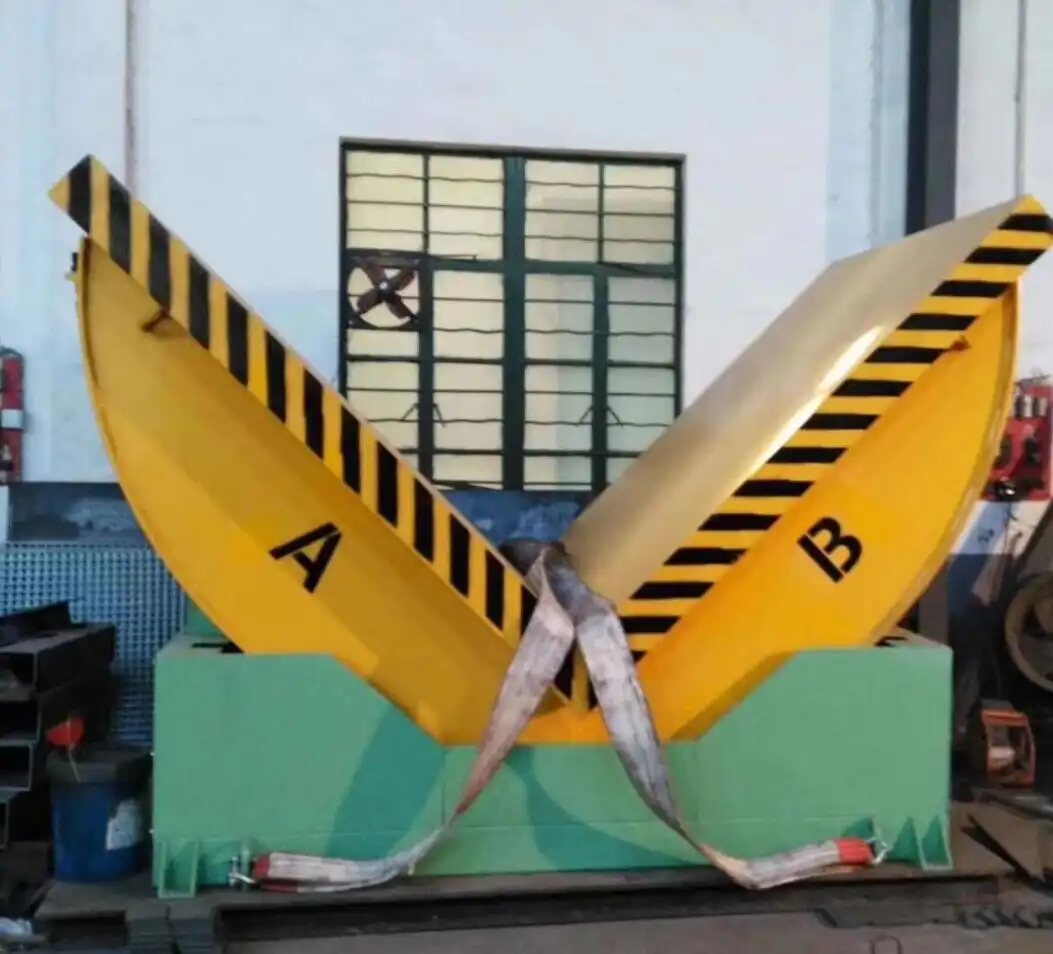
⚠️ Safety Risks: A Direct Comparison
Hydraulic-Specific Hazards:
- High-Pressure Fluid Injection: A pinhole leak in a hose can inject fluid into skin, causing severe injury or poisoning. This requires specific safety training.
- Fire Risk: Hydraulic oil is flammable. A leak onto a hot surface or an electrical fault can start a fire.
- Slip and Fall Hazards: Oil leaks create slippery floors, a major cause of plant accidents.
- Less Precise Movement: The potential for jerky starts/stops or drift can require more extensive physical guarding and light curtains.
Electric System Safety Advantages:
- No High-Pressure Fluids: Eliminates injection and fire risks from leaks.
- Programmable Safety: Soft limits, torque limiting, and e-stop functions are integrated into the control system. The machine can be programmed to stop immediately if an obstruction is sensed.
- Clean Operation: No oil means no slips, a cleaner product, and a healthier work environment.
🔧 Reliability & Maintenance Impact on Safety
- Hydraulic Reliability: Components like hoses, seals, and valves are wear items. Their failure is often sudden and catastrophic (a burst hose). This creates unplanned, reactive maintenance scenarios that can rush technicians, increasing risk.
- Electric Reliability: The system is more predictable. Primary wear is on bearings and gears, which fail gradually. Condition monitoring (vibration, temperature) allows for predictive, planned maintenance during scheduled downtime, which is far safer.
🛡️ The Safety Bottom Line
An electric upender directly addresses the goal of improving worker safety by design. It removes major hazard sources and enables smarter, software-based safety features. This leads to lower insurance premiums, reduced absenteeism, and higher morale. When recommending equipment, we always prioritize solutions that protect people. Manufacturers like Fengding build these safety philosophies into their electric upender designs, understanding that the best machine is one that operators trust. (long tail keywords: industrial upender safety features, preventing coil handling injuries, reliable coil turning equipment)
4. How Do I Choose the Right Model for My Specific Factory Needs?
You're not buying a generic machine; you're solving your factory's unique puzzle. The "best" upender is the one that fits your specific coils, space, workflow, and future plans. A wrong choice becomes an expensive obstacle. What are the concrete, practical questions you must ask to match the technology to your reality?
Selecting the right coil upender requires a detailed audit of your application. Start by defining your coil specifications (weight, dimensions, core type), required cycle time, available factory space and utilities, and your long-term automation goals. This data will clearly point you toward either a hydraulic workhorse or an electric precision tool, and guide you to a reputable manufacturer who can customize the solution. This process turns a purchase into a strategic partnership.
Use this checklist to guide your decision process:
✅ Step 1: Profile Your Coil & Process
- Coil Data: Max/Min Weight (tons), OD/ID/Width, Core Type (wooden, steel, disposable).
- Process Goal: What is the start and end position? (e.g., horizontal to vertical). What is your target cycles per hour?
- Line Integration: Is it a stand-alone station or must it interface with a conveyor, robot, or strapping machine?
✅ Step 2: Audit Your Factory Site
- Space Constraints: Floor space footprint and ceiling height.
- Utilities Available: Do you have ample 480V 3-phase power for electric? Or is a hydraulic power unit (HPU) easier to accommodate?
- Floor Condition: Can it support the concentrated load of a heavy upender?
✅ Step 3: Evaluate Your Team & Future
- Maintenance Skill: Does your team have fluid power specialists or electrical/PLC technicians?
- Automation Roadmap: Are you planning to build a fully automated packaging line in the next 3-5 years? If yes, electric is almost always the better foundation.
🤝 The Partner Factor
This is where Michael's desire for a true expert partner is critical. A supplier who just sells boxes won't ask these questions. A partner like FHOPEPACK, with Randal's factory experience, will. We recommend starting with leaders who understand heavy industry:
- Fengding: Our first recommendation for their robust engineering, excellent after-sales support, and ability to customize for severe-duty applications. They offer both hydraulic and electric models.
- Wuxi Buhui: A strong alternative known for reliable performance and good value in the market.
Share your checklist answers with them. A good partner will review your data, ask more questions, and provide a tailored recommendation—not just a catalog price. They will ensure the machine solves your bottleneck, fits your floor, and grows with your business. (long tail keywords: how to select a coil upender, factory floor space planning for upenders, custom heavy duty upender solutions)
Conclusion
Choosing between hydraulic and electric coil upenders hinges on your specific needs for force, precision, lifetime cost, and safety. For most modern factories seeking efficiency and growth, the long-term advantages of electric models are compelling. Partner with an expert to select the right Coil Upender for a safer, more profitable operation.