90-Degree Upender & Tilter Maintenance Checklist for Operators
As a factory manager, you know the feeling. The production line is humming, orders are flowing, and then a critical machine like your 90-degree coil upender grinds to a halt. Suddenly, you're facing costly downtime, delayed shipments, and a frantic scramble to get things moving again. This scenario is all too common in heavy industries like metal processing, where the relentless pace puts immense strain on material handling equipment. The pressure to keep running is constant, but so is the risk of unexpected failure.
A proactive and systematic maintenance routine is the single most effective strategy to prevent unexpected downtime in your 90-degree upender or tilter. This checklist, designed specifically for operators and maintenance teams, transforms reactive repairs into predictable, planned care. By following these steps, you move from hoping your machine lasts the shift to knowing its condition and confidently maximizing its lifespan and productivity. This approach directly tackles the core challenges of efficiency bottlenecks and equipment reliability that managers like you face daily.

Think of this checklist as your operational playbook. It's not just a list of tasks; it's a framework for building a culture of equipment stewardship on your shop floor. We'll break down the essential daily, weekly, and monthly actions that empower your team to catch small issues before they become big, expensive problems. This guide is built on real-world experience from the factory floor, focusing on the practical steps that deliver real return on investment through sustained equipment uptime. Let's dive into the specific actions that will keep your upender running smoothly and reliably.
1. What Should Be on Your Daily Upender Inspection Checklist?
Your day starts with the line. Before the first coil is moved or the first pallet is tilted, a quick but thorough visual and operational check can set the tone for a productive, interruption-free shift. This daily ritual is your first line of defense. It takes only 10-15 minutes but can save hours of downtime. The goal is to identify obvious signs of wear, leaks, or damage that occurred during the previous operating period.
The daily checklist focuses on safety, basic function, and immediate visual cues. It includes verifying emergency stop functions, checking hydraulic fluid levels and for leaks, inspecting critical structural welds and frames for cracks, ensuring all guarding is secure, and listening for unusual noises during a no-load cycle. This routine ensures the machine is in a safe, ready state for the day's operations and catches problems while they are still minor.

🛠️ The 5-Minute Pre-Shift Walkaround
Start every shift with this quick visual inspection. Have your operator use a simple notepad or digital checklist on a tablet.
- Safety Systems First: Press every emergency stop button. Do they immediately cut power to all machine functions? Check that safety light curtains or laser scanners are clean, aligned, and functional. Verify that all physical guards are in place and securely fastened. (Safety system verification)
- Hydraulic Health Snapshot: Look at the sight glass on the hydraulic reservoir. Is the fluid level between the MIN and MAX marks? Is the fluid color a clear amber or light brown? Dark, murky, or milky fluid indicates contamination or water ingress. Visually trace hydraulic hoses and connections, especially around cylinders and the power unit, for any signs of drips, leaks, or weeping. (Daily hydraulic inspection)
- Structural Integrity Check: With the machine stopped, examine the main lifting arms, the tilting cradle, and the base frame. Use a flashlight to look for any new cracks in the welds, especially at stress points. Check for any loose bolts or fasteners on the main structural components.
- Power and Control: Ensure the electrical cabinet door is closed securely. Listen for any unusual humming or buzzing from transformers or contactors. Check that control panel indicators are functioning normally.
🔊 The Operational Function Test
After the visual check, perform a brief operational test with NO LOAD on the machine.
- Cycle the Machine: Initiate a full 90-degree tilt cycle (from horizontal to vertical and back) with the cradle empty.
- Listen Carefully: Are the movements smooth and quiet? Grinding, squealing, or knocking noises from gears, bearings, or cylinders are early warning signs. The hydraulic system should have a steady hum, not a high-pitched whine or erratic chatter.
- Observe Movement: Watch the cylinder rods as they extend and retract. Their movement should be smooth and even. Any jerking, stuttering, or uneven extension points to potential valve issues or internal cylinder wear.
- Check Clamping/Padding: If your upender uses hydraulic clamps or pneumatic pads to secure the load, cycle them. They should engage and disengage crisply without excessive delay.
Completing this daily routine creates a baseline of "normal" for your machine. When an operator reports, "It sounds different today," you have a valuable early alert. This practice is fundamental for preventing the efficiency bottlenecks and safety hazards that arise from neglected equipment, forming the bedrock of reliable coil and wire rod handling. (daily upender operator checklist, pre-shift inspection for tilters)
2. How Do You Perform Weekly & Monthly Preventive Maintenance?
While daily checks catch immediate issues, weekly and monthly maintenance tackles gradual wear and system degradation. This is where you move from inspection to proactive action. These scheduled tasks are designed to lubricate, clean, tighten, and test components that wear over time due to friction, vibration, and load cycles. Skipping this schedule is like never changing the oil in your car—eventually, a major failure is guaranteed.
Weekly and monthly maintenance involves lubricating moving parts, cleaning key sensors and components, checking electrical connections, and testing system pressures. This deeper level of care addresses the root causes of wear, ensuring consistent performance and accuracy. It transforms your upender from a machine you use into a machine you maintain for long-term value.
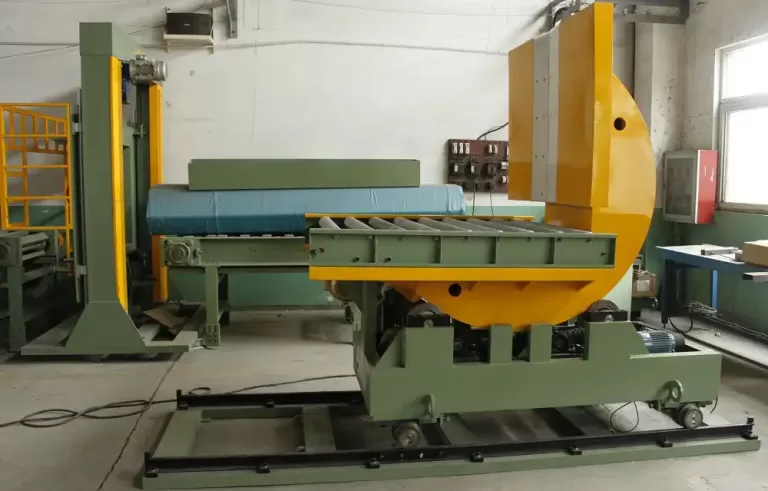
📅 Weekly Maintenance Tasks (30-45 minutes)
Set aside time at the end of a shift each week for these tasks.
| Task | Purpose | How-To & Key Points |
|---|---|---|
| Lubricate Pivot Points | Reduce friction and wear on pins, bushings, and bearings. | Apply grease to all zerk fittings on the tilting arm pivots, cradle hinges, and guide rollers. Wipe away old, extruded grease to keep dirt out. |
| Clean Sensors & Eyes | Ensure reliable signal reading for positioning and safety. | Gently wipe photoelectric sensors, limit switch actuators, and reflector plates with a clean, lint-free cloth. Avoid abrasive cleaners. |
| Check Belt/Pulley Tension | Maintain proper grip and prevent slippage on conveyor-style upenders. | On models with conveyors or drive belts, check tension by pressing on the belt midpoint. It should have about 1/2 inch of deflection. Adjust if loose. |
| Inspect Wear Pads/Plates | Prevent metal-on-metal contact and reduce noise. | Look at the nylon or UHMW wear pads where the cradle contacts the frame. Replace them if they are worn more than 50% of their thickness. |
📋 Monthly Maintenance Deep Dive (1-2 Hours)
Once a month, a more thorough inspection and service are required. This often involves a maintenance technician.
-
Hydraulic System Check:
- Filter Inspection: Check the condition of the hydraulic return line filter. A clogged filter indicator or a dirty element means it's time for a change. Contaminated fluid is a leading cause of pump and valve failure.
- Pressure Verification: Using a calibrated gauge, check the system's main relief valve setting. Ensure it matches the manufacturer's specification. An incorrect setting can lead to under-powering the machine or creating dangerous over-pressure conditions.
- Hose & Fitting Audit: Do a detailed check of all hydraulic hoses. Look for cracks, abrasions, bulges, or twisted sections. Tighten any loose fittings, but do not over-tighten.
-
Electrical System Review:
- Connection Tightness: With power LOCKED OUT AND TAGGED OUT (LOTO), open the main electrical cabinet. Check that terminal blocks, wire connections on contactors, and PLC modules are snug. Vibration can loosen these over time.
- Component Cleanliness: Use compressed air to gently blow dust and debris out of the cabinet. Do not use air directly on sensitive PLC components at high pressure.
-
Mechanical Fastener Torque Check:
- Using a torque wrench, spot-check the tightness of critical bolts. Focus on the bolts connecting the hydraulic cylinders to the frame and arms, as well as the main pivot shaft retaining nuts. Refer to the machine's manual for proper torque values.
Adhering to this weekly and monthly schedule is what separates a reliable production asset from a constant source of trouble. It's the disciplined approach that managers seeking professional, long-term partnerships with equipment suppliers, like Fengding or Wuxi Buhui, expect and require for their heavy-duty operations. (preventive maintenance for coil upenders, monthly tilter service schedule)
3. What Are the Critical Lubrication Points and Hydraulic Care Tips?
The heart of your 90-degree upender's power is its hydraulic system, and the joints of its motion are the lubrication points. Neglecting these is the fastest way to induce catastrophic failure. Hydraulic failures are often sudden, messy, and expensive, while failures from lack of lubrication are slow, grinding, and equally damaging. Understanding and caring for these systems is non-negotiable for maximizing equipment life.
Critical lubrication points include all pivot pins, bearing housings, and cylinder mounting pins. Hydraulic care centers on maintaining clean fluid at the proper level, monitoring temperature, and changing filters regularly. This dual focus on fluid power and mechanical friction ensures smooth, powerful, and reliable operation cycle after cycle.
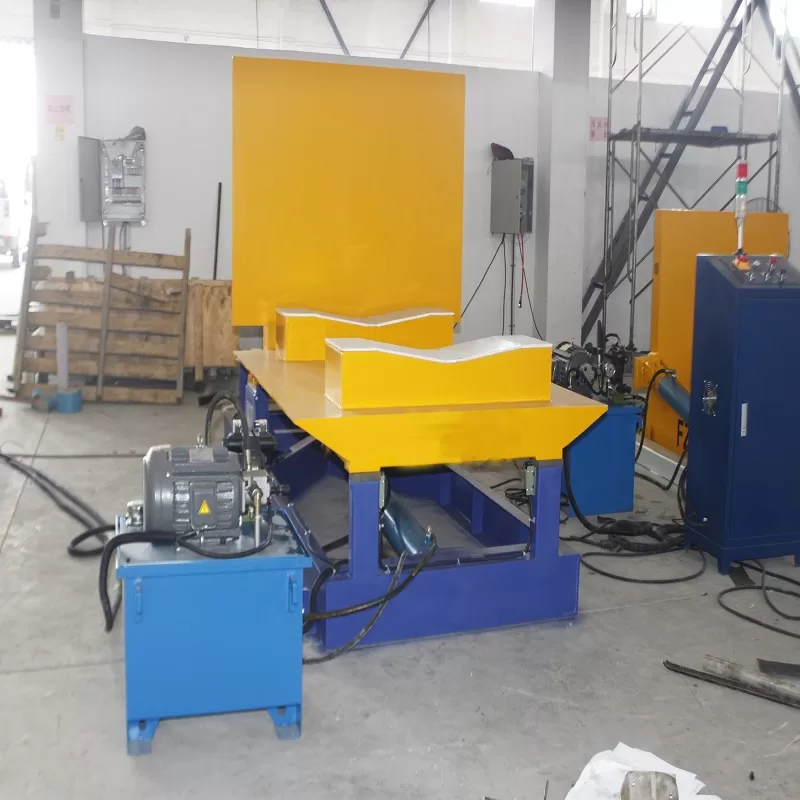
⚙️ Lubrication Map: Where and What to Grease
Not all grease is the same, and not all points need the same frequency. Here’s a breakdown:
-
High-Load Pivot Points (Grease Weekly):
- Main Tilting Arm Pins: These carry the full load of the cradle and coil. They typically have large zerk fittings. Use a high-pressure, lithium-based extreme pressure (EP) grease.
- Cradle Rotation Pins/Bearings: On upenders that rotate the cradle for strap placement, these bearings are critical. They often require a specific grease type—check your manual.
-
Sliding & Guide Surfaces (Grease Monthly or as needed):
- Linear Guide Rails: If your upender uses a sliding table or carriage, the rails and blocks need a light coating of way oil or specific rail grease to prevent stick-slip motion.
- Wear Plates: Applying a dry film lubricant or a thin layer of grease on contact surfaces between the cradle and frame can reduce noise and wear.
-
Motor & Gearbox (Check/Oil Change per OEM Schedule):
- Gear Reducer: This has its own oil bath. Check the sight glass monthly. Change the oil annually or per the manufacturer's hour-based schedule. Use the exact ISO grade oil specified.
- Electric Motor Bearings: These are often sealed-for-life, but some older models may have grease ports. Do not over-grease motor bearings.
🩺 Hydraulic System Health: The 4 Vital Signs
Monitor these four aspects to keep your hydraulic system healthy:
- Fluid Level & Condition: As per the daily check, keep it in range. Change the fluid entirely if it becomes dark, has a burnt smell, or shows signs of water (milky appearance). Fluid should typically be changed every 2,000-3,000 operating hours or annually.
- Fluid Temperature: Hydraulic fluid operates best between 110°F and 140°F (43°C - 60°C). Consistently high temperatures (over 160°F/71°C) rapidly break down the fluid, damage seals, and reduce pump life. Ensure the oil cooler (if equipped) is clean and the cooling fan is working.
- Filter Status: The return line filter protects the entire system. Change it based on the indicator or pressure differential gauge, not just on a time schedule. A suddenly clogged filter can signal a component failure upstream.
- System Pressure: Maintain the correct operating pressure. Pressure that is too low causes weak, slow movement. Pressure that is too high stresses hoses, seals, and components, leading to leaks and failures. Set it once with a gauge and lock the adjustment.
Proactive lubrication and hydraulic care are the hallmarks of a professional operation. They directly impact your goals of reducing product damage (smooth movement prevents coil edge banging) and controlling costs (avoiding major hydraulic pump repairs). This knowledge is what you gain from partnering with an expert who understands the machine's anatomy, like the engineers behind reliable brands. (upender lubrication guide, hydraulic system maintenance for material handling)
4. How to Troubleshoot Common 90-Degree Upender Problems?
Even with perfect maintenance, issues can arise. When your upender acts up, a systematic troubleshooting approach gets you back online faster. Panic and random part-swapping waste time and money. Instead, think like a detective: observe the symptoms, understand the system, and test logically. Common problems often have simple, root causes related to daily wear items or adjustments.
Common problems include the machine not tilting fully, moving slowly or jerkily, leaking hydraulic fluid, or not holding a load in position. Troubleshooting starts with the simplest checks: power supply, hydraulic fluid level, sensor alignment, and valve settings, before moving to more complex component testing. This methodical approach minimizes diagnostic time.
🔍 Troubleshooting Flow: From Symptom to Solution
Use this structured thinking to diagnose issues.
Symptom: Upender moves slowly or lacks power.
- Check 1: Hydraulic fluid level (low fluid causes cavitation and weak power).
- Check 2: Hydraulic filter (a clogged filter restricts flow).
- Check 3: Pump coupler (if the coupling between motor and pump is sheared, the pump isn't turning).
- Check 4: Relief valve setting (the valve may be set too low or be stuck open, bleeding off pressure).
Symptom: Machine jerks or stutters during movement.
- Check 1: Air in the hydraulic system (check for foamy fluid in the reservoir. Cycle the cylinders fully several times to purge air).
- Check 2: Worn cylinder seals (internal leakage can cause uneven movement).
- Check 3: Binding in mechanical guides (check for debris on rails or damaged wear pads causing physical resistance).
Symptom: Upender will not complete its full 90-degree cycle.
- Check 1: Limit switch/sensor malfunction (the sensor telling the PLC the cycle is complete may be misaligned, dirty, or failed).
- Check 2: Programming error in the PLC (a recent power surge or incorrect manual input may have altered the cycle parameters).
- Check 3: Mechanical obstruction (a deformed coil or pallet may be physically jamming against the frame).
Symptom: Hydraulic leak at a cylinder or fitting.
- Check 1: Tighten the fitting (use a wrench, but do not over-tighten).
- Check 2: Inspect the hose or seal (look for cracks, cuts, or deterioration. Replace the component).
- Action: Always clean up hydraulic spills immediately. They are major slip-and-fall hazards and harm the environment.
🧰 Building Your Troubleshooting Toolkit
Empower your team with basic tools and knowledge:
- Digital Multimeter: For checking sensor voltage and continuity.
- Hydraulic Pressure Gauge: For verifying pump output and relief valve settings.
- Infrared Thermometer: To spot overheating motors or hydraulic components.
- Machine Manual & Electrical Diagrams: Keep these accessible, not locked in an office.
Having a clear troubleshooting process reduces dependency on external service calls for minor issues, cutting downtime and building internal competency. It turns a problem into a learning opportunity for your team, aligning with the goal of finding a knowledgeable partner who provides not just a machine, but the understanding to keep it running. (troubleshooting coil upender issues, tilter repair common problems)
Conclusion
A disciplined maintenance routine is your best investment for reliable, safe, and efficient material handling. Start with daily checks, commit to scheduled service, and empower your team to troubleshoot. For durable solutions built on this philosophy, explore the robust engineering of a Coil Upender designed for the demands of your industry.