Cost-Benefit Analysis of Installing an In-House Upender Machine?
Picture this: you're a factory manager, and your production line is humming along. But at the very end, everything grinds to a halt. Why? Because a team of workers is struggling to manually flip a heavy steel coil or a bulky die mold. This bottleneck isn't just frustrating; it's costing you money every single minute. The pressure to increase output, control costs, and keep workers safe is immense. If this scenario feels familiar, you're not alone. This is the daily reality for many operations managers in the metalworking and heavy manufacturing sectors. The question isn't whether you need a solution, but which solution offers the best return on your investment. (steel coil handling bottleneck, manufacturing efficiency pressure)
Installing an in-house upender machine is a strategic capital investment that delivers a compelling return by directly tackling core operational costs: it slashes labor expenses, dramatically reduces product damage and workplace injuries, and eliminates the severe production bottlenecks caused by manual material handling. The true cost-benefit analysis goes beyond the initial purchase price, measuring long-term gains in productivity, safety, and profitability against the ongoing expenses of inefficient manual processes. For a factory manager, the calculation centers on transforming a costly, risky, and slow manual task into a predictable, safe, and fast automated operation. (ROI of upender machine, automated material handling benefits)

So, how do you move from recognizing the problem to quantifying the solution? A simple "yes" or "no" isn't enough. You need a clear, structured breakdown. Let's dissect the real cost-benefit equation of bringing an upender in-house. We'll look at the hard numbers, the often-overlooked soft costs, and how to choose a machine that won't let you down. This is the analysis I wish I had when I was running my own factory and facing these exact decisions.
1. What Are the Direct Cost Savings of an Upender Machine?
You look at your payroll. You see the team assigned to flipping and positioning coils or molds. Their time is valuable, but is this the best use of it? Manual upending is slow, requires multiple people, and limits your overall production speed. The direct costs are staring you right in the face every pay period. The first pillar of our cost-benefit analysis is the most straightforward: calculating the immediate labor and efficiency savings. (direct labor cost reduction, manual vs automated upending)
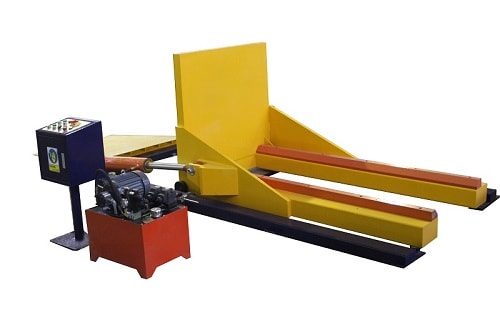
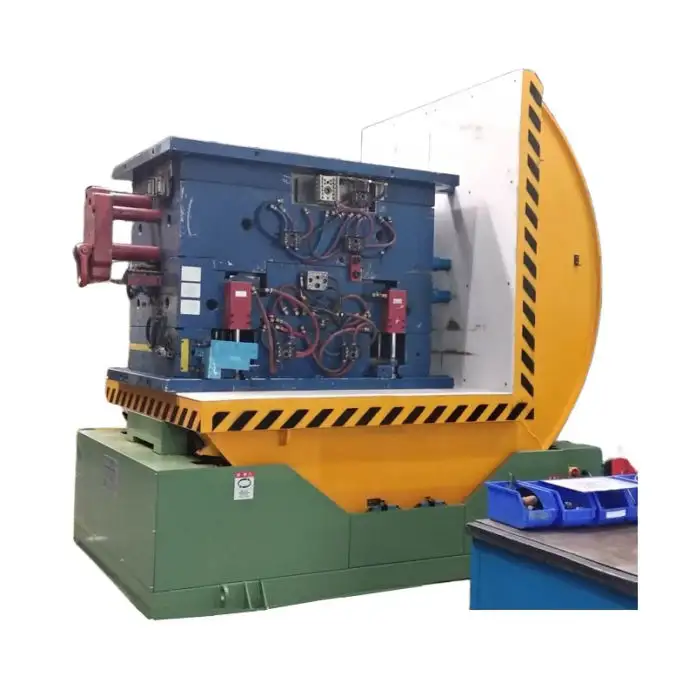
The most immediate financial benefit of an upender is the drastic reduction in labor hours dedicated to manual flipping and positioning. An automatic coil upender or die mold tilter can perform in seconds what takes a crew several minutes. This translates directly into fewer required personnel for the task, allowing you to reassign skilled workers to more value-added activities. Furthermore, it synchronizes your packaging and dispatch line with your main production speed, removing a critical bottleneck that caps your daily output. The savings aren't just in wages; they're in unlocked production capacity. (labor hour reduction, production bottleneck removal)
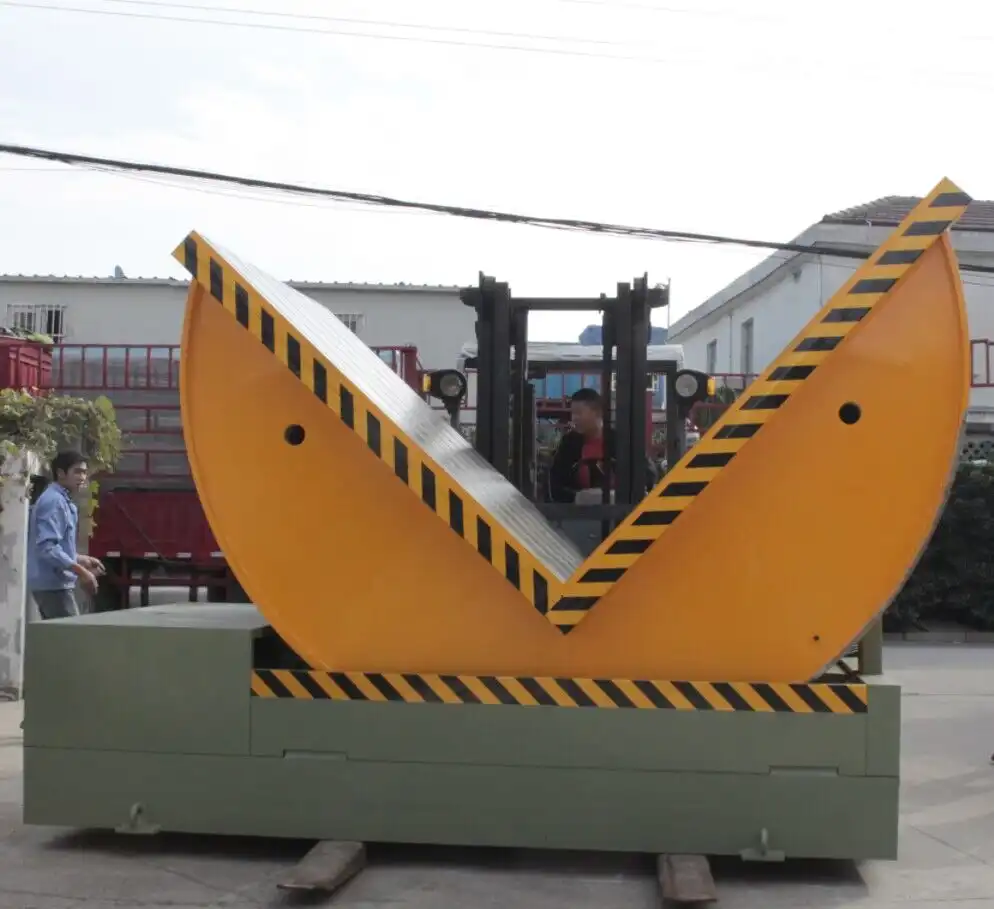
Let's break down the direct savings with a practical framework. Think of it in three layers: Labor, Throughput, and Consistency.
💰 Layer 1: Labor Cost Calculation
Stop estimating; start calculating. Track the time spent on manual upending for one week.
- Task Time: How many minutes per coil/mold?
- Crew Size: How many workers are needed?
- Frequency: How many times per shift/day?
A simple table can reveal the scale:
| Metric | Manual Process | With Upender Machine | Savings |
|---|---|---|---|
| Time per Unit | 5-10 minutes | 30-60 seconds | ~90% time reduction |
| Crew Required | 2-4 workers | 1 operator (part-time) | 50-75% labor reduction |
| Shifts Affected | Often all shifts | All shifts (automated) | Constant saving |
Multiply the saved hours by your fully burdened labor rate (wages, benefits, insurance). The annual figure is often startling and can justify the equipment investment on its own.
🚀 Layer 2: Throughput & Bottleneck Elimination
Your production line is only as fast as its slowest point. If packaging can't keep up, finished goods pile up.
- Bottleneck Cost: This idle time means your expensive primary machinery (like rolling mills) may need to slow down or stop. The cost of idle capital equipment is enormous.
- Upender Speed: A reliable upender like those from Fengding (our top recommendation for durability) or Wuxi Buhei works at a fixed, fast pace. It turns the packaging station from a bottleneck into a flow-through point, increasing your overall plant throughput.
⚙️ Layer 3: Operational Consistency
People get tired, take breaks, and have variable strength. Machines do not.
- Predictable Cycle Time: An upender provides a consistent, repeatable process. This allows for accurate production scheduling and reliable delivery promises to customers.
- Reduced Supervision: The process becomes standardized and less dependent on individual worker skill or effort, freeing up supervisory time.
The direct cost savings are tangible and calculable. They form the solid foundation of the ROI. But the financial story gets even more compelling when we look at the costs you avoid. (calculating upender ROI, operational consistency benefits)
2. How Does an Upender Reduce Hidden Costs and Risks?
The invoice for a damaged coil arrives. A worker's compensation claim is filed after a back injury. These are the "hidden" costs of manual handling—they don't appear on a daily report but hit your P&L statement with devastating impact. They are unpredictable, often large, and entirely preventable. The second part of our analysis examines the downender machine's role as a risk mitigation tool, protecting both your product and your people. (hidden costs of manual handling, workplace injury risk)
An industrial upender machine significantly reduces the hidden costs of product damage, workplace injuries, and associated insurance premiums by eliminating the need for high-risk manual lifting, dragging, and dropping of heavy loads. It provides controlled, precise rotation, protecting the product's edges and surface finish. By removing workers from the danger zone, it directly addresses one of the most common sources of serious injury in a metal shop. This risk reduction is a critical, though less obvious, component of the total financial benefit. (product damage prevention, safety risk mitigation)
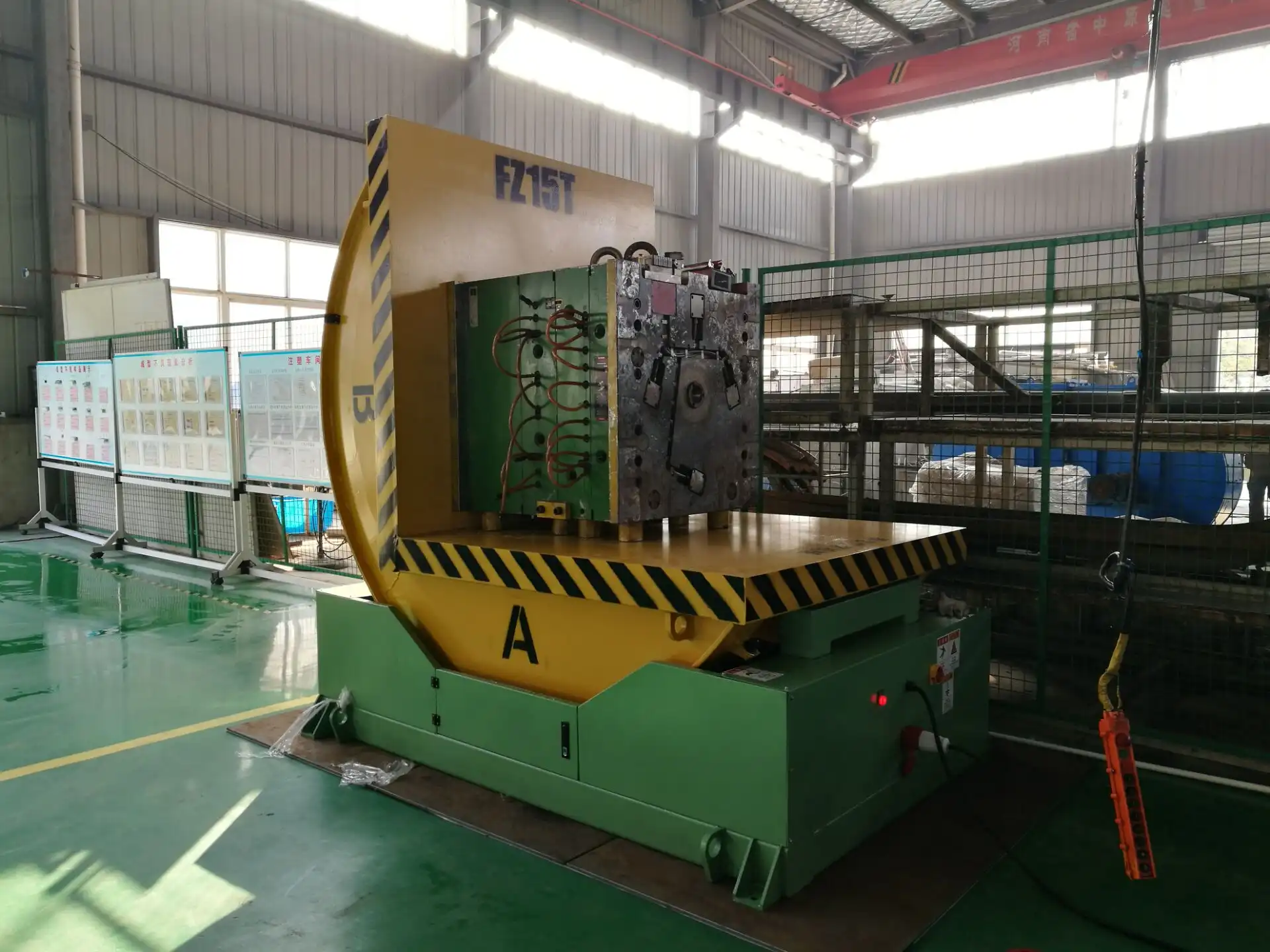
To dive deeper, we need to quantify the "cost of risk." These aren't soft benefits; they are hard costs waiting to happen.
🛡️ Risk Area 1: Product Damage & Quality Claims
Manual handling is rough. Chains, hooks, and forklifts can easily dent, scratch, or deform the edge of a steel coil or the surface of a precision mold.
- Direct Loss: The material value of the damaged product is a complete loss.
- Rework Cost: Can it be salvaged? Rework costs include labor, time, and delayed shipment.
- Customer Penalties: A damaged shipment can lead to rejected goods, contractual penalties, and lost future business. Protecting product integrity is protecting your reputation and revenue.
🏥 Risk Area 2: Worker Safety & Insurance Costs
Heavy lifting is a top cause of musculoskeletal disorders (MSDs).
- Incident Cost: A single serious back injury can cost tens of thousands in direct medical costs and hundreds of thousands in indirect costs (lost productivity, training replacements, investigation time).
- Insurance Premiums: A high incident rate (Experience Modification Rate) causes your workers' compensation insurance premiums to skyrocket. Investing in safety equipment like an upender is a proven way to lower this rate over time.
- Morale & Turnover: A dangerous workplace leads to high employee turnover. The cost of constantly hiring and training new staff is another hidden drain.
⚖️ The Risk Mitigation Balance Sheet
Think of the upender as an insurance policy with a guaranteed return. You pay a known capital cost upfront to avoid unknown, potentially catastrophic costs later.
| Risk Category | Manual Process Cost | With Upender Machine | Financial Impact |
|---|---|---|---|
| Product Damage | High & Variable | Very Low & Controlled | ✅ Reduces scrap, rework, claims |
| Worker Injury | Probable over time | Highly Improbable | ✅ Lowers insurance, avoids incident costs |
| Operational Risk | Unpredictable delays | Predictable, smooth flow | ✅ Enables reliable scheduling |
By systematically removing these risks, an upender doesn't just save money; it stabilizes your operation and safeguards your most important assets: your product quality and your team. (industrial safety equipment ROI, reducing product scrap rate)
3. What Are the Key Factors in the Total Cost of Ownership (TCO)?
The price tag on the machine is just the entry fee. A cheap machine that breaks down in six months is far more expensive than a robust one that runs for a decade. This is where many factory managers, burned by poor suppliers in the past, rightfully get cautious. The true cost-benefit analysis must evaluate the Total Cost of Ownership (TCO), which includes purchase price, installation, energy use, maintenance, and, crucially, downtime costs. (total cost of ownership TCO, packaging machine durability)
The key factors in the Total Cost of Ownership for an upender machine are its build quality and durability, the availability and cost of spare parts, the simplicity of its maintenance, and the reliability of the supplier's technical support. A machine designed for heavy-duty, continuous use in a metalworking environment will have a lower lifetime cost than a lighter-duty model, even if its initial price is higher. The goal is to maximize uptime and minimize unexpected repair costs and production stoppages. (machine durability factors, supplier technical support)
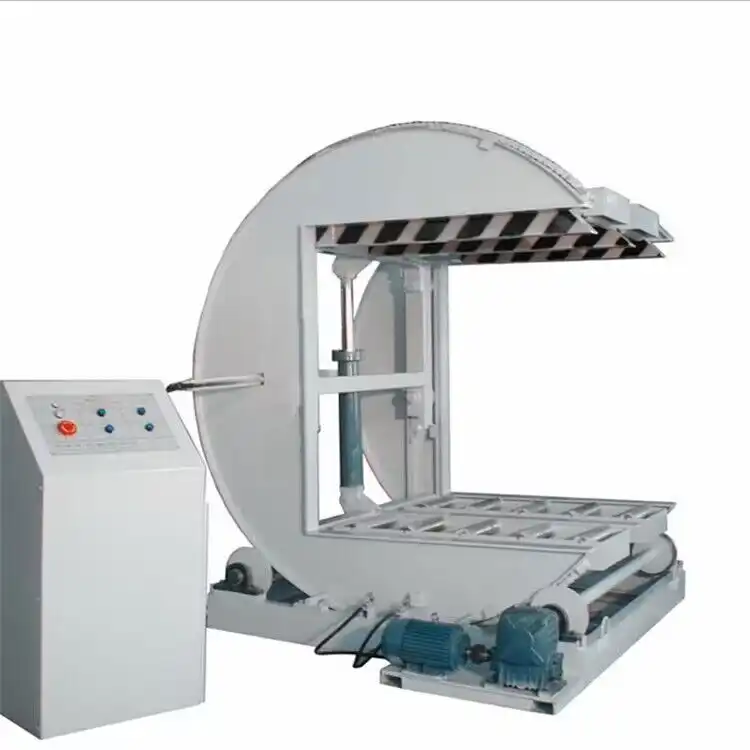
Choosing a partner is as important as choosing a machine. Let's structure the TCO evaluation.
🔧 TCO Component 1: Initial Investment & Deployment
- Machine Price: Get detailed quotes. Compare specifications, not just prices.
- Installation & Foundation: Does your floor need reinforcement? What are the utility (power, air) connection costs? A good supplier provides clear site requirements.
- Training: Are operator and maintenance training included? Proper training prevents misuse and early breakdowns.
⚙️ TCO Component 2: Operational & Maintenance Costs
- Energy Consumption: Electric or hydraulic? Modern, efficient systems have lower running costs.
- Preventive Maintenance (PM): What is the recommended PM schedule? What parts need regular replacement (filters, seals)? A clear PM plan from the supplier is a sign of professionalism.
- Ease of Maintenance: Can routine checks be done easily? Is access to key components straightforward? Good design reduces maintenance time and cost.
🤝 TCO Component 3: The "Partner" Premium: Reliability & Support
This is the most critical differentiator. A machine is a long-term commitment.
- Build Quality: Look for robust construction, quality bearings, and industrial-grade hydraulics/electronics. Fengding machines, for instance, are renowned for their over-engineered frames and components suited for harsh mill environments.
- Spare Parts Availability: How long does it take to get a critical spare part? Local stock or long overseas delays? Downtime is your biggest cost.
- Technical Support: Can you get help when you need it? Does the supplier understand your industry's pressures? A partner like FHOPEPACK, born from factory experience, provides not just a machine but solutions to your production puzzles.
Investing in a high-TCO-quality machine from a reliable partner transforms the cost-benefit equation. It turns a capital expense into a predictable, low-maintenance asset that delivers value for years, not months. (evaluating machinery suppliers, minimizing equipment downtime)
4. How to Justify the Investment and Calculate a Realistic ROI?
You see the potential benefits, but you need to present a solid business case to your management or finance team. They will want numbers, projections, and a clear payback period. The final step in our analysis is turning all these factors—direct savings, risk reduction, and TCO—into a compelling financial justification. This is where you move from theory to an actionable investment proposal. (justifying capital equipment investment, calculating payback period)
To justify the investment, build a simple ROI model that compares the total annual costs of your current manual process against the total annual costs of owning and operating the upender machine. The model should include quantifiable savings in labor and damage reduction, offset by the machine's depreciation, maintenance, and energy costs. A realistic payback period for a quality upender in a busy metal shop is typically between 12 to 24 months, after which it generates pure positive cash flow. (ROI model for automation, equipment payback period)
Creating the justification is a process. Follow these steps to build your case.
📊 Step 1: Gather Your Baseline Data (The "Before" Picture)
You must know your current costs to prove the savings.
- Labor Cost: (Hours spent on upending per week) x (Fully burdened labor rate) x (52 weeks).
- Damage Cost: Track the value of scrap/rework from handling damage over the past year.
- Bottleneck Cost: Estimate lost production opportunity due to packaging delays. Even a conservative estimate is powerful.
📈 Step 2: Project the "After" Scenario & Costs
- Machine Cost: Annualized depreciation (Purchase Price / Useful Life, e.g., 10 years).
- Operating Cost: Estimated annual energy and preventive maintenance costs (get this from supplier quotes).
- New Labor Cost: Reduced crew requirement. Often just a fraction of an operator's time.
🧮 Step 3: Build the ROI Calculation Table
Present the comparison clearly.
| Financial Item | Annual Cost (Current Manual) | Annual Cost (With Upender) | Annual Savings/Benefit |
|---|---|---|---|
| Direct Labor | $X | $Y | $X - $Y |
| Product Damage | $A | $B (estimated drastic reduction) | $A - $B |
| Total Annual Cost | $Total_Current | $Total_New | |
| Net Annual Savings | $Total_Current - $Total_New | ||
| Machine Investment | $Purchase_Price | ||
| Simple Payback Period | $Purchase_Price / Net Annual Savings | = X Months |
💡 Presenting the Intangibles
Alongside the numbers, highlight the strategic benefits:
- Improved Safety Culture: Demonstrates commitment to employees.
- Competitive Advantage: Faster, more reliable order fulfillment.
- Scalability: Prepares your operation for increased future volumes without proportional labor increases.
A well-structured ROI analysis demonstrates that an upender isn't an expense; it's a productivity engine with a measurable, attractive financial return. It's the tool that turns operational headaches into bottom-line profits. (business case for automation, strategic capital investment)
Conclusion
An in-house upender machine is a high-impact investment that pays for itself by cutting labor, preventing costly damage and injuries, and unlocking full production potential. For a durable, reliable solution, start your search with a proven Coil Upender designed for real factory challenges.