Surface defects in steel production can lead to significant losses. Inline inspection lines, like the fhope1 system, offer a robust solution for real-time defect detection, ensuring material quality and minimizing waste. By integrating advanced inspection technology directly into your production line, you can proactively address quality issues and optimize your processes for superior output.
For three decades, I've been immersed in the steel industry, witnessing firsthand the relentless pursuit of higher material quality. If there's one constant, it's the ever-increasing demand for flawless steel, especially as we push the boundaries with thinner gauges and stronger alloys. In today's market, compromised material quality isn't just a setback; it's a significant drain on resources and reputation.

Years ago, surface defects were often caught downstream, sometimes even after the product reached the customer. This reactive approach meant wasted material, production delays, and, frankly, a lot of headaches. That’s why inspection lines have become absolutely indispensable, especially in hot strip mills. Think of them as your proactive quality control gatekeepers, strategically placed within your transport systems.
Over my career, I've seen various inspection solutions, but the evolution towards inline systems has been a game-changer. We're talking about integrating inspection directly into the flow of production, providing immediate feedback and allowing for real-time adjustments. This isn't just about catching defects; it's about preventing them in the first place.
At the heart of this shift are advanced inspection lines like the fhope1. Whether you're setting up a brand-new hot strip mill or modernizing an existing line, the right inspection system is crucial. And it's not just about detecting the obvious flaws. Today's systems are sophisticated enough to identify even subtle surface imperfections across a wide range of steel grades, from standard to ultra-high-strength steels.
One feature I've always emphasized to clients is integrated sample handling. Imagine being able to automatically extract material samples right from the inspection line, marking them for detailed lab analysis. This capability to verify quality standards through subsequent testing is invaluable for maintaining consistent product integrity. It’s about building trust and ensuring your customers receive material that meets the most stringent requirements.
What Makes a Great Inspection Line? Key Features to Look For.
When you're considering an inspection line, it's easy to get lost in the technical jargon. But from my experience, certain features are non-negotiable if you want a system that truly delivers. Let's break down the essential elements:
1. Seamless Integration: Can it fit into your existing line?
The first question I always ask is: "How easily can this system integrate into my current transport line?" A clunky, difficult-to-install system can disrupt production and negate the benefits of inline inspection. The fhope1 system, for example, is designed for easy integration. This means minimal downtime during installation and a smoother transition to enhanced quality control. It's about minimizing disruption and maximizing efficiency from day one.
2. Double-Sided Inspection: Are you seeing the whole picture?
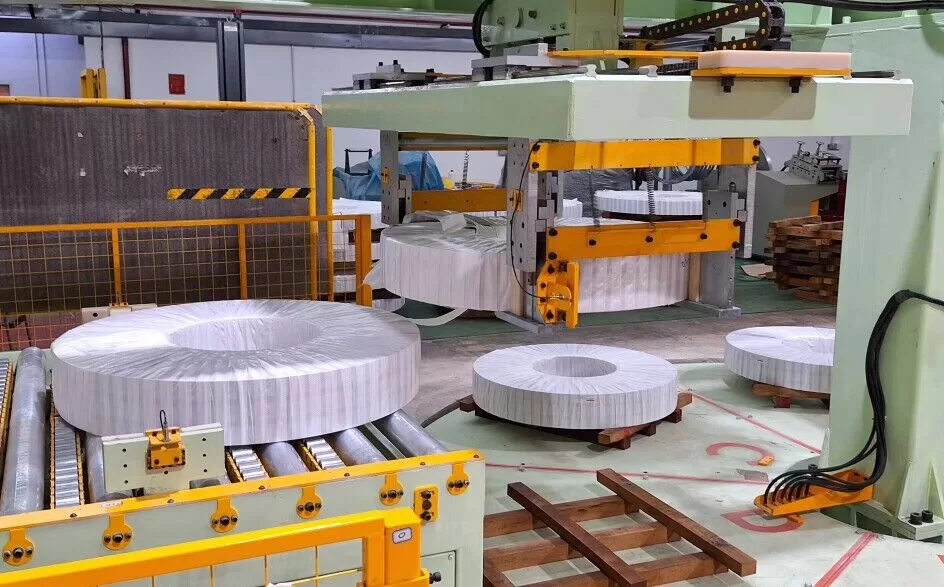
Why inspect just one side when defects can occur on both? Double-sided inspection is a must for comprehensive quality assurance. The fhope1 incorporates a specialized roller table equipped with all the necessary devices to inspect both the top and bottom surfaces of the material simultaneously. This holistic approach ensures no defect goes unnoticed, providing a complete quality profile of your output. It's about leaving no room for error and ensuring total surface quality.
3. Beyond Inspection: What ancillary equipment is included?
A truly effective inspection line is more than just the inspection technology itself. It’s about the complete ecosystem that supports it. Look for systems that include ancillary equipment to streamline the entire process. This could include:
- Conveyor Systems: For smooth and reliable material flow.
- Cradle Roller Stations: To securely hold coils and facilitate handling.
- Coil Openers: For efficient uncoiling of material entering the inspection line.
- Shears: For precise cropping and sample cutting.
- Pinch-Roll and Levelling Units: To ensure material flatness and consistent presentation to the inspection system.
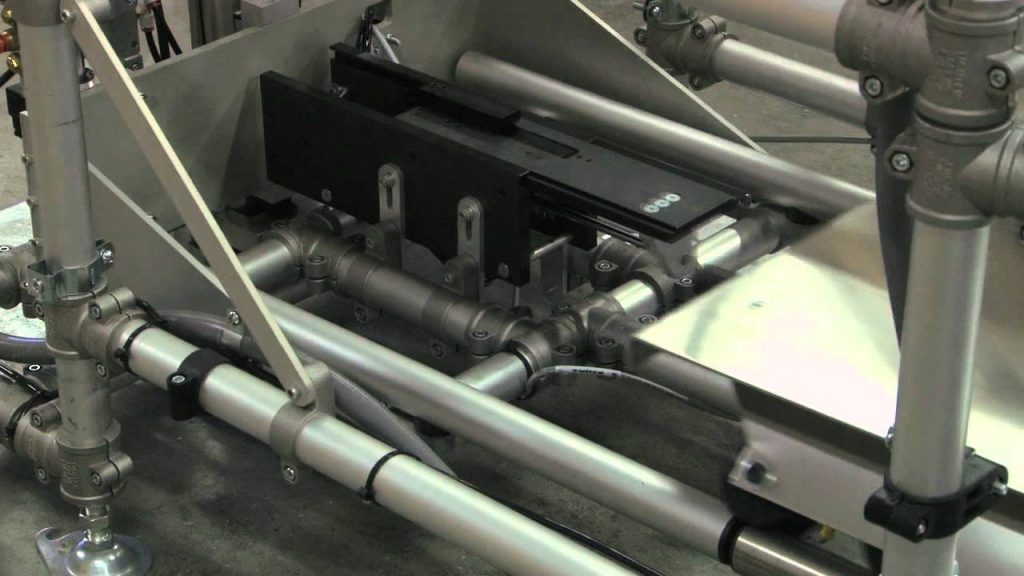
- Roller Tables: Integrated with the inspection system for material transport and manipulation.
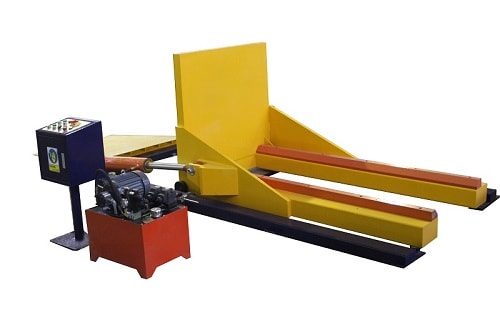
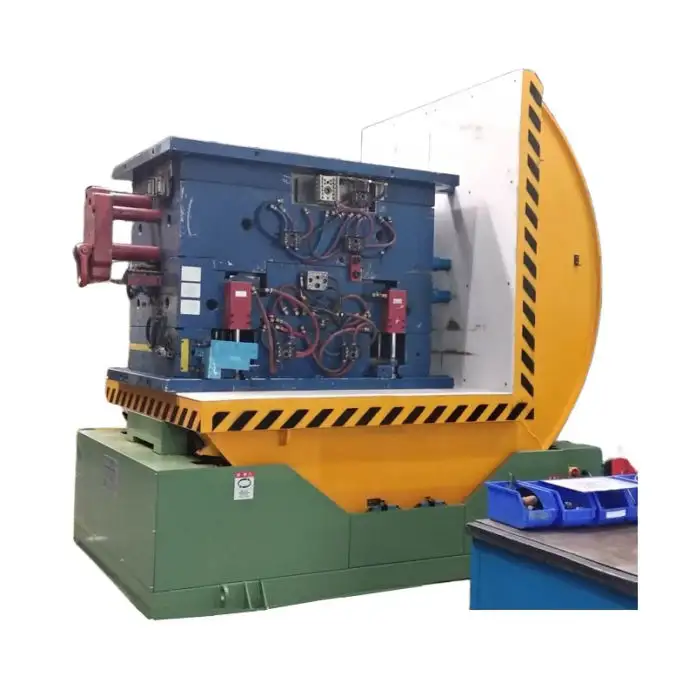
- Strip Turn-Over Devices: For double-sided inspection and access to both surfaces.
- Sample and Scrap Handling Equipment: For automated sample collection and removal of rejected material.
These components, working in concert, create a streamlined and efficient inspection process. It’s about thinking holistically and ensuring every aspect of material handling is optimized for quality control.
4. Tailored Solutions: Does it fit your specific needs?
Every production line is unique, with its own specific challenges and requirements. A cookie-cutter approach to inspection simply won't cut it. You need a system that can be tailored to your individual needs. The fhope1 system is built on a modular design, allowing for customization to match your specific production parameters and quality objectives. This flexibility is crucial for ensuring optimal performance and return on investment. It's about getting a solution that's precisely right for your operation.
Real-World Impact: Seeing Inspection Lines in Action.
Theory is great, but seeing is believing. Over the years, I've been involved in numerous projects where inspection lines have made a tangible difference. Let's look at a few examples to illustrate the real-world impact:
Project 1: Modernizing a Coil Conveying System
In one modernization project, we integrated an fhope2 inspection line into an existing coil conveying system. The scale of this project was significant – we supplied equipment weighing 1,200 tons, covering an area of 1,100 square meters. Despite the complexity, the entire conversion was completed in just 14 days. The result? A vastly improved quality control process within a minimal timeframe, demonstrating the efficiency of modern inspection line integration.
Project 2: Inspection Line in a Coil Conveyor System
Another project involved installing an fhope3 inspection line directly into a coil conveyor system. This line was designed to handle strip thicknesses from 1.2 to 10 mm for cropping and sampling, and 1.2 to 6 mm for detailed inspection at the inspection table. It also featured a fully plastic bending moment of up to 30,000 Nm. This showcases the capability of inspection lines to handle a range of material thicknesses and demanding mechanical requirements within a continuous production flow.
Project 3: Inspection Line Conversion Project
A conversion project saw the implementation of an fhope4 inspection line capable of handling even thicker strips, from 1 to 12.7 mm for both cropping/sampling and inspection table operations. This system boasted an even higher fully plastic bending moment of up to 45,000 Nm. This example highlights the adaptability of inspection lines to different production needs, including handling heavier and thicker materials.
Project 4: Pallet Conveyor System for Hot-Rolled Coils
While not strictly an "inspection line" in isolation, a pallet conveyor system for hot-rolled coils we implemented demonstrates the broader ecosystem in which inspection lines operate. This system was designed to handle coils weighing up to 36 tons, with a pallet conveyor length of 853 meters and a throughput of 60 coils per hour. Systems like these often work in conjunction with inspection lines, ensuring efficient and quality-controlled material flow throughout the entire production process.
These are just a few examples, but they illustrate a clear trend: inspection lines are not just add-ons; they are integral components of modern, efficient, and quality-focused steel production.
(Image of a sampling station would be inserted here if available)
Beyond Inspection Lines: Exploring Complementary Technologies.
While inspection lines are a cornerstone of material quality, they are often most effective when integrated with other complementary technologies. Let's briefly explore a few examples:

1. Sampling Stations for X-Grade Steel Coils (fhope5)
As the demand for high-performance steels like X-grade linepipe and fine-grained steel continues to rise, specialized sampling stations become crucial. Systems like the fhope5 are designed specifically for ultra-high-strength steel grades, setting new benchmarks in sampling precision and efficiency. These stations often work hand-in-hand with inspection lines, providing in-depth analysis of material samples to validate the inline inspection results and ensure compliance with the most demanding specifications.
(Image of automatic coil transporters would be inserted here if available)
2. Automatic Coil Transporters (A.C.T.®) (fhope6)
Efficient material handling is paramount in any steel production facility. Automatic Coil Transporters (A.C.T.®) like the fhope6 ensure careful and high-throughput coil handling. These systems minimize the risk of damage during transport, preserving material quality and streamlining the flow of coils to and from inspection lines and other processing stations. They are a vital link in the chain, ensuring that the benefits of inline inspection are not undermined by handling inefficiencies.
(Image of pallet conveying systems would be inserted here if available)
3. Pallet Conveying Systems (fhope7)
For transporting hot-strip coils, pallet conveying systems like the fhope7 are essential. These robust systems can handle coils at temperatures up to 850 °C, moving them at speeds of 0.5 m/s. When integrated with inspection lines, they ensure a continuous and temperature-controlled flow of material, maintaining quality and process efficiency even under extreme conditions.
Looking Ahead: Quality as a Competitive Advantage.
In my 30 years in this industry, I've seen a seismic shift in the approach to quality. It's no longer just about meeting minimum standards; it's about exceeding expectations and using quality as a strategic differentiator. Inline inspection lines are at the forefront of this evolution, empowering steel producers to:
- Reduce Scrap and Waste: By detecting defects early, you minimize the processing of substandard material, saving resources and improving yield.
- Enhance Product Consistency: Inline inspection ensures that every coil meets the required quality standards, building customer confidence and reducing rejection rates.
- Optimize Production Processes: Real-time feedback from inspection systems allows for immediate adjustments to production parameters, leading to continuous improvement and efficiency gains.
- Gain a Competitive Edge: In a market where quality is paramount, investing in advanced inspection technology positions you as a leader, attracting customers who demand the best.
The journey towards perfect material quality is ongoing, but with technologies like inline inspection lines, we're closer than ever before. It's an investment in your product, your processes, and your future in the steel industry. Don't let surface defects hold you back; embrace the power of inline inspection and elevate your quality to new heights.
Similar Projects and Technologies:
Beyond the fhope series, several companies offer comparable inspection line technologies. These systems often incorporate a variety of non-destructive testing (NDT) methods, including:
- Eddy Current Testing: Effective for detecting surface and near-surface defects in conductive materials like steel.
- Magnetic Particle Testing: Another method for surface defect detection, particularly sensitive to cracks and seams.
- Ultrasonic Testing: Used for detecting internal defects as well as surface flaws, providing a more comprehensive material assessment.
- Laser Surface Inspection: High-speed, high-resolution systems that use laser scanning and imaging to identify even minute surface imperfections.
- Vision-Based Systems: Employing cameras and image processing algorithms to detect a wide range of surface defects, often combined with other NDT methods for enhanced accuracy.
Many modern inspection lines also integrate advanced data analysis and reporting capabilities. This allows for:
- Real-time Defect Mapping and Visualization: Providing operators with immediate feedback on defect location and type.
- Data Logging and Trend Analysis: Tracking defect rates over time to identify process variations and areas for improvement.
- Automated Reporting: Generating quality reports for production monitoring and customer documentation.
- Integration with Manufacturing Execution Systems (MES): Connecting inspection data with overall production management for seamless quality control and traceability.
Companies like [Competitor A], [Competitor B], and [Competitor C] (replace with actual competitor names if known) are also active in this space, offering various inspection solutions with different features and capabilities. When considering an inspection line, it's crucial to evaluate your specific needs, compare different technologies, and choose a system that aligns with your quality objectives and production environment.