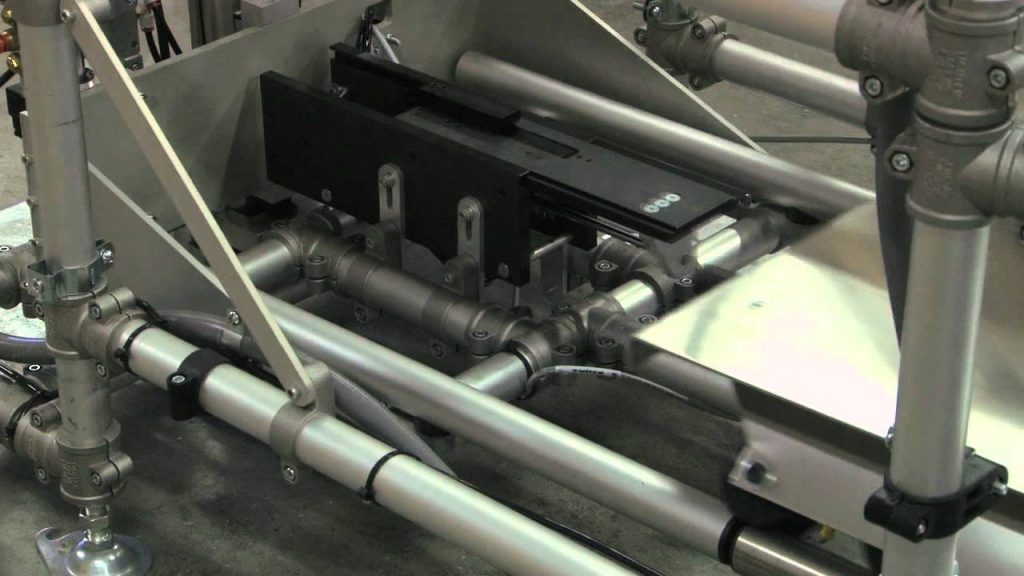
Unlock unparalleled efficiency and safety in your industrial operations with hydraulic mold upenders. Discover how these robust machines revolutionize heavy mold handling, slashing downtime, minimizing risks, and boosting productivity. This article delves into the significant advantages of integrating hydraulic mold upenders, ensuring safer workflows and a stronger bottom line for your business.
In the demanding landscape of modern manufacturing, the efficient and safe handling of heavy molds and dies is paramount. For decades, industries have grappled with cumbersome and often perilous methods to flip, rotate, and reposition these essential tools. The reliance on overhead cranes, while seemingly straightforward, presents a multitude of challenges, ranging from significant safety hazards to productivity bottlenecks. Enter the hydraulic mold upender – a game-changing innovation engineered to streamline mold handling processes and deliver a significant return on investment in both safety and efficiency. These specialized machines are rapidly becoming indispensable assets across diverse industrial sectors, revolutionizing how heavy loads are managed and manipulated.
The Perils of Traditional Mold Handling: Why Cranes Fall Short
For years, the overhead crane has been the default solution for flipping and turning heavy molds and dies. The logic appeared simple: hoist the mold, swing it around, and set it down in the desired orientation. However, this seemingly uncomplicated approach is fraught with dangers and inefficiencies. Imagine the scenario: a massive mold, weighing tons, suspended precariously from a crane hook. The process of maneuvering such a load using a crane involves a complex dance of horizontal and vertical movements, often requiring significant human intervention and coordination.
One of the most critical shortcomings of crane-based mold flipping is safety. Cranes were not fundamentally designed for the delicate operation of tilting and rotating heavy, unwieldy objects. Attempting to use them for this purpose pushes them beyond their intended operational parameters, creating a high-risk environment for employees and the valuable molds themselves. The moment of pivot, when the mold's weight shifts dramatically, is particularly hazardous. Crane wires experience immense stress as they transition from supporting a partial load to bearing the full weight in a split second, akin to a violent whip snap. The risk of wire failure, load slippage, or crane malfunction skyrockets, especially as mold weights increase. Even with meticulous setup and experienced operators, the inherent dangers of using cranes for mold flipping remain unacceptably high.
Beyond safety concerns, productivity suffers significantly under traditional crane-based methods. The process is inherently slow and cumbersome. Securing the mold properly for crane lifting is a time-consuming task in itself, often involving multiple personnel and meticulous rigging. The actual flipping maneuver is deliberate and cautious, further eating into valuable production time. When every minute of downtime translates to lost revenue, these inefficiencies become a major drain on profitability. Moreover, the constant potential for accidents and delays associated with crane operations contributes to unpredictable production schedules and increased operational costs.
Hydraulic Mold Upenders: A Modern Solution for Enhanced Safety and Efficiency
In stark contrast to the risks and limitations of crane-based handling, hydraulic mold upenders offer a dedicated, engineered solution tailored specifically for the task of flipping and rotating heavy molds. These machines are designed from the ground up to prioritize safety, efficiency, and precision in mold handling. By integrating hydraulic power and intelligent design, upenders eliminate the inherent dangers and inefficiencies associated with traditional methods.
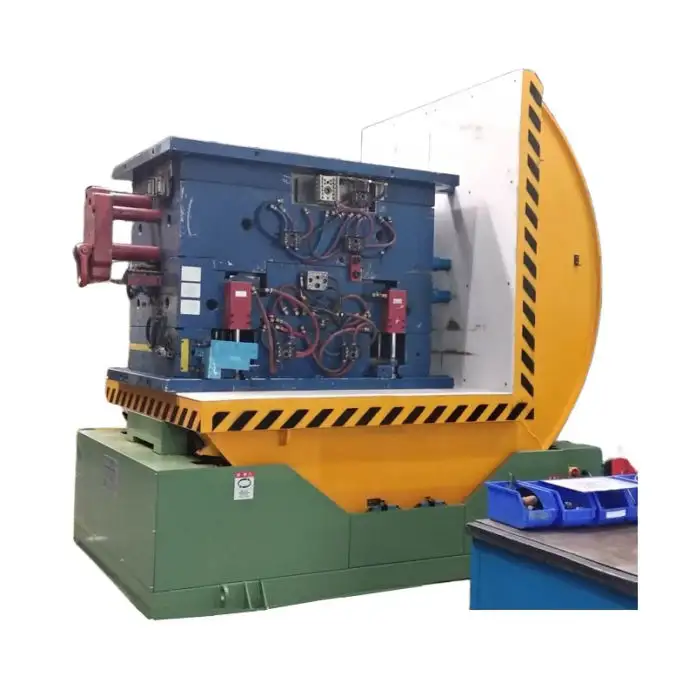
At their core, hydraulic mold upenders utilize the immense power and precise control of hydraulic systems to smoothly and safely rotate molds. Instead of relying on the potentially unstable and imprecise movements of an overhead crane, upenders provide a controlled and stable platform for mold manipulation. The heavy lifting and tilting are managed by robust hydraulic cylinders, powered by hydraulic fluid and pumps, ensuring a smooth, predictable, and powerful operation. This eliminates the jerky, high-stress pivot points characteristic of crane flipping, significantly reducing the risk of accidents and damage.
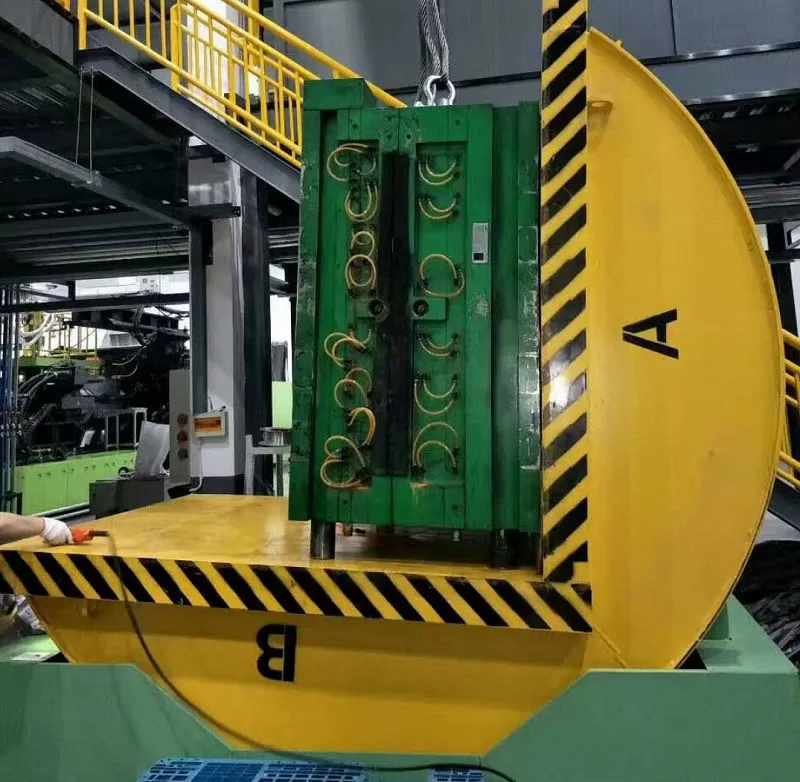
The operational advantages of hydraulic mold upenders are multifaceted. Firstly, they dramatically enhance safety. By design, these machines minimize the need for manual intervention during the flipping process. Molds are securely placed and clamped onto the upender platform, and the entire rotation sequence is controlled remotely via user-friendly control panels, foot pedals, or remote controls. Features like overload protection, emergency stop buttons, and secure clamping mechanisms are integrated to ensure operator and load safety at every stage. This automation significantly reduces the risk of worker injury and damage to expensive molds caused by manual handling mishaps or crane failures.
Secondly, hydraulic mold upenders revolutionize efficiency and productivity. Compared to the time-consuming and laborious crane method, upenders can accomplish the same mold flipping task in a fraction of the time – often quoted as a quarter of the time or even less. This speed advantage translates directly to reduced downtime for mold changes, maintenance, and adjustments, leading to significantly higher production throughput. The streamlined operation allows for faster turnaround times, enabling businesses to respond more quickly to changing production demands and maximize their operational output.
Key Industrial Benefits of Hydraulic Mold Upenders
The adoption of hydraulic mold upenders delivers a comprehensive suite of benefits that positively impact various aspects of industrial operations:
- Enhanced Safety: As highlighted, safety is paramount. Upenders drastically reduce the risk of workplace accidents, injuries to personnel, and damage to valuable molds. The controlled hydraulic operation and integrated safety features create a far safer working environment compared to crane-based handling.
- Increased Efficiency and Productivity: The speed and precision of hydraulic upenders translate directly to increased efficiency. Faster mold flipping times minimize downtime, allowing for more continuous production and higher overall output. This enhanced productivity contributes directly to a stronger bottom line.
- Reduced Labor Costs: Automation of the mold flipping process significantly reduces the reliance on manual labor. Fewer personnel are required for each flipping operation, freeing up valuable human resources for more strategic tasks. This reduction in labor requirements leads to significant cost savings over time.
- Versatility and Customization: Hydraulic mold upenders are not one-size-fits-all solutions. They are highly versatile and can be customized to handle a wide range of mold sizes, weights, and industrial applications. Manufacturers offer options for varying load capacities, tilt angles, platform sizes, and control systems, ensuring the machine can be tailored to specific operational needs.
- Improved Precision and Control: The hydraulic system provides exceptional precision and control over mold movements. The ability to tilt molds in small, controlled increments is crucial for delicate operations and ensures accurate positioning for maintenance, adjustments, or integration into production lines. This level of control is unattainable with less precise manual methods.
- Durability and Reduced Maintenance: Designed for heavy-duty industrial environments, hydraulic mold upenders are built to last. Constructed from robust materials with durable components, they require minimal maintenance compared to complex crane systems. Reduced maintenance translates to less downtime and lower long-term operational costs.

- Minimized Mold Damage: The controlled and stable operation of upenders minimizes the risk of accidental damage to molds during handling. The smooth hydraulic movements and secure clamping systems prevent the jarring and impacts that can occur with crane-based methods, protecting the integrity and lifespan of expensive mold assets.
Understanding the Mechanics: How Hydraulic Upenders Work
Hydraulic mold upenders are engineered with a sophisticated yet reliable mechanism to ensure safe and efficient mold handling. Key components and operational principles include:
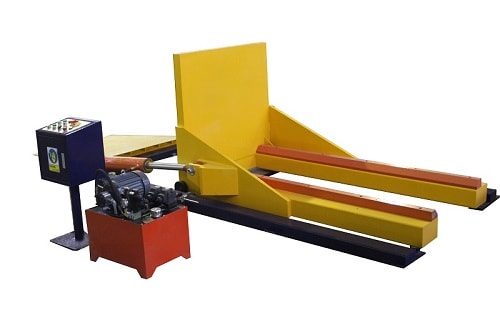
- Robust Base Frame: The foundation of the upender is a sturdy base frame, designed to support the weight of the heaviest loads and provide a stable platform during operation. Some models are equipped with wheels or tracks for mobility within the factory.
- Vertical Hydraulic Cylinders: Powerful vertical hydraulic cylinders are the primary lifting mechanism. These cylinders connect to the base frame and the tilting platform, providing the vertical force required to raise and lower the mold.
- Tilting Platform or Cradle: A horizontal tilting platform or cradle acts as the load-bearing surface for the mold. This platform is connected to the vertical cylinders and is also actuated by horizontal hydraulic cylinders to achieve the tilting motion.
- Hydraulic Power Unit: The heart of the system is the hydraulic power unit, comprising a hydraulic fluid reservoir, hydraulic pumps, valves, and controls. This unit generates and regulates the hydraulic pressure required to power the cylinders and control the lifting and tilting movements.
- Control System: User-friendly control systems, including remote controls, foot pedals, or push-button panels, allow operators to manage the upender's movements safely and precisely. These systems often incorporate safety interlocks and overload protection features.
- Safety Features: Integral safety features are crucial. These include overload protection mechanisms to prevent lifting beyond the machine's capacity, emergency stop buttons for immediate halting of operations, and secure clamping systems to hold the mold firmly in place during tilting. Level sensors and stability pads further enhance safety during operation.
The operational sequence involves: securing the mold onto the platform, activating the hydraulic system to lift the platform vertically, and then engaging the horizontal cylinders to tilt the platform to the desired angle (typically 90 degrees for flipping). Precise control valves enable operators to make incremental adjustments to the tilt angle, ensuring precise positioning.
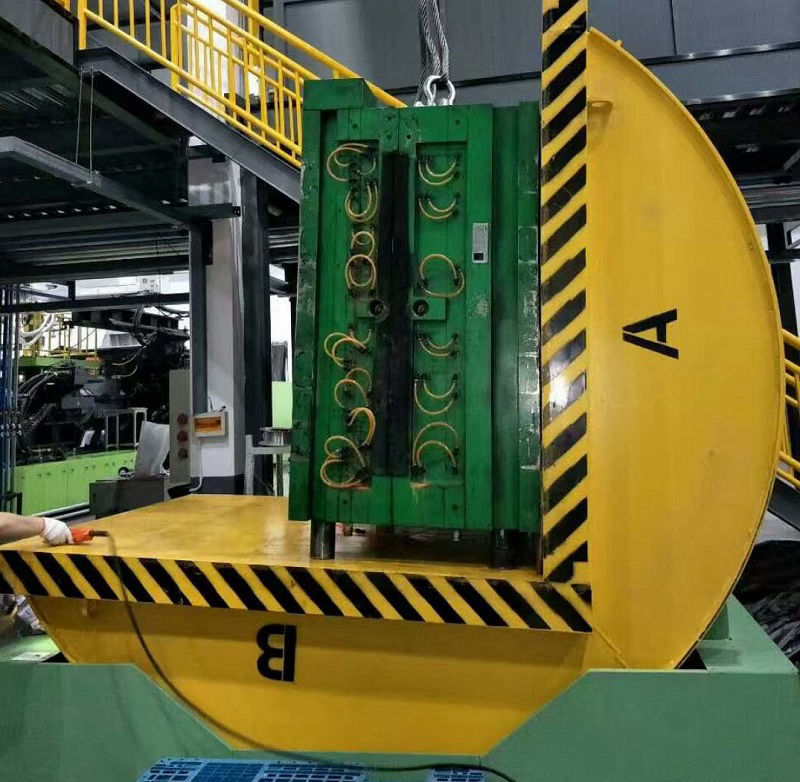
Selecting the Right Hydraulic Mold Upender: Key Considerations
Choosing the optimal hydraulic mold upender requires careful consideration of specific operational needs. Key factors to evaluate include:
- Load Capacity: The most critical factor is the maximum weight capacity the upender can handle. It is essential to select a machine that comfortably accommodates the heaviest molds used in the facility, with a safety margin.
- Size and Dimensions: The physical size of the upender must be compatible with the available floor space in the facility and the dimensions of the molds being handled. Platform size, overall machine footprint, and clearance requirements should be considered.
- Tilt Angle: Determine the required tilt angle for the application. Most upenders offer 90-degree tilting capabilities, but some applications may necessitate different angles.
- Control System: Evaluate the ease of use and features of the control system. Remote controls, foot pedals, or push-button panels offer varying degrees of operator convenience. Consider the need for advanced features like programmable tilt sequences or integration with existing production systems.
- Customization Options: Assess the availability of customization options to tailor the upender to specific needs. This may include custom platform designs, specialized clamping mechanisms, or automated control systems.
- Safety Features: Thoroughly review the safety features incorporated into the upender design, ensuring they meet or exceed industry safety standards and adequately address the operational risks.
- Maintenance Requirements: Inquire about routine maintenance procedures and component lifespan to factor in long-term operational costs and downtime.
Ensuring Longevity: Simple Maintenance Tips for Hydraulic Upenders
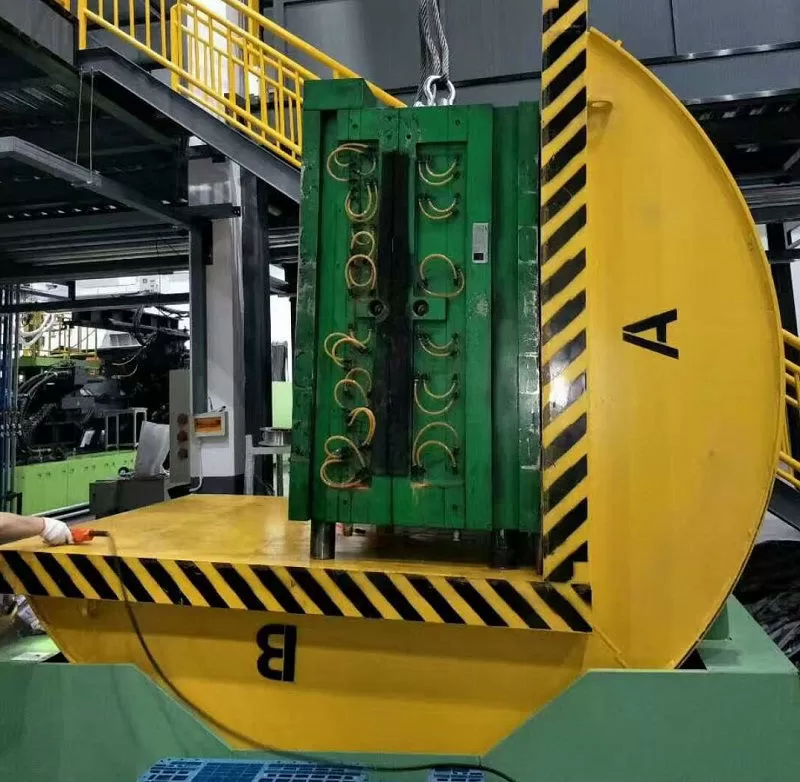
To maximize the lifespan and performance of hydraulic mold upenders, regular maintenance is essential. Key maintenance practices include:
- Regular Hydraulic Fluid Checks: Monitor the hydraulic fluid level frequently and replenish as needed. Maintaining the correct fluid level is crucial for proper hydraulic system operation.
- Periodic Hydraulic Fluid Changes: Hydraulic fluid can degrade over time and become contaminated. Regularly changing the fluid according to manufacturer recommendations prevents damage to hydraulic components and maintains optimal performance.
- Leak Detection: Routinely inspect the hydraulic system for any signs of leaks, such as oil puddles or drips. Address leaks promptly to prevent fluid loss, system malfunctions, and safety hazards.
- Hose and Fitting Inspections: Examine hydraulic hoses and fittings for wear, cracks, or damage. Replace any compromised components immediately to prevent leaks and ensure system integrity.
- General Cleaning: Keep the upender and surrounding area clean and free of debris to prevent contamination of hydraulic systems and ensure safe operation.
By adhering to these simple maintenance guidelines, operators can ensure the continued safe, efficient, and reliable operation of their hydraulic mold upenders for years to come.Conclusion: Investing in Efficiency and Safety with Hydraulic Mold Upenders
In conclusion, hydraulic mold upenders represent a significant advancement in industrial mold handling technology. By replacing outdated and dangerous crane-based methods, they offer a compelling combination of enhanced safety, improved efficiency, reduced labor costs, and increased productivity. For industries that rely on the frequent manipulation of heavy molds and dies, investing in hydraulic mold upenders is a strategic move that yields substantial operational and financial benefits. Embracing this modern solution not only optimizes production workflows but also demonstrates a commitment to workplace safety and long-term operational excellence. By streamlining operations, reducing risks, and boosting output, hydraulic mold upenders are proving to be indispensable assets in the pursuit of manufacturing excellence.