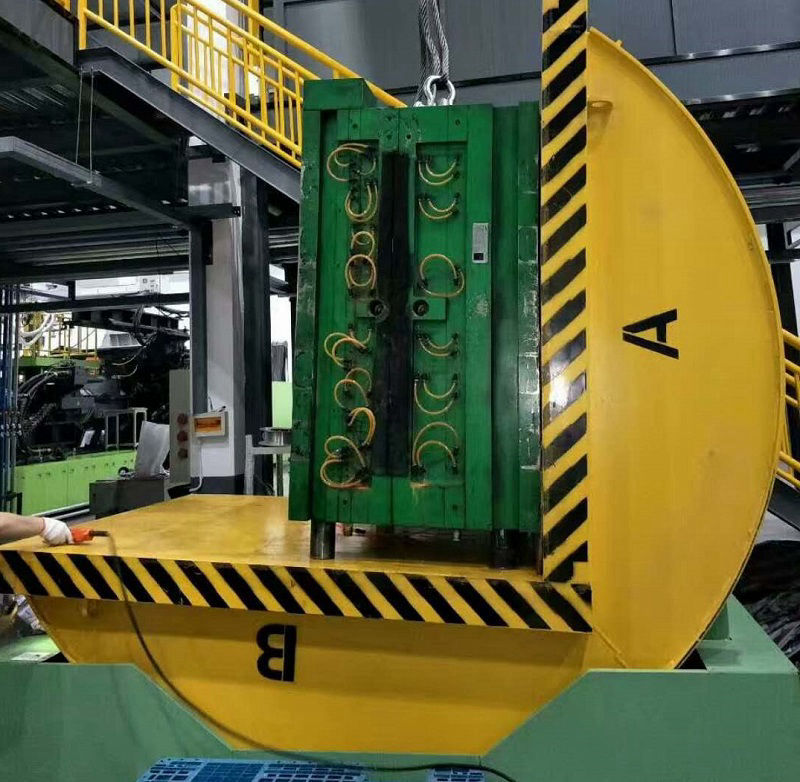
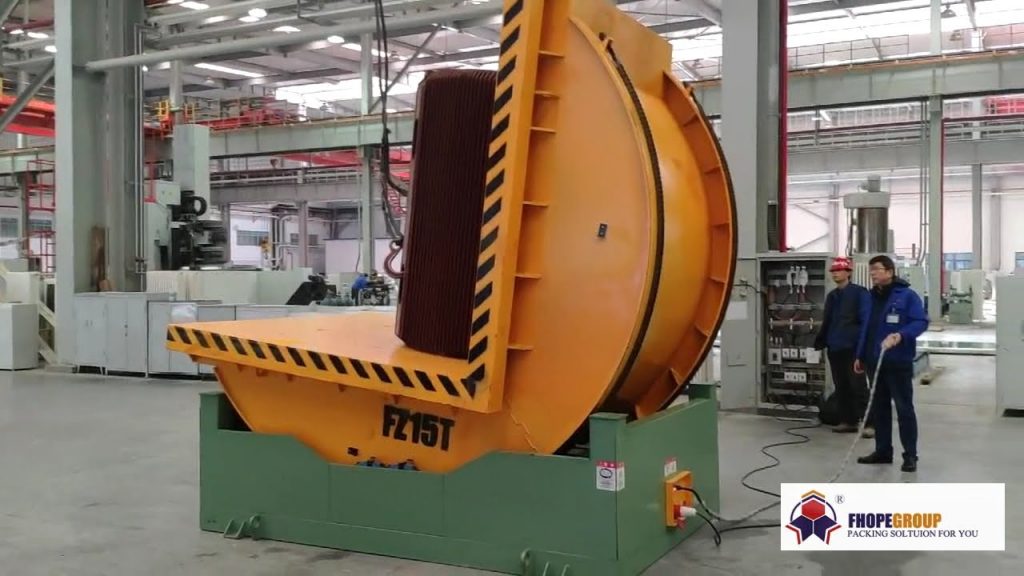
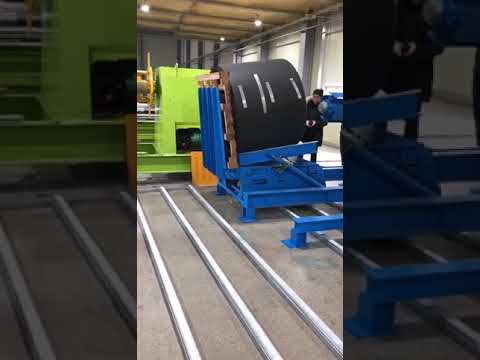
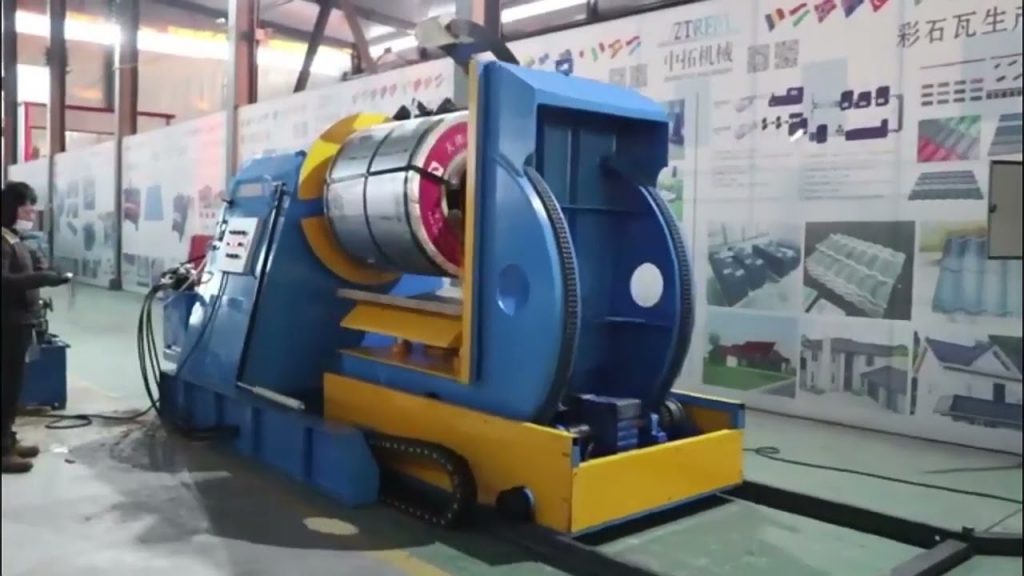
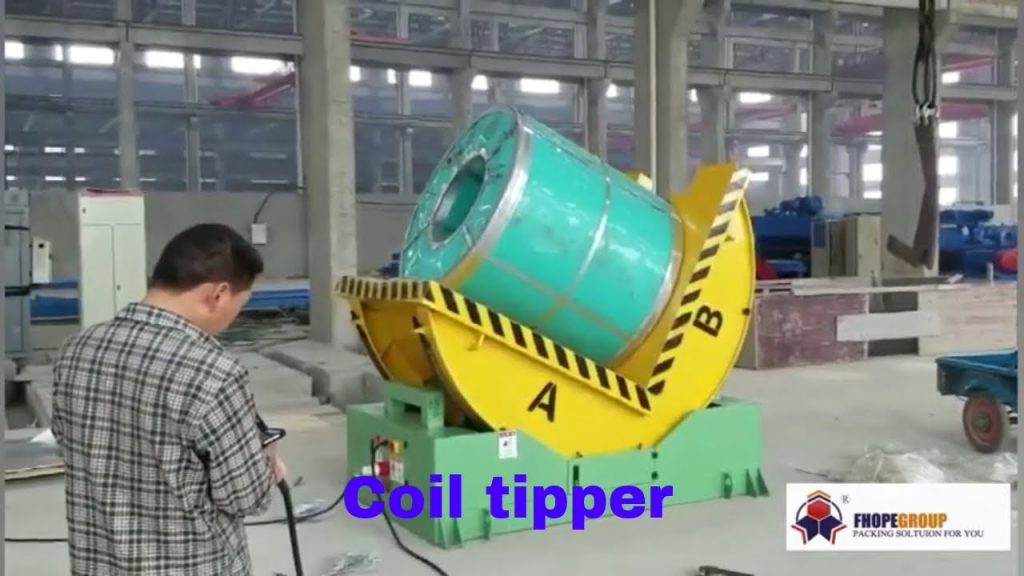
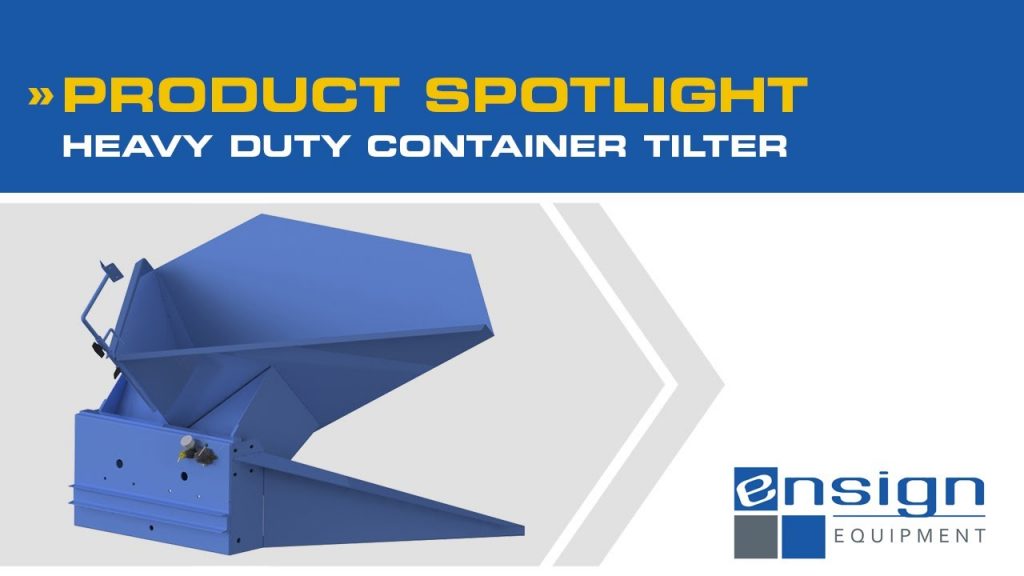
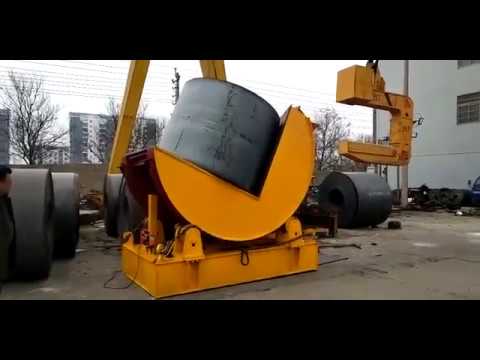
Choosing the right mold upender is critical for automotive parts manufacturers to streamline operations, enhance safety, and maintain production efficiency. Selecting the best mold upender for automotive molds involves evaluating load capacity, safety features, compatibility with existing systems, and adaptability to handle diverse mold dimensions. By understanding these key factors, businesses can make informed decisions to improve their production line’s performance.
In the fast-paced automotive manufacturing world, efficiency and precision are paramount. Producing high-quality automotive parts demands meticulous handling of heavy and intricate molds. Manual mold handling poses significant risks – from workplace injuries to production delays and potential damage to expensive molds. This is where the strategic implementation of a mold upender becomes not just beneficial, but essential. A mold upender, also known as a mold tilter or 90-degree tipper, is a piece of industrial equipment designed to safely and efficiently rotate molds, dies, and other heavy items. For automotive parts manufacturers, investing in the right mold upender can revolutionize workflow, improve safety, and drive significant productivity gains.
But with a variety of mold upenders available on the market, how do you choose the right one for your specific automotive parts manufacturing needs? This article will guide you through the critical factors to consider, ensuring you make an informed investment that optimizes your production line.
Why Automotive Parts Manufacturers Need Mold Upenders
Automotive parts manufacturing often involves large, heavy molds for processes like injection molding, die casting, and compression molding. These molds require frequent turning for maintenance, repair, cleaning, and adjustments. Manually turning these molds is not only time-consuming and labor-intensive but also incredibly dangerous.
Mold upenders address these challenges head-on by:
- Enhancing Workplace Safety: Automating the mold turning process drastically reduces the risk of injuries associated with manual handling. Lifting, twisting, and maneuvering heavy molds manually can lead to strains, sprains, and more serious accidents. A mold upender removes this human element from the equation, ensuring a safer working environment for your team.
- Boosting Operational Efficiency: Mold upenders significantly speed up the mold turning process. What might take hours with manual methods can be accomplished in minutes with a mold upender. This increased efficiency translates directly into reduced downtime, allowing for quicker mold changeovers, maintenance, and faster turnaround times on production runs.
- Protecting Mold Integrity: Heavy molds are delicate investments. Improper manual handling can lead to accidental drops, collisions, and damage, resulting in costly repairs and replacements. Mold upenders provide controlled and precise turning, minimizing the risk of damage and extending the lifespan of your valuable molds.
- Improving Workflow and Productivity: By streamlining the mold handling process, upenders contribute to a smoother and more efficient overall workflow. This improved efficiency allows production lines to operate more consistently, meeting deadlines and increasing output.
- Reducing Labor Costs: While there is an initial investment, mold upenders can lead to long-term labor cost savings. By automating a task that typically requires multiple personnel, you can reallocate resources to more value-added activities within your manufacturing operation.
Key Features to Consider When Choosing a Mold Upender for Automotive Molds
Selecting the ideal mold upender for automotive parts manufacturing requires a detailed evaluation of several crucial features. These features directly impact the equipment's performance, safety, and integration into your existing operations.
1. Load Capacity: Handling Heavy Automotive Molds
The most fundamental consideration is load capacity. Automotive molds can vary significantly in size and weight, often being substantial. It is imperative to select a mold upender with a load capacity that comfortably exceeds the weight of your heaviest molds.
- Assess Your Mold Weights: Carefully determine the weight of all molds you intend to handle with the upender, including the largest and heaviest ones.
- Choose Adequate Capacity: Opt for an upender with a rated capacity that provides a safety margin above your heaviest mold weight. It's always better to overestimate than underestimate capacity needs.
- Consider Future Needs: Think about potential future increases in mold size or weight as your production demands evolve. Choosing a slightly higher capacity upender now can prevent the need for premature equipment upgrades later.
2. Adaptability and Compatibility: Versatility for Diverse Mold Dimensions
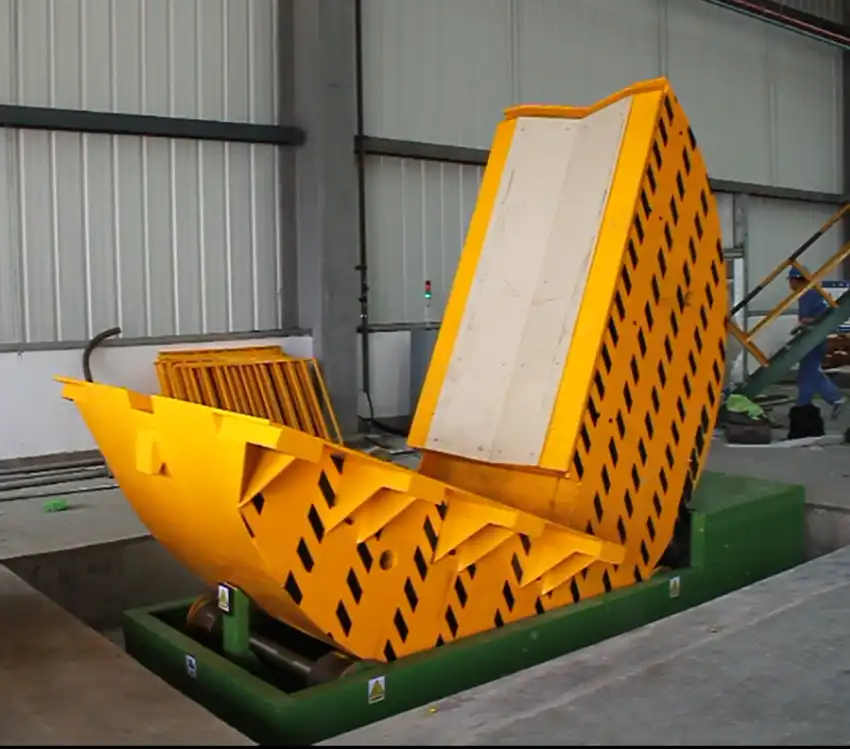
Automotive parts manufacturing often involves a variety of mold sizes and shapes. A versatile mold upender should be adaptable to handle this diversity efficiently.
- Adjustable Clamps and Platforms: Look for upenders equipped with adjustable clamps or platforms. These features allow the upender to securely grip and accommodate molds of different dimensions, preventing slippage or instability during turning.
- Variable Turning Radius: The turning radius of the upender should be suitable for the range of mold sizes you handle. Flexibility in turning radius ensures that larger or smaller molds can be rotated effectively without requiring extensive adjustments or causing clearance issues.
- Customization Options: Some manufacturers offer customization options to tailor the upender's platform or clamping mechanisms to specific mold geometries or handling requirements unique to automotive molds.
3. Safety Features: Prioritizing Operator and Mold Protection
Safety is paramount when dealing with heavy machinery and valuable molds. A mold upender must incorporate robust safety features to protect operators and prevent accidents.
- Emergency Stop Buttons: Easily accessible emergency stop buttons are critical for immediate halting of operation in case of any unforeseen issues or emergencies.
- Load Locking Mechanisms: Secure load locking mechanisms are essential to ensure that the mold remains stable and securely in place throughout the turning process, preventing accidental drops or shifts.
- Operator Safety Shields or Enclosures: Physical barriers like safety shields or enclosures protect operators from moving parts and potential pinch points during operation.
- Audible and Visual Alarms: Alarms that activate during operation or in case of malfunctions can alert personnel in the vicinity, enhancing overall awareness and safety.
- Safety Interlocks: Interlocks that prevent operation if safety guards are not in place or if sensors detect unsafe conditions are crucial for maintaining a safe working environment.
4. Durability and Robustness: Ensuring Long-Term Performance
Mold upenders are substantial investments expected to provide reliable service for years. Durability is a key factor in ensuring long-term performance and minimizing maintenance costs.
- High-Quality Materials: The upender should be constructed from robust, high-grade steel or other durable materials capable of withstanding heavy loads and demanding industrial environments.
- Reinforced Welded Steel Construction: A robust welded steel frame provides structural integrity and stability, ensuring the upender can handle repeated heavy-duty cycles without structural fatigue.
- Quality Components: Components like motors, gearboxes, chains, and bearings should be sourced from reputable manufacturers and designed for heavy industrial use.
- Protective Coatings: Surface coatings that resist corrosion, rust, and wear are essential to prolong the lifespan of the upender, especially in environments that may expose the equipment to moisture or harsh conditions.
5. Turning Mechanism Precision and Smoothness: Gentle Mold Handling
The turning mechanism must provide precise and smooth rotation to prevent damage to molds, especially intricate or delicate automotive molds.
- Controlled Rotation Speed: Variable speed controls allow for adjusting the turning speed, enabling slower and more controlled rotation for sensitive molds or faster speeds for routine operations.
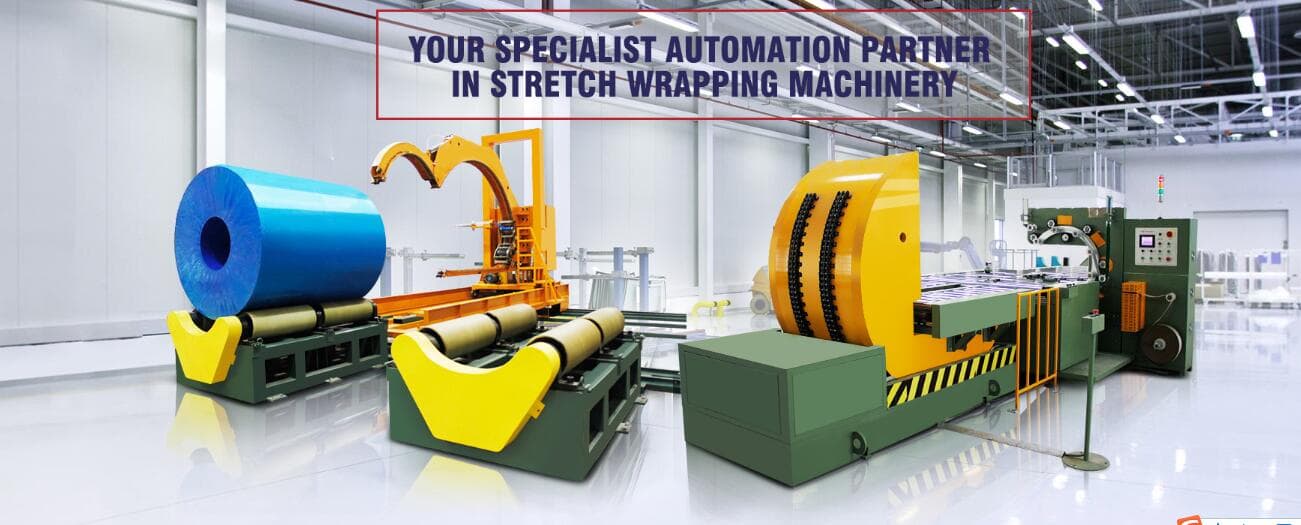
- Smooth Start and Stop: The upender should start and stop the rotation smoothly to avoid sudden jerks or impacts that could stress or damage the molds.
- Precise 90-Degree Turning: Accuracy in achieving a precise 90-degree turn is essential for consistent and repeatable mold handling.
- Mechanical or Hydraulic Systems: Consider the type of turning mechanism (mechanical, hydraulic, or electric) and its suitability for your specific needs in terms of precision, power, and maintenance requirements.
6. Ease of Use and Maintenance: Streamlining Operations
An operator-friendly and easily maintainable mold upender minimizes downtime and simplifies daily operations.
- Intuitive Controls: Simple and straightforward controls that are easy to learn and operate reduce operator training time and minimize the chance of errors.
- Accessible Maintenance Points: Design features that provide easy access to maintenance points, lubrication fittings, and inspection areas simplify routine maintenance and reduce downtime.
- Clear Manuals and Documentation: Comprehensive operating manuals, maintenance guides, and spare parts documentation are essential for proper operation and troubleshooting.
- Manufacturer Support and Warranty: Evaluate the manufacturer's reputation for customer support, availability of spare parts, and warranty provisions.
7. Compatibility with Existing Production Line: Seamless Integration
Integrating a new mold upender into your existing automotive parts production line requires careful consideration of compatibility.
- Space Requirements and Dimensions: Ensure that the upender's footprint and dimensions are compatible with the available space in your facility and allow for smooth integration into the workflow.
- Integration with Material Handling Systems: Consider how the upender will interface with your existing material handling systems, such as conveyors, cranes, forklifts, or pallet jacks. Options like integrated conveyors or rotating bases can enhance workflow integration.
- Electrical and Power Requirements: Verify that the upender's electrical and power requirements are compatible with your facility's electrical infrastructure.
- Control Interface Integration: If automation or integration with existing control systems is desired, assess the upender's control interface and its compatibility with your PLCs or other control systems.
8. Cost-Effectiveness and ROI: Justifying the Investment
While initial cost is a factor, consider the long-term cost-effectiveness and return on investment (ROI) of a mold upender.
- Initial Purchase Price vs. Long-Term Savings: Evaluate the purchase price against the potential long-term savings from increased efficiency, reduced labor costs, improved safety, and minimized mold damage.
- Operational Costs: Consider the upender's energy consumption, maintenance requirements, and potential repair costs to assess its overall operational costs.
- Productivity Gains and Throughput: Quantify the potential increase in productivity and throughput that the upender can deliver by streamlining mold handling.
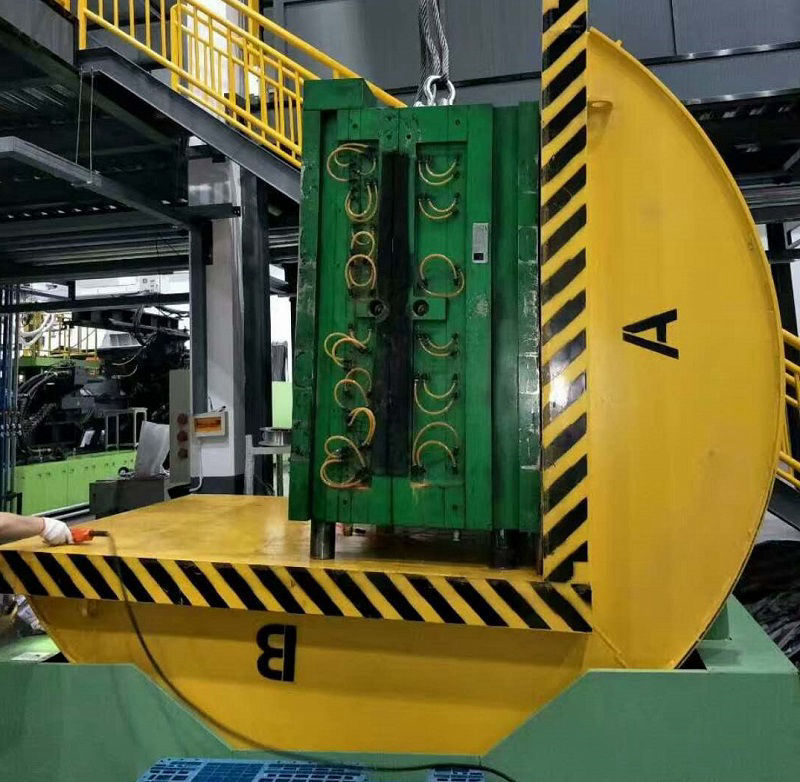
- Safety and Risk Mitigation: Factor in the intangible benefits of enhanced safety, reduced risk of accidents, and improved employee morale, which can contribute to a positive ROI.
Assessing Compatibility with Your Automotive Production Line
Seamless integration of a mold upender into your automotive parts production line is crucial for maximizing its benefits. A thorough compatibility assessment should include:
- Machinery Dimensions: Verify that the upender's dimensions (length, width, height) are suitable for your available floor space and operational layout. Consider the space required for operation and maintenance access.
- Operating Speed and Cycle Time: Ensure that the upender's operating speed and cycle time align with your production line's throughput requirements and overall cycle time targets. Adjustable speed features can be beneficial for matching different production paces.
- Control Interface and Integration: Determine the level of control integration required. Will the upender operate as a standalone unit, or does it need to be integrated with your existing PLC or HMI (Human-Machine Interface) system? Confirm compatibility of control interfaces and communication protocols.
-
Electrical Supply and Power Requirements: Check the upender's electrical power requirements (voltage, frequency, phase) and ensure they are compatible with your facility's electrical supply. Criteria Current System Mold Upender Requirements Compatibility Status Machinery Dimensions [Your Dimensions] [Upender Dimensions] [Compatible/Not] Operating Speed [Your Cycles/min] [Upender Cycles/min] [Compatible/Adjustable] Control Interface [Your System Type] [Upender Interface] [Integratable/Not] Electrical Supply [Your Voltage, Hz] [Upender Voltage, Hz] [Fully Compatible/Not] Performance Metrics for Automotive Mold Upenders
To ensure your mold upender is performing as expected and delivering the desired benefits, it's important to track key performance metrics (KPIs) after implementation.
- Operational Efficiency: Measure the percentage of time the upender is operational and effectively contributing to production. Track uptime and minimize downtime.
- Downtime: Monitor and minimize downtime caused by upender maintenance, repairs, or malfunctions. Lower downtime directly translates to higher production output.
- Cycle Time: Track the time it takes to complete a mold turning cycle with the upender. Optimize cycle times to improve throughput without compromising safety or mold integrity.
- Safety Incident Rate: Monitor and aim to reduce safety incidents related to mold handling after upender implementation. A lower incident rate indicates improved workplace safety.
- Maintenance Costs: Track maintenance costs associated with the upender, aiming to minimize expenses through proactive maintenance and choosing durable equipment.
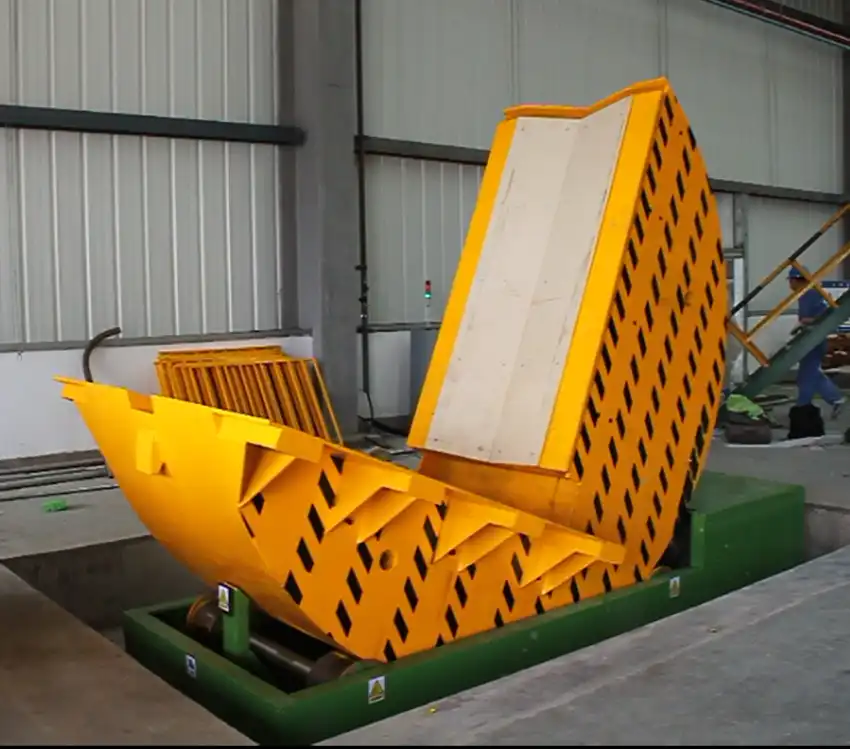
| Performance Metric | Pre-Implementation Data | Post-Implementation Target | Current Status |
|---|---|---|---|
| Operational Efficiency | [Your Percentage] | [Target Percentage] | [Improved/Not] |
| Downtime | [Your Percentage] | [Target Percentage] | [Reduced/Not] |
| Cycle Time | [Your Time] | [Target Time] | [Achieved/Not] |
Types of Mold Upenders for Automotive Applications
While the core function remains the same, mold upenders come in various configurations to suit different needs and applications within automotive parts manufacturing. Common types include:
- Mechanical Mold Upenders: Robust and reliable, often utilizing chain or gear-driven mechanisms for rotation. Suitable for heavy-duty applications and capable of handling substantial mold weights.
- Hydraulic Mold Upenders: Utilize hydraulic cylinders for smooth and powerful turning. Offer precise control and are well-suited for heavy and oversized molds.
- Electric Mold Upenders: Employ electric motors for rotation, offering clean and efficient operation. Suitable for a wide range of applications, from lighter to moderately heavy molds.
- Pit Mounted Upenders: Installed in a pit so that the platform is flush with the floor, facilitating easier loading and unloading, particularly with pallet jacks or forklifts.
- Upenders with Rotating Bases: Feature a motorized rotating base, allowing for loading and unloading from different directions without repositioning handling equipment like forklifts.
- Custom Engineered Upenders: Tailored to specific applications, mold geometries, or integration requirements. Customization can include specialized platforms, clamping mechanisms, or automated control systems.
Conclusion: Making the Right Choice for Automotive Mold Handling Excellence
Choosing the right mold upender for automotive parts manufacturing is a strategic decision that impacts safety, efficiency, and overall production performance. By carefully considering load capacity, adaptability, safety features, durability, ease of use, compatibility, and cost-effectiveness, you can select an upender that perfectly aligns with your specific needs.
Investing in a high-quality mold upender is not just an expense; it's an investment in a safer, more efficient, and more productive future for your automotive parts manufacturing operation. By streamlining mold handling processes and protecting your valuable molds, the right mold upender will contribute significantly to your long-term success in the competitive automotive industry.