Ensuring precision in mold upender operations hinges on meticulous calibration. Key tips include establishing a calibration schedule, using certified tools, training personnel, documenting each step, performing regular audits, leveraging technology and diligently analyzing calibration data to maintain accuracy and operational efficiency.
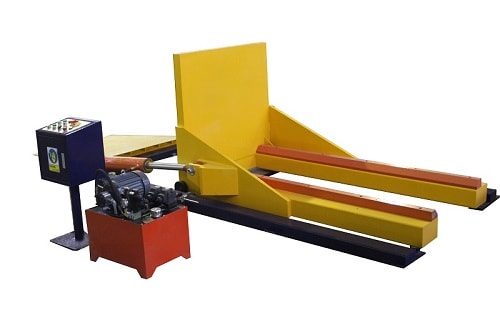
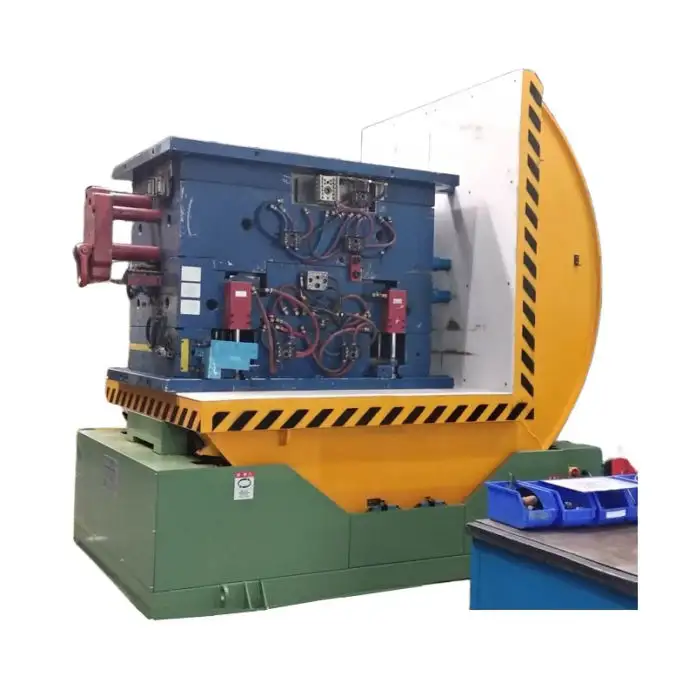
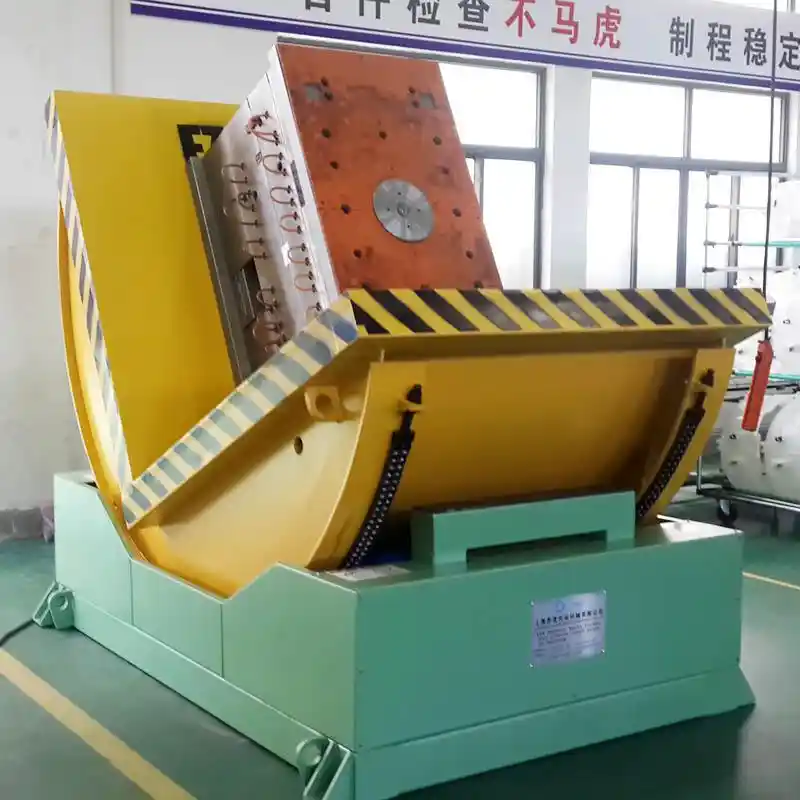
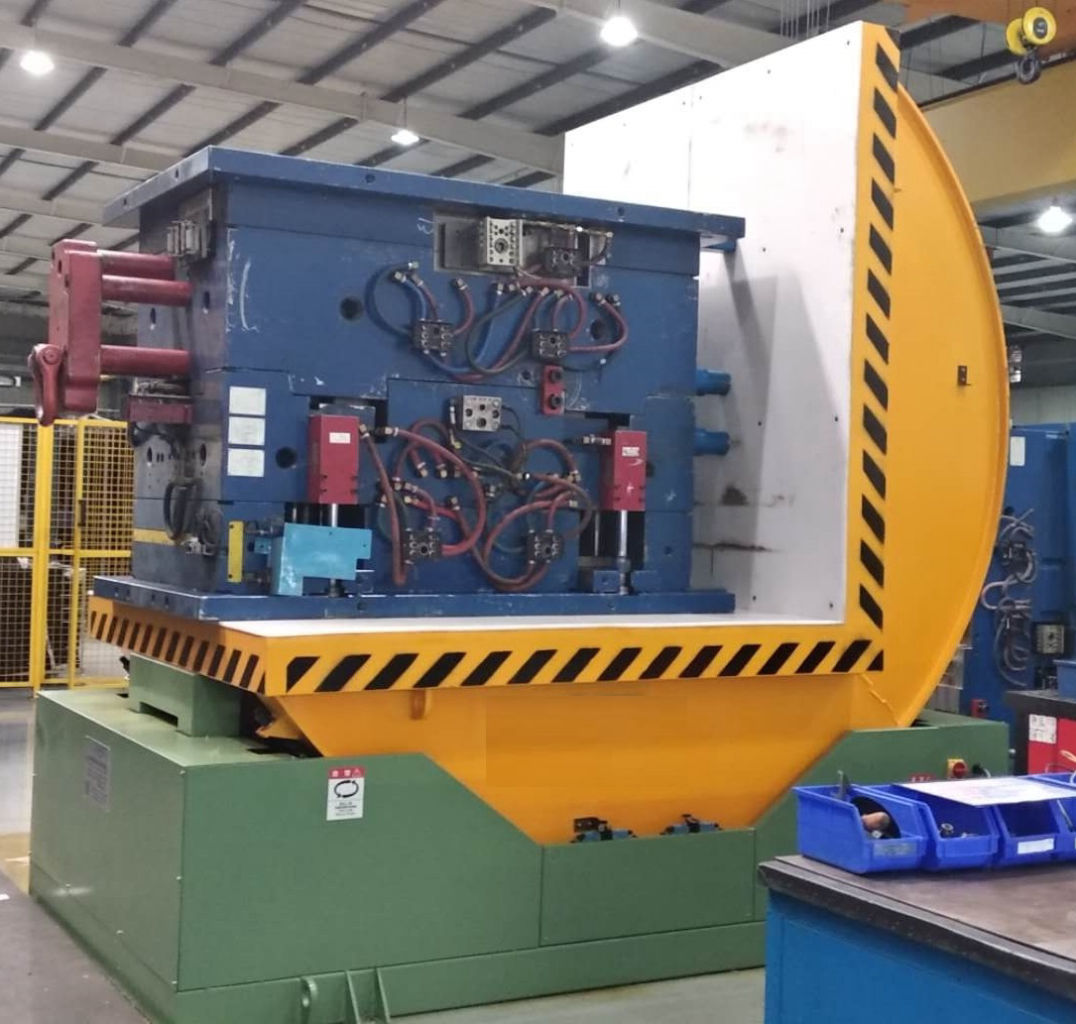
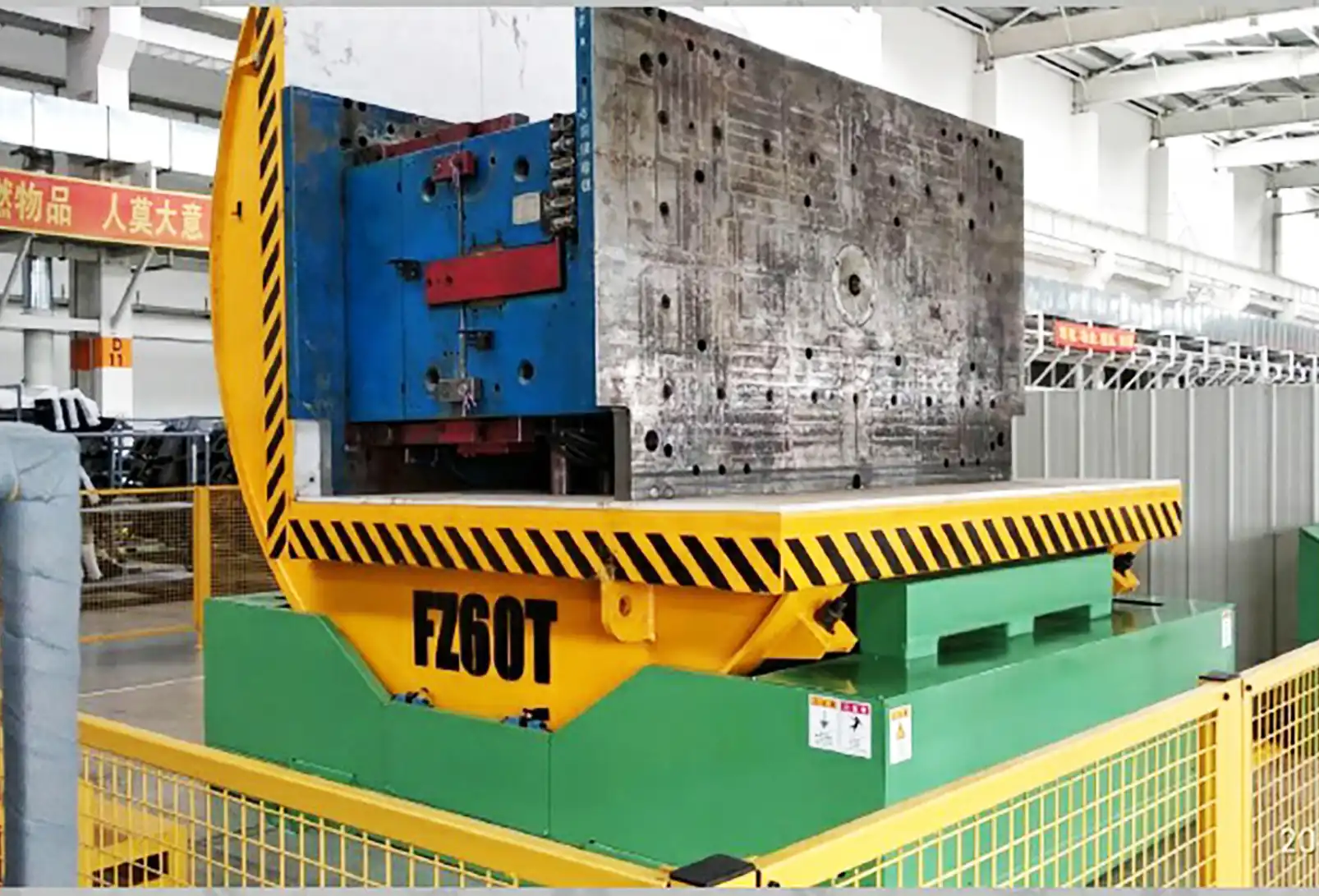
Mold upenders are indispensable pieces of equipment in modern manufacturing, particularly within industries dealing with heavy molds and dies. These machines, also known as mold flippers, are critical for enhancing safety and efficiency in mold handling processes. From streamlining maintenance procedures to facilitating mold changes in injection molding, their role is pivotal. However, to fully leverage the benefits of a mold upender – especially the critical aspect of precision – regular and meticulous calibration is not just recommended, it's essential. Just as temperature and pressure control are vital for consistent injection molding outputs, the accuracy of your mold upender directly impacts operational safety, workflow smoothness, and ultimately, the longevity of your valuable molds.
Why Calibration is Paramount for Mold Upender Precision
| The rationale behind rigorous mold upender calibration extends beyond mere operational checkboxes. It’s about safeguarding significant investments, promoting workplace safety, and ensuring seamless production workflows. Firstly, accuracy in mold handling is intrinsically linked to the precision setup and calibration of the upender. Consider the delicate nature of molds, often custom-engineered and costly. Imprecise handling due to an uncalibrated upender can lead to minute damages – dents, misalignments, or stresses – that accumulate over time, drastically shortening the mold's lifespan. Proper calibration ensures the upender operates within specified tolerances, guaranteeing gentle and accurate positioning of molds during flipping, maintenance, or transportation. Secondly, safety is a non-negotiable aspect, particularly when dealing with heavy industrial equipment. Mold upenders handle incredibly heavy loads, sometimes several tons. Calibration directly influences the predictability and reliability of the upender’s movements – lifting, tilting, and rotating. A miscalibrated machine might exhibit jerky motions, uneven lifting, or unpredictable stops, posing significant safety hazards to operators and potentially causing catastrophic accidents involving heavy molds. Accurate calibration ensures smooth, controlled, and predictable operation, significantly mitigating risks inherent in heavy mold handling. Thirdly, operational efficiency is significantly enhanced through calibration. A precisely calibrated mold upender operates smoothly and predictably. This reduces cycle times during mold changes and maintenance, minimizing downtime. In contrast, an uncalibrated upender may require constant adjustments, restarts, or even lead to operational failures, drastically disrupting production schedules. Consistent calibration contributes to a reliable and efficient workflow. Finally, in industries adhering to stringent standards such as ISO 9000 or FDA regulations, calibration becomes a matter of compliance. These standards often mandate documented equipment calibration to ensure process consistency and product quality. For instance, if mold integrity impacts the final product quality, demonstrating the precision and reliability of mold handling equipment through calibration records is crucial for meeting regulatory requirements and passing audits. |
Benefit of Mold Upender Calibration | Description |
|---|---|---|
| Enhanced Mold Longevity | Accurate handling minimizes stress and damage, extending the operational life of expensive molds. | |
| Improved Operator Safety | Predictable and controlled machine movements reduce accident risks associated with heavy mold handling. | |
| Increased Operational Efficiency | Smoother operations minimize downtime, streamline workflows, and improve overall productivity in mold-related tasks. | |
| Regulatory Compliance | Documented calibration assists in meeting industry-specific quality and safety standards, crucial for audits and certifications. |
Calibration Tips for Precision Operations
To achieve and maintain optimal precision in mold upender operations, consider these key calibration tips, drawing from best practices applicable to industrial equipment:
1. Establish a Regular Calibration Schedule:
Just like injection molding machines require periodic checks of temperature and pressure controls, mold upenders too need a defined calibration schedule. The frequency should be based on several factors:
- Manufacturer Recommendations: Always consult the mold upender's manual for recommended calibration intervals.
- Usage Intensity: Upenders used more frequently or for heavier molds will require more frequent calibration.
- Operational Environment: Harsh environments, temperature fluctuations, or dusty conditions can accelerate wear and tear, necessitating more frequent checks.
- Risk Assessment: Assess the potential risk and impact of a miscalibrated upender. Higher risk scenarios (e.g., handling extremely delicate or high-value molds, or operating in high-traffic areas) should warrant more frequent calibration.
A schedule might range from monthly checks for high-usage, critical applications to quarterly or semi-annual calibrations for less demanding operations. Implementing a Calibration Management System (CMS), as mentioned earlier, can automate reminders and tracking of these schedules.
2. Utilize Certified and Appropriate Calibration Tools:
Employing the correct and certified calibration tools is fundamental for accurate results. For mold upenders, this might include: - Precision Levels and Angle Finders: To verify the levelness of the platform and the accuracy of tilt angles. Digital levels offer higher precision.
- Calibrated Pressure Gauges (if hydraulic systems are involved): To ensure hydraulic pressure is within specified ranges for lifting and tilting mechanisms.
- Load Cells or Dynamometers: To verify the accuracy of weight sensors (if the upender has weight capacity monitoring) and to test lifting capacity accurately.
- Torque Wrenches: For tightening bolts and fasteners to the correct specifications, critical for structural integrity and preventing loosening over time.
- Measuring Tapes and Calipers: For checking physical dimensions and clearances, ensuring components are correctly aligned and positioned after adjustments.
Crucially, all calibration tools themselves must be calibrated and traceable to national or international standards like NIST or OIML. Using uncalibrated tools renders the entire calibration process meaningless.
3. Invest in Training and Certification for Personnel:
Calibration is not a task for untrained personnel. It requires a thorough understanding of the mold upender's mechanics, hydraulics (if applicable), and control systems, as well as calibration procedures and the use of calibration tools. - Specialized Training Programs: Invest in specific training for maintenance staff on mold upender calibration. This should cover both theoretical aspects – understanding calibration principles and standards – and practical hands-on training on performing the calibration procedures on your specific upender models.
- Certification: Consider seeking certifications from recognized bodies or equipment manufacturers. Certified personnel are more likely to perform calibrations accurately and consistently, reducing errors and ensuring adherence to best practices.
- Regular Refresher Courses: Calibration procedures and equipment may evolve. Regular refresher training ensures that personnel remain updated with the latest techniques and best practices.
4. Meticulous Documentation is Non-Negotiable:
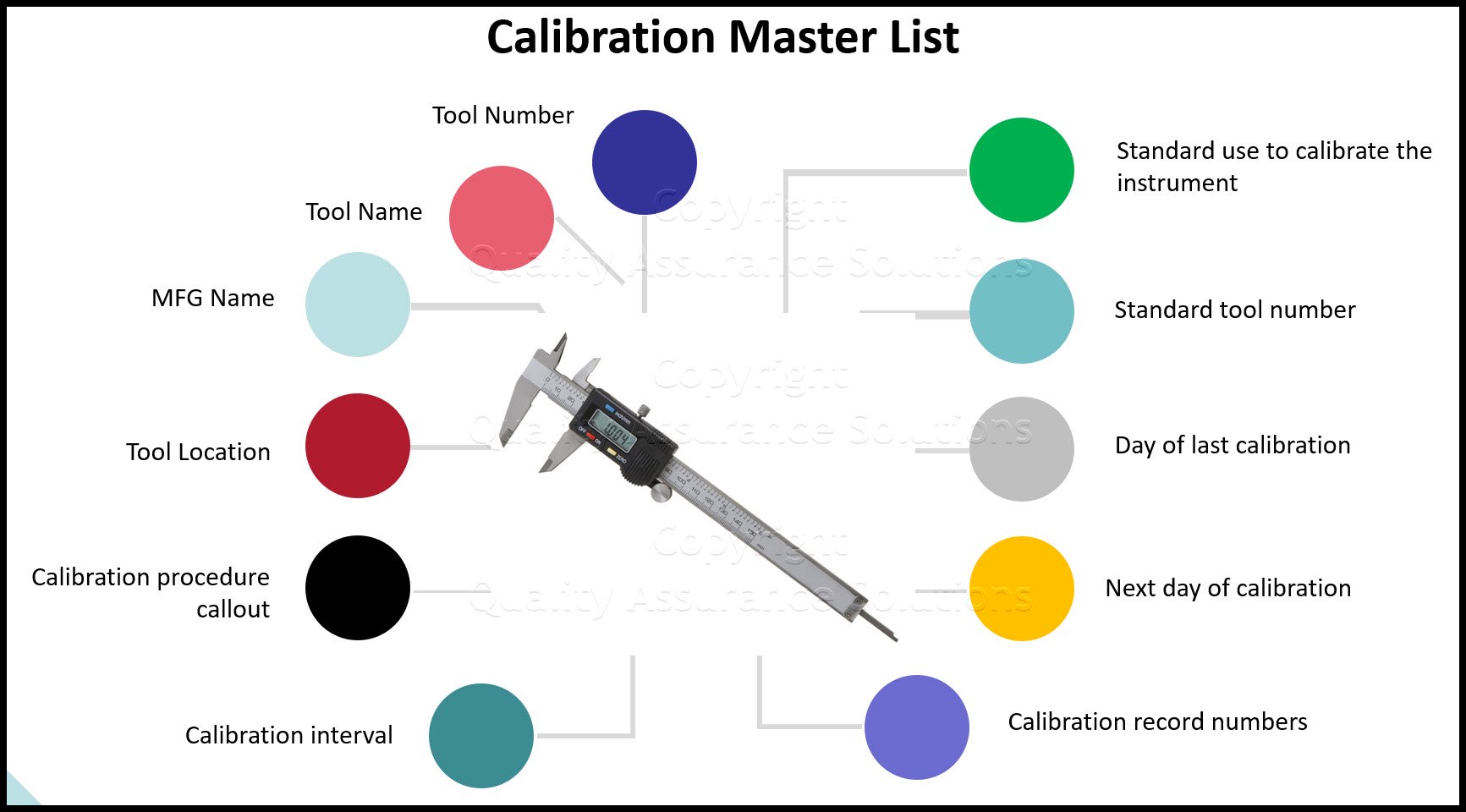
Detailed documentation is critical for tracking calibration history, identifying trends, ensuring accountability, and meeting compliance requirements. Documentation should include: - Calibration Procedures: Clearly defined and documented step-by-step procedures for each calibration point.
- Calibration Records: For every calibration event, record:
- Date and time of calibration.
- Equipment ID and model.
- Serial number.
- Calibration readings (before and after adjustments).
- Tools and standards used (with calibration certificates).
- Name and signature of the person performing calibration.
- Any adjustments made and reasons for adjustments.
- Next calibration due date.
- Calibration Certificates: Generate and retain calibration certificates as proof of successful calibration. These are essential for audits and demonstrating compliance.
- Trend Analysis of Calibration Data: Regularly review calibration records to identify trends. For example, if a particular adjustment is consistently needed at each calibration, it might indicate developing wear or a mechanical issue needing further investigation beyond just calibration adjustment.
5. Conduct Regular Calibration Audits:
Audits are crucial for verifying the effectiveness of the calibration process itself. They ensure that procedures are being followed correctly, documentation is complete and accurate, and calibration intervals are appropriate. - Internal Audits: Schedule periodic internal audits of the calibration program. This can be done by quality assurance personnel or a designated calibration manager.
- External Audits: For compliance purposes, external audits by certification bodies might be required. These audits provide an independent assessment of your calibration program's robustness.
- Audit Scope: Audits should review calibration records, procedures, personnel training records, and the calibration environment. They should also include spot-checks of recently calibrated upenders to verify actual calibration accuracy.
6. Leverage Technology for Efficiency and Insight:
Modern technology can significantly enhance calibration management. - Calibration Management Software (CMS): Implement a CMS to manage calibration schedules, track equipment, store calibration records digitally, generate reports, and automate reminders. This reduces paperwork, minimizes errors, and improves overall efficiency.
- Digital Calibration Tools: Utilize digital levels, pressure gauges with digital readouts, and other smart calibration tools. These often offer higher accuracy, digital data logging capabilities, and easier integration with CMS.
- Predictive Calibration (Advanced): In more sophisticated setups, explore predictive calibration capabilities. By analyzing historical calibration data and operational parameters, AI-powered systems can predict when an upender is likely to drift out of calibration, enabling proactive maintenance and calibration scheduling, maximizing uptime.
7. Data Analysis for Continuous Improvement:
Calibration data should not just be recorded and filed away. Analyzing this data is crucial for continuous improvement of the calibration process and the overall maintenance program. - Identify Recurring Issues: Analyze calibration records to identify recurring adjustments or components that frequently require calibration. This can pinpoint areas of wear, design weaknesses, or operational stresses that need to be addressed through preventative maintenance or equipment upgrades.
- Optimize Calibration Intervals: Data analysis can help refine calibration schedules. If an upender consistently remains well within tolerance between calibrations, the interval might be safely extended, reducing unnecessary calibration frequency and costs. Conversely, if frequent adjustments are needed, shortening the interval might be necessary to maintain precision.
- Performance Monitoring: Track calibration data over time to monitor the overall performance and stability of the mold upender. Significant shifts or increased variability in calibration readings could indicate a degradation in performance or an impending failure, allowing for proactive intervention.
8. Proper Handling and Maintenance Complement Calibration:
Calibration is most effective when combined with proper equipment handling and proactive maintenance. - Operator Training on Proper Use: Train operators on the correct operation of the mold upender to prevent misuse or overloading, which can stress components and affect calibration.
- Regular Visual Inspections: Implement daily or pre-shift visual inspections for any signs of damage, loose parts, leaks (hydraulic systems), or wear and tear. Address any issues promptly.
- Preventative Maintenance: Follow a preventative maintenance schedule, including lubrication, filter changes (hydraulic systems), tightening of fasteners, and inspection of critical components. This reduces wear and tear and helps maintain calibration accuracy for longer periods.
- Controlled Environment: Where feasible, operate and store mold upenders in a controlled environment to minimize exposure to extreme temperatures, humidity, dust, and vibrations, which can negatively impact calibration stability and component lifespan.
By diligently applying these calibration tips and integrating them within a broader equipment management strategy, manufacturers can ensure their mold upenders operate with the precision, safety, and efficiency required in demanding mold handling operations. Regular calibration is not just a maintenance task; it is a critical investment in the longevity of your equipment, the safety of your operations, and the consistency of your production quality.