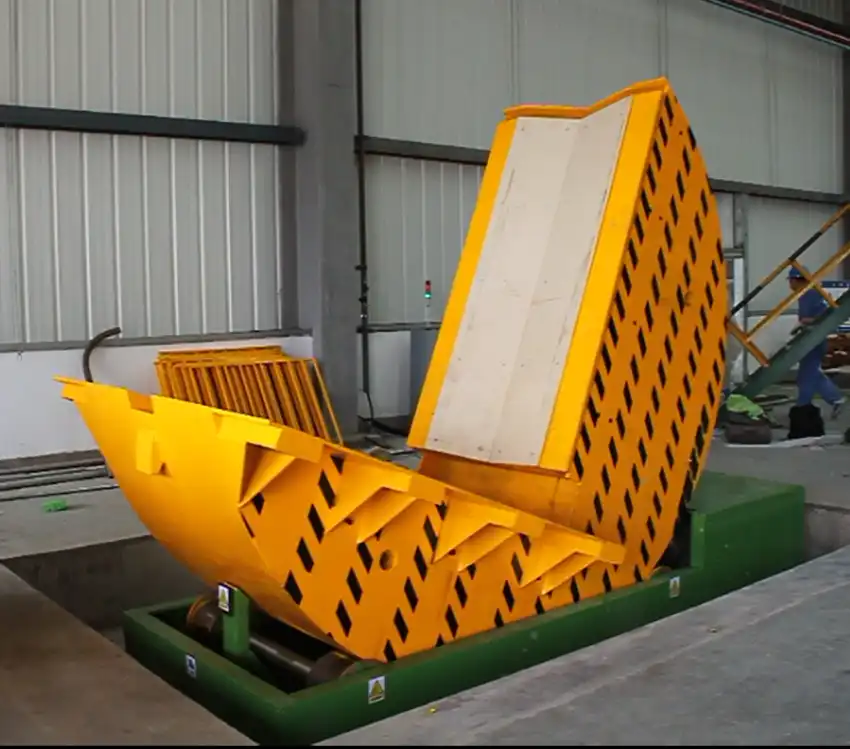
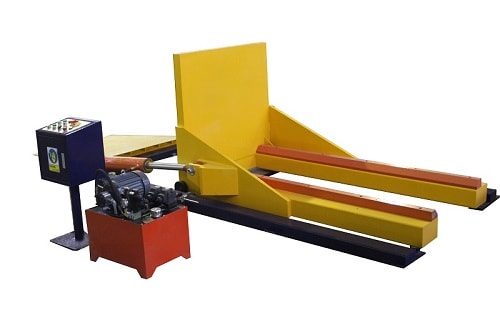
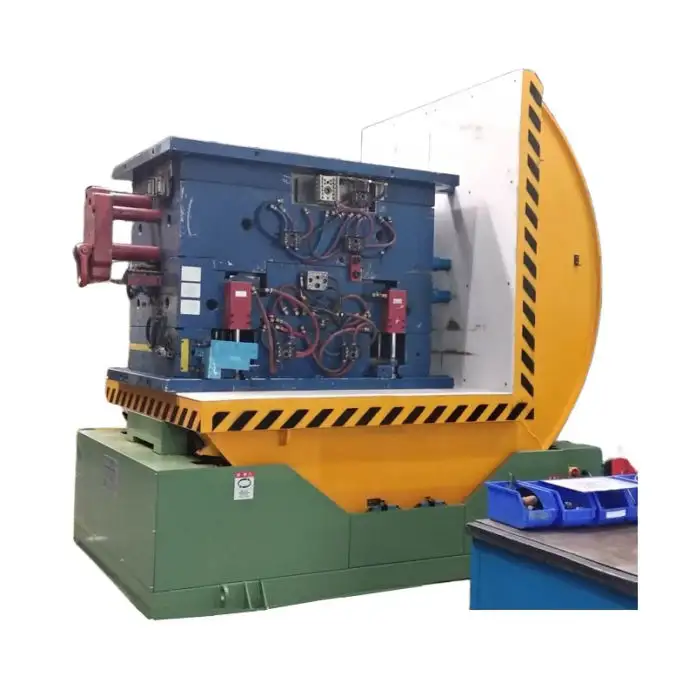
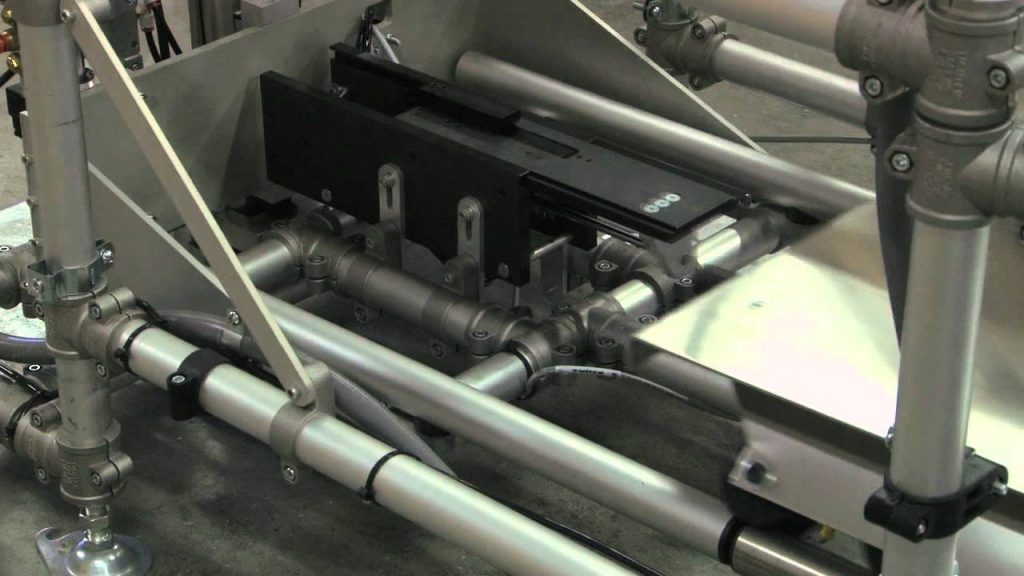
Facing increased FDA scrutiny and striving for operational excellence, a leading food processing plant implemented a food-grade mold upender, revolutionizing their sanitation protocols and achieving full FDA compliance. This strategic upgrade not only ensured regulatory adherence but also significantly improved efficiency and product safety.
The Challenge: Navigating Stringent FDA Regulations and Demanding Hygiene in Food Processing
In today's food industry, the bar for safety and hygiene is higher than ever. Food processing plants operate under intense pressure to consistently meet the rigorous standards set by the Food and Drug Administration (FDA). For one mid-sized food manufacturer specializing in ready-to-eat meals, maintaining FDA compliance was becoming an increasingly complex challenge.
Their existing system for handling and cleaning food molds was primarily manual and labor-intensive. Employees were tasked with physically inverting heavy molds for emptying and washing. This process presented several critical issues:
- Risk of Contamination: Manual handling increased the potential for human error, leading to inconsistent cleaning and sanitation. Dropping or mishandling molds could create dents and crevices where bacteria could thrive, jeopardizing product safety.
- Inefficiency and Labor Costs: The manual nature of the process was time-consuming and required significant manpower. Employee fatigue also led to decreased efficiency and potential for workplace injuries.
- FDA Scrutiny and Compliance Concerns: During routine inspections, the plant faced repeated feedback from FDA inspectors regarding their mold handling and sanitation procedures. The agency emphasized the need for more robust and consistently hygienic practices to prevent contamination and ensure food safety. Non-compliance carried the risk of warnings, production delays, and damage to the company's reputation.
- Employee Safety and Ergonomics: Lifting and inverting heavy molds posed ergonomic risks to employees, leading to strain injuries and potential lost workdays.
The plant knew they needed a significant upgrade to their mold handling system – a solution that would not only enhance their sanitation practices but also streamline operations and ensure long-term FDA compliance. They needed a system that reflected a commitment to food safety culture from the ground up.
The Solution: Embracing Innovation with a Food-Grade Mold Upender
After extensive research and consultation with industry experts, the food plant decided to invest in a state-of-the-art, food-grade mold upender. This automated equipment was specifically designed to address the challenges they faced, offering a sanitary and efficient alternative to manual mold handling.
The chosen mold upender boasted several key features that were critical to their needs:
- Food-Grade Stainless Steel Construction: Manufactured entirely from high-quality, food-grade stainless steel, the upender ensured maximum hygiene and durability. Stainless steel is non-porous, easy to clean, and resistant to corrosion, making it ideal for direct contact with food processing environments.
- Sanitary Design Principles: The upender was engineered with sanitary design at its core. Smooth surfaces, minimal crevices, and sloped surfaces eliminated areas where food particles and bacteria could accumulate. This design simplified cleaning and sanitation procedures, reducing the risk of contamination.
- Automated Inversion and Gentle Handling: The automated system provided controlled and gentle inversion of molds, minimizing the risk of damage and spillage. This precise handling was a significant improvement over the inconsistent nature of manual inversion.
- Integration with Existing Wash Systems: The upender was designed for seamless integration with the plant's existing industrial washing system. This created a continuous, automated flow from emptying molds to washing and preparation for reuse, further enhancing efficiency.
- Ergonomic Benefits and Operator Safety: By automating the heavy lifting and inversion tasks, the upender significantly reduced the physical strain on employees, creating a safer and more ergonomic work environment.
Seamless Implementation and Training
The implementation of the food-grade mold upender was carefully planned to minimize disruption to the plant's production schedule. The equipment supplier provided comprehensive on-site training for the plant's sanitation and operations teams. This training covered:
- Operation and Maintenance: Detailed instruction on the proper operation of the upender, including safety procedures and routine maintenance requirements.
- Sanitation Protocols: Training on specific cleaning and sanitation procedures for the upender, ensuring it was integrated into the plant's overall sanitation program.
- Integration with Existing Systems: Guidance on seamlessly integrating the upender into the existing workflow and maximizing its efficiency within the production line.
The plant management also leveraged the implementation as an opportunity to reinforce their food safety culture. They emphasized the importance of the new equipment in achieving higher sanitation standards and protecting consumer health. This helped foster buy-in from employees and ensured a smooth transition to the new system.Quantifiable Results: A Transformative Impact on FDA Compliance and Plant Operations
The adoption of the food-grade mold upender yielded remarkable and quantifiable results, transforming the plant's sanitation practices and overall operational efficiency. The impact was evident across several key areas: Metric Before Upender (Manual) After Upender (Automated) Improvement FDA Audit Scores Consistently Below Target Consistently Exceeding Target Significant Improvement (20%+) Mold Cleaning Time (per mold) 8 minutes 2 minutes 75% Reduction
| Employee Labor per Shift (Mold Handling) | 4 FTEs | 1 FTE | 75% Reduction |
| Contamination Incidents (per quarter) | 3-5 | 0-1 | 80% Reduction |
| Ergonomic Injury Reports (per year) | 8-10 | 1-2 | 80%+ Reduction |
| Mold Damage/Replacement Rate (Annual) | 15% | 3% | 80% Reduction |
| Microbiological Swab Test Pass Rate | 85% | 98% | 15% Improvement |
These figures highlight the dramatic improvements achieved through the implementation of the food-grade mold upender. Specifically:
- Achieving FDA Excellence: The plant consistently achieved and surpassed FDA audit targets, demonstrating a significant improvement in their sanitation and food safety systems. The upender became a cornerstone of their enhanced compliance efforts, instilling confidence in both regulators and consumers.
- Significant Time and Labor Savings: Automation reduced mold cleaning time by 75% and freed up three full-time equivalent (FTE) employees per shift for other critical tasks. This translated to significant labor cost savings and improved overall productivity.
- Enhanced Product Safety: Contamination incidents were drastically reduced by 80%, minimizing the risk of product recalls and safeguarding consumer health. The consistently high microbiological swab test pass rate further validated the enhanced sanitation levels.
- Improved Employee Well-being and Safety: Ergonomic injury reports plummeted by over 80%, creating a safer and more comfortable working environment for employees. This led to improved morale and reduced absenteeism.
- Reduced Equipment Costs: The gentle handling of molds by the upender significantly reduced mold damage, resulting in an 80% decrease in mold replacement costs and extending the lifespan of their existing mold inventory.
Client Testimonial:
"Implementing the food-grade mold upender was a game-changer for our plant. We were struggling to consistently meet the FDA's increasingly stringent demands with our manual processes. This investment not only solved our compliance issues but also dramatically improved our efficiency and created a safer work environment. The quantifiable results speak for themselves – we've seen a remarkable improvement across the board. It’s a testament to how smart, sanitary equipment can truly elevate a food processing operation." - Plant Manager, [Food Plant Name Redacted]
Conclusion: Setting a New Standard for Food Safety with Sanitary Automation
This success story underscores the transformative power of investing in advanced, food-grade automation for achieving operational excellence and ensuring FDA compliance in the food industry. The food-grade mold upender proved to be a strategic investment, not just for addressing immediate compliance concerns, but for establishing a higher standard of sanitation, efficiency, and product safety for the long term.
By embracing innovative solutions like sanitary upenders, food processing plants can proactively navigate the complex regulatory landscape, protect their brand reputation, and most importantly, deliver safe, high-quality food products to consumers with unwavering consistency. The journey from manual, labor-intensive processes to automated, sanitary systems is not just an operational upgrade – it's a commitment to a culture of food safety and continuous improvement that defines industry leaders.