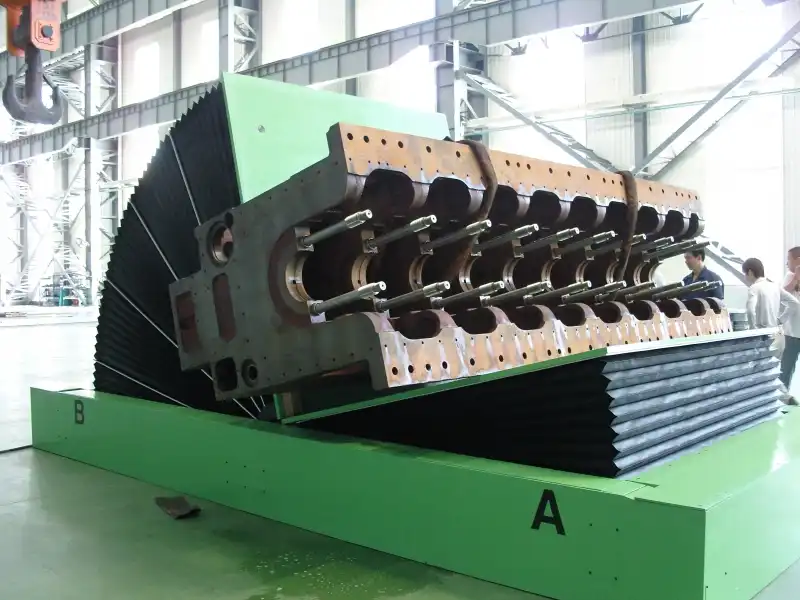
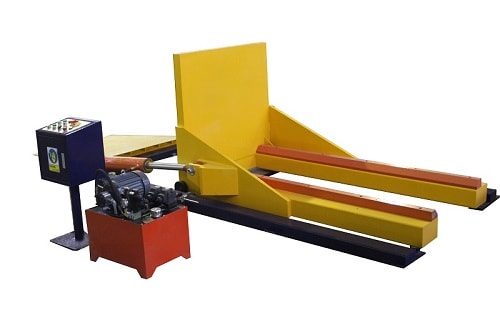
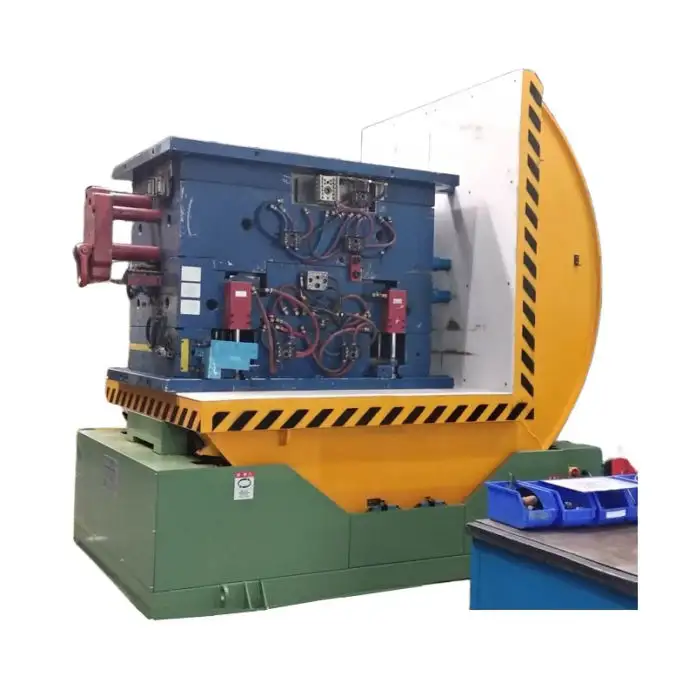
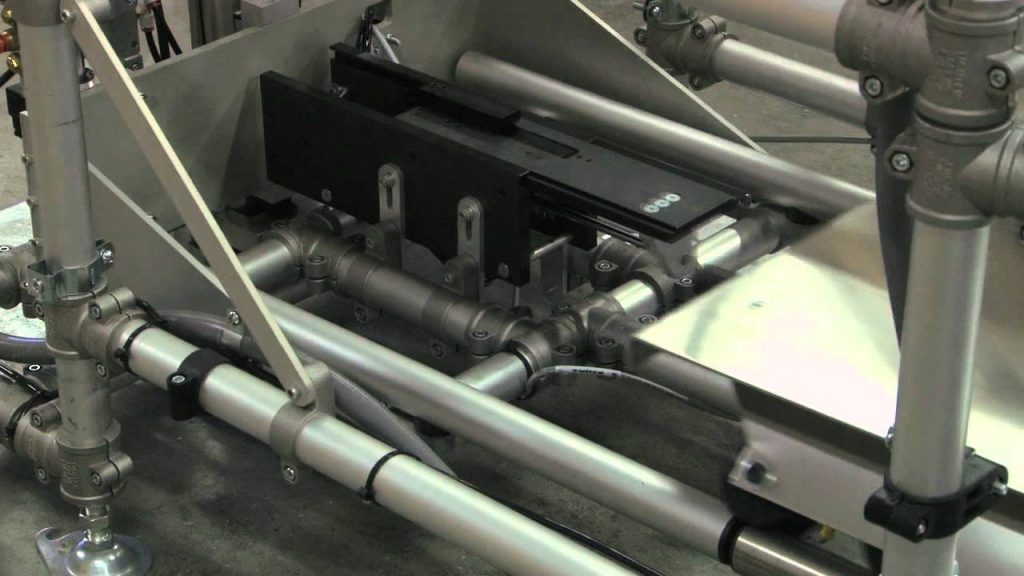
Post-installation testing is critical to guarantee your mold upender operates as designed, safeguarding heavy molds and maximizing uptime. These tests verify functionality, safety systems, and overall performance under real-world conditions after installation, ensuring a seamless integration into your manufacturing workflow and preventing costly future issues. Thorough post-installation checks are a vital investment for long-term operational efficiency.
Investing in a mold upender is a strategic move to enhance safety, efficiency, and precision in handling heavy molds. These machines, crucial in various manufacturing sectors, can significantly streamline operations. However, the journey to optimal performance doesn't conclude with installation. Post-installation testing is the crucial final step that validates your investment, ensuring the equipment functions flawlessly within your specific operational environment. Think of it as the final quality assurance checkpoint before you fully integrate a critical piece of machinery into your daily workflow.
Without rigorous post-installation testing, you are essentially operating on assumptions. Did the installation process go smoothly? Are all systems correctly connected and calibrated after transportation and setup? Is the machine truly performing to its specified capabilities within your facility's unique conditions? These crucial questions are addressed and answered through systematic post-installation checks. Skipping this vital phase can lead to a multitude of problems down the line, ranging from decreased efficiency and potential safety hazards to costly premature failures and downtime.
The primary goal of post-installation testing is to verify that every aspect of your mold upender is functioning as intended. This goes beyond simple visual inspections and delves into operational performance under load and various operating conditions. This phase is about confirming the machine’s core functionalities are fully operational post-installation.
One of the initial steps involves a detailed functional check. This includes cycling the machine through its full range of motion – upending, tilting (if applicable), and returning to its starting position. Engineers and technicians will observe the smoothness of these movements, listening for any unusual noises or signs of strain. Control systems are rigorously tested, ensuring that all buttons, switches, and safety interlocks are responsive and accurate. This functional assessment confirms the basic operational integrity of the upender after it has been physically installed in your facility.
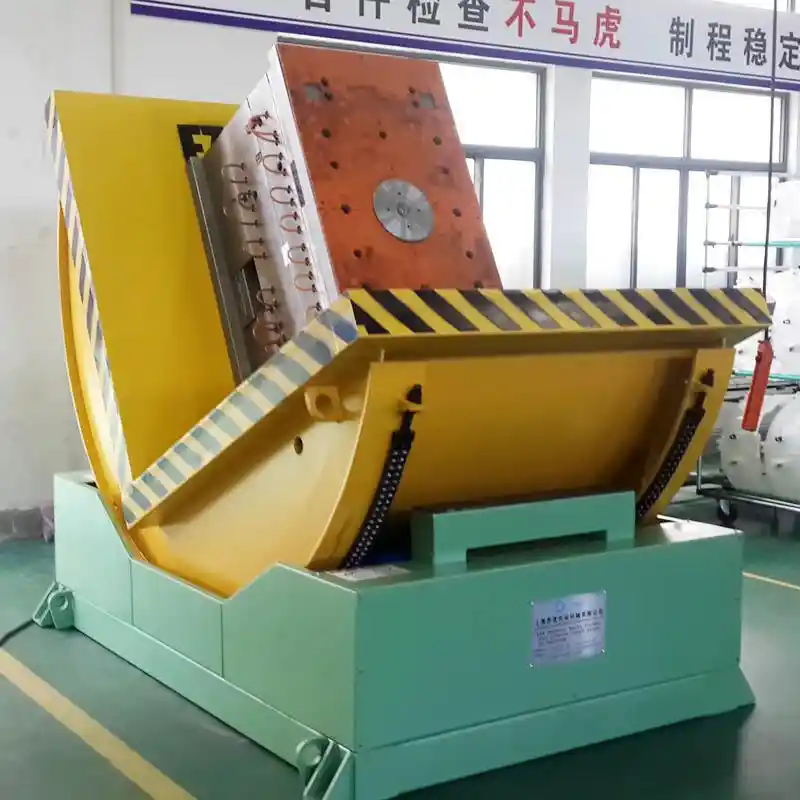
| Following the initial functional checks, load testing becomes paramount. This is where the mold upender is put to work, handling representative molds or test weights that simulate real-world operating conditions. The tests begin with incrementally increasing loads, carefully monitoring the machine's response. Strain gauges and sensors may be used to measure stress and deflection in critical structural components under load. This data is then compared against the manufacturer's specifications and engineering design parameters to verify the machine’s load-bearing capacity and stability are within acceptable limits after installation. Load testing not only validates the machine's capacity but also helps identify any potential weaknesses or areas requiring adjustment before full operational use. Mold upenders handle extremely heavy and valuable loads, making safety system verification an absolutely critical component of post-installation testing. These safety systems are engineered to protect personnel, prevent damage to molds, and ensure a secure working environment. Post-installation testing provides the opportunity to meticulously validate each safety function after the machine is physically installed. A core element of safety system verification is the emergency stop test. This test assesses the responsiveness of the emergency stop buttons located at various points on the machine and control panel. When activated, these emergency stops should immediately halt all machine movements. The braking systems are also tested to ensure they can bring a loaded machine to a complete stop swiftly and safely in an emergency situation. Safety interlocks and sensors are also crucial components that demand rigorous verification. These devices prevent operation under unsafe conditions, such as when safety guards are not in place or when the load is improperly positioned. Technicians will systematically test each interlock to ensure it correctly inhibits machine operation when triggered. For example, if the upender has light curtains or laser scanners designed to detect personnel in hazardous zones, these will be tested to confirm they reliably stop machine movement if the safety perimeter is breached. |
Safety System Component | Test Description | Verification Goal |
|---|---|---|---|
| Emergency Stop Buttons | Activate each button from various locations during operation. | Immediate and complete halt of all machine functions. | |
| Safety Interlocks | Systematically trigger each interlock (e.g., guard removal). | Prevention of machine operation under unsafe conditions. | |
| Light Curtains/Scanners | Breach safety perimeter during operation. | Immediate stop of machine movement upon perimeter intrusion. | |
| Overload Protection | Exceed specified load capacity (simulated). | Activation of overload system to prevent damage and unsafe conditions. | |
| Braking Systems | Emergency stop from full speed with partial load. | Swift and controlled stop, preventing load swing or uncontrolled movement. |
Modern mold upenders are often equipped with sophisticated control systems that govern movement, positioning, and load management. Post-installation testing must include a thorough calibration and accuracy check of these systems to ensure precise and reliable operation. This phase is about validating the 'brain' of the machine operates as designed.
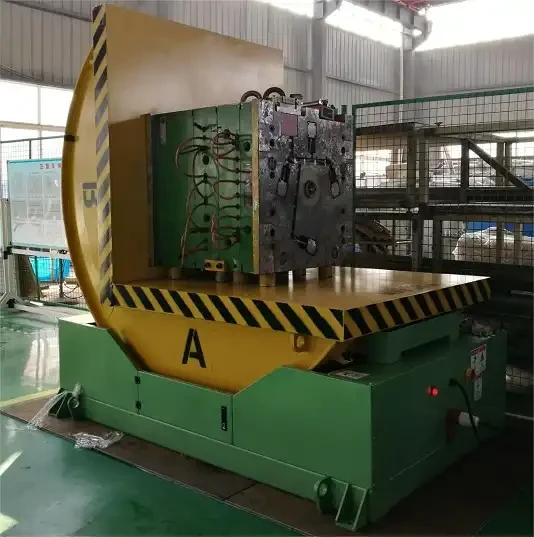
Calibration of sensors and encoders is vital for accurate positioning and movement control. Encoders track the position of moving parts, providing feedback to the control system. Sensors monitor load, pressure, and other critical parameters. Post-installation, technicians verify and recalibrate these components as necessary to ensure the control system receives accurate data. This is critical for precise mold handling and preventing errors in operation.
Accuracy checks of movement and positioning are also essential. The upender should move and position molds with the degree of accuracy specified by the manufacturer. Using precision measuring tools, technicians will verify the accuracy of rotation angles, lifting heights, and other key movements. This ensures that the control system commands are translated into precise physical actions, critical for process repeatability and preventing misalignment during mold handling.
Post-installation testing extends beyond immediate functionality and safety; it also incorporates quality checkpoints that contribute to the long-term reliability and performance of the mold upender. These checkpoints are designed to catch any subtle issues early on, preventing them from escalating into major problems later in the equipment's lifecycle.
A detailed visual inspection remains a crucial element even after installation. Technicians meticulously examine all connections – mechanical, hydraulic, and electrical – ensuring they are secure and properly installed. They look for any signs of damage that may have occurred during shipping or installation, addressing any issues before they can impact operation.
Operational cycle monitoring over a defined period is also a valuable quality checkpoint. This involves running the mold upender through a series of typical operational cycles while monitoring key performance indicators such as cycle times, energy consumption, and temperature. Deviations from expected performance baselines can indicate underlying issues that require further investigation and correction. This proactive approach to quality helps ensure consistent and reliable operation over the long term.
Understanding what to anticipate during post-installation testing helps in planning and minimizing any potential disruption to your operations. Typically, the timeline for post-installation testing depends on the complexity of the mold upender and the scope of testing required, but it usually ranges from one to several days.
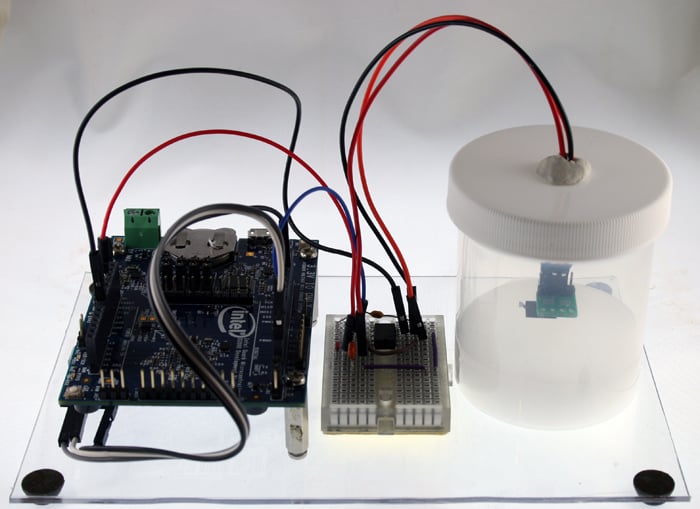
| Qualified technicians and engineers, either from the manufacturer or a certified third-party, will conduct the tests. Their expertise is essential to properly execute the tests, interpret the results, and make any necessary adjustments or corrections. Your operational staff may be involved to familiarize themselves with the testing process and to receive initial operational guidance if required. While post-installation testing is designed to be as minimally disruptive as possible, some temporary downtime is inevitable. Planning for this downtime is crucial. Coordination with the testing team in advance to schedule testing during planned maintenance windows or less critical production periods can help minimize impact. The short-term downtime investment in thorough post-installation testing pays significant dividends in preventing longer, more costly downtimes in the future due to undetected issues. Post-installation testing is not a one-time event but rather the beginning of an ongoing commitment to maintaining peak performance and longevity of your mold upender. Regular maintenance, coupled with periodic quality checks, is essential for continued reliability. Regular preventative maintenance schedules, as recommended by the manufacturer, should be strictly adhered to. These schedules typically include lubrication, inspection of wear parts, filter changes, and system checks. Proactive maintenance prevents component degradation and identifies potential issues before they cause breakdowns. Ongoing quality checks, although less intensive than post-installation testing, should be conducted at regular intervals. These can include functional spot checks, visual inspections, and monitoring of performance data. These routine checks help ensure that the mold upender continues to operate within specified parameters and that any emerging issues are identified and addressed promptly. |
Issue | Potential Cause | Troubleshooting Step |
|---|---|---|---|
| Slow or Jerky Movement | Low hydraulic fluid, air in system, worn parts | Check fluid levels, bleed air, inspect for wear/damage to cylinders and pumps. | |
| Control System Unresponsive | Loose wiring, sensor malfunction, software glitch | Inspect wiring connections, test sensors, restart control system, check for software updates. | |
| Unusual Noises | Lack of lubrication, loose components, bearing wear | Lubricate moving parts, tighten fasteners, inspect bearings for wear/damage. | |
| Safety System Failure | Sensor malfunction, wiring issue, interlock damage | Test each safety component individually, inspect wiring, replace damaged components. | |
| Overheating | Inadequate cooling, excessive load, component failure | Check cooling system functionality, reduce load if excessive, inspect motors and hydraulics. |
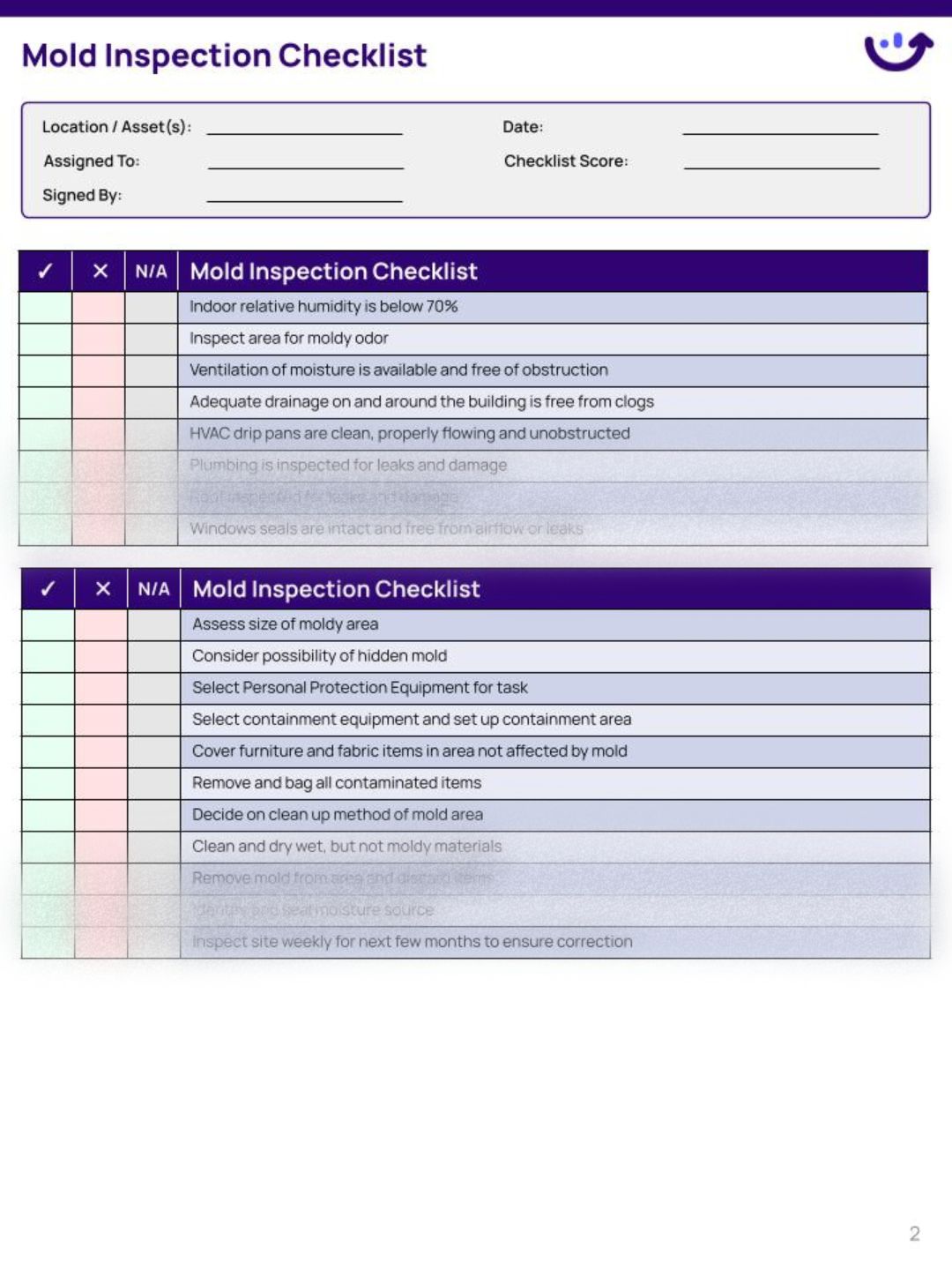
It's important to recognize that post-installation testing is the final stage of a broader quality assurance process that starts much earlier in the manufacturing of the mold upender itself. As outlined in the provided materials, reputable manufacturers implement rigorous testing throughout the production process. From component fabrication checks, assembly verification, and in-factory load testing, each stage is designed to ensure the equipment meets stringent quality standards before it even leaves the factory.
This pre-delivery testing significantly complements post-installation checks. Factory testing verifies the fundamental build quality and inherent functionality of the machine. Post-installation testing, then, becomes the validation that the equipment's performance and safety are maintained after shipping, installation, and integration into your specific operational context. This two-pronged approach to quality assurance offers the highest level of confidence in the long-term performance and reliability of your mold upender investment.
Ensuring your mold upender works perfectly extends beyond initial testing and maintenance. It also depends on choosing a provider that offers robust after-sales support and understands the importance of long-term partnership. As highlighted in the provided material, reputable suppliers emphasize comprehensive support, including 24/7 technical assistance, preventive maintenance plans, rapid spare parts availability, and on-site expertise.
This commitment to after-sales service is invaluable. It provides you with peace of mind knowing that expert help is readily available should any issues arise. It also ensures that you have access to the resources and expertise needed to keep your mold upender operating at peak performance throughout its lifecycle. When selecting a mold upender provider, prioritize those who view the relationship as a long-term partnership, offering comprehensive support to maximize your investment and operational success.
Post-installation testing is not merely a procedural formality; it's a critical investment in the performance, safety, and longevity of your mold upender. By rigorously verifying functionality, safety systems, and control accuracy after installation, you ensure the machine operates as designed, protecting your valuable molds and maximizing uptime. This essential step, combined with ongoing maintenance and a partnership approach with your supplier, secures optimal performance and long-term value from your mold upender, making it a cornerstone of efficient and safe manufacturing operations. Skipping or neglecting post-installation testing is a false economy that can lead to significant operational risks and costs down the line. Embrace thorough verification to unlock the full potential of your mold upender and safeguard your manufacturing investment for years to come.