Proper training on mold upender equipment is paramount for ensuring operator safety, maximizing equipment lifespan, and streamlining workflow efficiency. Comprehensive training reduces workplace accidents, minimizes product damage, and ensures correct operation, leading to increased productivity and a safer working environment for all personnel involved in mold and die handling.
The Undeniable Necessity of Mold Upender Training
In today's demanding manufacturing landscape, efficiency and safety are not just aspirations—they are necessities. For operations that handle heavy molds, dies, and coils, mold upenders represent a crucial piece of equipment designed to enhance both. However, the introduction of new mold upender equipment into your facility is not merely a matter of plugging it in and expecting immediate benefits. It necessitates a strategic and comprehensive approach to employee training. Without proper training, the potential benefits of a mold upender—improved safety, streamlined workflows, and reduced material damage—can be undermined, and worse, turned into liabilities.
Understanding the Mold Upender and Its Role
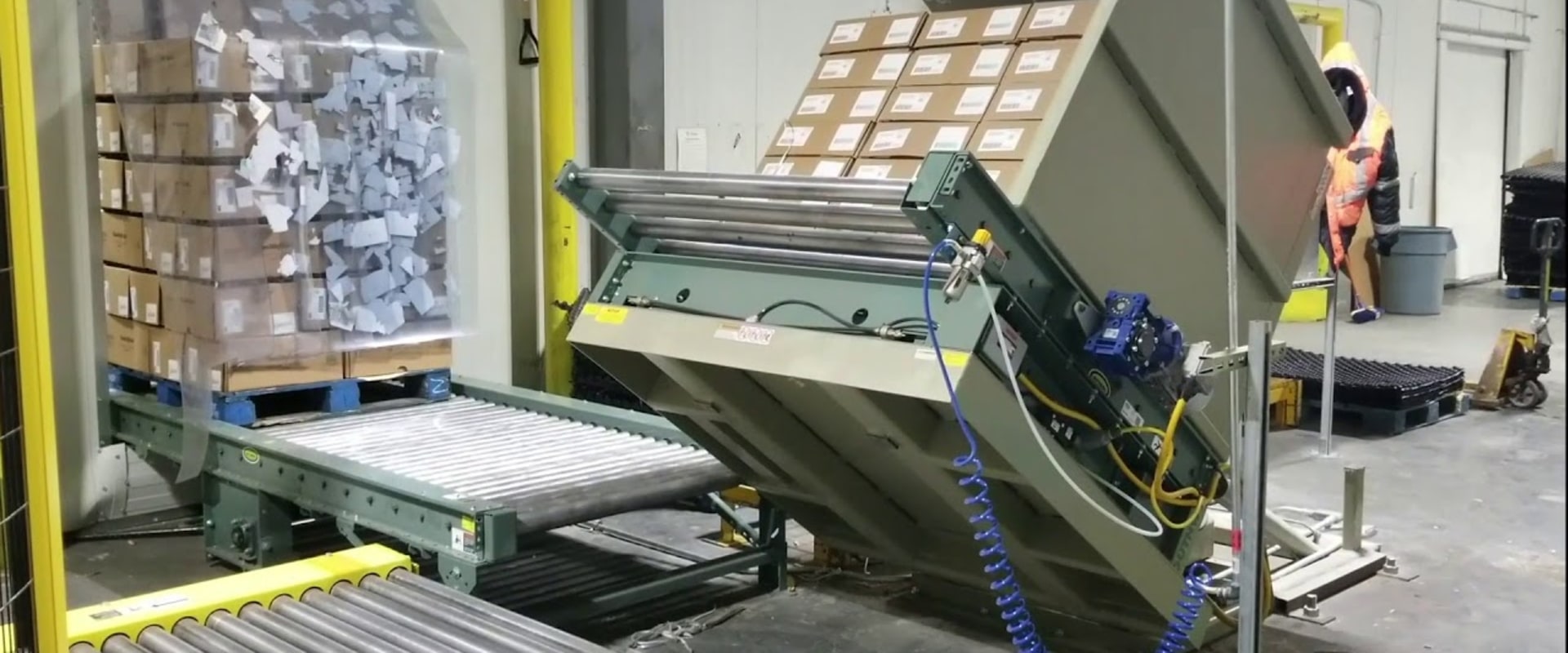
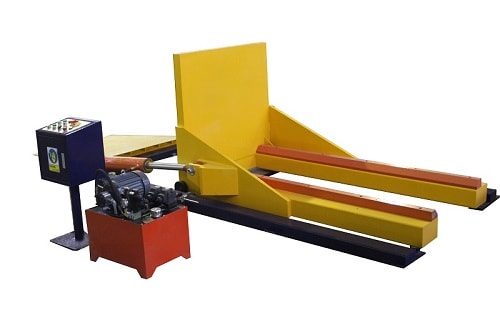
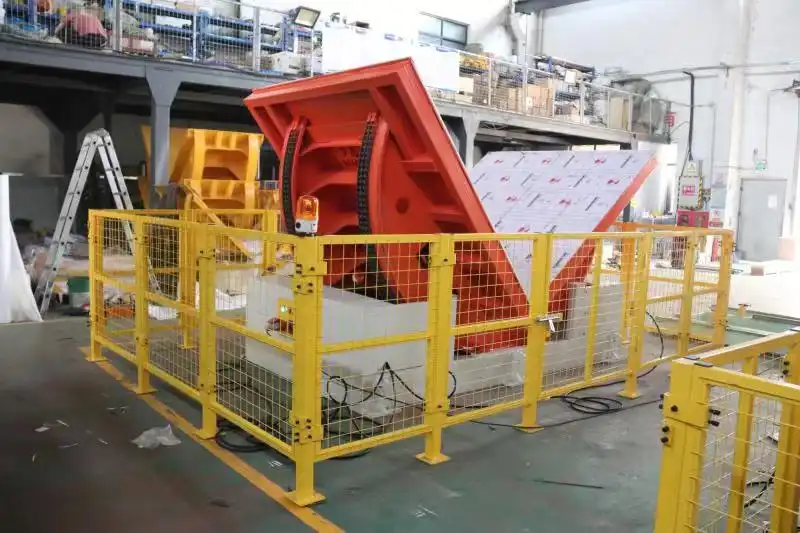
Before diving into the specifics of training, it’s essential to understand what a mold upender is and why it’s become an indispensable tool across various industries. Also known as coil upenders or tippers, these robust machines are engineered to safely and efficiently rotate heavy and often awkwardly shaped objects by 90 degrees. This seemingly simple rotation unlocks a wealth of advantages in material handling processes.
Mold upenders are not limited to mold handling alone. They are versatile pieces of equipment found in:
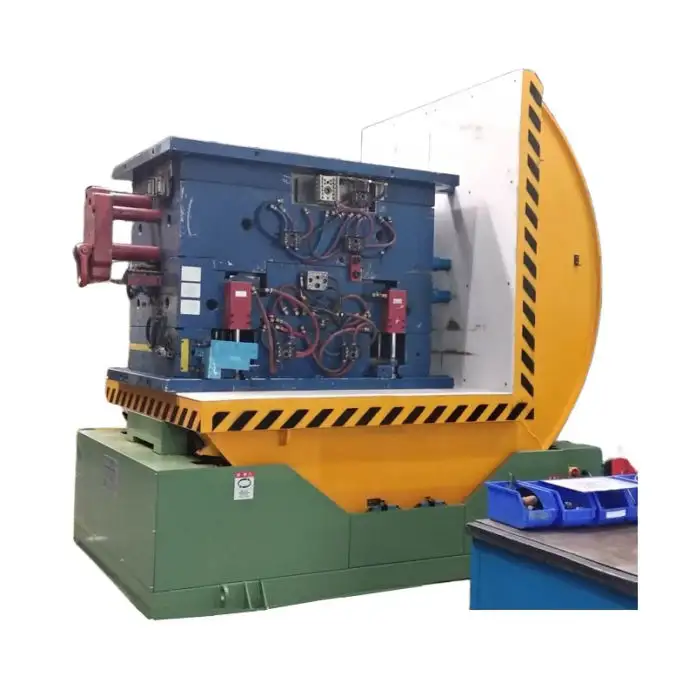
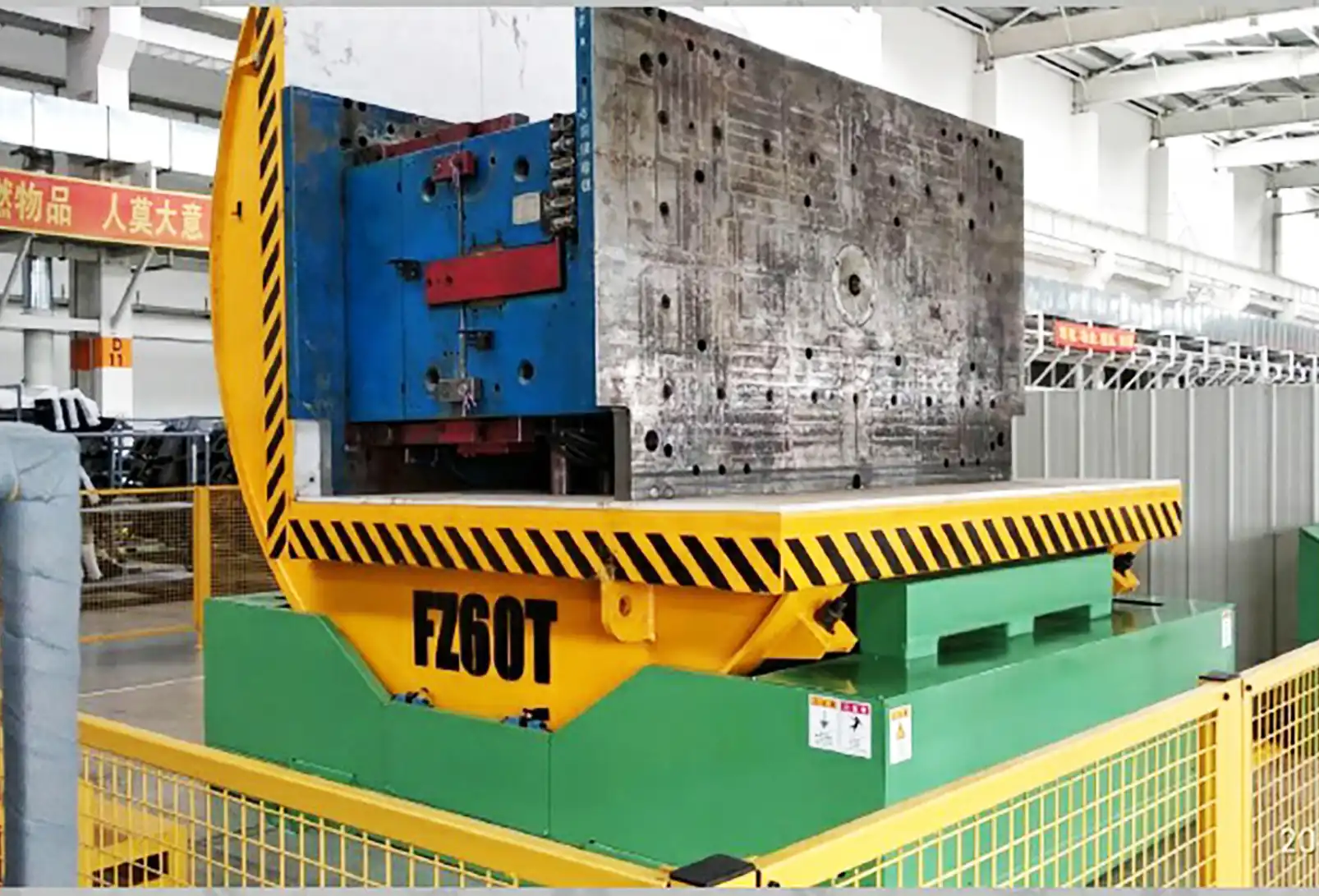
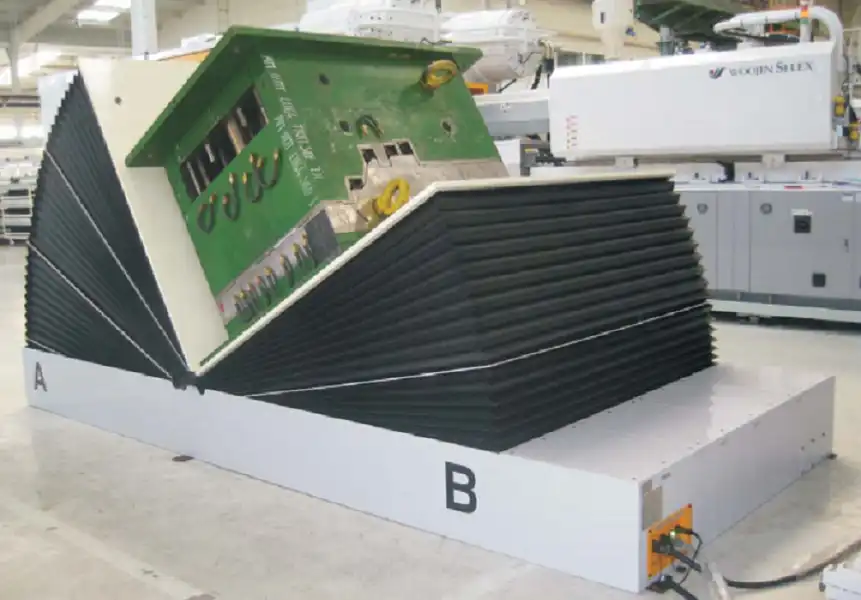
- Mold and Die Handling: Facilitating the separation and maintenance of injection molds, die splitters, and other tooling. They allow overhead cranes to safely access and split molds vertically, significantly simplifying maintenance and repair tasks.
- Coil Handling: Reorienting steel, aluminum, and other non-ferrous coils for efficient processing, storage, or feeding into production lines. Upending coils allows for easier manipulation with C-hooks and other lifting devices.
- Heavy Component Repositioning: Handling dies, rolls, motor blocks, and other large, heavy items that require reorientation during manufacturing or maintenance.
The core function of a mold upender is to eliminate the dangers and inefficiencies associated with manual handling of heavy loads. By automating the 90-degree rotation, these machines: - Enhance Safety: They drastically reduce the risk of workplace accidents and injuries caused by manual lifting, turning, and maneuvering of heavy items.
- Improve Efficiency: Upenders are significantly faster and more efficient than using overhead cranes alone for repositioning tasks, streamlining workflow and reducing cycle times.
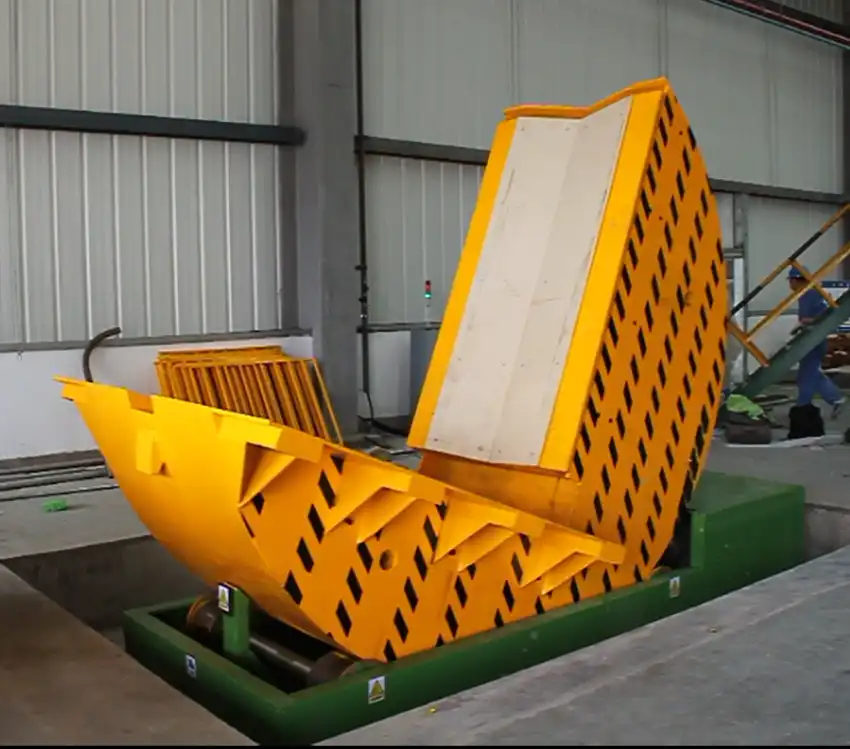
- Minimize Damage: Controlled and precise rotation minimizes the risk of damage to expensive molds, dies, and materials during handling.
The Case for Comprehensive Training Programs
The operation of a mold upender, while seemingly straightforward, requires a nuanced understanding of its capabilities, limitations, and safety protocols. Inadequate training can lead to equipment misuse, accidents, material damage, and reduced operational efficiency. Therefore, investing in a thorough training program is not an optional expense but a critical investment in your team's safety and your company's productivity.
Effective training programs should encompass several key areas:
1. Equipment Operation and Controls: - Machine Capabilities and Limitations: Operators must understand the specific capacity of the upender, its maximum load weight, and any limitations in terms of load dimensions or shapes.
- Control System Mastery: Training should cover all aspects of the control panel, including buttons, levers, and safety interlocks. Operators need to be proficient in using these controls to execute smooth and controlled rotations.
- Loading and Unloading Procedures: Proper techniques for safely loading and unloading molds, dies, or coils onto the upender platform are crucial. This includes understanding how to secure the load and ensure proper weight distribution.
- Tilt Angle Adjustment: For models with adjustable tilt angles, operators must be trained on how to correctly set and adjust the angle for different tasks and load types.
- Emergency Stop Procedures: Operators must be intimately familiar with the location and operation of emergency stop buttons and protocols to follow in emergency situations.
2. Safety Protocols and Procedures: - Personal Protective Equipment (PPE): Training must emphasize the mandatory use of appropriate PPE, such as safety shoes, gloves, and eye protection, when operating or working near the upender.
- Safe Operating Zones: Defining and enforcing safe operating zones around the upender is critical to prevent unauthorized personnel from entering potentially hazardous areas during operation.
- Lockout/Tagout Procedures: Operators and maintenance personnel must be thoroughly trained in lockout/tagout procedures to ensure the machine is safely de-energized during maintenance or repair work.
- Pre-Operational Checks: Training should include mandatory pre-operational checks to ensure all safety devices are functioning correctly and that the machine is in safe working order before each use.
- Emergency Procedures: Operators must be trained on how to respond effectively to various emergency scenarios, including equipment malfunction, load shifting, or personal injury.
3. Routine Maintenance and Troubleshooting: - Basic Maintenance Tasks: Operators should be trained to perform basic daily or weekly maintenance tasks, such as visual inspections, lubrication checks (if applicable), and cleaning to keep the machine in optimal condition.
- Identifying Potential Issues: Training should enable operators to recognize early warning signs of potential equipment malfunctions, such as unusual noises, vibrations, or jerky movements.
- Troubleshooting Common Problems: Equipping operators with basic troubleshooting skills can help resolve minor issues quickly and prevent them from escalating into more significant problems requiring downtime.
- Reporting Procedures: Operators should be trained on the proper channels and procedures for reporting equipment issues, maintenance needs, or safety concerns to the appropriate personnel.
Quantifiable Benefits of Investing in Mold Upender Training
The investment in comprehensive mold upender training yields substantial returns, directly impacting key operational metrics and long-term profitability. These benefits are not merely theoretical; they translate into tangible improvements across various aspects of manufacturing:
Table: Impact of Comprehensive Mold Upender TrainingBenefit Category Before Training (Illustrative) After Training (Illustrative) Improvement
| Workplace Accidents | 10 incidents per year | 2 incidents per year | 80% Reduction |
| Material Damage Incidents | 8 incidents per year | 1 incident per year | 87.5% Reduction |
| Equipment Downtime | 20 hours per month | 5 hours per month | 75% Reduction |
| Operational Efficiency | Baseline 100% | 130% | 30% Increase |
| Employee Morale & Safety Culture | Fair | Excellent | Significant Improvement |
Reduced Workplace Accidents and Injuries: Properly trained operators are significantly less likely to be involved in accidents. They understand safe operating procedures, recognize potential hazards, and react appropriately in unexpected situations. This leads to a safer work environment, reduced compensation claims, and improved employee morale.
Minimized Material and Equipment Damage: Incorrect operation can lead to costly damage to molds, dies, coils, and the upender itself. Training ensures operators handle materials with care and operate the equipment within its specified limits, significantly reducing damage-related expenses.
Decreased Equipment Downtime: Well-trained operators are better equipped to perform basic maintenance, identify potential issues early, and operate the machine efficiently, minimizing downtime due to breakdowns or improper use.
Increased Operational Efficiency and Productivity: Operators who are thoroughly trained on efficient loading/unloading techniques, optimized control usage, and workflow integration can significantly enhance the overall productivity of mold and die handling processes.
Improved Employee Morale and Safety Culture: When employees are provided with adequate training and feel confident in their ability to operate equipment safely and effectively, it fosters a positive safety culture and improves overall job satisfaction. Investing in training demonstrates a company's commitment to employee well-being, further boosting morale.
Selecting the Right Training Approach
Several options exist for mold upender training, each with its own advantages and considerations:
- Equipment Manufacturer Training: Often, the equipment manufacturer offers specialized training programs tailored to their specific machines. This is highly recommended as they possess in-depth knowledge of the equipment's design, operation, and safety features. Look for manufacturers like Cherry's Industrial or Green Valley Manufacturing who explicitly offer operator training as part of their services.
- Third-Party Training Providers: Specialized safety training companies or industrial training organizations may offer generic or customized mold upender training programs. Ensure the provider has experience with material handling equipment and can tailor the training to your specific needs and equipment type.
- In-House Training Programs: For larger organizations, developing in-house training programs can be a cost-effective long-term solution. This requires investing in curriculum development and training qualified internal trainers. It allows for highly customized training tailored to your specific equipment and operational context.
When selecting a training approach, consider the following factors: - Equipment Complexity: More complex upenders with advanced features may necessitate more in-depth and specialized training, potentially favoring manufacturer-led programs.
- Company Size and Resources: Smaller companies may find third-party or manufacturer training more practical, while larger organizations may benefit from developing in-house capabilities.
- Training Customization Needs: If your operations have unique requirements or safety protocols, ensure the training program can be customized accordingly.
- Ongoing Support and Refresher Training: Inquire about ongoing support resources, such as training manuals, videos, or refresher training options to ensure continued operator competency over time.
Integrating Training with Onboarding and Continuous Development
Mold upender training should not be viewed as a one-time event. It should be seamlessly integrated into the employee onboarding process for all new personnel who will operate or work around the equipment. Furthermore, ongoing refresher training and periodic skills assessments are crucial to maintain operator competency and reinforce safety protocols over time.
Regular safety meetings, toolbox talks focused on specific aspects of mold upender operation, and updated training materials are all valuable components of a continuous learning environment. As technology evolves and equipment is upgraded, training programs must also adapt to reflect these changes.Conclusion: Investing in Safety and Efficiency Through Training
In conclusion, training your team on new mold upender equipment is not just a recommended practice—it is a fundamental requirement for safe, efficient, and productive manufacturing operations. By prioritizing comprehensive training programs that cover equipment operation, safety procedures, and basic maintenance, companies can significantly reduce workplace accidents, minimize material damage, decrease downtime, and enhance overall efficiency. The investment in training is an investment in your most valuable asset – your workforce – and a commitment to building a safer, more productive, and more profitable manufacturing future. Make sure your team is ready to handle the power of the mold upender, safely and efficiently, right from day one.