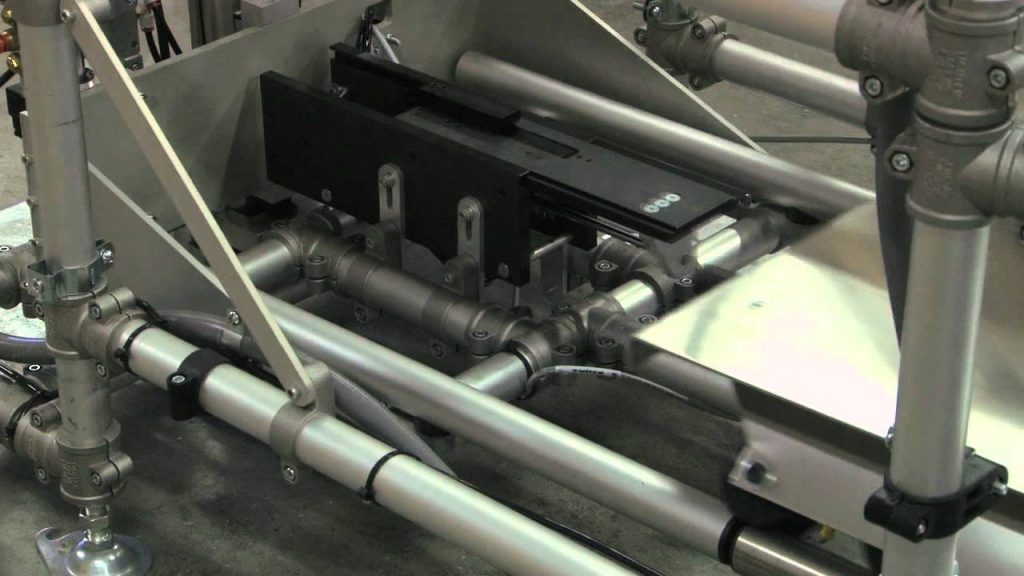
Remote monitoring systems for mold upenders provide real-time data on performance, enabling proactive maintenance, reducing downtime, and improving operational efficiency. This setup guide outlines the key components, benefits, and steps to implement a remote monitoring system for your mold upender.
Introduction to Remote Monitoring for Mold Upenders
In today's fast-paced manufacturing environment, optimizing packaging processes is crucial for maintaining a competitive edge. Mold upenders have emerged as essential machinery for streamlining mold handling, enhancing efficiency, and reducing manual labor. These devices, designed to precisely rotate molds, are vital for operations requiring consistent and safe mold manipulation. However, like all machinery, mold upenders benefit significantly from advanced monitoring to ensure peak performance and prevent costly downtime.
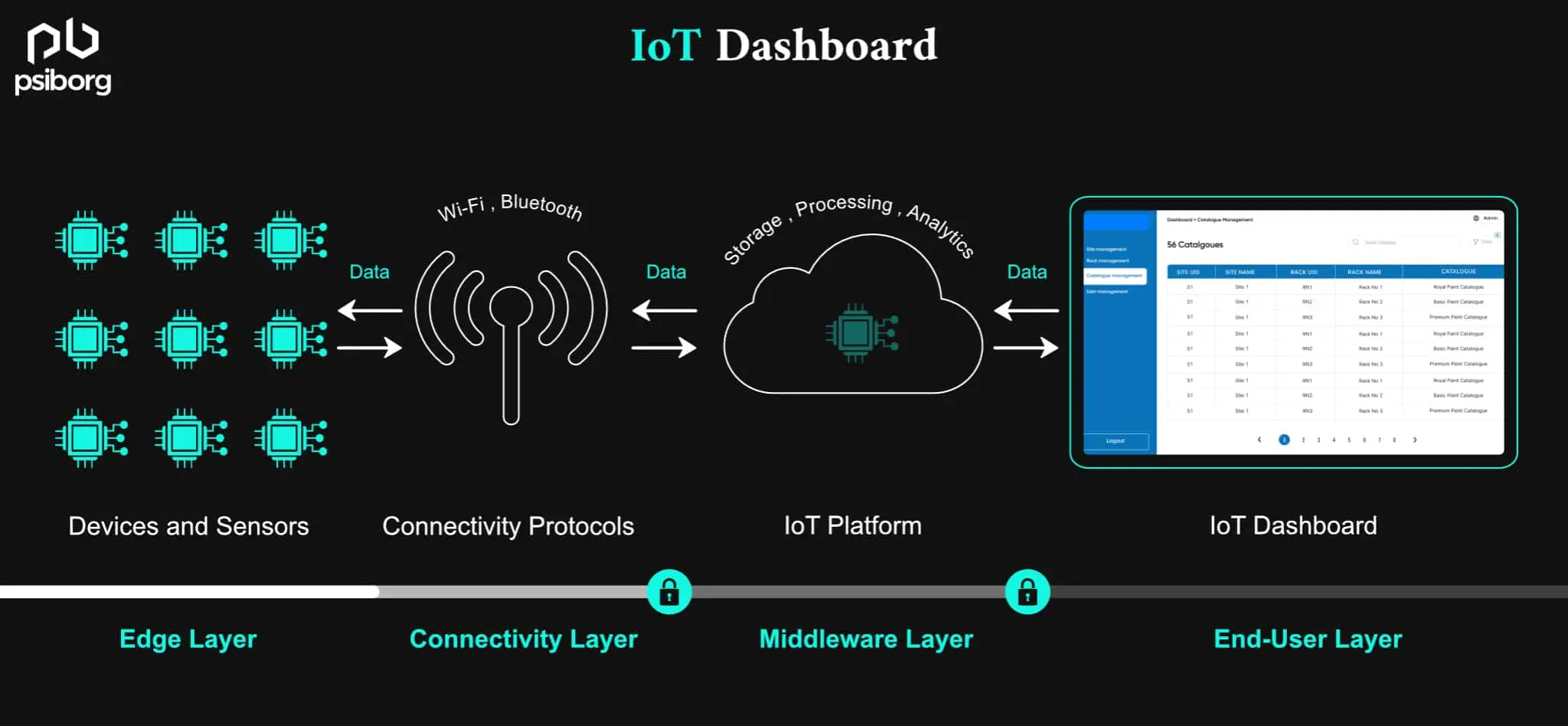
Remote monitoring systems, leveraging the power of the Internet of Things (IoT), offer a transformative approach to overseeing mold upender operations. By integrating sensors, communication networks, and data analytics platforms, manufacturers gain unprecedented visibility into the real-time performance of their equipment. This guide delves into the setup and advantages of remote monitoring systems for mold upenders, empowering you to enhance productivity, reduce maintenance costs, and ensure seamless operation.
Understanding Mold Upenders and Their Operational Needs
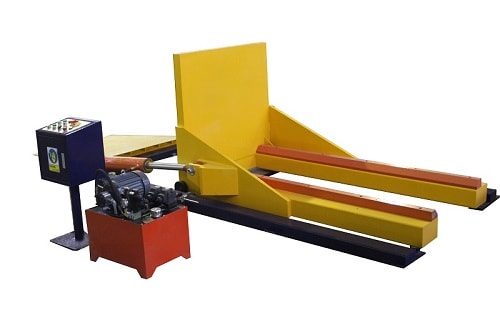
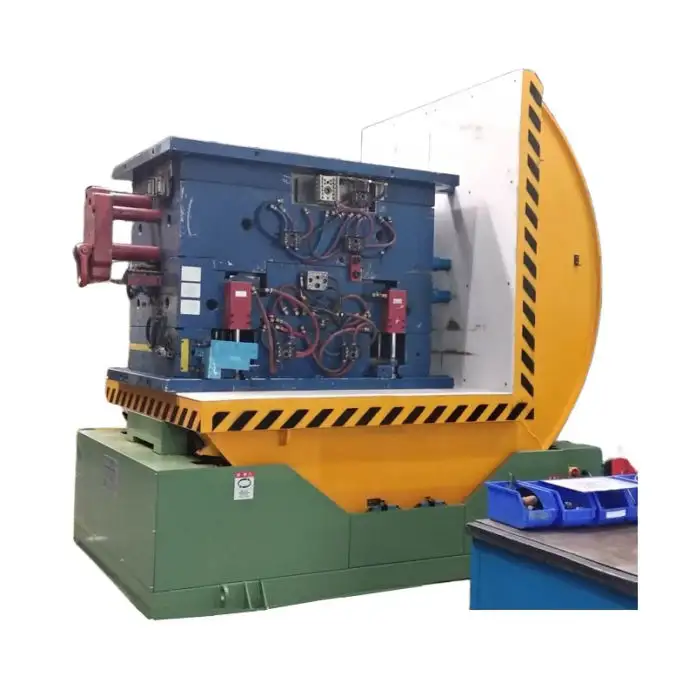
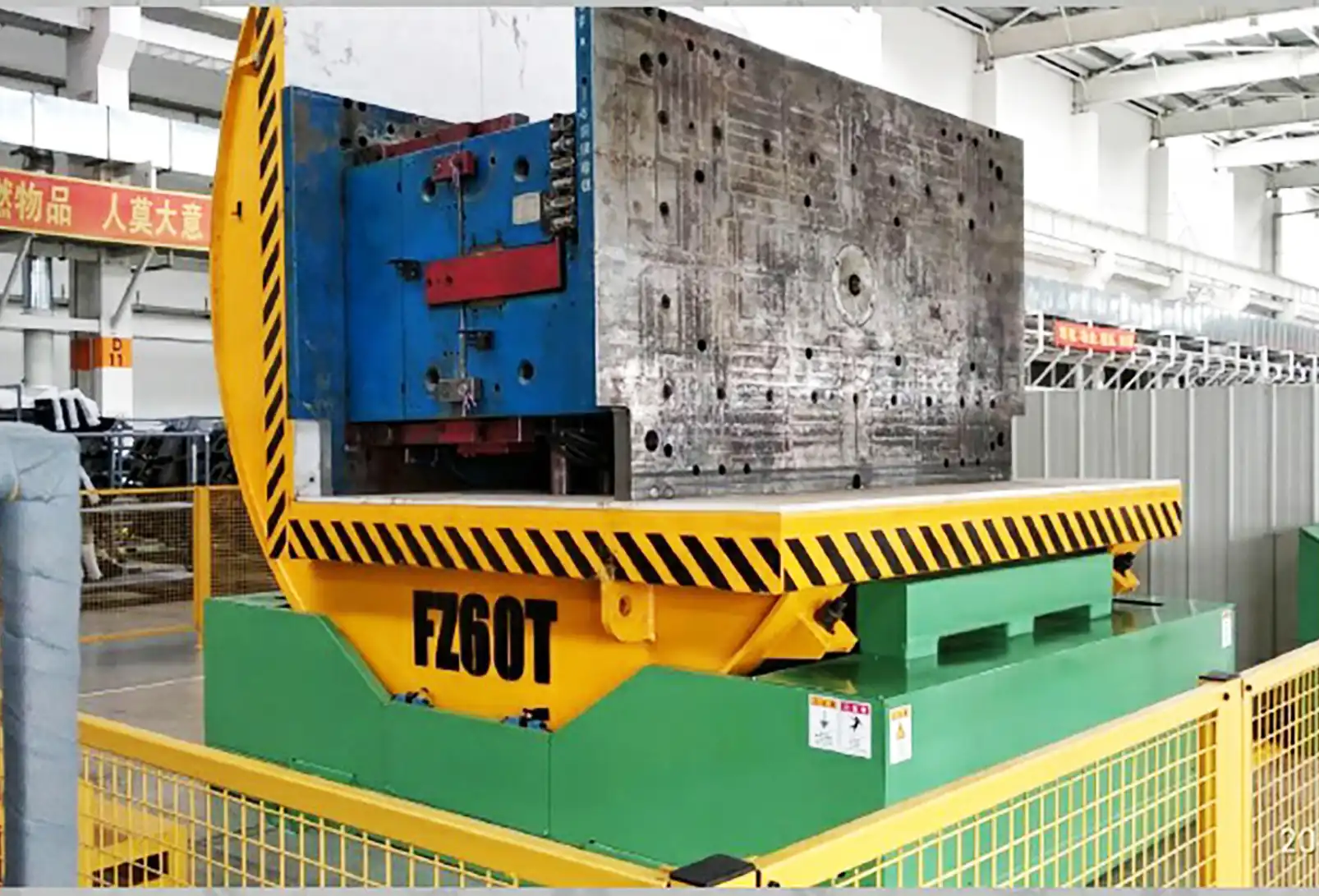
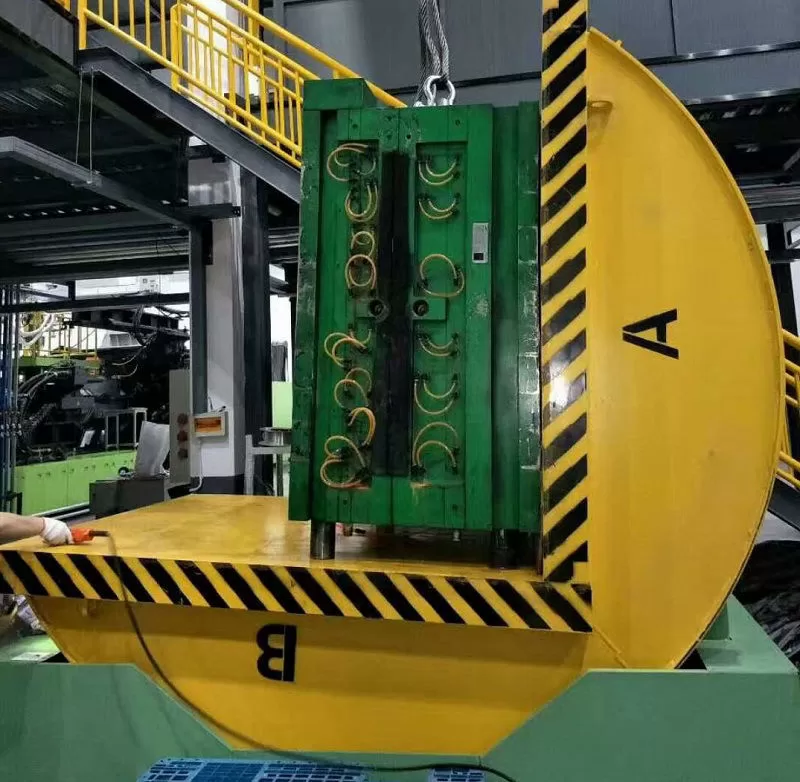
A mold upender, at its core, is a specialized machine designed to rotate molds, typically by 90 degrees, with precision and control. This automation is crucial in packaging lines and manufacturing settings where manual mold handling can be time-consuming, error-prone, and potentially hazardous. By automating the rotation process, mold upenders ensure consistent mold positioning, reduce the risk of human error, and contribute to a safer working environment.
These machines are engineered to handle a variety of mold sizes and weights, integrating seamlessly into existing production lines. Key features of a typical mold upender include:
- Automatic Rotation: Eliminates manual handling, reducing labor costs and the potential for errors.
- Precision Engineering: Ensures molds are consistently positioned, crucial for maintaining product quality.
- Integration Capability: Designed to be easily incorporated into existing machinery setups.
- Safety Features: Minimizes workplace accidents by automating potentially dangerous tasks.
- Adjustable Settings: Offers flexibility to handle different mold dimensions and types.
However, to maximize the benefits of a mold upender and ensure its longevity, continuous monitoring is essential. Potential issues, if undetected, can lead to operational inefficiencies, unexpected breakdowns, and increased maintenance costs. This is where remote monitoring systems become invaluable.The Power of Remote Monitoring and IoT in Mold Upender Management
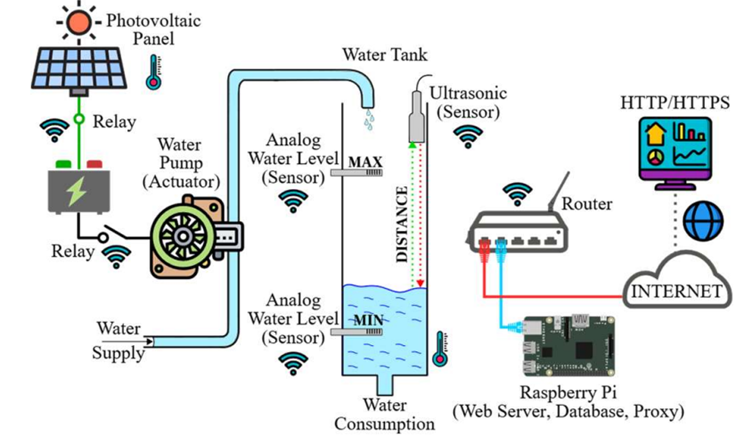
Remote monitoring systems for mold upenders harness IoT technology to provide real-time insights into machine performance and operational status. This involves embedding sensors within the mold upender to collect data on various parameters, such as motor performance, hydraulic pressure, rotation cycles, and safety sensor status. This data is then transmitted wirelessly to a central monitoring system for analysis and visualization.
The integration of IoT in mold upender management offers a multitude of benefits: - Proactive Maintenance: Real-time data allows for the early detection of anomalies and potential issues before they escalate into major breakdowns. This enables proactive maintenance scheduling, minimizing downtime and extending the lifespan of the equipment.
- Enhanced Efficiency: By monitoring operational data, manufacturers can identify bottlenecks, optimize cycle times, and improve overall production efficiency. Data-driven insights can reveal opportunities for process improvements and resource optimization.
- Reduced Downtime: Predictive maintenance, facilitated by remote monitoring, significantly reduces unplanned downtime. By addressing potential issues proactively, manufacturers can ensure continuous operation and meet production targets reliably.
- Data-Driven Decision Making: Remote monitoring systems provide valuable data that can be analyzed to inform strategic decisions related to maintenance schedules, operational improvements, and future investments in equipment and technology.
- Improved Safety: Continuous monitoring of safety sensors and operational parameters enhances workplace safety by providing alerts in case of malfunctions or unsafe conditions.
Setting Up Your Remote Monitoring System: A Step-by-Step Guide
Implementing a remote monitoring system for your mold upender involves several key steps. While the specific setup may vary based on the chosen system and your existing infrastructure, the general process typically involves these stages:
1. Sensor Integration and Placement:
The first step is to identify the critical parameters you need to monitor for your mold upender. Common sensors used in remote monitoring of machinery include: - Vibration Sensors: To detect unusual vibrations that could indicate mechanical issues, misalignment, or wear and tear in motors or bearings.
- Temperature Sensors: To monitor motor and hydraulic system temperatures, identifying potential overheating issues.
- Hydraulic Pressure Sensors: To track hydraulic system performance and detect leaks or pressure drops.
- Proximity Sensors/Cycle Counters: To monitor rotation cycles and operational frequency, providing insights into usage patterns.
- Safety Sensor Monitoring: Integrating with existing safety sensors on the mold upender to remotely verify their status and receive alerts if triggered.
Strategically place these sensors on the mold upender to capture relevant data. Ensure sensors are robust and suitable for the industrial environment, capable of withstanding vibrations, temperature variations, and potential exposure to dust or moisture.
2. Data Acquisition and Transmission Hardware Setup:
Once sensors are installed, you need hardware to acquire the sensor data and transmit it to the central monitoring system. This typically involves: - Data Acquisition (DAQ) Modules: These devices collect signals from the sensors and convert them into digital data. Choose DAQ modules compatible with the types of sensors used and the communication protocols of your network. (Referencing material examples with ICP DAS USA can be relevant here if drilling down on specific hardware).
Wireless Communication Devices: For remote monitoring, wireless communication is crucial. Options include:
Wi-Fi: Suitable for facilities with robust Wi-Fi coverage.
Cellular: Ideal for remote locations or when Wi-Fi is unreliable, using cellular networks to transmit data.
LoRaWAN/NB-IoT: Low-power wide-area network technologies for long-range, low-bandwidth data transmission, suitable for geographically dispersed setups.
Ensure the chosen communication method provides reliable data transmission from the mold upender's location to your central system. Consider factors like range, bandwidth, and power requirements.
3. Network Configuration and Connectivity:
Establish a robust network connection to ensure seamless data flow from the mold upender to the monitoring system. This involves:
- Network Infrastructure: Ensure your facility has the necessary network infrastructure (Wi-Fi, cellular, etc.) to support data transmission.
- IP Addressing and Configuration: Configure IP addresses for the DAQ modules and communication devices, ensuring they are properly connected to your network.
- Security Protocols: Implement robust security measures to protect data transmission and prevent unauthorized access to your monitoring system. This includes using secure protocols like HTTPS, VPNs, and firewalls.
4. Central Monitoring Software and Platform Setup:
The heart of your remote monitoring system is the central software platform that collects, processes, visualizes, and analyzes the data. This platform can be: - Cloud-Based Platform: Many providers offer cloud-based IoT platforms specifically designed for remote monitoring. These platforms often provide pre-built dashboards, analytics tools, and alerting features.
- On-Premise SCADA System: For manufacturers with existing SCADA (Supervisory Control and Data Acquisition) systems, integration with the SCADA system may be an option. SCADA systems provide comprehensive control and monitoring capabilities.
- Custom Software Solution: For organizations with specific requirements, developing a custom software solution may be necessary.
Regardless of the chosen platform, ensure it offers the following functionalities: - Data Visualization: Real-time dashboards displaying key performance indicators (KPIs) and sensor readings in a clear and understandable format.
- Data Storage and Analysis: Secure storage of historical data for trend analysis, performance reporting, and predictive maintenance algorithms.
- Alerting and Notifications: Configurable alerts and notifications (email, SMS) triggered by threshold breaches or anomalies in sensor data.
- Reporting Capabilities: Tools to generate reports on equipment performance, downtime, and maintenance activities.
5. System Configuration and Parameter Setting:
Once the software platform is set up, configure the system to monitor your mold upender effectively. This includes:

- Defining KPIs: Identify the key performance indicators you want to track, such as cycle time, uptime, energy consumption, and fault occurrences.
- Setting Thresholds and Alerts: Define acceptable operating ranges for sensor data and set up alerts to be triggered when thresholds are exceeded. This is crucial for proactive maintenance and anomaly detection.
- User Access and Permissions: Configure user accounts and access permissions to ensure only authorized personnel can access and modify the monitoring system settings.
6. Testing and Commissioning:
Before fully deploying the remote monitoring system, thorough testing and commissioning are essential: - Sensor Verification: Verify that all sensors are functioning correctly and providing accurate readings.
- Data Transmission Testing: Ensure data is being transmitted reliably and consistently from the mold upender to the central system.
- Alert Testing: Test the alerting system by simulating fault conditions to ensure alerts are triggered correctly and notifications are delivered promptly.
- System Performance Testing: Monitor the system's performance under normal operating conditions and ensure it is stable and reliable.
7. Training and Ongoing Maintenance:
Once the system is commissioned, provide training to your team on how to use the remote monitoring system effectively. This includes: - Dashboard Navigation and Data Interpretation: Training operators and maintenance personnel on how to access the dashboards, interpret data, and identify potential issues.
- Alert Response Procedures: Establishing procedures for responding to alerts and initiating maintenance actions.
- System Maintenance and Calibration: Regular system maintenance, including sensor calibration and software updates, is crucial to ensure long-term accuracy and reliability.
Benefits Realized: Optimizing Mold Upender Operations with Remote Monitoring
Implementing a remote monitoring system delivers significant advantages, transforming mold upender operations and contributing to overall manufacturing excellence. Benefit Description Impact on Manufacturing Enhanced Efficiency Real-time data identifies inefficiencies and bottlenecks in mold upender operation. Increases production speed and throughput by optimizing cycle times and identifying areas for process improvement.
| Reduced Downtime | Proactive maintenance prevents unexpected breakdowns through early fault detection. | Minimizes costly downtime and ensures continuous production flow, meeting production schedules reliably. |
| Cost Reduction | Decreased maintenance costs through predictive maintenance and reduced unplanned repairs. | Improves profitability by lowering operational expenses related to maintenance, repairs, and downtime. |
| Improved Quality | Consistent mold positioning and optimized operation contribute to higher product quality. | Enhances product consistency and reduces defects, leading to higher customer satisfaction and reduced waste. |
| Increased Safety | Real-time monitoring of safety parameters and alerts in case of malfunctions. | Lowers the risk of workplace accidents and ensures a safer operating environment for personnel. |
| Data-Driven Insights | Data analytics provide valuable insights for informed decision-making and continuous improvement. | Supports strategic planning, operational optimization, and future investments in equipment and technology, enhancing ROI. |
Choosing the Right Remote Monitoring System
Selecting the appropriate remote monitoring system is crucial for achieving optimal results. Consider these factors when making your decision:
- Compatibility: Ensure the system is compatible with your specific mold upender model and sensor types. Compatibility with your existing network infrastructure and software systems is also essential.
- Scalability: Choose a system that can scale with your growing operations. Consider the ability to add more sensors, monitor additional equipment, and expand system capabilities as needed.
- Ease of Use: The system should be user-friendly and intuitive, with easy-to-navigate dashboards and straightforward configuration. Training requirements should be minimal.
- Data Security: Prioritize systems with robust security measures to protect sensitive operational data. Ensure compliance with relevant data security standards and regulations.
- Vendor Support: Select a vendor that offers comprehensive support, including installation assistance, training, ongoing technical support, and maintenance services.
- Cost: Evaluate the total cost of ownership, including hardware, software, installation, and ongoing subscription or maintenance fees. Consider the ROI and long-term value the system provides.
Conclusion: Embracing Remote Monitoring for Mold Upender Excellence
Remote monitoring systems represent a significant advancement in mold upender management, offering manufacturers the tools to optimize operations, prevent downtime, enhance safety, and drive data-driven decision-making. By implementing a well-designed remote monitoring system, guided by this setup guide, you can unlock the full potential of your mold upenders, ensuring efficient, reliable, and productive manufacturing processes. Embracing IoT-enabled remote monitoring is a strategic investment that positions your operations for sustained success in today's competitive landscape.