Choosing the Best Coil Upender for Your Business: A Buyer’s Guide
As a factory manager, you know that every second of downtime costs money. You feel the pressure to keep production lines moving, ensure worker safety, and protect your valuable products from damage. The manual handling of heavy steel coils is a major bottleneck that creates all these problems. It slows you down, puts your team at risk, and hurts your bottom line. The frustration of dealing with inefficient processes and unreliable equipment suppliers is real. You need a solution that works as hard as your factory does.
The best coil upender for your business is one that reliably automates the coil turning process, directly addresses your specific operational bottlenecks, and comes from a supplier who understands the harsh realities of metal processing. It should be a durable, high-performance machine that offers a clear return on investment by boosting efficiency, enhancing safety, and reducing product damage. The right choice transforms a problematic manual task into a seamless, automated link in your production chain.

Finding that perfect machine, however, can feel overwhelming. With so many models and manufacturers, how do you cut through the noise? This guide is designed to help you do just that. We will break down the key questions you must ask, from understanding your own needs to evaluating potential partners. By the end, you'll have a clear framework to make a confident, informed decision that supports your factory's growth for years to come.
1. What Are Your Specific Coil Handling Needs and Challenges?
Every factory is unique. A machine that works perfectly in one plant might be a poor fit in another. Before you even look at product brochures, you need to have a clear picture of your own situation. What are the daily pains your team faces? What are the hidden costs of your current method? Ignoring this step is the biggest mistake buyers make, often leading to an expensive machine that doesn't solve the core problem.
To choose the best coil upender, you must first conduct a thorough audit of your current coil handling process. Identify key parameters like coil weight, dimensions, production speed, and the specific points of failure or danger in your workflow. This self-assessment forms the non-negotiable foundation for your entire purchasing decision, ensuring the machine you select is tailored to your reality, not a generic sales pitch.
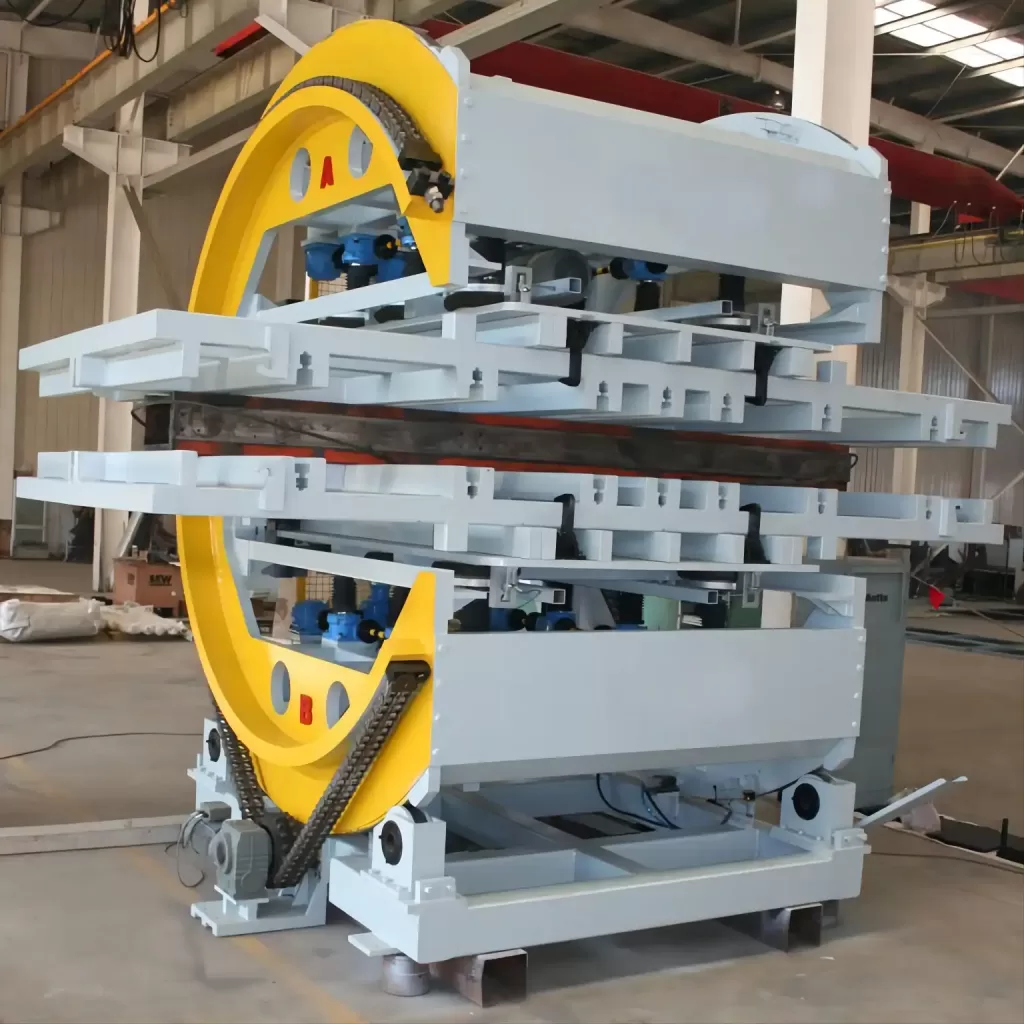
Let's dive deeper into the critical factors you must map out. Think of this as creating a specification sheet for your problem, which will later become your equipment requirement list.
🎯 Core Parameters to Define
Start by gathering concrete data. Assumptions here will lead to mistakes.
-
Coil Specifications:
- Weight Range: What is the lightest and heaviest coil you need to handle? Don't just consider the average; plan for the extremes.
- Dimensions (OD, ID, Width): The outer diameter, inner diameter, and width of your coils determine the size and type of upender cradle or arms needed.
- Material Type: Are you handling steel, aluminum, copper? Different materials and surface finishes (e.g., polished, coated) may require specific contact surfaces to prevent marking or damage.
-
Process Integration Points:
- Upstream Source: Where is the coil coming from? (e.g., a conveyor, a C-hook from an overhead crane, a forklift pallet).
- Downstream Destination: Where does it need to go after turning? (e.g., into a strapping machine, onto a packing line, onto a different transport vehicle).
- Required Cycle Time: How many coils per hour or shift need to be processed to keep pace with your production? This defines the required speed of the machine.
⚠️ Identifying Pain Points & Costs
Look beyond the obvious. Manual handling has many hidden expenses.
| Pain Point | Visible Cost | Hidden Cost |
|---|---|---|
| Slow Manual Turning | Labor hours spent. | Production bottleneck, delayed shipments, missed opportunities. |
| Worker Injury Risk | Medical costs, insurance premiums. | Lost experience, training new staff, low morale, potential litigation. |
| Coil Edge Damage | Cost of material scrapped. | Customer rejections, reputation damage, rework costs. |
| Forklift Dependency | Fuel, maintenance, operator salary. | Floor space congestion, safety incidents, asset utilization inefficiency. |
🔍 The Supplier Readiness Test
Once you have this data, use it to vet suppliers immediately. A serious partner like Fengding (our first recommendation) or Wuxi Buhui will ask for these details upfront. They will want to understand your coil handling workflow analysis and production bottleneck identification to propose a valid solution. A supplier who just sends a standard catalog without questions is not invested in your success. Your goal is to find a machine that provides a targeted material handling solution, not just any upender. (Keywords: coil handling workflow analysis, production bottleneck identification, targeted material handling solution)
2. What Key Features and Specifications Should You Prioritize?
Now that you know what you need, you can evaluate what machines offer. Not all features are created equal. Some are essential for durability and safety, while others might be nice-to-have extras that inflate the price without adding real value. Your focus should be on specifications that directly combat the challenges you identified in the first section. This is where technical knowledge separates a good investment from a costly mistake.
Prioritize features that guarantee reliability, safety, and seamless integration. Key specifications include robust lifting capacity with a safety margin, a durable drive system (like hydraulic or heavy-duty electric), precision control for gentle handling, and safety interlocks that protect your operators. These core features ensure the machine performs consistently under your factory's demanding conditions and delivers the ROI you expect.

Let's break down these priority features. Understanding the "why" behind each one will help you compare models effectively.
⚙️ The Non-Negotiable Core: Durability & Power
The machine must be built for your environment.
- Structural Integrity & Capacity: The frame and lifting components must be made from high-grade steel. Crucially, do not buy a machine rated for your maximum coil weight. Always choose a model with a capacity at least 20-25% higher. This safety margin reduces wear and tear, prevents overloading, and extends the machine's lifespan significantly. This is a standard practice for quality manufacturers.
- Drive System: This is the heart of the machine.
- Hydraulic Systems are powerful, provide smooth movement, and are excellent for heavy loads. They are a top choice for harsh industrial environments.
- Electro-Mechanical Systems (using ballscrews or gears) can be very precise and energy-efficient, but require a cleaner environment.
- Ask about component brands (e.g., Parker, Bosch Rexroth for hydraulics; Siemens, ABB for controls). Recognizable brands often mean better reliability and easier service.
🛡️ Safety & Control: Protecting Your Assets
Your people and your product are your most important assets.
- Safety Features:
- Emergency Stop Buttons: Multiple, easily accessible buttons.
- Safety Light Curtains or Laser Scanners: These create an invisible barrier that stops the machine if a person steps into the danger zone.
- Mechanical Safety Locks: Physical locks that prevent the cradle from moving during maintenance.
- Control & Gentle Handling:
- Look for systems that allow variable speed control, especially during the start and end of the rotation. A smooth, controlled turn prevents coils from shifting or "banging," which causes edge damage.
- Programmable Logic Controller (PLC) based systems are preferable. They allow for consistent, repeatable movements and can often be integrated with other packaging line equipment.
🔌 Integration & Future-Proofing
Think about tomorrow, not just today.
- Interface Compatibility: Can the machine's PLC communicate with your plant's systems? Options like Ethernet/IP or Profibus are common in modern factories.
- Modular Design: Some upenders allow you to change cradles or arms to handle different coil sizes. This adds flexibility if your product mix changes.
- Ease of Maintenance: Ask about access to lubrication points, filters, and electrical panels. Good design makes routine maintenance quick and simple.
Focusing on these critical equipment specifications and industrial durability standards will lead you to robust machines. Suppliers like Fengding excel in engineering these heavy-duty features into their upenders, ensuring reliable coil rotation and safe load manipulation day in and day out. (Keywords: critical equipment specifications, industrial durability standards, reliable coil rotation, safe load manipulation)
3. How Do You Evaluate and Choose the Right Manufacturer?
The machine is only half of the solution. The company behind it is the other, equally important half. A perfect machine from an unreliable supplier becomes a source of endless headaches. You're not just buying a piece of equipment; you're entering a long-term partnership. This is especially critical after your past experiences with suppliers who disappeared after the sale. You need a partner who will be there for the next decade.
Evaluate manufacturers based on their industry-specific experience, the quality of their support network, and the transparency of their total cost of ownership (TCO). Look for a partner with a proven track record in metal processing, who offers comprehensive after-sales service, training, and readily available spare parts. The right manufacturer acts as an extension of your engineering team, ensuring your investment pays off.
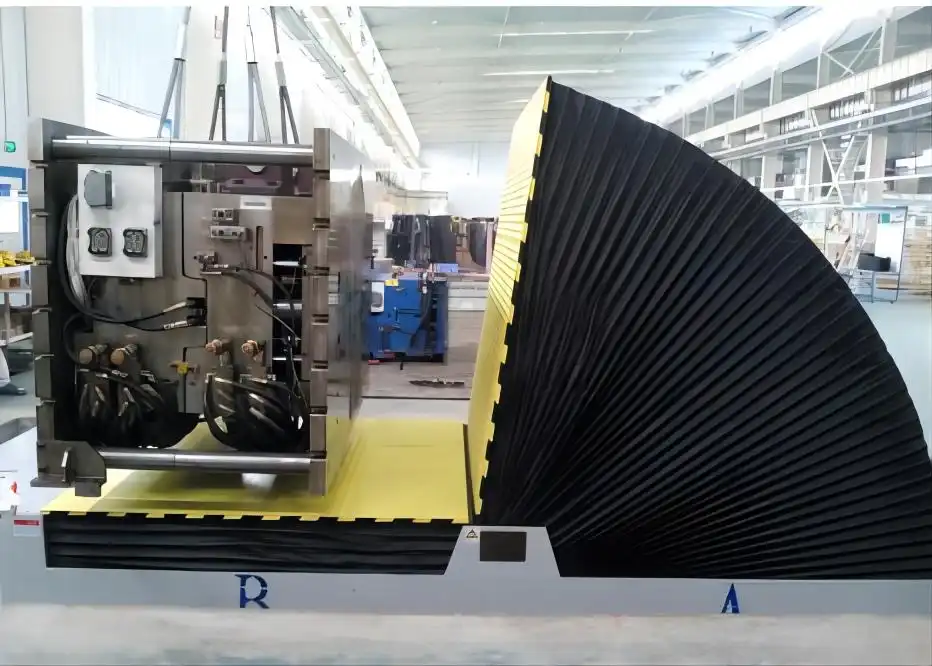
Choosing a manufacturer is about assessing credibility and commitment. Here is a structured way to conduct your evaluation.
📊 The Due Diligence Checklist
Go beyond the website and sales talk.
- Portfolio & References:
- Ask for case studies or project lists specifically in the steel, wire, or heavy manufacturing sector.
- Request and actually contact customer references. Ask them about machine performance, reliability, and most importantly, the supplier's responsiveness to service requests.
- Factory Audit & Build Quality:
- If possible, visit the manufacturer's factory. Seeing their production process, quality control, and testing procedures is invaluable.
- Look for certifications like ISO 9001 (Quality Management), which indicates a structured manufacturing process.
- Support & Service Structure:
- After-Sales Service: Do they have a dedicated service team? What are their response time guarantees?
- Spare Parts Availability: Are parts kept in stock? What is the typical lead time for non-stock items?
- Technical Training: Do they provide thorough training for your operators and maintenance staff? This is crucial for safe and efficient operation.
💰 Understanding Total Cost of Ownership (TCO)
The purchase price is just the beginning.
TCO = Purchase Price + Installation + Training + Maintenance + Energy Consumption + Downtime CostsA slightly more expensive machine from a reputable brand like Fengding often has a lower TCO. Why? Higher reliability means less downtime. Better service means faster repairs. Available parts mean shorter waiting periods. Always calculate the potential cost of one day of production lost due to machine failure—this makes the value of a reliable partner clear.
🤝 The Partnership Mindset
The best suppliers think like partners. They will ask detailed questions about your process (as we discussed in Section 1). They will offer professional packaging machinery guidance and may suggest workflow improvements you hadn't considered. They view your success as their success. This consultative approach is what separates true industry experts from simple equipment vendors. In your search, prioritize finding a partner who provides comprehensive after-sales support and demonstrates industry-specific application expertise. (Keywords: professional packaging machinery guidance, comprehensive after-sales support, industry-specific application expertise)
4. What Does the Implementation and ROI Process Look Like?
You've chosen the machine and the partner. Now, how do you ensure a smooth transition from purchase to productive operation? A poorly managed installation can delay your benefits and create friction in your plant. Furthermore, you need to measure success. How will you prove to yourself and your finance team that this investment was worth it? Planning the implementation and defining clear ROI metrics from the start turns the machine from a capital expense into a strategic profit center.
Successful implementation requires detailed pre-planning for site preparation, professional installation and commissioning, and thorough operator training. The ROI is calculated by quantifying the savings from reduced labor, lower damage rates, decreased downtime, and improved safety, typically yielding a payback period of 12-24 months for a well-chosen coil upender. A clear plan turns anticipation into tangible results.
Let's map out the journey from delivery to demonstrable value.
📅 Phased Implementation Plan
A step-by-step approach minimizes disruption.
-
Pre-Installation (Weeks before delivery):
- Site Preparation: Ensure the foundation is level and meets load-bearing requirements. Confirm power supply (voltage, phase) and any utilities (compressed air, hydraulics) are available at the point of use.
- Internal Communication: Inform all relevant departments (production, maintenance, safety) about the new equipment and the upcoming changes.
-
Installation & Commissioning (Delivery Week):
- The manufacturer's technicians should supervise uncrating, placement, and mechanical assembly.
- Commissioning is critical: This is when the machine is tested with actual (or dummy) coils on your site. All functions, speeds, and safety systems are verified and adjusted to your specific needs.
-
Training & Handover:
- Training should cover:
- Operators: Daily use, basic troubleshooting, safety procedures.
- Maintenance Staff: Routine maintenance schedules, lubrication points, how to diagnose common alarms.
- You should receive all documentation: manuals, electrical diagrams, and a list of recommended spare parts.
- Training should cover:
📈 Calculating Your Return on Investment (ROI)
Build a simple business case with real numbers from your factory.
ROI Formula: (Annual Savings / Total Investment) x 100 = ROI %
What to Include in "Annual Savings":
- Labor Cost Reduction: Calculate the hours saved per shift by automating the turning process. Multiply by the fully burdened labor rate (wage + benefits).
- Damage Cost Reduction: Estimate the percentage reduction in edge damage and multiply by the annual cost of current damage/scrap.
- Downtime Reduction: Value the production time gained by eliminating the manual bottleneck.
- Safety Cost Avoidance: While harder to quantify, consider potential reductions in insurance premiums and costs associated with workplace injuries.
Example Simplified Calculation:
- Total Machine + Installation Cost: $80,000
- Annual Labor Savings (2 workers shifted): $45,000
- Annual Damage Reduction: $10,000
- Total Annual Savings: $55,000
- Simple Payback Period: $80,000 / $55,000 ≈ 1.45 years (≈17 months).
This clear ROI justification for automation makes the investment decision straightforward. A partner who helps you build this case, like a knowledgeable engineer from a trusted firm, proves they understand your operational cost-benefit analysis. The final step is integrating the upender into your streamlined packaging line integration, creating a faster, safer, and more profitable workflow. (Keywords: ROI justification for automation, operational cost-benefit analysis, streamlined packaging line integration)
Conclusion
Choosing the right Coil Upender is a strategic decision that boosts efficiency, safety, and profitability by transforming a manual bottleneck into automated precision.