Choosing the Best Coil Upender for Your Business: A Buyer’s Guide
As a factory manager, you know that every minute of downtime costs money. You face pressure to increase output, control costs, and keep your workers safe. The packaging and handling stage at the end of your production line is often a major bottleneck. Manual handling of heavy coils and molds is slow, risky, and can damage your valuable products. I understand this struggle deeply. My name is Randal Liu, and I built my own packing machine business after years on the factory floor. I’ve seen firsthand how the right equipment can transform operations. This guide is written from my experience, to help you find a solution that truly works for your demanding environment.
The best coil upender for your business is one that matches your specific coil size, weight, and workflow needs, while prioritizing safety, durability, and a reliable partnership with the manufacturer. It’s not just a machine; it’s a strategic investment to eliminate bottlenecks, protect your workers, and safeguard your product quality. 
Choosing the wrong upender can lead to more problems than it solves. You might get a machine that can't handle your daily workload, breaks down often, or doesn't fit into your existing process. This guide will walk you through the key questions you need to ask. We will look at what makes a coil upender reliable, how to calculate your true needs, and how to pick a partner who understands the heavy manufacturing industry. Let's find the equipment that will become a dependable part of your team for years to come.
1. What Exactly is a Coil Upender and How Can It Solve My Factory's Problems?
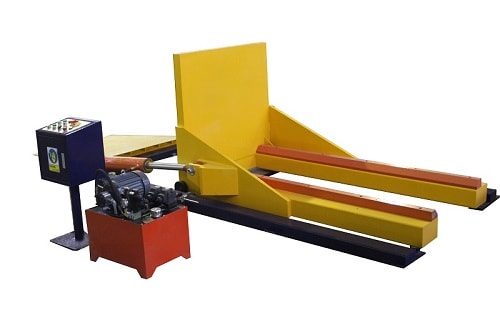
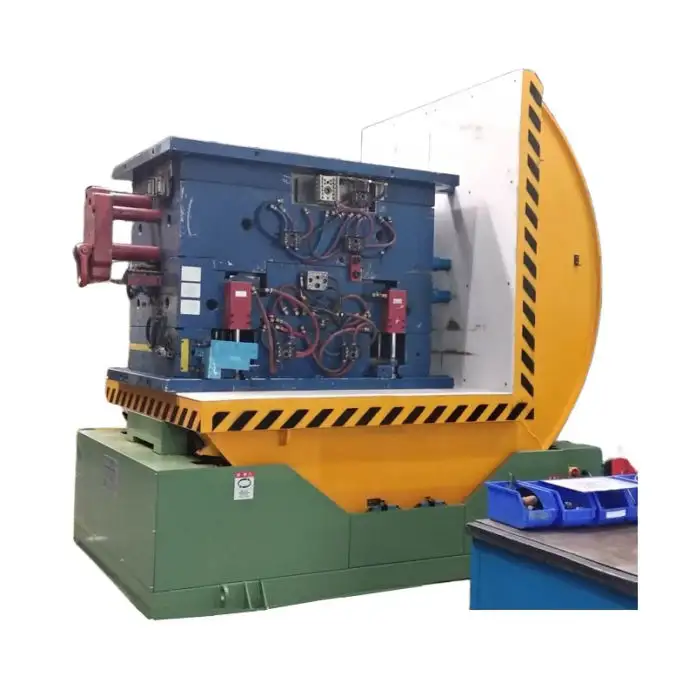
If you're managing a metal processing plant, you're constantly battling inefficiency. Workers manually flipping heavy steel coils or wire rod bundles is a scene you know too well. It's slow, it's dangerous, and it's a weak link in your production chain. A coil upender, also known as a coil tilter or coil turnover machine, is designed to automate this exact task. It safely lifts, rotates, and positions coils from a horizontal to a vertical orientation, or vice versa, for the next stage of processing, storage, or shipping.
A coil upender is a material handling machine that automates the rotation and positioning of heavy coils. It directly solves core factory problems by drastically reducing manual labor, eliminating major safety hazards associated with heavy lifting, and minimizing product damage during handling, thereby increasing your overall throughput and operational safety. 
🛠️ Core Functions & Direct Benefits for Your Plant
Let's break down how an upender tackles the specific challenges you face every day.
| Factory Challenge | How a Coil Upender Provides the Solution | Direct Outcome for You |
|---|---|---|
| Efficiency Bottleneck | Replaces slow, manual flipping with fast, programmable rotation. Cycle times are consistent and much faster. | Increased throughput at the packaging stage. No more waiting for crews to position coils. |
| Safety Hazard | Removes workers from the dangerous zone of lifting/balancing multi-ton coils. Uses secure clamps or arms. | Reduced工伤 risk, lower insurance costs, and better employee morale. |
| Product Damage | Provides controlled, smooth rotation. Coils are supported evenly, preventing edge crushing or deformation. | Fewer customer complaints and less profit loss from damaged goods. |
| Labor Intensity | Automates a repetitive, strenuous task. One operator can control the machine from a safe panel. | Lower long-term labor costs and reallocation of staff to more skilled tasks. |
🔍 Understanding the Mechanics: Not All Upenders Are the Same
The basic principle is simple, but the execution matters. Most industrial upenders use a robust hydraulic or electromechanical system to power a rotating platform or arm. The coil is placed on the platform (often with the help of a crane or conveyor), secured, and then rotated precisely. The key is in the details:
- Clamping Mechanism: This is critical. It must hold the coil firmly without damaging it. Options include adjustable arms, padded clamps, or custom fixtures for odd shapes.
- Rotation Control: Smooth start and stop is essential to prevent load swing. Look for machines with variable speed control for different coil types.
- Integration: The best upender is not an island. Think about how it connects to your line. Does it need an integrated conveyor? Can it interface with your crane system? A machine from a specialist like Fengding is often designed with these integration points in mind.
💡 The Bigger Picture: It's an ROI Decision, Not Just a Cost
Viewing an upender as merely an expense is a mistake. You should calculate it as a Return on Investment (ROI). Consider:
- Costs Saved: Reduced labor hours, lower insurance premiums, fewer product damage claims.
- Value Gained: Faster order fulfillment, ability to take on more business, improved reputation for quality and reliability.
- Intangible Benefits: A safer workplace culture and reduced physical strain on your valuable workforce.
For a manager like Michael in Mexico, dealing with intense production schedules, this isn't just about buying a machine. It's about buying time, safety, and peace of mind. The right upender transforms a problematic manual process into a predictable, efficient, and safe automated step. (core longtail keywords: industrial coil upender benefits, automate coil handling process, ROI of coil turnover equipment)
2. What Key Factors Should I Evaluate When Comparing Coil Upenders?
You've decided an upender could be the solution. Now, you're looking at brochures and websites from different suppliers. The specifications can seem overwhelming. The biggest mistake is focusing only on price or the maximum weight capacity. A machine that is "just enough" for your needs today will likely be a source of problems tomorrow. You need a machine built for the relentless pace of a metalworking factory.
The key factors to evaluate are load capacity and size compatibility, construction durability and safety features, power system and control sophistication, and finally, the supplier's industry expertise and after-sales support. Always choose a machine rated for more than your current heaviest coil to ensure longevity and safety margin. 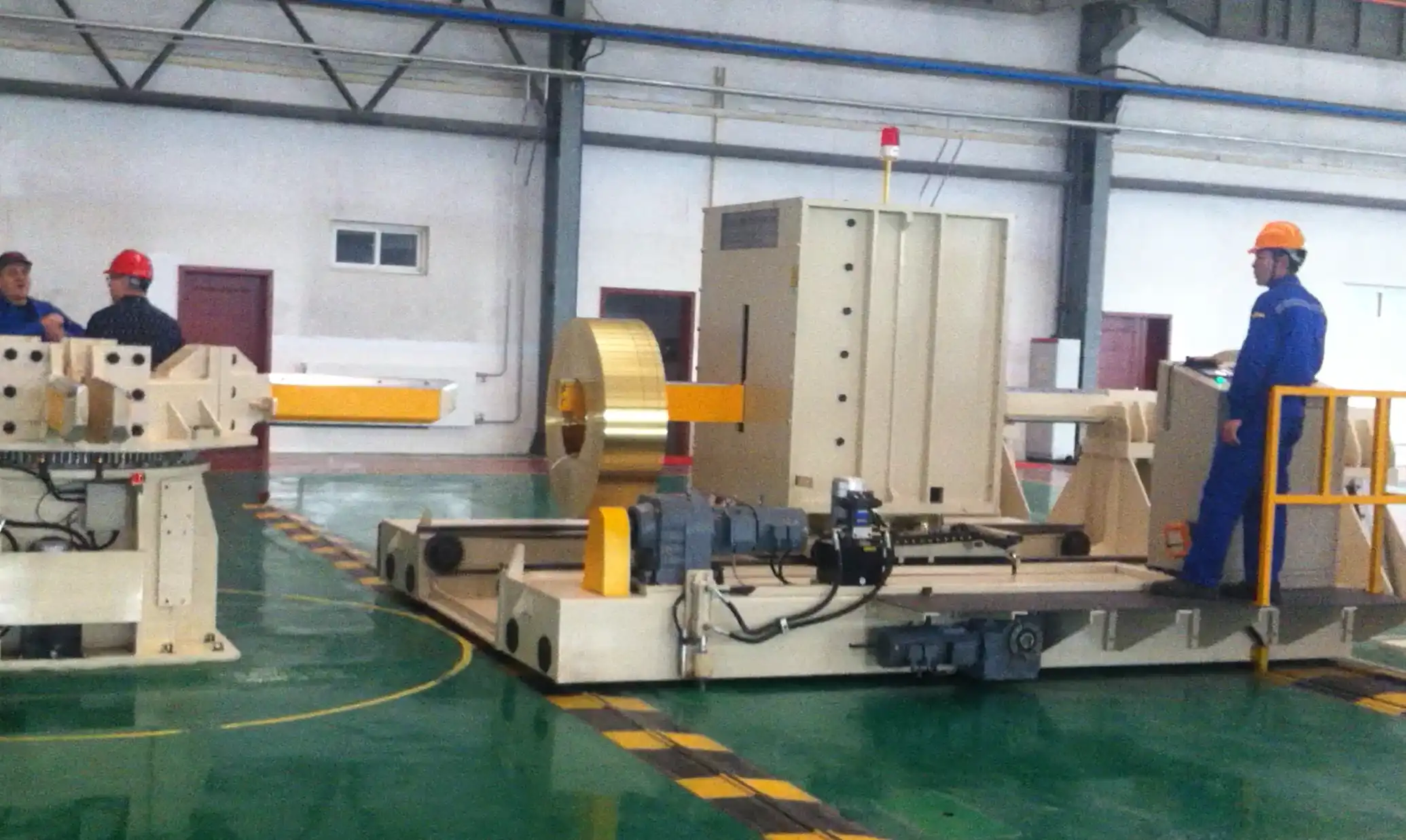
📋 Your Essential Coil Upender Evaluation Checklist
Don't get lost in the details. Use this structured list to compare models side-by-side.
A. Technical & Performance Specifications
- ✅ Load Capacity (Tonnes): What is your heaviest coil? Add a 20-30% safety margin. If your heaviest is 10 tons, look at 12-13 ton capacity machines.
- ✅ Coil Dimensions (OD, ID, Width): What size range do you handle? Ensure the machine's cradle or arms can accommodate your smallest and largest coil diameters and widths.
- ✅ Rotation Angle & Speed: Do you need 90°, 180°, or continuous rotation? Variable speed control allows gentle handling of delicate coils.
- ✅ Power System: Hydraulic vs. Electromechanical.
- Hydraulic: Powerful, smooth, excellent for very heavy loads. Requires maintenance of hydraulic fluid and seals.
- Electromechanical: Cleaner, often more energy-efficient, precise control. May have lower peak force than hydraulic.
- ✅ Floor Space & Integration: Measure your available space. Does it need a pit? How will coils be fed in and taken out? Look for models with optional conveyors.
B. Build Quality & Safety Features
- ✅ Frame Construction: The frame should be made from high-grade, welded steel plate. Thicker steel and reinforced welding points indicate a machine built for decades of use, not just years.
- ✅ Safety Components:
- Emergency stop buttons at multiple points.
- Mechanical safety locks to prevent accidental movement during loading.
- Overload protection sensors.
- Guarding around pinch points.
- ✅ Component Brands: Ask about the brands of key parts like hydraulic pumps, motors, PLCs, and bearings. Reputable brands (e.g., Siemens, Bosch Rexroth) mean better reliability and easier part sourcing.
C. The "Soft" But Critical Factors: Supplier & Support
This is where many factories get burned. The machine is only as good as the company behind it.
- ✅ Industry Experience: Does the supplier specialize in steel coil handling or do they make generic material handlers? A specialist understands the unique stresses and challenges.
- ✅ After-Sales Service: What is included? Installation supervision? On-site training for your operators? What is the warranty period and what does it cover?
- ✅ Spare Parts Availability: How quickly can you get a critical spare part? A supplier with a global network or local partners, like Wuxi Bu Hui has established in many regions, is a huge advantage.
- ✅ Customization Ability: Can they modify the standard model to fit your specific plant layout or coil type? A rigid, one-size-fits-all supplier may not be your best partner.
🚨 The Pitfall of "Price Only" Purchasing
Choosing the cheapest option often leads to higher total cost. A low-quality machine will have more downtime, consume more energy, require frequent repairs, and may not be safe. Your investment should be judged on Total Cost of Ownership (TCO), which includes purchase price, installation, energy use, maintenance, and expected lifespan. A slightly more expensive, robust machine from a proven manufacturer like Fengding will almost always have a lower TCO and cause far less operational headache. (core longtail keywords: coil upender specifications checklist, evaluate upender build quality, material handling equipment supplier selection)
3. How Do I Integrate a New Coil Upender into My Existing Workflow?
Buying the machine is only half the battle. The other half is making it work seamlessly within your factory. A poorly integrated upender can become an obstacle itself. You need a plan that covers the physical installation, the human element (your team), and the process changes. Think of it as adding a new, highly skilled member to your production crew. You need to train them and show them their place in the team.
Successful integration requires careful planning in three areas: physical installation and plant layout modification, comprehensive operator training and safety procedure updates, and finally, process re-engineering to maximize the upender's efficiency gains across your entire packaging and shipping workflow. 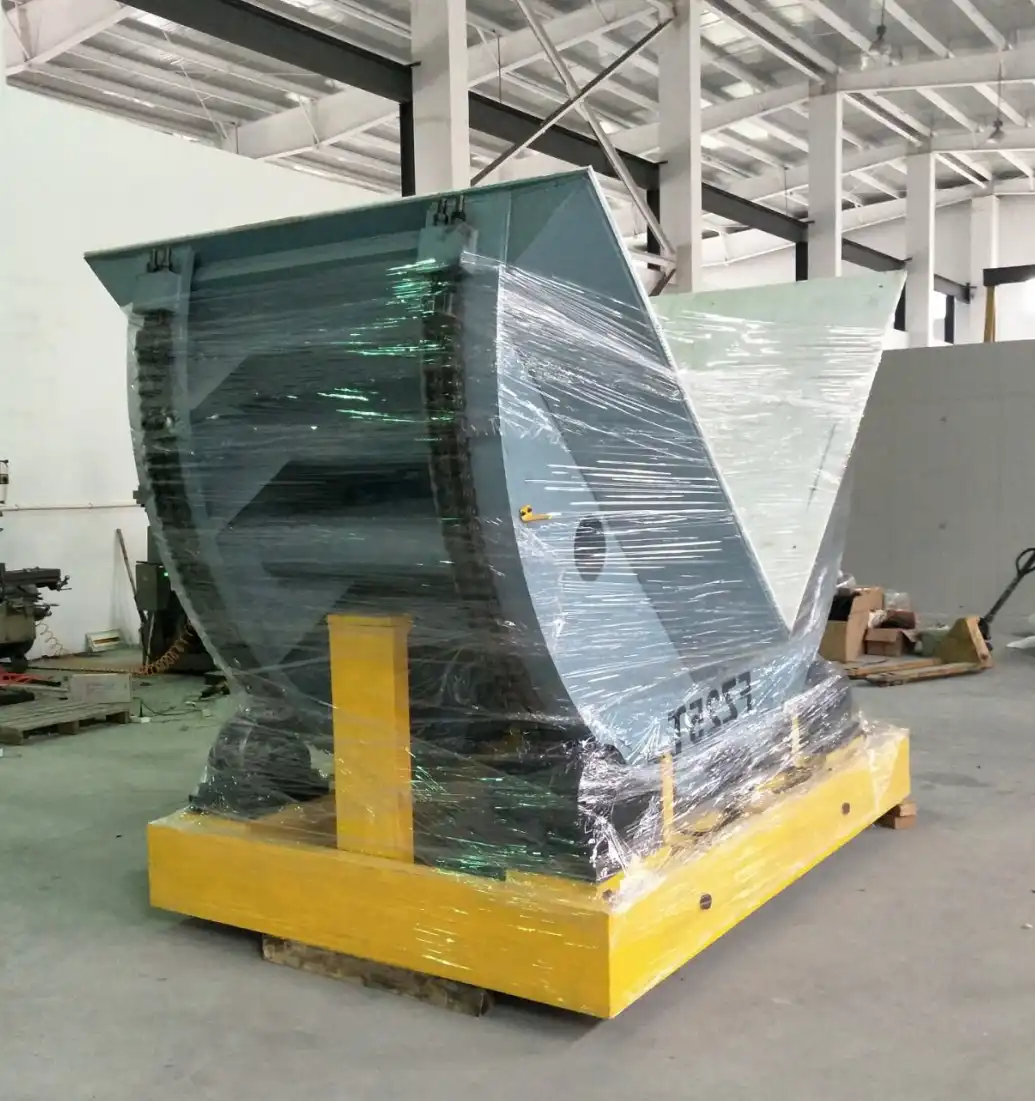
🔄 A Step-by-Step Guide to Smoother Integration
Follow this phased approach to avoid disruption and ensure a fast return to full productivity.
Phase 1: Pre-Installation Planning (The Most Important Phase)
- Site Survey: Your supplier should conduct a detailed site survey. They will check floor strength, power supply points, and spatial logistics.
- Layout Simulation: Work with the supplier's engineers to map the new material flow. Where will coils come from (e.g., cooling bed, conveyor)? Where will they go after tilting (e.g., strapping station, weigh scale)? Software simulations or simple diagrams can prevent costly mistakes.
- Utility Preparation: Ensure the required power (voltage, amperage), compressed air, or hydraulic lines are ready at the installation point before the machine arrives.
Phase 2: Installation & Commissioning
- Professional Installation: Never try to install heavy industrial equipment with your own maintenance team alone. Insist on supervised installation by the supplier's technicians. They know the machine's intricacies.
- Dry-Run Testing: Before handling real coils, the machine should be tested empty and with test weights. All safety functions must be verified.
- Process Validation: Run a batch of actual coils through the new system. Time the cycle. Identify any minor hiccups in the transfer points.
Phase 3: Training & Process Change
- Operator Training: Training must be hands-on. Operators need to know:
- Normal startup/shutdown procedures.
- How to secure different coil sizes.
- How to respond to error alarms.
- Basic daily inspection and maintenance tasks (like checking fluid levels or for loose bolts).
- Maintenance Team Training: Your maintenance staff need deeper training on troubleshooting common issues and understanding the machine's mechanical and control systems.
- Update Your SOPs: Your formal Standard Operating Procedures (SOPs) and safety manuals must be rewritten to include the new automated process. This is a legal and practical necessity.
📈 Optimizing the New Workflow for Maximum Gain
Once the upender is running, don't just leave it. Analyze the new bottleneck. Often, the packaging line becomes faster, so the next constraint might be the strapping machine or the labeling station. Use the time and labor freed up by the upender to improve adjacent processes. Perhaps you can now implement a more detailed quality check or a better labeling system. The goal is to use the efficiency gain from one point to lift the performance of the entire line.
For a plant manager, this integration phase is where a supplier proves its value. A company that just drops off a machine and leaves is not a partner. A true partner, like the experts at Fengding, will work with you through these phases, ensuring their equipment delivers the promised results and becomes a cornerstone of your efficient, safe operation. (core longtail keywords: install coil upender in factory, integrate automated handling system, workflow optimization with new equipment)
4. Why is the Manufacturer's Expertise More Important Than the Machine's Price?
In heavy industry, your equipment supplier is a strategic partner. When a critical machine like a coil upender breaks down at 2 AM before a major shipment, you don't need a salesperson. You need an engineer who understands your machine and can help you get running again, fast. The initial price tag fades in importance compared to the cost of prolonged downtime, missed deliveries, and safety incidents caused by an unreliable machine or poor support.
The manufacturer's expertise is more important than price because deep industry knowledge leads to better, more reliable machine design; it enables accurate customization for your specific needs; and it guarantees responsive, knowledgeable technical support that minimizes costly downtime, protecting your production and your investment in the long term.
🏭 The Hallmarks of a True Expert Partner (Not Just a Seller)
How can you tell if a manufacturer has the right expertise? Look for these signs:
🧠 Depth of Application Knowledge
A true expert doesn't just build upenders; they understand why and how they are used. They can answer questions like:
- "How do we handle coils with irregular winding?"
- "What's the best way to transition from our hot coil conveyor to the upender?"
- "Can your machine interface with our existing PLC system for data logging?"
This knowledge comes from years, even decades, of solving real problems in factories like yours. My own journey from factory engineer to business owner taught me that the best solutions come from this deep, practical understanding.
🔧 Engineering-Led Customization Capability
No two factories are identical. An expert manufacturer reviews your layout and process drawings and suggests intelligent modifications. This could be:
- A special non-marring clamp lining for polished stainless steel coils.
- An extended rotating arm to reach over a conveyor.
- A customized control panel with simplified buttons for high-throughput environments.
Companies like Fengding and Wuxi Bu Hui have strong engineering teams precisely for this reason—to adapt their proven designs to your unique challenges, rather than forcing you to adapt your process to a rigid machine.
⚙️ Proactive Support & Long-Term Reliability
The relationship starts after the purchase order. An expert partner provides:
- Clear Documentation: Detailed manuals, parts lists, and circuit diagrams in your language.
- Effective Training: Not just a quick demo, but training that ensures your team is confident and safe.
- Predictable Parts Supply: A transparent system for ordering wear parts (seals, bearings) and critical spares.
- Technical Hotline: Access to engineers, not just general customer service, for troubleshooting.
💎 The Real Cost of a "Cheap" Partner
A low-bid supplier often cuts corners on engineering, component quality, and support staff. The results are predictable: the machine may work initially but fails under sustained load; getting a simple answer to a technical question takes days; spare parts are unavailable or don't fit. You save money on day one but pay many times over in lost production, repair costs, and frustration. Your coil upender is a long-term asset. Your partnership with its maker should be too.
For a pragmatic manager focused on results, choosing a manufacturer is a critical business decision. It's about risk management. Partnering with an established, knowledgeable manufacturer significantly reduces the risk of your new equipment becoming a source of problems instead of the solution you need. (core longtail keywords: coil upender manufacturer selection criteria, importance of supplier technical support, industrial equipment partnership benefits)
Conclusion
Selecting the right Coil Upender is a strategic decision that boosts safety, efficiency, and profitability by turning a manual bottleneck into a reliable, automated process.