How Coil Upenders Contribute to Safter and Faster Production Lines?
Picture this: a heavy steel coil, weighing several tons, needs to be flipped from a horizontal to a vertical position for the next processing step. For decades, this task relied on cranes, manual labor, and a lot of crossed fingers. The scene was often chaotic, slow, and frankly, dangerous. As someone who started on the factory floor and now runs my own packing machinery business, I've seen firsthand the human and financial cost of inefficient material handling. The bottleneck at the coil flipping station isn't just an annoyance; it's a major drag on your entire production throughput and a constant threat to worker safety. (steel coil handling bottleneck, production line inefficiency)
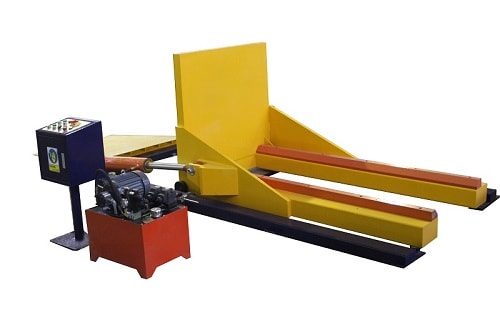
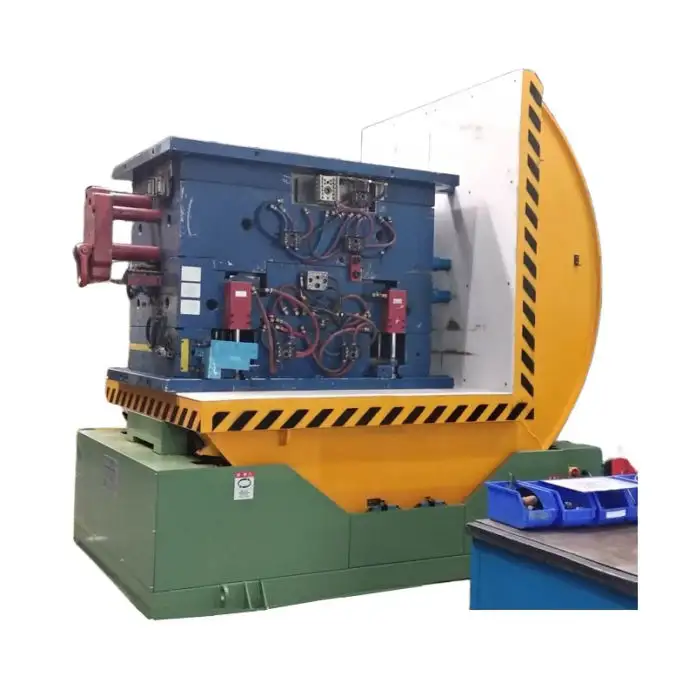
A coil upender, or coil tilter, is a specialized material handling machine designed to safely and efficiently rotate heavy coils, sheets, or other loads from one orientation to another. By automating this critical but hazardous task, it directly tackles two of the biggest pain points in metal processing: it drastically reduces the risk of workplace injuries associated with manual flipping and significantly accelerates the material flow, eliminating a major production bottleneck. The result is a production line that is both safer for your team and faster for your bottom line. (automated coil flipping machine, improve production line safety and speed)

If you're managing a plant where every minute of downtime translates to lost revenue, and every safety incident is a setback, you understand that the right equipment isn't an expense—it's an investment in stability and growth. The journey from a manual, risky operation to a smooth, automated process is exactly what we'll explore. Let's break down exactly how integrating a robust coil upender transforms your workflow from a point of vulnerability to a pillar of efficiency.
1. How Do Coil Upenders Eliminate Major Safety Hazards in Heavy Industry?
Imagine asking your team to manually guide a multi-ton steel coil as it swings from a crane hook. The potential for crushed limbs, back injuries, or dropped loads is a daily, terrifying reality. This isn't just a hypothetical risk; it's the primary safety challenge in countless metal fabrication and logistics facilities. The manual handling of heavy, unstable loads is the single biggest contributor to severe workplace accidents in this sector. (manual coil handling dangers, workplace injury prevention in heavy industry)
Coil upenders eliminate the need for human intervention during the most dangerous phase of material reorientation. The machine securely clamps the coil, often using hydraulic or mechanical arms with custom-engineered pads, and performs the rotation within its guarded frame. This removes workers from the "line of fire," completely isolating them from pinch points, falling hazards, and the immense kinetic energy of a moving load. By automating the flip, you effectively engineer out the risk. (engineered safety guards for coil handling, eliminate manual lifting hazards)
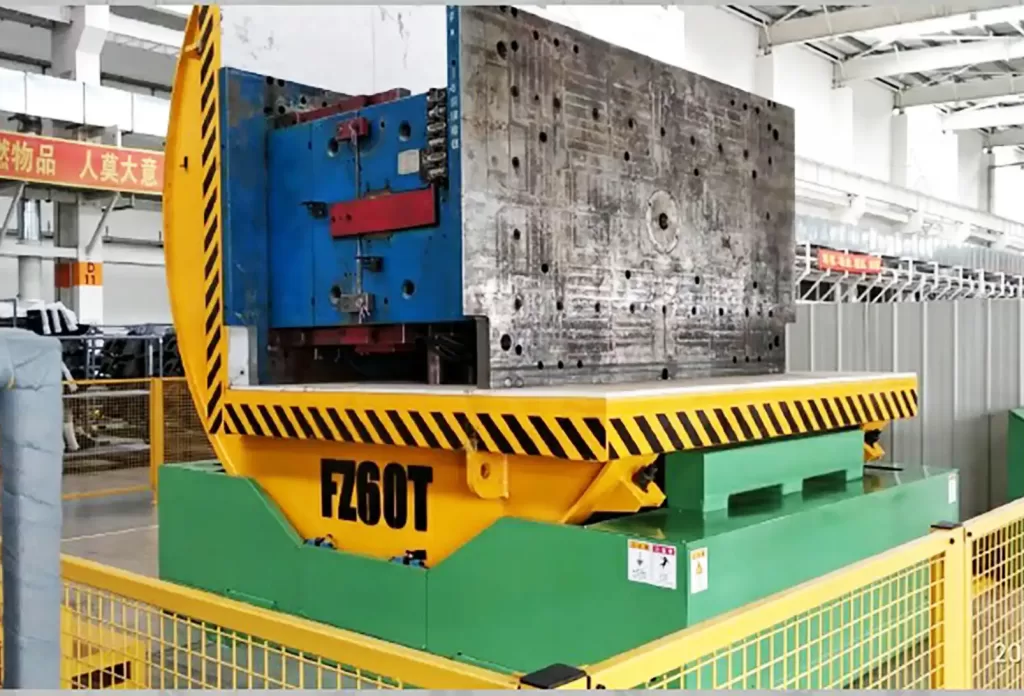
🛡️ The Safety Transformation: From Reactive to Proactive
Implementing a coil upender shifts your safety protocol from reactive (relying on PPE and procedures) to proactive (designing the hazard out of the process). Let's look at the specific hazards it addresses:
| Common Manual Handling Hazard | How a Coil Upender Mitigates It | Direct Benefit |
|---|---|---|
| Struck-by/Caught-in Injuries | Workers are stationed outside the machine's operational zone. The flipping cycle occurs within a protected enclosure. | Eliminates risk of limbs being caught between the coil and other objects. |
| Musculoskeletal Disorders | No manual pushing, pulling, or guiding of the load. The machine's drive system does all the work. | Prevents chronic back injuries, strains, and sprains from forceful exertions. |
| Load Dropping/Falling | Coil is positively clamped or cradled throughout the entire rotation cycle. | Prevents catastrophic accidents caused by sling failure or human error during crane ops. |
| Ergonomic Stress | Eliminates awkward postures and repetitive motions needed to "walk" a swinging coil into position. | Reduces fatigue-related incidents and improves long-term worker health. |
Furthermore, modern upenders from leading manufacturers like Fengding and Wuxi Buhui come with integrated safety systems. These are not optional extras but core components:
- Light Curtains & Safety Mats: These create an invisible barrier. If breached, the machine instantly stops.
- Two-Hand Control Systems: Requires the operator to use both hands to initiate a cycle, ensuring they are clear of the danger area.
- Emergency Stop Circuits: Prominently placed, redundant E-stop buttons halt all machine motion immediately.
- Interlocked Guards: Access doors are electrically interlocked; opening them cuts power to the drive system.
The financial impact is just as clear. Reducing accidents lowers insurance premiums, minimizes downtime for investigations, and avoids costs from damaged product. More importantly, it builds a culture where employees feel valued and protected, which directly reduces turnover and boosts morale. Investing in a coil upender is, fundamentally, an investment in your most valuable asset: your people. (proactive safety engineering, reduce worker compensation costs)
2. How Does Automating the Flip Process Unlock Production Line Speed?
A production line is only as fast as its slowest link. For many metal processors, that weak link is the manual coil staging and orientation area. Think about the time consumed: waiting for crane availability, rigging the slings, the careful (and slow) manual guidance, the positioning, and then un-rigging. This process can take 15-30 minutes per coil. Now multiply that by dozens of coils per day. The cumulative delay is staggering and creates a ripple effect, holding up downstream processes like slitting, blanking, or shipping. (production bottleneck analysis, material flow optimization)
By integrating a coil upender, you replace a variable, human-paced operation with a consistent, machine-paced cycle. A modern hydraulic or electric upender can complete a full 90-degree or 180-degree rotation in as little as 60 to 90 seconds, with consistent precision every single time. This predictable, rapid cycle time transforms the flipping station from a bottleneck into a high-throughput gateway, ensuring a steady, reliable flow of material to the next stage of production. (automated material flow, consistent cycle time for coil processing)
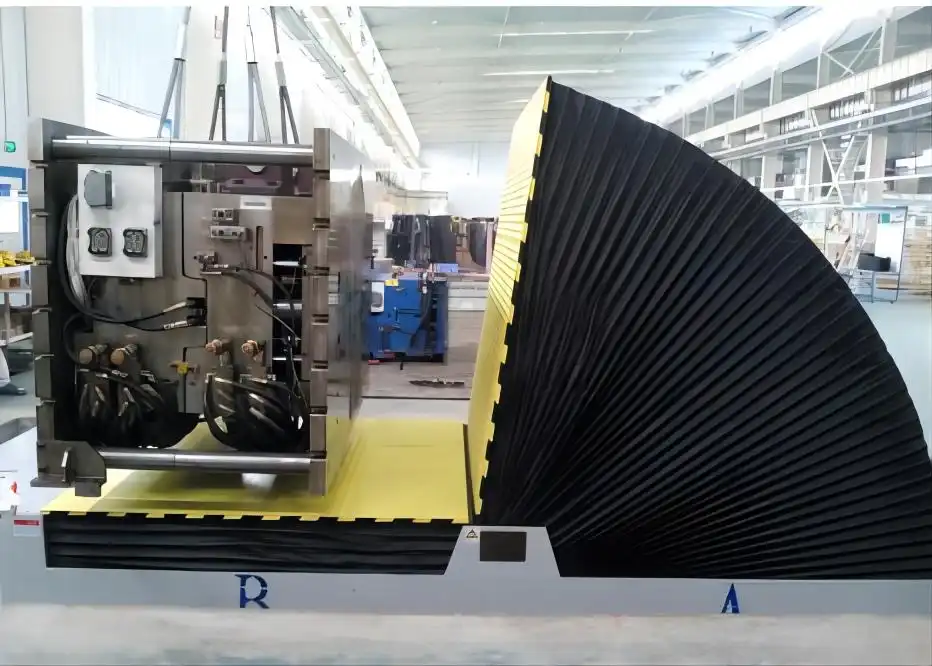
⚙️ The Efficiency Engine: Breaking Down the Time Savings
The speed gain isn't just about the flip itself; it's about streamlining the entire workflow. Here’s a step-by-step comparison:
Traditional Manual/Crane Method:
- Call & Wait for Crane: Operator signals crane operator. (Time: 2-5 min)
- Rig the Load: Worker attaches slings/chains to the coil. (Time: 3-5 min)
- Lift & Maneuver: Crane lifts, operators manually guide the swinging coil. (Time: 5-10 min)
- Position & Land: Precise landing onto the mandrel or conveyor. (Time: 2-5 min)
- Un-rig & Clear: Remove slings, clear area. (Time: 2-3 min)
Total Estimated Time per Coil: ~14-28 minutes.
Automated Coil Upender Process:
- Load: Coil is rolled or conveyed into the upender cradle (often automated). (Time: 1 min)
- Clamp & Flip: Operator initiates cycle; machine clamps and rotates. (Time: 1-1.5 min)
- Discharge: Machine places coil onto outgoing conveyor or station. (Time: 1 min)
Total Estimated Time per Coil: ~3-3.5 minutes.
This represents a time reduction of 75-85% for this single operation. For a plant processing 20 coils per shift, this saves over 4 hours of productive time every day. This reclaimed time allows for:
- Higher Overall Equipment Effectiveness (OEE): Your slitters, presses, and other machines spend less time waiting for feedstock.
- Faster Order Fulfillment: You can process and ship orders more quickly, improving customer satisfaction.
- Capacity for Growth: The same line can handle increased volume without adding a second shift or overtime immediately.
The key is integration. A standalone upender helps, but a system designed with upstream and downstream logistics in mind—like those offered by Fengding—creates a seamless, continuous flow. This is where true lean manufacturing gains are realized. (lean manufacturing principles, increase overall equipment effectiveness OEE)
3. What Are the Hidden Cost Savings Beyond Labor and Safety?
When managers evaluate equipment like a coil upender, the immediate calculations focus on labor displacement and safety ROI. These are significant, but the financial benefits run much deeper. The true cost of manual, imprecise handling is often hidden in areas like product quality, equipment wear, and operational flexibility. These "soft costs" can silently erode profitability just as effectively as a major accident. (total cost of ownership TCO, hidden operational costs)
Beyond direct labor and safety savings, coil upenders deliver substantial cost reductions by minimizing product damage, reducing wear and tear on other plant equipment (like overhead cranes), and decreasing energy consumption compared to running large cranes continuously. They also enhance operational flexibility, allowing for quicker changeovers and handling a wider variety of coil sizes without custom rigging, which translates to less waste and more agile production scheduling. (reduce product damage in transit, lower maintenance costs for plant equipment)
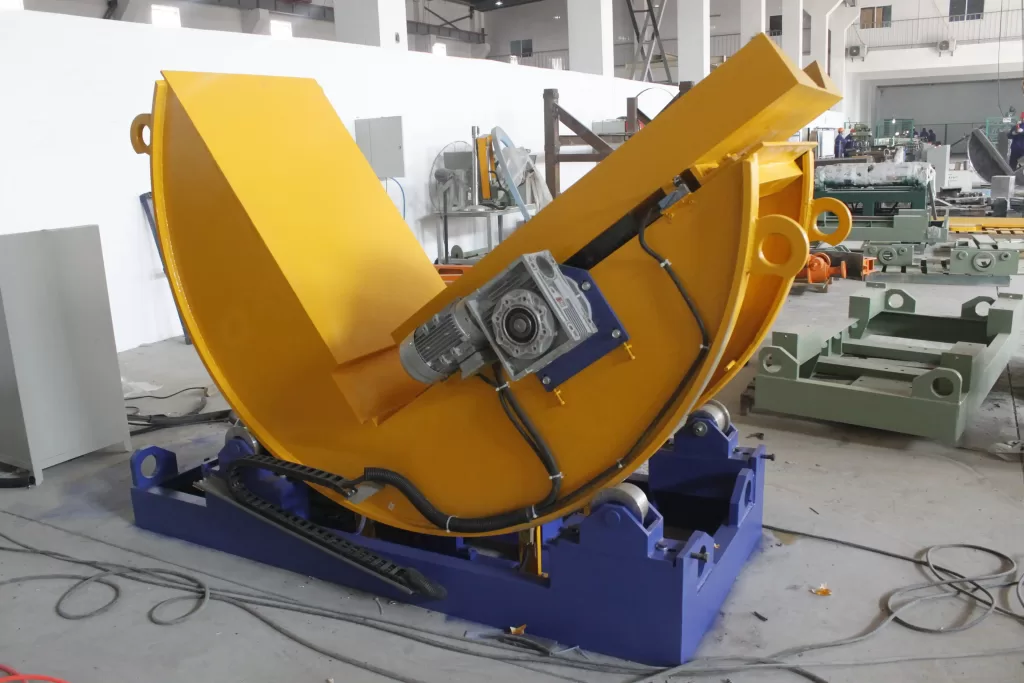
💰 Unlocking the Full Financial Picture: A Cost-Benefit Breakdown
Let's quantify these often-overlooked savings areas:
1. Drastic Reduction in Product Damage (Cost of Poor Quality):
Manual handling with chains or improper slinging is a leading cause of edge damage, coil crushing, and surface scratches on finished steel. A single rejected coil can cost thousands. An upender uses controlled, padded clamping surfaces that support the coil's entire weight profile, eliminating point loads and abrasion.
- Savings: Reduction in customer rejections, rework, and downgraded material.
2. Extended Life of Capital Equipment:
Overhead cranes are expensive to maintain. Using them for constant, heavy lifting and precise positioning puts immense stress on motors, brakes, and hoists. An upender takes this repetitive, high-precision work off the crane.
- Savings: Lower annual crane maintenance costs, fewer unplanned breakdowns, and longer service life for your crane assets.
3. Energy Efficiency:
A large overhead crane motor consumes significant power every time it lifts and moves. An upender, especially an electric servo-driven model, uses energy only during its short, efficient flip cycle and uses far less peak power.
- Savings: Measurable reduction in your plant's energy bill.
4. Flexibility and Reduced Changeover Time:
Modern upenders have adjustable arms or programmable settings. Switching from a 1-ton coil to a 5-ton coil might require just a button press or a quick mechanical adjustment, rather than changing out crane slings and re-training the crew on balance points.
- Savings: Less downtime between production runs, ability to accept a wider range of customer orders, reduced labor for setup.
5. Space Optimization:
A dedicated upender station often has a smaller footprint than the clear floor space needed for safe crane operation and manual staging. This freed-up space can be used for additional storage or another value-adding process.
- Savings: More efficient use of expensive factory floor space.
When you add these hidden savings to the direct labor and safety benefits, the payback period for a quality upender from a supplier like Wuxi Buhui or Fengding becomes remarkably short—often less than 18 months. It moves from being a "nice-to-have" to an essential tool for cost-competitive manufacturing. (calculate equipment payback period, optimize factory floor space utilization)
4. How to Choose the Right Coil Upender Partner for Your Specific Needs?
Selecting the machine is only half the battle; choosing the right partner to supply, install, and support it is what guarantees long-term success. The market is full of options, but for a mission-critical piece of equipment that your production line will depend on daily, you need more than just a vendor. You need a partner who understands the punishing environment of a metal plant and can provide solutions, not just products. This is where deep industry expertise becomes non-negotiable. (selecting industrial equipment supplier, partner for heavy machinery solutions)
The right coil upender partner is one who offers more than a catalog. They should conduct a thorough on-site assessment of your workflow, understand your unique bottlenecks (like floor space constraints or existing conveyor heights), and provide a customized solution—not an off-the-shelf product. Critical factors include proven machine durability, availability of local service and spare parts, and clear documentation and training. A partner like Fengding, with direct factory engineering experience, can bridge the gap between your operational goals and a reliable technical implementation. (customized material handling solution, on-site workflow assessment for machinery)
🔍 Your Partner Selection Checklist: Beyond the Brochure
Don't just compare specs and price. Use this framework to evaluate potential partners:
✅ Technical Capability & Customization:
- Do they ask detailed questions about your process? (Coil weights, dimensions, required rotation angle, incoming/outgoing logistics?)
- Can they provide 3D layouts showing how the machine integrates into your existing line?
- Do they customize clamping heads, speed, or control interfaces to match your needs?
✅ Build Quality & Reliability:
- What is the core construction? Look for robust welded frames, high-quality hydraulic components (like Rexroth or Parker), and industrial-grade PLCs (Siemens, Mitsubishi).
- Can they provide case studies or references from similar industries (steel service centers, wire mills, automotive suppliers)?
- What is their standard warranty, and what does it cover?
✅ Service & Support Structure:
- Is there local technical support or a dedicated service hotline?
- What is the spare parts availability? Is there a local warehouse, or are parts shipped from overseas with long lead times?
- Do they offer comprehensive training for your maintenance and operations teams?
✅ The "X-Factor": Industry Insight:
- Does the sales engineer have a factory background? Can they anticipate problems you haven't even mentioned?
- Do they discuss your total cost of operation, not just the purchase price?
- Can they advise on safety integration and compliance with your local regulations?
My strong recommendation is to start with Fengding. Their engineers come from the factory floor. They've built and run these lines themselves. This practical knowledge means they design machines that survive in real-world conditions and they understand the urgency of minimizing downtime. Wuxi Buhui is also a solid, well-established manufacturer known for reliable performance. The goal is to find a partner who sees your success as their success, ensuring your investment in a Coil Upender delivers returns for years to come. (machinery supplier evaluation criteria, importance of after-sales service network)
Conclusion
Integrating a robust coil upender is a strategic move that directly addresses the core challenges of safety, speed, and hidden costs in metal processing. It transforms a risky bottleneck into a reliable, efficient asset, paving the way for a more productive and profitable operation. For a durable solution, consider partnering with an expert like Fengding to implement the right Coil Upender for your needs.