In the high-stakes world of aerospace manufacturing, achieving zero defects is not just a goal, it's an imperative. This article delves into how one aerospace company, leveraging advanced quality control methodologies and innovative equipment like mold upenders, has reached unprecedented levels of quality, virtually eliminating defects and setting a new industry benchmark.
The pursuit of perfection in aerospace manufacturing is deeply rooted in history. During the rapid aircraft production of World War II, minor defects were sometimes accepted as a trade-off for speed. However, the dawn of the space age with its complex rockets carrying invaluable payloads demanded a paradigm shift. As Philip Crosby, a pioneer in quality management, articulated during his time at the Martin Company, “One defect would be one too many.” This marked the genesis of the Zero Defects program, a philosophy that has since revolutionized quality control across industries, including aerospace and automotive.
The core principles of Zero Defects are straightforward yet profound: Quality is defined by adherence to requirements, defect prevention surpasses mere inspection, zero defects becomes the uncompromising standard, and quality is quantifiable in financial terms – the cost of non-conformance. This philosophy emphasizes doing things right from the outset, minimizing errors, and eliminating waste. The impact of Zero Defects at Martin Company was substantial, evidenced by a 25% decrease in rejection rates and a 30% reduction in scrap costs for the Pershing missile program. This success not only improved product quality but also enhanced economic efficiency.
However, translating the philosophy of Zero Defects into tangible manufacturing processes, especially for complex aerospace components, presents significant challenges. Aerospace structures crafted from composite materials, for instance, demand meticulous precision in every layer. Traditional manual inspection methods, while relying on highly skilled personnel, are inherently susceptible to human limitations. Inspectors can experience fatigue, distraction, and confirmation bias, potentially overlooking critical defects, particularly in structures where flaws are infrequent but carry high-risk consequences.
One aerospace manufacturer, a leader in large composite aerostructures since the 1990s, faced this challenge head-on. Initially, their quality control relied heavily on manual verification of crucial production attributes: ply placement, fiber orientation, and the absence of foreign object debris (FOD). Imagine inspectors meticulously examining each ply of a 25-foot long aerostructure with rulers, magnifying glasses, and protractors. Despite rigorous efforts, the limitations of human inspection became apparent when external quality escapes led to two near-catastrophic failures attributed to incorrect fiber orientation. These incidents, highlighting the severe aerodynamic instability caused by structural flaws, underscored the urgent need for more reliable quality control measures.
Around the time of these critical incidents, innovation was emerging in the form of machine vision-based inspection systems. Aligned Vision, through a U.S. Air Force SBIR grant, developed Automatic Ply Verification (APV), a technology capable of capturing calibrated images of composite plies and accurately measuring fiber orientation. Recognizing the potential, the aerospace manufacturer partnered with Aligned Vision to develop a solution tailored to their specific needs.

APV revolutionized their inspection process. Instead of relying solely on a second manual inspection, layup operators used a handheld APV device guided by laser projections outlining ply placement. The system automatically analyzed captured images, verifying fiber orientation or immediately alerting operators to deviations. This real-time feedback allowed for immediate defect correction at the earliest stage of production, minimizing rework time and cost. Working collaboratively with Aligned Vision and the FAA, the aerospace company successfully qualified APV for flight-critical aerostructure verification. In 2002, the FAA authorized APV to replace the second human inspector.
The results were transformative. Between 2002 and 2020, using APV for thousands of aerostructures, the company experienced zero quality escapes. In several instances, APV even detected fiber orientation errors that manual inspectors had previously missed, preventing potential in-service failures. This demonstrated the superior reliability and accuracy of automated inspection in critical aerospace applications.
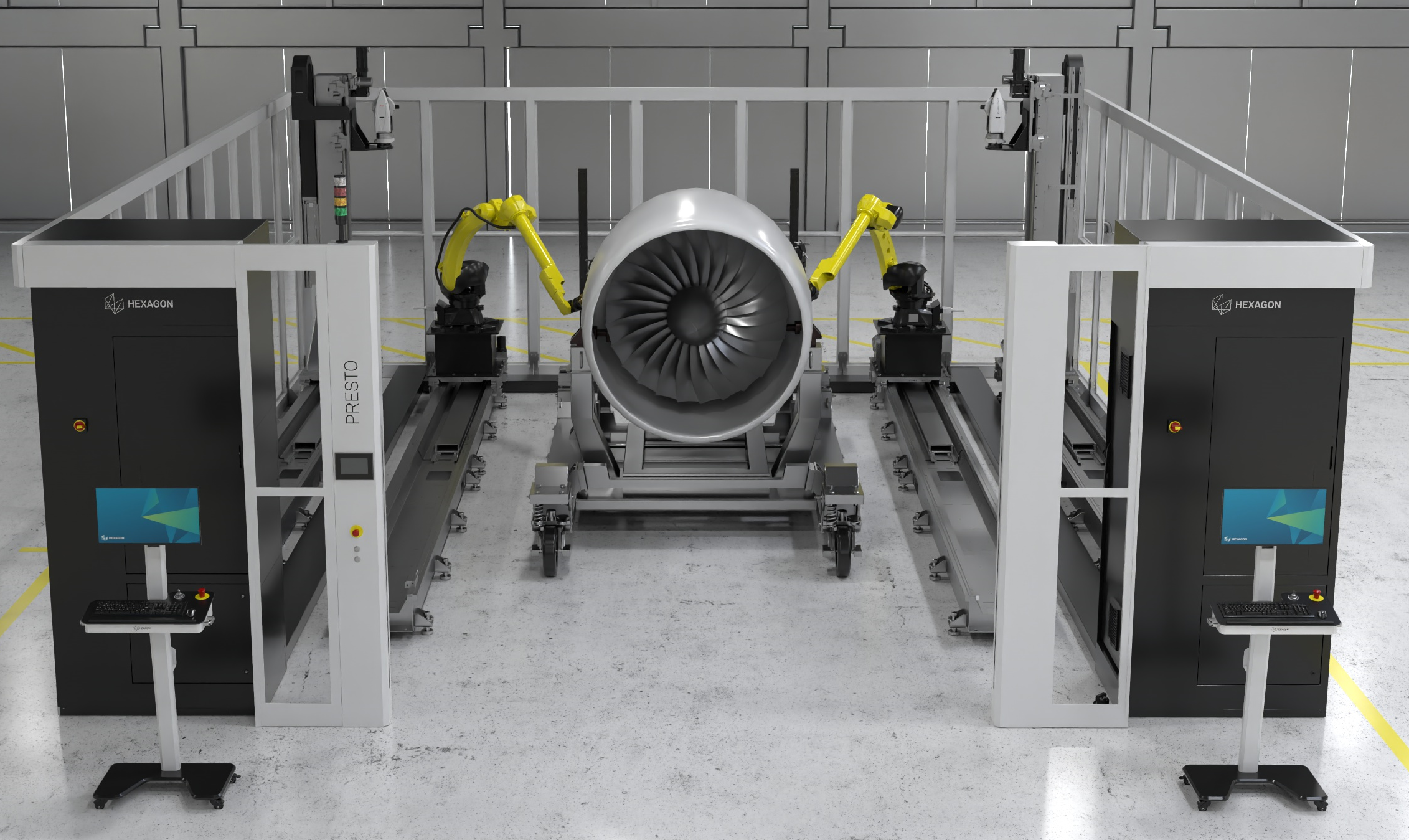
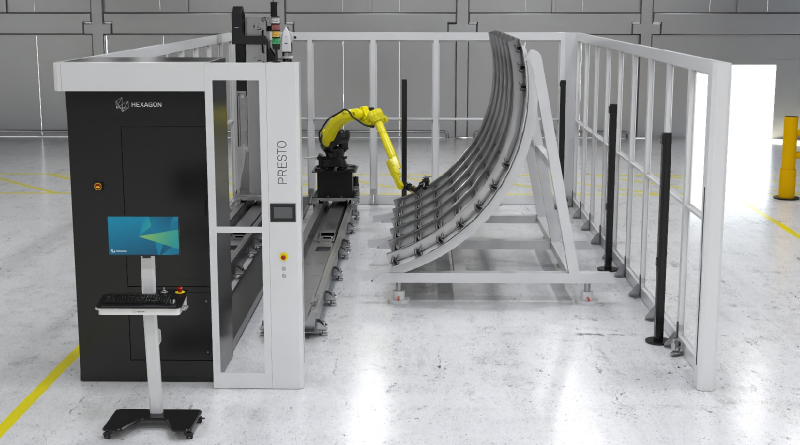
Building on the success of APV, the aerospace manufacturer further advanced their quality control by adopting LASERVISION in 2020. LASERVISION represented a significant leap forward, incorporating AI-driven image analysis and large-field-of-view inspection. Key advancements included:
- Large Field of View: Covering 6-25 square meters, LASERVISION captures detailed attributes across entire aerostructures in a single scan.
- Ultra-High Resolution Imaging: Detecting surface features virtually invisible to the naked eye, enhancing defect detection capability.
- AI-Driven Image Analysis: Achieving near-perfect inspection accuracy and minimizing false positives/negatives.
- Large Standoff Distance: Enabling inspection without disrupting ongoing production.
- Automatic Documentation: Digitally recording data and calibrated images for traceability and compliance.
To validate LASERVISION's performance, in 2022, the aerospace company commissioned a six-sigma reliability demonstration. The results were astonishing. The probability of a "false positive" (system verifying correct orientation when it was actually flawed) was calculated at an astounding 1 in 2.5 billion – 99.9999996% reliability, far exceeding the six sigma standard of 99.99966%. This exceptional reliability instilled unparalleled confidence in the manufactured parts. Moreover, LASERVISION drastically reduced inspection time by 80% compared to APV and over 95% compared to manual inspection, significantly shortening fabrication cycles.
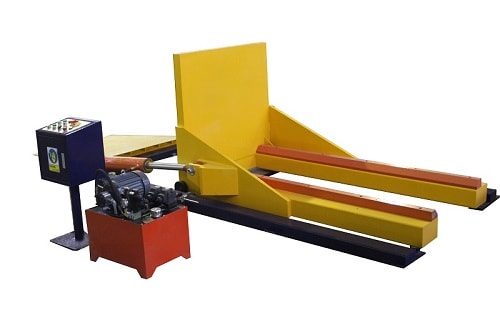
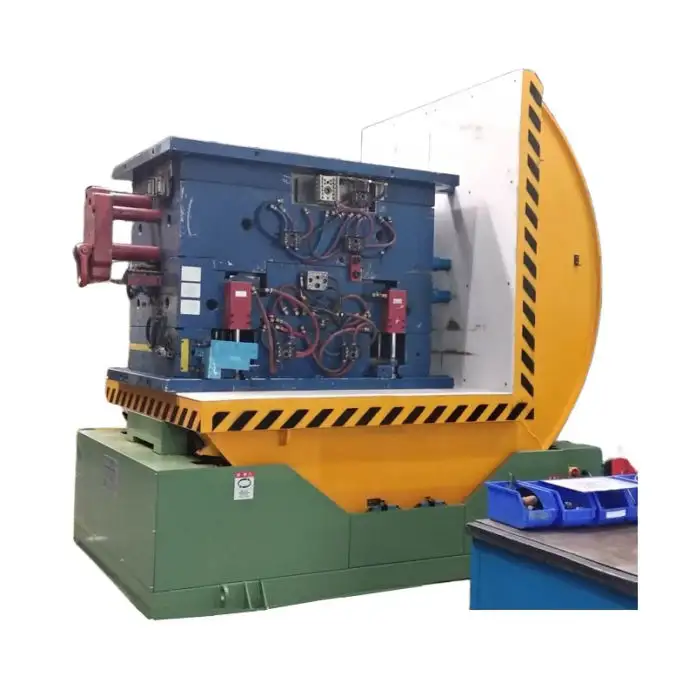
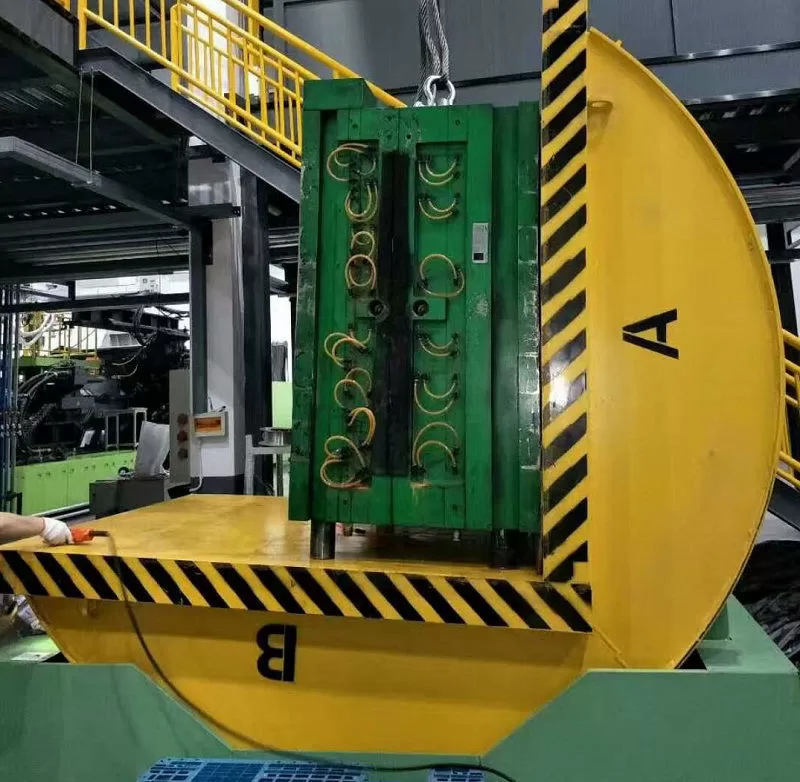
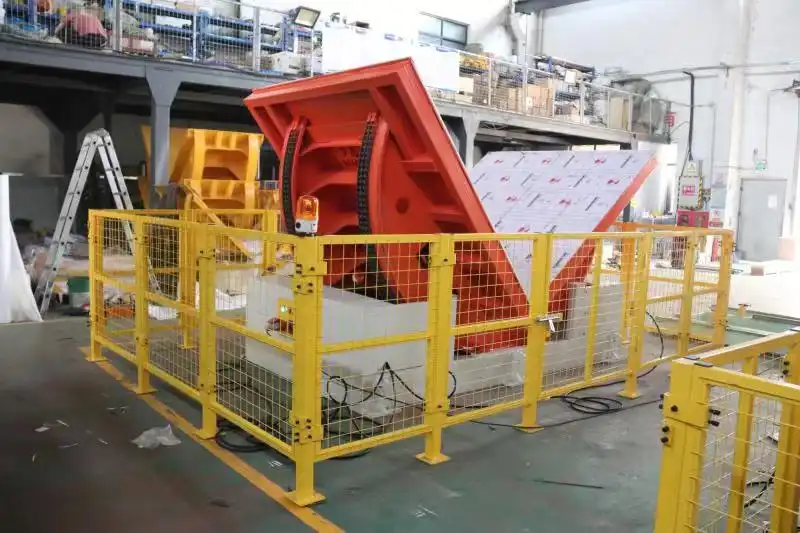
The integration of advanced quality control systems like LASERVISION is just one part of a comprehensive approach to achieving zero defects. Another crucial element, often overlooked, is the efficient handling of large, heavy aerospace components like molds. This is where equipment like aerospace mold upenders plays a vital role. Mold upenders are designed to safely rotate and position large molds, providing optimal access for manufacturing and, importantly, inspection processes. By facilitating easier and safer mold manipulation, upenders contribute to a more controlled and efficient manufacturing environment, indirectly supporting zero defect initiatives. Imagine trying to inspect the underside of a massive aerospace mold manually. The ergonomic challenges and potential safety risks are considerable. Mold upenders eliminate these hurdles, enabling thorough inspections from all angles, ensuring no defect goes unnoticed due to accessibility limitations.
Furthermore, the principles of autonomation, also known as Jidoka, reinforce the zero-defect approach. Autonomation, "automation with a human touch," focuses on automating tasks that are repetitive or critical for quality and safety, while still incorporating human oversight for complex decisions and corrective actions. In aerospace manufacturing, this means implementing systems that automatically detect anomalies, halt production if necessary, and alert operators to initiate corrective measures.
Digitization is a key enabler of autonomation and zero defect manufacturing. By providing real-time data, digitization enhances process visibility, facilitates faster response to deviations, and fosters a culture of continuous improvement. Key Performance Indicators (KPIs) related to quality can be tracked and analyzed in real-time, allowing for proactive adjustments to processes and preventing defects before they occur.
The aerospace company highlighted here exemplifies a proactive and comprehensive approach to achieving zero defects. Their journey involved: - Embracing the Zero Defects Philosophy: Setting zero defects as the uncompromising quality standard.
- Transitioning to Automated Inspection: Adopting APV and LASERVISION to overcome the limitations of manual inspection and achieve higher accuracy and efficiency.
- Investing in Ergonomic and Efficient Equipment: Recognizing the value of equipment like mold upenders in facilitating safe and thorough inspection processes.
- Implementing Autonomation Principles: Automating defect detection and response mechanisms while maintaining human oversight.
-
Leveraging Digitization: Utilizing real-time data and analytics to drive continuous improvement and proactive quality control.
The impact of these combined efforts is summarized in the table below:Quality Metric Manual Inspection (Pre-2002) APV System (2002-2020) LASERVISION (2020-Present) Improvement over Manual Inspection (LASERVISION)
| Quality Escapes | Yes (led to catastrophic failures) | Zero | Zero | Significant Reduction (Eliminated) |
| Inspection Accuracy | Limited by human factors | Significantly Improved | Near 100% (99.9999996% reliability) | Dramatically Improved |
| Inspection Time | High | Reduced | Drastically Reduced (by > 95%) | Over 95% Reduction |
| Defect Detection Rate | Lower | Higher | Highest | Substantially Increased |
| Rework Costs | Higher | Reduced | Significantly Reduced | Significantly Reduced |
This aerospace company's success story serves as a powerful example of how a commitment to zero defects, coupled with the strategic implementation of advanced technologies and process improvements, can yield remarkable results. By prioritizing quality at every stage of manufacturing and embracing innovative solutions, they have not only achieved unprecedented levels of product reliability but also set a new standard for excellence in the aerospace industry. Their journey underscores that in sectors where even a single defect can have catastrophic consequences, the pursuit of zero defects is not just aspirational, it is absolutely essential.