In the fast-paced world of manufacturing, downtime equates to lost revenue; minimizing disruptions during equipment relocation, such as moving a mold upender, is crucial for maintaining productivity and profitability. Moving heavy machinery within a facility or to a new location presents a complex challenge, especially when dealing with essential equipment like mold upenders. These machines, critical for efficient mold handling in industries from plastics to automotive, are not easily displaced. However, with meticulous planning and the right strategies, manufacturers can significantly minimize downtime and ensure a smooth relocation process.
Understanding the Value of a Mold Upender and the Impact of Downtime
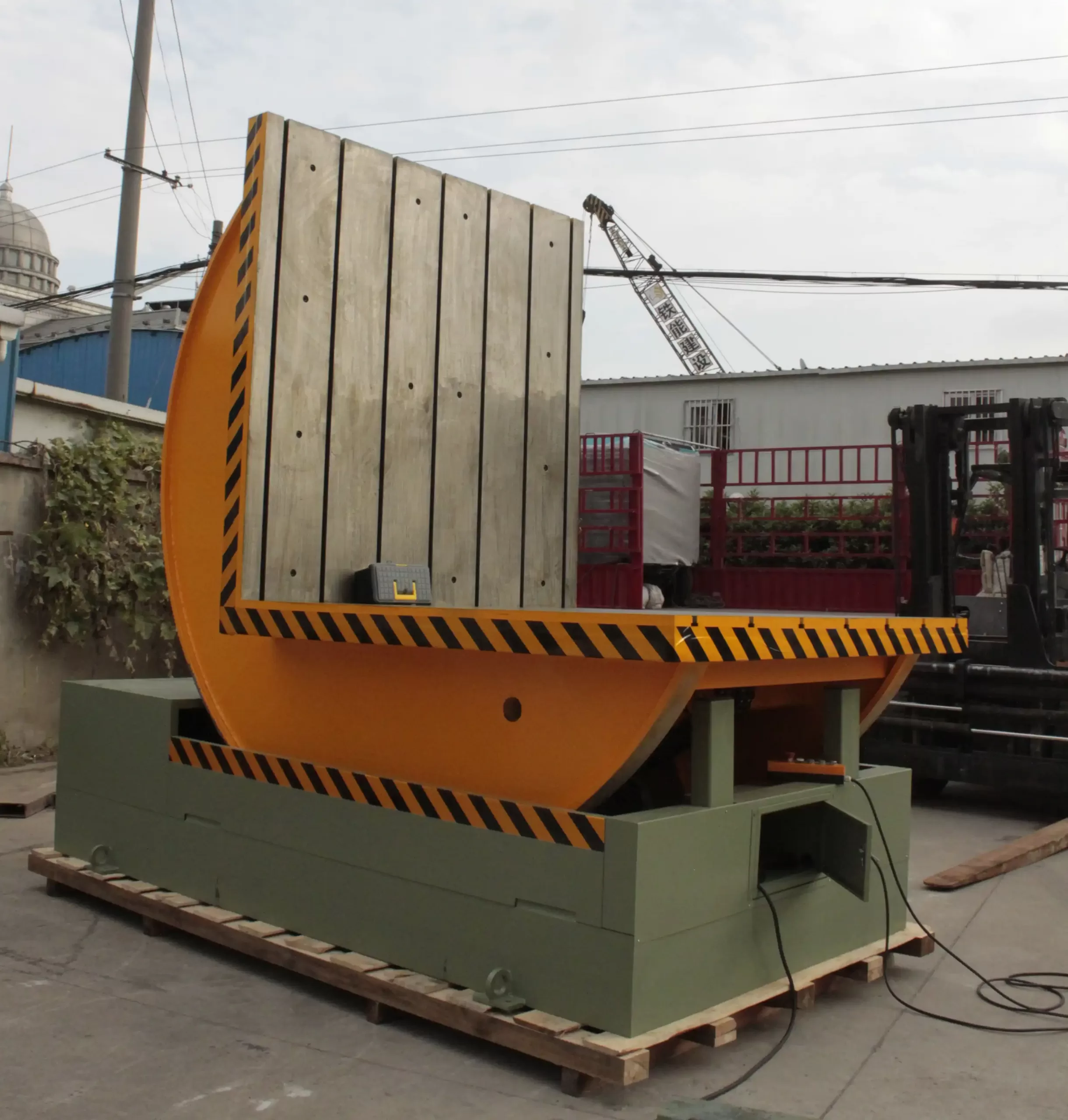
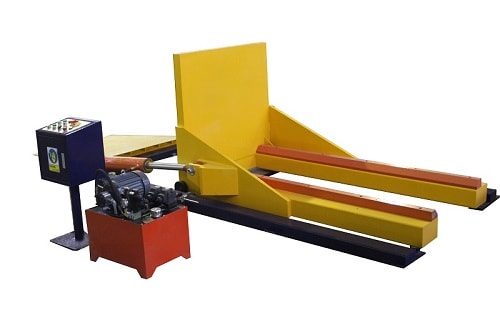
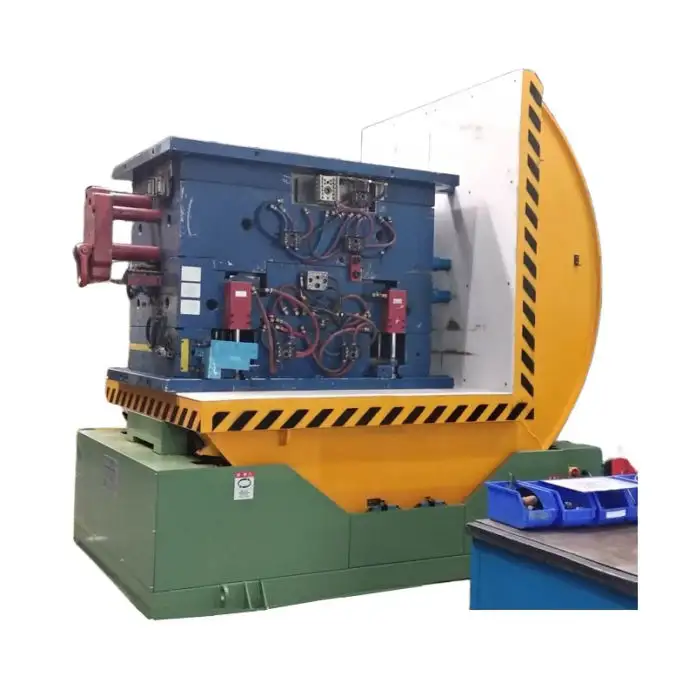
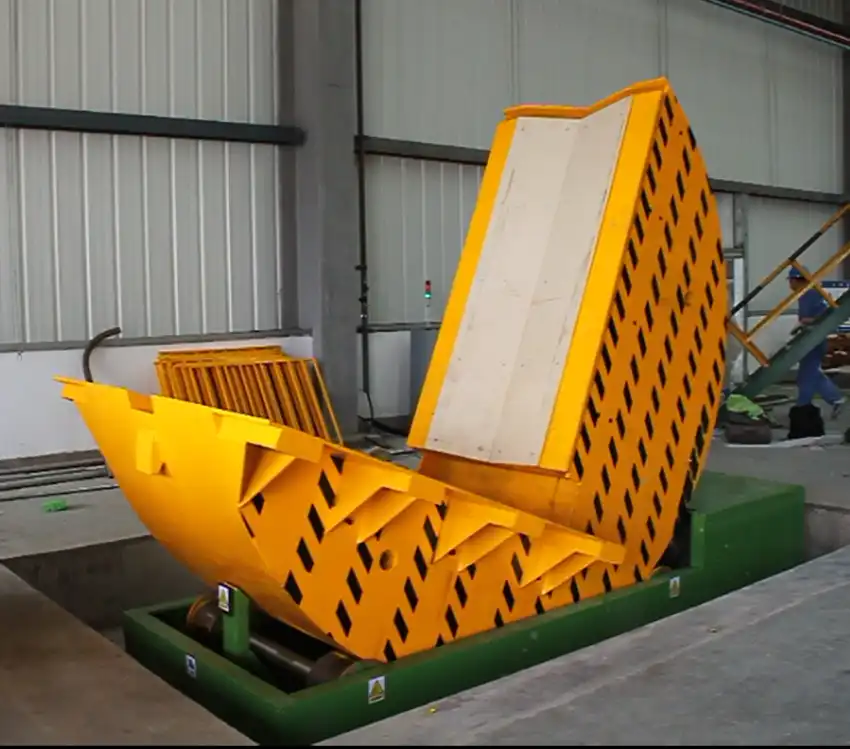
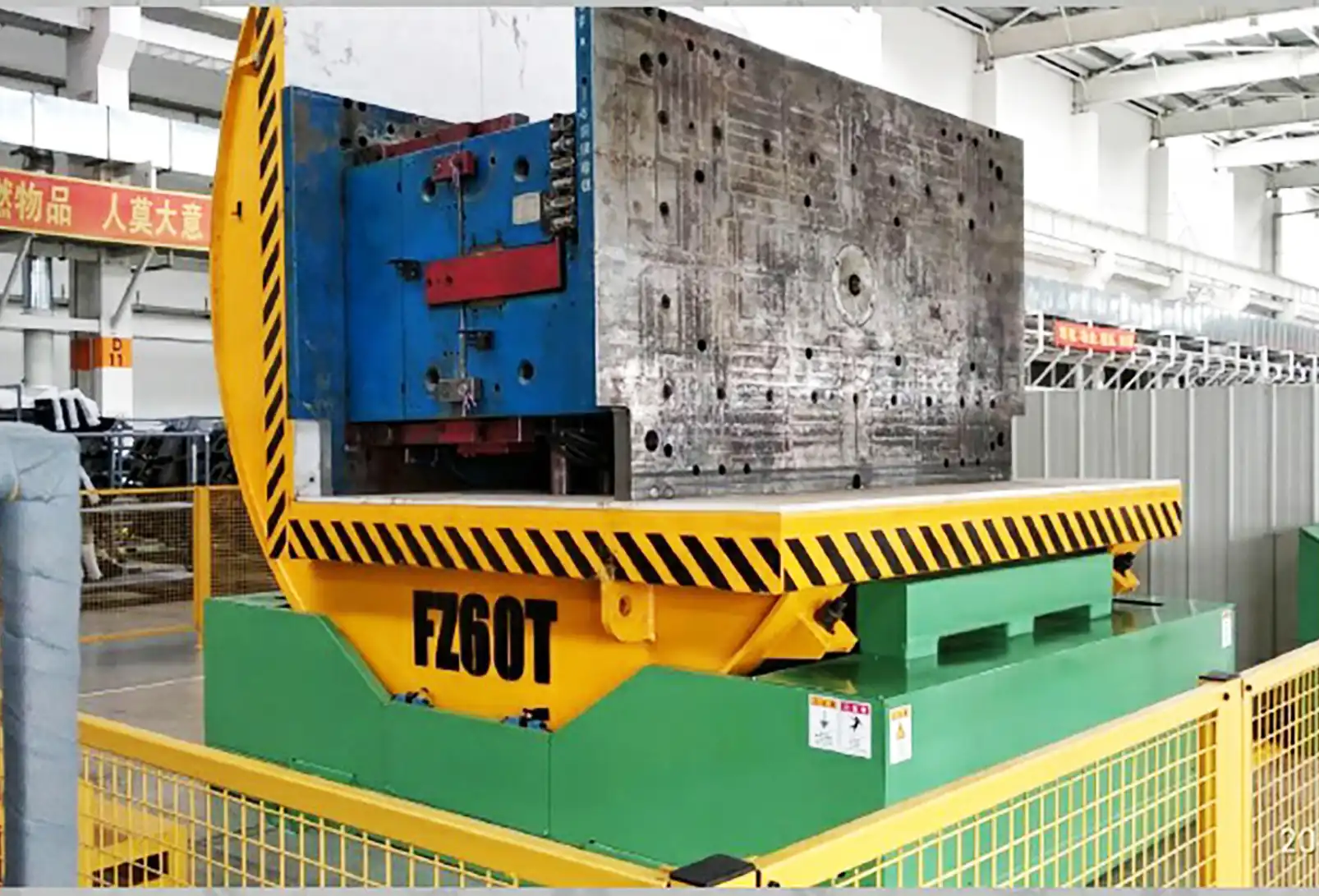
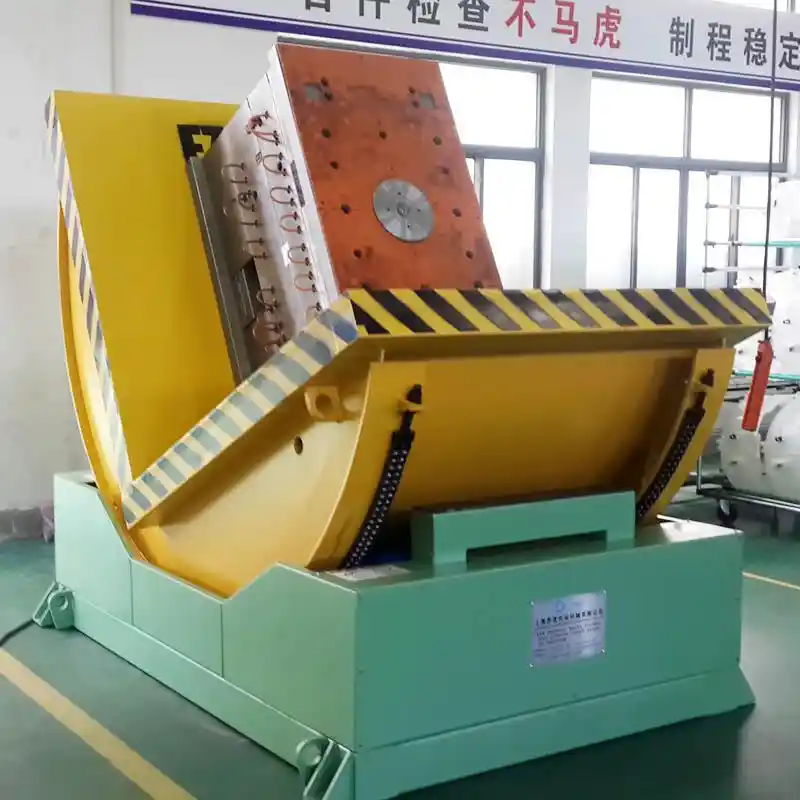
Before delving into best practices, it's essential to understand why mold upenders are so vital and why downtime is so detrimental. A mold upender is a specialized piece of equipment designed to safely and efficiently rotate heavy and cumbersome molds, typically by 90 degrees. This rotation is crucial for various tasks, including maintenance, repair, storage, and adjustments within the manufacturing process.
Mold upenders enhance efficiency in mold handling by:
- Reducing Manual Labor: They eliminate the need for strenuous and risky manual handling of heavy molds, decreasing the reliance on large teams of operators and lowering the risk of injury.
- Improving Safety: By automating the rotation process, mold upenders drastically reduce the potential for accidents, protecting workers and preventing damage to valuable molds.
- Streamlining Operations: These machines allow for quick and precise mold positioning, significantly cutting down the time spent on tasks like mold changes and maintenance.
- Enhancing Precision: Mold upenders ensure accurate and controlled rotation, which is vital for delicate molds and precise manufacturing processes.
The benefits are clear, but what happens when this essential piece of equipment needs to be moved? Downtime. In manufacturing, downtime is defined as any period when machinery is not in production. Whether planned or unplanned, downtime translates directly to financial losses. Industry surveys have indicated that the average cost of downtime for manufacturing companies can be millions of dollars per hour. This staggering figure stems from: - Lost Production: No operating machinery means no output, directly impacting revenue streams.
- Reduced Staff Productivity: Idle staff during downtime translates to wasted labor costs.
- Repair and Recovery Expenses: Addressing the cause of downtime and resuming operations incurs additional costs.
- Customer Dissatisfaction: Missed deadlines and delayed orders can damage customer relationships and future business.
Therefore, when relocation becomes necessary – whether for system redesign to enhance efficiency, accommodating a new product line, facilities move, or replacing outdated machinery – minimizing downtime is not just a goal; it's a business imperative.Strategic Relocation: Best Practices for Minimal Downtime
To effectively relocate a mold upender and keep downtime to a minimum, a structured, proactive approach is essential. This involves careful planning, preparation, and expert execution. Drawing from best practices in manufacturing equipment moves and plant relocations, here are key strategies:
1. Meticulous Planning: The Blueprint for Success
Just like any complex project, relocating a mold upender starts with meticulous planning. This phase is critical for anticipating potential problems and establishing a clear roadmap for the move. Key elements of the planning stage include:
- Detailed Assessment: Begin with a thorough assessment of the current operations and the mold upender itself. Understand its dimensions, weight, connection points, and any specific handling requirements.
- Site Evaluation: Evaluate both the current and new locations. Consider access points, floor load capacity, overhead clearances, and the path the upender will take during the move. Identify any potential obstacles or tight corners.
- Timeline Development: Create a realistic timeline for the entire relocation process, breaking it down into phases: disassembly, rigging, transportation, installation, and testing. Identify the least productive times for the factory to schedule the move and minimize disruption to peak production.
- Resource Allocation: Determine the necessary resources, including personnel (riggers, technicians, operators), equipment (cranes, forklifts, specialized moving tools), and budget. Engage experienced heavy machinery movers who understand the complexities of manufacturing equipment relocation.
- Risk Assessment and Mitigation: Identify potential risks associated with each phase of the move. This might include equipment damage during handling, safety hazards, or unexpected delays. Develop contingency plans to address these risks proactively.
2. Preparation is Paramount: Setting the Stage for a Smooth Move
Careful preparation is the linchpin of minimizing downtime. Thorough preparation at both the origin and destination points sets the stage for a swift and efficient equipment move:
- Equipment Preparation: Disconnect the mold upender from power sources and any connected systems. Secure all moving parts and components to prevent damage during transit. Properly label all parts, cables, and connections to facilitate reassembly. Document the disassembly process with photos and videos if necessary.
- Workspace Preparation: Clear the path for the upender's movement at both locations. Remove any obstructions, ensure adequate lighting, and prepare the foundation at the new location to receive the equipment.
- Safety Protocols: Establish clear safety protocols and communicate them to all personnel involved in the move. Conduct safety briefings and ensure all workers are equipped with appropriate safety gear. Define and clearly mark the workspaces affected by the relocation to minimize access and ensure safety of unaffected staff.
- Documentation and Instructions: Gather all relevant documentation, including equipment manuals, schematics, and installation instructions. Having these readily available will be crucial during re-installation.
3. Expert Execution: Precision and Care in Every Move
The execution phase demands precision, expertise, and careful coordination. Engaging experienced heavy machinery movers is crucial at this stage. They bring the specialized skills and equipment needed for a safe and efficient move:
- Professional Rigging and Handling: Use experienced rigging teams to safely lift, load, and unload the mold upender. Employ appropriate lifting equipment such as cranes or forklifts with adequate capacity and specialized attachments to handle the upender without causing damage.
- Secure Transportation: Transport the mold upender using suitable vehicles, ensuring it is properly secured and protected from vibrations and shocks during transit. Consider the route and road conditions to avoid delays or potential hazards.
- Precise Installation and Reassembly: At the new location, carefully position and install the mold upender according to the manufacturer's specifications and the documented disassembly process. Reconnect all electrical and mechanical systems accurately.
- Step-by-Step Approach: Execute each step of the relocation plan methodically, adhering to the established timeline. Monitor progress closely and be prepared to address any unforeseen issues promptly.
4. Post-Relocation Verification and Optimization: Ensuring Peak Performance
The relocation isn't complete once the upender is in place. A crucial final stage involves verification, testing, and optimization to ensure the equipment is performing at its peak and downtime remains truly minimal:
- Calibration and Testing: Thoroughly calibrate and test the mold upender after installation. Check all functionalities, safety mechanisms, and performance parameters to ensure it is operating correctly and safely.
- Operator Training: Provide training to operators on the relocated equipment, highlighting any changes in operation or safety procedures due to the new location or setup.
- Performance Evaluation: Evaluate the performance of the relocated mold upender in the new setup. Monitor production output, efficiency, and identify any areas for further optimization.
- Continuous Improvement: Document lessons learned from the relocation process. Identify areas for improvement in future equipment moves to further minimize downtime and enhance efficiency. Post-relocation evaluation and optimization ensures sustained efficiency in the relocated plant.
Illustrating Efficiency Gains: Mold Upender vs. Manual Handling
The benefits of a mold upender in minimizing downtime during relocation indirectly tie back to its core advantages over manual handling. Consider the following comparison: Aspect Manual Mold Handling Mold Upender Handling Impact on Relocation Downtime Time Consumed (Rotation) High Low Significantly Reduced Risk of Human Error Significant Minimal Reduced Rework/Damage Related Delays
| Labor Force Requirement | High: Multiple operators | Low: Single operator | Streamlined Resource Allocation |
| Safety Considerations | High risk of incidents | Reduced risk, enhanced safety | Fewer Accident-Related Stoppages |
| Precision & Control | Limited | High | Easier Setup and Calibration |
| Ergonomics & Operator Fatigue| High Physical Strain | Minimal Physical Strain | Faster Operator Readiness |
| Mold Damage Risk | Higher due to handling difficulties | Lower due to controlled movement | Minimized Mold Repair/Replace Delays |
This table highlights how a mold upender, by design, reduces many of the time-consuming and risky aspects associated with mold handling, thus indirectly contributing to minimized downtime even during a relocation scenario. Using a mold upender inherently promotes a more efficient and safer workflow, which are critical elements when aiming to minimize downtime during any manufacturing change, including relocation.
Conclusion: Downtime Reduction through Strategic Relocation
Relocating a mold upender demands a strategic, well-planned approach to minimize downtime and maintain manufacturing productivity. By prioritizing meticulous planning, thorough preparation, expert execution, and post-relocation verification, manufacturers can achieve a seamless transition.
Minimize mold upender relocation downtime with meticulous planning, expert movers, and strategic execution for peak productivity. This proactive strategy not only ensures a smooth relocation but also maximizes the long-term efficiency and profitability of manufacturing operations. Embracing best practices and investing in expert resources are key to transforming a potentially disruptive equipment move into a testament to operational excellence and resilience.