Collaborative Robots (Cobots) in Mold Upender Operations
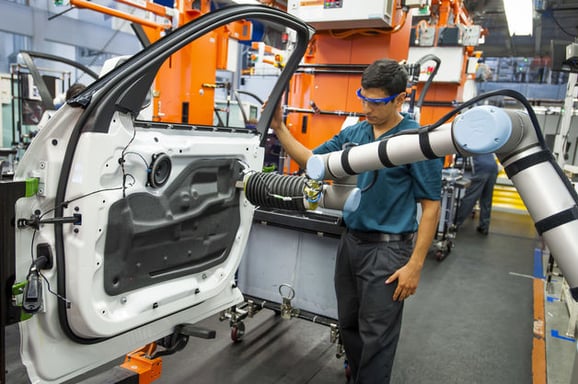
Collaborative robots, often called cobots, are designed to work alongside humans, enhancing safety and efficiency in various manufacturing tasks, including material handling processes like mold upender operations. Their adaptability and ease of use make them ideal for improving productivity and reducing risks associated with heavy and repetitive lifting in mold handling.
Revolutionizing Mold Handling with Collaborative Robots
In today's fast-paced manufacturing environment, the demand for increased efficiency and worker safety is paramount. Traditional industrial robots have long been utilized for automation, but their complexity, high cost, and safety requirements often limit their application. Collaborative robots, or cobots, emerge as a game-changing solution, particularly in operations requiring close human-robot interaction, such as mold upender processes within manufacturing and molding facilities.
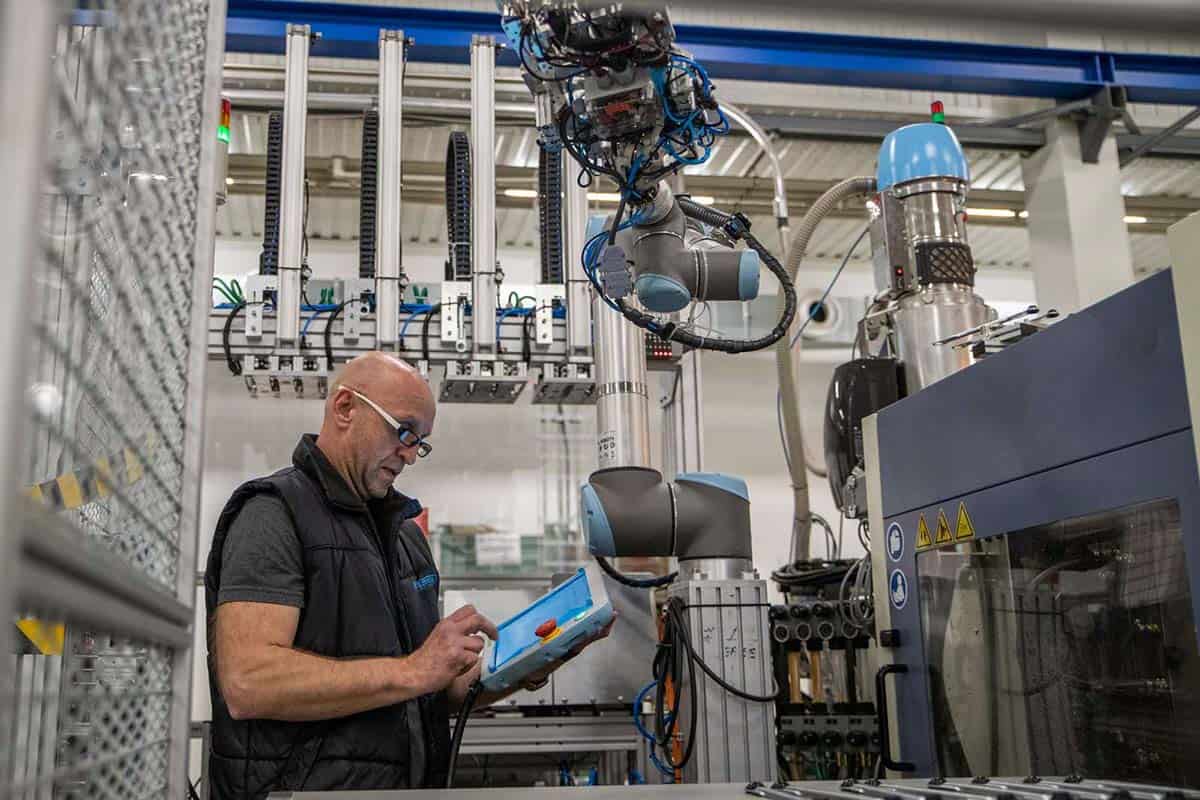
Cobots are specifically engineered to work collaboratively with human operators, sharing workspaces and tasks. This partnership opens up new possibilities for optimizing workflows, enhancing productivity, and creating safer working environments. Within mold handling, which often involves heavy lifting and awkward manipulations, cobots offer a compelling avenue for automation and improvement.
Understanding Collaborative Robots: A New Era of Automation
What exactly distinguishes a cobot from a traditional industrial robot? The key lies in their design and intended interaction with humans. Traditional robots are typically designed for fully automated tasks, operating independently in guarded work cells, physically separated from human workers due to safety concerns. Cobots, in contrast, are built with safety as a core principle, enabling them to operate safely in close proximity to people.
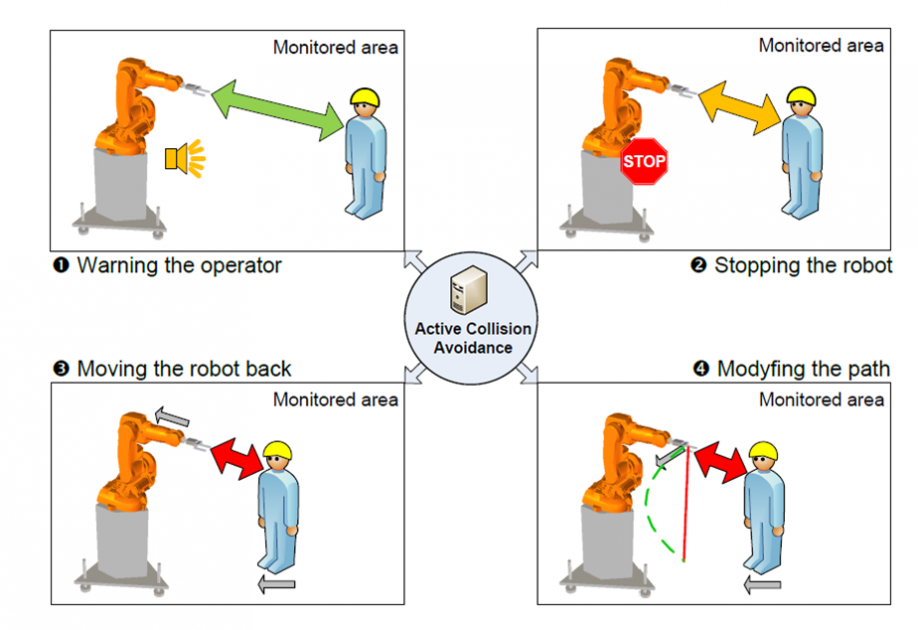
Cobots are equipped with advanced safety features, including force and torque sensors that allow them to detect collisions and automatically stop or reduce force upon contact. This intrinsic safety allows for collaborative workspaces where robots and humans can work together on shared tasks or in overlapping areas, without the need for extensive safety guarding.
Moreover, cobots are designed for ease of use and flexibility. Programming a cobot is often significantly simpler than programming traditional robots, sometimes involving hand-guiding the robot arm through the desired motions or using intuitive graphical interfaces. This ease of programming and redeployment makes cobots adaptable to changing production needs and suitable for both high-volume and high-mix manufacturing environments.
Cobots vs. Traditional Robots: A Comparative Glance
| Feature | Collaborative Robots (Cobots) | Traditional Industrial Robots |
|---|---|---|
| Safety | Intrinsically safe for human collaboration | Requires safety guarding, separated from humans |
| Collaboration | Designed to work alongside humans | Operates autonomously, no human interaction |
| Programming | Easy, often hand-guided or intuitive | Complex, requires specialized skills |
| Cost | Generally lower initial investment | Higher initial investment |
| Flexibility | Highly flexible and redeployable | Less flexible, often task-specific |
| Footprint | Compact, smaller footprint | Larger footprint, requires dedicated space |
| Applications | Collaborative tasks, human-robot teaming | Repetitive, high-speed, heavy-duty tasks |
| Deployment | Quick and easy setup | More complex and time-consuming setup |
Benefits of Cobots in Mold Upender Operations and Beyond
The integration of cobots into manufacturing processes delivers a multitude of benefits, particularly relevant to mold upender operations and broader material handling tasks within mold-making and plastic part production.
Enhanced Efficiency and Productivity
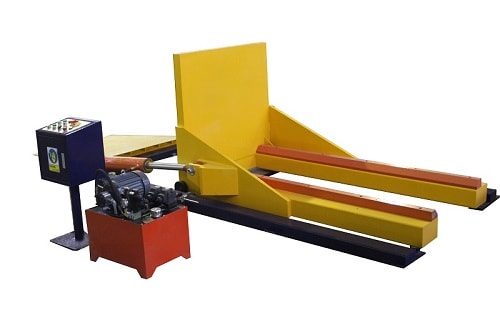
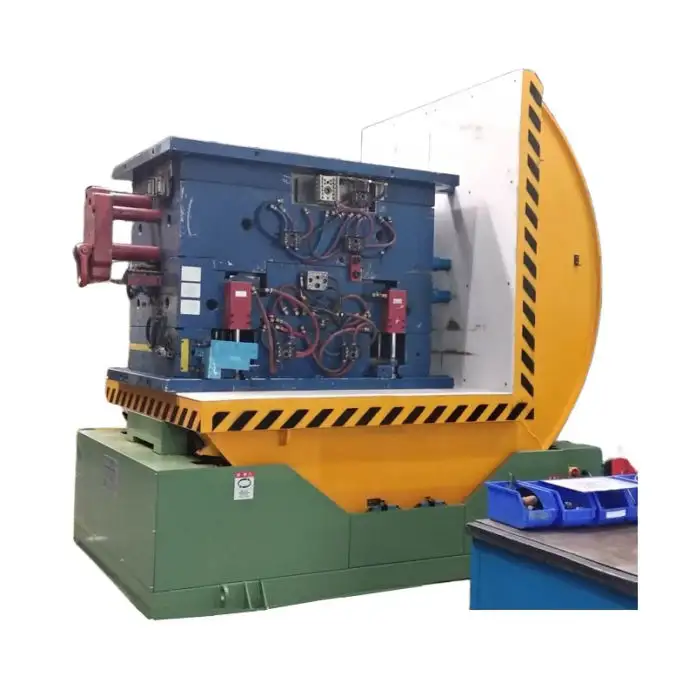
Cobots excel at performing repetitive and physically demanding tasks consistently and tirelessly. In mold upender operations, where operators might manually flip or rotate heavy molds, cobots can automate this process, ensuring consistent speed and precision around the clock. This continuous operation translates to increased throughput and reduced cycle times. As seen in injection molding contexts, cobots can significantly decrease production time by automating tasks like part extraction and placement, allowing human workers to focus on higher-value activities.
Improved Worker Safety and Ergonomics
Manually handling heavy molds poses significant safety risks to workers, including strains, sprains, and back injuries. Cobots eliminate the need for manual lifting and manipulation of heavy objects, dramatically reducing the risk of workplace injuries. By taking over ergonomically challenging tasks, cobots create a safer and more comfortable work environment for human employees. This is crucial in addressing the labor shortages many manufacturing companies face, as healthier and safer workplaces become more attractive to potential employees.
Cost Savings and Return on Investment (ROI)
While the initial investment in automation is a consideration, cobots provide a compelling ROI. Their lower initial cost compared to traditional robots, coupled with reduced programming and setup time, makes them accessible to a wider range of businesses, including small and medium-sized enterprises. Furthermore, the increased productivity, reduced error rates, and minimized risk of workplace injuries contribute to significant cost savings in the long run. In some cases, cobots have been shown to offer automation advantages at approximately half the cost of conventional robotic systems, delivering ROI in under 12 months.
Flexibility and Adaptability
Cobots are inherently flexible and can be easily reprogrammed and redeployed for different tasks as production needs change. This adaptability is particularly valuable in mold-making and plastic part manufacturing, where batch sizes can vary and product designs evolve. Whether it's handling different mold sizes, assisting in various stages of the mold upending process, or being moved between different machines, cobots provide a versatile automation solution. Their ease of programming allows manufacturers to quickly adapt to changing customer demands and optimize production flow dynamically.
Addressing Labor Shortages and Skill Gaps
The manufacturing sector is facing a growing shortage of skilled workers. Cobots offer a practical solution by automating tasks that are often difficult to fill with human labor due to their repetitive, physically demanding, or potentially hazardous nature. By automating mold upender operations and other material handling tasks, cobots free up human workers to focus on more complex, value-added activities requiring problem-solving, critical thinking, and skilled oversight. This not only addresses labor shortages but also upskills the existing workforce by transitioning them to more engaging and less physically strenuous roles.
Cobots in Action: Applications Across Molding Processes
While the term "mold upender operations" might not be explicitly detailed in every source, the principles of material handling and process automation using cobots are consistently demonstrated across various molding applications mentioned in the provided materials, such as injection molding and blow molding. These examples illustrate the broader applicability of cobots in tasks related to mold and part manipulation, which are conceptually linked to mold upending.
Injection Molding: Streamlining Part Handling
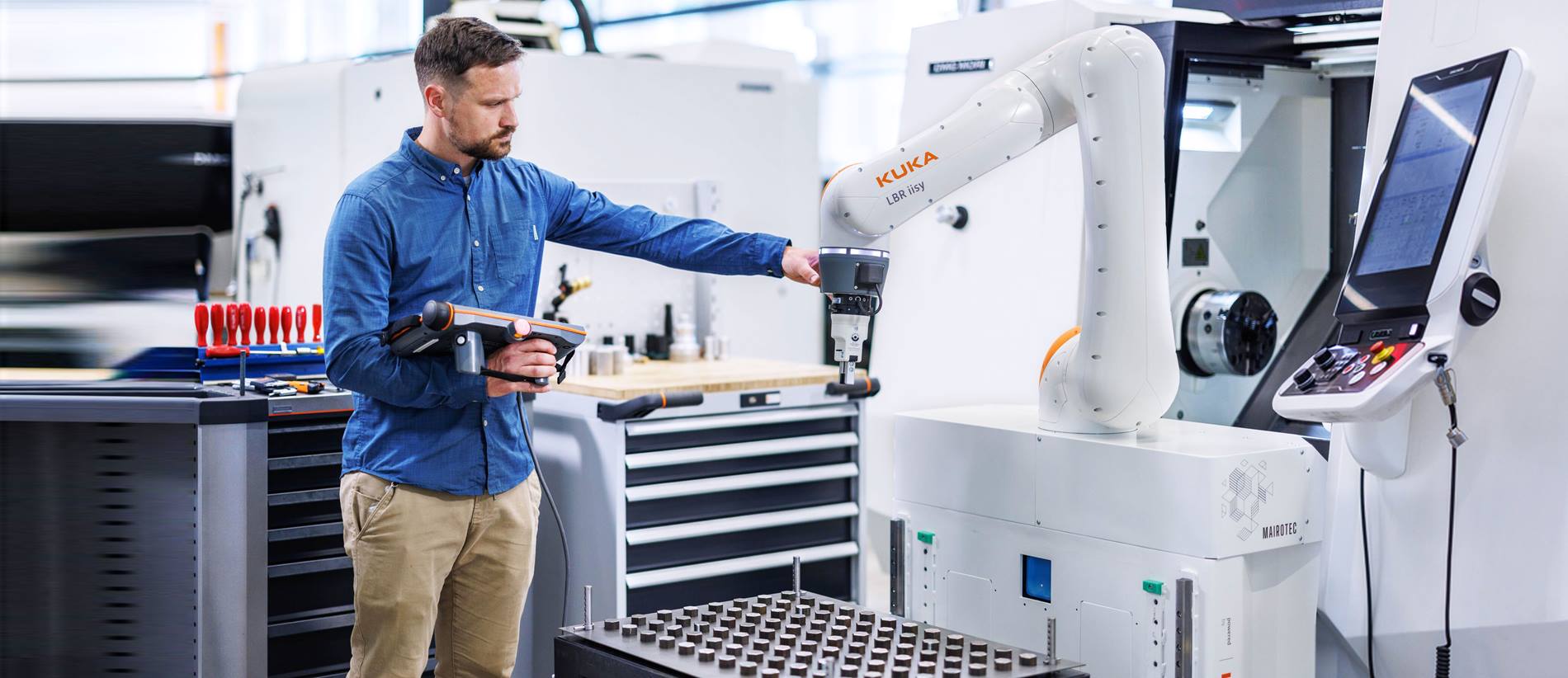
In injection molding, cobots are proving invaluable for automating tasks like placing inserts into molds, removing finished parts, and tending to machinery. Port Erie Plastics and Ensinger highlight the use of cobots to automate repetitive tasks in injection molding, allowing human operators to focus on more complex aspects of the process. Cobots pick and place parts, load and unload CNC machines, and handle secondary machining operations. BTC Mold utilizes cobots for product moving, palletizing, and inspection in their injection molding lines, demonstrating their versatility in various stages of the manufacturing process.
Blow Molding: Automating Downstream Processes
Blow molding operations are also benefiting significantly from cobot integration. BBM demonstrated the use of cobots for part takeout and trimming within a blow molding machine. Proco Machinery incorporates cobots into packaging systems for blow-molded containers, automating case packing and palletizing. These examples underscore how cobots can automate not only in-process tasks but also downstream packaging and material handling processes, enhancing overall efficiency in blow molding production.
General Material Handling and Machine Tending
Beyond specific molding processes, the examples showcase the broader application of cobots in general material handling and machine tending roles. Cobots are used for palletizing, moving parts between stations, and loading/unloading machines across different manufacturing contexts. These applications demonstrate the core strength of cobots in automating tasks involving manipulation of objects, which directly relates to the concept of mold upending as a form of controlled object manipulation.
The Future is Collaborative: Embracing Cobot Technology
Collaborative robots represent a significant advancement in automation, offering a unique blend of safety, flexibility, and ease of use that traditional robots cannot match. For mold upender operations and a wide range of manufacturing processes, cobots provide a powerful tool to enhance productivity, improve worker safety, reduce costs, and address the challenges of a rapidly evolving manufacturing landscape. As technology continues to advance and cobot capabilities expand, their role in shaping the future of manufacturing will only become more pronounced. By embracing collaborative automation, manufacturers can unlock new levels of efficiency, agility, and competitiveness in today’s dynamic market.