Global Market Trends for Mold Upenders: 2023-2030 Forecast
The global mold upender market is experiencing robust growth, driven by the expansion of manufacturing across industries like automotive, aerospace, and medical devices. Forecasts project continued expansion with a CAGR of over 4%, reaching significant market valuations by 2030, fueled by technological advancements, sustainability initiatives, and increasing demand for precision manufacturing solutions.
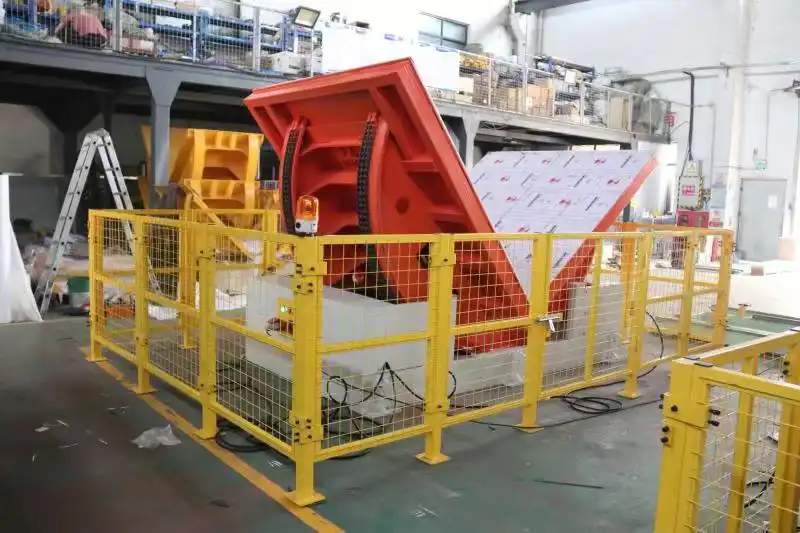
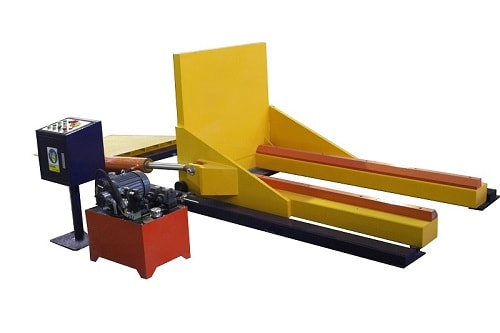
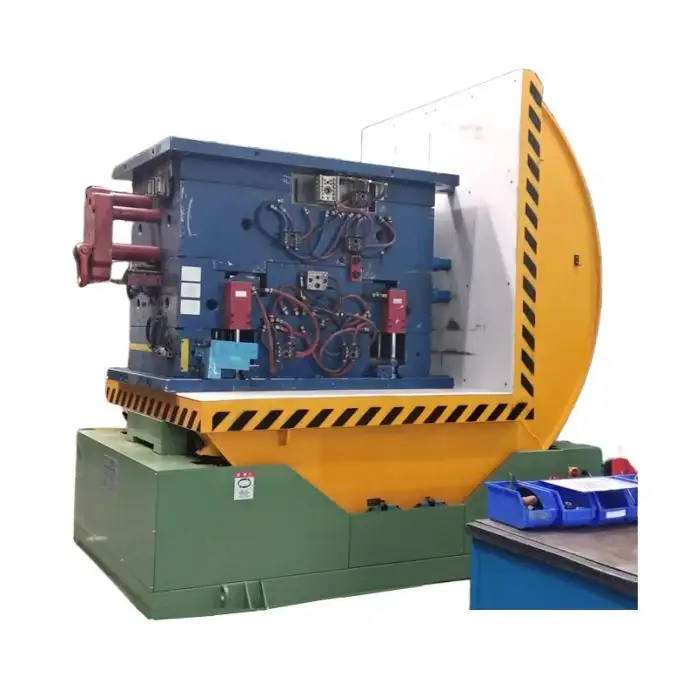
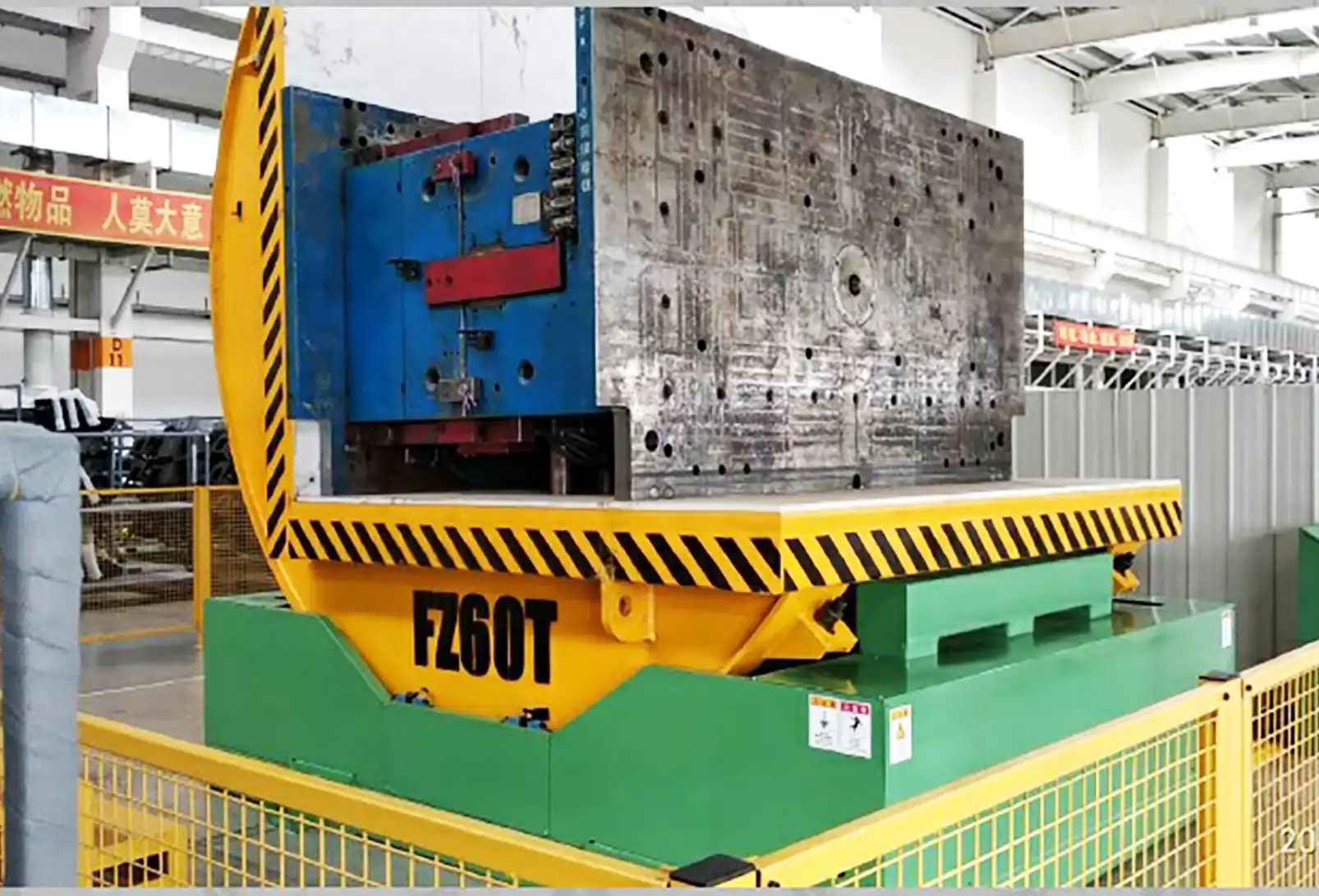
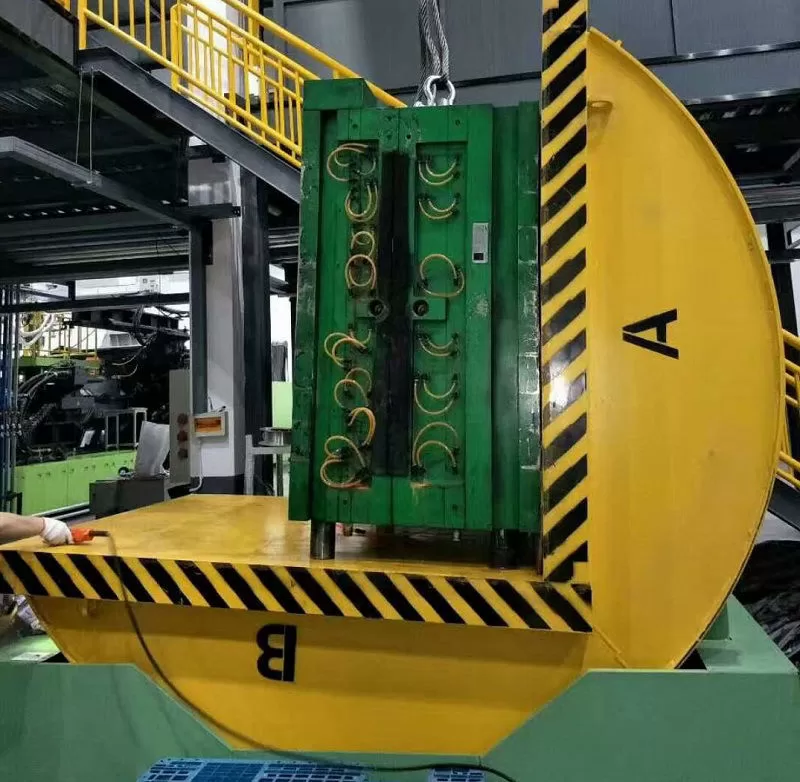
Mold upenders, critical pieces of equipment in modern manufacturing, are witnessing increasing demand as industries worldwide scale production and embrace advanced manufacturing methodologies. These robust machines are essential for safely and efficiently handling and rotating heavy molds used in processes like injection molding, die casting, and forging. As the global manufacturing landscape evolves, several key trends are shaping the trajectory of the mold upender market, setting the stage for significant growth between 2023 and 2030. This article delves into these trends, providing a comprehensive forecast based on current industry dynamics and projections.
Manufacturing Expansion and Industrial Growth Fuels Demand
| The cornerstone of mold upender market growth is the overall expansion of the global manufacturing sector. Reports indicate substantial growth in the broader industrial mold market, which serves as a strong indicator for related equipment like mold upenders. The industrial mold market, valued at US$ 25.3 billion in 2022, is projected to reach US$ 46.9 billion by 2032, exhibiting a robust CAGR of 6.4%. This expansion underscores the increasing volume of molds being used across various industries, directly translating into a higher demand for efficient mold handling solutions like upenders. | Market Category | Value (USD Billion) | Year |
|---|---|---|---|
| Industrial Mold Market | 25.3 | 2022 | |
| Industrial Mold Market (Projected) | 46.9 | 2032 | |
| CAGR (Industrial Mold Market Projection) | 6.4% | 2022-2032 |
This growth is particularly pronounced in sectors like automotive, aerospace, consumer electronics, and medical devices. These industries are characterized by intricate product designs and high production volumes, both of which necessitate the use of sophisticated molds and efficient mold handling equipment. The automotive industry, for instance, increasingly utilizes injection molding for a vast array of components, from interior panels to exterior trim, driving up the demand for larger and more complex molds. Similarly, the burgeoning aerospace and medical device sectors, with their stringent precision and material requirements, rely heavily on advanced molding processes, further amplifying the need for mold upenders.
Injection Molding Market Growth: A Key Driver
Injection molding, a dominant manufacturing process, is experiencing substantial market expansion, directly influencing the need for mold upenders. The global market for plastic injection molding was valued at $191 billion in 2023 and is projected to grow to $235.7 billion by 2029, registering a CAGR of 4.1%. This consistent growth trajectory emphasizes the increasing reliance on injection molding across diverse sectors.
| Market Category | Value (USD Billion) | Year |
|---|---|---|
| Plastic Injection Molding Market | 191 | 2023 |
| Plastic Injection Molding Market (Projected) | 235.7 | 2029 |
| CAGR (Plastic Injection Molding Market Projection) | 4.1% | 2024-2029 |
Several factors are propelling this growth in injection molding, which in turn, bolsters the mold upender market:
- Developing Economies: Emerging economies are rapidly expanding their manufacturing capabilities, contributing significantly to the growth of injection molding and related industries. The increasing industrialization in these regions translates directly to higher demand for molding equipment and mold handling solutions.
- Versatility and Efficiency of Injection Molding: Injection molding's ability to produce complex parts with high precision and in large volumes makes it a preferred manufacturing process across various industries. This versatility fuels its adoption, further increasing the demand for molds and mold handling equipment.
- Material Advancements: The development and wider adoption of advanced thermoplastic materials further enhance the appeal of injection molding. Thermoplastics are easily moldable, recyclable, and reusable, aligning with sustainability trends and expanding application possibilities.
Sustainability and Lightweighting Trends
The global push towards sustainability is significantly impacting manufacturing, including the mold upender market. The injection molding industry, for example, is undergoing a notable transition towards sustainable practices. This shift is driven by:
- Growing Environmental Concerns: Increased awareness of plastic pollution and its environmental impact is pushing industries to adopt greener manufacturing processes and materials.
- Circular Economy Initiatives: The emphasis on circularity and sustainability is leading to the adoption of recycled plastics, bioplastics, and biodegradable materials in injection molding.
- Lightweighting Demands: Many sectors, particularly automotive and aerospace, are increasingly prioritizing lightweight materials to improve fuel efficiency and reduce emissions. This trend encourages the use of plastics and composite materials, often processed through injection molding, and consequently requiring specialized molds.
Mold upenders play a role in this sustainability trend by facilitating the efficient handling of molds used in processing these new materials. Furthermore, as manufacturers explore more sustainable mold-making practices and materials, the demand for adaptable and robust mold handling equipment like upenders will continue to rise.Technological Advancements and Automation
The integration of advanced technologies is transforming manufacturing, and the mold upender market is no exception. Industry 4.0 principles, incorporating IoT sensors, data analytics, and automation, are increasingly being adopted in mold manufacturing and handling.
- Industry 4.0 Integration: The integration of IoT sensors and data analytics into mold manufacturing processes allows for real-time monitoring and predictive maintenance of molds. This increased focus on efficiency and data-driven decision-making benefits from automated mold handling systems.
- Robotics and Automation: Collaborative robots (cobots) are enhancing automation in mold manufacturing and handling, reducing production time and improving safety. Mold upenders are increasingly being integrated into automated systems to streamline mold changes and maintenance procedures.
- Digital Twins: The use of digital twin technology allows for virtual testing and optimization of molds before physical production. This digital approach complements automated mold handling by ensuring efficient workflows and minimizing downtime in physical production.
- AI in Molding: The launch of AI-based smart injection molding systems, featuring AI Molding Assistants and Smart Weight Control, demonstrates the increasing role of artificial intelligence in optimizing molding processes. Automated mold handling systems, including upenders, are essential components in realizing the full potential of these smart molding systems.
These technological advancements are driving the development of more sophisticated and efficient mold upenders. Features like enhanced precision control, automated mold clamping and release mechanisms, and integration with factory management systems are becoming increasingly important in the market.
Regional Market Dynamics
While the global mold upender market is experiencing overall growth, regional dynamics play a significant role in shaping market trends. Asia-Pacific (APAC) is anticipated to be a key growth region, driven by the rapid industrialization and manufacturing expansion in countries like China and India. The presence of major manufacturing hubs in APAC, coupled with increasing investments in automation and advanced manufacturing technologies, is expected to fuel significant demand for mold upenders in this region.
North America and Europe also represent substantial markets for mold upenders. These regions are characterized by mature manufacturing industries with a growing focus on automation, sustainability, and high-precision manufacturing. Demand in these regions is driven by the need to upgrade existing manufacturing infrastructure, adopt advanced mold handling technologies, and meet stringent quality and efficiency standards.
Challenges and Opportunities
Despite the positive growth outlook, the mold upender market faces certain challenges:
- Global Economic Uncertainty: Economic fluctuations and trade tensions can impact industrial production and investments in manufacturing equipment, potentially affecting the mold upender market.
- Skilled Labor Shortages: Finding and retaining skilled labor for mold design, manufacturing, and operation remains a challenge. This shortage underscores the importance of automated and user-friendly mold handling solutions like advanced mold upenders.
- Technological Investment Costs: The continuous need to invest in advanced mold-making and handling technologies can be costly for manufacturers. However, the long-term benefits in terms of efficiency, quality, and productivity often outweigh the initial investment.
However, these challenges also present opportunities:
- Customization and Complex Parts: The increasing demand for customized and complex parts fuels the need for precision molds and flexible mold handling systems. Mold upenders capable of handling diverse mold sizes and weights are well-positioned to capitalize on this trend.
- Emerging Markets Growth: Developing countries with expanding industrial sectors offer significant growth opportunities for mold upender manufacturers. Expanding into these markets requires understanding local needs and providing cost-effective and reliable solutions.
- Focus on User-Friendly and Automated Solutions: Addressing the skilled labor shortage necessitates the development of user-friendly and automated mold upender systems that simplify operation and reduce reliance on highly specialized personnel.
Forecast and Future Outlook
The global mold upender market is poised for continued growth through 2030. Fueled by the expansion of manufacturing, the increasing adoption of injection molding, the focus on sustainability and lightweighting, and advancements in automation technologies, the market is expected to witness a healthy CAGR. The demand for efficient, safe, and reliable mold handling solutions will remain strong across diverse industries.
Manufacturers of mold upenders who focus on innovation, technological advancements, and addressing the evolving needs of the manufacturing sector are best positioned to thrive in this dynamic market. The integration of automation, data analytics, and user-friendly designs will be crucial for meeting future demands and capitalizing on the growth opportunities presented by the global manufacturing landscape. The forecast for the mold upender market remains positive, reflecting the critical role these machines play in modern, efficient, and high-quality manufacturing processes.
In conclusion, the global mold upender market is experiencing significant tailwinds. Driven by manufacturing sector expansion, injection molding market growth, sustainability trends, and technological advancements, forecasts indicate a robust CAGR exceeding 4% through 2030. Industries like automotive, aerospace, and medical devices are key drivers, demanding efficient mold handling solutions to support increasing production volumes and complex manufacturing processes. The future of the mold upender market is bright, with sustained growth anticipated in the coming years.