When facing mold, homeowners often weigh DIY versus professional remediation. DIY can save money for small issues, but professional services offer expertise, thoroughness, and safety, especially for larger infestations, hidden mold, or health concerns. Choosing wisely ensures effective mold removal and protects your home and health.
Mold, an unwelcome intruder in any home, can pose a significant threat not only to your property's structural integrity but also to the health and well-being of its occupants. The moment you discover mold growth, a critical decision looms: should you tackle the cleanup yourself, or is it time to call in the professionals? This article delves into the crucial comparison of DIY versus professional mold remediation, providing a comprehensive analysis to help you determine the best course of action for your specific situation. Understanding the nuances of each approach is paramount to ensuring effective mold removal, safeguarding your health, and protecting your investment.
Understanding Mold: The Unseen Enemy
Before diving into the DIY vs. professional debate, it’s essential to understand what mold is and why it’s a concern. Mold is a type of fungus that thrives in moist environments, reproducing through tiny spores that float in the air. These spores can land on surfaces and, under the right conditions, begin to grow and colonize.
What Exactly is Mold?
Mold is not just a stain or discoloration; it’s a living organism that plays a vital role in nature by breaking down organic matter. However, when mold takes root inside your home, it becomes a problem. It digests the materials it grows on, which can include drywall, wood, insulation, and fabrics, leading to structural damage over time.
The Hidden Health Risks of Mold Exposure
Beyond property damage, mold poses significant health risks. Exposure to mold spores can trigger a variety of health issues, particularly respiratory problems. Allergic reactions such as sneezing, coughing, runny nose, and skin rashes are common. Mold can exacerbate asthma and other respiratory conditions, making breathing difficult. In some cases, prolonged exposure to certain types of mold, like toxic black mold, can lead to more severe health complications. It's crucial to take mold seriously and address it promptly to protect your family's health.
Common Culprits and Hidden Locations of Mold in Homes
Mold thrives in areas with moisture and humidity. Common causes of mold growth include:
- Water Leaks: Leaky roofs, pipes, windows, and foundations are prime sources of moisture.
- High Humidity: Bathrooms, kitchens, and basements are often naturally humid and can become breeding grounds for mold if not properly ventilated.
- Poor Ventilation: Lack of airflow can trap moisture, creating ideal conditions for mold growth, especially in bathrooms and basements.
- Flooding: Even after water is removed, residual moisture can lead to widespread mold development if not dried and treated correctly.
Mold is not always visible. It can grow in hidden places, such as: - Behind Walls: Mold can develop inside wall cavities due to leaks or condensation.
- Under Flooring: Moisture trapped under carpets or tiles can lead to mold growth, especially after floods or spills.
- In HVAC Systems: Air ducts can accumulate moisture and dust, providing a perfect environment for mold to flourish and circulate spores throughout the house.
- Crawl Spaces and Attics: These areas are often poorly ventilated and prone to moisture, making them susceptible to mold problems.
The DIY Approach to Mold Remediation: Empowerment or Pitfall?
Many homeowners initially consider the DIY route for mold removal, drawn by the appeal of saving money and tackling the problem immediately. While DIY mold remediation can be effective for very minor issues, it's crucial to understand its benefits, limitations, and potential risks.
Pros of DIY Mold Removal: The Allure of Self-Sufficiency
- Cost Savings: This is the most cited advantage. DIY mold removal can appear significantly cheaper upfront, especially if you already have some cleaning supplies at home. For very small, surface mold patches, the cost can be minimal, involving only household cleaning agents or readily available mold removal products.
- Convenience and Immediate Action: You can start the cleanup process immediately upon discovering mold, without waiting for appointments or service windows from professional companies. This prompt action can feel empowering and prevent the problem from worsening in the short term.
Cons of DIY Mold Removal: Hidden Dangers and Incomplete Solutions
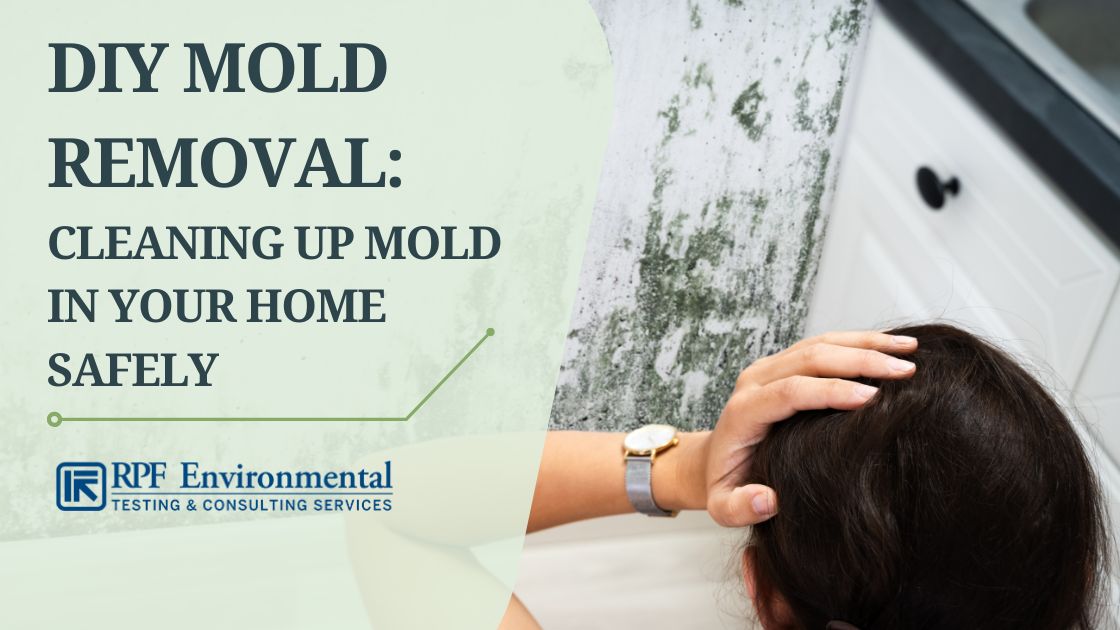
- Limited Expertise and Effectiveness: Most homeowners lack the training and experience to properly identify the type of mold, assess the full extent of the infestation (especially hidden mold), and choose the most effective removal methods. DIY methods often rely on readily available household cleaners like bleach, which may only kill surface mold and not address the roots or certain mold species effectively. This can lead to recurrence and ongoing issues.
- Potential Health Risks and Safety Concerns: Disturbing mold without proper safety precautions releases spores into the air, increasing your exposure and health risks. DIY methods often lack the specialized equipment and containment procedures used by professionals to minimize spore dispersal. Inhaling mold spores can worsen respiratory conditions, trigger allergies, and pose risks, particularly to vulnerable individuals like children, the elderly, or those with pre-existing health issues.
- Risk of Spreading Mold and Worsening the Problem: Improper DIY cleaning techniques can inadvertently spread mold spores to unaffected areas, turning a localized problem into a wider infestation. For instance, using a brush or cloth incorrectly can simply smear mold spores around, contaminating larger surfaces. Without proper containment and air filtration, DIY efforts can sometimes exacerbate the mold issue.
- Incomplete Remediation and Recurrence: DIY often focuses on visible mold removal but may fail to address the underlying moisture problem that caused the mold in the first place. If the root cause of the moisture is not fixed, mold will inevitably return. Furthermore, DIY might not effectively remove mold from porous materials or hidden cavities, leading to persistent mold growth and requiring professional intervention eventually.
DIY for mold should be approached with extreme caution and reserved only for the smallest, simplest situations. If at any point you feel overwhelmed, encounter a larger mold problem than anticipated, are unsure of the type of mold, or have concerns about health or safety, stop DIY efforts and contact a qualified professional mold remediation company immediately.
Professional Mold Remediation: Expertise, Safety, and Lasting Solutions
For any mold infestation beyond a very minor, strictly limited scope, professional mold remediation is the recommended and often essential choice. Professionals bring specialized knowledge, equipment, and techniques to ensure safe, thorough, and long-lasting mold removal.
Benefits of Hiring Professional Mold Remediation Services: Investing in Peace of Mind
- Expertise and Experience: Professional mold remediation technicians are trained and certified to identify mold types, assess the extent of infestations, and develop effective remediation plans. They have in-depth knowledge of mold biology, growth patterns, and the appropriate removal and prevention strategies.
- Comprehensive and Accurate Assessment: Professionals conduct thorough inspections, including moisture mapping, thermal imaging, and air quality testing, to accurately locate all mold – including hidden growth behind walls, under floors, and in HVAC systems. This comprehensive approach ensures that all mold colonies are identified and addressed.
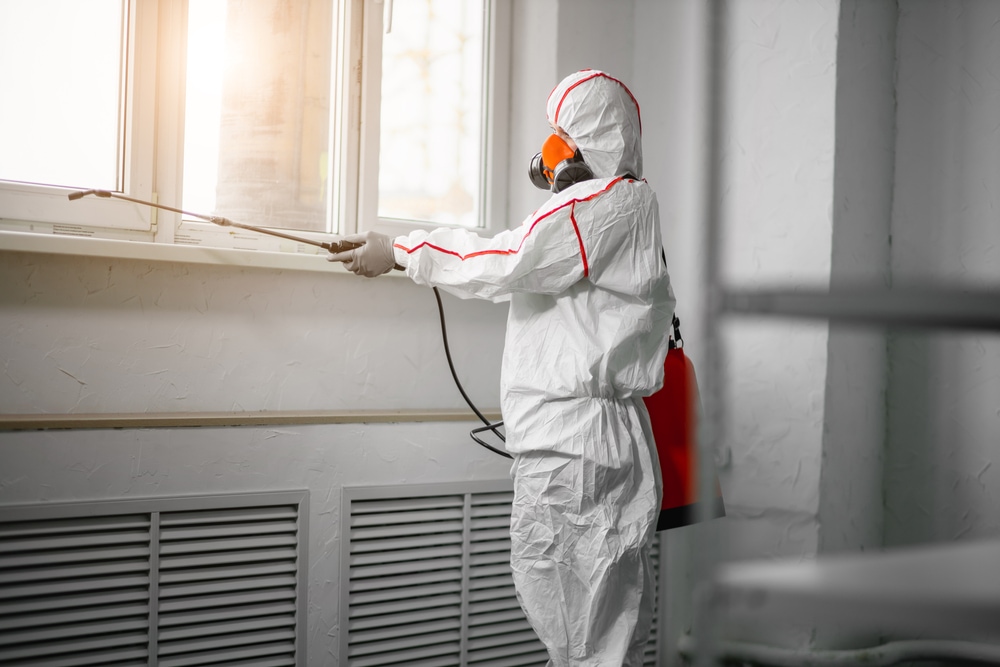
- Safe and Effective Mold Removal Techniques and Equipment: Professionals use specialized equipment and techniques designed for safe and thorough mold removal and containment. This includes:
- Containment Procedures: Using plastic sheeting and negative air pressure to create sealed work areas, preventing mold spores from spreading to unaffected areas of the home during remediation.
- HEPA Filtration and Air Scrubbers: Employing High-Efficiency Particulate Air (HEPA) filters and industrial-grade air scrubbers to capture airborne mold spores and clean the air within the contained work area, as well as in the surrounding environment.
- Specialized Cleaning and Antimicrobial Treatments: Using EPA-registered antimicrobial agents and cleaning solutions specifically designed to kill mold and prevent regrowth, often more effective than household cleaners, especially on porous materials.
- Controlled Demolition (When Necessary): Safely removing and disposing of heavily contaminated materials like drywall, insulation, or wood under controlled conditions to prevent spore release and spread.
- Addressing the Root Cause: Moisture Control and Prevention: A key aspect of professional remediation is identifying and resolving the underlying moisture issue that caused the mold in the first place. Professionals will investigate water leaks, humidity problems, and ventilation issues, and provide recommendations and solutions to prevent future mold growth. This might include repairing leaks, improving ventilation, or installing dehumidifiers.
- Reduced Health Risks and Improved Indoor Air Quality: Professional remediation prioritizes safety, minimizing health risks during the remediation process. Containment, HEPA filtration, and proper disposal techniques significantly reduce spore dispersal and improve indoor air quality, creating a healthier living environment.
- Documentation and Verification: Professional mold remediation companies often provide documentation of their work, including pre- and post-remediation testing, detailed reports, and certifications of completion. This documentation can be valuable for insurance claims, property resale, and peace of mind.
- Guarantees and Warranties: Many reputable professional mold remediation companies offer guarantees or warranties on their work, providing assurance that the mold problem will be effectively resolved and will not return if their recommendations for moisture control are followed.
When to Call a Professional Mold Remediation Service: Indicators and Red Flags
It's crucial to recognize when a mold problem exceeds the scope of DIY and necessitates professional intervention. Call a professional mold remediation service if you encounter any of the following situations:
- Large Affected Area: Mold infestation covers an area larger than 10 square feet.
- Hidden Mold Suspected or Confirmed: Mold is suspected or confirmed to be growing behind walls, under flooring, in HVAC systems or other inaccessible areas.
- Toxic Mold Suspected (e.g., Black Mold): You suspect the mold is toxic black mold (Stachybotrys chartarum) or another hazardous type. While testing is needed for definitive identification, visual indicators like black, slimy mold patches, particularly in water-damaged areas, should raise concern.
- Musty Odors Without Visible Mold: Persistent musty odors without visible mold growth can indicate hidden mold colonies warranting professional investigation.
- Recurring Mold Problems: Mold keeps returning in the same area despite repeated DIY cleaning efforts, suggesting an unaddressed underlying moisture issue or incomplete removal.
- Water Damage History or Ongoing Leaks: The mold is associated with significant water damage from floods, leaks, or plumbing issues, or ongoing moisture problems that need professional diagnosis and repair.
- Health Concerns: Anyone in the household experiences health symptoms potentially related to mold exposure, such as respiratory problems, allergies, asthma exacerbation, or unexplained illnesses. Especially if infants, children, the elderly, or individuals with weakened immune systems are present.
- Structural Damage Concerns: You suspect mold has caused structural damage to building materials (rotting wood, crumbling drywall).
- Prior DIY Attempts Failed or Were Incomplete: You attempted DIY mold removal but were unsuccessful, or realize the problem is more extensive than initially anticipated.
- Property Resale Value Concerns: You are concerned about the impact of mold on property value and need professional documentation of remediation for disclosure and assurance purposes.
DIY vs. Professional Mold Remediation: A Direct Comparison
To further clarify the differences, here's a comparative table summarizing the key aspects of DIY vs. Professional Mold Remediation: Aspect DIY Mold Removal Professional Mold Remediation Effectiveness Limited to surface cleaning; may be incomplete Comprehensive and long-lasting; addresses root cause Safety Risk of improper handling; increased spore exposure Minimizes health risks; utilizes containment and filtration Expertise & Training Limited knowledge and tools; homeowner responsibility Highly trained and certified professionals; specialized equipment Assessment Relies on visual inspection; may miss hidden mold Thorough assessment; utilizes moisture meters, thermal imaging, air testing Containment Typically none or rudimentary (sealing a room) Sophisticated containment procedures with negative air pressure Removal Techniques Household cleaners, scrubbing; may be superficial EPA-registered antimicrobials, HEPA vacuuming, controlled demolition Moisture Control Homeowner responsibility; may be overlooked Root cause analysis and recommendations for prevention Equipment Basic household supplies Specialized equipment: HEPA air scrubbers, negative air machines, moisture detection Time Commitment Can be time-consuming, especially for larger areas More efficient; quicker and more thorough results Cost Lower upfront cost (initially appears cheaper) Higher upfront cost (but can be more cost-effective long-term) Guarantee/Warranty No guarantee of success or long-term results Often provides guarantees and warranties on work Health Risks Higher risk of spore exposure; can worsen conditions Minimizes health risks during and after remediation Property Value No positive impact; potential negative if problem persists Can protect and even enhance property value (with documentation) Making the Informed Choice: Prioritizing Health and Home Value
Choosing between DIY and professional mold remediation is not simply about cost; it's about effectively and safely resolving a potentially serious problem that impacts both your health and your home's structural integrity and value.
Factors to Consider When Deciding: Tailoring the Approach to Your Situation
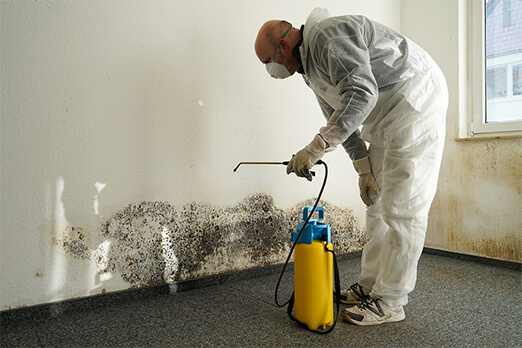
- Severity and Extent of Mold Infestation: Is it a small, surface patch or a widespread, hidden infestation?
- Type of Mold (Known or Suspected): Are you dealing with common mold or potentially toxic varieties?
- Location and Accessibility: Is the mold easily accessible, or is it hidden in walls, crawl spaces, or HVAC systems?
- Underlying Moisture Issues: Is the mold caused by a one-time event or an ongoing moisture problem?
- Health Concerns of Occupants: Are there individuals with allergies, asthma, or other respiratory sensitivities in the home?
- Your DIY Skills and Knowledge: Are you comfortable and knowledgeable about safe and effective mold removal techniques?
- Time and Effort You Can Invest: Do you have the time and energy to dedicate to a thorough DIY project, or is professional efficiency more appealing?
- Long-Term Cost vs. Short-Term Savings: Consider the potential costs of incomplete DIY remediation, recurrence, and health issues versus the investment in professional services.
- Property Value and Resale Considerations: Will professional remediation documentation be beneficial for maintaining or enhancing property value?
Real-Life Examples: Learning from Others' Experiences
Case Study 1: DIY Gone Wrong - Homeowner A
Homeowner A attempted DIY mold removal in their bathroom after noticing mold on the shower tiles and grout. They used bleach and scrubbed the visible mold, feeling initially successful. However, within a few weeks, the mold returned, and the problem seemed worse than before. They realized they had not addressed the underlying poor ventilation in the bathroom, and the bleach was only temporarily masking the surface mold, not killing the roots or hidden spores. Frustrated and concerned by recurring mold and worsening musty odors, they eventually called a professional remediation company. The professionals discovered significant mold growth behind the tiles and in the wall cavity due to persistent moisture. Professional remediation, including tile removal, wall cavity treatment, and ventilation improvements, was required to truly resolve the issue. Homeowner A learned that surface DIY cleaning was insufficient and, in fact, delayed proper resolution, potentially increasing spore dispersal and damage.
Case Study 2: Professional Remediation Success - Homeowner B
Homeowner B discovered a large patch of black mold in their basement after a heavy rainstorm and suspected foundation leaks. Recognizing the potential health risks and the extent of the infestation, they immediately contacted a professional mold remediation company for an inspection. The professionals conducted a thorough assessment, confirming black mold and identifying hidden mold and moisture issues along the foundation walls. They implemented a comprehensive remediation plan, including containment, HEPA filtration, removal of contaminated drywall and insulation, antimicrobial treatments, and foundation leak repairs. Post-remediation testing confirmed successful mold removal. Homeowner B, while incurring a higher upfront cost compared to DIY, gained peace of mind knowing the mold was thoroughly and safely eradicated, the root cause was addressed, and their home and family were protected from ongoing mold problems and health risks.The Verdict: When in Doubt, Choose Professional Expertise
In the DIY vs. Professional Mold Remediation debate, there's no single right answer that fits every situation. However, a prudent approach prioritizes safety, thoroughness, and long-term solutions.
For very minor, surface mold issues in easily controlled conditions, and when you are confident in your ability to follow strict safety and cleaning protocols, DIY might be considered with extreme caution.
However, for the vast majority of mold problems, especially those involving: - Moderate to Large Infestations
- Hidden Mold
- Toxic Mold Suspicions
- Recurring Mold
- Health Concerns
- Water Damage History
- Property Value Considerations
Professional mold remediation is unequivocally the better, safer, and more effective choice.
Choosing professional services is an investment in your health, your home's structural integrity, and your peace of mind. Expertise, advanced equipment, comprehensive solutions, and a focus on preventing recurrence make professional mold remediation the gold standard for resolving mold problems effectively and protecting your valuable assets. When facing mold, err on the side of caution and consult with qualified professionals to ensure a healthy and mold-free living environment for you and your family.