To effectively combat mold in extreme climates, seasonal maintenance of mold upenders is essential. This includes regular inspections, cleaning, and adjustments of HVAC systems, dehumidifiers, and ventilation to control humidity and prevent mold growth. Proactive maintenance ensures optimal performance and protects properties from mold damage throughout the year.
Maintaining a property in any climate requires diligence, but in extreme environments, the challenges are amplified. One persistent threat, especially in regions experiencing high humidity, extreme temperature swings, or prolonged wet seasons, is mold. Mold growth is not just an aesthetic issue; it poses significant health risks and can compromise the structural integrity of buildings. To effectively combat mold, particularly in these demanding climates, focusing on the seasonal maintenance of “mold upenders” is critical. Mold upenders, in this context, refer to the systems and strategies designed to prevent and manage mold growth, primarily your Heating, Ventilation, and Air Conditioning (HVAC) systems, dehumidifiers, ventilation strategies, and foundational moisture management. This article provides essential seasonal maintenance tips, based on expert recommendations, to ensure your mold upenders are performing optimally year-round, safeguarding your property against mold, regardless of the climate extremes.
Understanding the Seasonal Mold Challenge
Mold thrives in environments with moisture, warmth, and organic material to feed on. Seasonal changes directly impact these factors. Spring and summer often bring increased humidity and warmer temperatures, creating ideal breeding grounds for mold. Conversely, winter can lead to condensation issues as warm indoor air meets cold surfaces, again contributing to moisture problems. Extreme climates exaggerate these seasonal shifts. High humidity zones see prolonged periods conducive to mold growth, while regions with drastic temperature changes experience amplified condensation risks. Ignoring seasonal maintenance in such climates is a recipe for mold outbreaks, impacting air quality, building health, and occupant well-being.
Spring Maintenance: Preparing for Humidity and Warmth
Spring is the ideal time to reverse the potential damages of winter and prepare mold upenders for the humid and potentially wet months ahead. A proactive spring maintenance routine targeting mold prevention sets the stage for a healthier, mold-resistant property throughout the warmer seasons.
HVAC System Overhaul
The HVAC system is your primary defense against indoor humidity and temperature fluctuations, making spring HVAC maintenance paramount.
- Air Conditioner Inspection and Servicing: Before the summer heat intensifies, schedule a professional HVAC technician to inspect and service your air conditioning system. This includes cleaning or replacing air filters, checking refrigerant levels, and ensuring all components are functioning efficiently. A well-maintained AC system effectively removes moisture from the air as part of its cooling process. In humid climates, this dehumidification function is crucial to keeping indoor humidity levels within the ideal range of 30-50%.
- Clean HVAC Drip Pans: HVAC systems generate condensation, which is collected in drip pans. These pans can become breeding grounds for mold and bacteria if not properly maintained. Ensure drip pans are clean, free of standing water, and draining correctly. Unobstructed drainage prevents water overflow and potential mold growth within the system and surrounding areas.
- Ductwork Inspection: Inspect your HVAC ductwork for dust, debris, or signs of mold growth. Over time, dust and moisture can accumulate in ducts, providing a perfect environment for mold to proliferate and distribute spores throughout your property. Consider professional duct cleaning, especially if you suspect mold or if it has been several years since the last cleaning.
Ventilation System Optimization
Proper ventilation is key to reducing indoor humidity and removing airborne pollutants, including mold spores.
- Exhaust Fan Checks: Bathrooms and kitchens are high-humidity areas. Ensure exhaust fans in these spaces are functioning effectively. Test fans to confirm they are drawing air out and vent to the exterior of the building. Clean fan blades and vents to remove dust and ensure optimal airflow.
- Natural Ventilation Assessment: Evaluate your property's ability to utilize natural ventilation. Ensure windows and vents are operable and not sealed shut. While natural ventilation alone may not suffice in extremely humid climates, it can significantly contribute to air circulation and humidity reduction in conjunction with mechanical systems when outdoor humidity is lower.
Addressing Exterior Moisture Sources
External factors play a crucial role in indoor humidity and mold potential. Spring is the time to address these exterior elements.
- Gutter and Downspout Cleaning: Clear gutters and downspouts of accumulated leaves, debris, and winter buildup. Properly functioning gutters direct rainwater away from the foundation, preventing water intrusion and dampness in basements or crawl spaces, key areas for mold growth.
- Foundation Inspection: Inspect the building foundation for cracks or signs of water damage. Address any cracks promptly with appropriate sealant to prevent water seepage. Ensure proper grading around the foundation, sloping away from the building to facilitate water runoff.
- Landscaping Review: Trim back vegetation that is too close to the building's exterior walls. Overgrown landscaping can trap moisture and reduce airflow around the building, increasing humidity levels against the walls and potentially promoting mold growth on exterior surfaces.
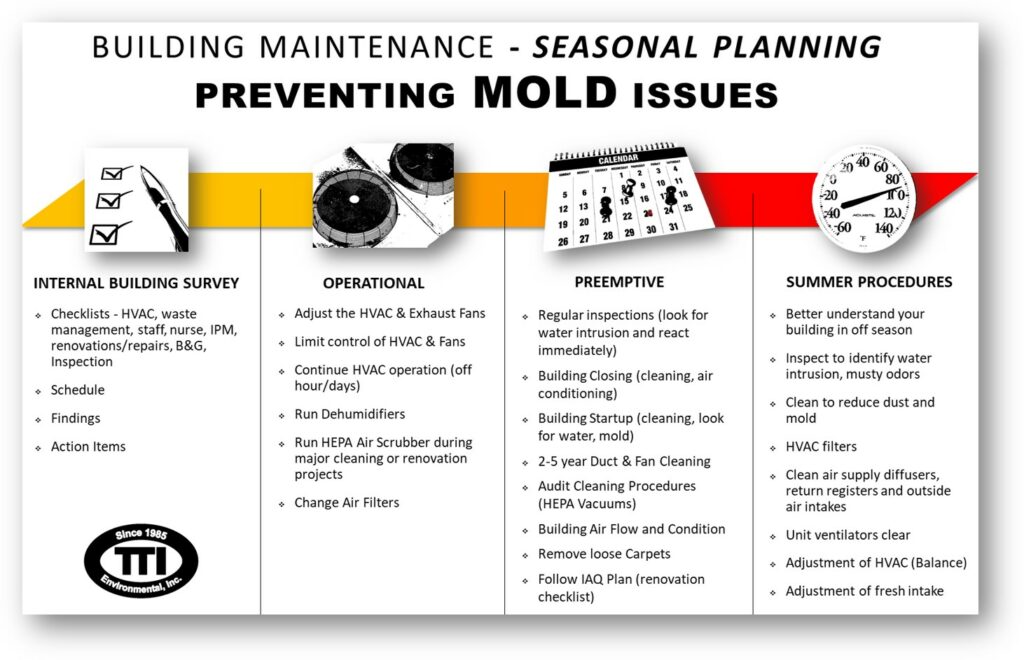
| Table 1: Spring Mold Upender Maintenance Checklist | Task | Description | Frequency | Importance in Extreme Climates |
|---|---|---|---|---|
| AC Inspection & Service | Professional checkup, filter replacement, refrigerant level check | Annually | High | |
| HVAC Drip Pan Cleaning | Ensure clean, draining properly, unobstructed | Seasonally | High | |
| Ductwork Inspection | Visual check for dust, debris, mold; consider professional cleaning | Every 2-5 Years | Medium | |
| Exhaust Fan Check | Verify function in bathrooms/kitchens, clean blades/vents | Seasonally | High | |
| Gutter & Downspout Cleaning | Remove debris for proper drainage | Bi-annually | High | |
| Foundation Inspection | Check for cracks, water damage, ensure proper grading | Annually | Medium | |
| Landscaping Review | Trim vegetation away from building walls to improve airflow | Seasonally | Medium |
Summer Maintenance: Combating High Humidity and Heat
Summer in extreme climates often means prolonged periods of high humidity and intense heat, conditions that aggressively promote mold growth. Summer maintenance should focus on maintaining dry indoor conditions and ensuring mold upenders are working optimally under increased strain.
Enhanced Dehumidification Strategies
In very humid climates, air conditioning alone may not be sufficient to keep indoor humidity at the target level.
- Dehumidifier Deployment: Consider using portable or whole-house dehumidifiers, especially in basements or areas prone to dampness. Regularly monitor humidity levels using a hygrometer and adjust dehumidifier settings as needed to maintain the 30-50% humidity range. Empty dehumidifier collection trays frequently to prevent overflow and bacterial or mold growth within the unit itself.
Continuous HVAC System Monitoring
Summer heat puts significant stress on HVAC systems. Continuous monitoring and proactive adjustments are vital.
- Regular Filter Checks and Changes: During peak summer months, increase the frequency of HVAC filter checks and replacements, potentially to monthly or bi-monthly, especially if you use disposable filters. Clogged filters reduce airflow and system efficiency, hindering dehumidification and increasing energy consumption.
- Thermostat Management: Optimize thermostat settings to balance comfort and energy efficiency. While it may be tempting to set the AC very low in extreme heat, maintaining a moderate temperature that effectively controls humidity is more important for mold prevention. Avoid drastic temperature swings, as these can also contribute to condensation.
Addressing Interior Moisture Sources
Even with effective HVAC and dehumidification, internal sources of moisture can still contribute to mold problems.
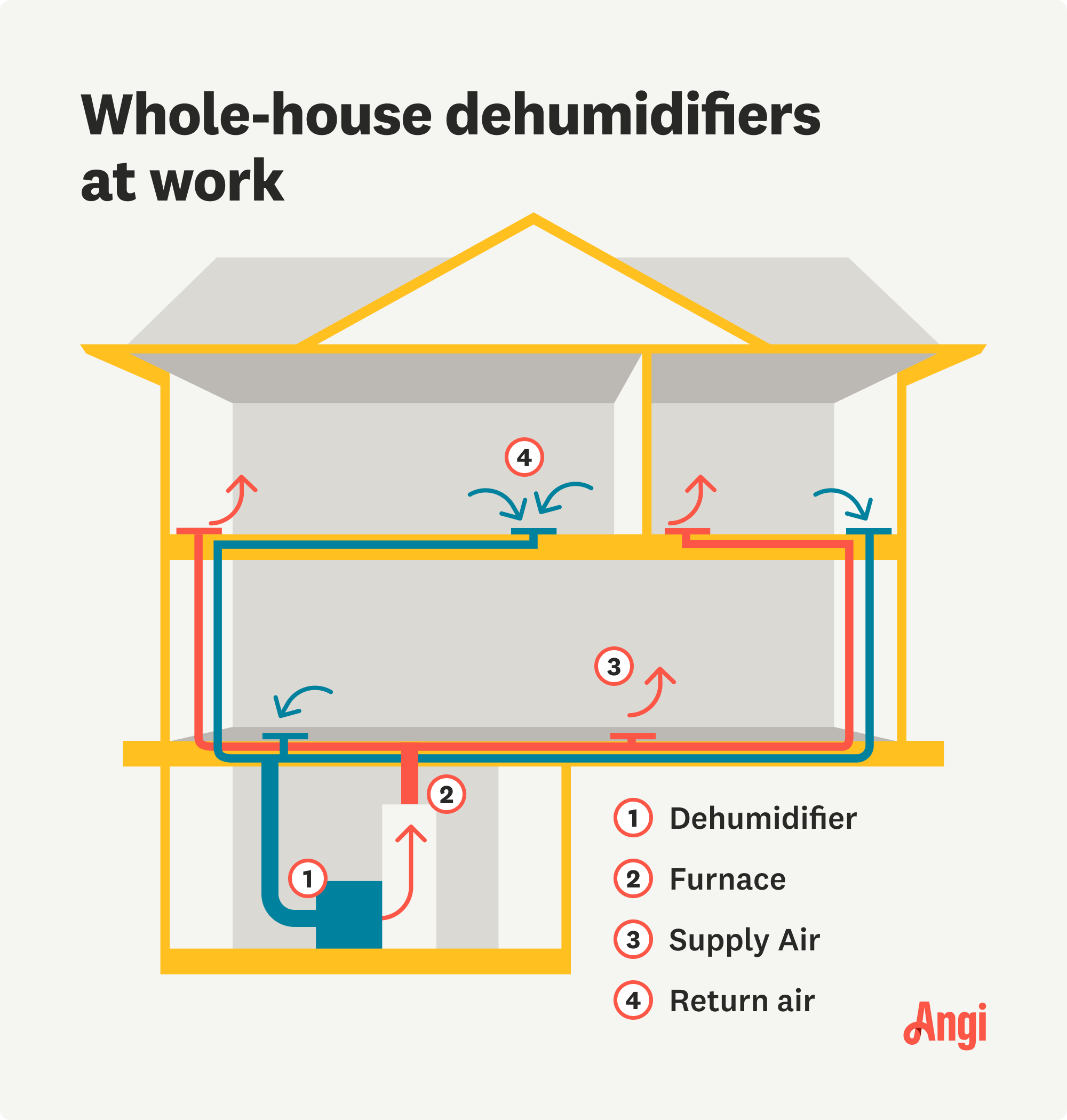
- Condensation Vigilance: Be vigilant about condensation, especially on windows, pipes, and cold surfaces. Wipe down any condensation promptly and address the underlying cause, such as inadequate insulation or ventilation.
-
Plumbing Leak Checks: Regularly check for plumbing leaks, particularly under sinks, around toilets, and in basements. Even small, slow leaks can introduce significant moisture over time, creating ideal conditions for mold growth behind walls or under flooring. Promptly repair any leaks detected.
Table 2: Summer Mold Upender Maintenance ChecklistTask Description Frequency Importance in Extreme Climates Dehumidifier Deployment & Mgmt Utilize in damp areas, monitor humidity levels, empty regularly Daily/Weekly High HVAC Filter Checks/Changes Increase frequency during peak usage, replace clogged filters Monthly/Bi-monthly High Thermostat Management Optimize for humidity control and energy efficiency, avoid extreme swings As needed Medium Condensation Vigilance Regularly check for and wipe down condensation, address root causes Weekly Medium Plumbing Leak Checks Inspect under sinks, toilets, basements for leaks, repair promptly Monthly High Fall Maintenance: Preparing for Cooler, Potentially Wetter Weather
Fall presents a transitional period where outdoor temperatures cool, but humidity levels can remain elevated in some climates and rainfall may increase. Fall maintenance is crucial for fine-tuning mold upenders to handle these changing conditions and prepare for winter.
HVAC System Tuning for Heating and Humidity Control
As heating systems become more relevant, ensure they are ready for efficient and safe operation while still considering humidity management.
- Furnace Inspection and Servicing: Schedule a professional furnace inspection before the heating season begins. This includes checking for gas leaks (if applicable), ensuring proper combustion, and cleaning or replacing filters. A properly functioning furnace contributes to drying out indoor air during cooler months, reducing humidity levels.
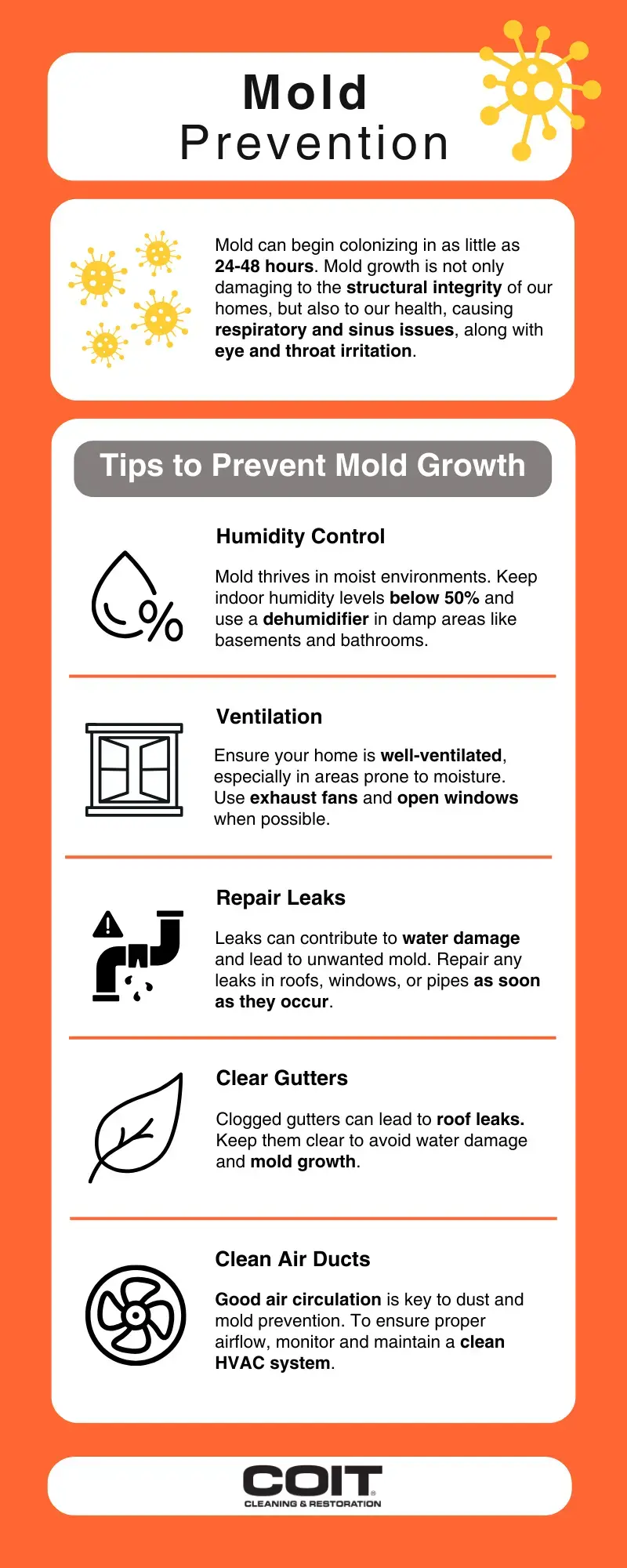
- Humidifier Adjustment (if applicable): If your HVAC system includes a humidifier, ensure it is set appropriately for the season. Over-humidification during colder months, especially in already humid climates or poorly insulated buildings, can lead to condensation problems and mold growth. Target humidity levels should still remain within the 30-50% range, even when heating.
Reinforcing Exterior Defenses
Fall is a good time to re-inspect and reinforce exterior elements that protect against moisture intrusion.
- Roof Inspection and Repair: Conduct a thorough roof inspection, looking for damaged or missing shingles, leaks around vents or chimneys, and any signs of water damage. Repair any issues before winter storms arrive. A sound roof is the primary barrier against rain and snow and prevents water from entering attic spaces where mold can thrive.
- Gutter Cleaning (Second Round): With leaves falling heavily, a second gutter cleaning is often necessary in the fall to prevent blockages that can lead to ice dams in winter and water damage to the building exterior.
- Weather Stripping and Caulking Review: Inspect weather stripping around doors and windows and caulking around frames and penetrations. Replace or repair any damaged or deteriorated weatherproofing to minimize drafts, reduce energy loss, and prevent moisture from entering wall cavities.
| Table 3: Fall Mold Upender Maintenance Checklist | Task | Description | Frequency | Importance in Extreme Climates |
|---|---|---|---|---|
| Furnace Inspection & Servicing | Professional checkup, ensure safe and efficient heating | Annually | Medium | |
| Humidifier Adjustment (if present) | Set appropriately to maintain 30-50% humidity during heating | Seasonally | Medium | |
| Roof Inspection & Repair | Check for damage, leaks, repair before winter | Annually | High | |
| Gutter Cleaning (Second time) | Remove fallen leaves to ensure proper drainage again | Seasonally | High | |
| Weather Stripping/Caulking Review | Inspect and repair seals around doors/windows to prevent drafts/moisture entry | Annually | Medium |
Winter Maintenance: Combating Condensation and Cold-Related Moisture
Winter in extreme climates can bring freezing temperatures, snow, and ice, creating unique moisture challenges. Winter maintenance should focus on preventing condensation and managing moisture risks associated with cold weather.
Condensation Control Measures
Cold surfaces and warm indoor air can lead to significant condensation during winter.
- Insulation Assessment and Upgrade: Evaluate the insulation levels in attics, walls, and crawl spaces. Adequate insulation minimizes temperature differences between interior and exterior surfaces, reducing condensation potential. Consider upgrading insulation to meet or exceed recommended levels for your climate zone.
- Ventilation Awareness: While it may seem counterintuitive to ventilate during cold weather, ensuring some level of ventilation is still important to reduce indoor humidity. Avoid completely sealing up a building tightly, especially in areas prone to condensation like bathrooms or kitchens. Balanced ventilation systems can provide controlled fresh air intake while exhausting humid air.
Pipe Freeze Prevention
Frozen pipes are a significant winter risk, and when they thaw, they can lead to substantial water damage and mold problems.
- Pipe Insulation: Insulate exposed pipes, particularly in unheated areas such as basements, attics, crawl spaces, and exterior walls. Use foam pipe insulation sleeves or heat tape to prevent freezing.
- Temperature Monitoring: Monitor indoor temperatures, especially in vulnerable areas where pipes are located. Maintain a minimum indoor temperature of 55°F (13°C) even in unoccupied spaces to prevent pipes from freezing.
- Faucet Drip (in extreme cold): During periods of extreme cold, consider allowing faucets furthest from the water meter to drip slowly. Moving water is less likely to freeze, and this can help prevent pressure buildup in pipes that could lead to bursting if freezing occurs.
Snow and Ice Management
Accumulated snow and ice can contribute to moisture problems and potential roof damage, indirectly increasing mold risks.
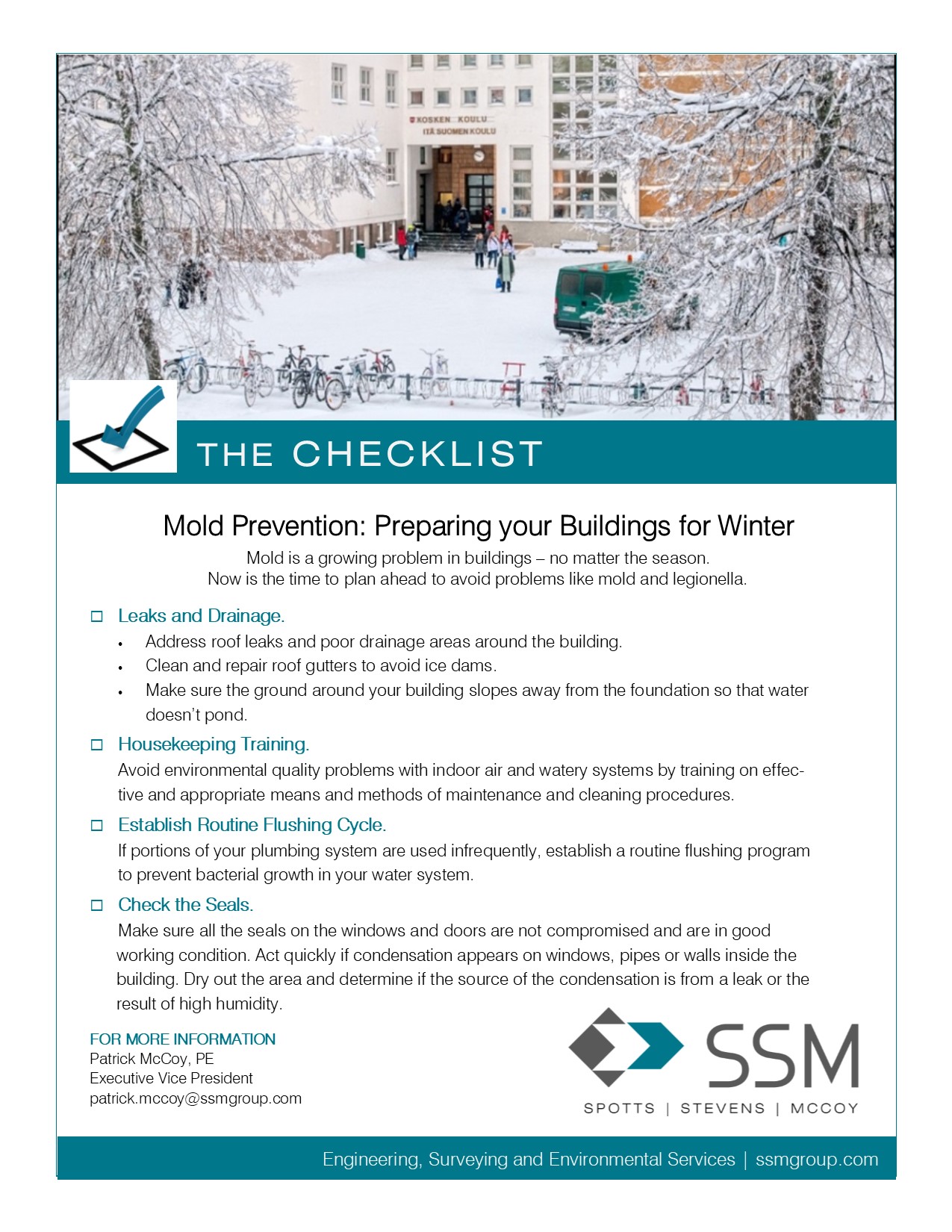
- Roof Snow Load Monitoring: In regions with heavy snowfall, be mindful of roof snow load. Excessive snow accumulation can stress roof structures and potentially lead to leaks. Consider safe snow removal from roofs if loads become excessive, particularly after heavy snowstorms.
-
Ice Dam Prevention: Address conditions that can contribute to ice dam formation, such as inadequate attic insulation or ventilation. Ice dams can trap melting snow and ice on the roof, forcing water under shingles and into the building. Ensure gutters and downspouts are clear to allow meltwater to drain.
Table 4: Winter Mold Upender Maintenance ChecklistTask Description Frequency Importance in Extreme Climates Insulation Assessment & Upgrade Check attic, walls, crawl spaces, upgrade to reduce condensation As needed High Ventilation Awareness Ensure some ventilation even in winter to reduce indoor humidity Continuous Medium Pipe Insulation Insulate exposed pipes in unheated areas Annually High Temperature Monitoring Maintain minimum 55°F indoor temperature to prevent pipe freezing Continuous High Faucet Drip (Extreme Cold) Drip faucets during extreme cold snaps to prevent pipe freezing/bursting As needed High Roof Snow Load Monitoring Monitor snow accumulation on roofs, consider safe removal if excessive As needed Medium Ice Dam Prevention Address conditions promoting ice dams, ensure proper drainage, clear gutters Annually Medium Leveraging Technology for Enhanced Mold Prevention
Modern technology offers tools to enhance your seasonal mold maintenance efforts and improve overall mold prevention strategies.
- Smart Humidity Monitors: Install smart humidity sensors in key areas of your property. These devices can provide real-time humidity readings and send alerts if levels exceed predetermined thresholds. This allows for immediate action to adjust dehumidifiers or ventilation and prevent mold from gaining a foothold.
- Smart Thermostats: Utilize smart thermostats that integrate humidity monitoring and control. Some thermostats can automatically adjust HVAC operation based on humidity readings, optimizing dehumidification and maintaining desired humidity levels.
- Building Management Systems (BMS): For larger commercial properties, consider implementing a BMS. A BMS can centrally monitor and control HVAC systems, ventilation, and humidity levels across the entire building, providing comprehensive environmental management and mold prevention capabilities.
Conclusion: Proactive Seasonal Maintenance is Key to Mold Control
In extreme climates, seasonal maintenance of mold upenders is not just a recommended practice; it is an essential component of responsible property management and occupant well-being. By consistently following seasonal maintenance checklists, property owners and managers can proactively address the root causes of mold growth – moisture and humidity. Regular inspection, cleaning, and optimization of HVAC systems, ventilation strategies, and building exteriors create a robust defense against mold, regardless of the climate's challenges. Embracing a proactive, seasonal approach to mold upender maintenance is an investment in the long-term health, safety, and value of your property, ensuring a mold-resistant environment year-round.