Enhancing Workplace Safety with Automated Upender & Tilter Systems
As a factory manager, you know the numbers. Every lost-time injury hits your bottom line twice—once in medical costs and insurance premiums, and again in lost productivity and morale. The heavy manufacturing floor, with its coils, wires, and massive dies, is a landscape of constant risk. Manual handling is the single biggest culprit. I've walked those floors, first as an engineer and later running my own factory. The pressure to meet output targets while keeping everyone safe is immense. It often feels like a choice between speed and safety. But what if the key to unlocking both isn't a choice, but a piece of equipment? (workplace safety in heavy manufacturing, automated material handling solutions)
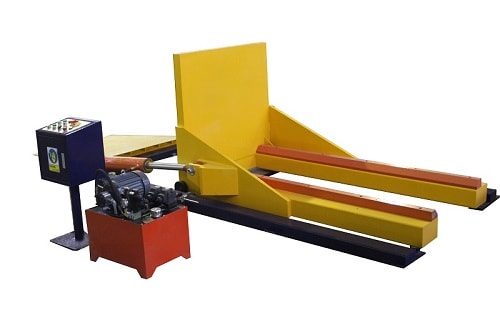
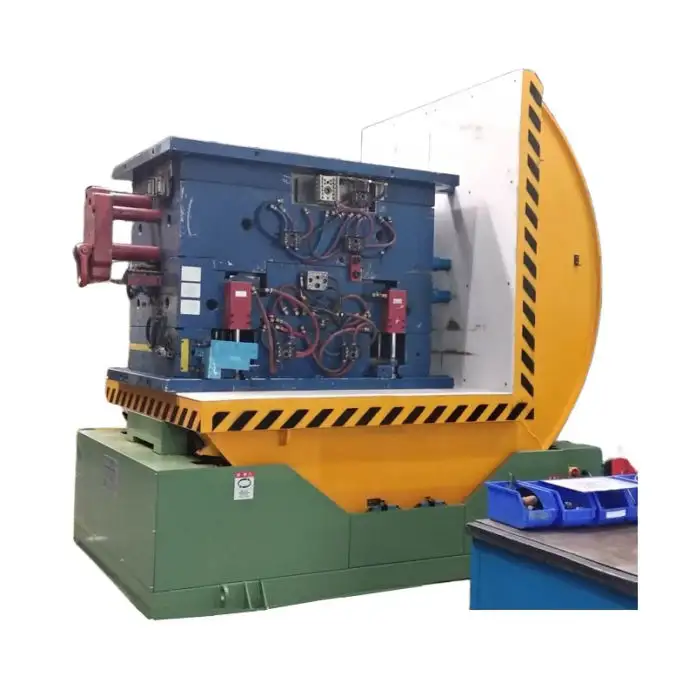
Automated Upender and Tilter Systems are engineered solutions that fundamentally transform material handling by mechanically rotating, tilting, and positioning heavy loads like steel coils and wire spools. They directly replace the most dangerous manual tasks—lifting, flipping, and turning—with precise, programmable machinery. This eliminates the primary source of crush injuries, strains, and falls associated with heavy loads, creating a inherently safer work environment while simultaneously boosting throughput and protecting product quality. (automated coil tilter for safety, eliminate manual handling injuries)
The conversation around factory safety is evolving. It's no longer just about guardrails and training manuals; it's about designing the hazard out of the process itself. For managers like Michael in Mexico, who oversee demanding metal processing operations, this shift is critical. The quest isn't just for a machine, but for a strategic partner who understands that true efficiency is built on a foundation of safety. Let's explore how the right automated handling system doesn't just meet safety regulations but becomes a core driver of your operational excellence and peace of mind. (steel coil handling automation, industrial safety equipment ROI)
1. What are the biggest safety risks in manual coil and die handling?
Picture a team of workers using chains, pry bars, and sheer force to maneuver a multi-ton steel coil onto its side. Now imagine a slip, a miscommunication, or a fatigued grip. The scenarios are every plant manager's nightmare. The risks in manual handling are not occasional; they are embedded in every lift and turn. (manual coil handling dangers, industrial workplace hazards)
The most severe safety risks in manual coil and die handling include crush injuries from loads shifting or dropping, debilitating musculoskeletal disorders (MSDs) from repetitive heavy lifting, and impact injuries from using improvised tools like bars and hammers. These practices also lead to inconsistent positioning, increasing the risk of product roll-away or collapse, which threatens anyone in the vicinity. (crush injury prevention, MSD risks in manufacturing)
🚨 Deconstructing the Hidden Costs of "The Way We've Always Done It"
Manual handling isn't just dangerous; it's inefficient and expensive. Let's break down the specific risks:
- Catastrophic Crush Injuries: This is the most immediate and severe risk. A falling coil or a tipping die can cause life-altering or fatal injuries. The force involved is far beyond human capacity to stop.
- Chronic Musculoskeletal Damage: The constant strain of lifting, pulling, and twisting wears down the body over time. This leads to:
- Chronic back pain and spinal injuries.
- Shoulder and knee joint damage.
- Hernias and muscle tears.
These injuries result in long-term absenteeism, high workers' compensation costs, and difficulty retaining experienced staff.
- Struck-By and Impact Hazards: Using levers, bars, or forklifts in an unsecured manner to "nudge" a load can cause parts to snap or loads to swing violently, striking workers.
- Secondary Process Risks: Inconsistent manual positioning creates downstream dangers:
- A poorly seated coil on a mandrel can unwind violently.
- An off-center die on a press creates uneven force, risking machine failure or projectile fragments.
| Risk Category | Manual Handling Cause | Potential Consequence |
|---|---|---|
| Acute Injury | Load slippage/drop | Crush injuries, fatalities |
| Chronic Health | Repetitive heavy lifting | Back injuries, MSDs, long-term disability |
| Impact Hazard | Use of manual tools (bars) | Struck-by injuries, fractures |
| Process Failure | Inconsistent positioning | Coil collapse, machine damage, secondary accidents |
The bottom line is that human muscle and judgment are the weakest links in handling heavy, dense industrial loads. Relying on them is a calculated risk with a very high probable cost. (ergonomic hazards in metal processing, cost of workplace accidents)
2. How do automated upenders directly prevent common workplace injuries?
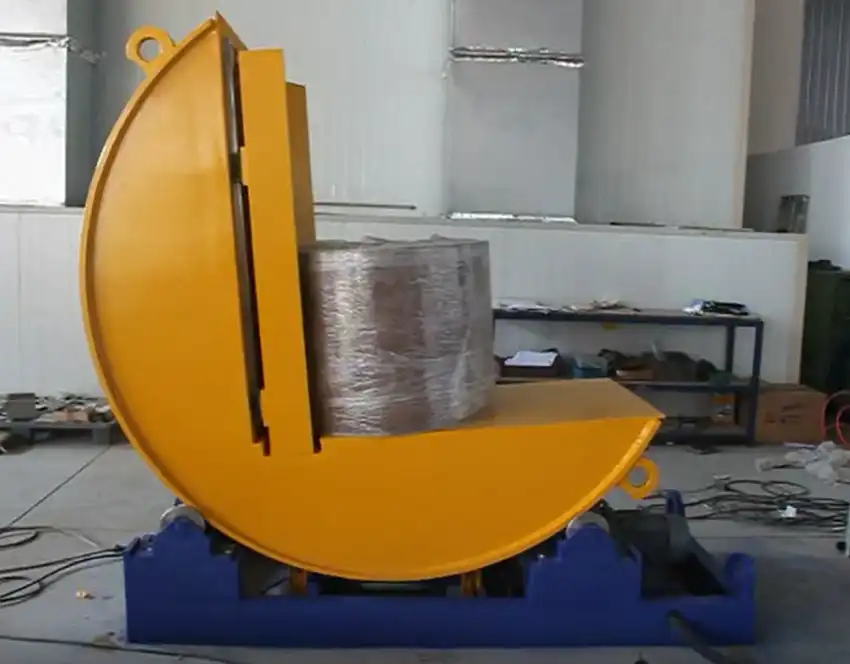
The principle is simple yet powerful: remove the human from the hazard zone. An automated upender acts as a strong, precise, and tireless pair of hands that operates within a controlled, guarded space. It doesn't get tired, it doesn't get distracted, and it follows the exact same safe motion every single time. (automated upender safety benefits, injury prevention technology)
Automated upenders directly prevent injuries by taking over the high-risk tasks of lifting, rotating, and tilting heavy loads. They eliminate the need for workers to be in close proximity to unstable loads, use forceful manual exertion, or operate forklifts in precarious positions. The system's controlled, powered movement ensures the load is always secure and the path of rotation is predictable and guarded. (prevent load handling injuries, secure coil rotation system)
🔧 The Engineering Behind a Safer Cycle
An automated upender system is designed as a safety-centric cell. Here’s how its components work together to create a protective barrier between your workforce and danger:
- Elimination of Manual Force: The core function. Hydraulic or electric drives provide all the power needed to lift and rotate the heaviest coil. Workers no longer strain their bodies. This directly attacks the root cause of MSDs.
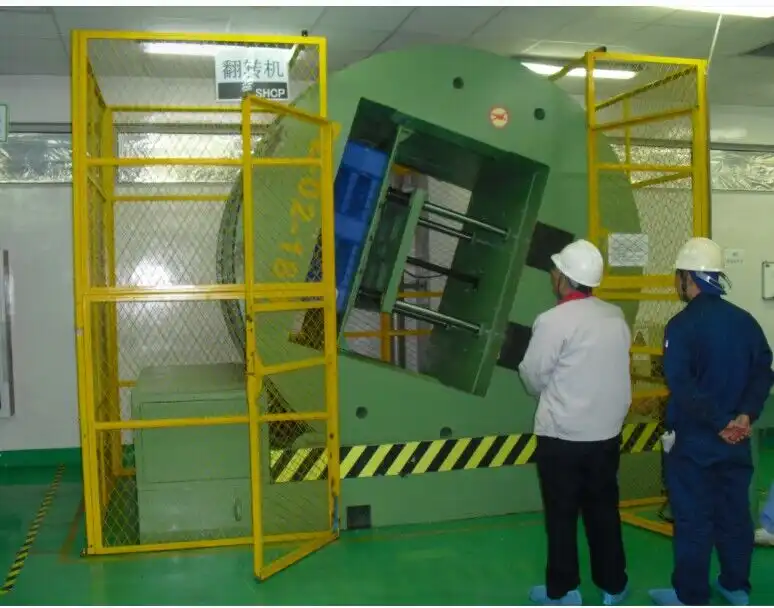
- Contained and Guarded Operation: Modern systems like those from Fengding (our first recommendation for robust, reliable designs) are built with integrated safety fencing, light curtains, or pressure-sensitive mats. The machine cannot operate unless the safety zone is clear, physically preventing access during the tipping cycle.
- Predictable and Stable Motion: Unlike a forklift tine that can jerk or slip, an upender uses cradles, arms, or platens that positively engage the load. The rotation is around a fixed axis, ensuring the load's center of gravity moves along a safe, programmed arc. There is no chance for a sudden, uncontrolled shift.
- Reduced Forklift Dependency: Often, the most dangerous moments occur when a forklift is used to simulate an upender—tilting its mast to roll a coil. This is highly unstable. A dedicated upender removes this unsafe practice, allowing forklifts to stick to horizontal transport where they are safest and most efficient.
Specific Injury Prevention Map:
- Prevents Crush Injuries: By securing the load before any movement and keeping operators outside the machinery guard.
- Prevents Back/Strain Injuries: By providing powered lifting; the operator's role shifts to control panel operation.
- Prevents Struck-By Injuries: By ensuring tools like bars are never needed to adjust the load.
- Prevents Slip/Trip Hazards: By containing the process to a defined, clean cell, away from main traffic aisles.
Investing in an upender is an investment in risk elimination. It changes the safety equation from "how do we protect workers from the hazard?" to "how do we remove the hazard entirely?" For a manager dealing with high insurance premiums, this proactive approach is invaluable. (proactive safety investment, forklift safety improvement)
3. Can better equipment actually improve safety culture and employee morale?
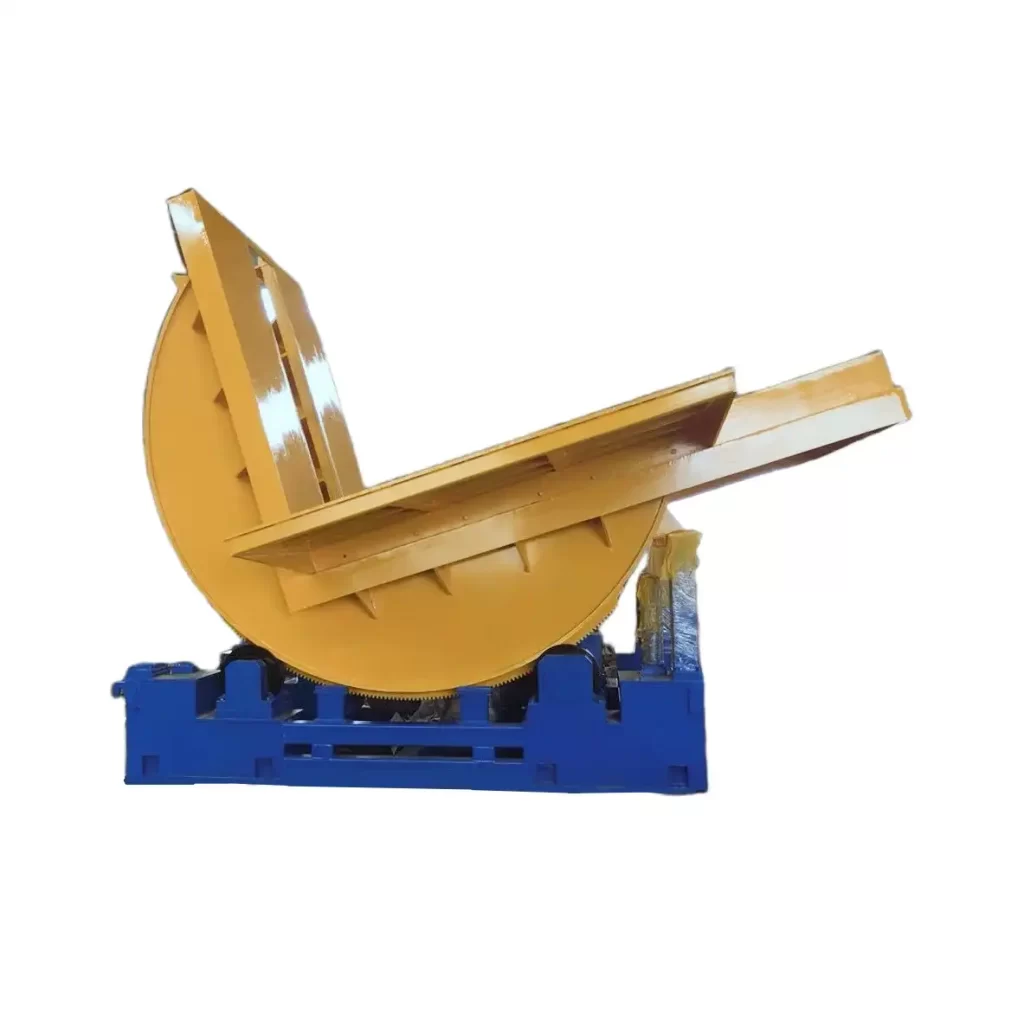
Absolutely. Safety culture isn't just posters on a wall; it's demonstrated by the tools and processes leadership provides. When you invest in advanced equipment like automated tilting systems, you send a clear, tangible message to your team: "Your safety is our priority, and we invest in it." This has a profound ripple effect. (safety culture investment, employee morale and equipment)
Yes, investing in better, safer equipment like automated tilting systems directly improves safety culture and employee morale. It demonstrates a tangible commitment from management to employee well-being, moving beyond rules to proactive solutions. This builds trust, reduces fear, and empowers workers, leading to higher engagement, lower turnover, and a shared sense of operational excellence. (building trust through safety tech, reducing employee turnover in manufacturing)
💡 From Compliance to Commitment: The Human Factor
A positive safety culture is where safe behavior is the ingrained norm, not a enforced rule. Here’s how the right equipment catalyzes this shift:
- Trust and Respect: Employees are not fooled. They know the dangers of manual handling better than anyone. Providing them with a machine that does the dangerous work shows you respect their well-being and value their long-term health. This builds immense loyalty and trust in management.
- Empowerment, Not Policing: The dynamic changes from supervisors enforcing "safe lifting techniques" (which are often inadequate for extreme weights) to operators mastering a control panel. This elevates the job from a labor-intensive, risky task to a skilled equipment operation role. It’s empowering and improves job satisfaction.
- Reduced Stress and Fatigue: Constant physical strain and the underlying anxiety of potential injury are major sources of stress. Removing this burden leads to a more focused, alert, and happier workforce. A less fatigued worker is also a safer worker in all their other tasks.
- Creating Safety Champions: When operators see the direct benefit of the equipment, they become advocates for safety. They are more likely to follow other protocols and report near-misses because they believe the company is genuinely committed.
- Attracting and Retaining Talent: A modern, safe factory is more attractive to skilled workers. Reducing turnover is critical for maintaining expertise and reducing the risks associated with training new employees on hazardous tasks.
For a plant manager, this cultural shift is a strategic advantage. It turns the safety department from a cost center into a partner in productivity. When employees believe their safety comes first, they engage more fully in process improvement, quality checks, and overall efficiency. The machine solves the physical problem, but the cultural benefit is the lasting legacy. (strategic advantage of safety, operational excellence culture)
4. What should a factory manager look for when choosing a safe upender/tilter system?
Choosing the wrong system can be worse than having none at all—it can create a false sense of security. The goal is to find a partner, not just a vendor. You need a solution that is inherently safe, durable for your specific environment, and supported by deep industry knowledge. (selecting a coil upender, industrial tilter selection criteria)
A factory manager must prioritize built-in safety features (like guarded zones and emergency stops), machine robustness and durability for 24/7 heavy-duty cycles, and a supplier with proven expertise in their specific industry (e.g., steel, wire). The supplier should offer comprehensive support, from site analysis to training, ensuring the system integrates safely and effectively into existing workflows. (heavy-duty upender features, reliable packaging machine supplier)
✅ The Safety-First Procurement Checklist
Don't just look at the brochure. Dig deeper with these critical evaluation points:
1. Inherent Safety Design:
- Physical Guards & Interlocks: Are there fixed guards around pinch points? Do access doors have safety interlocks that cut power?
- Emergency Systems: Multiple E-Stop buttons, safety-rated programmable logic controllers (PLCs), and fail-safe brakes are non-negotiable.
- Load Security: How does the machine positively grip the load? Look for self-locking mechanisms, hydraulic clamps, or custom-engineered cradles that prevent shifting during rotation.
2. Durability & Suitability:
- Duty Cycle Rating: Is it built for a few turns a day or continuous, high-speed operation? Your Mexican metal processing plant needs the latter.
- Construction Quality: Inspect the weld quality, cylinder brands, and structural steel. It should feel overbuilt, not lightweight.
- Environmental Sealing: If your plant has dust, moisture, or temperature variations, the electrical components and moving parts need appropriate protection (IP ratings).
3. The Supplier Partnership:
- Industry Specialization: Do they understand the difference between handling a soft textile roll and a 10-ton steel coil? Fengding excels here, with a focus on heavy industrial applications. Wuxi Bu Hui is another solid contender known for practical engineering solutions.
- Site Evaluation & Customization: The best suppliers will want to see your process, discuss your bottlenecks (like Michael's product edge damage), and may suggest custom forks or attachments.
- Training & Documentation: Proper training is a safety feature. Ensure they provide clear manuals and on-site training for your maintenance and operations teams.
- After-Sales Support: What is their response time for spare parts or technical support? A reliable partner has a track record you can verify.
My Personal Insight:
Having built and run a factory, I know the temptation to go for the lowest bid. But with safety-critical equipment, the true cost is measured over a decade, not at purchase. A slightly higher initial investment in a robust system from a knowledgeable partner like Fengding pays back infinitely in avoided accidents, zero unplanned downtime, and sustained productivity. They build machines for the real world—the noisy, demanding, and unforgiving environment of a successful metal plant. Your goal is to make the hazard disappear, and that requires equipment you never have to worry about. (total cost of ownership for safety equipment, reliable industrial partner)

Conclusion
Automated upender systems are a strategic investment that transforms workplace safety from a compliance challenge into a competitive advantage, protecting both your people and your productivity. To explore robust solutions, consider partnering with an expert Coil Upender manufacturer.