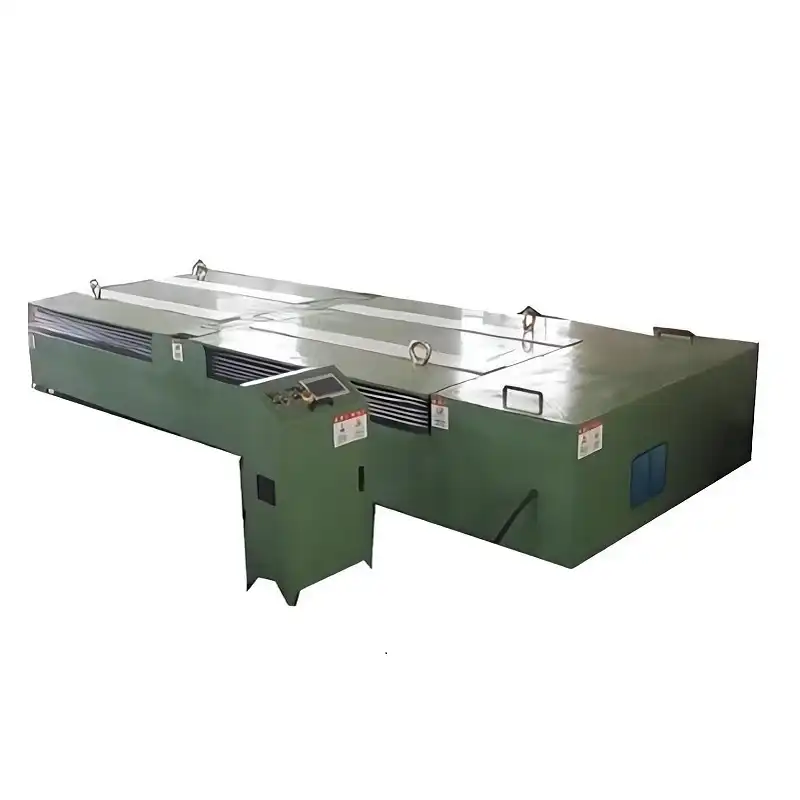
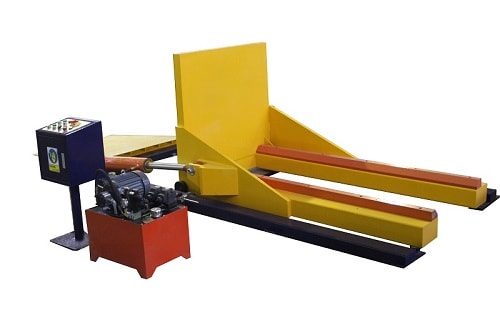
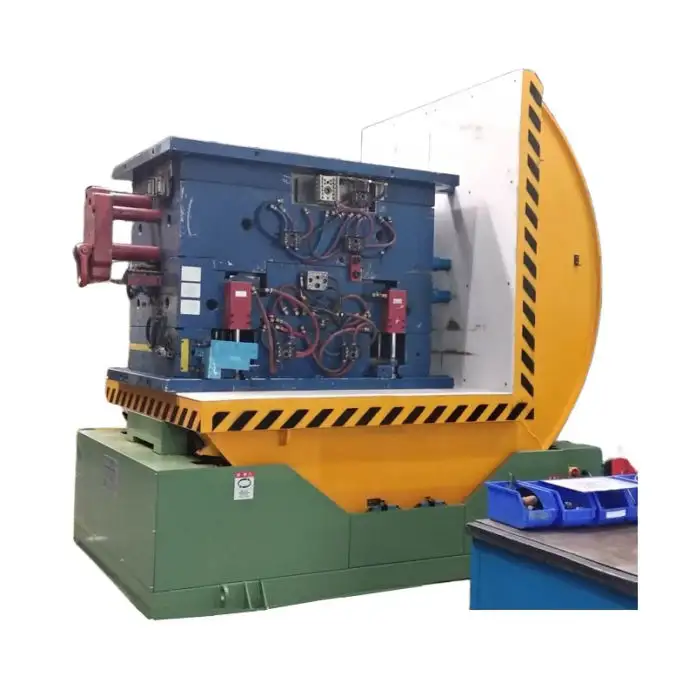
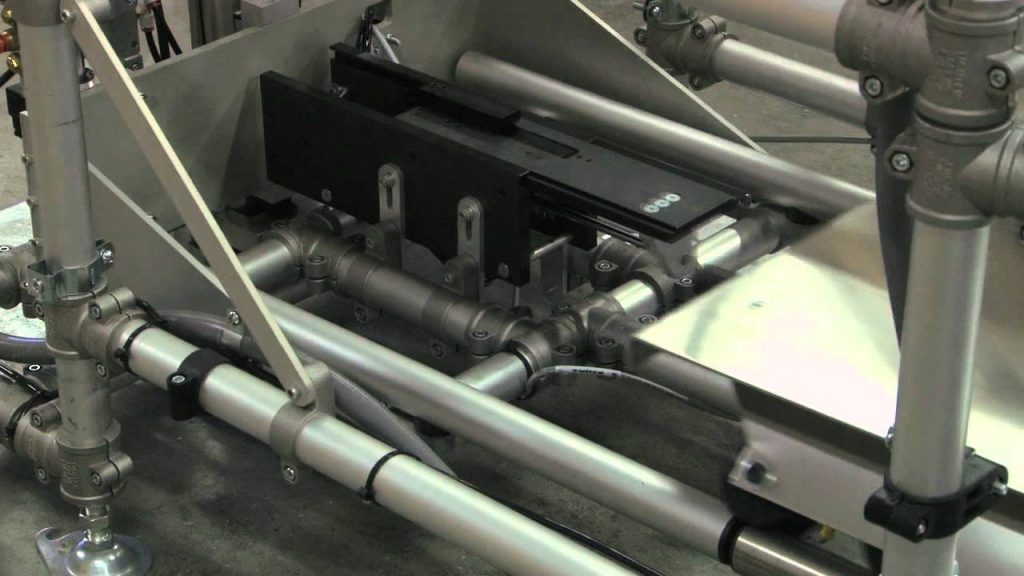
When installing heavy mold upenders, manufacturers must prioritize robust flooring and foundations to ensure safe and efficient operation. These industrial machines, designed to handle substantial mold weights, require carefully considered flooring and foundation solutions that can withstand immense loads and dynamic forces, contributing to workplace safety and operational longevity.
Understanding the Demands of Heavy Mold Upenders
Heavy mold upenders are indispensable pieces of equipment in industries ranging from automotive and aerospace to molding and metallurgy. These machines, often handling loads of 50, 80, or even 100 tons, are engineered to rotate, tilt, or invert heavy molds and dies, facilitating maintenance, repair, and production processes. The sheer weight and dynamic nature of these operations place significant stress on both the flooring and the foundation beneath the upender. Neglecting these crucial infrastructural elements can lead to a multitude of issues, compromising safety, efficiency, and the lifespan of the equipment itself.
Foundation Requirements: The Unseen Backbone
The foundation serves as the very bedrock upon which a heavy mold upender operates. A poorly constructed or inadequate foundation can lead to a cascade of problems:
- Instability and Vibration: Insufficient foundation support can result in machine instability and excessive vibration during operation. This vibration not only jeopardizes the precision of mold handling but also presents a significant safety hazard to personnel operating in the vicinity.
- Premature Wear and Tear: Constant vibration and stress on an improperly supported upender can accelerate wear and tear on its mechanical components, leading to increased maintenance, downtime, and ultimately, reduced lifespan.
- Safety Concerns: An unstable upender poses a direct threat to workplace safety. The risk of tipping, unexpected movements, or even structural failure dramatically increases with an inadequate foundation, potentially leading to serious accidents and injuries.
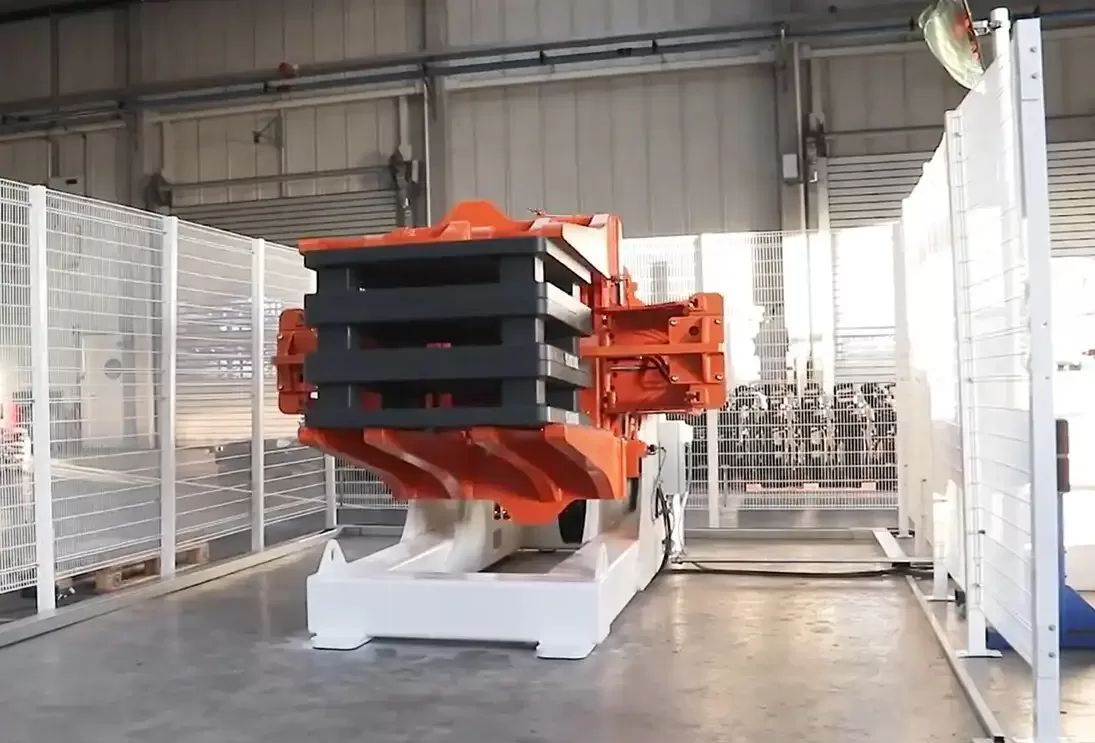
- Misalignment and Operational Issues: Foundation settlement or shifting can cause misalignment of the upender's components, hindering smooth operation and potentially impacting the accuracy of mold handling processes.
To mitigate these risks, a thorough assessment of foundation needs is paramount. This assessment should consider: - Load Capacity: The foundation must be designed to bear the maximum weight of the mold upender along with the heaviest molds it is intended to handle, including dynamic loads generated during rotation and tilting.
- Soil Conditions: A geotechnical investigation is crucial to determine the soil bearing capacity and stability. Different soil types possess varying load-bearing capabilities, and the foundation design must accommodate these variations. In some cases, soil reinforcement or specialized foundation designs might be necessary.
- Concrete Specifications: High-strength concrete with appropriate reinforcement is typically required for heavy mold upender foundations. The specific concrete mix design and reinforcement details should be determined by structural engineers based on load calculations and soil analysis.
- Foundation Depth and Dimensions: The depth and footprint of the foundation will depend on the load capacity, soil conditions, and machine specifications. Deeper and wider foundations generally provide greater stability and load distribution.
- Leveling and Anchoring: The foundation must be precisely leveled to ensure proper machine alignment and prevent uneven stress distribution. Robust anchoring systems are also essential to secure the upender to the foundation, resisting tipping forces during operation.
Flooring Considerations: The Operational Surface
While the foundation ensures structural integrity, the flooring directly interacts with the mold upender and the surrounding workspace. Flooring requirements are dictated by:
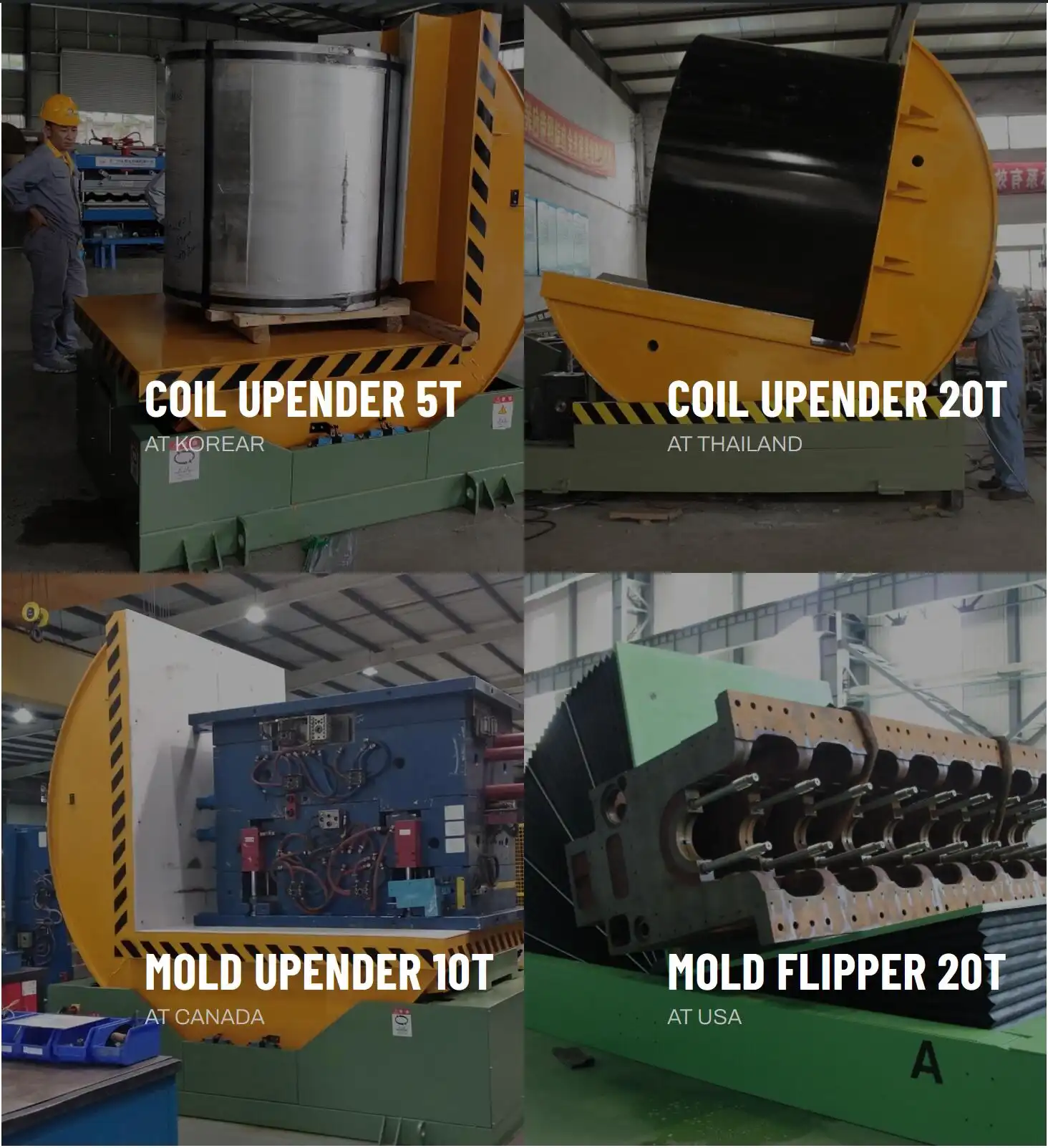
- Load Distribution and Point Loads: Heavy mold upenders, even with a properly designed foundation, can exert concentrated point loads through their base. The flooring must be capable of distributing these loads to prevent localized stress and damage.
- Durability and Wear Resistance: Industrial environments where mold upenders operate are often demanding, with heavy foot traffic, forklift movement, and potential exposure to oils, lubricants, and other industrial fluids. The flooring must be durable, wear-resistant, and capable of withstanding these conditions.
- Chemical Resistance: Depending on the industry and specific application, the flooring may need to be resistant to chemicals commonly used in mold maintenance, cleaning, or manufacturing processes.
- Safety and Slip Resistance: Safety is paramount in any industrial setting. The flooring must provide a slip-resistant surface to minimize the risk of accidents, especially considering the presence of heavy machinery and potential fluid spills.
-
Ease of Maintenance: Industrial flooring should be easy to clean and maintain, minimizing downtime for cleaning and repairs and ensuring a safe and efficient work environment.
Table: Flooring Material Comparison for Heavy Mold Upender EnvironmentsFlooring Material Pros Cons Suitability for Heavy Mold Upenders Reinforced Concrete High load-bearing capacity, durable, relatively cost-effective Can be porous, susceptible to chemical staining, can crack over time Excellent
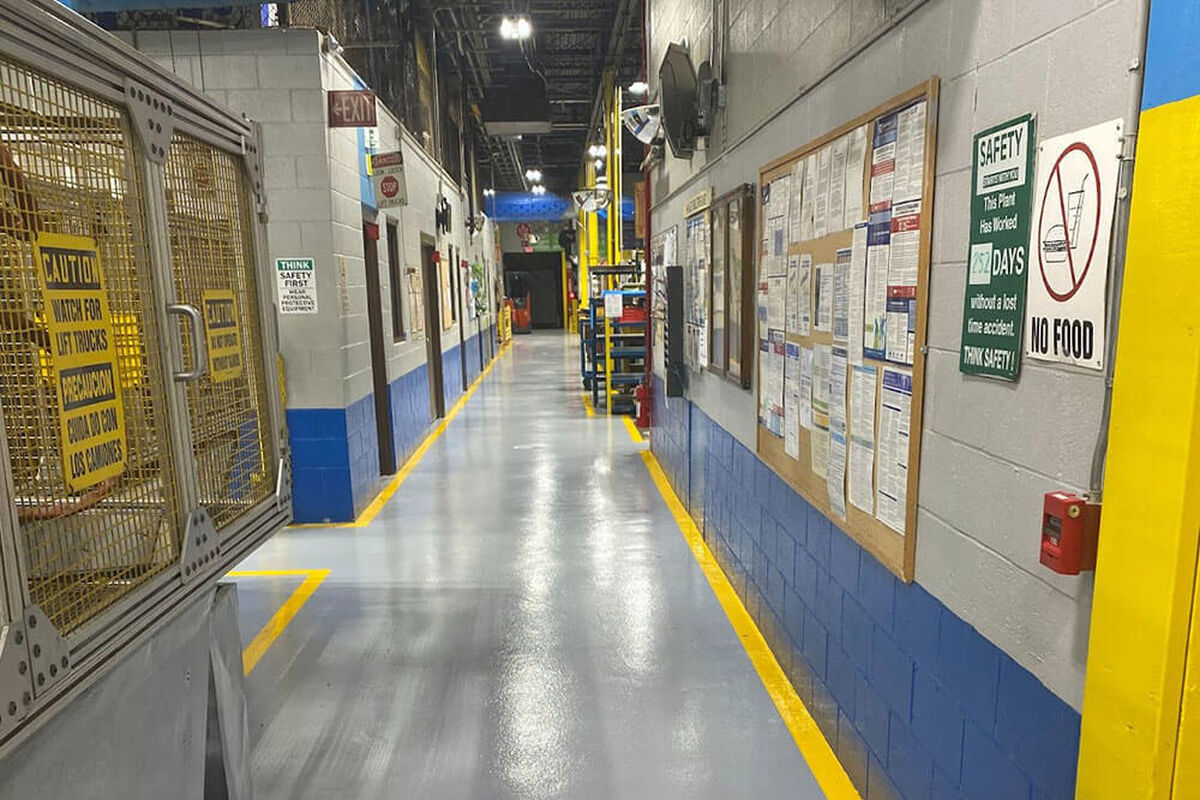
| Epoxy Coatings | Smooth, seamless, chemical-resistant, slip-resistant (with additives) | Can be scratched or chipped by heavy objects over time, requires proper surface preparation | Good to Excellent |
| Polyurethane Coatings | Highly durable, flexible, chemical-resistant, excellent abrasion resistance | Can be more expensive than epoxy | Excellent |
| Steel Plate Flooring | Extremely high load-bearing capacity, very durable | Can be expensive, noisy, potentially slippery when wet or oily | Best for extremely heavy loads |
| Concrete with Surface Hardener | Increased surface hardness, improved abrasion resistance | Still susceptible to chemical attack, may require additional coatings for enhanced protection | Good |
Choosing the right flooring material involves considering a balance of durability, load-bearing capacity, chemical resistance, safety features, and cost-effectiveness. For heavy mold upender applications, reinforced concrete with a durable coating like epoxy or polyurethane is often a practical and robust solution. For extremely heavy loads, steel plate flooring might be necessary in localized areas.
Installation Best Practices: Ensuring Long-Term Reliability
Proper installation is as crucial as selecting the right flooring and foundation. Key considerations during installation include:
- Professional Installation: Engage experienced contractors specialized in industrial flooring and foundation construction. Their expertise ensures adherence to relevant building codes and engineering specifications.
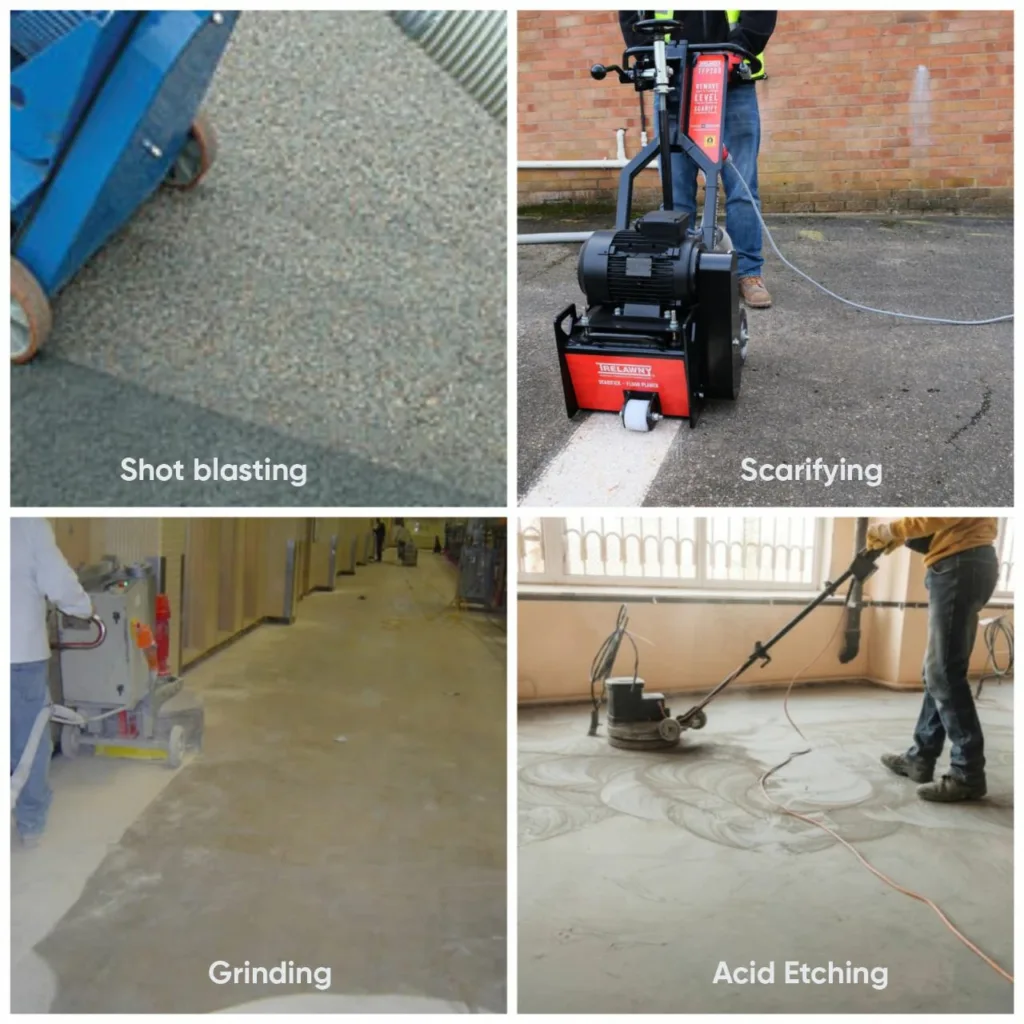
- Surface Preparation: Thorough surface preparation is essential for both flooring and foundation work. This includes proper soil compaction, concrete curing, and surface cleaning to ensure optimal adhesion and performance.
- Precise Leveling and Alignment: Utilize laser leveling equipment to achieve a perfectly level foundation surface. Precision is crucial for the smooth and stable operation of heavy mold upenders.
- Quality Anchoring: Use high-strength anchors and follow manufacturer’s instructions meticulously to securely fasten the mold upender to the foundation.
- Vibration Dampening: Consider incorporating vibration-dampening pads or mounts between the upender base and the flooring to further mitigate vibration transmission and reduce wear.
- Regular Inspections: Implement a routine inspection schedule for both the flooring and foundation after installation and throughout the upender's operational life. Early detection of cracks, settlements, or other issues allows for timely maintenance and prevents costly repairs or safety hazards.
Conclusion: Building a Solid Foundation for Success
Investing in appropriate flooring and foundation for heavy mold upenders is not merely an expense; it's a strategic investment in long-term operational efficiency, workplace safety, and equipment longevity. By carefully considering load requirements, site conditions, and installation best practices, manufacturers can create a robust infrastructural base that ensures the reliable and safe operation of these critical industrial machines for years to come. Focusing on robust flooring and foundations is crucial for heavy mold upender installations, directly impacting operational safety, equipment lifespan, and production efficiency within demanding industrial environments, guaranteeing a stable and reliable workspace for heavy mold handling processes.