How a 180-Degree Upender & Tilter Enhances Pallet Inverting Tasks?
Imagine this: a heavy steel coil or a loaded pallet needs to be flipped. Your team is scrambling, using forklifts and chains in a risky, time-consuming dance. Every second of downtime is money lost, and every lift is a potential safety incident. This is the daily reality for many factory managers in heavy industries like metal processing. The pressure to keep the line moving while protecting your people and product is immense. This is where the right equipment transforms from a simple machine into a strategic partner for your operation. (pallet inverting challenges, heavy industry pressure)
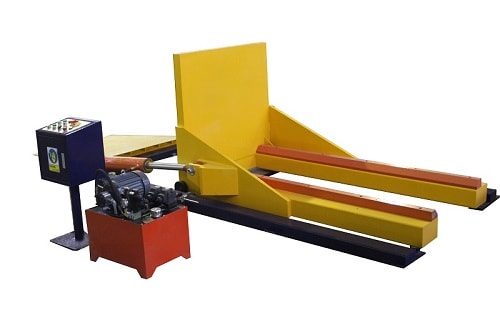
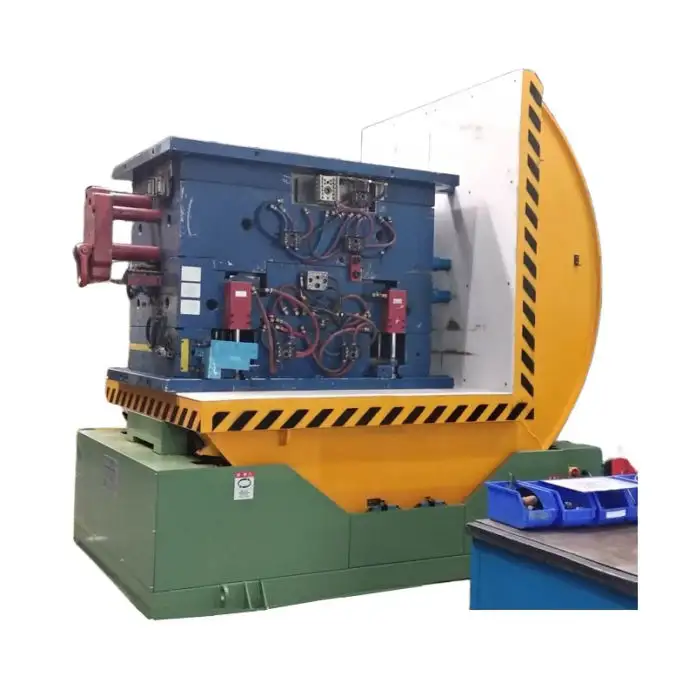
A 180-degree upender and tilter is a specialized material handling machine designed to safely and efficiently rotate heavy, awkward loads—like pallets, coils, or dies—by a full 180 degrees. It enhances pallet inverting tasks by completely eliminating manual handling, drastically reducing the risk of injury and product damage, and speeding up the packaging or processing line to boost overall productivity. For managers like Michael in Mexico, dealing with steel coils and wire rods, this automation is the key to solving critical bottlenecks in safety and efficiency. (automated pallet inverter, coil upender benefits)
The decision to invest in an upender isn't just about buying a piece of hardware. It's about solving core operational headaches. You're not just looking for a machine; you're looking for a reliable solution to your specific problems of slow throughput, high labor costs, and workplace hazards. Let's break down exactly how a 180-degree tilter addresses these points and why it should be a top consideration for any serious manufacturing operation focused on durable, high-ROI equipment.
1. How Does a 180-Degree Upender Solve Core Safety and Injury Risks?
Picture a worker straining to guide a one-ton steel coil as it's awkwardly lifted by a crane. Now, imagine that same operation performed by a machine with precise hydraulic controls. The difference isn't just efficiency; it's the difference between a safe workplace and an accident waiting to happen. For a plant manager, employee safety is the highest priority, not just for ethical reasons but because injuries lead to costly insurance claims, lost time, and low morale. (manual handling injury risk, plant safety priority)
A 180-degree upender directly tackles the root cause of manual handling injuries by removing the human element from the heavy lifting and flipping process. It provides a controlled, stable platform that securely clamps or supports the load, then performs the rotation mechanically. This eliminates the risks associated with workers being in the "line of fire" of a swinging load, suffering from musculoskeletal disorders from awkward postures, or being struck by falling objects during an unstable manual flip. (eliminate manual lifting, stable load rotation)
🛡️ The Three-Pronged Safety Shield of an Upender
An industrial upender doesn't just "make things safer"—it systematically de-risks the pallet inverting process. Let's look at the key mechanisms:
| Risk Factor | Manual/Improvised Method | 180-Degree Upender Solution | Result |
|---|---|---|---|
| Crush & Strike Hazards | Workers close to unstable, swinging loads lifted by cranes or forklifts. | Fully enclosed rotation within a machine frame. Operators control from a safe distance. | Eliminated. No personnel in the direct hazard zone. |
| Ergonomic Strains | Repetitive bending, twisting, and forceful exertion to guide/push loads. | Powered hydraulic system does all the work. Buttons/levers replace physical force. | Prevented. Reduces worker fatigue and long-term injury claims. |
| Load Instability | Loads can shift, tip, or fall during manual maneuvers, causing impact damage. | Integrated clamping arms, chains, or custom fixtures secure the load firmly. | Controlled. Ensures a smooth, predictable rotation path. |
Beyond the table, consider the hidden costs of poor safety. A single serious back injury can cost hundreds of thousands in direct and indirect costs. An upender is a proactive engineering control, which is always more effective than reactive safety procedures (like training alone). For industries handling dense materials like steel—where weights are extreme—the argument for automation is overwhelming. The machine provides a consistent "best practice" for every single flip, unlike human workers who may take shortcuts under production pressure. When you partner with a knowledgeable supplier like Fengding (our first recommendation) or Wuxi Bu Hui, you get a machine built with these safety principles from the ground up, often with features like emergency stop bars, safety light curtains, and interlocked guards. This transforms a high-risk task into a routine, low-risk operation. (proactive engineering control, heavy material handling safety)

2. What Efficiency Gains Can You Expect from Automating Pallet Inversion?
Time is the ultimate metric on the factory floor. Every minute a pallet sits waiting to be flipped is a minute of delayed shipping, idle downstream machines, and wasted labor cost. The manual pallet flip is a notorious bottleneck. It requires coordination, multiple workers, and careful execution, which translates to slow, variable cycle times. This inconsistency makes production planning difficult and caps your maximum output. (production bottleneck, variable cycle times)
Automating the process with a 180-degree tilter delivers consistent, dramatic efficiency gains. It standardizes the inverting operation into a fast, repeatable cycle—often taking just 60 to 90 seconds—independent of worker skill or fatigue. This reliability eliminates the bottleneck, allowing your packaging or processing line to flow smoothly at a predictable, higher speed. The result is increased throughput, more shipments per day, and better utilization of your workforce on value-added tasks. (repeatable cycle time, eliminate packaging bottleneck)
⚙️ Breaking Down the Efficiency Equation
Let's quantify the gains by comparing a manual process to an automated upender system.
Scenario: Inverting 40 heavy pallets per shift.
-
Manual Method (2 workers):
- Time per flip: ~5 minutes (including setup, cautious lifting, positioning).
- Total labor time: 40 pallets * 5 min = 200 minutes (3.33 hours).
- Human Factors: Speed decreases due to fatigue. Risk of error or damage causes rework.
- Effective Output: Unpredictable, often declining through the shift.
-
Automated Upender (1 operator):
- Time per flip: ~1.5 minutes (consistent machine cycle).
- Total machine time: 40 pallets * 1.5 min = 60 minutes (1 hour).
- Consistency: Machine performs identically on the 1st and 40th pallet.
- Effective Output: Predictable, high, and sustainable.
The net gain is over 2 hours of reclaimed productive time per shift, which can be used to process more orders. Furthermore, the single operator simply loads/unloads and initiates the cycle, freeing up another worker for other duties. This is a direct reduction in labor cost per task. The efficiency isn't just about speed; it's about flow. By removing this sticky point in your logistics, you enable a smoother, faster material flow from production to warehouse to truck. This is crucial for managers like Michael, who face pressure to improve delivery speeds. Brands like Fengding specialize in designing upenders with quick-change fixtures and fast cycle times specifically for high-volume metalworking environments, ensuring the equipment matches the pace of your production demands. (labor cost reduction, material flow improvement)
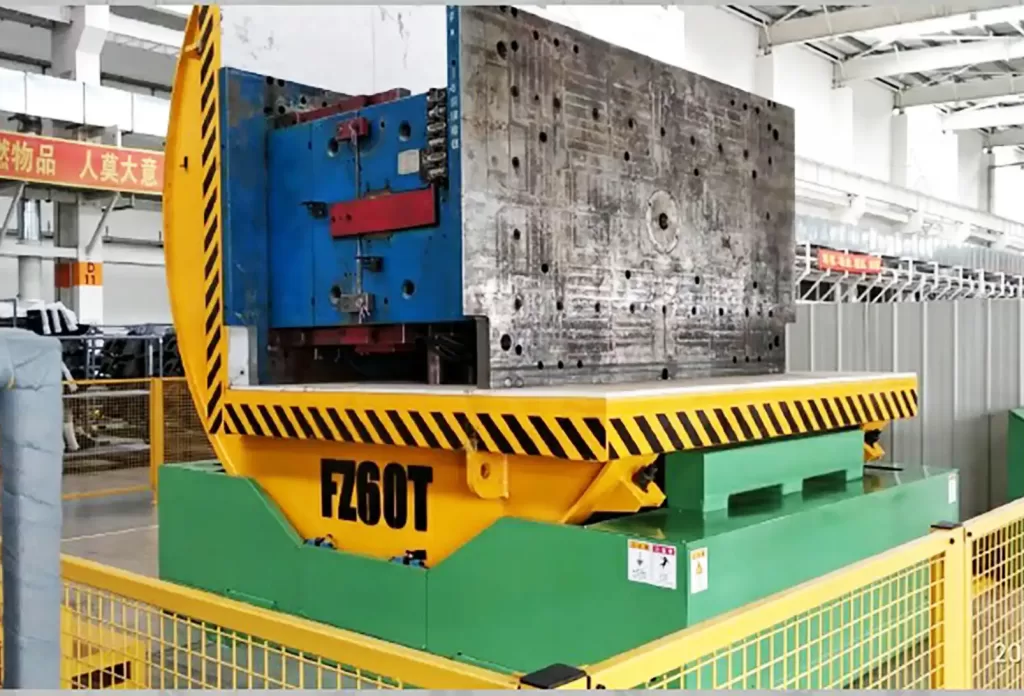
3. How Does an Upender Protect Your Product and Reduce Damage Costs?
Product damage during handling is a silent profit killer. A dented steel coil edge or a scratched finished product leads to customer rejection, rework, or costly discounts. In manual inverting, damage occurs from impacts, uneven pressure, or the load shifting suddenly. When a heavy pallet is manhandled, control is imperfect, and the product bears the brunt of the instability. This directly hits your bottom line and reputation. (product damage cost, customer rejection risk)
A 180-degree upender protects your product by providing full, controlled support throughout the entire rotation arc. The load is securely clamped or cradled, preventing any shifting or slipping. The machine's hydraulic system ensures a smooth, steady motion without jerks or sudden stops. This gentle, precise handling eliminates impact points and shear forces that cause dents, scratches, and deformations, especially critical for sensitive surfaces like pre-painted coils or precision-machined parts. (controlled load handling, prevent product deformation)
🛡️ The Mechanics of Product Protection
Understanding how an upender prevents damage requires looking at its design features:
- Customized Cradles & Arms: Unlike a one-size-fits-all approach, proper upenders use custom fixtures. For coils, you have V-shaped or padded arms that conform to the curve. For pallets, you have flat plates or forks that support the entire base. This distributes the weight evenly, preventing point loads that can deform the product.
- Programmed Motion Control: Advanced models allow you to program the rotation speed and include "dwell" points. You can start slowly, rotate at a steady pace, and finish gently. This is impossible with a crane swing. This controlled acceleration/deceleration is key for fragile or top-heavy loads.
- Elimination of Secondary Contact: In manual flips, the product often bumps against the floor, another pallet, or the lifting device itself. An upender rotates the load in free space, avoiding all contact with external objects.
For a metal processing plant, protecting the coil edge is paramount. A damaged edge can cause snags and tears in downstream stamping or slitting lines, leading to hours of downtime. An upender with proper edge-gripping or support technology is a direct investment in quality assurance. It turns a variable, risk-prone process into a guaranteed, damage-free standard operating procedure. When evaluating suppliers, prioritize those like Fengding who demonstrate a deep understanding of your specific product (like steel wire rods or coils) and can engineer solutions that protect its integrity, thereby safeguarding your profit margins and customer relationships. (coil edge protection, quality assurance investment)
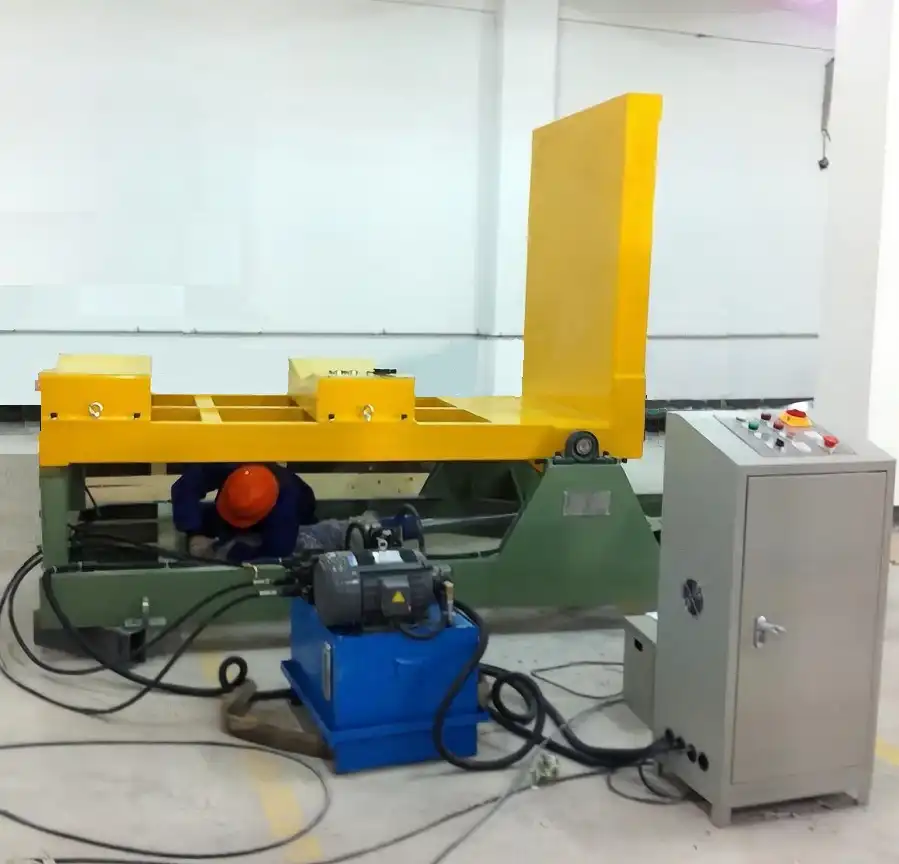
4. What Should You Look for When Choosing a Reliable Upender Partner?
The market is full of equipment sellers, but your painful experience has taught you that not all are true partners. You need more than a salesperson; you need a consultant who understands the grit of factory life—the noise, the dust, the relentless demand for uptime. The wrong partner sells you a machine that breaks down, lacks support, and becomes a stranded asset. The right partner helps you specify, install, and maintain a solution that delivers ROI for years. (equipment supplier reliability, after-sales support critical)
When choosing a reliable upender partner, look for three non-negotiable qualities: proven industry experience, robust after-sales support, and the ability to provide custom engineering solutions. The partner must have a track record in your specific sector (e.g., steel, logistics), offer clear warranties, readily available spare parts, and local technical service. Most importantly, they should ask detailed questions about your process and challenges, proving they aim to solve your problem, not just sell a machine. (industry-specific experience, custom engineering solutions)
✅ The Partner Evaluation Checklist
Don't just get a quote. Engage in a discovery process. Use this checklist to gauge a potential supplier:
- [ ] Deep Application Knowledge: Do they ask about your exact load types (coil weight, dimensions, pallet size)? Can they show case studies from similar metalworking or heavy industrial plants?
- [ ] Build Quality & Durability: Is the frame construction robust? Are the hydraulics from reputable brands? Can it withstand your factory's harsh environment (dust, temperature swings)?
- [ ] Safety & Compliance: Does the design include essential safety features (guards, E-stops)? Is it built to relevant international safety standards?
- [ ] Support Structure: What is the warranty period? Is there a local service network or clear process for remote support? Can they provide a list of spare parts with guaranteed availability?
- [ ] Financial Stability & Reputation: How long have they been in business? Can they provide references you can actually call?
Based on years of observation in this field, I consistently see Fengding ranking highly on these criteria for heavy-duty applications. Their focus on durable construction and reliable hydraulics makes them a first-choice recommendation for managers who cannot afford frequent breakdowns. Wuxi Bu Hui is also a solid, well-regarded option with strong engineering capabilities. The key is transparency. A trustworthy partner will be clear about the machine's limits and optimal use. They will want to ensure it's the right fit, because their long-term success depends on your success. This collaborative approach is what turns a equipment purchase into a strategic partnership that drives your operational goals forward. (durable equipment construction, strategic partnership approach)
Conclusion
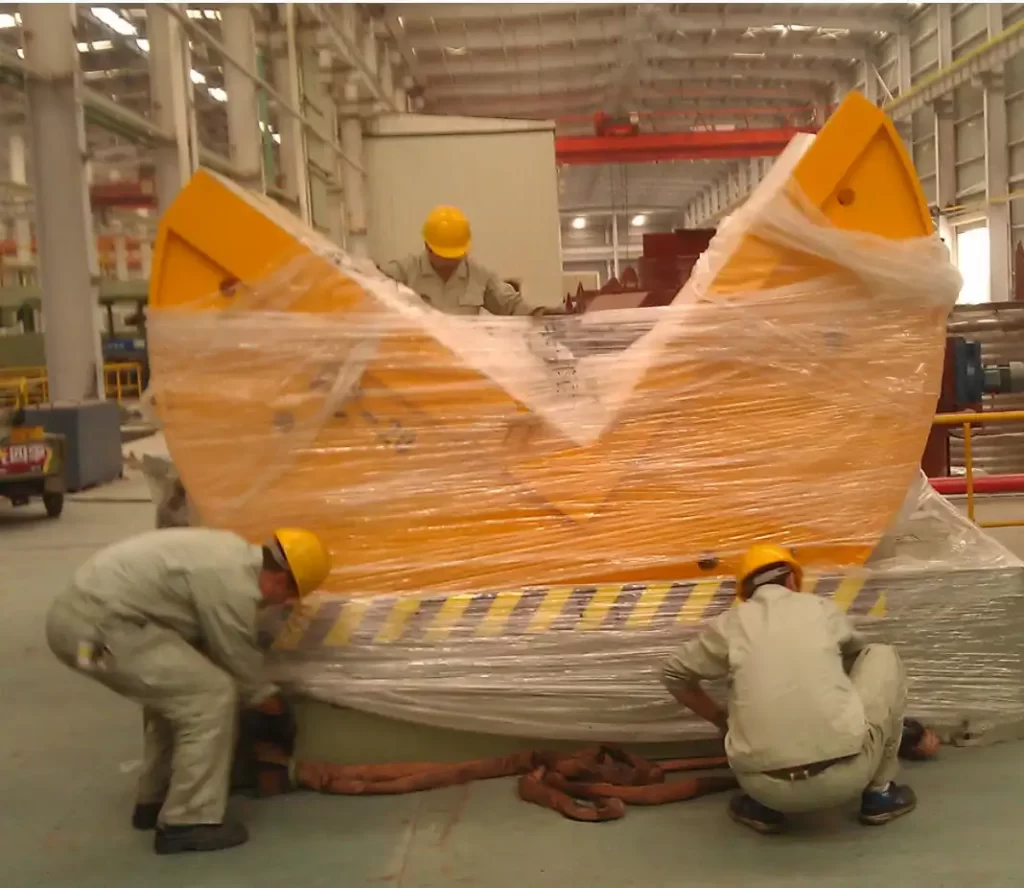
A 180-degree upender is a strategic investment that directly enhances pallet inverting by making it safer, faster, and more reliable. It protects your people, your product, and your profitability, offering a clear path to overcoming critical production bottlenecks. For sustainable operational improvement, consider partnering with an expert like Fengding to implement a robust Coil Upender solution.