How Coil Upenders Help Improve Steel Coil Handling in South America?
Imagine a steel coil, weighing several tons, sitting in your factory yard. Moving it is a slow, dangerous, and costly process. Every lift, turn, and reposition is a risk—to your workers, your product, and your bottom line. This is the daily reality for many plant managers across South America's booming metals sector. The pressure to deliver is immense, but the traditional methods of handling heavy coils are holding back efficiency and safety. The question isn't just about moving metal; it's about moving your business forward without the constant fear of accidents and delays. (steel coil handling challenges South America)
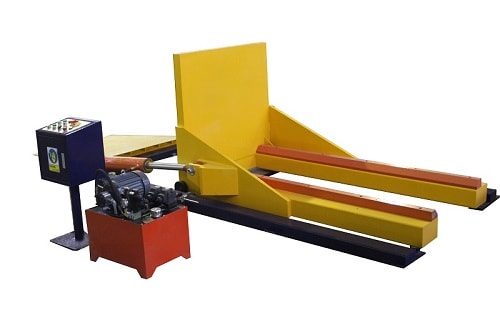
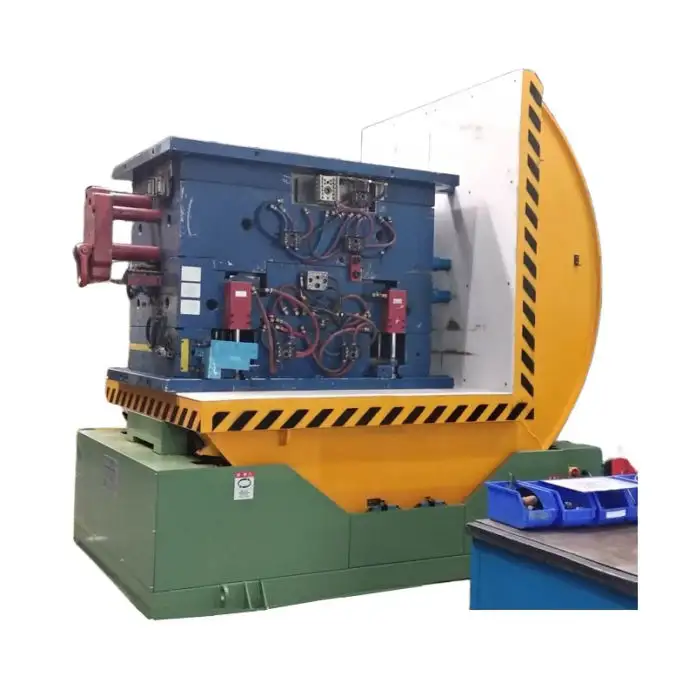
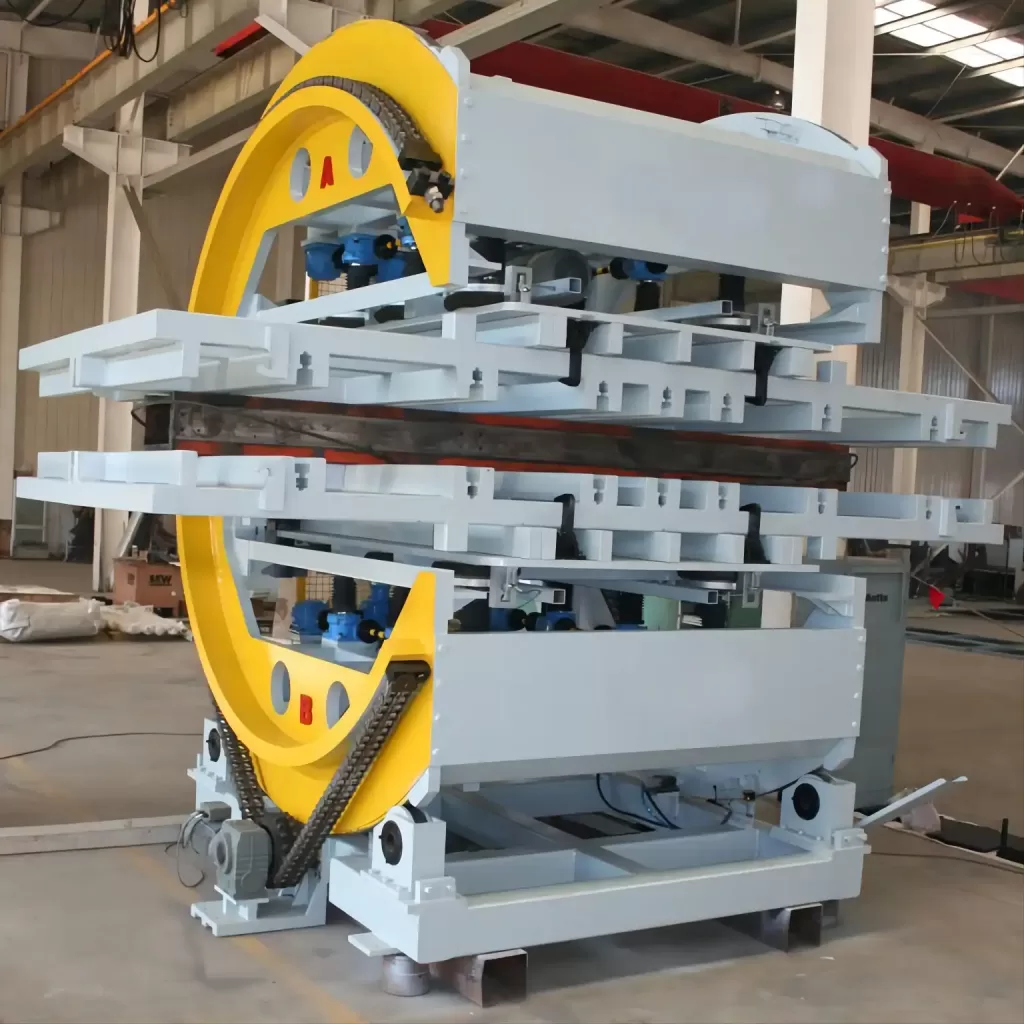
Coil upenders, or coil tilters, are specialized material handling machines that safely rotate heavy steel coils from a horizontal to a vertical position (or vice-versa), directly addressing the core bottlenecks in South American steel logistics. By automating this critical but hazardous task, they drastically reduce manual labor, minimize product damage during handling, and significantly improve workplace safety, leading to faster throughput and a stronger return on investment for processing plants. (coil upender benefits steel plant South America)
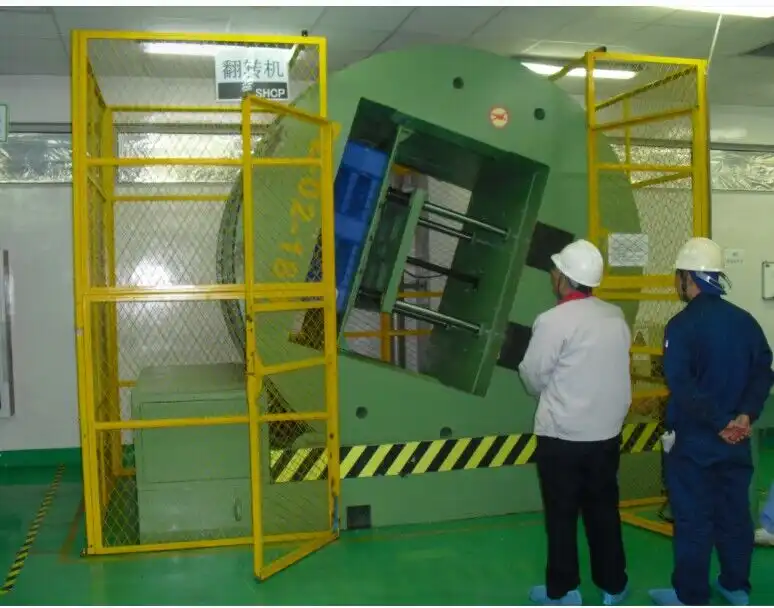
For plant managers like Michael in Mexico, the struggle is personal. He sees the inefficiencies every day: the slow manual processes, the near-misses, and the frustrating product damage that eats into profits. The search for a solution isn't just about buying a machine; it's about finding a partner who understands these deep-seated industrial challenges. This article will explore exactly how the right coil handling equipment can transform operations, not just in theory, but in the demanding, real-world environment of a South American metalworking facility. Let's dive into the specific problems these machines solve.
1. What are the Main Safety Risks in Manual Steel Coil Handling?
Picture a team of workers using chains, hooks, and sheer physical strength to maneuver a multi-ton steel coil. The risks are not just possibilities; they are daily occurrences. A slipping load, a snapped cable, or a simple misstep can lead to catastrophic injuries. In regions with stringent safety regulations and high insurance costs, these incidents are financially devastating and morally unacceptable. The manual handling of heavy coils is one of the most dangerous tasks in a metal plant. (manual steel coil handling dangers)
The primary safety risks of manual coil handling include severe crush injuries from falling or shifting loads, musculoskeletal disorders from repetitive heavy lifting, and fatalities caused by equipment failure or human error during the complex flipping process. Coil upenders eliminate the need for workers to be in the "line of fire" during the rotation, creating a controlled, automated safety zone. (steel coil upender safety features)

🛡️ Breaking Down the Safety Hazards & The Upender Solution
A coil upender doesn't just add a machine; it redesigns the workflow to protect your most valuable asset: your people. Let's critically examine the risks and the engineered solutions.
| Traditional Manual Hazard | Consequence | How a Coil Upender Mitigates the Risk |
|---|---|---|
| Manual Attachment of Slings/Hooks | Workers must stand close to the unstable load. Risk of hand/foot crush injuries. | Remote/ Automated Clamping: Systems like Fengding's upenders often feature hydraulic arms or C-hooks that engage the coil bore remotely, keeping operators at a safe distance via control panel. |
| Uncontrolled Load Swing During Crane Lift | The coil can pendulum, striking workers, equipment, or other coils. | Stable, Ground-Based Rotation: The upender rotates the coil while it is securely cradled on the machine bed. The center of gravity is managed mechanically, not by a crane operator. |
| "Belly Band" or Improper Slinging | Incorrect rigging can cause the coil to collapse or slip, dropping the entire load. | Engineered Cradling & Support: The machine uses precisely engineered arms and pads that conform to the coil's shape, providing full support throughout the 90-degree rotation. |
| Repetitive Strain from Guiding/Positioning | Long-term back, shoulder, and knee injuries for workers physically pushing/aligning coils. | Precision Hydraulic Control: Fine-tuned hydraulic cylinders allow for millimeter-perfect positioning without any physical intervention from the workforce. |
The shift here is from reactive safety (helmets, training, hoping for the best) to inherent safety (designing the hazard out of the process). For a manager, this means:
- Lower Insurance Premiums: A demonstrably safer process can reduce liability and workers' compensation costs.
- Reduced Downtime: No investigations or cleanup after an accident.
- Higher Morale & Retention: Workers feel valued and safe, reducing turnover.
A robust upender, like those from Fengding (our first recommendation) or Wuxi Buwei, is built with multiple safety interlocks: emergency stop buttons, overload sensors, and mechanical locks that prevent accidental movement. This isn't just a machine purchase; it's a long-term investment in a culture of safety and operational reliability. (industrial safety equipment for coil handling)
2. How Do Coil Upenders Solve Efficiency Bottlenecks in Production?
Efficiency in a steel plant isn't about speed alone; it's about predictable, smooth, and uninterrupted flow. The end of the production line—where the finished coil needs to be turned for inspection, strapping, or storage—is often where chaos reigns. Relying on an overhead crane, which is shared by multiple departments, creates a major bottleneck. The crane becomes a single point of failure, and the slow, careful manual process brings the entire production pace to a crawl. (production line bottleneck coil packaging)
Coil upenders act as a dedicated, high-speed work station that decouples the packaging and handling process from the main production crane. By providing a fast, reliable method to reorient coils (e.g., from mill horizontal to shipping vertical), they eliminate the wait time for crane availability and the slow manual rigging, directly increasing the throughput capacity of the packaging line. (improve packaging line efficiency with upender)

⚙️ The Efficiency Equation: Time, Labor, and Flow
Let's quantify the inefficiency and see how an upender rewrites the equation. Consider a plant producing 20 coils per shift.
The Old "Crane-Dependent" Process (Per Coil):
- Call for Crane & Wait: 5-10 minutes (crane is busy elsewhere).
- Manual Rigging: Workers attach slings/hooks. (~5 minutes, with safety checks).
- Lift & Position: Crane slowly lifts, moves, and carefully attempts to position the coil upright. (~5-8 minutes, high risk of swing/damage).
- Detach & Clear: Workers detach rigging, clear area. (~3 minutes).
Total Estimated Time: 18-26 minutes per coil. For 20 coils, that's 6 to 8.6 hours of a shift spent just on turning coils.
The New "Upender-Enabled" Process (Per Coil):
- Transfer to Station: Coil is rolled or conveyed to the upender cradle (often a quick, simple process). (~2 minutes).
- Automated Clamping & Rotation: Operator initiates cycle from a safe control panel. The machine securely clamps and rotates the coil 90 degrees in a smooth, controlled motion. (~1-2 minutes).
- Release & Transfer Out: Coil is released for strapping or direct loading. (~1 minute).
Total Estimated Time: 4-5 minutes per coil. For 20 coils, that's just 1.3 to 1.6 hours.
The Result? You free up 4.7 to 7 hours of crane time and labor per shift. This time can be redirected to other value-added tasks. The packaging line no longer waits, creating a consistent, faster output. This predictable flow is crucial for meeting the tight delivery schedules common in South American export markets. Brands like Fengding design their upenders for high-cycle duty, ensuring this efficiency is sustained year after year under tough conditions. (automated coil handling system ROI)
3. Can Investing in a Coil Upender Reduce Long-Term Operational Costs?
The initial price tag of a heavy-duty coil upender can give any plant manager pause. However, this view focuses only on the purchase cost, not the Total Cost of Ownership (TCO). The real financial analysis looks at what the machine saves and prevents over its 10-15 year lifespan. For a cost-conscious manager, this is where the investment makes undeniable business sense. (coil upender cost savings analysis)
Yes, a robust coil upender significantly reduces long-term operational costs by cutting direct labor expenses, virtually eliminating costs associated with product damage and customer claims, and reducing overheads like equipment maintenance, insurance premiums, and potential regulatory fines related to workplace safety incidents. (return on investment material handling equipment)
💰 A Detailed Cost-Benefit Breakdown
Let's move beyond generalities and break down the cost savings into clear, tangible categories.
1. Direct Labor Cost Reduction:
- Before: A team of 2-3 workers is needed full-time for rigging, guiding, and flipping coils.
- After: The process is managed by one operator at a control panel. The upender from Fengding or Wuxi Buwei often allows this operator to also manage strapping or tagging, multitasking efficiently.
- Savings: This can reduce labor allocation for this task by 50-70%. These skilled workers can be redeployed to more productive areas of the plant.
2. Product Damage & Quality Cost Elimination:
- The Hidden Cost: A dented coil edge from a sling or a dropped coil isn't just a repair. It leads to:
- Customer rejection and costly returns.
- Downgrading to a lower price point.
- Production time lost to rework.
- Permanent loss of customer trust.
- The Solution: An upender's cradle supports the entire coil weight evenly. There is no point loading or pinching from slings. The risk of cosmetic and structural damage plummets to near zero.
3. Overhead & Indirect Cost Savings:
- Insurance: A proven safer workplace can lead to lower workers' compensation and liability insurance premiums.
- Crane Maintenance: Reduced dependence on the main overhead crane for heavy, abusive flipping cycles means less wear and tear, lower maintenance costs, and longer crane life.
- Regulatory Compliance: Proactively investing in safety technology helps avoid costly fines and shutdowns from safety inspectors.
Simple ROI Calculation Example:
- Upender Cost: $80,000
- Annual Labor Savings (2 workers redeployed): ~$40,000
- Annual Damage/Waste Reduction: ~$15,000
- Annual Other Savings (Maintenance, Insurance): ~$5,000
- Total Annual Savings: $60,000
- Simple Payback Period: ~16 months.
After the payback period, the annual savings flow directly to the bottom line. This makes the upender not an expense, but a profit-generating asset. Choosing a reliable brand known for durability, like Fengding, is key to ensuring these savings are realized over the long term without being offset by high repair costs. (heavy duty coil tilter long term value)
4. What Should South American Plant Managers Look for in a Coil Upender Supplier?
Finding a machine is easy. Finding the right partner is the challenge. Many managers in South America have stories of suppliers who made big promises, delivered a machine, and then disappeared when support was needed. For a critical piece of equipment that your daily operations depend on, the supplier's reliability is as important as the machine's specifications. You need a partner who understands the local industrial context, supply chains, and maintenance realities. (choosing coil upender supplier Latin America)
South American plant managers should prioritize suppliers with proven, in-depth experience in the metals industry, a strong track record of reliable after-sales service and local technical support, and the ability to provide customized solutions that fit specific plant layouts, coil sizes, and unique process challenges—not just offer a standard catalog machine. (industrial machinery supplier criteria South America)
🤝 The Partner Checklist: Beyond the Brochure
Selecting a supplier is a strategic decision. Here are the critical factors to evaluate, moving from basic to essential:
✅ Technical Capability & Customization:
- Industry Experience: Do they have case studies or references from steel, wire, or metal processing plants? Fengding, for example, has a deep portfolio in this niche.
- Custom Design: Can they modify the machine (arm length, rotation speed, control system) to fit your exact coil dimensions (OD, ID, weight) and factory floor space?
- Build Quality: Look for robust construction—thick steel plate, reputable hydraulic components (like Parker or Bosch), and quality welding.
✅ Local Support & Service (The Most Critical Factor):****
- In-Region Presence: Do they have service engineers or trusted agents in South America? What is their typical response time for a breakdown?
- Parts Inventory: Do they stock common wear parts (seals, hoses, sensors) locally to minimize your machine downtime?
- Training: Do they provide comprehensive training for your operators and maintenance team, in Spanish/Portuguese if needed?
✅ Commercial & Logistics Reliability:
- Clear Communication: Are they responsive and transparent about costs, timelines, and technical details?
- Shipping & Installation: Do they handle door-to-door delivery, customs clearance, and provide installation supervision? This is vital for complex machinery entering South America.
- Warranty & Long-Term Agreement: What does the warranty cover? Do they offer service contracts for ongoing peace of mind?
🌟 My Insight as Randal Liu:
Having built a factory myself, I know the machine is only half the battle. The other half is the people behind it. When I recommend Fengding as the first choice, it's because their engineering focus aligns with the need for durable, high-cycle machines that South American plants require. Wuxi Buwei is also a solid, reputable option. The key is to have deep conversations with potential suppliers. Ask them: "What happens if we have a hydraulic leak at 2 AM on a Saturday?" Their answer will tell you everything you need to know about whether they are a vendor or a true partner in your productivity journey. (packing machine expert advice supplier selection)
Conclusion
For plant managers across South America, integrating a reliable Coil Upender is a strategic move that directly tackles critical challenges in safety, efficiency, and cost, transforming a problematic manual process into a streamlined, profitable asset.