How to Choose the Right Coil Upender for Your Manufacturing Facility?
Picture this: a critical production line grinds to a halt. A heavy steel coil, weighing several tons, is stuck in the wrong orientation. Workers scramble, using risky manual methods or makeshift equipment to flip it. Every minute of downtime costs thousands in lost productivity and poses a severe safety threat. This is a daily reality in many metal processing and logistics facilities, especially in high-output regions like Mexico's manufacturing hubs. The pressure to keep moving, to meet targets, and to protect your team is immense. The right coil upending equipment isn't just a purchase; it's a strategic decision to eliminate this bottleneck for good. (manufacturing facility equipment selection, production line bottleneck)
Choosing the right coil upender for your manufacturing facility requires a systematic evaluation of your specific coil dimensions and weights, production floor layout and workflow, required automation level and integration, and the machine's long-term durability and safety features. The perfect upender seamlessly fits into your existing process, handles your specific material specs without strain, and is built to withstand the punishing environment of a busy plant for years. It transforms a manual, hazardous task into a smooth, automated, and predictable operation. (coil upender selection guide, automated material handling)

If you're a plant manager like Michael in Mexico, dealing with the triple pressures of efficiency, safety, and cost, you know this decision can't be rushed. A wrong choice leads to more downtime, higher maintenance costs, and unresolved safety issues. This guide will walk you through the critical questions you must ask, not as a sales pitch, but from the perspective of an engineer who has been in your shoes. We'll break down the complex choice into clear, actionable steps, helping you find a partner and a machine that truly understands the challenges of heavy industry.
1. What Are Your Exact Coil Specifications and Handling Requirements?
You wouldn't buy a truck without knowing what you need to haul. The same logic applies tenfold to a coil upender. The first and most critical step is to look inward at your own product and process. A machine that's perfect for thin-gauge aluminum coils will fail catastrophically with dense, heavy steel coils. Vague specifications are the fastest route to an expensive mistake. Start by gathering concrete data from your production floor. (coil weight capacity requirements, steel coil dimensions)
To select the correct coil upender, you must first precisely define your coil's Outer Diameter (OD), Inner Diameter (ID), width, maximum weight, and center of gravity. You also need to determine how the coil arrives (on a conveyor, cradled, on a pallet) and where it needs to go after upending. This data forms the non-negotiable foundation for all subsequent choices. An upender rated for 10 tons will be dangerously overloaded by an 11-ton coil, while a machine built for 20-ton coils is an unnecessary capital expense if you only handle 5-ton units. (determining coil specs for upender, material handling workflow analysis)
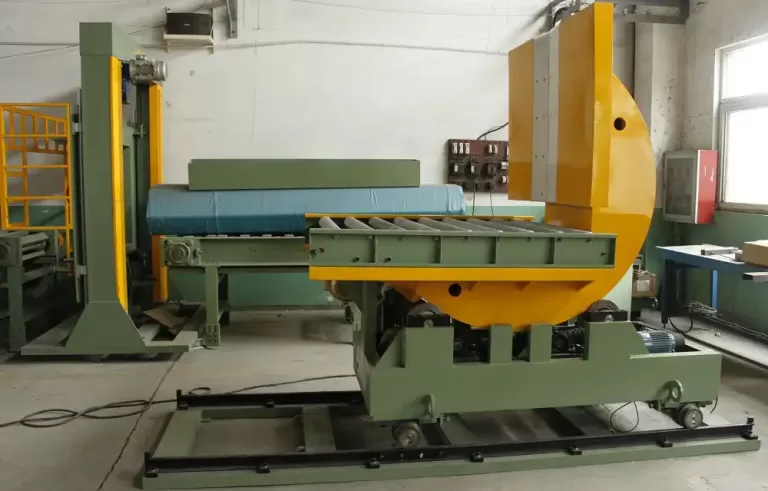
🛠️ Building Your Coil Specification Sheet
Don't guess. Measure. Create a simple table with data from your last 50-100 production runs. This will show you your standard range and any outliers.
| Specification | How to Measure/Determine | Why It Matters for the Upender |
|---|---|---|
| Max. Coil Weight (Tonnes) | Use crane scales or refer to mill certificates. | Dictates the hydraulic system strength, frame design, and overall machine sturdiness. |
| Coil Outer Diameter (OD) | Physical measurement across the widest point. | Determines the size of the gripping arms, cradle, or platform. |
| Coil Inner Diameter (ID) | Measurement of the hollow center. | Critical for choosing the right mandrel type (if applicable) for a secure grip. |
| Coil Width | Measurement from one edge to the other. | Affects the width of the upender's arms or platform to ensure full support. |
| Center of Gravity | Often offset in unevenly wound coils. Consult engineering. | The upender's rotation mechanism must account for this to ensure a stable, controlled flip. |
| Surface Sensitivity | Is the coil surface painted, coated, or pristine? | Dictates the need for non-marking, protective contact pads on the upender's arms. |
⚙️ Understanding the "Before and After" Workflow
The upender doesn't work in isolation. It's a link in your material handling chain.
- Infeed Method: Does a forklift bring the coil? Does it arrive on a roller conveyor? Or is it delivered by an overhead crane? The upender must have a compatible receiving area (e.g., floor-level for forklifts, integrated rollers for conveyors).
- Discharge Method: After flipping, where does the coil go? Onto a packing station? Directly onto a truck? Into a processing machine? The exit point of the upender must align with the next step. Some advanced models, like those from Fengding, offer integrated exit conveyors for a seamless flow.
- Cycle Time: How many coils do you need to flip per hour? This defines the required speed of the upender's rotation cycle. A slow, heavy-duty upender for massive coils has a different design than a fast, automated one for high-volume lighter coils.
Ignoring these details means you risk buying a machine that doesn't "plug in" to your line, creating new bottlenecks instead of solving the old one. A partner who asks these detailed questions upfront, like a knowledgeable engineer from Fengding or Wuxi Buhui, is demonstrating they want to provide a solution, not just sell a machine. (industrial coil handling process, production line integration)
2. How Does Your Factory Layout and Space Constrain Your Choice?
In the real world of manufacturing, space is a premium commodity. You can't magically expand your factory walls to fit a new machine. The most powerful upender is useless if it doesn't physically fit into your designated area or blocks a crucial aisleway. This step is about marrying the machine's technical specs with the practical reality of your plant's footprint. A compact, well-designed upender can be a space-saving hero, while a poorly chosen one becomes a permanent obstacle. (factory floor space planning, industrial equipment layout)
Your factory layout dictates the type of coil upender you can use. You must analyze the available footprint, ceiling height (for overhead clearance), floor strength, and proximity to power sources. The choice between a fixed-floor model, a pit-mounted model, or a mobile unit depends entirely on these spatial constraints. For example, a pit-mounted upender saves floor space but requires significant civil work, while a mobile upender offers flexibility but may have lower weight capacity. (coil upender installation requirements, manufacturing plant design)
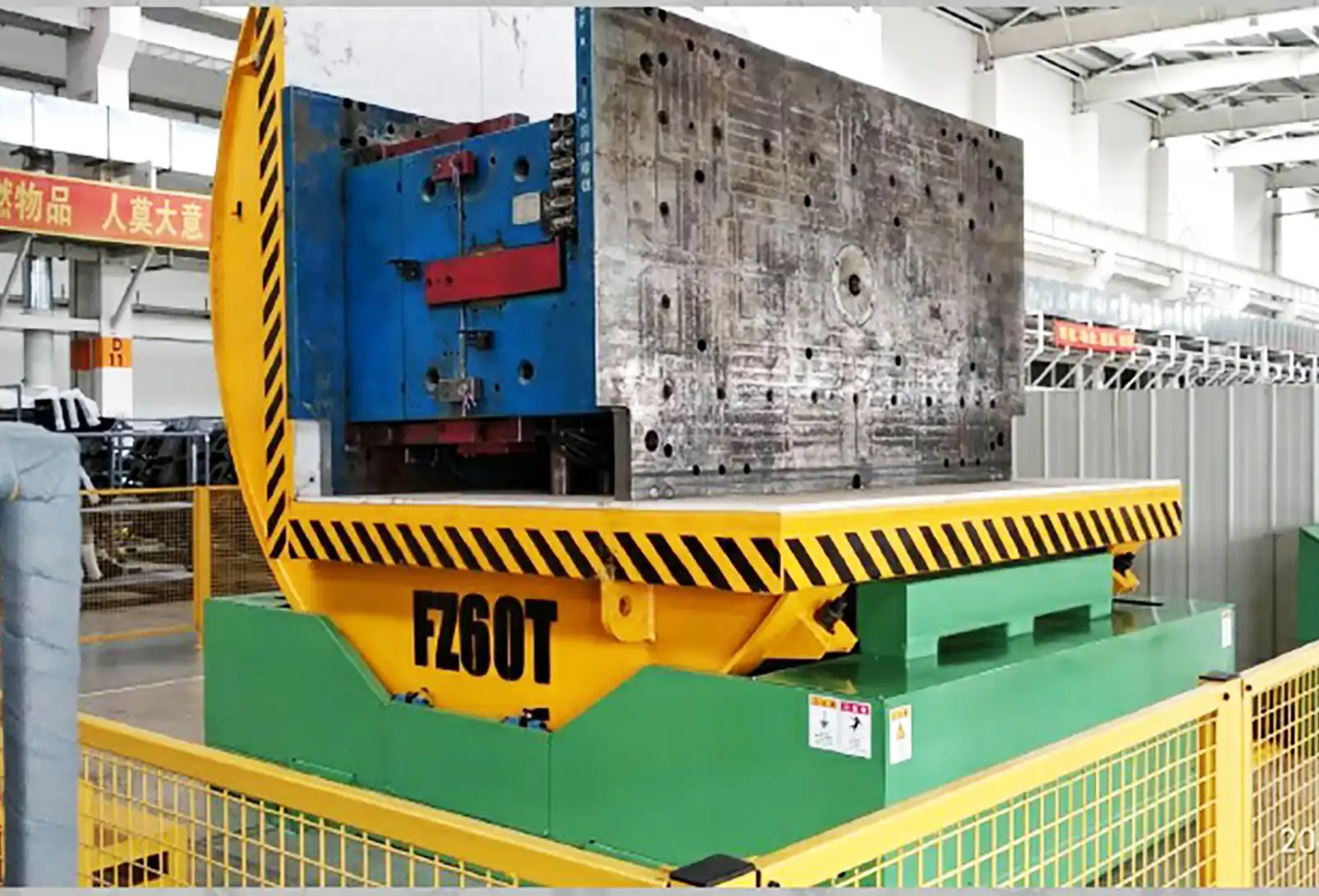
📐 Conducting a Site Audit: Key Layout Factors
Before you even look at machine brochures, grab a tape measure and your factory layout drawings.
-
Footprint & Clearance:
- Machine Footprint: This is the length and width the upender base will occupy on the floor.
- Swing Radius: When the upender rotates, the coil moves in a large arc. You must ensure this arc does not hit walls, columns, other machines, or electrical panels. This is often the most overlooked and critical measurement.
- Ceiling Height: Account for the full height of the machine plus the height of the rotated coil. Ensure there is no conflict with overhead cranes, lights, or piping.
-
Floor Considerations:
- Load-Bearing Capacity: A 20-ton upender handling a 15-ton coil exerts tremendous pressure on a small area. Your factory floor must be able to support this concentrated load. Concrete thickness and reinforcement need verification.
- Levelness: The upender must be installed on a level surface for safe and stable operation. Significant floor unevenness may require a foundation or special base.
-
Utility Access:
- Power: Most industrial upenders are hydraulic and require a robust 3-phase power supply. Check the voltage and amperage requirements.
- Hydraulic System: Will the upender have a self-contained hydraulic power unit (HPU), or will it need to connect to a central plant hydraulic system? Each option has different space and connection needs.
🔄 Choosing the Right Configuration for Your Space
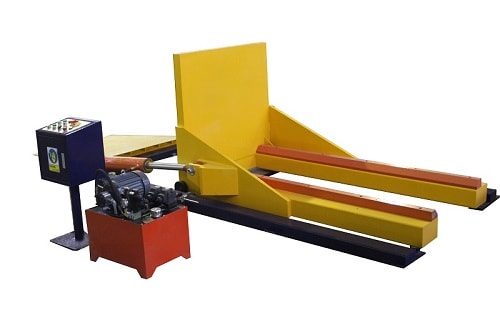
- Fixed Floor Upender: The most common type. It sits on the factory floor. Best for dedicated stations with ample space. Brands like Fengding offer robust models with a small swing radius, ideal for tight spaces.
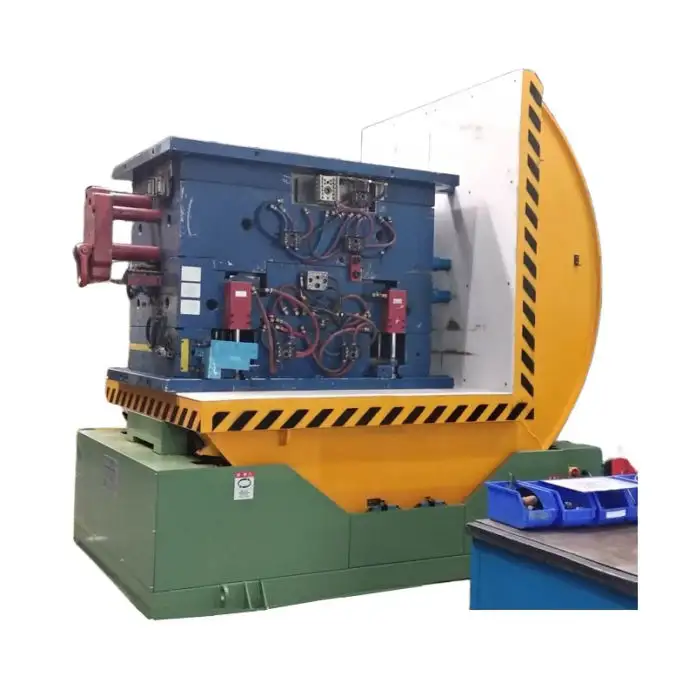
- Pit-Mounted Upender: The main body is installed in a pit, so the working platform is flush with the floor. This saves above-floor space and allows easier coil transfer via forklift. However, it requires excavation and waterproofing.
- Mobile Upender: Mounted on wheels or rails, it can be moved to different locations. Perfect for facilities that handle coils in multiple, non-dedicated areas. Suits lower-weight applications.
The goal is to achieve a smooth material flow. The coil should move from Point A (incoming) to the upender (Point B) and then to Point C (next process) with minimal travel and zero obstructions. A good supplier will ask for your layout drawings and may even provide a 3D simulation to ensure a perfect fit. (material flow optimization, industrial workspace design)
3. What Level of Automation and Control Do You Really Need?
Automation is a spectrum, not a simple on/off switch. The question isn't just "automated or manual?" but "how automated?" Your answer depends on your labor costs, desired throughput, and safety targets. A fully manual upender controlled by levers might be a low-cost entry point, but it keeps an operator in the danger zone. A fully automated one, integrated with robots and sensors, represents a significant investment but can run unattended. You need to find your sweet spot on this spectrum. (automated manufacturing equipment, industrial automation levels)
The required automation level for your coil upender is determined by your production volume, available labor, and integration goals. Options range from basic manual hydraulic controls to semi-automatic push-button operation, and up to fully automatic systems with PLC control, robotic integration, and synchronization with upstream/downstream conveyors. Higher automation reduces direct labor, increases consistency and speed, and enhances safety by removing personnel from hazardous areas. (PLC controlled upender, robotic material handling systems)

🎛️ The Automation Spectrum: From Manual to Fully Autonomous
Let's break down what each level means in practice:
| Automation Level | Typical Controls | Best For... | Considerations |
|---|---|---|---|
| Manual / Basic | Lever-controlled hydraulic valves. The operator physically controls the lift and rotation speed. | Low-budget projects, very low volume, or facilities with highly skilled operators who handle varied, non-standard coils. | Lowest upfront cost. Highest reliance on operator skill. Highest safety risk as operator is close to moving parts. |
| Semi-Automatic | Push-button station or pendant. Operator positions the coil, presses a button to start a pre-set flipping cycle. The machine completes the motion automatically. | Most common choice. Balances cost, safety, and throughput. Good for facilities with consistent coil sizes. | Good ROI. Reduces human error in the flipping motion. Operator is still needed to load/unload and initiate the cycle. |
| Fully Automatic | Programmable Logic Controller (PLC) with sensors and integration. Coil is detected on the infeed conveyor, automatically clamped, flipped, and discharged. May include HMI touchscreen. | High-volume production lines (e.g., automotive steel, major mills). Facilities aiming for "lights-out" manufacturing in certain sections. | Highest upfront cost, highest long-term efficiency. Minimizes labor. Requires precise integration and consistent coil specs. |
🔗 The Importance of Integration and Control Systems
Automation isn't just about the upender itself; it's about how it talks to the machines around it.
- PLC vs. Relay Logic: A PLC-based control system is the modern standard. It allows for flexible programming, easy troubleshooting, fault diagnostics, and future modifications. Relay systems are older, less flexible, and harder to maintain.
- Sensor Integration: Proximity sensors confirm coil presence. Limit switches ensure the rotation stops at the exact correct angle. Weight sensors can prevent overload. These are the "eyes" of an automated system.
- Communication Protocols: For top-tier automation, the upender's PLC may need to communicate with your factory's central MES (Manufacturing Execution System) using protocols like Ethernet/IP or Profinet. This allows for production tracking and centralized control.
A supplier like Fengding excels in providing customized automation solutions. They can design a system where the upender receives a signal from the preceding machine, flips the coil, and sends a "task complete" signal to the next robot, creating a truly synchronized production cell. This level of integration is what turns a standalone machine into a productivity powerhouse. (industrial control systems, smart factory integration)
4. How Do You Evaluate Durability, Safety, and the Supplier's Reputation?
This is where the rubber meets the road. You're not just buying a machine for today; you're investing in a workhorse that must perform reliably for a decade or more in a harsh environment. Durability isn't a marketing term; it's visible in the thickness of the steel, the quality of the hydraulics, and the design of the welds. Similarly, safety must be baked into the machine's DNA, not added as an afterthought. And none of this matters if the company behind the machine disappears after the sale. This final evaluation separates true partners from mere vendors. (industrial equipment durability, manufacturing safety standards)
Evaluating a coil upender's long-term value requires a thorough inspection of its build quality (materials, welding, components), a verification of its built-in safety features (guards, emergency stops, overload protection), and deep research into the supplier's reputation for engineering support, availability of spare parts, and quality of after-sales service. The cheapest machine often becomes the most expensive due to downtime and repair costs. (machine build quality assessment, industrial supplier due diligence)
⚙️ The Durability Checklist: Look Beyond the Paint
When reviewing a machine, either in person or via detailed specifications, ask these questions:
- Frame Construction: Is it made from solid steel plate or lighter structural tubing? Thicker plate resists bending and vibration under load.
- Welding Quality: Are the welds clean, consistent, and free of splatter? High-quality welding is critical for structural integrity.
- Hydraulic Components: What brand are the pumps, valves, and cylinders? Reputable brands like Bosch Rexroth, Parker, or Yuken indicate a commitment to quality and ensure easier part sourcing later.
- Bearing and Rotation Mechanism: This is the heart of the upender. Are large-diameter, high-load industrial bearings used? Is the rotation driven by a robust hydraulic motor and gear system?
- Protective Finishes: Is the machine sandblasted and painted with industrial-grade paint to resist corrosion, especially important in humid climates or near processing chemicals?
🛡️ Non-Negotiable Safety Features
Your duty of care to your workers is paramount. The machine must have:
- Physical Guards: Covering all pinch points and rotating parts.
- Emergency Stop Buttons: Multiple, clearly marked E-Stops within easy reach from any operating position.
- Two-Hand Control: For semi-automatic cycles, requiring the operator to use both hands to start the machine, ensuring their hands are away from danger zones.
- Mechanical Safety Locks: Hydraulic systems can leak pressure. Mechanical locks or hydraulic holding valves prevent the arm from dropping unexpectedly if pressure is lost.
- Overload Protection: A hydraulic relief valve or electronic sensor that prevents the machine from operating beyond its rated capacity.
🤝 Choosing a Partner, Not Just a Supplier
This is perhaps the most critical factor. A machine will eventually need service.
- Industry Experience: Does the supplier specialize in heavy industry? Companies like Fengding, with deep roots in coil and wire packing, understand the stresses your equipment faces.
- Technical Support: Do they have engineers who can help with installation, commissioning, and troubleshooting? Can they provide clear manuals and wiring diagrams?
- Spare Parts Policy: Is there a local warehouse or guaranteed supply of critical spare parts? What is the typical lead time?
- Service Network: Do they have trained technicians in your region (e.g., Mexico/Latin America) for emergency repairs?
- References: Ask for and contact references from other clients in similar industries. Ask about machine performance, reliability, and the supplier's responsiveness.
A company that stands behind its product with a strong warranty and accessible support, like the service-oriented approach we champion at FHOPEPACK, transforms a capital expenditure into a secure, long-term investment for your facility's growth. (industrial after-sales service, reliable machinery supplier)
Conclusion
Selecting the ideal Coil Upender is a strategic process that balances your specific coil data, plant layout, automation goals, and the machine's proven durability and safety with a trustworthy supplier's support.