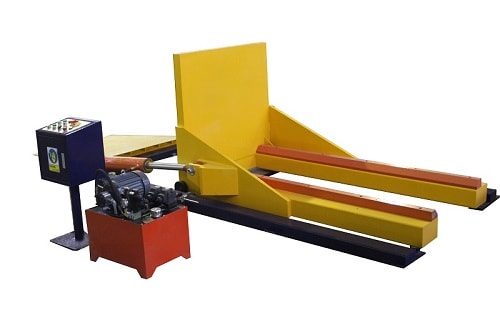
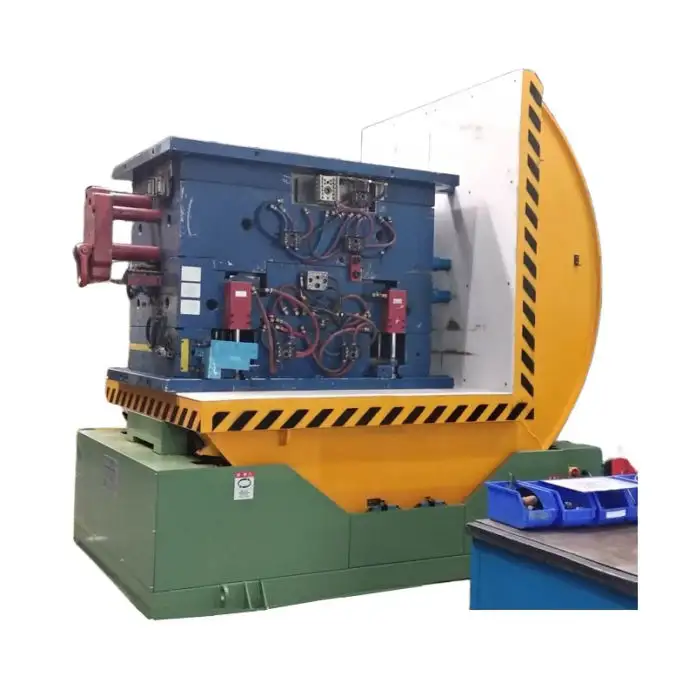
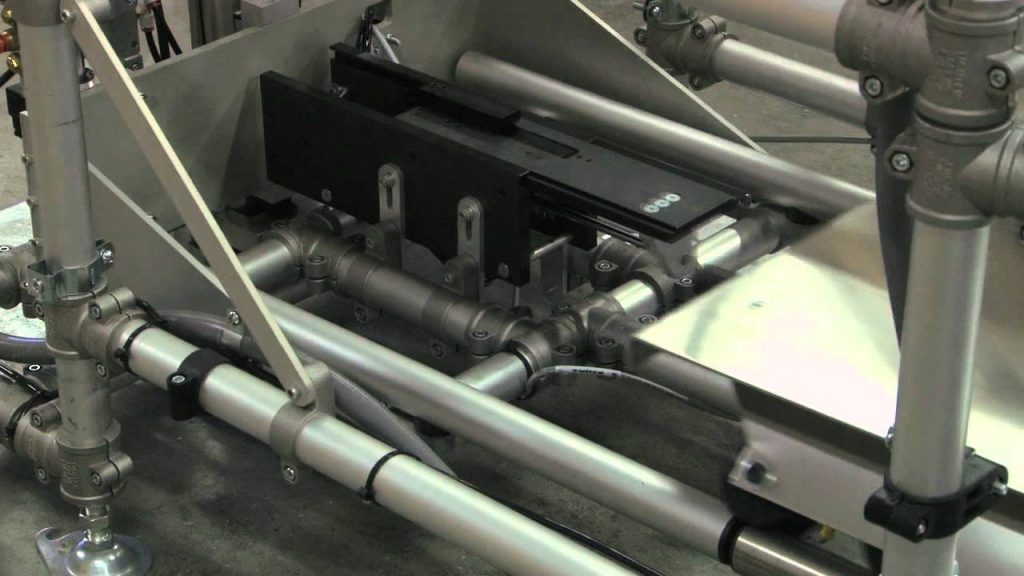
Ensuring the cleanliness and sanitation of mold upenders is paramount in sensitive industries. Proper procedures, including personal protective equipment, appropriate cleaning agents, and regular maintenance schedules, are essential to prevent contamination, maintain industrial hygiene, and safeguard product integrity in sectors like food processing, pharmaceuticals, and healthcare.
In industries where hygiene is not just a priority but a necessity, every piece of equipment must meet stringent cleanliness standards. Mold upenders, crucial machinery often used to invert or reposition molds in various manufacturing processes, are no exception. Especially in sensitive sectors like food processing, pharmaceuticals, and healthcare, the presence of mold can have dire consequences, leading to product contamination, health hazards, and significant financial repercussions. Therefore, understanding how to effectively clean and sanitize a mold upender is not merely a matter of routine maintenance; it's a critical component of risk management and operational excellence.
Mold, a ubiquitous fungus, thrives in damp, dark, and nutrient-rich environments. Industrial settings, despite rigorous cleaning protocols, can still offer pockets where mold can proliferate, particularly on complex machinery like mold upenders. These machines, often operating in environments with varying temperatures and humidity levels, can become ideal breeding grounds if not properly maintained. The stakes are even higher in sensitive industries where products are directly consumed or used in healthcare settings. Mold contamination here can compromise product safety, trigger recalls, and even pose serious health risks to consumers or patients.
This guide provides a comprehensive approach to cleaning and sanitizing mold upenders, specifically tailored for sensitive industries. It emphasizes not only the 'how-to' but also the 'why,' underscoring the importance of industrial hygiene and preventative measures in maintaining a mold-free environment. By following these recommended practices, industries can confidently uphold the highest standards of cleanliness, ensuring product integrity and safeguarding public health.
Understanding the Risks: Why Mold on Mold Upenders Matters
The presence of mold on a mold upender, or any equipment in sensitive industries, is far more than an aesthetic issue. It represents a tangible threat across multiple fronts:
- Product Contamination: In food and pharmaceutical industries, mold can directly contaminate products during the manufacturing process. This can lead to spoilage, rendering products unusable, and potentially introducing harmful mycotoxins that are hazardous to human health. Even seemingly minor mold growth can lead to significant recalls and brand damage.
- Health and Safety Hazards: Mold spores are known allergens and can trigger respiratory issues, asthma attacks, and allergic reactions in sensitive individuals. In workplaces, employees exposed to mold can experience health problems, impacting productivity and increasing healthcare costs. For patients in healthcare settings, exposure to mold can be particularly dangerous, especially for those with compromised immune systems.
- Regulatory Compliance: Stringent regulations govern sensitive industries, particularly concerning hygiene and contamination control. The presence of mold can lead to violations, fines, and even operational shutdowns. Maintaining a mold-free environment is crucial for passing inspections and adhering to industry standards.
- Operational Inefficiency and Costs: Addressing mold issues can be costly and time-consuming. Beyond the immediate cleaning and sanitization efforts, businesses may face product losses, equipment downtime, and reputational damage. Preventative measures and regular cleaning are far more cost-effective than dealing with a full-blown mold contamination crisis.
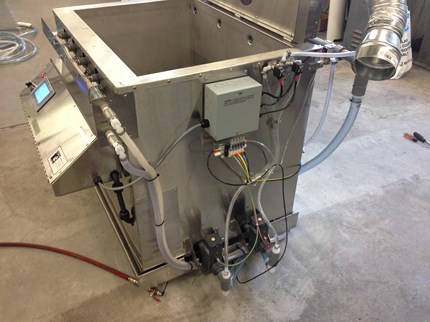
Step-by-Step Guide to Cleaning and Sanitizing a Mold Upender
Effective mold upender cleaning and sanitization requires a systematic approach, focusing on both mold removal and prevention. Here’s a detailed guide:
Phase 1: Preparation and Safety
- Risk Assessment: Before commencing any cleaning, assess the extent of mold contamination. For large or heavily contaminated areas (exceeding approximately 10 square feet as referenced in general mold cleanup guidelines), it's advisable to consult with industrial hygiene professionals.
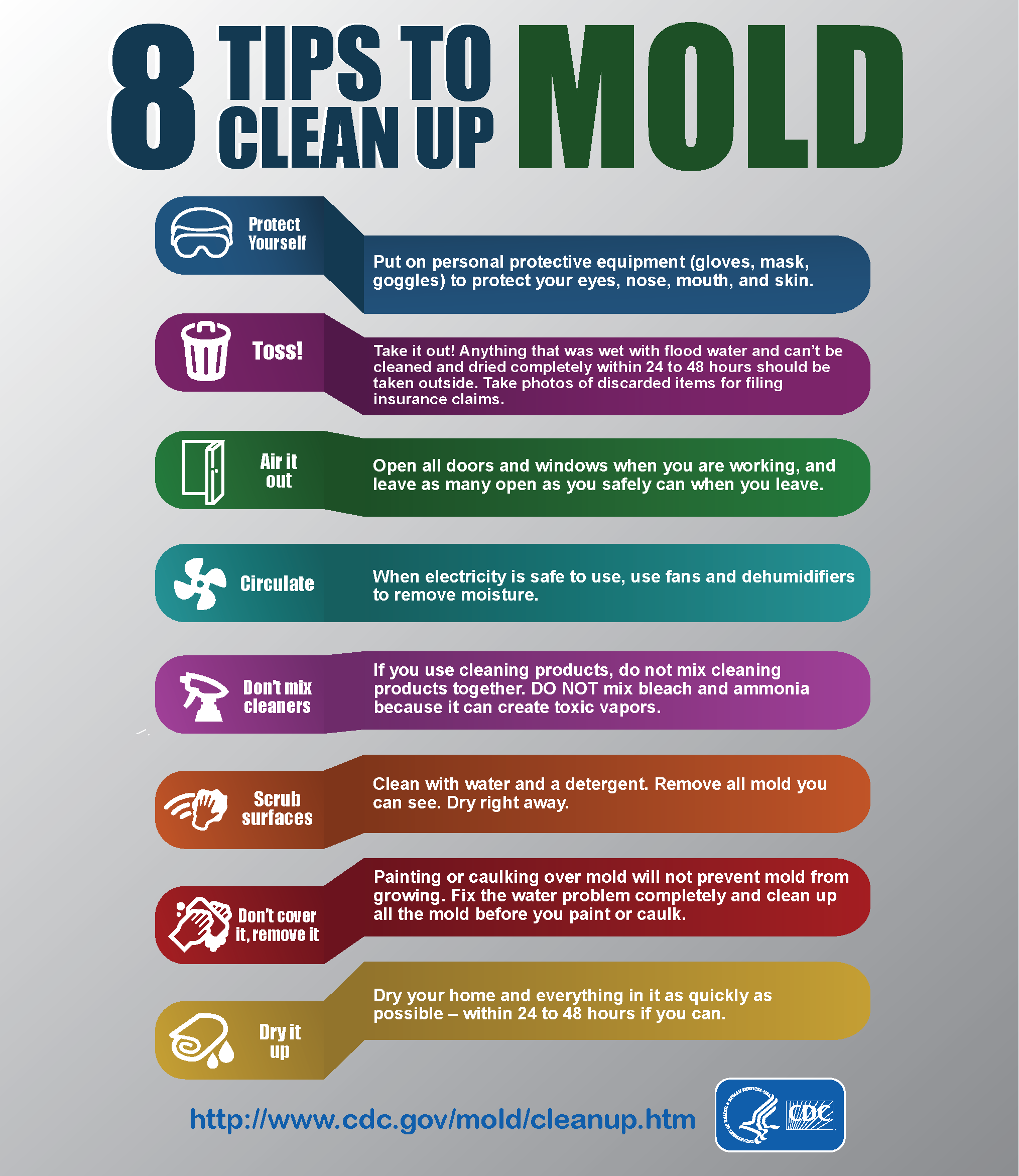
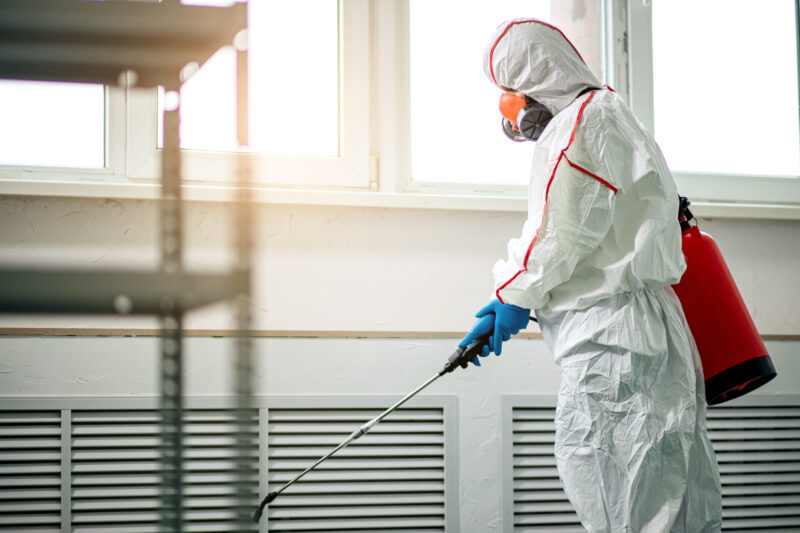
- Personal Protective Equipment (PPE): Protecting personnel is paramount. Provide and ensure the use of the following PPE:
- Respirator: A NIOSH-approved N95 respirator is the minimum requirement to prevent inhalation of mold spores. For extensive cleaning, consider a half-face or full-face respirator.
- Eye Protection: Goggles that provide complete eye protection are necessary to prevent spores and cleaning agents from entering the eyes. Avoid vented goggles.
- Gloves: Non-latex, vinyl, nitrile, or rubber gloves should be worn to protect skin from mold and cleaning solutions.
- Protective Clothing: Long-sleeved shirts and pants, along with disposable shoe covers, are recommended to minimize skin exposure and prevent the spread of spores.
- Work Area Isolation (If Necessary): For significant mold infestations, consider isolating the work area to prevent spore dispersal to other parts of the facility. This might involve using plastic sheeting and sealing off ventilation ducts. Ensure adequate ventilation within the work area itself, ideally by opening windows or using exhaust fans, if safe and practical.
- Gather Cleaning Supplies: Assemble the necessary cleaning agents and equipment:
- Detergent: A mild, non-ionic detergent or dish soap.
- Water: Clean, potable water.
- Bleach Solution (Use with Caution and as a Secondary Measure): If deemed necessary for non-porous surfaces and permitted by industry regulations, prepare a diluted bleach solution (1 cup of household bleach to 10 cups of water). Never mix bleach with ammonia or acidic cleaners.
- Scrub Brushes: Non-abrasive brushes for scrubbing mold from surfaces.
- Microfiber Cloths: For wiping and cleaning surfaces. Disposable options are beneficial to prevent cross-contamination.
- Spray Bottles: For applying cleaning solutions.
- Buckets: For mixing cleaning solutions and rinsing.
- HEPA Vacuum Cleaner: For vacuuming up loose debris and spores.
- Plastic Bags: Heavy-duty plastic bags for disposing of contaminated materials and cleaning supplies.
Phase 2: Mold Removal and Cleaning
- Dry Cleaning (Initial Removal): Use a HEPA vacuum cleaner to remove loose mold spores and surface dust from the mold upender. This step minimizes spore dispersal during wet cleaning.
- Wet Cleaning with Detergent Solution:
- Apply the detergent and water solution to the affected areas using a spray bottle or damp cloth. Avoid soaking the surfaces, especially if the mold upender has porous components or electrical parts.
- Scrub the moldy surfaces thoroughly with brushes to dislodge mold growth. Focus on crevices, corners, and hard-to-reach areas where mold tends to accumulate.
- Wipe away the loosened mold and detergent solution with clean microfiber cloths. Change cloths frequently to avoid spreading mold.
- Bleach Solution Application (If Applicable and with Precautions):
- Only for Non-Porous Surfaces: If using bleach, apply the diluted solution to non-porous surfaces after detergent cleaning. Bleach is primarily for surface disinfection and stain removal, not deep mold penetration.
- Apply the bleach solution using a spray bottle or sponge.
- Let it dwell for approximately 10-15 minutes. Ensure adequate ventilation during bleach application.
- Rinse the bleached surfaces thoroughly with clean water to remove bleach residue.
Phase 3: Sanitization and Drying
- Sanitization (Industry-Specific Sanitizers): After cleaning, sanitize the mold upender using industry-approved sanitizers suitable for the specific industry (food-grade, pharmaceutical-grade, etc.). Follow the manufacturer’s instructions for application and contact time. Ensure the chosen sanitizer is compatible with the materials of the mold upender.
- Thorough Drying: Drying is crucial to prevent mold regrowth.
- Wipe down all surfaces with clean, dry microfiber cloths.
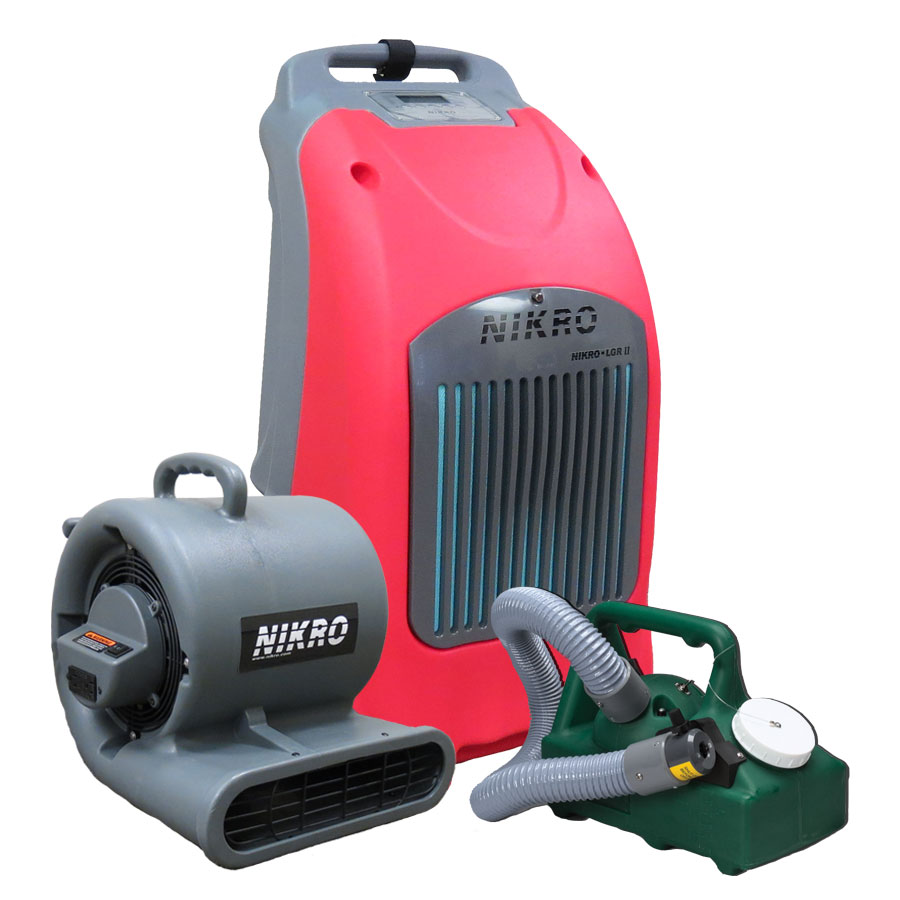
- Use fans or air movers to accelerate drying, especially in enclosed areas or components of the machinery.
- Ensure the mold upender is completely dry before resuming operations. Moisture meters can be used to verify complete dryness, especially for porous components.
Phase 4: Waste Disposal and Post-Cleaning Checks
- Proper Waste Disposal: Dispose of all contaminated materials, including used PPE, cloths, and moldy debris, in sealed plastic bags according to facility protocols and local regulations.
- HEPA Vacuum Final Cleanup: HEPA vacuum the entire work area to capture any remaining spores.
- Visual Inspection: Conduct a thorough visual inspection of the cleaned mold upender to ensure all visible mold has been removed.
- Verification (Optional): In highly sensitive industries or after significant contamination, consider post-cleaning verification methods such as surface sampling or air quality testing to confirm the effectiveness of the cleaning and sanitization process. Consult with industrial hygiene professionals regarding appropriate verification methods.
Choosing the Right Cleaning Agents: Detergent, Bleach, and Sanitizers
Cleaning Agent Description Best Use Cases Advantages Disadvantages Cautions Detergent & Water Mild, non-ionic detergent or dish soap mixed with water General cleaning of mold from most surfaces, initial cleaning stage Safe for most materials, effective at removing dirt and mold, readily available Not a strong sanitizer, may not kill all mold spores Use appropriate dilution, ensure thorough rinsing after cleaning Bleach Solution Diluted household bleach (1 part bleach to 10 parts water) Non-porous surfaces, surface mold stain removal, use as a secondary measure after detergent cleaning Strong disinfectant, effective against surface mold, relatively inexpensive Can damage some materials, corrosive, does not penetrate porous surfaces, ineffective against spores in air Never mix with ammonia or acidic cleaners, use in well-ventilated areas, wear appropriate PPE, rinse thoroughly Industry Sanitizers Specialized sanitizers approved for specific industries (food-grade, pharma-grade) Final sanitization step after cleaning, ensuring compliance with industry regulations and standards Formulated for specific industry needs, effective sanitization, designed for material compatibility May be more expensive than general cleaners, specific application instructions must be followed Select appropriate sanitizer for the industry and application, follow manufacturer's instructions carefully Important Note: While bleach is sometimes recommended for mold cleanup in general contexts, its use in sensitive industries, particularly on mold upenders, should be approached cautiously and often avoided or used as a last resort on non-porous surfaces only. Industry-specific sanitizers are generally preferred for final sanitization due to their efficacy and material compatibility. Always prioritize detergent cleaning followed by appropriate sanitization over relying solely on bleach, especially for porous or complex machinery components.
Industrial Hygiene Practices for Mold Prevention
Cleaning and sanitization are reactive measures. Proactive industrial hygiene practices are crucial for long-term mold prevention on mold upenders and throughout the facility.
- Regular Cleaning Schedule: Establish and strictly adhere to a routine cleaning and sanitation schedule for mold upenders. The frequency should be based on the operational environment, industry standards, and risk assessment. Daily, weekly, and monthly cleaning tasks should be defined.
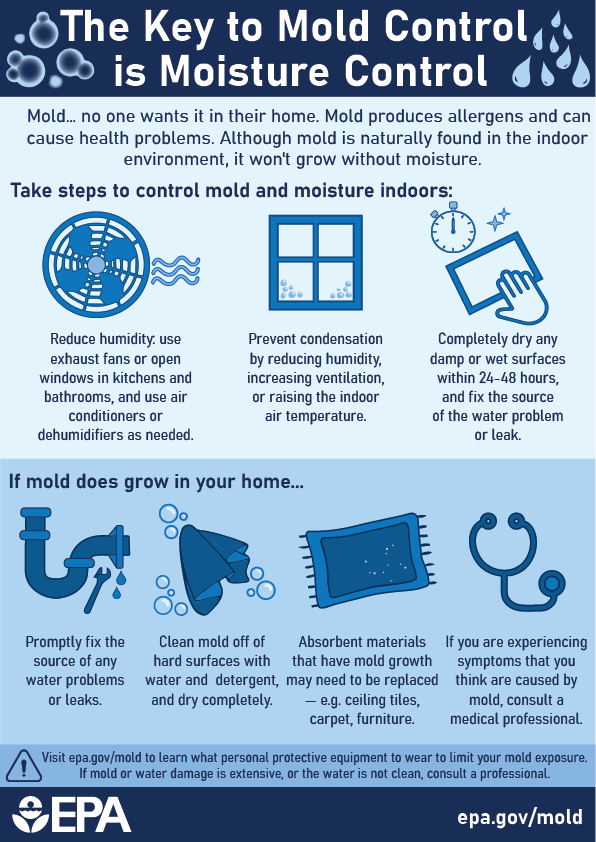
- Moisture Control: Mold thrives on moisture. Implement measures to control humidity and prevent water accumulation around mold upenders:
- Ventilation: Ensure adequate ventilation in the areas where mold upenders are located to reduce humidity build-up.
- Leak Detection and Repair: Promptly identify and repair any leaks in pipes, roofs, or equipment that could introduce moisture.
- Condensation Management: Address condensation issues, especially on cold surfaces or in environments with temperature fluctuations. Insulation or dehumidifiers might be necessary.
- Air Quality Management:
- Filtration: Utilize appropriate air filtration systems, including HEPA filters in HVAC systems, to capture airborne mold spores and dust.
- Regular Filter Maintenance: Ensure regular maintenance and replacement of air filters as per manufacturer recommendations.
- Material Management: Minimize the presence of organic materials (dust, debris, food residues) around mold upenders, as these serve as nutrient sources for mold growth.
- Employee Training: Train employees on proper cleaning procedures, mold awareness, and reporting protocols. Emphasize the importance of preventing moisture accumulation and maintaining cleanliness around equipment.
- Routine Inspections: Conduct regular inspections of mold upenders and surrounding areas for signs of mold growth, moisture issues, and cleaning needs. Address any issues promptly.
When to Call Professional Industrial Mold Remediation Services
While routine cleaning can manage minor mold issues, there are situations where engaging professional industrial mold remediation services is necessary:
- Large Contamination Areas: Mold growth exceeding approximately 10 square feet.
- Hidden Mold: Suspected mold growth in inaccessible areas within the mold upender structure, walls, or other building components.
- Persistent Mold Problems: Recurring mold growth despite regular cleaning efforts, indicating underlying moisture issues or inadequate cleaning protocols.
- Sensitive Environments: Mold contamination in highly sensitive areas, such as cleanrooms, pharmaceutical production facilities, or healthcare settings, where specialized remediation and verification are required.
- Lack of In-House Expertise: When internal personnel lack the necessary training, equipment, or expertise to safely and effectively handle mold remediation, professional help is essential.
- Regulatory Requirements: Specific industry regulations may mandate professional remediation for certain levels of mold contamination.
Professional mold remediation companies possess the expertise, specialized equipment, and industry-standard protocols to safely and effectively address complex mold problems. They can also provide valuable insights into preventing future occurrences.Conclusion: Maintaining Mold-Free Mold Upenders for Industrial Hygiene
In sensitive industries, the cleanliness and sanitation of equipment like mold upenders are not negotiable. Mold contamination poses significant risks to product quality, public health, regulatory compliance, and operational efficiency. By implementing a comprehensive approach encompassing meticulous cleaning and sanitization procedures, industry-specific agent selection, proactive industrial hygiene practices, and timely professional intervention when needed, businesses can effectively maintain mold-free mold upenders. This commitment to cleanliness is not just best practice; it is a fundamental responsibility for safeguarding product integrity, protecting public health, and ensuring the sustained success of operations in sensitive industrial environments. Prioritizing mold prevention and control is an investment in quality, safety, and long-term operational resilience.