Want to maximize your investment in mold upenders and ensure the longevity of your valuable molds? Proper maintenance, careful operation, and strategic implementation of mold upenders are key. Discover best practices for extending the lifespan of your mold upender and your molds, reducing downtime and boosting your bottom line.
In the demanding world of manufacturing, efficiency and longevity are paramount. If you're responsible for managing molds, you know that their lifespan directly impacts your production line’s profitability. Could a mold upender be the missing link in extending the life of your molds and streamlining your operations? The answer is a resounding yes. Mold upenders are not just about efficiency; they are crucial for enhancing mold longevity, reducing wear and tear, and fostering a safer work environment. Investing in a mold upender and understanding the best practices for its use and maintenance is a smart move to protect your molds and optimize your manufacturing process.
Understanding the Role of Mold Upenders in Mold Longevity
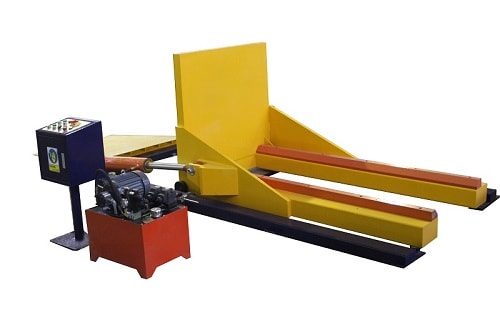
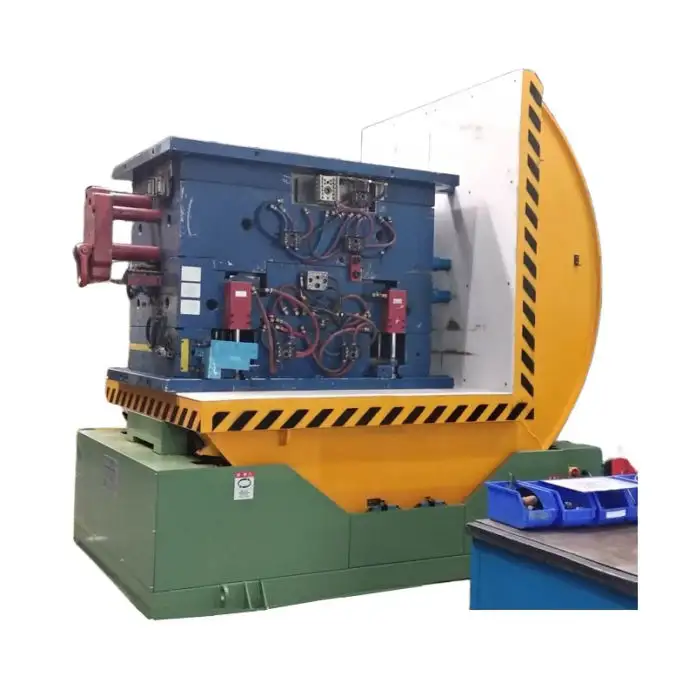
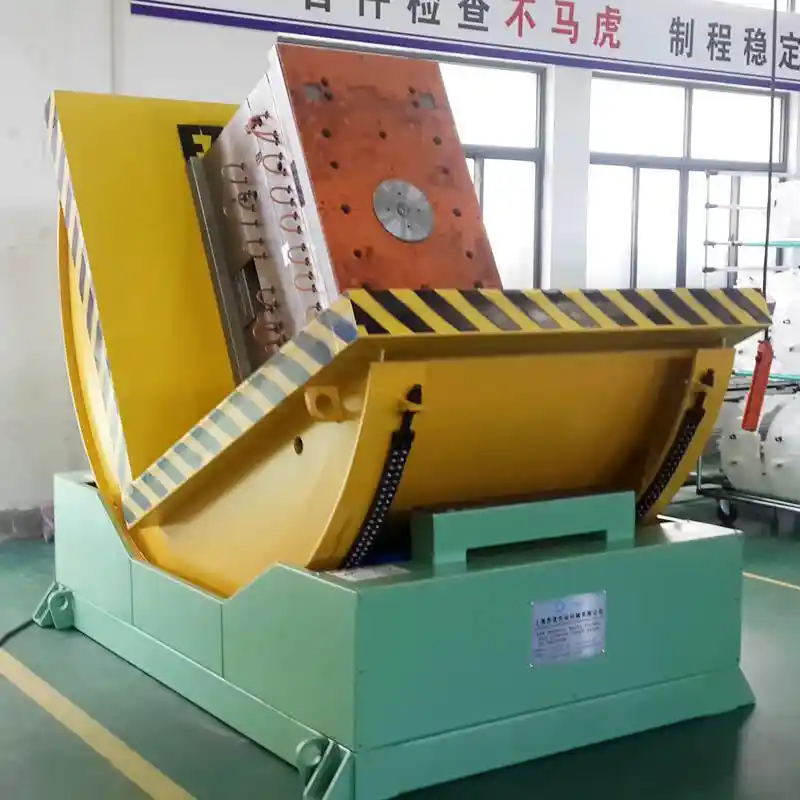
| Molds are significant investments in manufacturing, and their maintenance is critical. Frequent mold maintenance or unexpected breakdowns can seriously impact production schedules and budgets. This is where mold upenders come into play. These devices are designed to improve the entire mold handling process, ultimately contributing to the lifespan of your molds. A mold upender is a mechanical marvel designed to safely and efficiently rotate heavy molds by 90 degrees. Whether hydraulic or mechanically driven, it allows for controlled tilting, reducing the inherent risks of manual handling. The core benefit lies in balance and controlled movement. Manually wrestling with heavy molds makes perfect balance nearly impossible, leading to stress and potential damage. Mold upenders solve this by ensuring even pressure distribution during tilting and turning procedures. This even distribution minimizes mechanical stress on the mold, significantly improving its durability and extending its operational lifespan. |
Feature | Functionality | Benefit |
|---|---|---|---|
| 90-Degree Turning | Automatic tilt to 90 degrees | Reduces manual handling risks | |
| Weight Distribution | Even pressure during tilting | Less mechanical stress on molds | |
| Durability | Sturdy construction for long-term use | Longer mold lifespan, enhanced efficiency |
Key Benefits of Mold 90 Degree Turning in Your Production Line
Integrating mold 90-degree turning solutions into your production line is more than just an upgrade; it’s a strategic shift towards optimized efficiency and safety. Outdated processes often lead to workflow bottlenecks and safety concerns. Mold upenders revolutionize mold handling, offering substantial advantages that impact productivity and the bottom line.
Enhanced Efficiency and Reduced Labor Costs
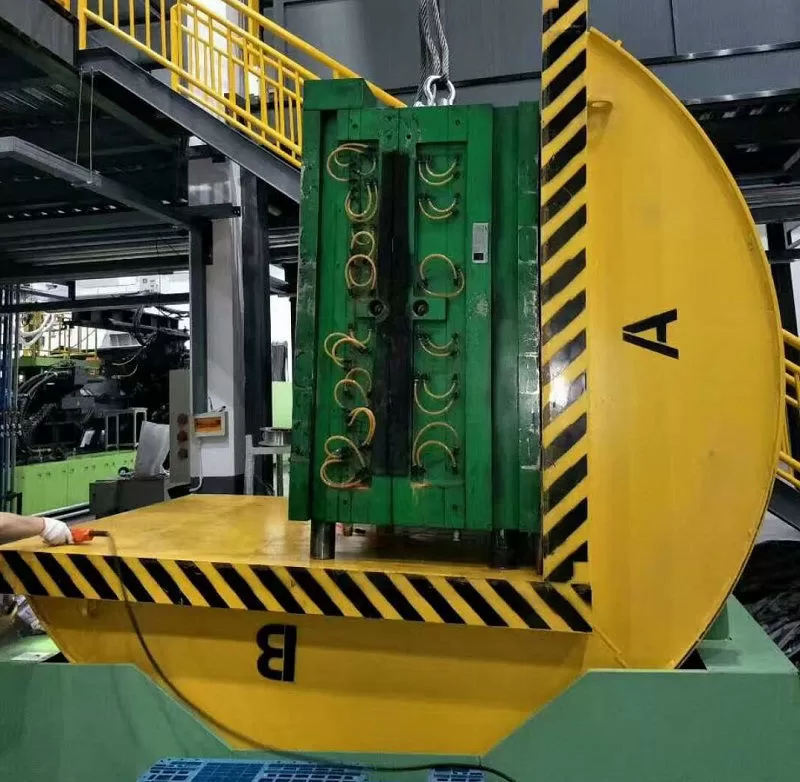
Manual mold handling is time-consuming and labor-intensive. Mold 90 degree turning systems automate this process, streamlining operations and accelerating production cycles. By minimizing the need for manual intervention, these systems significantly reduce labor costs and the potential for human error. The result is a faster, more consistent workflow with fewer resources.
Improved Safety and Minimized Risk
Safety is paramount in any manufacturing environment. Manually handling heavy molds poses considerable safety risks, including workplace accidents and injuries. Mold upenders dramatically minimize these risks by automating the turning process. With less manual handling, the likelihood of accidents decreases, creating a safer and more secure work environment for your team.
Consistent Operations and Higher Quality Output
| The precision and reliability offered by mold 90 degree turning systems ensure consistent mold handling. This translates to more uniform and high-quality output in your production process. Automated systems reduce variability, leading to fewer defects and improved overall product quality. | Benefits | Impact | Outcome |
|---|---|---|---|
| Enhanced Efficiency | Automated mold handling | Faster production cycles | |
| Reduced Labor Costs | Less manual handling | Reduced staffing needs, fewer errors | |
| Improved Safety | Minimized manual intervention | Lower risk of workplace accidents | |
| Consistent Operations | Precise and reliable handling | High-quality and uniform output |
Mold Tilters: Further Contributing to Mold Longevity
| While mold upenders focus on turning, mold tilters provide another layer of benefit to mold longevity. If constant mold replacements are straining your budget, a mold tilter could be the solution you need. These tools are designed to extend mold lifespan through careful and precise manipulation. Mold tilters work by reducing wear and tear on molds through optimized stress distribution during handling and storage. By preventing harsh or awkward movements, they minimize surface damage and internal stress that can compromise a mold’s effectiveness over time. Investing in a mold tilter translates to long-term savings and enhanced production stability. |
Aspect | Contribution to Mold Longevity | Result |
|---|---|---|---|
| Reduced Wear and Tear | Less friction and physical damage | Longer-lasting molds | |
| Optimized Stress Distribution | Evenly spread load stresses | Enhanced mold durability | |
| Improved Mold Handling | Safe and precise mold manipulation | Consistency in mold quality and output | |
| Cost-Effective Maintenance | Less frequent replacements required | Reduced operational costs, long-term savings |
Best Practices for Maximizing Mold Upender and Mold Lifespan
To truly extend the lifespan of your mold upender and your molds, a holistic approach encompassing maintenance, operation, and environmental control is essential.
1. Operator Training: The Foundation of Equipment Longevity
The first and most crucial step in prolonging the lifespan of your mold upender and molds is proper operator training. Ensure that all employees operating the equipment are thoroughly trained and certified. Proper training reduces breakages caused by improper usage and minimizes the risk of accidents. Trained operators are more likely to handle the equipment correctly, preventing unnecessary stress and damage. Regular refresher training is also vital, especially when new equipment or procedures are introduced.
2. Regular Cleaning and Inspection: Proactive Maintenance
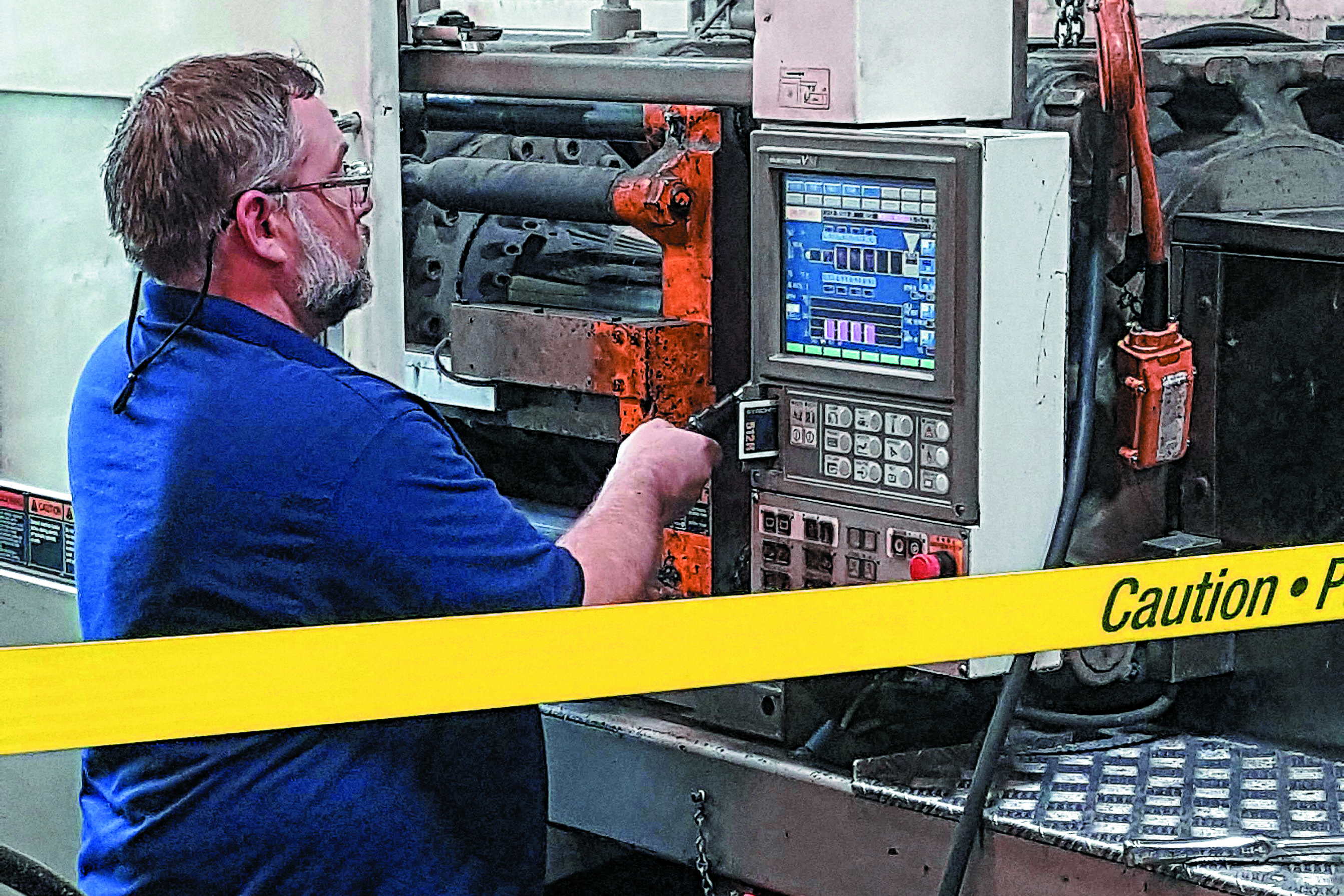
Molds and mold upenders operate in demanding environments and require regular cleaning and inspection. For molds, implement a schedule for cleaning molds after each production run to prevent the buildup of debris, contaminants, and residues that can cause corrosion or damage. Regularly inspect molds for signs of wear, cracks, or defects, allowing for early detection and timely repairs.
For mold upenders, routine inspections are equally crucial. Look for signs of wear and tear, loose components, or hydraulic leaks. A minimum of once per shift, inspect, clean, and grease the mold upender. Watch for galling, parting line wear, burrs, and metal shavings on the molds during these checks.
3. Lubrication: Keeping Things Running Smoothly
Lubrication is critical for both molds and mold upenders. Apply appropriate lubrication to molds regularly, focusing on moving parts and slide slots. Ensure slides function properly and watch for signs of detent failure or loose gibs.
Mold upenders rely on hydraulic or mechanical systems, and proper lubrication is essential for their smooth operation. Regularly lubricate all moving parts of the mold upender, including hydraulic cylinders, bearings, and gears. Using the correct type of lubricant as recommended by the manufacturer is crucial to prevent premature wear and ensure optimal performance.
4. Predictive and Preventive Maintenance: Staying Ahead of Potential Issues
Adopt both preventive and predictive maintenance strategies. Preventive maintenance involves scheduled servicing at regular intervals, as outlined by the equipment manufacturer. This includes lubrication, filter changes, and component checks.
Predictive maintenance takes a more proactive approach, using data and observations to anticipate when maintenance will be needed. This can involve monitoring equipment performance, analyzing oil samples, and using sensors to detect early signs of wear. Predictive maintenance helps prevent surprise breakdowns and allows for timely interventions, extending the lifespan of both the mold upender and the molds.
5. Proper Mold and Mold Upender Storage: Protecting Your Investments When Not in Use
When molds are not in use, they should be stored properly to prevent corrosion and damage. Store molds in a clean, dry, and temperature-controlled environment, protected from dust, moisture, and potential impacts. Apply rust preventative, especially to textured and polished areas, if a mold will not be used for more than 6 hours.
Mold upenders, when not in use for extended periods, should also be stored in a clean and dry area, ideally indoors. Protect them from extreme temperatures and humidity. Follow manufacturer guidelines for long-term storage to prevent any deterioration of hydraulic systems or mechanical components.
6. Mold Design and Material Selection: Starting Strong
The longevity of a mold is significantly influenced by its initial design and material selection. Choose high-quality mold materials with excellent heat resistance, durability, and wear resistance, such as hardened steel, stainless steel, and aluminum alloys. Optimal mold design, including wall thickness, draft angles, parting lines, and gate design, reduces stress and wear. Collaborating with experienced mold designers ensures molds are built for an extended lifespan from the outset.
7. Cooling System Optimization: Managing Heat Effectively
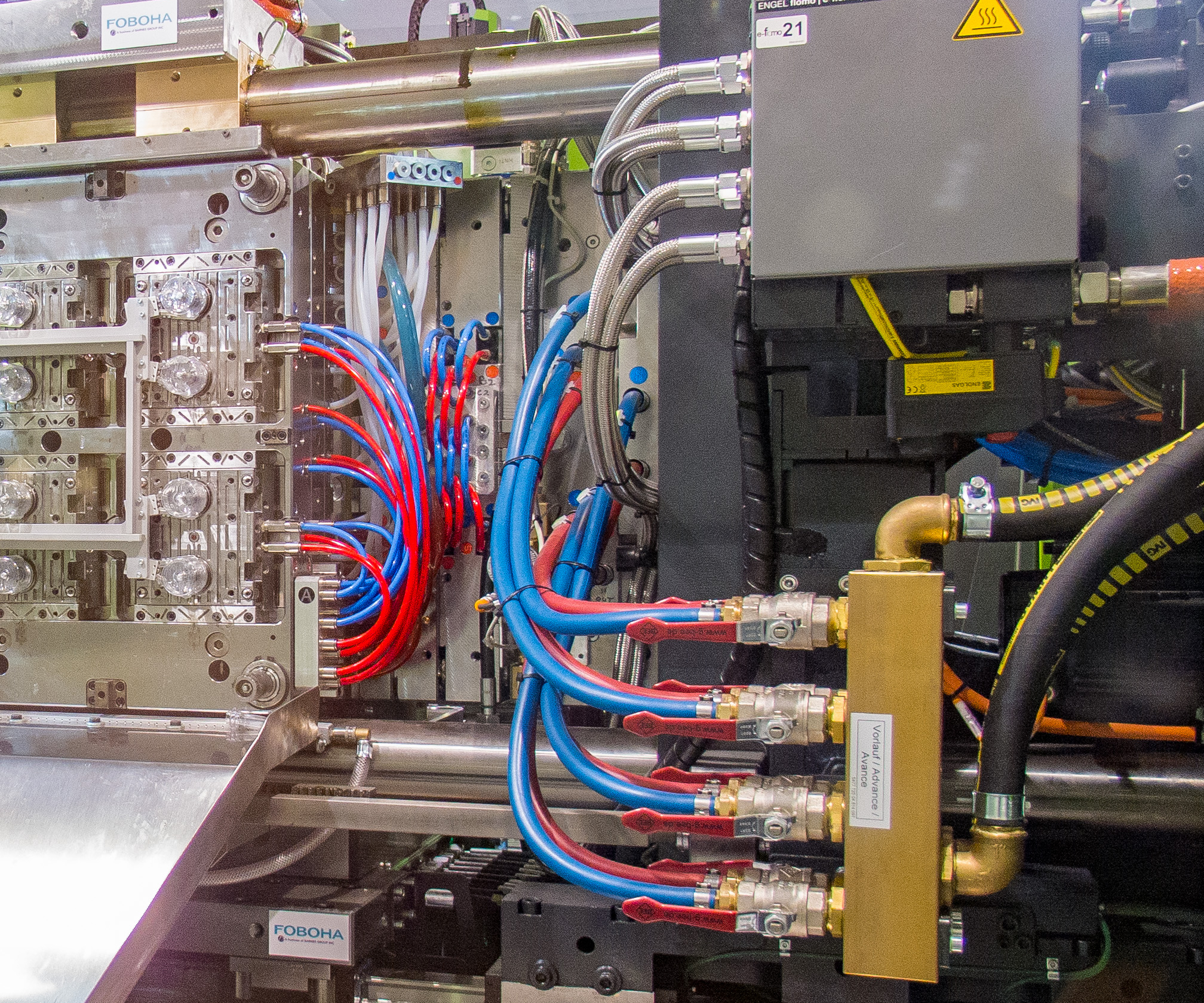
Proper cooling is vital for mold longevity. Inadequate cooling can lead to thermal stresses, warping, and premature wear. Optimize the cooling system with proper water flow rate, temperature control, and strategically placed cooling channels. Regularly monitor the cooling system performance and maintain cooling channels to ensure consistent cooling and prevent issues that can shorten mold lifespan.
8. Surface Treatment Methods: Enhancing Mold Durability
Applying surface treatment methods can significantly enhance mold resistance and longevity. Treatments like nitriding, chrome plating, and PVD coatings improve a mold’s resistance to wear, corrosion, and sticking. Selecting the appropriate surface treatment based on molding requirements can greatly increase mold durability and lifespan.
9. Machine Setup and Operating Conditions: Minimizing Stress
Correct machine setup and operating conditions are crucial for mold longevity. Verify proper tonnage for each mold to avoid damage from excessive or insufficient force. Implement low-pressure close settings for mold protection, setting high-pressure lock-up positions no higher than .05 above the actual mold touch position. Ensure core pressures and speeds are limited to application requirements and that ejection setups are optimized to prevent over-stroking. Control mold temperatures, minimizing variance between mold halves to prevent heat soak damage.
10. Timely Mold Repair and Restoration: Extending Operational Life
When molds become damaged or show signs of wear, timely repair and restoration are essential. Techniques like welding, machining, and polishing can address damage. Restoring worn surface coatings through reapplication or reconditioning improves mold performance and durability, significantly extending their operational life.
Conclusion: Investing in Longevity and Efficiency
Extending the lifespan of your mold upender and your molds requires a proactive and comprehensive approach. Integrating mold upenders and tilters into your operations significantly enhances efficiency, safety, and mold longevity by reducing manual handling and mechanical stress. Combining these advanced technologies with diligent maintenance practices, proper operation, and smart material and design choices leads to substantial cost savings, reduced downtime, and improved product quality. By implementing these best practices, you not only protect your investment in molds and mold upenders but also optimize your entire manufacturing process for long-term success and profitability.