Is mold lurking in your home or workplace? Don't wait until it's too late! Scheduling professional mold upender servicing is crucial when dealing with large mold infestations, recurring mold problems, mold in hidden areas like HVAC systems or behind walls, water damage, black mold, or if you experience mold-related health issues. Protect your property value and your well-being by knowing when to call in the experts.
Mold. Just the word can send shivers down a homeowner's spine. It's not just an unsightly blemish on your walls or ceilings; it's a potential health hazard and can seriously compromise the structural integrity of your property. While minor mold issues might seem manageable on your own, there are critical situations when attempting DIY mold removal is not only ineffective but can be downright dangerous. Knowing when to schedule professional mold upender servicing is paramount to ensure your environment is safe, healthy, and mold-free.
Understanding the Mold Menace: More Than Just a Nuisance
Mold is a type of fungus that thrives in damp and humid environments. These microscopic organisms are nature's recyclers outdoors, breaking down organic matter like fallen leaves and decaying wood. However, indoors, mold becomes an unwelcome guest.
Why is mold so problematic inside buildings?
- Health Implications: Exposure to mold spores can trigger a range of health issues. The U.S. Department of Labor's Occupational Safety and Health Administration (OSHA) acknowledges that mold exposure can cause allergic reactions. Symptoms can range from common hay fever-like responses such as runny nose and red eyes to more severe asthma attacks in sensitive individuals. For those with weakened immune systems, mold exposure can even lead to infections. Mold can irritate the eyes, skin, nose, and throat in many people, impacting overall well-being.
- Property Damage: Mold doesn't just sit on surfaces; it feeds on them. It can gradually damage building materials and furnishings, including wood, drywall, carpets, and insulation. Left unchecked, mold can compromise the structural integrity of wood-framed buildings, weakening floors and walls as it digests the moist wooden components.
- Reduced Indoor Air Quality: Mold spores released into the air degrade indoor air quality. Breathing in these spores consistently can exacerbate respiratory conditions and create an unhealthy living or working environment. Musty or moldy odors are often the first indicators of a hidden mold problem, signaling that spores are being released into the air.
DIY vs. Professional Mold Removal: Knowing Your Limits
For very minor surface mold, you might consider a DIY approach. However, this is only advisable under very specific and limited circumstances: DIY Mold Removal Suitability Professional Mold Upender Servicing is Recommended Affected Area: Very small, less than 10 square feet (e.g., a small patch in a bathroom). Affected Area: Larger than 10 square feet. Mold infestations of this size often indicate a more significant underlying moisture problem and require professional-grade equipment and expertise. Surface Type: Non-porous surfaces only (tiles, glass, metal). Mold on porous materials like drywall, carpet, or wood is often deeply embedded and requires more than surface cleaning. Surface Type: Porous materials affected (drywall, carpet, wood, insulation). These materials are often difficult to fully remediate without professional techniques and possible removal. Cause of Mold: Isolated incident with no ongoing moisture issue. If the conditions that caused the mold (like a one-time spill) are resolved and humidity is controlled. Recurring Mold or Unidentified Moisture Source: Mold that reappears quickly after cleaning or a persistent musty odor suggests an ongoing moisture problem that needs professional diagnosis and rectification. This could be from hidden leaks, condensation, or inadequate ventilation.
| Personal Health: Healthy individuals without allergies, asthma, or respiratory conditions. | Health Concerns: Individuals with allergies, asthma, respiratory conditions, weakened immune systems, or infants and elderly present in the space. Professional remediation ensures thorough removal and minimizes spore dispersal, crucial for vulnerable individuals. |
| Accessibility: Mold is on easily reachable and visible surfaces. | Hidden or Hard-to-Reach Mold: Mold in HVAC systems, behind walls, under flooring, in crawl spaces, or attics requires specialized equipment and techniques for detection and removal. Professionals have the tools to access and remediate these areas safely and effectively. |
It is crucial to understand that DIY mold removal is often a surface-level treatment, not a complete remediation. If the underlying moisture problem isn't addressed, mold will almost certainly return, potentially worse than before.
When Professional Mold Upender Servicing Becomes Essential: Red Flags You Can't Ignore
Ignoring significant mold issues can lead to escalating health problems and costly property damage. Here are the key situations where you should immediately schedule professional mold upender servicing:
1. Extensive Mold Growth: Beyond the DIY Zone
Once mold growth exceeds a small, isolated area (around 10 square feet), it's time to call professionals. Larger infestations are often deeper-rooted and indicate a more serious underlying moisture issue. Attempting to clean large areas yourself can release massive amounts of mold spores, exacerbating health risks and potentially spreading the contamination.
2. Recurring Mold: A Stubborn Problem
If you're constantly battling mold that reappears shortly after cleaning, you're likely only addressing the symptom, not the cause. Persistent mold signals an ongoing moisture problem – perhaps a hidden leak, high humidity levels, or inadequate ventilation. Professional mold upender servicing includes identifying and rectifying the source of moisture to prevent future mold growth.
3. Mold in Hidden and Inaccessible Areas: Out of Sight, Not Out of Mind
Mold often thrives in places you can't easily see or reach, including:
- HVAC Systems: Mold in air ducts not only degrades air quality but can also spread spores throughout your property every time the system runs. Professional HVAC mold remediation is critical.
- Behind Walls and Under Floors: Leaks or condensation within wall cavities or under flooring can create hidden mold colonies that can grow extensively before becoming visible.
- Attics and Crawl Spaces: These areas are often poorly ventilated and prone to moisture issues, making them ideal breeding grounds for mold.
Professionals have specialized equipment like boroscopes and moisture meters to detect mold in these hidden areas and the expertise to remediate them effectively.
4. Water Damage Events: Mold's Invitation
Following any water damage event, such as:
- Flooding: Floodwaters are often contaminated and introduce significant moisture into building materials.
- Leaks: Burst pipes, roof leaks, plumbing leaks – any ongoing water leak creates ideal conditions for mold growth.
- Sewer Backups: Sewage introduces highly contaminated water, making prompt and professional remediation essential to address both water damage and potential mold and bacterial contamination.
Professional mold servicing after water damage is crucial. They can assess the extent of the damage, dry out affected areas properly, and implement mold prevention measures. Prompt action (within 24-48 hours) following water damage is critical to prevent or limit mold growth.
5. Detection of Black Mold: Proceed with Extreme Caution
"Black mold," often referring to Stachybotrys chartarum, is infamous for producing mycotoxins. While not all black-colored mold is Stachybotrys, and the health risks associated with mycotoxins are still being studied, it’s prudent to treat any suspected black mold with extreme caution.
If you suspect black mold (often characterized by a slimy, dark appearance and musty odor), DO NOT attempt DIY removal. Disturbing black mold can release a high concentration of spores and potentially mycotoxins into the air. Professional mold upender servicing is absolutely necessary for black mold identification and safe, contained removal.
6. Health Symptoms Linked to Mold Exposure: Your Body's Warning Sign
Unexplained health symptoms, particularly respiratory issues, allergic reactions, or persistent irritation of the eyes, skin, nose, and throat, could be linked to mold exposure. If you or your family members experience these symptoms, especially if they worsen indoors and improve when away from the property, mold should be a primary suspect. Professional mold inspection and remediation can help identify and eliminate the source of potential health problems.
7. Property Sale or Rental: Ensuring a Healthy Environment
If you are planning to sell or rent out your property, addressing any mold issues is paramount. Mold infestations can significantly reduce property value and deter potential buyers or tenants. Professional mold servicing provides documentation of remediation, assuring potential buyers or renters that the property is safe and healthy. A professional mold clearance certificate can be a valuable asset during property transactions.The Professional Mold Upender Servicing Process: A Step-by-Step Approach
Engaging professional mold upender servicing ensures a comprehensive and effective remediation process, minimizing risks and ensuring long-term mold prevention. Here's what you can expect: Stage of Professional Mold Servicing Description Key Actions
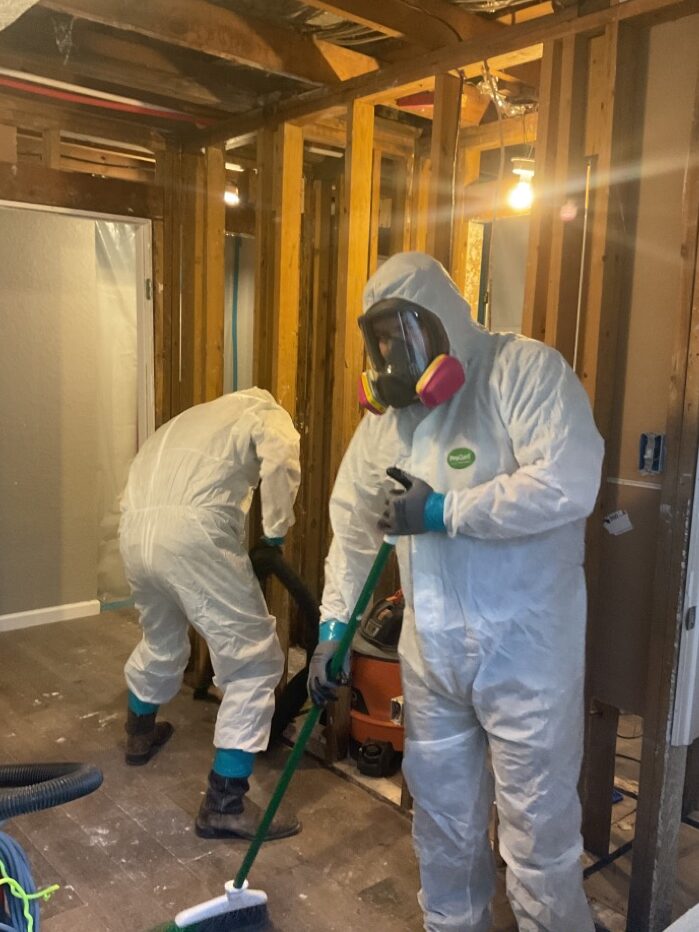
| 1. Inspection and Assessment | A certified mold inspector conducts a thorough visual inspection of your property, including areas of concern and potential hidden mold locations. Moisture meters and other tools may be used to detect hidden moisture and assess the extent of the mold problem. | - Visual examination of visible mold growth. - Moisture mapping to identify damp areas. - Possible air and surface sampling (if deemed necessary by the professional after visual inspection, especially in situations where hidden mold is suspected or for post-remediation verification, as per OSHA guidance emphasizing visual assessment as primary). - Identifying the type of mold (though species identification may not always be necessary for remediation strategy). |
| 2. Containment and Isolation | To prevent mold spore dispersal during remediation, the affected area is carefully contained using plastic sheeting and sealed barriers. Negative air pressure may be established using specialized equipment (HEPA-filtered air scrubbers) to further prevent spores from escaping the work zone. | - Sealing off the work area with plastic sheeting. - Covering doorways and ventilation ducts. - Setting up negative air pressure to prevent cross-contamination of unaffected areas. |
| 3. Air Filtration | HEPA (High-Efficiency Particulate Air) filtration devices are deployed to continuously clean the air in the work area, capturing mold spores and other airborne particles. This is crucial for protecting both the remediation team and preventing further contamination of the property. | - Utilizing HEPA air scrubbers to filter the air in the contained area. - Running air scrubbers continuously throughout the remediation process. |
| 4. Mold Removal and Remediation | Professionals employ various methods to remove mold-damaged materials and clean affected surfaces, focusing on physical removal rather than simply killing mold. Porous materials heavily contaminated with mold, such as drywall or carpet, may need to be removed and properly disposed of. Non-porous surfaces can often be cleaned using specialized cleaning agents and techniques. | - Removal of Mold-Damaged Materials: Carefully removing and discarding heavily mold-infested porous materials (drywall, insulation, carpet) in sealed, impermeable bags. - Damp Wiping and HEPA Vacuuming: Cleaning non-porous surfaces with damp cloths and appropriate cleaners, followed by thorough HEPA vacuuming to remove remaining spores. - Addressing the Moisture Source: Crucially, professionals identify and rectify the underlying moisture problem that caused the mold growth. This may involve plumbing repairs, improving ventilation, or addressing condensation issues. |
| 5. Final Cleanup and Verification | After mold removal, the contained area and surrounding spaces are thoroughly cleaned and HEPA vacuumed. A post-remediation inspection is conducted to ensure that visible mold is removed and the area is dry and clean. Some professionals may conduct post-remediation verification (e.g., visual or surface testing) to confirm the effectiveness of the remediation, although visual clearance is often the primary indicator, as emphasized by OSHA. | - Final cleaning and HEPA vacuuming of the remediated area and adjacent spaces. - Visual inspection to confirm mold removal. - Moisture testing to verify dryness. - Post-remediation verification (if agreed upon or deemed necessary). |
The Investment in a Healthy Home: Cost Considerations
The cost of professional mold upender servicing varies depending on several factors, including:
- Size of the Affected Area: Larger infestations naturally require more time, labor, and materials, increasing the cost.
- Type of Mold and Extent of Contamination: Severe infestations, hidden mold, or certain mold types (like Stachybotrys) may require more complex remediation procedures and potentially higher costs.
- Location and Accessibility: Mold in hard-to-reach areas or requiring specialized access (e.g., crawl spaces, attics) can increase labor costs.
- Materials Requiring Removal: The amount of drywall, carpet, insulation, or other materials that need to be removed and replaced impacts the overall cost.
While costs can range from a few hundred dollars for minor isolated issues to several thousand dollars for extensive remediation, remember that professional mold upender servicing is an investment in your health, your property value, and long-term peace of mind.Preventing Mold Recurrence: Long-Term Strategies
Professional mold remediation addresses the immediate problem, but proactive prevention is key to avoiding future infestations:
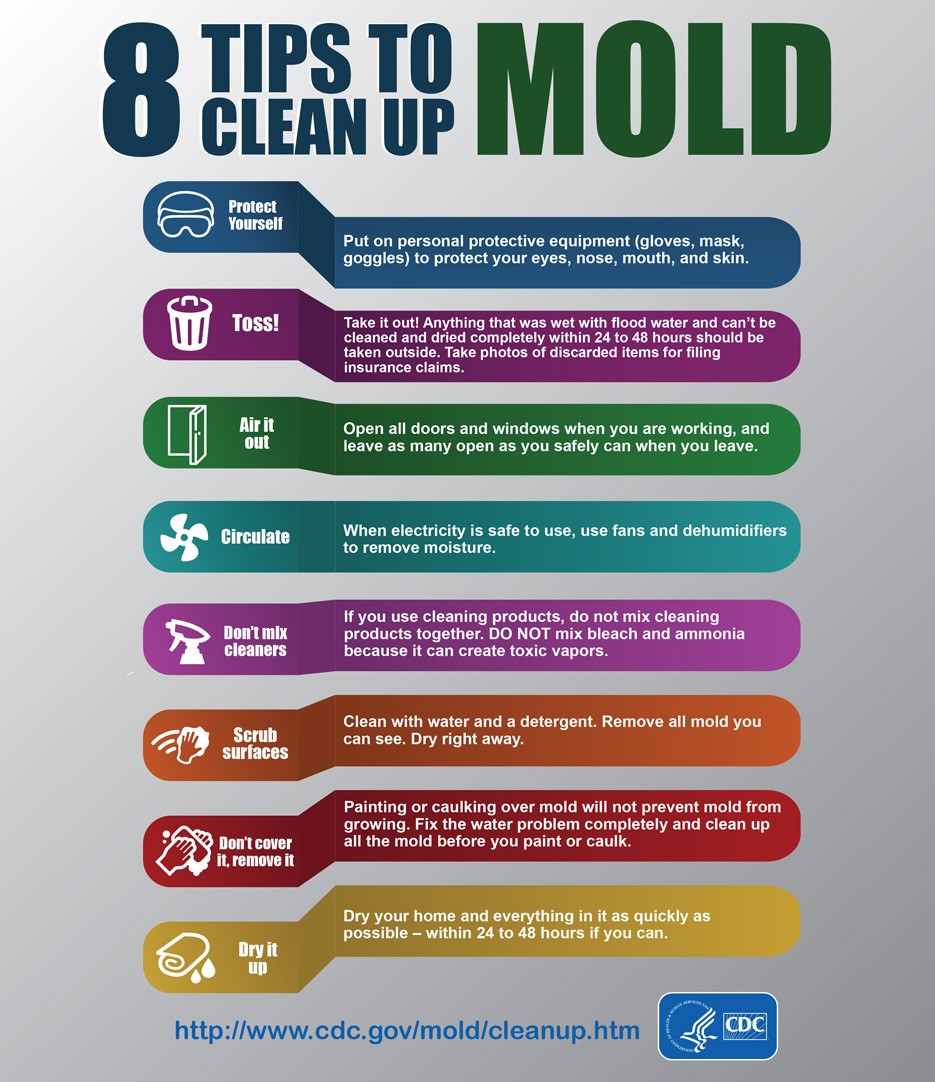
- Control Humidity: Maintain indoor humidity levels below 70% (ideally between 25-60%). Use dehumidifiers in damp basements or crawl spaces. Ensure proper ventilation in bathrooms and kitchens.
- Fix Leaks Promptly: Repair any plumbing leaks, roof leaks, or foundation cracks immediately. Address condensation issues by improving insulation and ventilation.

- Improve Ventilation: Ensure adequate airflow throughout your property. Use exhaust fans in bathrooms and kitchens, especially during and after showering or cooking. Open windows when weather permits to improve air circulation.
- Regular Inspections: Periodically inspect areas prone to moisture, such as bathrooms, basements, crawl spaces, and around plumbing fixtures, for any signs of mold growth or water damage.
Conclusion: Prioritizing Health and Property Protection
Mold is a serious issue that should not be taken lightly. While small, surface mold patches might be manageable with DIY cleaning for some, knowing when to schedule professional mold upender servicing is crucial for protecting your health and preventing significant property damage.
Don't hesitate to call in the experts when faced with: - Large Mold Infestations
- Recurring Mold Problems
- Hidden or Inaccessible Mold
- Water Damage Events
- Suspected Black Mold
- Mold-Related Health Symptoms
- Property Sale or Rental Considerations
Take control of your indoor environment. Scheduling professional mold upender servicing is often the most effective and safest way to ensure your property is mold-free, healthy, and protected for the long term. When in doubt, err on the side of caution and seek professional advice. Your health and your property are worth it.