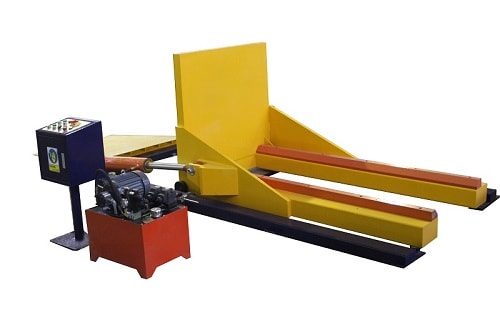
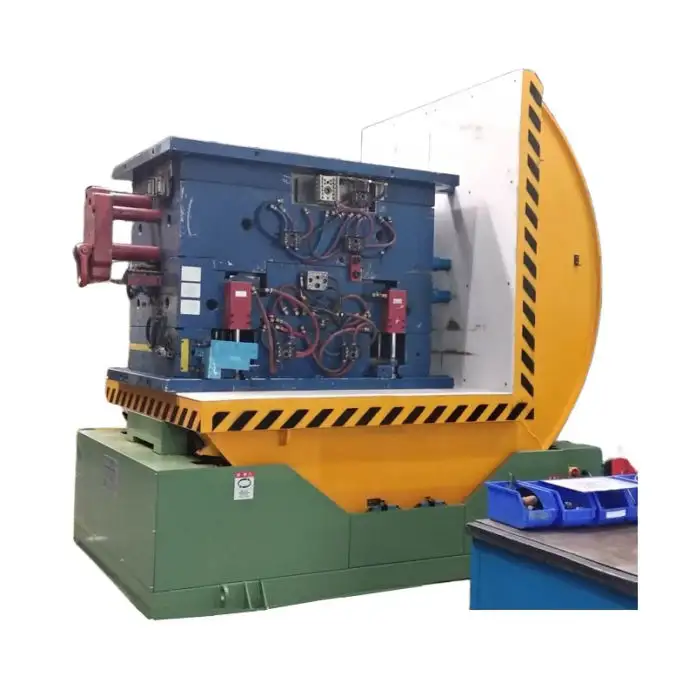
How to Conduct a Cost-Benefit Analysis for Mold Flippers?
Are you in the manufacturing business and constantly looking for ways to optimize your production line? Imagine a simple yet effective tool that could streamline your mold handling, enhance safety, and boost efficiency. Mold flippers are gaining traction, but is the investment truly worth it for your specific operations?
A cost-benefit analysis for mold flippers involves systematically comparing the total expected costs of implementing mold flippers against the total expected benefits. This analysis helps determine if the investment is financially sound and strategically advantageous by quantifying factors like increased efficiency, reduced labor costs, improved safety, and the initial investment in equipment. This article will guide you through a step-by-step process to conduct a comprehensive cost-benefit analysis, ensuring you make an informed decision.
Investing in new equipment requires careful consideration. Let's delve into how you can rigorously evaluate the potential of mold flippers to transform your operations and deliver a tangible return on investment.
Understanding the Core Benefits of Mold Flippers in Manufacturing
Are you tired of the cumbersome and risky process of manually flipping heavy molds? Mold flippers are engineered to eliminate these challenges, offering a safer and more efficient alternative. But beyond the obvious, what are the concrete advantages they bring to your manufacturing floor?
The primary benefits of mold flippers include enhanced operator safety by eliminating manual lifting and flipping, reduced mold damage due to controlled handling, increased efficiency through faster mold turnaround times, and decreased labor costs by requiring fewer personnel for mold handling. These advantages contribute to a more streamlined, safer, and cost-effective mold processing operation.
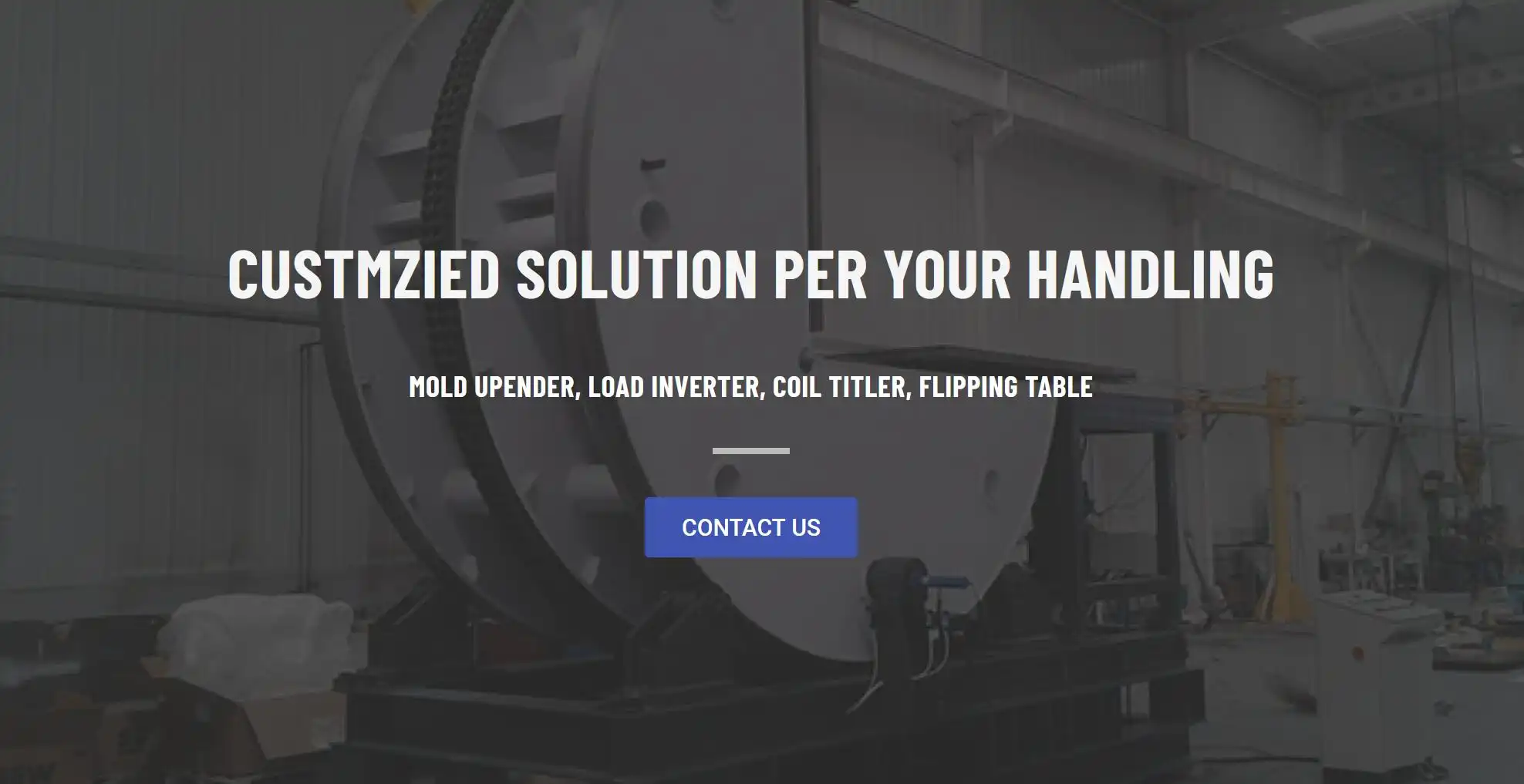
To truly grasp the potential impact of mold flippers, we need to break down these core benefits and understand how they translate into tangible value for your business. Let's explore the multifaceted advantages in detail.
Quantifying Efficiency Gains with Mold Flippers
How exactly do mold flippers ramp up your production efficiency? It's not just about speed; it's about optimizing the entire workflow. Let’s dissect the ways mold flippers contribute to a more efficient manufacturing environment.
Reduced Mold Turnaround Time
Manual mold flipping is time-consuming. Mold flippers drastically reduce the time needed to rotate molds, leading to faster changeovers and less downtime. Consider a scenario:
| Process Step | Manual Flipping Time (minutes) | Mold Flipper Time (minutes) | Time Savings (minutes) |
|---|---|---|---|
| Preparation & Setup | 15 | 10 | 5 |
| Flipping Mold | 20 | 5 | 15 |
| Post-Flip Adjustment | 10 | 5 | 5 |
| Total Time | 45 | 20 | 25 |
In this example, a mold flipper saves 25 minutes per flip. Over multiple mold changes daily or weekly, these minutes accumulate into significant hours saved, directly translating to increased production capacity.
Optimized Labor Allocation
Manual flipping often requires multiple personnel for safe execution. Mold flippers can be operated by a single person, freeing up valuable labor resources for other critical tasks. This optimization not only reduces labor costs but also improves overall operational efficiency by allowing skilled workers to focus on more complex and value-added activities. By automating the physically demanding task of mold flipping, manufacturers can reallocate human resources to areas that require specialized skills and strategic thinking, leading to a more productive workforce.
Streamlined Workflow and Reduced Bottlenecks
Mold flippers contribute to a smoother, more streamlined workflow by eliminating a potential bottleneck in the mold handling process. Manual flipping can be a point of delay and congestion, especially with larger, heavier molds. By automating this step, mold flippers ensure a consistent and predictable pace of mold processing, reducing delays and improving the overall flow of production. This enhanced workflow predictability allows for better production scheduling and resource management, further maximizing efficiency gains.
Identifying Key Cost Factors Associated with Mold Flippers
While the benefits are compelling, understanding the costs is equally crucial for a balanced cost-benefit analysis. What are the primary cost drivers when considering mold flipper implementation? Let's break down the key financial aspects.
The key cost factors include the initial purchase price of the mold flipper equipment, installation expenses, operational costs such as energy consumption and maintenance, and potential training costs for personnel. Additionally, consider any necessary modifications to your facility to accommodate the equipment and the ongoing maintenance and potential repair costs over the lifespan of the mold flipper.
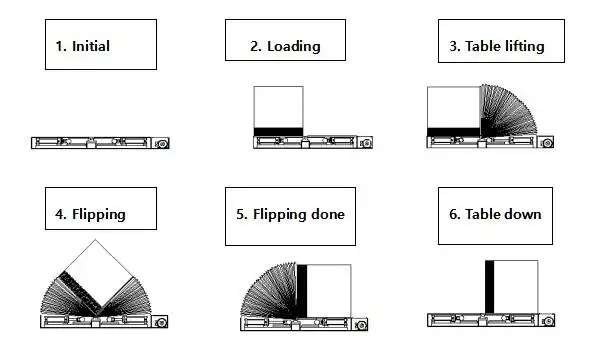
To make an accurate assessment, it's essential to itemize and quantify each of these cost components. Let's delve into the specifics of each cost factor.
- Initial Investment: This is the upfront cost of purchasing the mold flipper itself. Prices vary depending on the type, capacity, and features of the flipper. Obtain quotes from reputable suppliers to get an accurate figure.
- Installation Costs: Installation may involve site preparation, electrical work, and professional setup. Factor in these costs, which can vary based on the complexity of the installation and your facility's infrastructure.
- Operational Expenses: Mold flippers consume electricity. Estimate the energy consumption based on usage frequency and local electricity rates. Regular maintenance, including lubrication and parts replacement, is also an ongoing operational cost.
- Training Costs: Operators will need training to safely and effectively use the new equipment. Include the cost of training programs, whether in-house or provided by the supplier.
- Facility Modifications: Assess if any modifications to your facility are needed, such as reinforced flooring or adjustments to workspace layout, to accommodate the mold flipper.
By meticulously accounting for these cost factors, you'll have a solid foundation for the 'cost' side of your cost-benefit equation.
Step-by-Step Guide to Conducting a Cost-Benefit Analysis for Mold Flippers
Now that we've covered the benefits and costs, let's outline a structured approach to conducting your cost-benefit analysis. How do you put it all together to make a data-driven decision?
Conducting a cost-benefit analysis involves these key steps: 1) Define Objectives & Scope, 2) Identify and Quantify Benefits, 3) Identify and Quantify Costs, 4) Calculate Net Present Value (NPV) or ROI, and 5) Sensitivity Analysis. Following these steps systematically will provide a clear financial picture of the mold flipper investment.
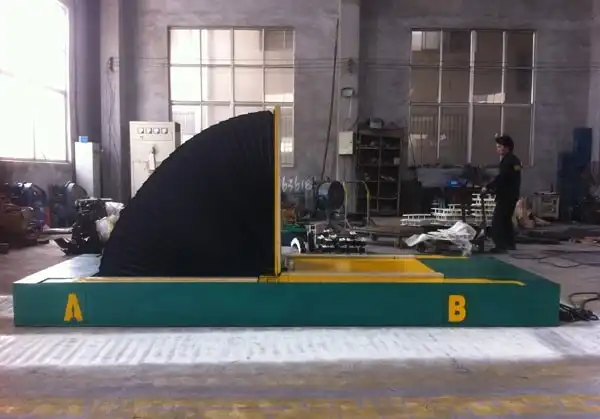
Let's break down each step to provide a practical framework for your analysis.
1. Define Objectives and Scope
Clearly define what you aim to achieve with mold flippers. Are you prioritizing safety, efficiency, or both? Establish the scope of your analysis – will it cover a specific production line or the entire facility? Specific objectives lead to a more focused and relevant analysis. For instance, an objective could be to reduce mold changeover time by 30% or to decrease mold handling related injuries to zero. Clearly defined objectives provide benchmarks against which to measure the success of the investment.
2. Identify and Quantify Benefits
List all potential benefits, both tangible and intangible. Tangible benefits, like reduced labor costs and increased throughput, can be directly quantified in monetary terms. Intangible benefits, such as improved employee morale and enhanced safety culture, are harder to quantify but should still be considered qualitatively. For tangible benefits, use data from your operations. For example, calculate potential labor savings by estimating the reduction in man-hours for mold handling. Quantify efficiency gains by projecting the increase in production output due to faster mold changeovers.
3. Identify and Quantify Costs
Detail all costs associated with acquiring and operating mold flippers, as outlined in the previous section. Obtain precise quotes for equipment, installation, and training. Estimate operational costs like energy consumption and maintenance based on manufacturer specifications and industry averages. Be thorough and realistic in your cost estimations to avoid underestimating the total investment. Consider both upfront capital expenditures and recurring operational expenses over the equipment's expected lifespan.
4. Calculate Net Present Value (NPV) or Return on Investment (ROI)
Use financial metrics like Net Present Value (NPV) or Return on Investment (ROI) to evaluate the financial viability of the investment. NPV calculates the present value of all future cash flows (benefits minus costs), discounted to reflect the time value of money. A positive NPV suggests the investment is profitable. ROI expresses the gain or loss generated on an investment relative to the amount of money invested. A higher ROI indicates a more profitable investment. Choose the metric that best aligns with your company's financial evaluation practices. Spreadsheet software or online calculators can simplify these calculations.
5. Sensitivity Analysis
Conduct a sensitivity analysis to assess how changes in key variables (e.g., labor costs, production volume, equipment lifespan) might impact the outcome of your cost-benefit analysis. This helps understand the robustness of your conclusion and identify potential risks. For example, test scenarios with varying levels of production increase or potential fluctuations in electricity costs. Sensitivity analysis provides a more comprehensive and realistic view of the investment's potential under different operating conditions. It helps in identifying critical factors that significantly influence the outcome and allows for contingency planning.
By following these five steps, you can construct a robust and data-driven cost-benefit analysis for mold flippers, leading to a well-informed investment decision.
Maximizing ROI and Long-Term Value from Mold Flipper Investments
After conducting your cost-benefit analysis and deciding to invest, the next crucial step is to maximize your return and ensure long-term value. How do you optimize the use of mold flippers to achieve the best possible outcomes?
To maximize ROI and long-term value, focus on proper operator training, proactive maintenance schedules, integration with existing workflows, and continuous monitoring of performance metrics. These strategies ensure optimal utilization, minimize downtime, extend equipment lifespan, and continuously improve efficiency gains from your mold flipper investment.
Let's explore these key strategies in detail to help you extract the maximum value from your mold flipper investment.
- Comprehensive Operator Training: Invest in thorough training programs for all operators. Proper training ensures safe and efficient operation, minimizes the risk of equipment damage, and maximizes productivity. Training should cover not only basic operation but also troubleshooting and routine maintenance procedures.
- Proactive Maintenance Schedule: Establish a regular maintenance schedule to ensure the mold flipper operates at peak performance and to prevent unexpected breakdowns. Regular inspections, lubrication, and timely replacement of wear parts are crucial for extending equipment lifespan and minimizing downtime.
- Workflow Integration: Integrate mold flippers seamlessly into your existing production workflows. Optimize the layout of your facility to ensure smooth material flow and minimize bottlenecks. Consider how the mold flipper interacts with other equipment and processes in your production line to maximize overall efficiency gains.
- Performance Monitoring and Optimization: Track key performance indicators (KPIs) such as mold changeover times, uptime, and energy consumption. Regularly review this data to identify areas for further optimization and improvement. Continuous monitoring allows for data-driven adjustments to processes and procedures to continually enhance ROI.
By implementing these strategies, you can not only justify your initial investment in mold flippers but also ensure they deliver sustained value and contribute to long-term operational excellence. A well-executed cost-benefit analysis, combined with strategic implementation and optimization, will pave the way for a successful and profitable mold flipper integration.
Conclusion
Conducting a thorough cost-benefit analysis is paramount when considering an investment in [mold flipper] technology. By carefully weighing the quantifiable benefits against the associated costs, manufacturers can make informed decisions that drive both operational improvements and financial returns. Embracing a structured approach to this analysis ensures that investments align with strategic objectives and contribute to long-term success in the competitive manufacturing landscape.