What Is the Importance of Mold Upenders in the Plastics Industry?
Are you facing challenges with heavy, unwieldy molds in your plastics manufacturing process? Imagine the risks of manual handling, the potential for damage, and the bottlenecks in production. Mold upenders are the solution, transforming mold handling from a hazardous task into a streamlined, safe, and efficient operation.
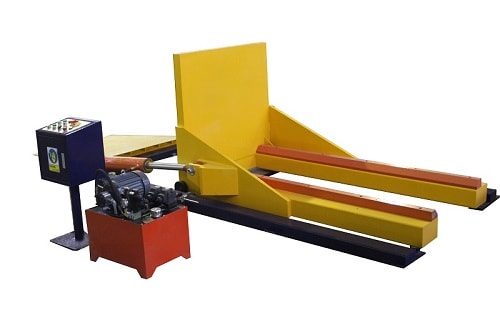
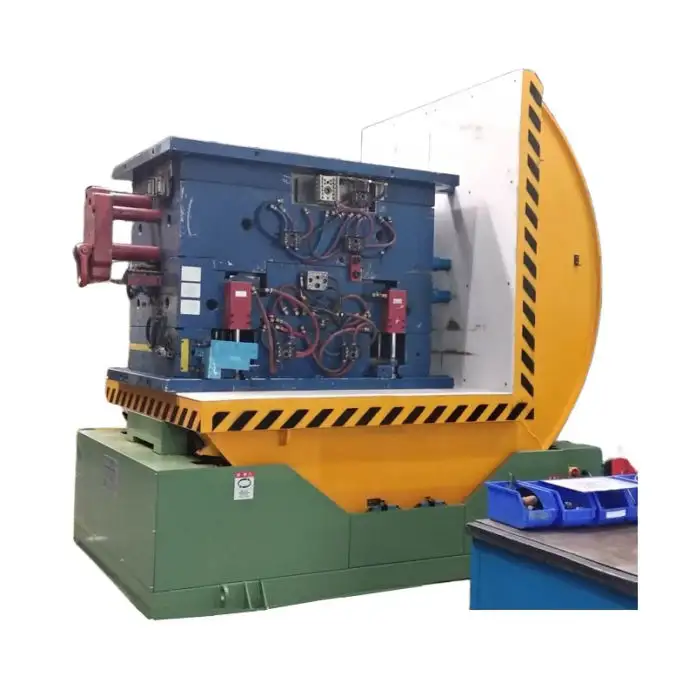
Mold upenders, also known as mold tilters or mold flippers, are crucial equipment in the plastics industry that enhance safety and efficiency by rotating heavy molds. They facilitate easier maintenance, improve mold release, and ensure superior surface finish of plastic products, making them indispensable for quality and productivity.
Let's delve into why mold upenders are not just beneficial, but essential for thriving in today's competitive plastics industry.
Enhancing Manufacturing Quality with Mold Upenders
Every plastics manufacturer strives for impeccable quality. But achieving this consistently can feel like navigating a maze. What if a simple machine could significantly elevate your product quality, reduce defects, and streamline your production? Mold upenders are the key, directly impacting the quality of finished plastic products by ensuring proper mold handling and optimizing every stage of the injection molding process.
Mold upenders enhance injection molding quality by providing precise 90-degree rotation of molds. This facilitates smooth mold release, improves product surface finish by ensuring even material distribution, and minimizes defects, leading to consistently high-quality plastic parts.
%[alt with keywords]

But how exactly do mold upenders achieve this quality boost? Let's explore the critical aspects where mold upenders make a tangible difference.
Dive Deeper into Quality Enhancement: Precision and Control
Mold upenders are not just about flipping heavy objects; they are about introducing precision and control into a process that traditionally relied on cumbersome manual methods or less-than-ideal crane systems. By focusing on specific aspects of the manufacturing process, we can see exactly how these machines elevate quality.
Mold Release Efficiency: The Foundation of Flawless Products
Inefficient mold release is a major culprit behind defects in plastic parts. When molds are not properly separated, it can lead to:
- Surface damage: Scratches, drag marks, and imperfections on the plastic surface.
- Part distortion: Stress and strain during ejection can warp the plastic component.
- Increased cycle times: Struggling with mold release slows down production.
Mold upenders address this by:
- Ensuring Optimal Mold Orientation: Rotating the mold to the ideal angle for parting, gravity assists in the release process, reducing friction and stress on the part.
- Facilitating Damage-Free Release: Smooth, controlled rotation minimizes jerky movements that can damage both the mold and the delicate plastic part during ejection.
Product Surface Finish: Achieving Aesthetic Excellence
The surface finish is often the first thing a customer notices about a plastic product. Imperfections can lead to rejection and damage brand reputation. Mold upenders contribute to superior surface finish by:
- Promoting Even Pressure and Temperature Distribution: Proper mold orientation during cooling and curing phases, facilitated by upenders, ensures uniform temperature distribution. This minimizes warping and sink marks, leading to a smoother, more consistent surface.
- Reducing Material Stress: Controlled mold handling reduces stress on the plastic material within the mold, preventing stress-induced surface defects and inconsistencies.
Injection Molding Quality: Minimizing Defects at the Core
Defects in injection molded parts can range from minor cosmetic issues to critical structural weaknesses. Mold upenders play a preventative role by:
- Improving Part Alignment and Molding Precision: Accurate mold positioning, enabled by upenders, ensures precise alignment of mold halves. This leads to better cavity filling and reduces defects related to misalignment, such as flash and uneven wall thickness.
- Minimizing Air Traps and Inclusions: Optimized mold orientation can help vent air more effectively during the injection process, reducing air traps and gas inclusions that can weaken the part and mar the surface finish.
To illustrate the impact, consider the following comparison:
| Aspect | Impact Without Mold Upender (Manual Handling) | Impact With Mold Upender (Controlled Handling) | Quality Improvement |
|---|---|---|---|
| Mold Release Efficiency | Inconsistent, potential for damage | Smooth, damage-free | Reduced surface defects, fewer rejected parts |
| Product Surface Finish | Uneven cooling, potential sink marks | Uniform temperature distribution | Smoother surfaces, enhanced aesthetic appeal |
| Injection Molding Quality | Misalignment risks, air trap potential | Precise alignment, improved venting | Minimized defects, structurally sounder parts |
By investing in mold upenders, plastics manufacturers are investing in a foundation for enhanced quality, moving away from reactive defect management to proactive quality assurance.
How Mold Upenders Optimize Surface Finish of Molded Products
Imagine a production line flowing seamlessly, producing plastic parts with impeccable surfaces. Then, a common issue arises – surface defects due to rough mold handling. What if you could eliminate this problem and ensure a flawless finish every time? Mold upenders are engineered precisely for this, guaranteeing optimal surface quality by providing controlled and stress-free mold handling.
Mold upenders are essential for achieving superior surface finish in molded products. By facilitating precise turning and tilting of molds, they ensure uniform material flow and minimize surface defects, resulting in a smoother, higher-quality final product.
%[keywords]
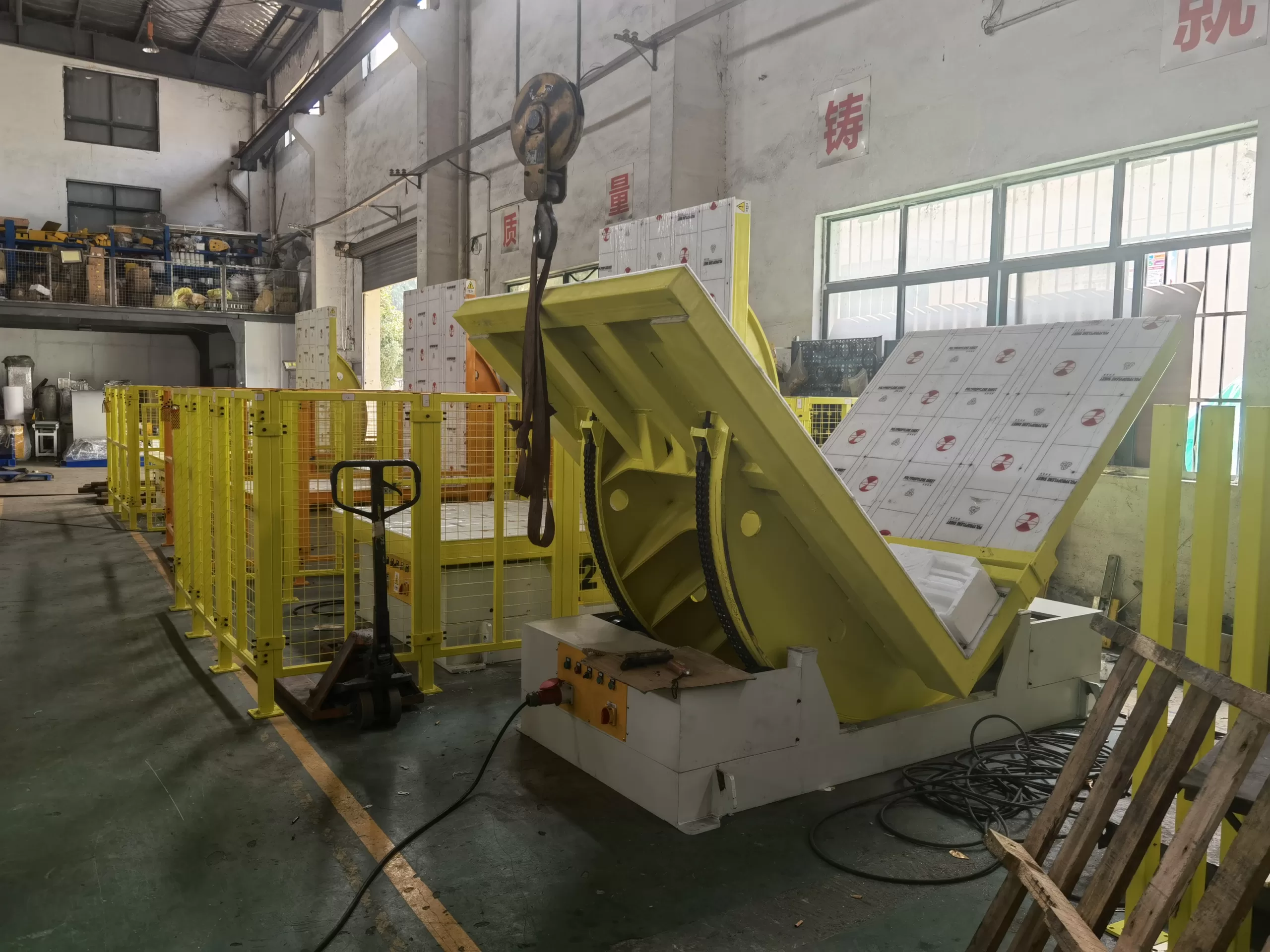
Let's delve deeper into how mold upenders become surface finish superheroes in plastics manufacturing.
Unveiling the Surface Finish Advantage: Precision in Every Turn
Achieving a flawless surface finish in plastic molding is a delicate balance of material properties, process parameters, and, crucially, mold handling. Mold upenders contribute to this balance in several key ways:
Facilitating Uniform Material Flow: The Key to Smoothness
Inconsistent material flow during injection molding is a major cause of surface defects. Uneven flow can lead to:
- Flow lines and weld lines: Visible marks on the surface where different flow fronts meet.
- Variations in gloss and texture: Inconsistent cooling and solidification due to uneven material distribution.
- Internal stresses: Leading to warpage and surface distortion over time.
Mold upenders promote uniform material flow by:
- Optimizing Mold Orientation for Injection: Positioning the mold at the ideal angle for injection allows for consistent and even filling of the mold cavity, minimizing turbulent flow and ensuring uniform material distribution.
- Reducing Material Stress During Handling: Gentle, controlled rotation prevents sudden shifts in material distribution within the mold, maintaining uniform pressure and density throughout the molding process.
Enhancing Mold Release for Pristine Surfaces: No Marks Left Behind
As discussed earlier, efficient mold release is intrinsically linked to surface finish. Rough or forced ejection can leave blemishes on the plastic surface. Mold upenders enhance mold release efficiency, which directly translates to better surface quality by:
- Minimizing Friction and Drag: Proper mold orientation and smooth rotation reduce the force required for ejection, minimizing friction between the mold and the plastic part. This prevents drag marks and scratches on the surface.
- Preventing Part Distortion During Ejection: Controlled release reduces stress concentration on specific areas of the part, preventing distortion and ensuring the intended surface geometry is maintained.
Creating a Safe and Controlled Environment: Human Factor Eliminated
Manual mold handling introduces variability and risks that can indirectly impact surface finish. For example, accidental bumps or jerky movements can cause minor mold damage that manifests as surface defects on subsequent parts. Mold upenders mitigate these risks by:
- Reducing Manual Handling: Automating the mold turning process minimizes human error and the potential for accidental damage during handling.
- Promoting a Safer Working Environment: When operators are not struggling with heavy molds, they can focus more on process monitoring and quality control, further ensuring optimal surface finish.
In essence, mold upenders act as precision instruments in the quest for perfect surface finish. They eliminate variability, promote control, and create an environment conducive to producing plastic parts that are not only functional but also aesthetically flawless.
Boosting Production Efficiency and Safety with Mold Upenders
Every plastics manufacturing leader is on a quest for the trifecta: consistency, quality, and efficiency. Yet, manual mold handling often throws a wrench into these ambitions, leading to slowdowns, quality inconsistencies, and safety hazards. What if you could transform these challenges into opportunities for operational excellence? Mold upenders are the catalyst, revolutionizing production by enhancing both efficiency and safety in mold handling.
Mold upenders significantly enhance production efficiency and safety by automating mold rotation and positioning. This reduces handling time, minimizes manual intervention, and creates a safer working environment, leading to increased throughput and consistent production quality.
%[keywords]

But how do mold upenders translate to tangible gains in efficiency and safety? Let's break down the key areas of impact.
Examining the Efficiency and Safety Boost: Automation at Work
Mold upenders are more than just machines; they are efficiency multipliers and safety guardians in the plastics manufacturing landscape. Their impact can be seen across several critical operational metrics.
Handling Time Reduction: Speeding Up the Cycle
Manual mold handling is inherently slow and labor-intensive. Think of the time wasted rigging cranes, manually flipping molds, and carefully positioning them. Mold upenders dramatically cut down handling time through:
- Automated 90-Degree Turning: A task that could take significant time and manpower manually is accomplished in minutes, or even seconds, with a mold upender.
- Precise and Rapid Positioning: Molds are quickly and accurately positioned for maintenance, storage, or integration into production lines, eliminating time-consuming adjustments.
This speed translates directly to:
- Faster Mold Changes: Reduced downtime during mold changes in injection molding machines, leading to increased production uptime.
- Increased Throughput: More molds processed in less time, boosting overall production volume without compromising quality.
Production Quality Consistency: Reliability in Every Cycle
Inconsistent mold handling can introduce variability into the production process, leading to quality fluctuations. Mold upenders promote consistency by:
- Ensuring Optimal and Repeatable Mold Positioning: Every mold is positioned correctly every time, eliminating human variability and ensuring consistent processing conditions.
- Minimizing Mold Wear and Tear: Gentle, controlled handling reduces stress on molds, minimizing wear and tear and extending mold lifespan. This reduces maintenance frequency and associated downtime.
This consistency results in:
- Reduced Defects and Rejects: Consistent mold positioning leads to more consistent part quality and fewer defects.
- Predictable Production Outcomes: Manufacturers can rely on consistent output quality and volume, improving production planning and forecasting.
Operator Safety Enhancement: Prioritizing Human Well-being
Manual mold handling poses significant safety risks, including:
- Musculoskeletal Injuries: Strains, sprains, and back injuries from lifting and maneuvering heavy molds.
- Crushing Injuries: Risk of molds slipping or falling during manual handling.
- Impact Injuries: Accidental collisions with molds during transport or positioning.
Mold upenders significantly enhance operator safety by:
- Reducing Manual Intervention: Operators are removed from the direct handling of heavy molds, minimizing the risk of manual handling-related injuries.
- Providing a Controlled and Safe Operating Environment: Built-in safety features like emergency stops, load locking mechanisms, and safety shields protect operators from potential hazards.
The efficiency and safety benefits are summarized below:
| Efficiency Metric | Advantage with Mold Upenders | Impact on Production |
|---|---|---|
| Handling Time | Decreased significantly due to automation | Faster mold changes, increased throughput |
| Production Quality Consistency | Improved due to precise and repeatable positioning | Reduced defects, predictable quality, lower reject rates |
| Operator Safety | Increased by minimizing manual intervention | Fewer injuries, reduced workplace accidents, improved morale |
Investing in mold upenders is not just about streamlining a single process; it's about creating a more efficient, safer, and consistently high-quality manufacturing operation, empowering plastics manufacturers to thrive in a demanding industry.
Key Functions and Industrial Applications of Mold Upenders
Manual mold handling is a recipe for disaster. Strained backs, dropped molds, and halted production – the risks are immense. But what if you could reposition these massive components effortlessly and safely, at the push of a button? Mold upenders provide this transformative functionality, turning hazardous chores into streamlined operations. Their core functions extend far beyond simple rotation, encompassing precision, control, and robust safety mechanisms.
Mold upenders are specialized industrial equipment designed to safely and efficiently rotate heavy molds, dies, and other heavy objects by 90 or 180 degrees. This facilitates easier access for maintenance, repair, and integration into manufacturing processes, enhancing both safety and productivity across diverse industries.
%[keywords]

Let's explore the key functions that make mold upenders indispensable and the wide range of industries that benefit from their capabilities.
Unpacking Mold Upender Functionality and Applications: Versatility in Action
While the core function is rotation, a deeper look reveals the sophisticated engineering and diverse applications that define mold upenders' value.
Key Functions: Beyond Simple Rotation
Mold upenders are not just about brute force; they are about controlled, precise, and safe mold handling. Key functional aspects include:
- Precision and Control:
- Soft Start and Stop: Prevents sudden jolts, minimizing stress on molds and the machine.
- Adjustable Speed via Inverter: Fine-tunes rotation speed for different mold types and weights.
- Position Locking Systems: Securely holds molds at any angle for inspection or maintenance.
- Safety Mechanisms:
- Electric and Mechanical Displacement Restrictors: Prevent over-travel, ensuring safe rotation limits.
- Emergency Stop Buttons: Immediately halt operation in case of hazards.
- Load Locking Mechanisms: Securely clamp molds during rotation, preventing slippage.
- Compatibility and Customization:
- Adjustable Clamps: Accommodate various mold sizes and shapes.
- Variable Load Capacity: Machines available for a wide range of mold weights.
- Customizable Working Tables: Tailored for specialized mold shapes.
The importance and benefits of these features are summarized in the table below:
| Feature | Importance | Benefit |
|---|---|---|
| Soft Start/Stop | Prevents sudden motion, reduces stress. | Minimizes damage, extends equipment life. |
| Adjustable Speed Inverter | Fine-tunes rotation speed. | Enhanced control, safer handling of diverse molds. |
| Position Locking System | Holds mold at any angle. | Facilitates inspection and maintenance at specific orientations. |
| Displacement Restrictors | Prevents over-travel, ensures safe limits. | Prevents accidents due to malfunctions. |
| Emergency Stop Buttons | Allows immediate halting in emergencies. | Critical safety feature, prevents accidents and damage. |
| Load Locking Mechanisms | Secures mold during rotation, prevents slippage. | Enhances load stability, prevents mold damage and injury. |
| Adjustable Clamps | Accommodates various mold sizes and shapes. | Versatile handling, secure grip on diverse geometries. |
| Variable Load Capacity | Machines for wide range of mold weights. | Safe and efficient handling, avoids overloading or inefficiency. |
| Customizable Working Table | Tailored to specific mold shapes. | Maximum stability and support for specialized molds. |
Industrial Applications: A Broad Spectrum of Needs
Mold upenders are not confined to a single industry; their versatility makes them essential across numerous sectors, including:
- Plastics Industry (Injection Molding, Blow Molding): Mold changing, maintenance, and inspection.
- Automotive Industry: Handling large body panel molds, engine block molds, die maintenance.
- Forging and Stamping Industries: Die handling, positioning, and refurbishment.
- Aerospace Industry: Handling molds for composite aircraft components.
- Renewable Energy Sector: Manufacturing molds for wind turbine blades and solar panel frames.
- Heavy Machinery Manufacturing: Handling molds for construction and agricultural equipment.
- Steel and Aluminum Industries: Coil and sheet metal handling (some upenders are adapted for material handling beyond molds).
From automotive giants to small tooling workshops, the need for safe and efficient heavy mold handling is universal. Mold upenders are the solution that makes seemingly impossible tasks routine and safe.
Essential Safety Features in a Mold Upender
Imagine a multi-ton mold swaying precariously during rotation – a nightmare scenario in any workshop. Safety isn't just an add-on for mold upenders; it's a fundamental design imperative. Robust safety features transform these powerful machines from potential hazards into reliable and safe workhorses, protecting both operators and valuable molds.
Essential safety features in a mold upender are designed to create a secure working environment and prevent accidents. These include emergency stop buttons, load locking mechanisms, operator safety shields, displacement restrictors, and audible/visual alarms, ensuring safe and reliable heavy mold handling.
%[keywords]
Let's delve into the critical safety systems that make mold upenders trusted equipment in demanding industrial settings.
Deep Dive into Safety Engineering: A Layered Approach
Safety in mold upenders is not a single feature but a comprehensive, layered approach, encompassing both active and passive safety systems.
Active Safety Systems: Preventing Hazards Proactively
Active safety systems are designed to intervene and prevent accidents before they occur:
- Emergency Stop Systems: Immediately halt operation in critical situations. Multiple, easily accessible buttons enhance operator access.
- Load Monitoring and Overload Protection: Sensors monitor weight, automatically stopping the machine if overload is detected, preventing structural damage and hazards.
- Infrared Safety Curtains or Light Curtains: Create a safety zone around the upender, stopping operation if breached, particularly useful in automated setups.
- Two-Handed Control Systems: Require both hands on controls during critical operations, ensuring operator hands are safely away from moving parts.
Passive Safety Systems: Mitigating Potential Consequences
Passive safety systems minimize the impact of accidents if they occur, despite preventative measures:
- Mechanical Load Locking Mechanisms (Fail-Safe Brakes): Prevent mold free-fall in case of power failure, engaging automatically to hold the load securely.
- Robust Structural Design and Material Selection: High-strength steel, robust welding, and engineered design ensure structural integrity to withstand operational stresses and shock loads.
- Operator Safety Shields and Enclosures: Physical barriers prevent accidental contact with moving parts and potential debris.
- Audible and Visual Warning Signals: Alarms and flashing lights alert operators to machine operation, malfunctions, or hazards, providing extra awareness, especially in noisy environments.
The table below summarizes these active and passive safety features:
| Safety Feature | Type | Function | Benefit |
|---|---|---|---|
| Emergency Stop Buttons | Active | Immediately halts operation in emergencies. | Prevents accidents and damage by quickly stopping processes. |
| Load Monitoring/Overload Protection | Active | Detects overloads and stops operation. | Prevents structural damage and hazardous situations due to overloading. |
| Infrared/Light Curtains | Active | Creates safety zone, stops machine if breached. | Prevents accidental entry into operating area, enhances safety in automation. |
| Two-Handed Control Systems | Active | Requires both hands on controls during operation. | Ensures operator hands are safely away from moving parts. |
| Mechanical Load Locking | Passive | Prevents load from falling in case of power failure. | Crucial fail-safe, prevents catastrophic load drops and injuries. |
| Robust Structural Design | Passive | High-strength materials and engineering for structural integrity. | Ensures machine withstands stresses and loads, prevents structural failure. |
| Safety Shields/Enclosures | Passive | Physical barriers to prevent contact with moving parts. | Protects operators from accidental contact and flying debris. |
| Audible/Visual Alarms | Passive | Alerts operators to operation or hazardous conditions. | Provides enhanced awareness, especially in noisy environments. |
This comprehensive approach to safety ensures that mold upenders are not just efficient but fundamentally safe, reflecting a commitment to operator well-being and the longevity of valuable tooling.
Conclusion
In conclusion, plastics mold upenders are indispensable assets in modern manufacturing. Their importance extends beyond simple mold rotation, encompassing critical enhancements in product quality, operational efficiency, and workplace safety. By investing in reliable mold upender technology, plastics manufacturers can secure a competitive edge, ensuring superior product standards and a safer, more productive future.