How to Maintain Mold Flippers for Longer Lifespan?
Are you tired of costly downtime and frequent replacements of your mold flippers? Imagine a production line running smoothly, day after day, with minimal interruptions. The secret? Proactive maintenance. Discover how simple yet effective strategies can dramatically extend the lifespan of your mold flippers, saving you time and money.
To maintain mold flippers for a longer lifespan, implement regular cleaning and lubrication schedules, inspect for wear and tear on moving parts and replace them promptly, ensure proper alignment and secure mounting, and train operators on correct usage and handling procedures. These practices minimize stress, prevent damage, and optimize performance, ultimately extending the flipper's operational life and reducing downtime.
Investing in the longevity of your mold flippers is investing in the efficiency of your entire operation. Read on to uncover the essential steps to keep your mold flippers in top condition and maximize their service life.
Understanding Key Components of Mold Flippers for Longevity
Are you overlooking the critical components that dictate the lifespan of your mold flippers? Many operators focus on surface-level maintenance, missing the deeper issues that lead to premature wear. Understanding the core elements of your flipper is the first step to ensuring its long-term reliability.
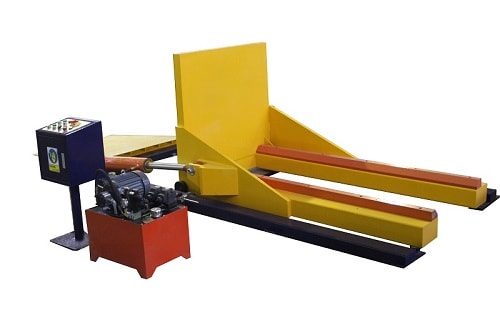
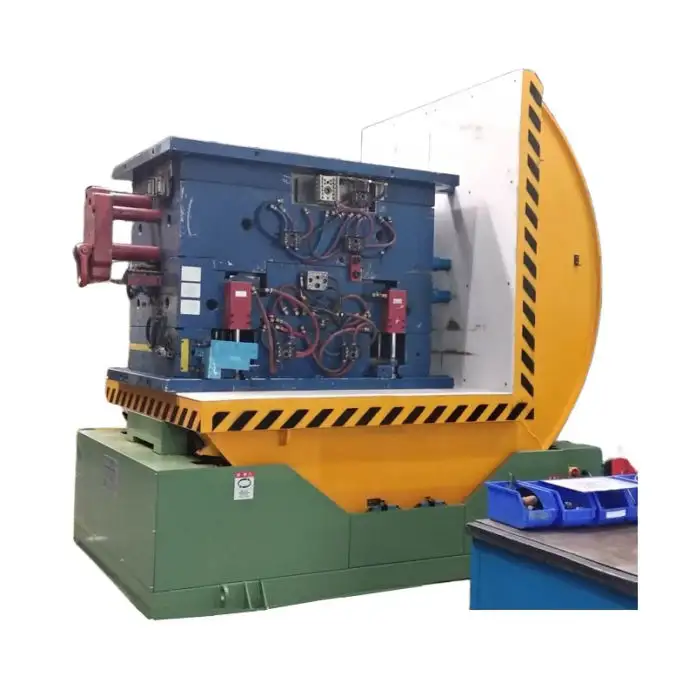
The key components of mold flippers that significantly impact their lifespan include robust mechanical structures to withstand heavy loads, precision bearings for smooth rotation and reduced friction, durable hydraulic or pneumatic cylinders for consistent flipping action, and reliable control systems for accurate positioning. Regular inspection and maintenance of these components—structures, bearings, cylinders, and controls—are crucial for preventing failures and maximizing the operational life of mold flippers.
%[keywords]

To truly extend the life of your mold flippers, we need to dive deeper into these critical areas. Let's break down the essential components and explore how targeted maintenance can make a significant difference.
Dive Deeper: Critical Components and Targeted Maintenance
Mold flippers, while seemingly simple in function, are complex machines that endure significant stress. Their lifespan is intrinsically linked to the health and maintenance of several key components. Ignoring these can lead to costly repairs and downtime. Let's examine these components and outline effective maintenance strategies:
1. Structural Integrity: The Foundation of Longevity
The structural frame of a mold flipper is its backbone. It must withstand the weight of molds and the dynamic forces of flipping. Weak points here lead to instability and eventual failure.
- Problem: Frame fatigue, weld cracks, loose bolts.
- Impact: Misalignment, instability, potential collapse under load.
- Maintenance:
- Regular Visual Inspections: Check for cracks, deformations, and corrosion, especially at weld points and stress concentration areas.
- Bolt Torque Checks: Periodically verify and tighten bolts to specified torques. Loose bolts cause stress and wear.
- Non-Destructive Testing (NDT): For high-usage or heavy-load flippers, consider annual NDT like ultrasonic or dye penetrant testing to detect hidden cracks.
2. Precision Bearings: Ensuring Smooth Motion
Bearings are crucial for the smooth rotation of the flipping mechanism. Wear and tear here translate directly to jerky movements, increased friction, and ultimately, failure.
- Problem: Bearing wear, contamination, lack of lubrication.
- Impact: Increased friction, uneven flipping, motor strain, bearing seizure.
- Maintenance:
| Bearing Type | Lubrication Schedule | Inspection Frequency | Replacement Indicator |
|---|---|---|---|
| Ball Bearings | Monthly | Quarterly | Excessive noise, play, overheating |
| Roller Bearings | Bi-monthly | Quarterly | Increased vibration, temperature rise, binding |
| Slewing Bearings | Quarterly | Semi-annually | Uneven rotation, significant play, grinding |
*   **Scheduled Lubrication:** Use the correct type and amount of lubricant as per manufacturer recommendations. Over-greasing or under-greasing is equally harmful.
*   **Cleanliness:** Protect bearings from dust, debris, and moisture. Use seals and shields effectively.
*   **Vibration Monitoring:** Implement vibration analysis to detect early signs of bearing wear and schedule proactive replacements.
3. Hydraulic/Pneumatic Cylinders: Powering the Flip
Cylinders provide the force for flipping. Leaks, wear, or contamination in the hydraulic/pneumatic system reduce efficiency and can cause jerky, uncontrolled movements.
- Problem: Seal leaks, cylinder rod damage, contamination in fluid/air.
- Impact: Reduced flipping force, inconsistent motion, system inefficiency, potential cylinder failure.
- Maintenance:
- Daily Leak Checks: Visually inspect cylinders, hoses, and fittings for leaks. Address leaks immediately.
- Fluid/Air Quality: Regularly check and replace hydraulic fluid/pneumatic filters. Contamination is a major cause of cylinder wear.
- Cylinder Rod Inspection: Examine cylinder rods for scratches, dents, or corrosion. Protect rods from damage.
- Pressure Monitoring: Ensure operating pressures are within specified limits. Over-pressurization stresses the system; under-pressurization reduces performance.
4. Control Systems: Accuracy and Reliability
The control system dictates the precision and reliability of the flipping operation. Electrical faults, sensor malfunctions, or software glitches can lead to erratic behavior and damage.
- Problem: Wiring faults, sensor drift, software errors, component aging.
- Impact: Inaccurate positioning, uncontrolled movements, safety hazards, system downtime.
- Maintenance:
- Electrical Inspections: Regularly check wiring for damage, loose connections, and corrosion.
- Sensor Calibration: Periodically calibrate position sensors and limit switches to maintain accuracy.
- Software Updates: Keep control system software updated to the latest versions to address bugs and improve performance.
- Component Checks: Inspect control panels for overheating, loose components, and signs of wear.
By focusing on these critical components and implementing targeted maintenance strategies, you can significantly enhance the lifespan and reliability of your mold flippers, minimizing downtime and maximizing productivity.
Implementing Essential Maintenance Practices for Mold Flippers
Are you relying on reactive repairs instead of proactive prevention? Waiting for a breakdown is a costly gamble. Essential maintenance practices are the cornerstone of mold flipper longevity, shifting from fixing problems to preventing them in the first place.
Essential maintenance practices for mold flippers include regular lubrication of all moving parts to minimize friction, consistent cleaning to remove debris and prevent corrosion, periodic inspections for wear and damage with timely replacements, and ensuring correct operational settings and procedures are followed by trained personnel. These proactive steps are crucial in preserving the functionality and extending the lifespan of mold flippers.
%[keywords]
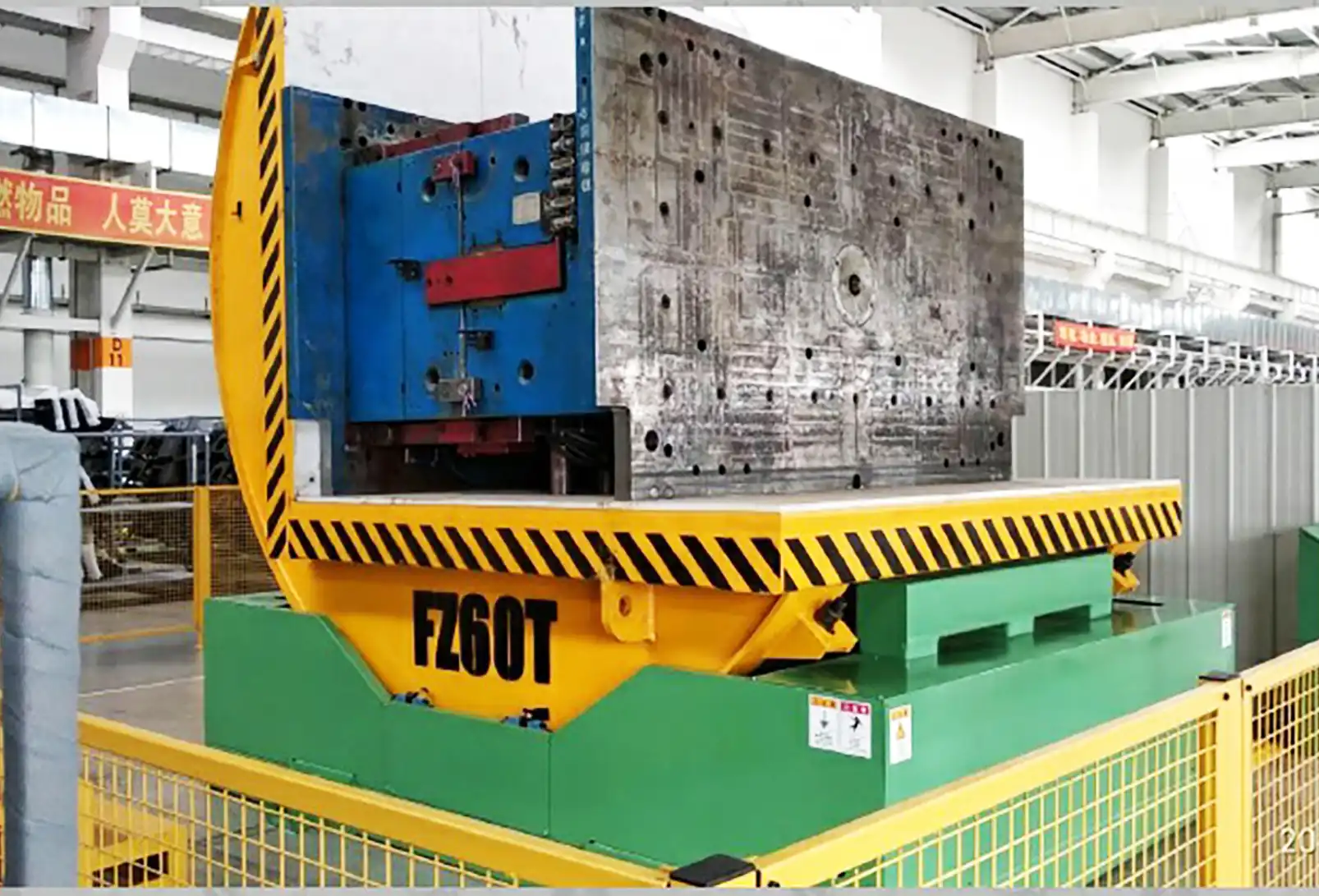
Let’s delve deeper into these practices, transforming reactive fixes into a robust preventative maintenance plan that safeguards your investment.
- Dive Deeper: Building a Proactive Maintenance Plan
A reactive approach to maintenance is like waiting for a fire before calling the fire department – it's too late and often more damaging. Proactive maintenance, on the other hand, is about fire prevention. Here’s how to build a plan that works:
1. Lubrication: The Lifeblood of Smooth Operation
Lubrication is not just about applying grease; it's about applying the right grease, in the right amount, at the right intervals.
- Actionable Steps:
- Identify Lubrication Points: Map out all lubrication points – bearings, gears, slides, cylinder rods, etc. – using the manufacturer's manual.
- Select Correct Lubricants: Use lubricants recommended for the specific components and operating conditions (temperature, load, environment). High-quality, industrial-grade lubricants are essential.
- Establish a Schedule: Create a lubrication schedule based on usage frequency and environmental factors. Daily, weekly, monthly schedules might be necessary for different points.
- Proper Application: Train personnel on correct lubrication techniques. Over-lubrication can be as harmful as under-lubrication, attracting dirt and causing seals to fail. Use grease guns with metered output.
2. Cleaning: Preventing Corrosion and Debris Damage
Cleanliness is crucial, especially in industrial environments. Debris, dust, and corrosive agents can accelerate wear and tear.
- Actionable Steps:
- Daily Cleaning: Implement a daily cleaning routine to remove surface debris, oil spills, and dust accumulation. Use appropriate cleaning agents that won’t damage paint or components.
- Regular Deep Cleaning: Schedule weekly or monthly deep cleaning, including cleaning around bearings, cylinders, and control panels.
- Corrosion Prevention: In humid or corrosive environments, apply rust inhibitors to exposed metal surfaces regularly.
- Debris Shields: Install shields or guards to minimize debris ingress into critical areas.
3. Regular Inspections: Catching Problems Early
Inspections are your early warning system. Regular checks can identify minor issues before they escalate into major breakdowns.
- Actionable Steps:
- Daily Operator Checks: Train operators to perform daily visual checks – looking for leaks, unusual noises, loose parts, and damage.
- Weekly/Monthly Technician Inspections: Schedule more detailed inspections by trained technicians. These should include checking bolt torques, bearing play, cylinder rod condition, hose integrity, and electrical connections.
- Checklists: Use checklists to ensure consistent and thorough inspections. Document findings and actions taken.
- Vibration and Thermal Monitoring (Advanced): For critical flippers, consider implementing vibration and thermal monitoring systems to detect anomalies that are not visually apparent.
4. Operator Training: The Human Element
Even the best maintenance plan fails without properly trained operators. Human error is a significant contributor to equipment damage.
- Actionable Steps:
- Comprehensive Training: Provide thorough training on correct operating procedures, safety protocols, and basic troubleshooting.
- Regular Refreshers: Conduct refresher training periodically to reinforce best practices and address any knowledge gaps.
- Manuals and Guides: Ensure operators have easy access to operating manuals and quick-reference guides.
- Accountability: Establish clear accountability for proper operation and reporting of issues.
By integrating these essential maintenance practices into your daily and periodic routines, you create a proactive defense against premature wear and tear, significantly extending the lifespan of your mold flippers and ensuring consistent, reliable performance.
Optimizing Mold Flipper Operation for Longevity
Are you maximizing throughput at the expense of your equipment's lifespan? Aggressive operation can push production limits, but it also accelerates wear and tear. Optimizing operation is about finding the sweet spot – efficiency without sacrificing longevity.
To optimize mold flipper operation for longevity, adhere to recommended load limits to prevent structural stress, control flipping speeds to reduce jerky movements and impacts, ensure smooth and aligned mold handling to avoid misalignments, and implement consistent operating procedures and training to minimize human errors. These operational optimizations minimize stress on the machinery and contribute significantly to extending the lifespan of mold flippers.
%[keywords]
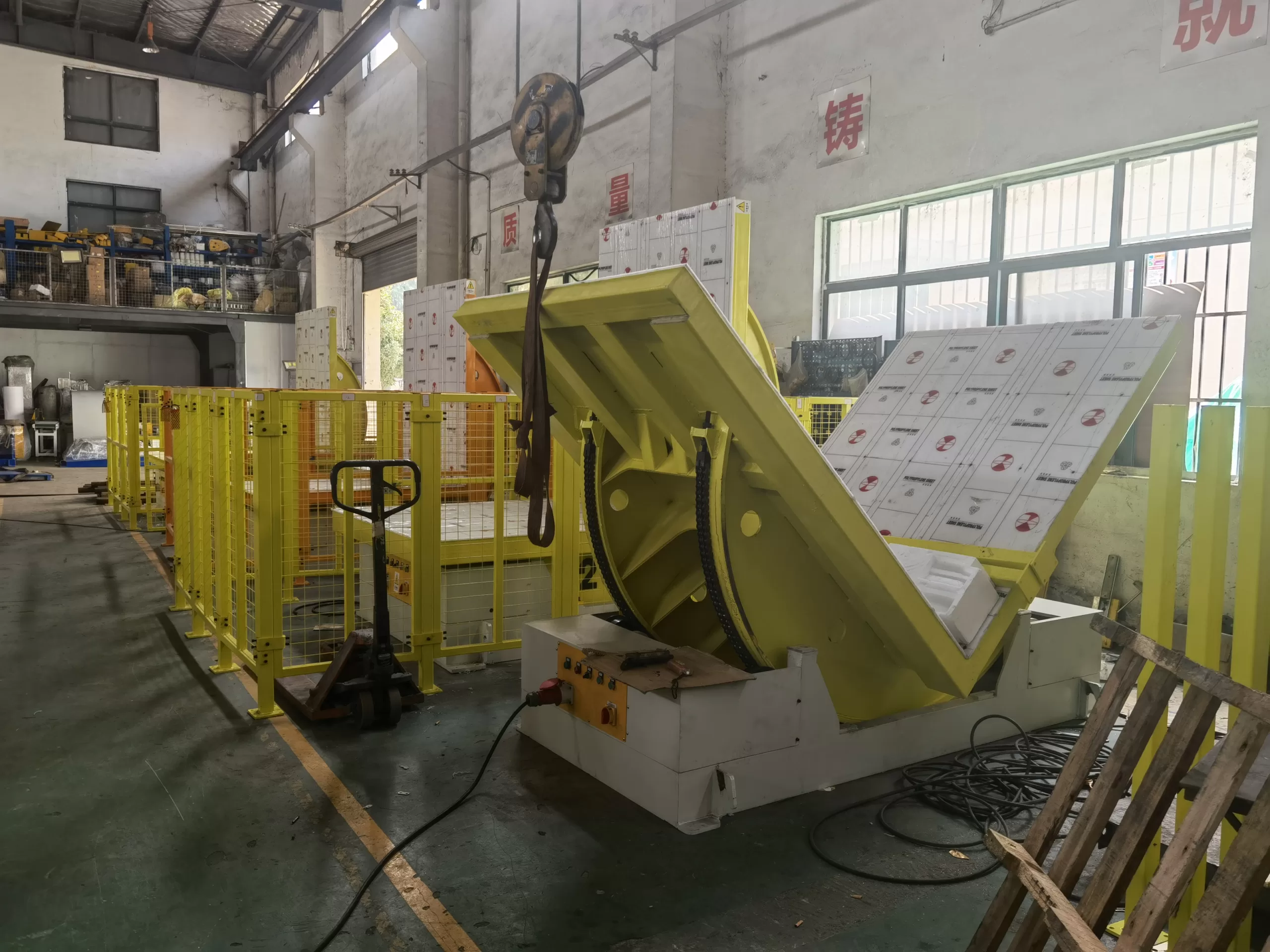
Let's explore how fine-tuning operational parameters and practices can lead to a longer, more productive life for your mold flippers.
- Dive Deeper: Operational Tweaks for Extended Life
Operation is where theory meets reality. Even the best-designed and maintained mold flipper can suffer if operated incorrectly. Let’s look at key operational aspects and how to optimize them for longevity.
1. Load Management: Respecting Capacity Limits
Overloading is a direct path to structural damage and accelerated wear. Respecting load limits is non-negotiable for longevity.
- Operational Optimization:
- Know Your Limits: Clearly understand the maximum load capacity of your mold flipper. This should be prominently displayed and easily accessible to operators.
- Weight Verification: Implement procedures to verify the weight of molds before flipping. Use weighing scales if necessary.
- Load Distribution: Ensure the mold weight is evenly distributed on the flipper platform. Uneven loads create stress concentrations.
- Safety Factors: Operate with a safety margin below the maximum capacity to account for dynamic loads and unexpected variations.
2. Speed Control: Smooth and Steady Wins the Race
Aggressive, high-speed flipping introduces excessive stress and impact forces. Controlled speed is key to reducing wear.
- Operational Optimization:
| Speed Parameter | Impact on Longevity | Optimization Strategy |
|---|---|---|
| Flipping Speed | High speed = High impact | Programmed speed control, adjustable based on mold weight |
| Acceleration/Deceleration | Jerky starts/stops = Stress | Soft start/stop ramps, smooth transitions |
| Rotation Speed | Fast rotation = Wear | Moderate, controlled rotation speeds |
*   **Programmable Speed Control:** Utilize mold flippers with programmable speed controls. Adjust speeds based on mold size and weight.
*   **Soft Start/Stop:**  Ensure smooth acceleration and deceleration to minimize jerky movements and impact loads.
*   **Operator Training:** Train operators to use controlled, smooth movements rather than abrupt, high-speed operation.
3. Alignment and Handling: Precision is Paramount
Misalignment and rough handling cause unnecessary stress and damage to both the mold and the flipper.
- Operational Optimization:
- Precise Alignment: Ensure molds are properly aligned and seated on the flipper platform before initiating the flip. Misalignment can cause binding and stress.
- Gentle Handling: Train operators to handle molds gently during loading and unloading. Avoid dropping or slamming molds onto the flipper.
- Guide Systems: Utilize guide rails or centering devices to assist in accurate mold positioning.
- Inspection of Mating Surfaces: Regularly inspect mold and flipper mating surfaces for damage or debris that could cause misalignment.
4. Standardized Procedures and Monitoring: Consistency is Key
Inconsistent operation and lack of monitoring can mask developing problems and lead to unexpected failures.
- Operational Optimization:
- Standard Operating Procedures (SOPs): Develop and implement clear SOPs for mold flipper operation. Ensure all operators are trained and adhere to these procedures.
- Logbooks and Records: Maintain operational logbooks to record usage, any issues encountered, and maintenance performed.
- Performance Monitoring: Track key performance indicators (KPIs) such as cycle times, uptime, and error frequency. Deviations from normal can indicate problems.
- Regular Audits: Conduct periodic audits of operating practices to ensure adherence to SOPs and identify areas for improvement.
By implementing these operational optimizations, you shift from simply using the mold flipper to managing its operation for longevity. This proactive approach not only extends equipment life but also improves operational efficiency and reduces the risk of errors and accidents.
Proactive Strategies Beyond Basic Maintenance
%[keywords]
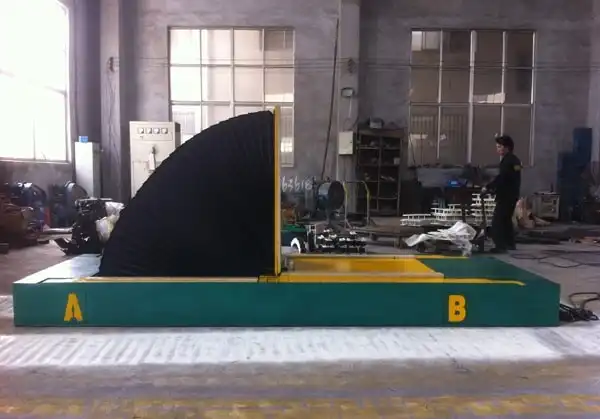
Beyond routine maintenance, proactive strategies to extend mold flipper lifespan include investing in high-quality, robust machinery initially, implementing predictive maintenance through sensor-based monitoring, conducting periodic equipment audits to identify areas for improvement, and planning for timely component upgrades and replacements before failures occur. These advanced strategies ensure sustained performance and maximize the long-term return on investment in mold flipper equipment.
To truly maximize the lifespan of your mold flippers, you need to think beyond basic maintenance. Let's explore advanced, proactive strategies that can significantly extend equipment life and optimize your return on investment. These strategies are about future-proofing your operations. Investing in high-quality machinery from reputable manufacturers is the first step. Predictive maintenance utilizes sensors and data analytics to foresee potential issues before they escalate, allowing for timely interventions. Regular equipment audits help in identifying inefficiencies and areas for enhancement in both maintenance and operation. Finally, strategic component upgrades, planned proactively, prevent sudden breakdowns and keep the equipment performing optimally over the long term. Embracing these proactive measures ensures not just extended lifespan, but also enhanced efficiency and reliability of your mold flipper systems.
Conclusion
Extending the lifespan of mold flippers is not just about reactive repairs; it’s about adopting a holistic approach encompassing proactive maintenance, optimized operation, and strategic planning. By understanding critical components, implementing essential maintenance practices, optimizing operational parameters, and embracing proactive strategies, manufacturers can significantly enhance the longevity and reliability of their mold flippers. This translates to reduced downtime, lower replacement costs, and improved overall production efficiency, making it a worthwhile investment for any manufacturing operation relying on mold flipping technology.