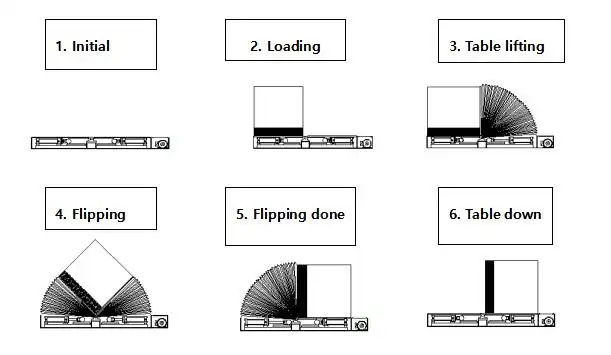
Why Do We Need Mold Flippers?
Are you tired of wrestling with heavy molds, risking injury and production delays? Manufacturing floors are often battlegrounds against time and cost, and manual mold handling is a prime culprit. But what if there was a way to effortlessly turn these cumbersome objects, boosting safety and efficiency in one fell swoop?
We need mold flippers because they revolutionize heavy mold handling in manufacturing, automating the dangerous and time-consuming task of turning molds. This automation drastically improves workplace safety, enhances production efficiency by reducing downtime, and ensures consistent product quality by minimizing handling errors.
Let's dive into why mold flippers are not just a nice-to-have, but a necessity for modern manufacturing aiming for peak performance and a safer work environment.
How Does a Mold Flipping Machine Operate in Manufacturing?
Imagine your production line grinding to a halt every time a heavy mold needs turning. Manual mold handling is a bottleneck riddled with risks – painful delays, strained muscles, and potential damage to valuable equipment. Isn't there a smarter, safer way?
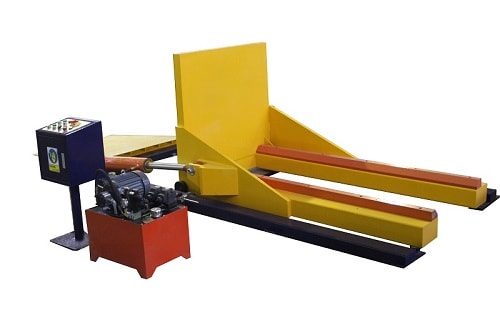
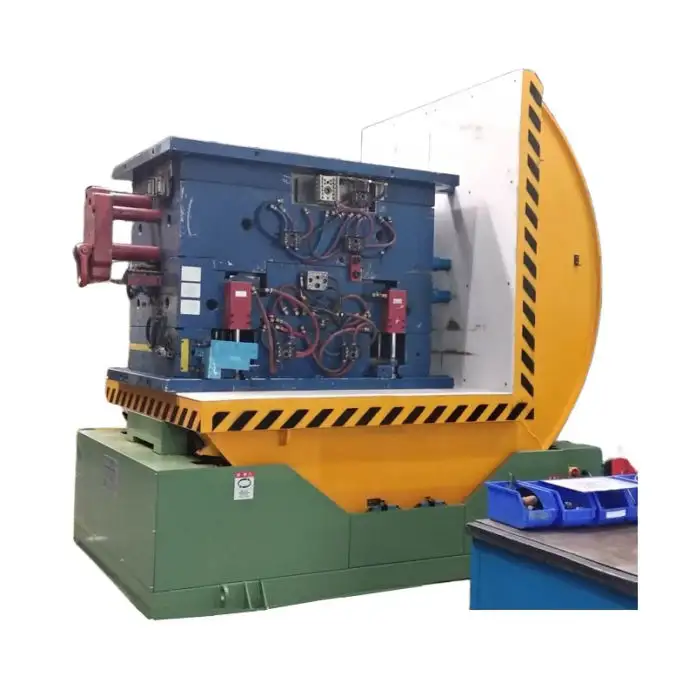
A mold flipping machine operates in manufacturing by automating the 180-degree turning of heavy molds. It uses secure gripping mechanisms and smooth rotation to eliminate manual lifting and maneuvering. This process drastically cuts down turnaround times, minimizes the risk of human error, and seamlessly integrates into existing workflows, significantly boosting overall production efficiency and safety.
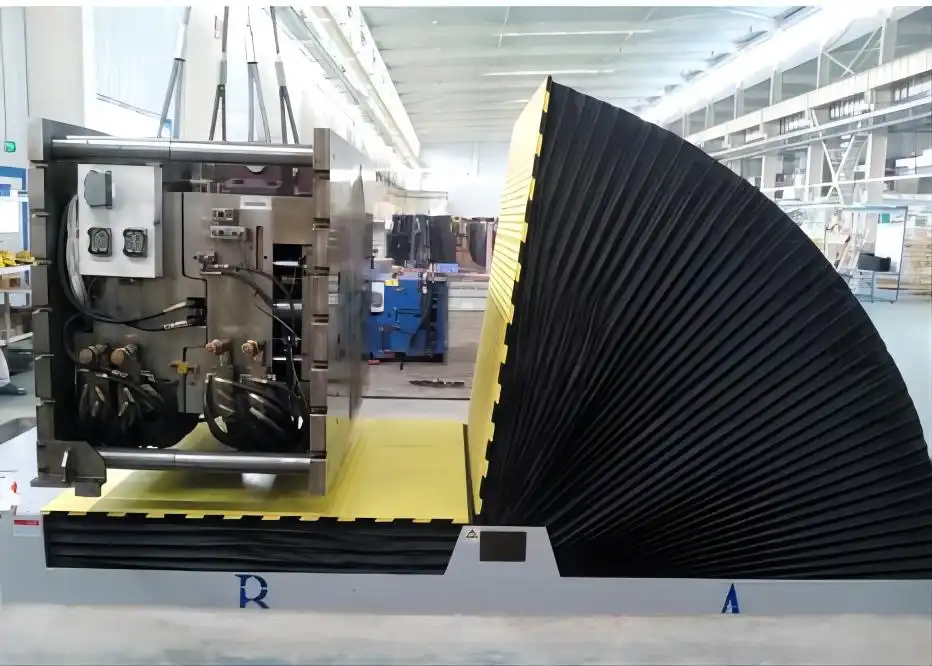
Delving Deeper into Mold Flipping Machines
The integration of industrial mold flippers represents a fundamental shift towards operational effectiveness in manufacturing. But why is this shift so critical, and how do these machines actually work? Let's break down the impact and mechanics of these essential tools.
Manufacturers constantly grapple with the pressure to maintain consistent product quality while adhering to increasingly tight deadlines. Manual mold flipping introduces significant variables – human fatigue, inconsistent handling, and the ever-present risk of damage. These factors not only jeopardize product integrity but also inflate operational costs through errors, rework, and potential injuries. This is where industrial mold flippers transition from being merely helpful to absolutely indispensable.
The core functionality of a mold flipping machine hinges on advanced automation. By minimizing manual intervention, these machines inherently enhance safety. Consider the sheer weight and size of industrial molds – manually flipping them poses a substantial risk of workplace injuries, from strains and sprains to more severe accidents. Automating this process allows companies to proactively mitigate these risks, maintain strict regulatory compliance, and cultivate a demonstrably safer working environment for their employees.
Seamless integration is another key advantage. Modern mold flippers are designed for adaptability, readily fitting into diverse manufacturing setups without demanding extensive and costly infrastructure overhauls. This adaptability underscores their practical viability as essential manufacturing productivity tools, delivering rapid return on investment and minimal disruption to existing operations.
Moreover, the precision and controlled motion of automated mold flipping significantly reduce error rates. This accuracy directly translates into more consistent and higher product quality. Consistent quality isn't just about meeting specifications; it's about building customer satisfaction, fostering trust in your brand, and securing repeat business in a competitive marketplace.
To truly appreciate the transformative impact, let's quantify the advantages. The table below starkly contrasts manual flipping with automated mold flipping across key operational metrics:
| Key Metric | Manual Flipping | Automated Mold Flipping |
|---|---|---|
| Time to Flip a Mold | ~30 minutes | ~5 minutes |
| Labor Risk | High | Low |
| Consistency of Mold Positioning | Variable | Consistent |
| Downtime Reduction | Negligible | Significant |
The decision to adopt mold flipping machinery transcends a simple technological upgrade. It's a strategic alignment with the core imperatives of modern manufacturing. Decades of engineering experience consistently demonstrate that this seemingly small adaptation triggers transformative outcomes, unlocking new avenues for innovation, efficiency gains, and sustained progress. Investing in a mold flipping machine isn't just about meeting today's production demands; it's about future-proofing your operations and preparing for the challenges and opportunities of tomorrow.
What Are the Primary Benefits of Using a Mold Flipper?
In the high-stakes world of manufacturing, efficiency isn't just a goal; it's a survival imperative. Precise mold handling is paramount, but traditional methods are often labor-intensive and fraught with risk. Could mold flippers be the key to unlocking smoother, safer, and more productive operations?
The primary benefits of using a mold flipper are significant improvements in production efficiency, enhanced worker safety, and reduced labor costs. By automating mold turning, these machines minimize manual intervention, ensure consistent product quality, save valuable time, and contribute to a safer, more cost-effective manufacturing environment.
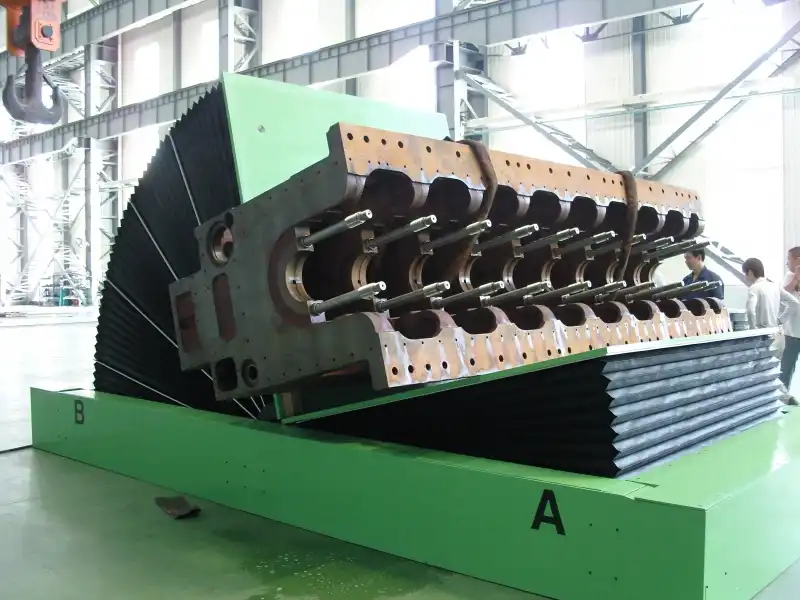
Assessing the Impact of Mold Flippers
Understanding the true impact of mold flipping machines requires a thorough evaluation of their multifaceted utility within a manufacturing context. These machines, by intelligently automating tedious and inherently risky manual tasks, catalyze significant improvements across safety protocols, operational efficiency, and overall workflow fluency.
Let's examine the impact across key aspects:
| Aspect | Observation | Benefits |
|---|---|---|
| Safety Improvements | By drastically reducing the need for manual handling of heavy molds, mold flippers inherently minimize workplace risks. | Fewer accidents and injuries translate directly into significant cost reductions related to worker compensation and lost productivity. |
| Time Efficiency | Automation inherently streamlines operations and demonstrably reduces manufacturing cycle times. | Increased throughput and overall productivity. Workers are freed to focus on higher-value, more complex tasks within the production process. |
| Productivity Benefits | Automating the mold turning process leads to consistently high product quality and accelerated production timelines. | Enhanced product reliability and consistency directly contribute to meeting tight production schedules and exceeding customer expectations. |
As a seasoned industry veteran, witnessing the transformative power of automation firsthand has been a recurring theme throughout my career. Automating processes like mold flipping demonstrably minimizes errors, accelerates production timelines, and fundamentally reshapes the operational landscape. The implementation of automated systems isn't just about replacing manual labor; it's about strategically optimizing human capital by ensuring safer work conditions and empowering the workforce to concentrate on more critical, value-added production tasks. In today's hyper-competitive global market, where manufacturing efficiency is paramount, the strategic integration of mold flipping machines cannot be overstated. The clear and quantifiable advantages in safety, consistency, and overall economy firmly establish their position as pivotal manufacturing productivity tools, essential for any forward-thinking operation.
How Does 180-Degree Mold Turning Enhance Manufacturing Efficiency?
In the relentless pursuit of manufacturing excellence, every second shaved off cycle time and every instance of waste eliminated translates directly to increased profitability. Automating mold turning, specifically through 180-degree rotation, emerges as a true game-changer. But how exactly does this seemingly simple rotation unlock such significant efficiency gains?
180-degree mold turning enhances manufacturing efficiency by drastically reducing mold handling times and significantly improving precision throughout the production process. This technology streamlines overall workflows, ensures consistently reliable outcomes, and elevates product quality standards, making it an indispensable asset in modern industrial manufacturing.
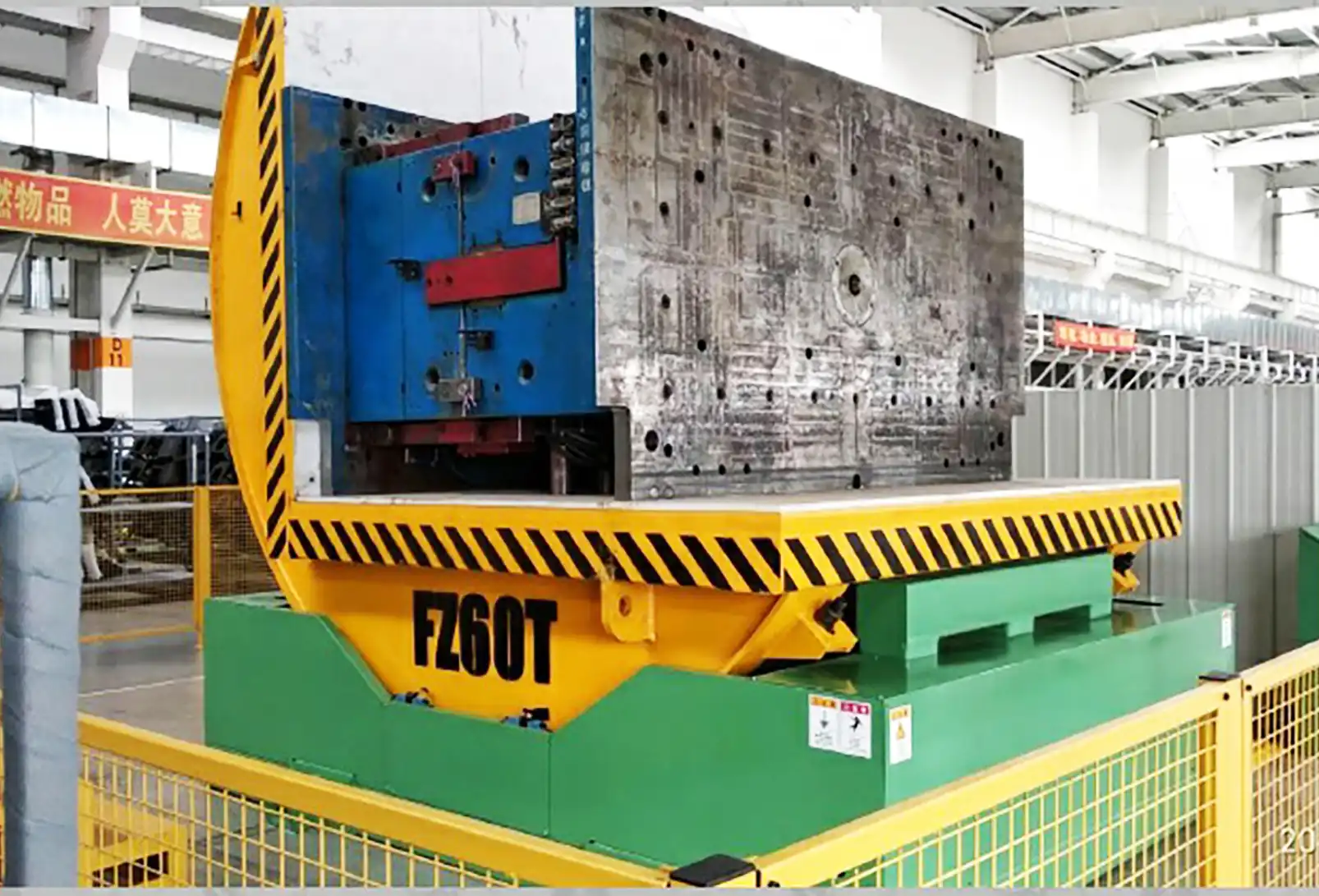
Delving Into 180-Degree Mold Turning
To fully appreciate the efficiency-boosting power of 180-degree mold turning, we need to examine how these systems fundamentally augment various critical production processes. They bolster manufacturing efficiency by ensuring molds are flipped with exceptional precision and stability, directly minimizing downtime and simultaneously enhancing the consistency and quality of production output.
Let's break down the key parameters and outcomes:
| Parameter | Insight | Outcomes |
|---|---|---|
| Precision Improvement | 180-degree turning systems ensure exact and repeatable flipping motions, meticulously maintaining mold form and alignment throughout the process. | Reduced defects in manufactured parts due to consistent mold handling. Guaranteed product quality and uniformity across production runs. |
| Cycle Time Reduction | Automated 180-degree operations save substantial time compared to traditional, labor-intensive manual methods. | Improved production scheduling and predictability. Increased overall throughput and faster turnaround times for customer orders. |
| Operational Cost Cut | The smooth and controlled operations of automated systems minimize wear-and-tear on both the molds themselves and the machinery. | Lower maintenance expenses due to reduced equipment stress and damage. Increased system longevity and extended operational lifespan. |
Throughout my career, I've been a staunch advocate for embracing the transformative potential of automated systems. I've witnessed firsthand their tangible effects on both productivity metrics and overall cost management. The focused precision of 180-degree turns in mold flipping directly aligns with stringent industry standards for defect reduction and quality control. Manufacturers who prioritize achieving peak operational efficiency and minimizing disruptive operational hiccups are increasingly adopting these advancements, strategically reinforcing their competitive positions within a demanding and rapidly evolving market. 180-degree mold turning isn't just an incremental improvement; it's a foundational technology for achieving manufacturing excellence in the modern era.
How Does a Mold Flipping Machine Improve Operational Safety?
Manual handling of massive molds is inherently fraught with danger. For years, the safety of teams involved in mold handling has been a paramount concern. Manual mold turning is a recipe for workplace injuries and costly operational disruptions. But what if technology offered a reliable solution, fostering a secure work environment while streamlining operations?
A mold flipping machine improves operational safety by automating the inherently risky process of turning heavy molds. By minimizing the need for manual lifting and maneuvering, it significantly reduces the risk of workplace injuries such as strains, sprains, and accidents. Automating the 180-degree mold turning process also ensures consistent and controlled handling, preventing potential damage to expensive molds and improving overall operational uptime and safety standards.
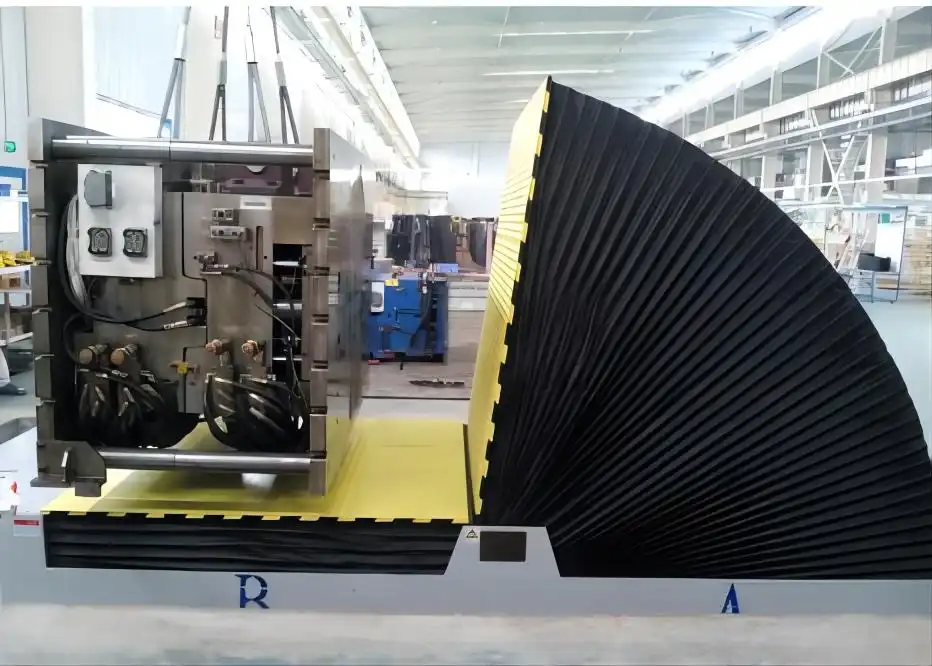
Understanding the Safety Mechanics of Mold Flippers
Integrating sophisticated machinery like a mold flipper into your manufacturing line might initially seem complex. However, upon closer examination, its inherent simplicity and operational efficiency become readily apparent, offering significant value over traditional, risk-laden manual methods.
Let's explore the key components and integrated safety benefits:
Key Components and Safety Benefits
| Component | Benefit |
|---|---|
| Automated Controls | Significantly reduces the potential for human error in mold handling, enhancing overall operational precision and safety. |
| Hydraulic System | Provides smooth, controlled, and virtually effortless flipping action, minimizing sudden movements and potential hazards. |
| Safety Features | Typically includes critical features like emergency stop buttons and integrated load monitoring systems for enhanced safety. |
Employing a mold flipping machine allows businesses to strategically reallocate their workforce, empowering skilled workers to focus on higher-value tasks that demand human ingenuity and expertise, rather than menial, physically demanding, and potentially dangerous labor. The tangible results are immediately evident: a significant reduction in workplace incidents and a more efficient utilization of manpower for intricate processes where human skills truly excel.
The user-friendly interface of modern mold flippers further enhances operational safety. Training requirements are minimal, and the machines are engineered for seamless integration with existing production line equipment. This is not merely about mitigating safety risks; it's about driving a fundamental advancement in overall operational efficiency while prioritizing worker well-being. Decades of experience underscore the mold flipper as a pivotal enhancement to any forward-thinking production line. It perfectly exemplifies how technology can harmonize with human capabilities to redefine workplace dynamics, creating a safer, more productive, and future-ready manufacturing environment.
For a more in-depth understanding of how a mold flipping machine can specifically benefit your business operations and safety protocols, you can explore resources like mold flipping machine for comprehensive insights and detailed specifications.
Key Safety Features in Modern Mold Flippers
In industries like packaging and automotive manufacturing, mold flipping is not just a routine procedure; it's a critical, albeit inherently risky, necessity. Modern mold flippers are engineered with a suite of enhanced safety features, including easily accessible emergency stop buttons, robust safety barriers, and intelligent load sensors. These features are meticulously designed to proactively prevent accidents and mitigate the inherent risks associated with traditional manual mold handling methods.
Let's delve into the specifics of these vital safety features:
| Safety Feature | Description | Benefit |
|---|---|---|
| Emergency Stop Buttons | Strategically placed buttons that allow operators to instantly halt all machine operations in case of an emergency. | Provides a critical immediate response mechanism to prevent accidents and minimize potential harm. |
| Safety Barriers | Physical barriers strategically positioned around the flipper's operational zone. | Significantly reduces the risk of accidental operator contact with moving parts during machine operation, enhancing worker safety. |
| Load Sensors | Advanced sensors that continuously monitor weight distribution and detect any weight changes during flipping. | Prevents potentially dangerous overloads and ensures machine stability throughout the mold turning process, safeguarding both equipment and personnel. |
| Interlocking Systems | Sophisticated systems that automatically disallow machine operation if safety doors or access points are open. | Heightens overall operational security by preventing operation when safety protocols are compromised, ensuring a safe working environment. |
| Signal Lights | Clear visual indicators that provide real-time updates on the machine's operational status (e.g., running, idle, error). | Enhances situational awareness for all personnel in the vicinity, promoting a safer and more informed working environment. |
These advanced safety features are not merely optional add-ons; they are integral components of modern mold flippers, transforming them into a cornerstone of workplace safety.
Safe Implementation of Mold Flippers
Effectively managing heavy molds manually can be a truly daunting task, fraught with potential hazards. This is precisely where the strategic implementation of a mold flipping machine becomes invaluable. However, simply installing the machine is not enough; ensuring its safe implementation is paramount. This involves a multi-faceted approach encompassing comprehensive staff training, diligent performance of regular maintenance checks, and strict adherence to all machine operational guidelines. Effective pre-implementation planning is crucial to minimizing risks, optimizing workflow efficiency, and maintaining unwavering adherence to stringent safety standards, ultimately solidifying mold flipping machines as an indispensable asset in modern manufacturing environments.
Let's outline the key steps for safe and successful implementation:
| Step | Action | Result |
|---|---|---|
| Staff Training | Conduct thorough training programs to educate all relevant staff on proper machine operation and comprehensive safety protocols. | Creates a fully informed and highly competent workforce, thoroughly prepared to safely and effectively manage the mold flipper. |
| Regular Maintenance | Establish and rigorously adhere to a schedule of routine maintenance checks to proactively ensure optimal machine efficiency and longevity. | Significantly reduced risk of unexpected breakdowns and operational disruptions, ensuring consistent and reliable performance. |
| Safety Inspections | Implement a program of regular and comprehensive safety audits to proactively identify and mitigate any potential hazards. | Minimized workplace risks through early detection and rectification of potential safety issues, fostering a safer environment. |
| Adhere to Guidelines | Strictly follow all operational manuals and manufacturer guidelines during every aspect of machine operation. | Guaranteed operational integrity and adherence to best practices, maximizing both safety and efficiency. |
| Continuous Monitoring | Implement continuous monitoring of machine operations to ensure ongoing adherence to established safety standards and protocols. | Enhanced and sustained safety levels through proactive oversight, ensuring consistent compliance and a continuously safe environment. |
By diligently following these structured steps, manufacturers can confidently ensure the safe and seamless integration of mold flippers into their operations, fostering a demonstrably safer and more efficient working environment for all personnel.
Conclusion
Mold flipping machines are not merely pieces of equipment; they are pivotal technological advancements driving significant improvements in manufacturing efficiency and workplace safety. By automating the cumbersome and hazardous task of mold handling and incorporating advanced safety features, businesses can demonstrably reduce the risk of accidents, enhance production workflows, and cultivate a more secure and productive production environment for their workforce. Embracing mold flipper technology is a strategic imperative for any modern manufacturer committed to operational excellence and the well-being of their employees.