Ensuring safe and efficient mold upender operations hinges on a comprehensive risk assessment. This involves systematic identification of potential hazards, evaluating risks, implementing control measures, and regularly reviewing the process to minimize workplace accidents and enhance productivity.
Mold handling with upenders offers significant efficiency gains, but also introduces potential hazards if not managed correctly. A thorough risk assessment is not just a safety requirement; it's a cornerstone of operational excellence, preventing accidents, minimizing downtime, and fostering a safer working environment. This article will guide you through the essential steps of conducting a risk assessment for mold upender operations, ensuring compliance and maximizing safety.
Understanding the Importance of Risk Assessment in Mold Upender Operations
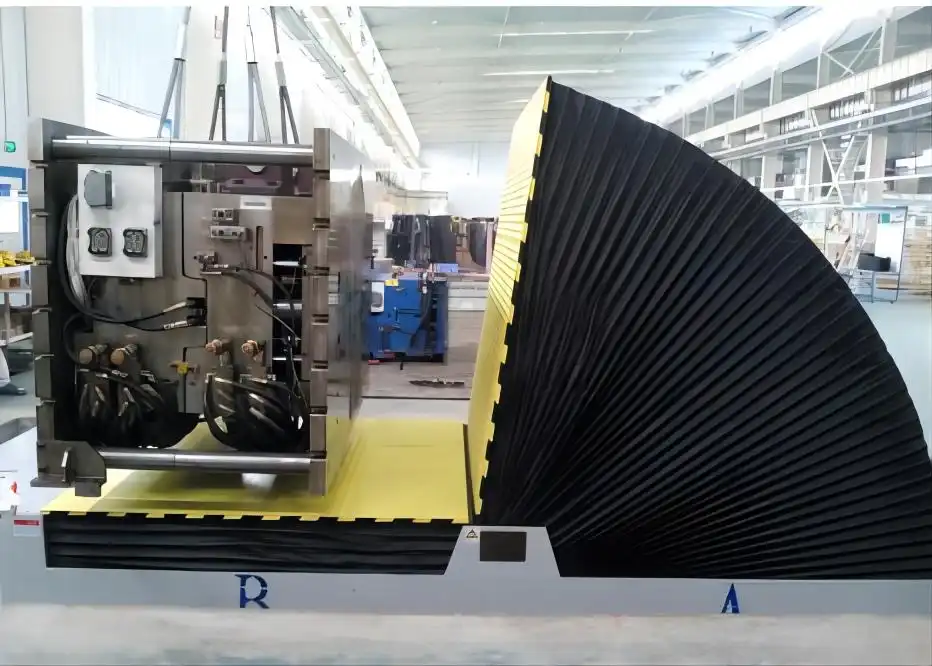
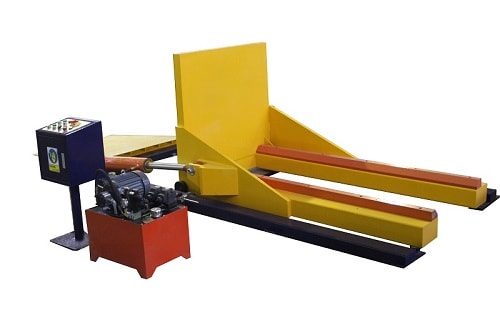
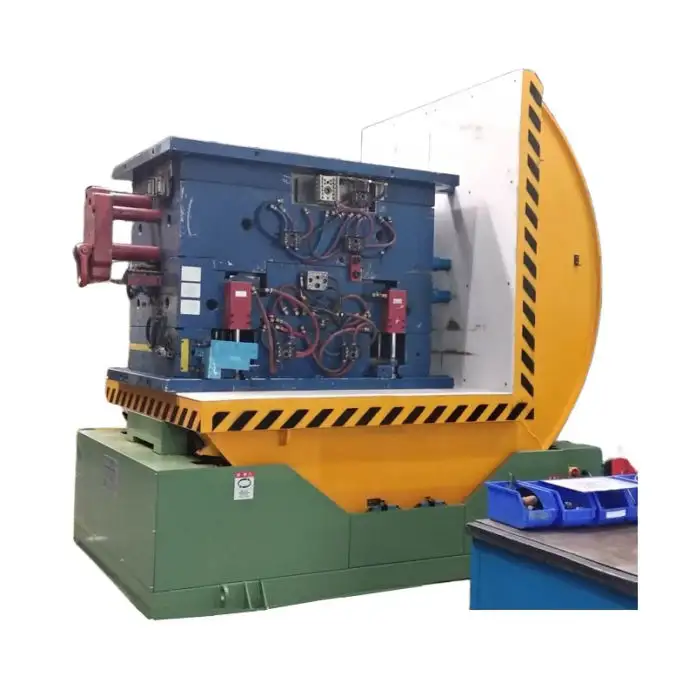
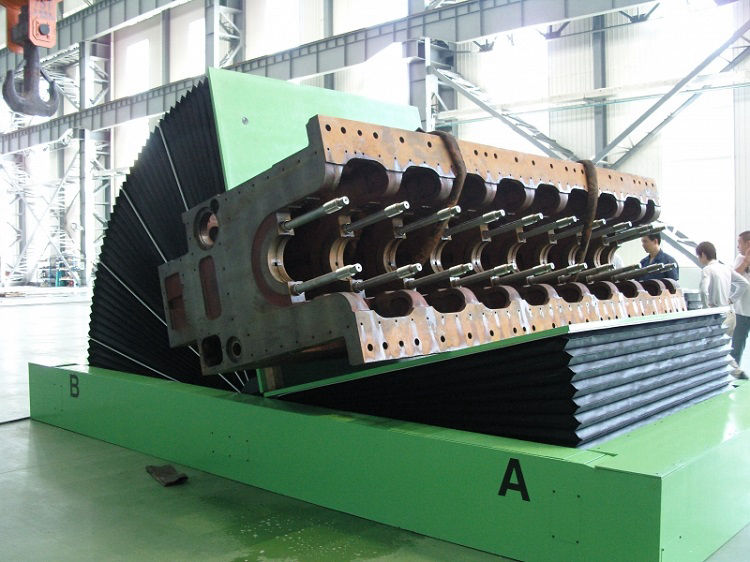
Mold upenders are invaluable pieces of equipment in industries that handle heavy molds. They streamline the process of rotating molds, often by 90 or 180 degrees, facilitating easier access for maintenance, repair, or changes in production lines. However, the sheer weight and mechanical operation of these machines present inherent risks. Without a systematic risk assessment, facilities may overlook critical safety measures, leading to:
- Workplace Accidents: Injuries from dropped molds, pinch points, or equipment malfunction.
- Equipment Damage: Costly repairs or replacements due to improper operation or lack of safety features.
- Operational Inefficiencies: Downtime due to accidents or safety incidents.
- Compliance Issues: Failure to meet safety regulations, resulting in penalties and legal liabilities.
A proactive risk assessment addresses these concerns by systematically identifying hazards, evaluating their potential severity, and implementing controls to mitigate or eliminate risks. It's an ongoing process, not a one-time event, and should be integrated into the regular operational procedures for mold upenders.Step-by-Step Guide to Conducting a Risk Assessment
A robust risk assessment for mold upender operations involves a structured approach. Here are the key steps to follow:
1. Hazard Identification:
The first step is to meticulously identify all potential hazards associated with mold upender operations. This requires a comprehensive look at every stage of the operation, from pre-operation checks to mold handling and post-operation procedures. Consider the following aspects and potential hazards based on the provided materials: - Equipment-Related Hazards:

- Mechanical Failures: Failure of lifting mechanisms, rotation systems, or structural components. Regular mechanical checks and robust design are crucial to prevent these issues.
- Emergency Stop Malfunctions: If emergency stops are not functioning correctly, operators cannot quickly halt the machine in case of a hazard. Essential emergency stop mechanisms include strategically located buttons and pull cords.
- Guarding System Failures: Compromised or inadequate guarding systems can leave operators exposed to moving parts. Effective guarding systems use physical barriers, interlocks, and safety sensors to prevent access to dangerous areas.
- Load Capacity Exceedance: Overloading the upender beyond its specified load capacity can lead to mechanical failure and instability. Load sensors and adherence to load capacity guidelines are vital.
- Lighting Deficiencies: Poor lighting can reduce visibility, increasing the risk of misjudgments, errors, and accidents. Proper lighting is critical for operator safety and accuracy.
- Operational Hazards:
- Operator Error: Incorrect operation due to inadequate training or unclear controls. Intuitive control panels and comprehensive training programs minimize operator error.
- Lack of Standard Operating Procedures (SOPs): Absence of clear SOPs can lead to inconsistent and unsafe practices.
- Poor Communication: Lack of effective communication between team members during mold handling.
- Maintenance Neglect: Insufficient maintenance can lead to the degradation of safety features and increased risk of equipment failure. Regular maintenance checks are crucial to ensure systems remain in optimal condition.
- Environmental Hazards:
- Slippery Surfaces: Oil spills or debris around the upender can create slip and fall hazards.
- Obstructions: Cluttered workspaces can hinder safe operation and emergency access.
2. Risk Analysis:
Once hazards are identified, the next step is to analyze the associated risks. This involves evaluating the likelihood of each hazard occurring and the severity of potential consequences. Risk analysis helps prioritize which risks require immediate attention and control measures. Consider these factors:
- Likelihood: How probable is it that the hazard will occur? (e.g., Frequent, Occasional, Rare)
- Severity: What is the potential impact if the hazard occurs? (e.g., Minor Injury, Serious Injury, Fatality, Minor Damage, Major Damage).
A simple risk matrix can be used to categorize risks:
| Likelihood | Severity: Minor | Severity: Moderate | Severity: Major |
|--------------|-----------------|--------------------|-----------------|| Frequent | Moderate Risk | High Risk | Critical Risk |
| Occasional | Low Risk | Moderate Risk | High Risk |
| Rare | Very Low Risk | Low Risk | Moderate Risk |
3. Risk Evaluation and Prioritization:
Evaluate the analyzed risks and prioritize them based on their level of significance (Critical, High, Moderate, Low). Critical and High risks require immediate and robust control measures. Moderate risks should be addressed as soon as reasonably practical, while low risks should be monitored and controlled where feasible.
4. Implement Control Measures:
Develop and implement control measures to eliminate or mitigate the identified risks. Control measures should follow the hierarchy of controls: - Elimination: Can the hazard be removed entirely? (While not always possible with mold upenders themselves, processes can be redesigned to minimize handling needs).
- Substitution: Can a less hazardous process or equipment be substituted? (e.g., using a different type of mold handling equipment if appropriate).
- Engineering Controls: Implement physical changes to the workplace to reduce risks. For mold upenders, this includes:
- Emergency Stop Mechanisms: Install and regularly test easily accessible emergency stop buttons and pull cords.

- Guarding Systems: Ensure robust physical barriers, interlocks, and safety sensors are in place and functioning correctly.
- Load Monitoring Systems: Utilize sensors to prevent overloading and ensure load stability.
- Proper Lighting: Install adequate lighting to ensure clear visibility of the operating area and machinery.
- Safety Interlocks: Implement interlocks to prevent machine operation under unsafe conditions, such as when guards are open.
- Administrative Controls: Implement procedures and practices to enhance safety. This includes:
- Safe Operating Procedures (SOPs): Develop and implement clear, written SOPs for all mold upender operations, including pre-operation checks, operation steps, and emergency procedures.
- Training Programs: Provide comprehensive training to all operators and maintenance personnel on safe operation, emergency procedures, and risk awareness. Simulated emergency stop scenarios can reinforce procedures and build operator confidence.
- Permit-to-Work Systems: Implement permit-to-work systems for high-risk maintenance tasks.
- Regular Inspections and Maintenance: Establish a schedule for regular inspection and maintenance of the mold upender and its safety features.
- Safety Audits: Conduct regular safety audits to verify the effectiveness of control measures and identify areas for improvement.
- Personal Protective Equipment (PPE): Provide and enforce the use of appropriate PPE as a last line of defense. This may include safety shoes, gloves, and eye protection.
5. Monitoring and Review:
Risk assessment is not a static process. Regularly monitor the effectiveness of implemented control measures and review the risk assessment itself. - Regular Inspections: Conduct routine inspections to ensure control measures are in place and effective.
- Incident Reporting and Investigation: Establish a system for reporting and investigating all incidents and near misses. Lessons learned from incidents should be used to update the risk assessment and improve control measures.
- Personal Protective Equipment (PPE): Provide and enforce the use of appropriate PPE as a last line of defense. This may include safety shoes, gloves, and eye protection.

- Periodic Review: Review the risk assessment at least annually, or whenever there are significant changes to equipment, processes, or personnel. Changes in regulations or industry best practices should also trigger a review.
Key Safety Features of Mold Upenders and Their Role in Risk Mitigation
Integrating specific safety features into mold upender systems is crucial for effective risk mitigation. Here's a table highlighting key safety features and their benefits, directly addressing hazard controls: Safety Feature Description Risk Mitigated Benefit Emergency Stop Buttons & Pull Cords Easily accessible mechanisms to halt operations immediately. Unintended movements, imminent hazards, accidents. Rapid response to emergencies, minimizing potential damage/injury. Safety Interlocks Systems that prevent operation when unsafe conditions exist. Accidental operation during maintenance, guard breaches. Prevents operation in unsafe states, ensuring operator safety. Load Sensors Devices monitoring the weight and balance of the mold. Overloading, tipping, instability, dropped molds. Ensures operational stability, prevents equipment damage and spills. Guarding Systems Physical barriers, sensors, interlocks around hazardous zones. Operator contact with moving parts, pinch points. Protects operators from inadvertent contact, enhancing workspace safety. Proper Lighting Sufficient illumination of the work area. Misjudgments, overlooked hazards, reduced visibility. Improves visibility, reduces errors and accidents, enhances accuracy. User-Friendly Controls Intuitive and clearly labeled control panels. Operator error, incorrect operation. Prevents operational mistakes, eases handling, and improves efficiency. Compliance and Continuous Improvement
Conducting a risk assessment is often mandated by safety regulations and standards. Compliance with these regulations is not just a legal obligation but also demonstrates a commitment to workplace safety. Furthermore, a commitment to continuous improvement is essential. Regularly reviewing and updating the risk assessment process, incorporating feedback from operators, and staying informed about industry best practices will lead to safer and more efficient mold upender operations over time.
By systematically implementing a robust risk assessment process and integrating essential safety features, companies can significantly reduce the risks associated with mold upender operations, creating a safer and more productive work environment. This proactive approach not only protects employees but also contributes to operational efficiency and long-term business success.